REVIEW · GDANSK
Gdansk: Small-Group Stutthof Tour
Book on GetYourGuide →Operated by Mr.Shuttle · Bookable on GetYourGuide
Stutthof is a heavy day, done thoughtfully. This small-group Stutthof tour uses tight timing and a real, English-speaking guide to help you understand what happened in Pomerania, including persecution under German occupation and the camp’s role as the first Nazi camp outside German territory. I like that you also get guided context before you walk into the worst parts of the site, not just a list of buildings.
Two things I especially like: you’ll cover both old and new camp quarters, plus the commander’s villa, so you see how the camp functioned and changed; and you end at the camp victims’ monument for a proper moment of respect instead of rushing out. One possible drawback: it’s not the kind of visit you can comfortably “browse.” With a set schedule and a 2-hour on-site portion, you’ll want to plan your pace and restroom breaks.
In This Review
- Quick take: who this tour is for
- A 4-hour small-group day trip: the pacing from Gdansk
- Stutthof Museum and guide orientation: why it helps before the hard parts
- Old and new camp quarters plus the commander’s villa
- Gas chambers and crematorium: what to expect and how to prepare
- The Pomerania story and why the occupation context matters
- Pay your respects at the camp victims’ monument
- Price and value: what $142 includes (and why it can be fair)
- Clothing rules and small logistics that save you stress
- What the guide-communication feels like on the ground
- Timing checks: make sure your day plan fits the return
- Should you book this Stutthof small-group tour from Gdansk?
- FAQ
- How long is the Stutthof small-group tour?
- Where does pickup happen?
- What’s included in the price?
- Are food and drinks included?
- How large is the group?
- What languages are offered for the guide?
- Is this tour wheelchair accessible?
- Is the tour suitable for children?
- What should I wear and bring?
- What items are not allowed?
- Is the timing fixed, and can return be earlier than expected?
Quick take: who this tour is for
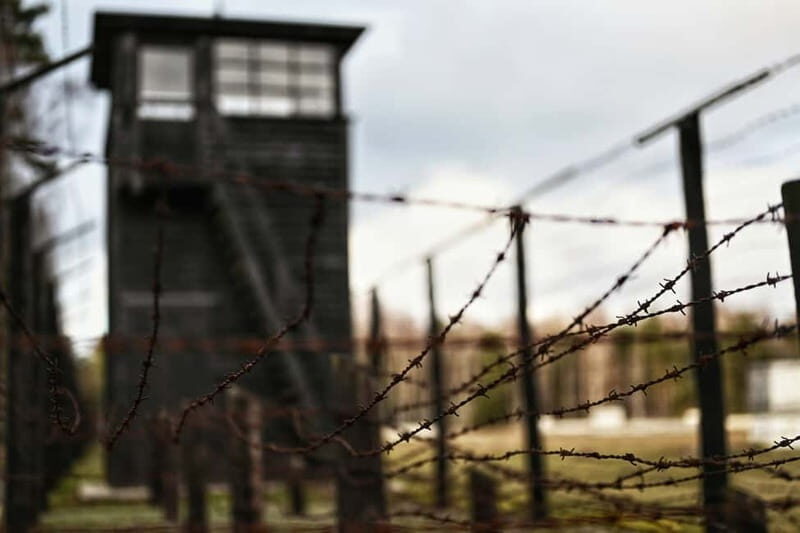
- Small group of 8 means you’re less lost in the shuffle and more likely to hear the guide clearly.
- Old + new quarters plus the villa gives you a fuller sense of how the camp developed.
- Gas chambers and crematorium are included, with unsettling explanations of mass murder.
- A driver who explains more than directions can add local context about the route and daily life around Gdansk.
- Respect stops aren’t skipped, including time at the victims’ monument.
A 4-hour small-group day trip: the pacing from Gdansk
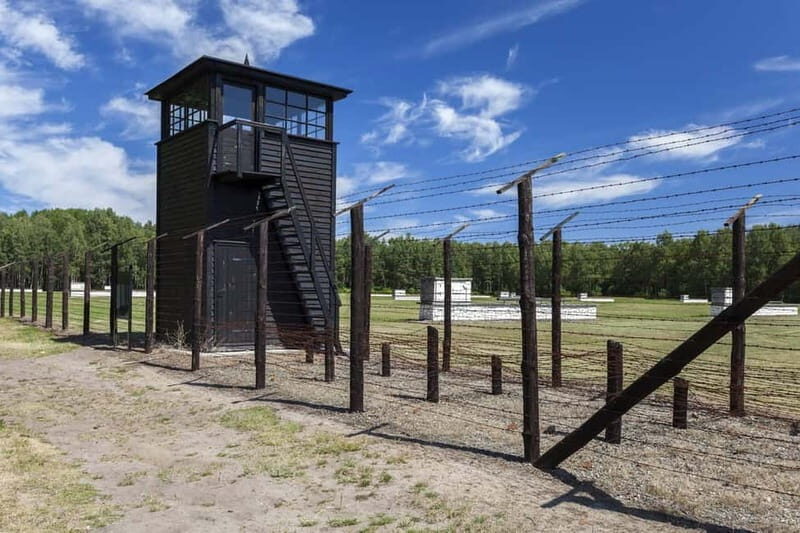
This tour is built for people staying in the Gdansk area who want a serious, guided visit without renting a car. You’re picked up from your hotel or apartment in Gdansk (any location you choose), Sopot, or Gdynia, then taken by air-conditioned vehicle to the Stutthof Museum area. The drive is about one hour each way, and the on-site guided portion runs about two hours, for a total of roughly four hours.
That timing matters. Stutthof is emotionally intense, and a rushed visit is just… wrong. The structure here tries to keep you moving steadily without bouncing you in and out like a box-check. You’ll start with the basics, then move through the camp area in a logical order, then finish with reflection.
Also, you’ll appreciate the small-group limit of up to 8 participants. In a place like this, group size isn’t a comfort detail. It affects sound, attention, and whether you can ask a question if something isn’t clear.
One more practical point: the tour includes skip-the-ticket-line entry. That saves time, and time is usually what gets eaten first on day trips.
You can also read our reviews of more tours and experiences in Gdansk.



Stutthof Museum and guide orientation: why it helps before the hard parts
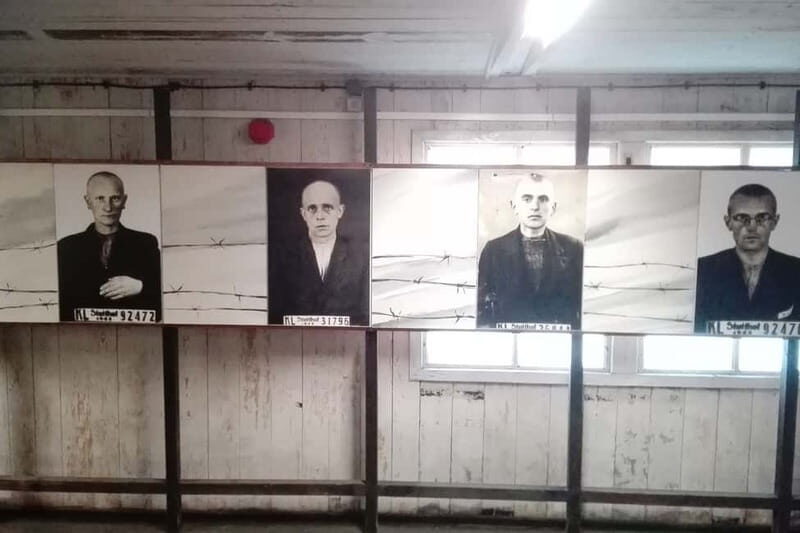
Your day starts with your English-speaking driver meeting you at the pickup point. After the drive (about an hour), the driver brings you to where your Stutthof guide takes over. This transition is more than a handoff. It usually sets your mental footing for what’s coming next.
At the start, the guide explains details about the site—enough to help you follow what you’re looking at once you’re inside the camp. Then you move on to the sections that show the camp’s layout and purpose. The big win is that you’re not standing in front of structures with no context. You’ll know what you’re seeing and why it matters.
You’ll also be moving between multiple areas, not just one viewpoint. The guide’s job is to keep the story coherent while you physically cross the grounds. If you prefer guided clarity (instead of trying to “self-narrate” your way through), this format is a good match.
Old and new camp quarters plus the commander’s villa
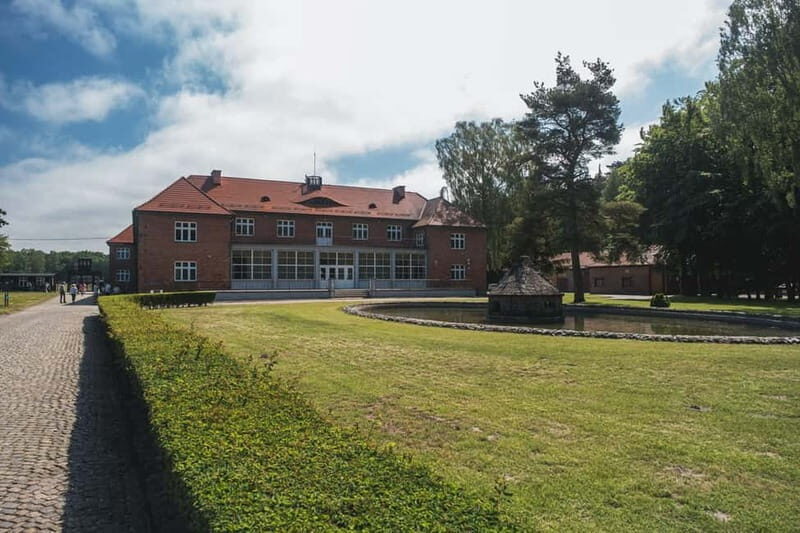
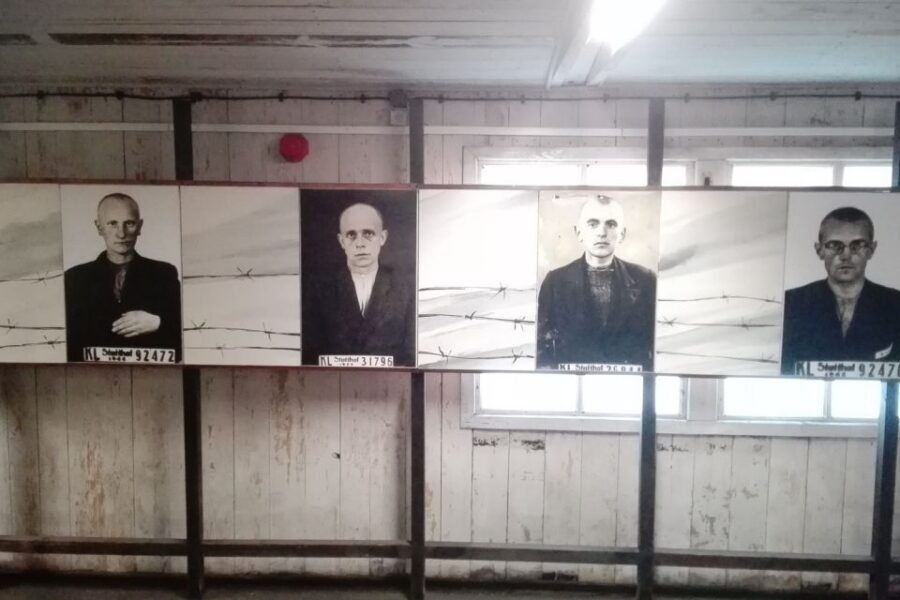
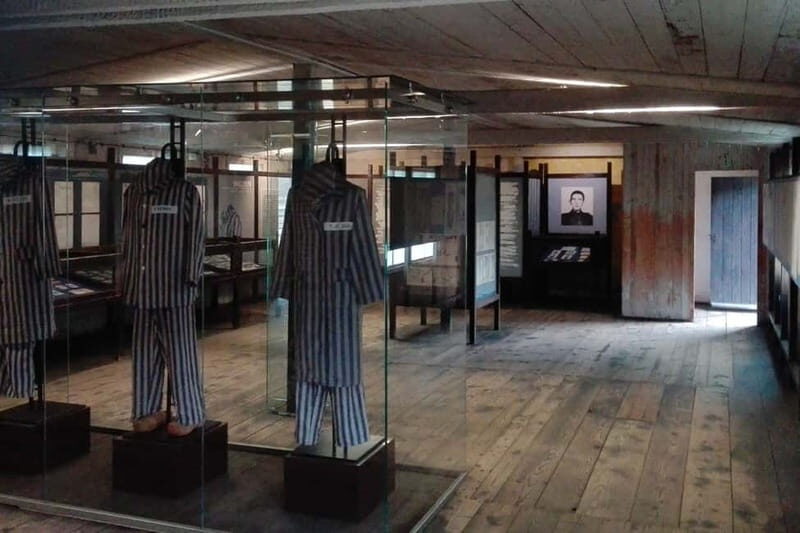
Inside Stutthof, you’ll visit both the old and new camp quarters. That matters because it prevents a common mistake: thinking of the camp as one fixed snapshot. Seeing multiple quarters helps you understand the site as a functioning system that evolved.
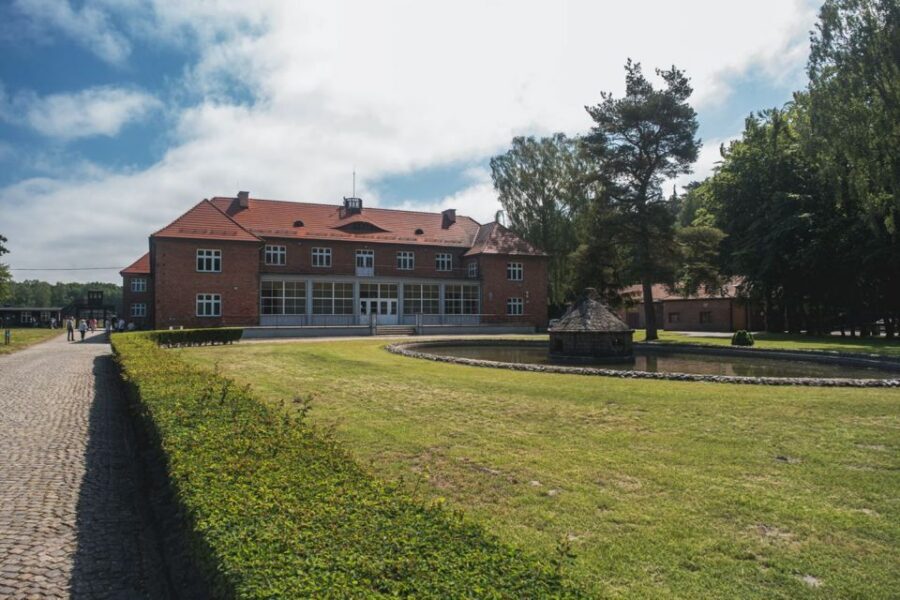
You’ll also visit the commander’s villa. Even without getting lost in architectural analysis, this stop forces a contrast: the people in power lived separately from the prisoners, and the camp had a command structure that operated with chilling normalcy. The guide’s explanation is key here—what looks like a building is really a window into how authority and cruelty sat side by side.
One of the practical benefits of this tour’s order is that it builds gradually. You start with the camp sections that help you orient yourself, then you’re led toward the places that deliver the most horrifying content. For many people, that flow makes it easier to absorb what you’re seeing without feeling mentally blindsided at every turn.
Gas chambers and crematorium: what to expect and how to prepare
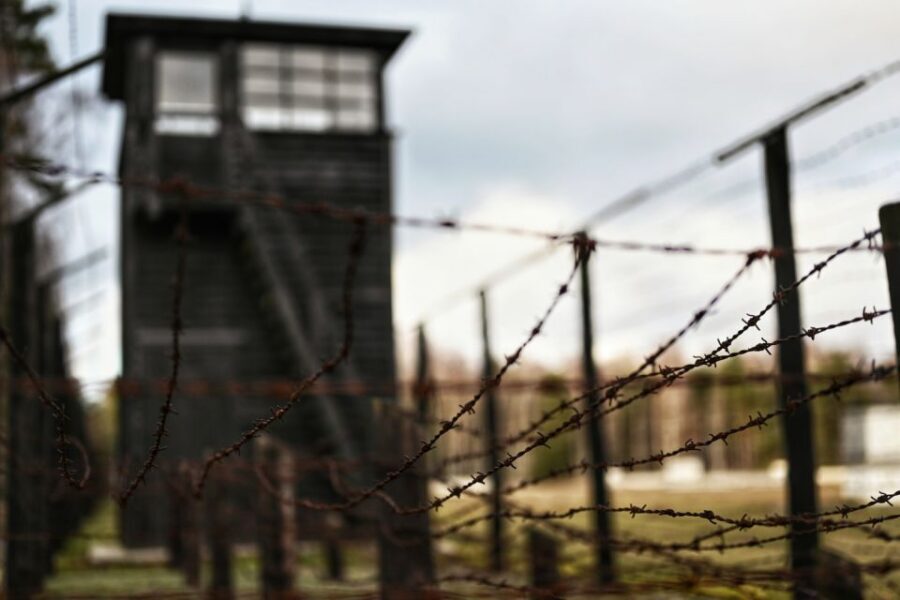
The tour includes the gas chambers and the crematorium, and you’ll hear explanations tied to mass murder. This isn’t optional. It’s part of what makes this tour different from a quick memorial walk.
So what should you do with that information as a visitor? First, dress for the reality of a long, sober walk: comfortable shoes and comfortable clothes are the right call. Second, bring a mindset that expects emotional impact. This is where many visitors feel the weight of the site the most, because the guide’s narration directly addresses how lives were taken.
Second, pay attention to your own body needs before you hit the hardest stops. One small caution based on guest experience: when some people arrived, they found certain facilities weren’t open right away, which can throw off timing if you’re on a medication schedule. You can’t control that, but you can manage it—plan for an early moment to handle what you need before the tour turns fully toward the gas chamber and crematorium areas.
Finally, keep in mind that the guide is speaking. You’ll often be surrounded by other visitors, and the atmosphere can make it harder to focus. A small group helps here. You’re closer to the guide’s voice and it’s easier to follow the story without straining.
The Pomerania story and why the occupation context matters
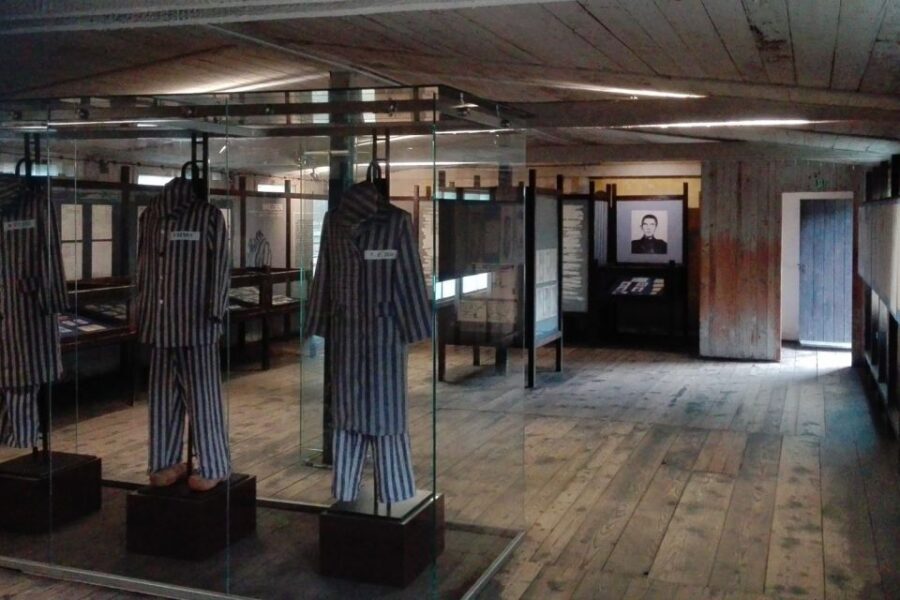
After the main camp sections and the worst sites, you don’t just leave with images. You learn about the persecution and occupation of Pomerania. This is important for two reasons.
First, it connects the camp to the region. Stutthof isn’t presented as an isolated horror story. It’s tied to what people in Pomerania endured. Second, it helps you understand why the camp mattered locally and historically, instead of feeling like you visited a random site without regional context.
In other words, you’re not only looking at buildings. You’re getting a framework for understanding who was targeted and how occupation shaped daily life. For many visitors, that’s what makes the visit feel more complete and less like a photo tour through tragedy.
You’ll also have time to see the layout and then hear how the guide interprets it. That combination is what turns “seeing” into “comprehending.” It’s not comfortable, but it’s clearer.



Pay your respects at the camp victims’ monument
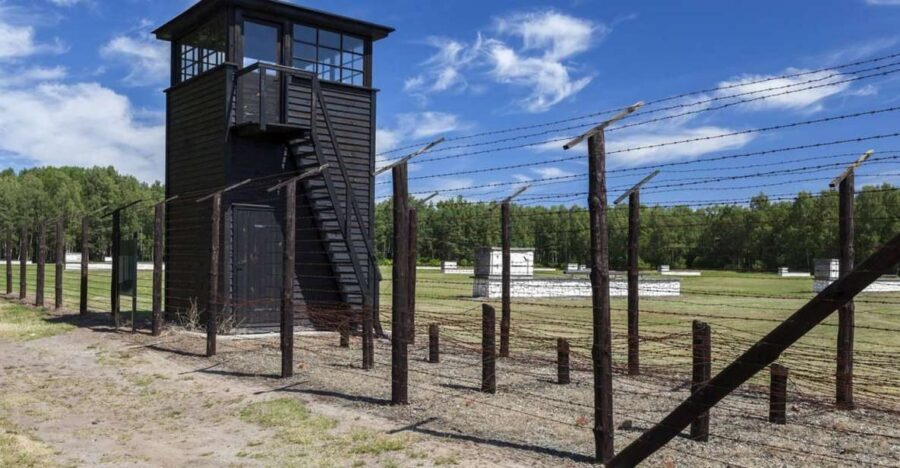
Before the tour ends, you’ll pay your respects at the camp victims’ monument. This is a meaningful stop, and it’s also one of the gentler parts of the itinerary—not because it’s light, but because it shifts you from information gathering to remembrance.
I like that the tour includes this moment. In many places, memorial stops get swallowed by schedule. Here, it’s built into the final sequence, so you’re not forced to run through emotions without a landing.
If you want the visit to land well, give yourself the mental space to do it properly. You don’t need to rush a monument moment just because you’re with a group. Even if you’re walking with others, you can still slow down and let it mean something.
Price and value: what $142 includes (and why it can be fair)
At $142 per person for about four hours, this tour isn’t cheap. But it’s not just paying for the entrance ticket either.
You get:
- Hotel pickup and drop-off from Gdansk, Sopot, and Gdynia
- Air-conditioned transportation
- A Stutthof guide
- Insurance
- Skip-the-ticket-line
- A small group limited to 8
When you translate that into real time, the value gets clearer. You’re saving the hassle of finding transportation, figuring out schedules, and coordinating arrival times. You also get a guide at the site itself—arguably the most important part of a visit like this, because the narration shapes how you understand what you’re looking at.
What’s not included: food and drinks. That means you should plan a light meal before you go, and consider bringing a snack if your schedule needs it—though the tour’s rules on luggage and clothing may affect what you carry. The safest strategy is to eat before pickup and keep your bag minimal.
Clothing rules and small logistics that save you stress
This isn’t a tour where you can show up casually with a big bag and figure it out later. A few rules are listed that you should treat as firm:
- No smoking
- No luggage or large bags
- No sleeveless shirts
So pack like you’re going to a museum with strict grounds rules, not like you’re going on a day hike. Wear comfortable clothes, but avoid sleeveless tops. Bring what you need and leave the rest behind.
Weather can also matter. If it’s cloudy and chilly, expect wind, and bring an extra jacket you can leave in the vehicle if you don’t need it. That’s one of those tiny pieces of advice that can completely change your comfort level during a long walk.
Also, remember the tour isn’t recommended for children under 13. If you’re traveling with young teens, you may need to consider other options.
What the guide-communication feels like on the ground
The guide is live, and the tour runs in English and German. The driver is English-speaking, which helps if you have questions during the trip.
In my view, the quality of a guide is everything for Stutthof. The material is heavy, and the only way it becomes understandable instead of chaotic is if the guide keeps your attention and explains without rushing. Based on past group experiences, guides like Simon and Jan have been noted for being attentive, informative, and good at getting the group to listen.
That doesn’t mean every group will have the same experience. But it does tell you what to look for: strong speaking clarity, good pacing, and the ability to tie the camp details to the broader occupation story.
Timing checks: make sure your day plan fits the return
One practical lesson: confirm your exact return time with your driver on pickup day. There can be differences between what people expect from start-to-end windows. For example, some visitors found they had to be back earlier than they planned, which cut into the time they thought they’d have afterward.
You don’t want to spend the whole tour mentally counting down to your next reservation. But you also don’t want to miss your train or feel rushed at the end. Treat the tour as a committed block in your schedule.
If you’re staying in Gdansk, I suggest leaving at least a small buffer after the return—enough to get yourself oriented, grab a coffee, and decompress a little before your next plans.
Should you book this Stutthof small-group tour from Gdansk?
If you want a guided, small-group visit that covers both camp quarters, includes the gas chambers and crematorium, and ends with time at the victims’ monument, this tour is a strong choice. The value is helped by the included pickup/drop-off, the site guide, and the skip-the-ticket-line access, which keeps the day from turning into logistics.
I’d book if:
- You prefer a clear guided narrative over reading alone.
- You want regional context for Pomerania, not just isolated camp buildings.
- You’re traveling from Gdansk/Sopot/Gdynia and want an easy, structured day.
I’d skip or look at alternatives if:
- You need lots of free time to wander at your own pace.
- You’re traveling with kids under 13 (this tour isn’t recommended for them).
- You can’t handle the emotional intensity of the gas chambers and crematorium content.
Choose it when you’re ready for a hard site, guided well, with enough structure to let the experience land.
FAQ
How long is the Stutthof small-group tour?
The tour lasts about 4 hours total, with around 2 hours inside Stutthof and about an hour of driving time each way.
Where does pickup happen?
Pickup is included from any location in Gdansk, and also from Sopot and Gdynia.
What’s included in the price?
You get hotel pickup and drop-off, air-conditioned transportation with an English-speaking driver, a Stutthof guide, insurance, and skip-the-ticket-line access.
Are food and drinks included?
No. Food and drinks are not included.
How large is the group?
It’s a small group limited to 8 participants.
What languages are offered for the guide?
The tour includes a live guide at Stutthof in English and German. The driver is English-speaking.
Is this tour wheelchair accessible?
Yes, it’s listed as wheelchair accessible.
Is the tour suitable for children?
It’s not recommended for children under 13.
What should I wear and bring?
Wear comfortable shoes and comfortable clothes. If it’s cloudy and chilly, bring an extra jacket because it might be windy.
What items are not allowed?
Smoking isn’t allowed. The tour also doesn’t allow luggage or large bags, and sleeveless shirts.
Is the timing fixed, and can return be earlier than expected?
The total duration is set, but your exact start and return timing may differ from what you initially expect. For that reason, it’s smart to confirm the schedule with your driver on pickup day.