REVIEW · WARSAW
Skip-the-Line Polin Museum Warsaw Jewish History Tour
Book on Viator →Operated by Rosotravel - Things to do in Warsaw · Bookable on Viator
History here has weight. This POLIN Museum and Warsaw Ghetto tour is interesting because it pairs skip-the-line POLIN access with a licensed English guide who helps you connect the sites to the larger story. You’re not just ticking off stops; you’re learning how Jewish life, persecution, and survival fit together in Warsaw.
One thing to think about first: the experience comes in different lengths. The 2-hour option is mainly museum time, while the full 4-hour plan adds the ghetto walk and extra key places like the cemetery and the wall fragment.
In This Review
- Key highlights to know before you go
- A private, skip-the-line way into POLIN Museum
- 2-hour vs 4-hour: choose the version that matches your goals
- Stop 1: Palace of Culture and Science gives you fast Warsaw context
- Monument to the Heroes of the Ghetto: when history stops being abstract
- Jewish Cemetery: the tour’s most emotionally specific hour
- Fragment of ghetto wall: touch the remains, hear the other side
- Walking through Warsaw Ghetto: scale and pressure in one stretch
- Nozyk Synagogue: a rare surviving landmark, with entry by request
- Jewish Historical Institute: archives that anchor the story
- Prozna Street and Grzybowski Square: more than just walking
- POLIN Museum: how the story lands in about two hours
- Price and value: what you’re paying for at $167.97
- What to expect from the pace (and how to prepare)
- Who this tour suits best
- Should you book the Polin Museum Warsaw Jewish History Tour?
- FAQ
- How long is the Skip-the-Line POLIN Museum and Warsaw Ghetto tour?
- What does the 2-hour option include?
- What is included on the 4-hour option?
- Is the tour private?
- What are the skip-the-line tickets for?
- Can I enter Nozyk Synagogue?
- How much time do you spend at POLIN Museum?
- Do I need to buy tickets for included stops?
Key highlights to know before you go

- Skip-the-line at POLIN’s ticket office helps you start the museum portion faster, even with security checks still ahead
- Licensed guide commentary keeps the Warsaw Jewish history story clear and chronological
- Cemetery + wall fragment offer more than photos—this is where the reality gets personal
- Nozyk Synagogue stop is possible to enter by request, but the admission isn’t included
- POLIN Museum in about 2 hours works if you want the main narrative without spending a full day inside
A private, skip-the-line way into POLIN Museum
If Warsaw is your kind of city—layered, complicated, and always telling you to pay attention—this tour is built for that mood. POLIN is the star, and getting in smoothly matters. You’ll get skip-the-line tickets to the POLIN ticket office, which helps when timed entry is tight. Just don’t expect to walk straight through everything: the notes clearly say you can skip the ticket office line, not the entrance and security screening.
What I really like about the setup is the way the guide turns the museum from a list of galleries into an actual timeline. The tour includes expert commentary on Jewish history and the Holocaust in Poland, and the route includes both museum rooms and outdoor memorial sites. That balance is practical: the museum gives context, and then the streets and monuments give weight.
This is also a private tour. Only your group goes with the guide, which usually means more chances to ask questions when something feels confusing or hard to process. It runs in English, with mobile tickets provided, and you’ll be near public transport—handy in a city where walking is often the best plan, but not always the easiest one.
You can also read our reviews of more historical tours in Warsaw


2-hour vs 4-hour: choose the version that matches your goals

The pricing is listed per person, but what you receive depends on the option. Here’s the important part for planning:
- The 2-hour tour focuses on the POLIN Museum experience. The notes say you will not see the Warsaw Ghetto on this shorter option.
- The 4-hour tour includes two segments: about 2 hours in POLIN plus a walking tour through Warsaw’s former ghetto area.
If you want the full impact of the day—museum context plus street-level history—go for the 4-hour plan. It adds stops that change the feel of the visit: the Jewish cemetery (with time built in), a fragment of ghetto wall, and key squares/streets associated with Jewish life and wartime conditions.
If you’re short on time or your group prefers museum depth over walking, the 2-hour version still has real value. You’ll spend enough time to see the main exhibition and related areas included with the skip-the-line ticket.
Stop 1: Palace of Culture and Science gives you fast Warsaw context

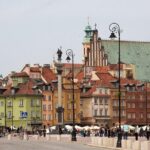
The tour starts at Ludwika Zamenhofa 11 and then moves to the Palace of Culture and Science. This building is often used as a symbol in stories about Warsaw because it’s monumental and unmistakable. It’s also a useful first stop because it signals scale and power—then the rest of the tour shifts to places that were shaped by persecution and forced change.
You don’t need to buy an entry ticket here. The notes say admission is free, and the emphasis is on outside views and architecture. That matters because it sets expectations: this tour uses the city itself as a classroom. You get grounding before the story gets heavy.
Monument to the Heroes of the Ghetto: when history stops being abstract
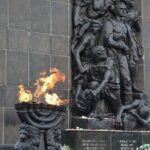
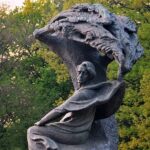
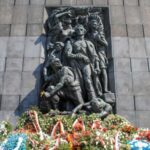
Next comes Pomnik Bohaterów Getta (the Monument to the Heroes of the Ghetto). It’s a short stop, about 15 minutes, but it’s placed right where it should be: before you go deeper into the physical remnants and the museum narrative.
The monument is described as powerful and tied to the persecution of Polish Jews during Germany’s occupation in WWII. Even if you only spend a few minutes here, it helps you adjust your mindset. This isn’t the kind of tour where you can treat the topic as distant or purely academic.
A practical tip: because the stop is short, come prepared to pay attention. If you’re arriving late, you’ll likely miss the chance to pause long enough for the monument to do its job.
Jewish Cemetery: the tour’s most emotionally specific hour
The Jewish Cemetery (Cmentarz Żydowski) is one of the standout stops, with about 1 hour planned. Admission is included, and the description gives you a sense of why it’s special: the cemetery includes scenic, nostalgic grounds with marble and sandstone tombstones called masebas. These stones have delicately carved symbols and ornaments, which makes the visit feel closer to people rather than just events.
The tour also points out a symbolic grave tied to Janusz Korczak, a famous writer and teacher who died in Auschwitz. That detail is exactly the kind of “small, human anchor” that keeps a history tour from turning into a blur.
Possible drawback to consider: cemetery time can slow down your group. If you’re traveling with people who struggle with quiet memorial spaces or long walking segments, this is the place where patience matters most. Still, for most visitors, this is the stop that lingers.
You can also read our reviews of more museum experiences in Warsaw

Fragment of ghetto wall: touch the remains, hear the other side
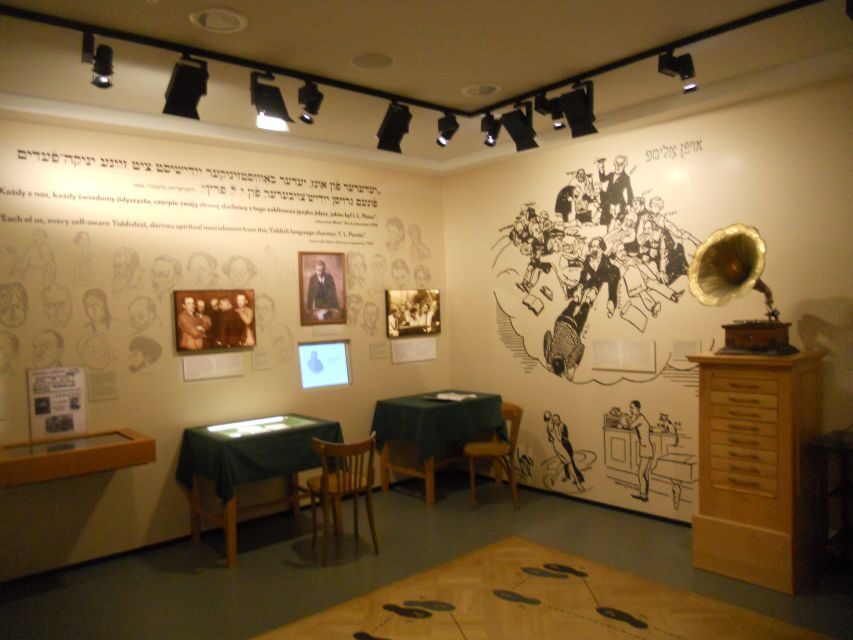
Then you reach a Fragment of Ghetto Wall, another short stop (around 15 minutes) but packed with meaning. The description doesn’t just say you’ll see it—it says you can touch the construction and you’ll hear sounds of everyday life on the other side, as those imprisoned in the ghetto could not.
That’s one of the smartest ways this tour uses the location. You’re encouraged to connect physical reality (the wall’s height and materials) with emotional reality (separation, control, and forced confinement). It’s a quick stop, but it’s the kind that changes the way you look at Warsaw afterwards.
Walking through Warsaw Ghetto: scale and pressure in one stretch
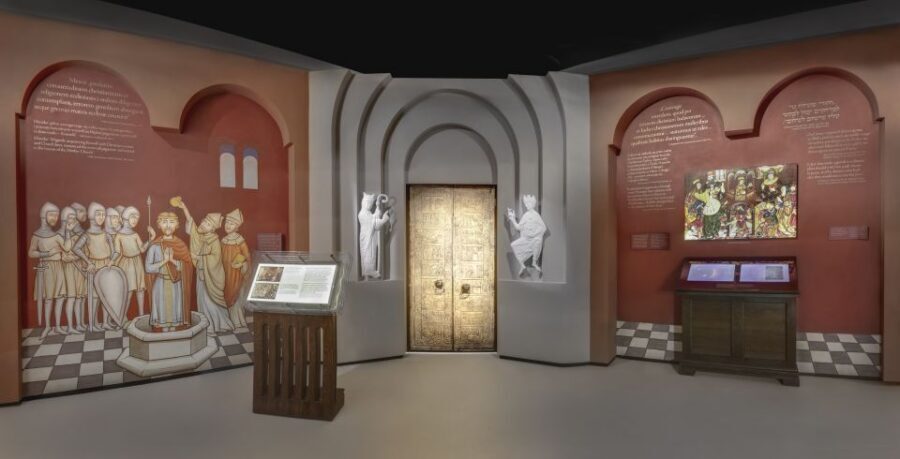
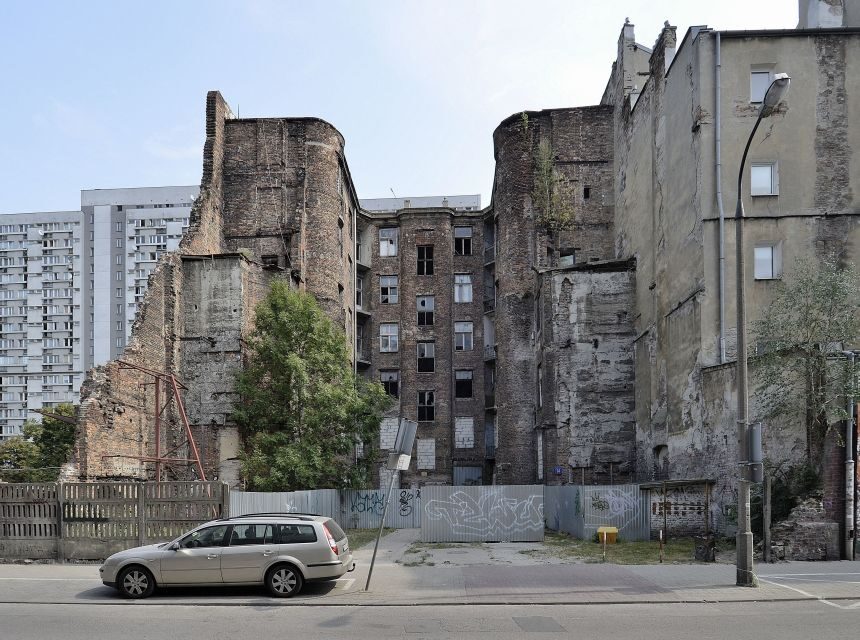
The tour then moves into the Warsaw Ghetto area. It’s described as established in October–November 1940. The scale matters here: it covered only 2.4% of Warsaw’s land area but forced more than 450,000 Jews into crowded conditions.
The time at this stop is about 20 minutes, with admission free. Again, it’s short, which means the guide’s explanation matters. This portion is best when you stay mentally active—ask questions if something feels unclear, like how the borders were decided or how life continued under such restrictions.
If you’re choosing between the 2-hour and 4-hour tours, this is one reason the longer option works: it gives you street-level context that the museum alone can’t fully replace.
Nozyk Synagogue: a rare surviving landmark, with entry by request
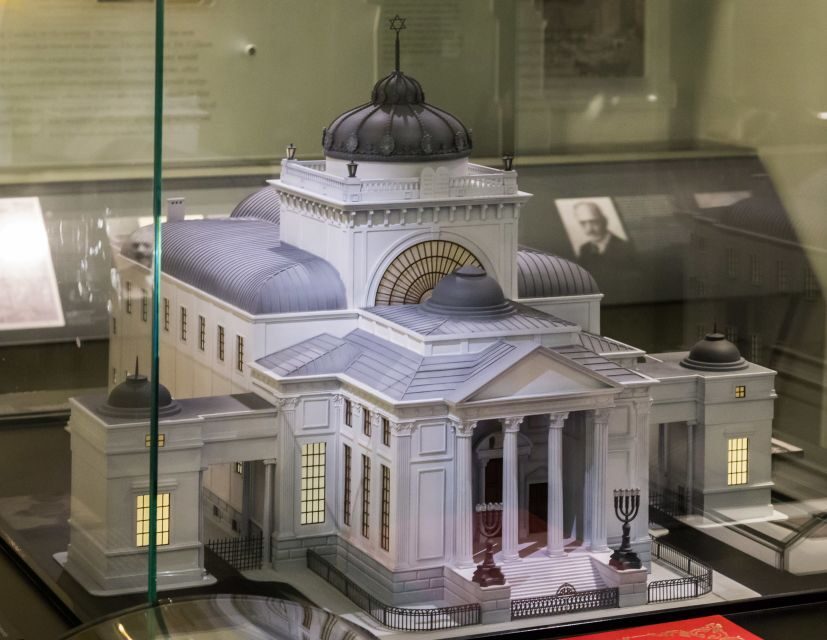
The route includes Nozyk Synagogue, noted as the only surviving synagogue of the roughly 400 that existed in Warsaw before the war. It’s refurbished and functioning now, which gives this stop a different feeling from the memorial sites. Instead of only remembering, you’re also seeing something alive today.
The tour sets aside about 30 minutes here. Admission is not included, but the notes say it’s possible to enter for request. Translation: don’t count on being able to go inside unless the timing lines up and the request is accepted.
So, plan for a “see from outside, maybe inside” scenario. If entering is a top priority, bring a bit of flexibility and be ready to follow the guide’s instructions quickly when you arrive.
Jewish Historical Institute: archives that anchor the story
After the synagogue area, you visit the Jewish Historical Institute. This part is described as holding records, photographs, videos, and artifacts from the Warsaw Ghetto during the Nazi occupation. It’s tightly connected to this specific tour, and it’s another place where the context becomes clearer.
Admission is listed as free, and it’s included as a stop during the route. The key value here is the “proof feeling” archives can give. When you’ve already seen a wall fragment or cemetery tombstones, you’re ready to understand how documentation preserved the memory of what happened.
Prozna Street and Grzybowski Square: more than just walking
Two more stops shape the tour’s geography: Prozna Street (Ulica Prozna) and Grzybowski Square.
Prozna Street is noted as being on the way to the uprising museum area, with a framing that includes history teaching interest in Nazi occupation and the Holocaust. Time here is about 20 minutes, admission free. It’s not meant to be a long sightseeing break; it’s meant to keep the narrative moving while you move through Warsaw.
Then you reach Grzybowski Square, about 15 minutes. The description explains that the square was part of the Jewish Ghetto during WWII. Around it, you may find newer Jewish theater, and the notes highlight a “memorial garden” and a beautiful fountain at the center. Even if the architecture of today is different, you’re being asked to remember what used to be here and how the space carried a different life under wartime conditions.
POLIN Museum: how the story lands in about two hours
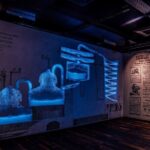
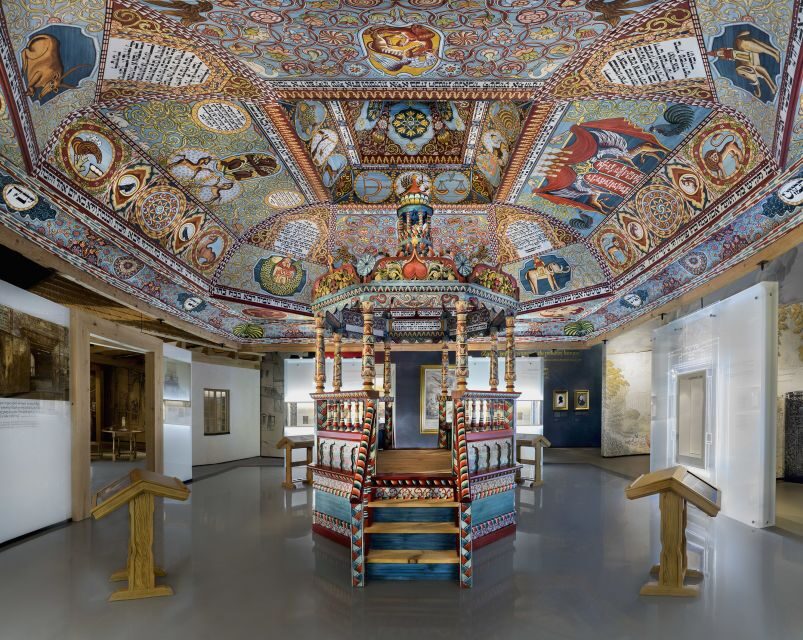
The final and biggest part is POLIN Museum of the History of Polish Jews. Expect about 2 hours in the museum, and admission is included. This is where the tour’s structure really shows its logic: the museum tells the larger story, and the walk through ghetto space gives it physical reality.
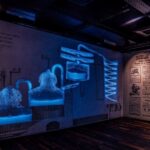
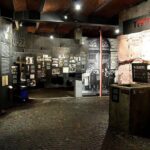
The notes describe POLIN as the first and only museum dedicated to restoring the memory of the civilization created by Polish Jews over a millennium. You’re not just staring at plaques. The description says there are surprises in drawers you can open, screens, objects you can touch, and a lot of artifacts, photographs, documents, and films.
In practice, you’ll get the museum’s timeline clearly explained by your guide. The museum goes through Polish history intertwined with Jewish history in Poland, and the guide’s job is to summarize the key points so you don’t spend your whole visit translating everything on your own. That’s especially useful if you’re balancing emotional heaviness with “I still want to understand what I’m seeing.”
Important ticket detail: the skip-the-line ticket allows you to skip the ticket office line, not entrance/security checks. Also, admission is for the main exhibition, the ongoing temporary exhibition, and the Heritage Gallery. If you’re the type who likes one slow section, you might feel rushed in two hours. If you want broad understanding and a clear timeline, two hours is a good match.
Price and value: what you’re paying for at $167.97
At $167.97 per person, this isn’t a bargain-basement tour price. But it’s not just paying for walking and a museum ticket either.
You’re paying for:
- a 5-star licensed guide fluent in the booked language (English here)
- skip-the-line POLIN tickets (ticket office line only)
- a guided route through multiple historical sites, with commentary on Jewish history and the Holocaust in Poland
- cemetery admission and museum entry as part of the included stops (depending on option)
The best value depends on your group shape. If you’re going as a couple, family, or small group, a private guide can be worth it because the guide can adjust pace and answer questions. The “private” part matters: you’re not stuck waiting for other people to decide if they want one more photo.
If your priority is only the museum and you don’t care about the ghetto street walk, the 2-hour option can feel more efficient. If your goal is a full narrative arc—museum to street—you’ll likely feel the 4-hour plan justifies the price by giving you more included sites.
What to expect from the pace (and how to prepare)
This tour runs 2 to 4 hours depending on option, so it’s not a long, sit-down museum day. It’s structured, stop-based, and guided. That’s good news if you don’t want to plan anything yourself and you like knowing what’s next.
A few practical things to keep in mind:
- Bring comfortable shoes for the outdoor walking parts.
- Expect a mix of quiet memorial stops and more educational indoor time.
- If synagogue entry matters to you, remember it’s described as possible by request and not included.
- You’ll want to check your email the day before the tour for important info.
For families, the pacing can work because the guide can turn the history into simple, direct explanations. One family note from the tour experience described a 6-year-old staying interested and asking questions—exactly the kind of outcome that suggests the guide knows how to explain without talking down.
Who this tour suits best
This tour is a strong match if you:
- want a licensed guide to connect multiple sites into one understandable story
- prefer a structured plan rather than wandering alone through POLIN and then trying to guess the geography of the ghetto
- value the cemetery and wall fragment as more than photo opportunities
- care about getting context for what you’ll see in Warsaw’s memorial spaces
It may be less ideal if you:
- want a slow, purely self-guided museum day
- need long breaks between stops
- don’t do well with emotionally heavy memorial settings (the cemetery and ghetto story are not light)
Should you book the Polin Museum Warsaw Jewish History Tour?
Book it if you want the best mix of POLIN Museum understanding plus ghetto-area context in a guided format. The tour is built to reduce your guesswork: you’ll go from major landmarks to memorial sites to museum storytelling without having to research every turning point.
Skip the 4-hour plan only if you truly have limited time and you’re comfortable getting the museum narrative without the street-level ghetto walk. If you can swing the longer option, it’s the one that rounds out the experience and gives you the “museum to meaning” connection.
Either way, do yourself a favor and come with curiosity—and a willingness to slow down at the cemetery and the wall fragment. Those parts are where the tour stops being information and starts being history you can feel.
FAQ
How long is the Skip-the-Line POLIN Museum and Warsaw Ghetto tour?
It runs about 2 to 4 hours, depending on the selected option.
What does the 2-hour option include?
The 2-hour option includes POLIN Museum time, and the notes say you will not see the Warsaw Ghetto on the 2-hour tour.
What is included on the 4-hour option?
The longer option adds a walking tour through the Warsaw ghetto area, plus additional stops beyond the museum.
Is the tour private?
Yes. It’s described as a private tour/activity, with only your group participating.
What are the skip-the-line tickets for?
The notes specify skip-the-line tickets to the POLIN Museum ticket office. You can skip that ticket office line, but not entrance and security checks.
Can I enter Nozyk Synagogue?
It’s listed as possible to enter for request, but admission is not included.
How much time do you spend at POLIN Museum?
The museum portion is about 2 hours.
Do I need to buy tickets for included stops?
The notes specify admission ticket details per stop: some are free, and the cemetery and POLIN museum are included. Nozyk Synagogue admission is not included.