REVIEW · WARSAW
World War II Warsaw Old Town, Military Cemetery Walking Tour
Book on GetYourGuide →Operated by Rosotravel Poland · Bookable on GetYourGuide
A pretty Old Town hides a brutal WWII story. This private walking tour traces German occupation and the events that shaped Warsaw, from Market Square to major uprising sites with a licensed guide in your language.
I especially liked how the guide connects the history to what you’re standing in front of, not just a list of dates. You also get a careful shift from the streets of the Old Town to the Powązki Military Cemetery (on the longer option), where the cost of the war feels personal.
One drawback to consider: this tour is heavy. You’ll hear about occupation, Nazi ghettos, and resistance fighting, so it’s not the right choice if you want only light sightseeing.
In This Review
- Key things that make this tour worth your time
- A WWII story you can walk through: Warsaw Old Town’s real atmosphere
- Starting at Market Square: where the war hit, and why it matters
- The Warsaw Uprising Monument and the August 1944 turning point
- Following the footsteps of insurgents through Old Town
- Warsaw Ghetto boundary markers: history you can point at
- Tomb of an Unknown Soldier: a symbolic end to a heavy walk
- The 4-hour option: Powązki Military Cemetery, public transport, and the Military Museum
- Price and what you really get: is $112 good value?
- Private guiding in 7 languages: why your language choice affects comprehension
- Who should book this, and who might want a different tour
- Should you book this WWII Old Town and Powązki tour?
- FAQ
- How long is the WWII Warsaw Old Town walking tour?
- Where do I meet my guide?
- Is Powązki Military Cemetery included in the 2-hour tour?
- Do I need public transportation to reach Powązki?
- Is Military Museum entry included?
- Is pickup included?
- Is this tour private?
- What languages are available?
- What does the tour cover in Warsaw Old Town?
- Can I cancel for a full refund?
- Should you book this WWII Old Town and Powązki tour?
Key things that make this tour worth your time
- Market Square: you start where the fighting for liberation left scars, then learn how Warsaw’s story gets darker fast.
- Warsaw Uprising Monument: you connect the August 1944 Warsaw Rising to people who resisted, including General Tadeusz Komorowski.
- Warsaw Ghetto boundary markers: you see physical reminders of confinement and how the ghetto’s uprising fits into the wider war.
- Tomb of an Unknown Soldier: you end with a symbolic moment to pause and reflect.
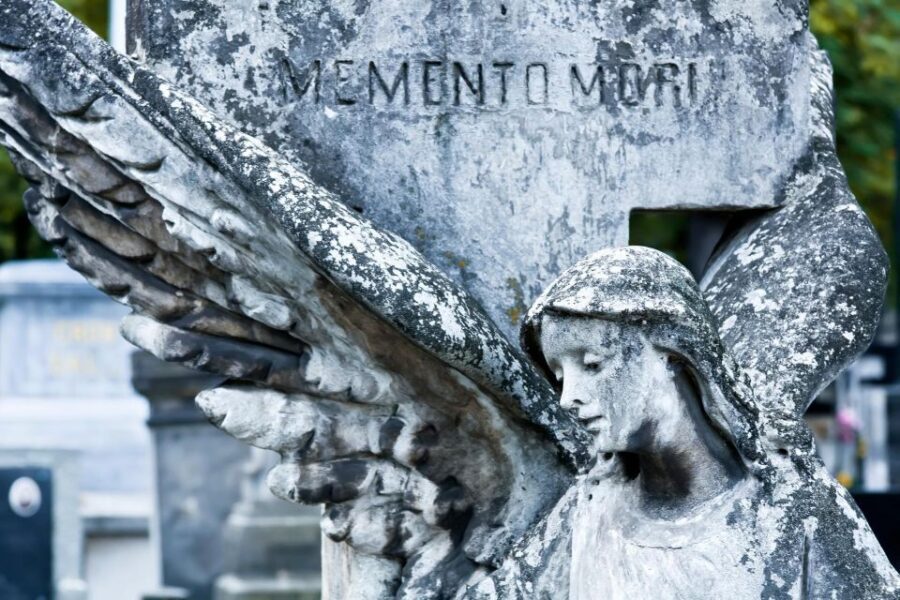
- Powązki Military Cemetery + Military Museum (4-hour option): public transport tickets plus free museum entry, so you don’t waste time figuring it out.
- Private licensed guiding in multiple languages: you can ask questions instead of being stuck listening from the back.
A WWII story you can walk through: Warsaw Old Town’s real atmosphere
Warsaw’s Old Town looks like a movie set. The stonework is restored. The streets are photogenic. And then your guide starts explaining what happened here during World War II, and the tone changes immediately.
You meet by the Warsaw Mermaid (Pomnik Syrenki) at Rynek Starego Miasta 18i. That’s a smart start, because it keeps things grounded: you’re not just touring museums. You’re moving through a space that was destroyed, rebuilt, and rebuilt again in the face of history that refuses to stay buried.
What makes this experience work is the private format. You get a licensed guide fluent in your chosen language—German, English, French, Italian, Spanish, Russian, or Polish. That matters because you’re dealing with names, motivations, and political choices. If the explanation is fuzzy, the whole story turns into vague tragedy. Here, you’re meant to walk away with a clearer picture of occupation, resistance, and liberation.
You can also read our reviews of more walking tours in Warsaw



Starting at Market Square: where the war hit, and why it matters

The walking portion begins at the Market Square, an area that was completely destroyed during the fight for the liberation of Warsaw from German occupation. This is more than a starting point. It’s the tour’s theme in one place: beauty overhead, devastation underneath the story.
From there, your guide builds the timeline that leads to the Warsaw Rising of August 1944. You’ll hear about the German occupation of Poland and the role of Adolf Hitler and the Nazis, plus how those forces reshaped everyday life in Warsaw. You’re not asked to memorize. You’re asked to understand the cause-and-effect chain that explains why resistance leaders took such brutal risks.
This approach is valuable for you because it helps you read the rebuilt Old Town with new eyes. Instead of admiring reconstruction like a finished product, you start seeing it as a response. You’re standing in a place that survived, and you’ll learn what that survival cost.
Practical note: because the focus is history, expect a slower pace mentally even if the physical walking is moderate. Bring your curiosity and your patience.
The Warsaw Uprising Monument and the August 1944 turning point
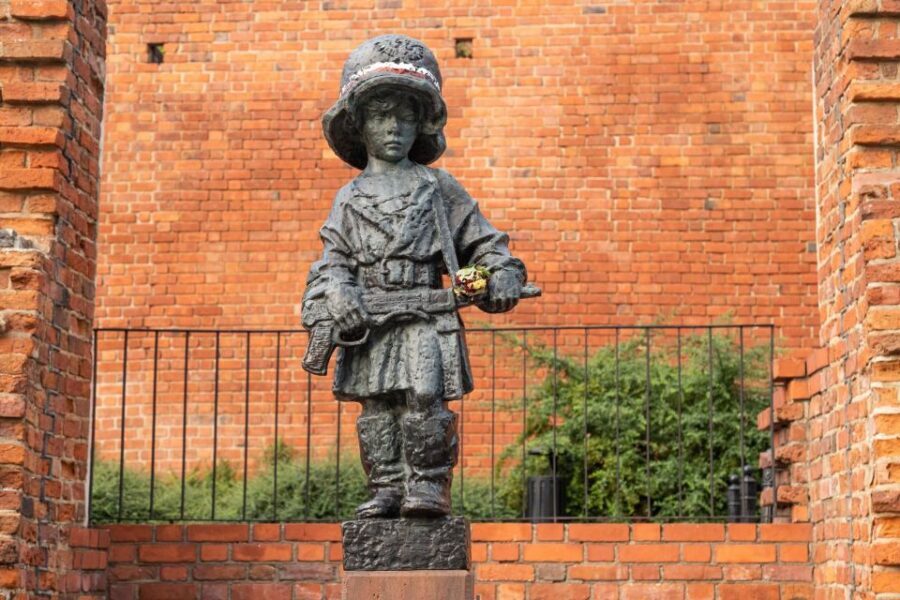
One of the strongest stops is the Warsaw Uprising Monument. This is where the tour narrows in on the Warsaw Rising and what it meant on the ground—especially the sacrifice of anti-Nazi resistance fighters. General Tadeusz Komorowski is part of the story your guide connects to the monument’s meaning.
What you’re really looking for here is context. The uprising isn’t just a headline; it’s an answer to occupation and oppression. Your guide describes the underground movement and how resistance worked in practice. That includes spies and other behind-the-scenes roles, plus the kind of everyday heroism that doesn’t always make it into school summaries.
I like how this is framed for your understanding, not for shock value. You’ll learn about the underground network, the risks, and the human decisions that kept people going. Then the monument stops being a statue and starts feeling like a checkpoint in a longer wartime argument.
Following the footsteps of insurgents through Old Town
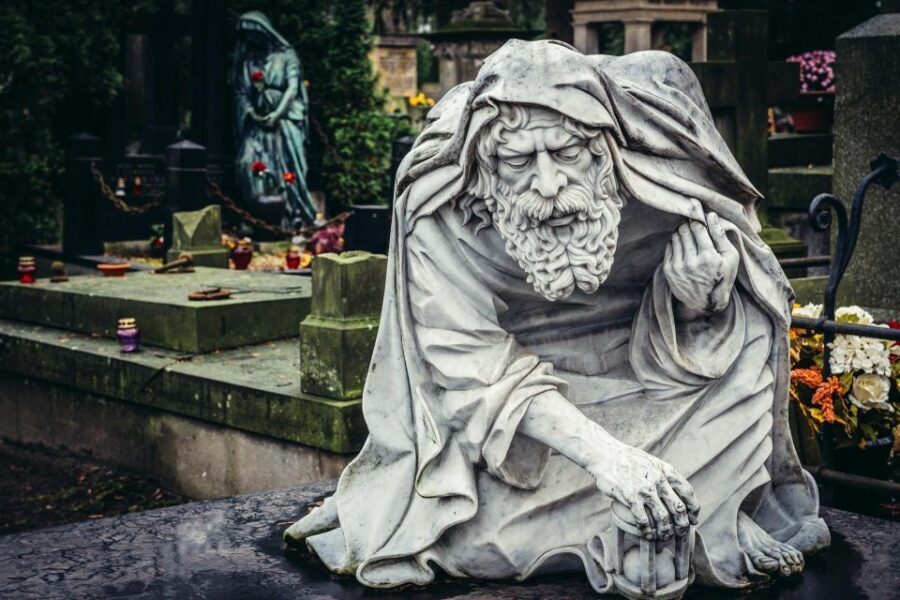
As you keep walking, the tour’s structure matters. It follows the WWII trail in the Old Town rather than bouncing randomly. That helps you build a mental route: occupation pressures pushed resistance; resistance actions had consequences; and the city’s layout became part of the war’s story.
Your guide shares commentary on the events and people of World War II, and the emphasis stays on the steps of the uprising. You’ll hear about the resistance’s logic—how they organized, what information they needed, and why the conflict escalated the way it did.
This is a good place to lean in and ask questions, if you can. Private guiding means you’re not stuck waiting your turn in a loud group. If you’ve got a specific “why did they do that?” question, this tour’s format is designed for it.
Warsaw Ghetto boundary markers: history you can point at

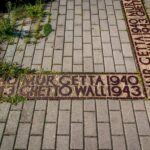
Then you reach one of the most sobering parts of the route: the former boundary markers of the Warsaw Ghetto. Walking past physical markers like these turns abstract history into something concrete. You’re no longer dealing with a distant map. You’re dealing with a boundary you can see.
The tour explains the Warsaw Ghetto as the largest of Nazi ghettos during World War II and connects it to the ghetto uprising. This section is important because it shows that resistance wasn’t only street-to-street combat. It also happened in places where people were forced into confinement and stripped of basic rights.
How this lands with you depends on your comfort level with difficult material. The goal is uncensored history of World War II in Warsaw, and your guide’s job is to explain what happened and why, not to soften the reality.
My practical advice: if you get emotionally overloaded, pace yourself. Take a slower moment near the markers. Let the story sink in. Don’t rush through this part like it’s just another stop.






Tomb of an Unknown Soldier: a symbolic end to a heavy walk

The Old Town tour ends with an opportunity to pay your respects at the symbolic Tomb of an Unknown Soldier. That’s a thoughtful choice for a walking tour focused on occupation and resistance, because it gives you a moment to transition from facts to reflection.
You’re not being asked to perform. You’re given a chance to quiet your mind after learning about people who had very little control over their fate.
If you’re the type who likes to process history with a personal pause instead of jumping straight into your next attraction, you’ll probably appreciate this ending.
The 4-hour option: Powązki Military Cemetery, public transport, and the Military Museum
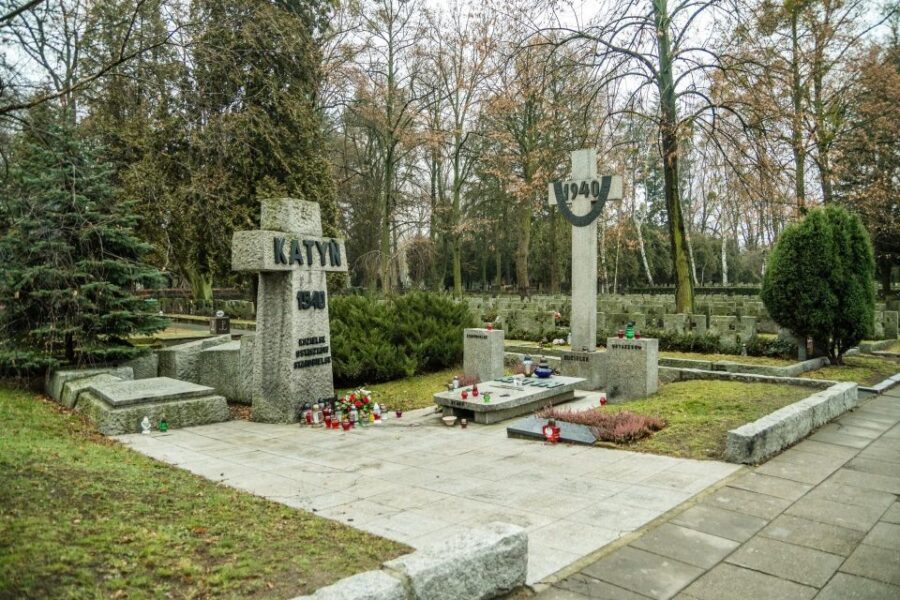
If you choose the 4-hour tour, your experience expands in a way that feels logical, not padded. You add a trip to the Powązki Military Cemetery, a necropolis honoring members of the Polish military, including many World War II heroes.
Here’s the practical advantage: the tour provides two-way public transport tickets to get you to the cemetery. So you’re not trying to translate routes mid-day or guessing which bus makes sense. It’s a small thing, but it prevents one of the biggest vacation time-wasters—stumbling around while you should be learning.
Once you’re at Powązki, you get free entry to the Military Museum (included with the 4-hour option). Museum access changes the tempo. On the street, you’re connecting story to place. In the museum, you’re connecting place to documentation and broader context. That pairing helps you remember what you saw during the Old Town portion and understand what it meant for the people who survived, fought, or were honored later.
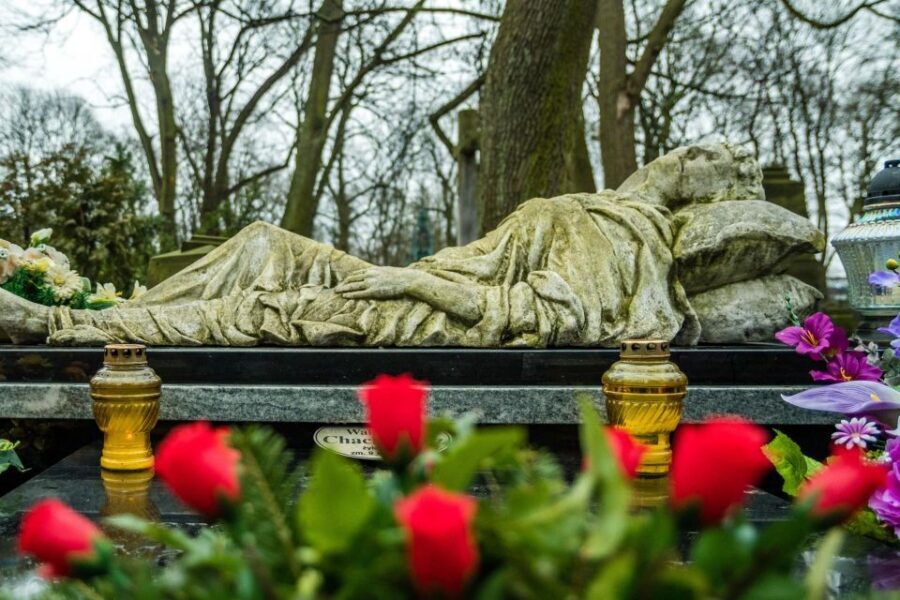
The cemetery segment also gives your tour a more personal gravity. Warsaw’s reconstructions can sometimes blur the sense of loss. A cemetery doesn’t. You feel the human cost in a way no photo caption can match.
If you only have time for one option, I generally lean toward the 4-hour route if WWII history is your focus—because the cemetery and museum turn the narrative into something you can carry with you after you leave.
Price and what you really get: is $112 good value?
The price is $112 per person, and it’s worth evaluating based on what’s included—not just the headline number.
You’re paying for:
- A private walking tour with a 5-star licensed guide fluent in your chosen language.
- Expert commentary on World War II events and people.
- Guided access to major memorial sites and boundary markers within Warsaw Old Town.
- For the 4-hour option: two-way public transport tickets plus free entry to the Military Museum in Powązki.
So the value is strongest if you pick the option that matches your interest. The 2-hour version gives you the Old Town WWII trail and memorial stops. The 4-hour version adds transportation logistics and museum entry, which usually costs extra if you plan it on your own.
Also, the private format matters. In a city full of “audio-guide history,” a licensed guide who can respond to your questions is often what turns a walk into real understanding. Especially with a subject as layered as the Warsaw Rising and the Warsaw Ghetto, clarity is the product.
Private guiding in 7 languages: why your language choice affects comprehension

This tour lists guide languages including English, German, French, Italian, Spanish, Russian, and Polish. Pick the language you’re most comfortable processing complex events in.
Here’s why: World War II history includes specific roles, organizations, dates, and names. When you’re listening in your strongest language, you catch the connections. When you’re listening in a secondary language, your brain spends energy translating instead of understanding.
Because it’s private, you can also ask follow-up questions without worrying about holding up a larger group. That turns the guide into a translator of meaning, not just a narrator.
Who should book this, and who might want a different tour
This tour is best for you if:
- You want WWII history rooted in the streets of Warsaw Old Town.
- You like memorial sites that come with explanation, not just plaques.
- You’re interested in both occupation history and the resistance story, including the Warsaw Ghetto uprising.
- You’ll appreciate the added weight of visiting Powązki Military Cemetery and the museum.
It might not be the best fit if:
- You want a light, casual walk with minimal emotional heaviness.
- You prefer a purely museum-based format rather than history tied to urban space.
- You only want the Old Town highlights and none of the longer route—if so, the 2-hour option is the cleaner choice.
Also, check your comfort with walking time. You’re doing a tour that includes multiple major stops plus, on the 4-hour version, a public transport transfer to the cemetery.
Should you book this WWII Old Town and Powązki tour?
I think it’s a strong booking if you care about understanding what you’re seeing in Warsaw Old Town. The route connects destroyed places, major uprising memorials, and Warsaw Ghetto boundary markers into a story that makes the Warsaw Rising August 1944 feel less like trivia and more like cause-and-effect.
Pick the 4-hour option if you want the cemetery and museum layer. That’s where the tour shifts from events to consequences in a very tangible way, and the included public transport tickets make it easy.
Skip it only if you need a vacation day with low emotional weight. This is history with real human cost, and the guide’s job is to keep it honest.
If you want your Warsaw to feel more real—and more informed—this is one of the most direct ways to do it.
FAQ
How long is the WWII Warsaw Old Town walking tour?
It runs for 2 to 4 hours, depending on the option you choose.
Where do I meet my guide?
Meet next to the Warsaw Mermaid (Pomnik Syrenki), Rynek Starego Miasta 18i, 00-272 Warsaw.
Is Powązki Military Cemetery included in the 2-hour tour?
No. Powązki Military Cemetery is not included in the 2-hour option.
Do I need public transportation to reach Powązki?
Yes, the 4-hour tour requires public transportation to get to the Military Cemetery. The tour provides two-way public transport tickets.
Is Military Museum entry included?
For the 4-hour tour, there is free entry to the Military Museum in Powązki.
Is pickup included?
Pickup is available only for accommodations or hotels in Warsaw Old Town. If your address is more than 1.5 km from the meeting point, the guide meets you at the Warsaw Mermaid.
Is this tour private?
Yes. It’s a private group tour.
What languages are available?
The guide is available in German, English, French, Italian, Spanish, Russian, and Polish.
What does the tour cover in Warsaw Old Town?
You’ll follow WWII sites around the Old Town, including memorial sites and boundary markers of the Warsaw Ghetto, and you’ll end with a chance to pay your respects at the symbolic Tomb of an Unknown Soldier.
Can I cancel for a full refund?
Yes. There’s free cancellation up to 24 hours in advance for a full refund.
Should you book this WWII Old Town and Powązki tour?
If you want Warsaw that feels real—not just reconstructed—book it. The private, licensed guide format is ideal for making the Warsaw Rising, Nazi occupation, and ghetto history understandable. Choose the 4-hour option if you want Powązki Cemetery and the museum, with transport handled for you.