REVIEW · KRAKOW
Krakow: Schindler’s Factory Ticket and Guided Tour Option
Book on GetYourGuide →Operated by Discover Cracow · Bookable on GetYourGuide
A factory visit with wartime answers to questions.
This 90-minute Schindler’s Factory Museum experience takes you through Nazi-occupied Kraków inside the former enamel factory connected with Oskar Schindler, now turned into one of the city’s most important WWII museums. You’ll move room to room along a chronological route, using documentary photos, eyewitness accounts, film materials, and multimedia displays to build a clear picture of daily life under occupation. And with skip-the-line entry, you start your visit without wrestling the main queue.
I especially like that the focus isn’t only Schindler’s story; it’s the wider city story—how people lived, worked, hid, and endured. I also like the way a live English guide can connect the dots while you walk through tight corridors, reconstructed streets, and ghetto passage sections that make the history feel physically close. The main drawback to consider is pacing: the museum layout and crowds can make the tour feel a bit fast in the smaller spaces, so if you hate being rushed, plan for that.
In This Review
- Key things I’d circle before you go
- Schindler’s Factory Museum: More Than One Name
- The Museum Layout That Makes WWII Feel Close
- Skip-the-Line Entry: Spending Your Time on Meaning
- What the English Guides Add (Foki, Natalia, Wojciech, Marta, and More)
- Wandering Through Wartime Kraków: Interiors, Photos, and Documentary Film
- Ghetto Passages and the City’s Transformation Story
- Group Flow, Crowd Noise, and Why Pace Can Matter
- Pair It With Nearby Stops: When Your Guide Extends the Day
- Price and Value: Is $25 Worth It?
- Should You Book This Schindler’s Factory Ticket and Tour?
- FAQ
- Is entry really skip-the-line?
- How long is the experience?
- Do I need a passport or ID card?
- What language is the guide?
- What happens if I’m late?
- Is the tour wheelchair accessible?
Key things I’d circle before you go
- Skip-the-line entry saves real time at a very busy museum.
- A guide changes everything by explaining what you’re seeing in context, not just what’s on the wall.
- Chronological storytelling moves from occupation life toward liberation, not a random collection of exhibits.
- Ghetto passages and reconstructed interiors help you understand the geography of the period.
- Real materials—photos, eyewitness accounts, and film pieces—do the heavy lifting.
- English tours with a live guide run for about 90 minutes, so you’ll need to keep up.
Schindler’s Factory Museum: More Than One Name
Schindler’s Factory is called that for a reason, but the best part of this experience is how it keeps pulling you back to Kraków itself. Yes, Oskar Schindler matters here. He’s part of the story and part of the reason the museum’s factory building is so powerful. But the exhibit design pushes further: it shows the daily pressure on the city under Nazi occupation and the effects on ordinary people—families, workers, and communities trying to keep going.
That broader framing is what makes this tour useful on a first visit to Kraków’s WWII sites. If Auschwitz is your “big event,” this museum helps you understand the smaller, continuous realities right in the city: rules, restrictions, fear, and the slow tightening of control.
It also means you get more than a biography. You see how Schindler’s choices and the people he helped fit inside the larger historical machine of occupation. That context is the difference between reading about history later and actually understanding it during the visit.
A few more Krakow tours and experiences worth a look


The Museum Layout That Makes WWII Feel Close
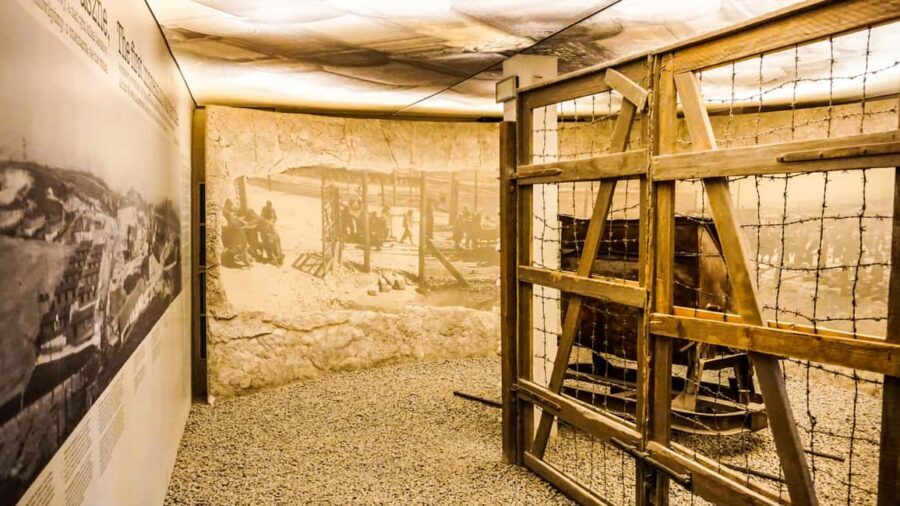
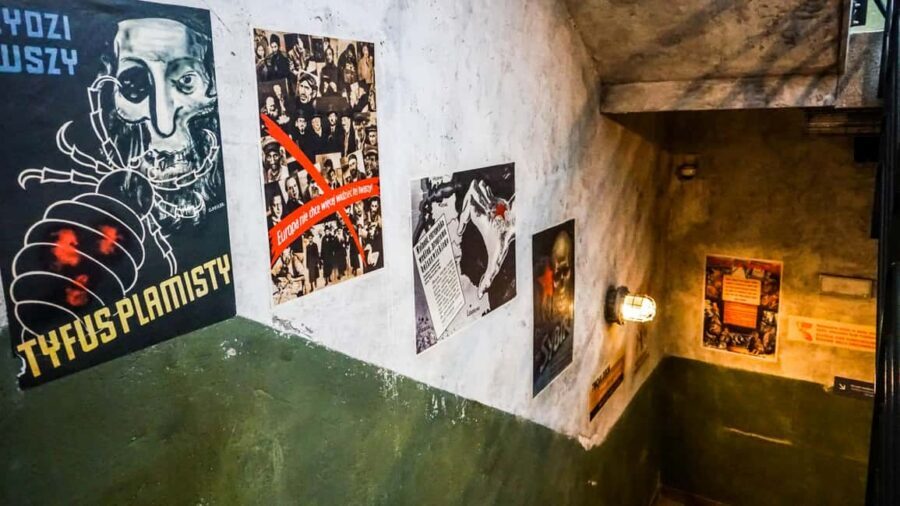
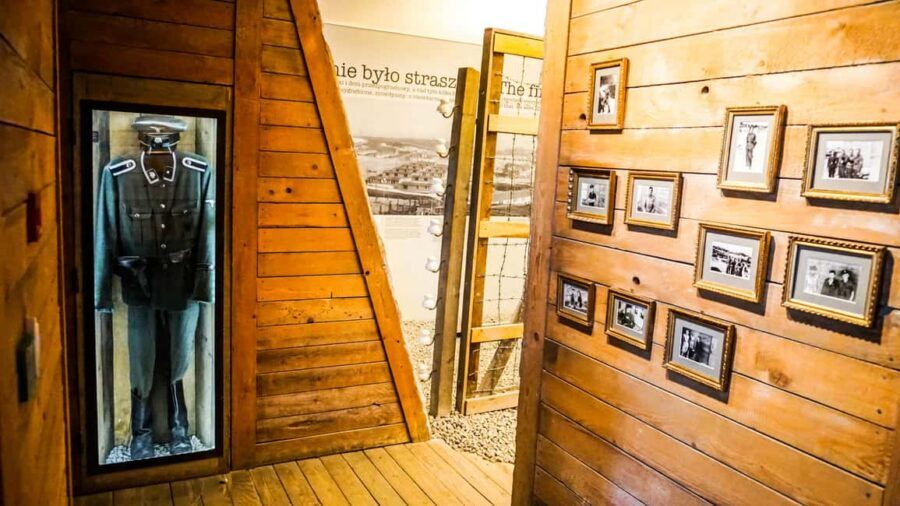
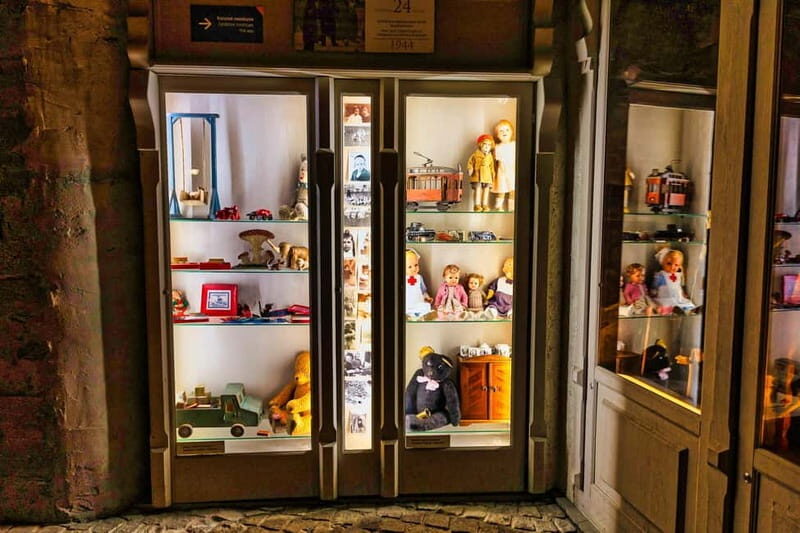
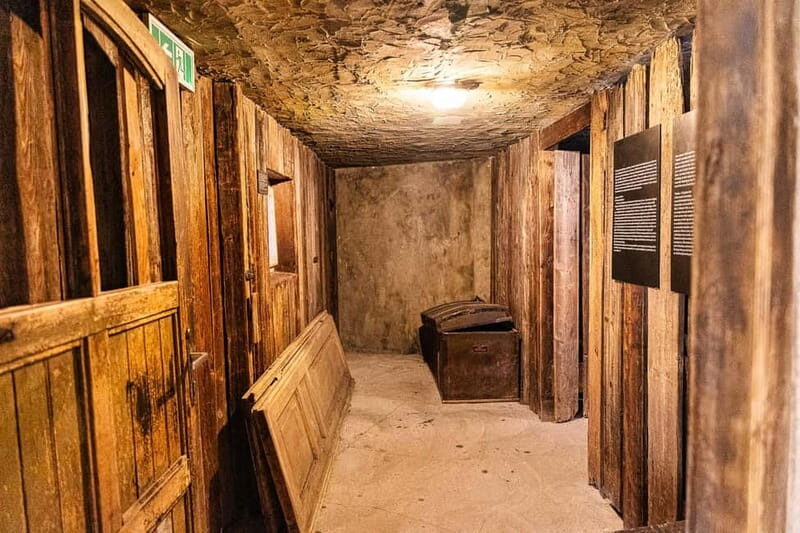
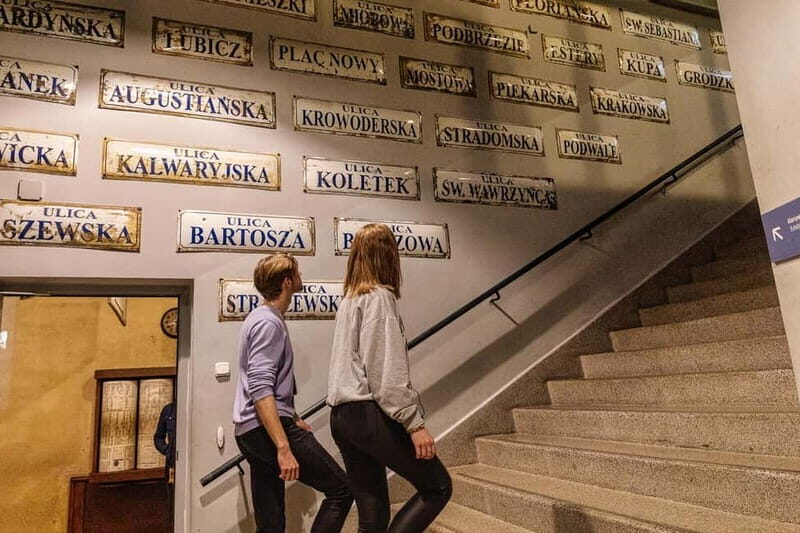
This is not the kind of museum where you sit comfortably, read one plaque, and wander whenever you want. The experience is built around motion through space. You’ll go through narrow corridors and reconstructed areas designed to recreate parts of wartime Kraków’s environment. That design choice matters because it changes how you process the exhibits. Instead of only “learning,” you’re also moving through the story.
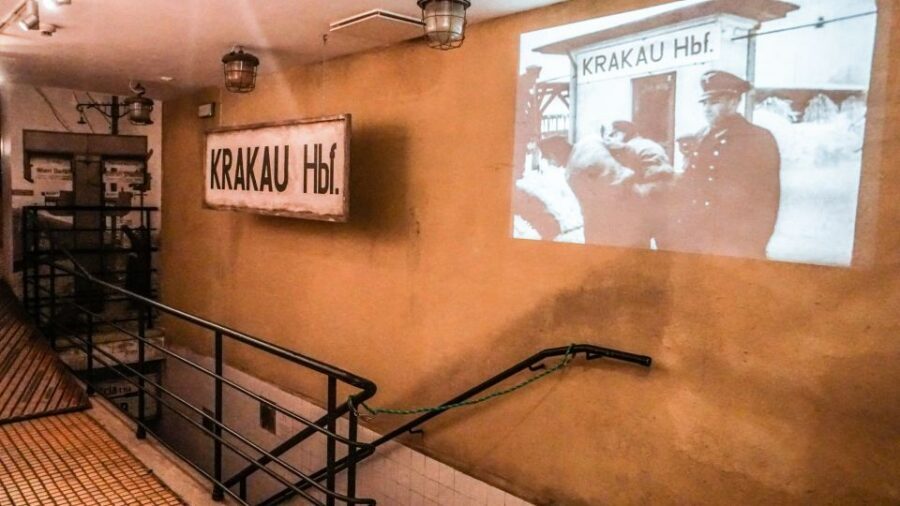
The museum’s main approach is chronological. You’ll follow the city’s wartime history step by step, supported by multimedia displays and documentary material. Expect rooms that feel staged—reconstructed interiors and street-like spaces—alongside authentic artifacts and careful storytelling through photos and eyewitness accounts. Film materials are used too, so the exhibition doesn’t rely on text alone.
Then come the sections tied to the ghetto passages. Walking through those corridors is one of the most unsettling parts of the visit, and it works because it forces you to confront how physical movement and separation were part of the system. You’re not just imagining what happened—you’re experiencing the narrowness of the space the exhibit uses to represent it.
One practical thing: because the rooms can be busy and the layout can be tight, you’ll want to keep your pace moving. If you stop for long stretches every time a group passes, you may feel like you’re constantly behind. A guide helps here—when they’re reading the room and managing flow, it makes the space workable.
Skip-the-Line Entry: Spending Your Time on Meaning
At about 90 minutes, you don’t have enough time to do this slowly like a choose-your-own-adventure book. So the real advantage of the skip-the-line ticket is simple: you lose less time outside and more time inside where the content actually is.
The museum is popular, and queues can be long. Skip-the-line entry is how you protect your visit from turning into a “stand and wait” afternoon. It also helps when your Kraków schedule is tight—especially if you’re pairing Schindler’s Factory with other WWII sites.
Now, the value question: the price is listed at $25 per person. For some museums, that might feel steep for a quick walk-through. Here, it’s not just paying to enter a building—it’s paying for curated wartime storytelling with a structured route, plus the option to add an English live guide. When you take the 90-minute limit seriously, the ticket price starts to make sense. You’re buying time, focus, and context in a museum that gets crowded fast.
If you choose the ticket-only option, you still get access to the core exhibits, reconstructed areas, and multimedia. But the tour option is what many people find most valuable, because the guide can explain what you’re looking at while you’re actually standing there.
What the English Guides Add (Foki, Natalia, Wojciech, Marta, and More)
A live guide is the difference between watching history happen and understanding why the exhibit is designed the way it is. The strongest feedback from the guides isn’t just that they speak English—it’s that they handle questions and connect the museum details to the bigger picture.
You’ll also notice different styles depending on who leads. Names that come up in the experience include Foki, Natalia, Wojciech (and closely spelled variants), Marta, Suzanne, and Claudia. People praise guides who can answer questions clearly and keep the group moving without losing the story.
One specific benefit that shows up repeatedly: guides tend to focus on more than the Schindler connection. They explain the daily life side of occupation Kraków and help you place artifacts and photos into a timeline. That’s important because the exhibit is chronological, but your understanding can still be patchy if you’re only skimming labels.
Timing matters too. Some guides keep the pace steady and make the 90 minutes feel complete. Others can move quickly through the rooms, which can leave you wanting more time to read everything in detail. If you know you get overwhelmed by crowds, arriving with a calm mindset helps. You’re choosing a guided format, so you’re trading a bit of slow browsing for the clarity a guide provides.
If you’re the type who likes to study every display, you might still enjoy this with a guide—just plan to spend a little extra time with the main highlights when you have a chance. And if you’re hard of hearing, do what you can to hear the guide clearly, because tight spaces and multiple groups can make audio tricky.
Wandering Through Wartime Kraków: Interiors, Photos, and Documentary Film
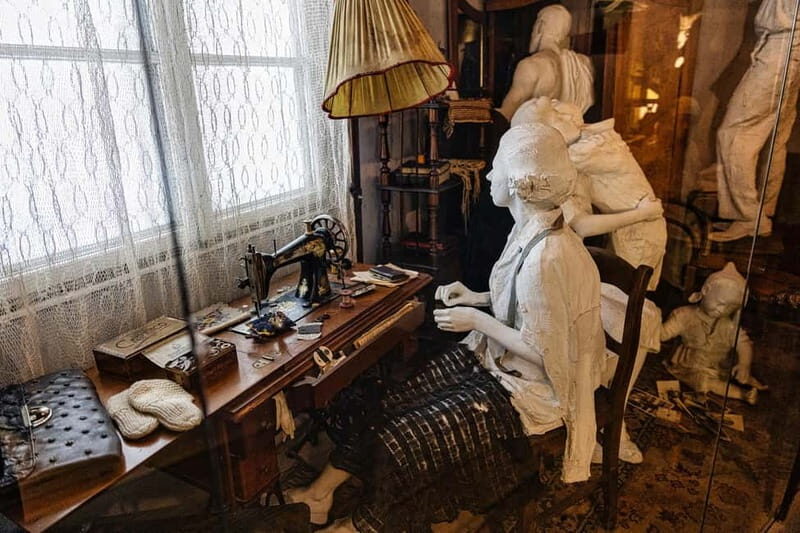
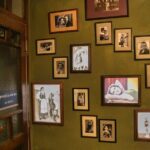
What I find most compelling about this museum format is the mix of methods. You get documentary photographs, eyewitness accounts, and film materials alongside artifacts. That combination matters because it balances emotion and evidence. Photos and film give you direct visuals of the period. Eyewitness accounts add human perspective. Artifacts keep it grounded.
Then the museum design pushes you into “place.” Reconstructed interiors and street-like sections help you picture how occupation life looked day to day. Even if you’ve read about the period, these environments help your brain connect history to geography—how people moved, where pressure concentrated, and what life must have felt like in confined settings.
The most powerful sections are often the ones that represent separation and movement restrictions through ghetto passage pathways. The museum uses these spaces to show that the war didn’t only happen through armies and headlines. It also happened through how close people were allowed to be, and how easily movement could be controlled.
Be ready for an emotional visit. This isn’t a casual museum stop. The content focuses on suffering and survival. A good guide’s role here is also to pace you through difficult material without turning it into a lecture marathon.
You can also read our reviews of more guided tours in Krakow

Ghetto Passages and the City’s Transformation Story
A key promise of the experience is that you don’t stay stuck in the occupation period. The exhibit tracks Kraków’s wartime transformation, with the story moving from oppression toward liberation. That arc is part of what makes Schindler’s Factory different from a museum that simply freezes one moment in time.
As you move through the sections, you’re shown not only what life was like but how the city changed under pressure. The ghetto passage areas are one of the museum’s “turning points” in physical space. They’re designed to break the visit into sections with a clear emotional and historical purpose.
In the larger narrative, Schindler becomes an important thread—but the exhibit keeps returning to how Kraków functioned under occupation. You’ll see how daily life for inhabitants evolved, how people were affected by Nazi policies, and how survival depended on fragile networks and difficult choices.
That is what you’re really buying with the guided option: a way to understand the transformation quickly, without missing the relationships between exhibits.
Group Flow, Crowd Noise, and Why Pace Can Matter
This museum gets busy. That’s not a criticism—it’s a reality of a major WWII attraction. In a place like this, crowds affect how long you can realistically spend with each display.
The tour length is fixed at about 90 minutes, so pacing can feel tight, especially in smaller corridors. Some people end up wanting more reading time. Others feel that if the guide speeds through, it’s harder to absorb the details without falling behind.
Audio can also be an issue in a multi-group environment. When multiple tours are happening close together, it can get hard to hear one guide consistently. If you’re sensitive to noise or easily distracted, this is where the planning mindset helps: commit to the guide’s route, and don’t try to read every label word-for-word while moving.
This tour works best when you treat it like a guided orientation. You’ll likely walk out with a clearer mental map of the WWII narrative in Kraków, then you can choose what to re-read later if you want.
Pair It With Nearby Stops: When Your Guide Extends the Day
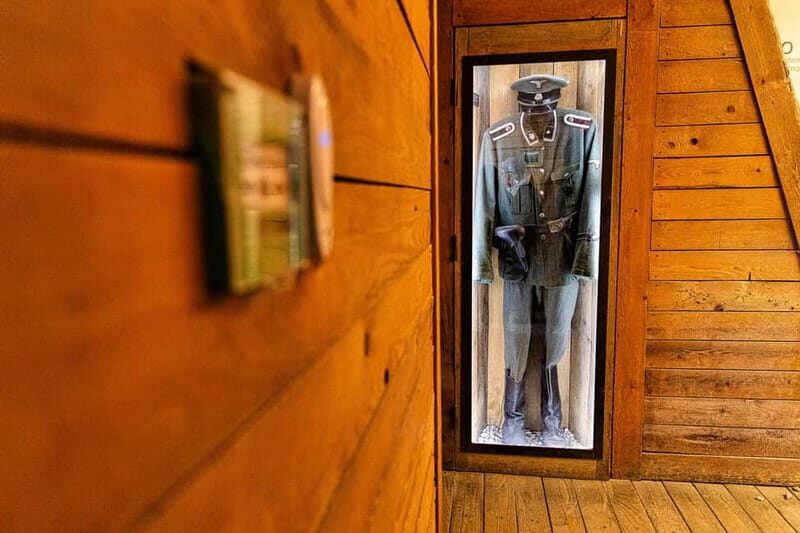
One reason I like guided tours in Kraków is that a good guide often offers practical follow-ups. In this case, some guides have steered people toward additional nearby culture stops tied to the story, including the Apothecary Museum. Others have mentioned an outdoor extension after the main museum visit, showing places connected to Schindler’s broader footprint, like Schindler’s villa and the old factory site area.
Those add-ons aren’t guaranteed in the core description, but they’re a useful reminder: your guide can help you turn a single museum visit into a more connected afternoon. If you’re the type who wants to see the city’s WWII story in layers, ask your guide what’s worth your time next—especially if you still have daylight.
Price and Value: Is $25 Worth It?
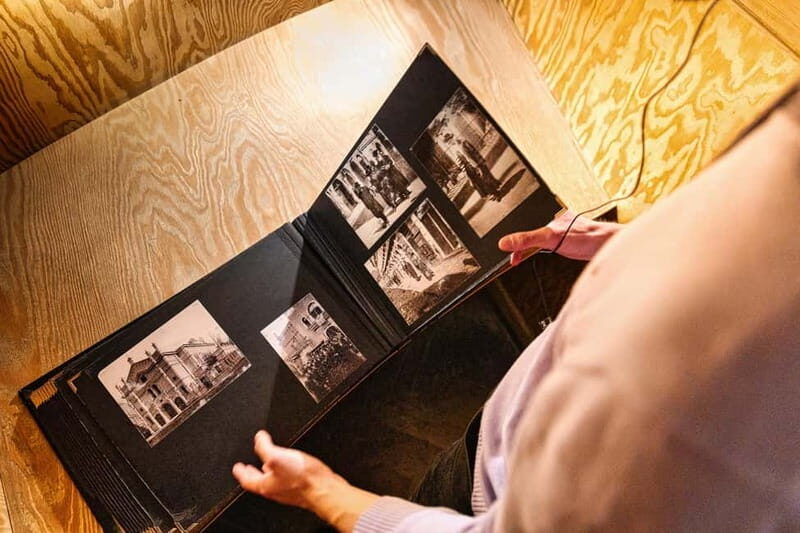
Let’s talk value without hand-waving. At $25 per person, this isn’t an all-day “transport-me-around-the-city” tour. It’s a timed museum experience. So the value depends on how you want to experience the museum.
If you go ticket-only, you’ll likely spend most of your 90 minutes reading and viewing at your own pace. You’ll still get multimedia displays, reconstructed interiors, and ghetto passage areas. The skip-the-line part still helps.
If you choose the guided tour option, you’re paying for what most museums can’t provide on your own: real context, a structured route, and the chance to ask questions while you’re inside the exhibit spaces. Many people appreciate exactly that—the tour stays focused on occupation life and the broader Kraków context, not only on Schindler as a famous name.
There’s also the value of crowd management. With guided groups, the entry timing and the flow inside can be more efficient than trying to figure it all out alone in tight spaces.
One more value note: this experience carries a strong overall rating of 4.3 across 4,306 reviews. That doesn’t mean every day is perfect, but it does suggest that most people find the experience worth the time and price.
Should You Book This Schindler’s Factory Ticket and Tour?
I’d book it if you want a guided path through one of Kraków’s most important WWII museums—especially if this is your first stop in the city’s wartime story. The skip-the-line entry is a real time-saver, and the guided option helps you keep the chronological narrative straight while you move through the reconstructed spaces and ghetto passage areas.
You might skip the guide (or go ticket-only) if you’re the kind of visitor who needs lots of quiet time to read every label and you hate feeling like you’re moving with a group. In a museum with tight corridors and crowds, that guided pace can feel limiting.
Also, if your schedule is strict, plan to arrive early. This is one of those experiences where being late can cost you entry because once the group departs, you may not be able to join, and the ticket isn’t refundable.
If you want a meaningful Kraków WWII orientation, this is one of the best ways to get it without guessing your way through the exhibits.
FAQ
Is entry really skip-the-line?
Yes. Your ticket includes skip-the-line entrance to Schindler’s Factory Museum.
How long is the experience?
It runs for about 90 minutes. Starting times vary, so you’ll want to check availability for the session you’re booking.
Do I need a passport or ID card?
Yes. You should bring a passport or ID card, and the name on your ticket must match the name on your document. Entry may be denied if they don’t match.
What language is the guide?
The guided tour is offered in English.
What happens if I’m late?
Once the group has departed, latecomers won’t be able to join, and tickets can’t be refunded.
Is the tour wheelchair accessible?
Yes, it’s listed as wheelchair accessible.