REVIEW · WROCLAW
Museum of Illusions Wroclaw Entrance Ticket
Book on Viator →Operated by Museum of Illusions Wroclaw · Bookable on Viator
If you like science that behaves badly, this is your kind of stop. The Museum of Illusions in Wrocław mixes physics and optics with playful art, riddles, and “world upside down” tricks you’ll want to photograph. It’s designed for quick hands-on learning, not long museum lectures.
I especially love how interactive the exhibits are. You’re not just looking at displays—you’re drawing with light, making shadows, and testing optical effects in a 400 m² space that keeps moving. And in a city where you’ll often hop between sites fast, it’s a clean add-on: short, fun, and easy to fit into a day.
One thing to consider: this is a fairly small museum, so the experience typically lands around 45 minutes to 1.5 hours. At $18.69 per person, it’s best if you go with the right expectation—more hands-on play than big, all-day sightseeing.
In This Review
- Why This Museum of Illusions Ticket Feels Worth It
- Getting In: Mobile Ticket, Easy Schedule, and Short Time Window
- Inside the 400 m² Experience: Physics, Optics, Art, and Riddles
- The Main Event: Interactive Tricks You Can Actually Use
- Upside-Down Photo Moments (and Why They’re So Memorable)
- Staff Who Explain, Help, and Make It Feel Easy
- Small but Packed: How Long to Plan and What Order Works
- Lockers, Storage, and the Little Extras
- Price and Value: Is $18.69 Actually Fair?
- Who Should Book This Ticket (and Who Might Skip)
- Before You Go: Practical Tips That Save Time
- Should You Book the Museum of Illusions Wrocław Ticket?
- FAQ
- FAQ
- How long should I plan for the Museum of Illusions Wrocław?
- Is the ticket available in English?
- Do I get a mobile ticket?
- Are there staff members who can help with the exhibits?
- Is there a place to store coats or bags?
- Is the museum near public transportation?
- What are the opening hours listed for the museum?
- Can I cancel for a full refund?
Why This Museum of Illusions Ticket Feels Worth It

- Hands-on optical and physics displays that you actively test, not just watch.
- Photo-friendly illusions, including the classic upside-down-style picture moments.
- Staff assistance on the floor, so if you wonder how a trick works, you can ask.
- English support for the visit, making it easier to follow explanations.
- A compact 400 m² layout, ideal when you want fun without spending half your day.
- Good value for families and solo travelers alike, since many illusions are designed to be interacted with.
Getting In: Mobile Ticket, Easy Schedule, and Short Time Window
This admission is built around convenience. You get a mobile ticket, and it’s offered in English, which helps if you’re trying to keep your day moving without translation apps.
The museum’s posted hours are 10:00 AM to 7:00 PM, Monday to Friday. The ticket experience itself is typically about 1 hour to 1 hour 30 minutes, which is a big deal for planning. You can treat it like an “after a walk” activity rather than a commitment that hijacks your itinerary.
One practical tip: prebooking is smart here. Even if the museum is not massive, you’ll still want a smooth entry so you can start trying the illusions right away instead of spending your time waiting.
A few more Wroclaw tours and experiences worth a look



Inside the 400 m² Experience: Physics, Optics, Art, and Riddles
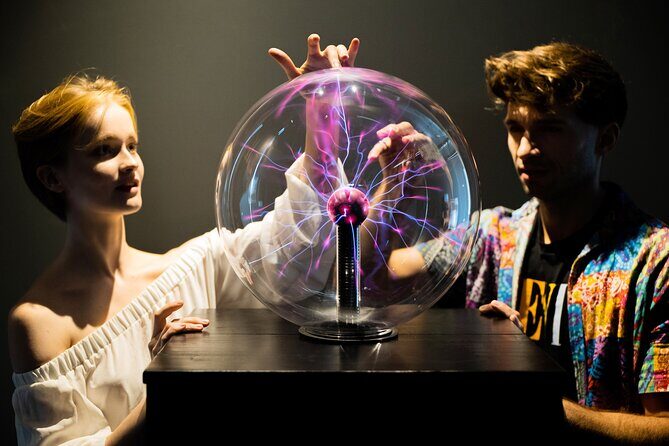
The museum is a 400 m² exhibition space where illusions meet scientific inventions and art. That combo matters because it changes the vibe. Instead of a single theme—like optical art or science experiments—you get a mix of physics and optics alongside “mysterious artworks” and classical riddles.
That variety is exactly why this museum works well for different personalities in one group. If one person wants to read and understand, you’ll find explanations and questions you can ask. If someone else just wants a cool photo and a laugh, the interactive exhibits help keep things playful.
Also, the museum is structured for flow. You’ll likely move from one setup to the next, repeating the same pattern: look, step in, test the illusion, then compare your results to what you saw at first. It’s quick learning by doing.
The Main Event: Interactive Tricks You Can Actually Use
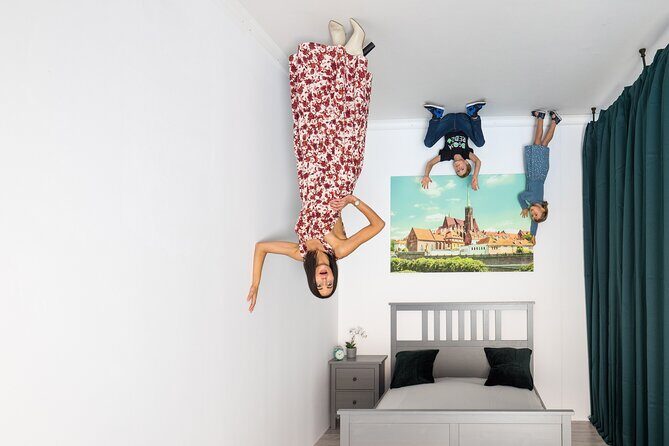
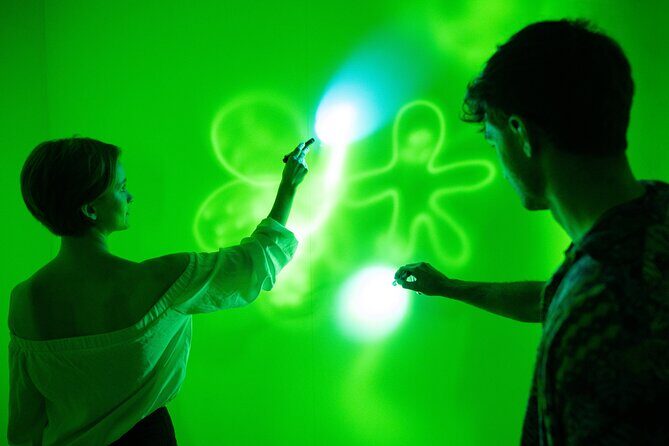
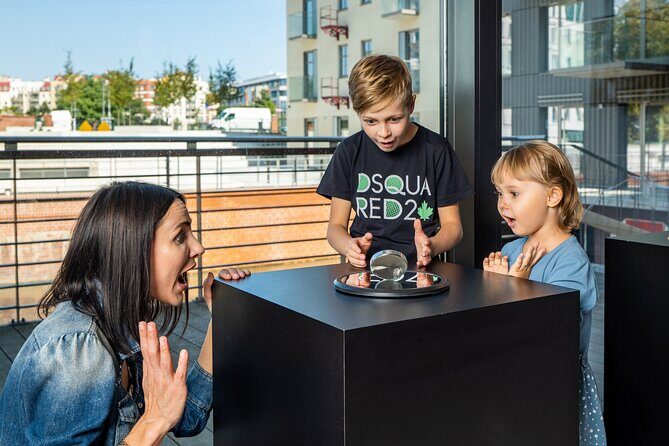
This isn’t a museum where you stand back. The point is participation. The exhibits include activities like drawing with a light and creating shadows, plus optical effects that tie into the physics and optics theme.
Here’s what that means for you in real terms:
- With light-based activities, you’ll spend time adjusting your position and timing. That’s where the best photos usually come from, because you’re shaping the effect, not just being in the frame.
- With shadow-based illusions, you’ll quickly realize how small changes (angle, distance, arm position) change what you see. That’s the fun of it—your body becomes part of the exhibit.
The museum also leans into that “how does this work?” feeling. If you hit a question, the staff are on hand and ready to explain what you’re seeing and why.
Upside-Down Photo Moments (and Why They’re So Memorable)
One of the biggest reasons people get excited here is the chance to do pictures in a twisty, off-kilter setting. The museum is described as offering moments from the world upside down, and one review specifically calls out the upside room as a standout photo stop.
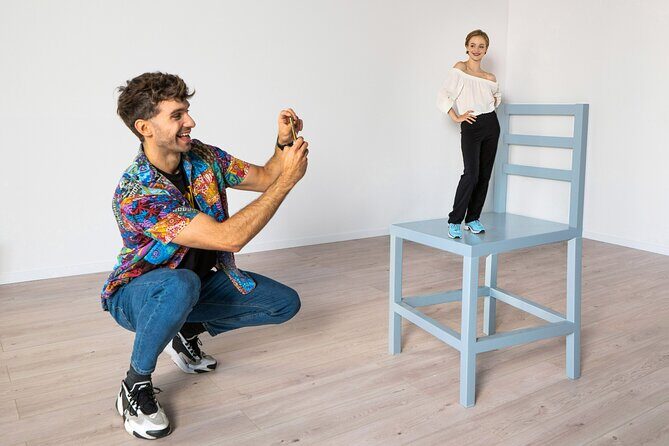
This matters because the museum is built for social photos, but without feeling like a cheap gimmick. These setups give your brain a contradiction—orientation, perspective, gravity cues—and then you “solve” it by taking a picture. You end up with images that look impossible, but they’re created by simple optics and staging.
If you care about getting good photos, treat this like a photo session, not a quick snapshot. Take two or three tries, adjust your angle, and don’t be afraid to step back so you can see the full effect before you pose.
Staff Who Explain, Help, and Make It Feel Easy
In most museums, staff are helpful in a general way. Here, the staff presence feels more personal. Reviews highlight reception support that guides you through how to enjoy the installations, and multiple visitors call out how friendly and attentive the team is.
Even better: if you want help with photos, you can ask. One visitor mentions that the reception staff helped by taking photos and making sure the visit felt smooth. Another mentions a solo-friendly experience with a guide named Tomasz, with English that was great and supportive.
So if you’re traveling alone, don’t assume you’ll be stuck “wandering.” You can get practical help right there, like how to approach a trick, what to focus on, and how to position yourself for the effect.
You can also read our reviews of more museum experiences in Wroclaw

Small but Packed: How Long to Plan and What Order Works
Even though the museum is only 400 m², it feels like it gives enough variety for a solid visit. Most experiences land around 45 minutes to 1 hour 30 minutes, depending on how many interactive setups you linger on and how much time you spend on photos.
If you’re short on time, you can move briskly and still get the core illusions. If you’re in no rush, plan to slow down at the activities that involve your body and position—light drawing and shadow effects. Those are the ones where you’ll naturally get drawn into repeat tries.
A good strategy is simple:
- Start with the main picture moments so you can get your “wow” shots early.
- Then shift into the interaction-heavy exhibits while your energy is still high.
- Finish with anything you want to re-test after you’ve understood the basics.
Lockers, Storage, and the Little Extras
A practical detail that makes the visit easier: there’s a storage room with lockers for coats and unwanted bags. That’s the kind of setup that reduces stress. You can move around more freely without worrying about bumping into something or keeping your hands full while you interact with displays.
At the entrance area, you’ll also find a small shop with souvenirs. If you like taking home a reminder of something weird and visual, this is a nice low-effort add-on.
There’s also a charming extra people bring up: a gnome outside and a bit of gnome hunting fun in the area. It’s not part of the museum itself, but it’s the kind of bonus that turns a “quick stop” into a better memory.
Price and Value: Is $18.69 Actually Fair?
At $18.69 per person, this isn’t the cheapest thing you’ll do in Wrocław. And because the museum is compact, you shouldn’t expect a full-day ticket experience.
But here’s where the value clicks into place: you’re paying for time-on-feet interaction, not just entry to look at objects behind glass. The exhibits are designed to be used, and the staff help makes it easier to get something out of every station. That reduces the feeling of wasted time.
Also, one review notes the ticket includes a 10% discount at a nearby café. That kind of small perk matters because it adds a little comfort after you’re done—especially if you plan a coffee or tea stop right after.
If you’re the kind of traveler who likes hands-on attractions and wants quick entertainment without planning for hours, the price starts to look more reasonable. If you prefer large, quiet museums with deep historical collections, this may feel short and a bit pricey—so set expectations accordingly.
Who Should Book This Ticket (and Who Might Skip)
This is a strong match if you:
- want a fun, interactive break in Wrocław
- like science concepts when they’re turned into games
- want easy photo opportunities
- are traveling with kids or mixed-age groups (there are illusions that work especially well for younger visitors)
It may be less ideal if you:
- want a long, gallery-heavy day
- dislike interactive exhibits and prefer passive viewing
- expect every museum stop to include major historical depth
That said, even for adults who already know some optical tricks from social media, the physical setups and the chance to test them in person tends to keep it entertaining.
Before You Go: Practical Tips That Save Time
A few things to plan so your visit stays smooth:
- Bring a charged phone or camera. A lot of the fun is in comparing what you expect with what the exhibit shows.
- Wear shoes you can move in. You’ll naturally reposition for shadows and light effects.
- If you’re carrying a bag, use the lockers so you can interact without constantly holding stuff.
- If you have questions about how something works, ask. The museum team is positioned to help, and explanations can make the “trick” more satisfying.
- If you’re visiting during weekdays, stick with the posted hours: 10:00 AM–7:00 PM (Mon–Fri).
Should You Book the Museum of Illusions Wrocław Ticket?
I’d book it if you want a short, high-reward activity that mixes science, art, and goofy visual logic. The biggest wins are the interactive exhibits, the photo moments, and the staff support (including the helpful, English-friendly guidance people mention, such as Tomasz).
If you’re on a tight schedule, this is exactly the type of attraction that fits. If you’re price-sensitive and you hate short experiences, consider it only if you’re traveling with kids, you’re a fan of optical illusions, or you really want that upside-down photo payoff.
FAQ
FAQ
How long should I plan for the Museum of Illusions Wrocław?
Plan about 1 hour to 1 hour 30 minutes. Many people spend around 45 minutes, depending on how long you linger on the interactive exhibits and photos.
Is the ticket available in English?
Yes, the admission is offered in English.
Do I get a mobile ticket?
Yes, the experience includes a mobile ticket.
Are there staff members who can help with the exhibits?
Yes. The museum team is available to answer questions about the displays and help you enjoy the installations.
Is there a place to store coats or bags?
Yes. There is a storage room with lockers for coats and unwanted bags.
Is the museum near public transportation?
Yes, it’s near public transportation.
What are the opening hours listed for the museum?
The posted hours are 10:00 AM to 7:00 PM, Monday to Friday.
Can I cancel for a full refund?
Free cancellation is available. You must cancel at least 24 hours before the experience’s start time for a full refund.