REVIEW · WROCLAW
III Reich & WW2 in Wroclaw. Monday, Wendsday, Friday regular tour
Book on Viator →Operated by Wratislavia Tour · Bookable on Viator
A dark chapter, told by the streets of Wroclaw. This WW2 and Third Reich walking tour links major locations—synagogues, squares, memorials, and key parts of the old city—into one clear story of occupation, persecution, resistance, and siege survival. It runs on Monday, Wednesday, and Friday, starting at Hotel Monopol and ending on Cathedral Island.
I especially like two things. First, the route is built around places you can actually see—like the area of the destroyed New Synagogue and the Gestapo building you’ll spot along the walk. Second, the tour leans on a guide who can turn facts into scenes; guides like Michael (and you may hear the name Michal) tend to keep the pace energetic without losing the thread.
One drawback to consider: this is a 2 to 2.5 hour walk that hits many stops with short time windows (often 5–10 minutes each). If you want long museum-style time inside buildings, you’ll likely find this tour gives you a strong outline rather than hours in-depth at one site.
In This Review
- Key highlights you’ll feel fast
- A Nazi-era story told block by block in Wroclaw
- Timing and walking pace: what 2 to 2.5 hours really means
- Stop-by-stop: from the destroyed New Synagogue to Cathedral Island
- Start at Hotel Monopol, then head into the hard context
- Stop 1: the area of the New Synagogue destroyed in 1938
- Stop 2: Wolności Square and the beginnings of the Nazi era
- Stop 3: White Stork Synagogue, still standing after the war
- Stop 4: Rynek Main Square and the siege story in daily-life form
- Stop 5: The Dietrich Bonhoeffer Memorial and German opposition
- Stop 6: Wrocław University and education under the Third Reich
- Stop 7: Parish of the Most Holy Name of Jesus and siege-era daily life
- Stop 8: Ossolineum and education in wartime and ideology
- Stop 9: Market Hall (Hala Targowa) and a short break with a purpose
- Stop 10: Sand Island, Edith Stein, and siege reflection
- Stop 11: Ostrow Tumski (Cathedral Island) to close the loop
- Price and value: what you get for $32.20
- The guide matters: why Michael often makes the difference
- What themes you’ll walk away with (and where they connect)
- Practical tips so the tour feels smooth
- Who this tour suits best
- Should you book this tour?
- FAQ
- FAQ
- What days does the III Reich & WW2 in Wroclaw tour run?
- How long is the tour?
- Where do I meet, and where does the tour end?
- How much does it cost?
- Is the tour in English, and how large is the group?
- Are admission tickets included for the stops?
Key highlights you’ll feel fast
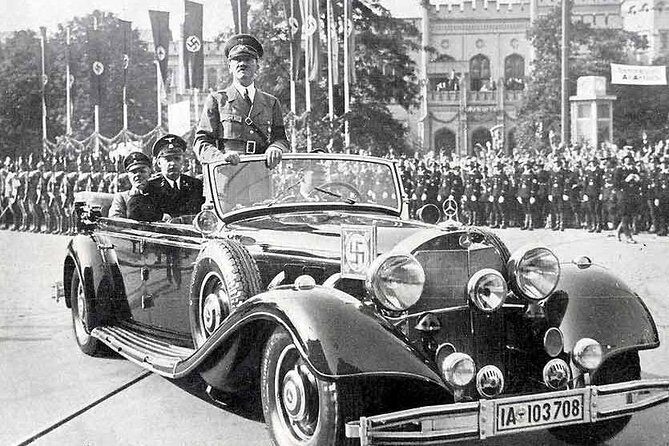
- A WWII story told citywide: you move from Jewish landmarks to squares to cathedral island without backtracking
- Strong set of named themes: Nazi education, the opposition (Dietrich Bonhoeffer), and people like Edith Stein
- Easy logistics: meeting at Hotel Monopol and ending on Cathedral Island keeps the flow simple
- Mostly free on-site tickets: several stops are marked free, which boosts the value
- Small group size: a maximum of 20 people makes it easier to ask questions
- English tour available: good fit if you want history in plain, practical language
A Nazi-era story told block by block in Wroclaw
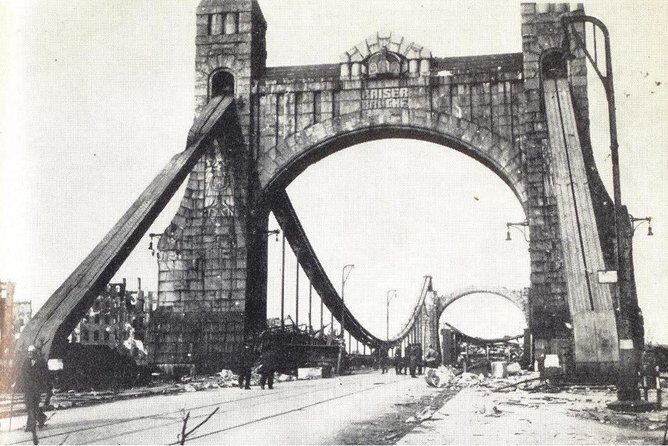
Wroclaw has a way of looking calm—until you start connecting the dots. This tour uses that contrast on purpose. You’re guided through the layers of the city that were shaped by Nazi power, anti-Jewish persecution, wartime education, and the siege period that followed.
The best part is how the tour doesn’t treat WWII like one abstract event. Instead, it shows how daily life got squeezed—through public spaces like Wolności Square and Rynek, through religious landmarks, and through institutions tied to schooling and ideology. That street-level approach helps the information stick.
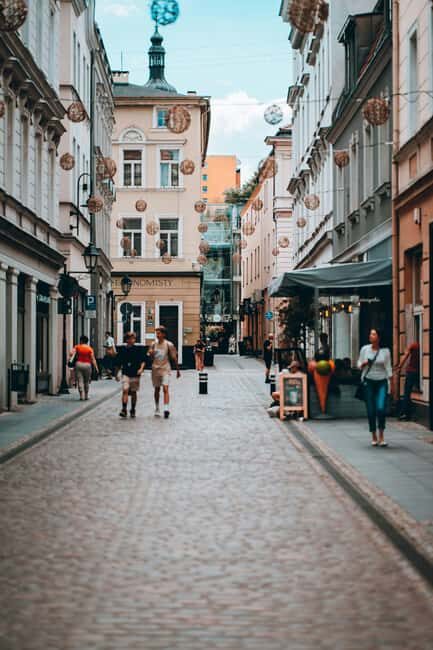
Also, you’ll be walking through a part of the city that most people miss when they stick to only the postcard route. The route is compact enough to stay manageable, but it reaches far enough to change how you understand Wroclaw.
You can also read our reviews of more tours and experiences in Wroclaw.
Timing and walking pace: what 2 to 2.5 hours really means
This is a 2–2.5 hour guided walk. The stop times are short on purpose, so you cover more ground than a slow museum loop. Many stops are around 5 minutes; a few are closer to 10 minutes. That means you’ll hear a lot of names, dates, and themes—then move on.
In practical terms, plan for roughly 1.7 miles of walking if you’re moving at a normal pace. In colder months, it can feel longer. The good news: the tour is structured with frequent story beats, so even if you’re cold, you’re not just shuffling in silence.
The tour requires good weather, since it’s outdoors for most of the route. If it’s wet or miserable, expect the operator to adjust plans or offer another date.
Stop-by-stop: from the destroyed New Synagogue to Cathedral Island
This is where the tour earns its keep. Each stop adds a piece to the overall picture of Nazi control and the wartime fate of Wroclaw’s communities.
Start at Hotel Monopol, then head into the hard context
The tour begins at Hotel Monopol (Ulica Heleny Modrzejewskiej 2). From the first moments, you’re set up for what’s ahead: not just WWII battles, but how the Nazi system moved into everyday life and institutions.
This “orientation first” approach matters. It helps you understand why the guide brings up certain buildings in the first place—because in this story, the city itself becomes the evidence.
Stop 1: the area of the New Synagogue destroyed in 1938
You walk to where the New Synagogue was destroyed in 1938. That date is a punch in the gut, but the tour frames it as part of a wider escalation—anti-Jewish violence turning into policy and then into annihilation.
You’ll also spot the Gestapo building in the area. That combination is powerful: religious life and security apparatus in the same visual field. It’s the kind of connection that you just don’t get from reading alone.
Stop length is brief—around 5 minutes—so the guide uses the time for the key context you’ll need later on.
Stop 2: Wolności Square and the beginnings of the Nazi era
Next is Wolności Square. Here the focus shifts to the early Nazi push—how power becomes routine. This stop gives you a footing for the rest of the route, because it explains the mindset behind the regime, not just the outcomes.
Again, it’s short—about 5 minutes—but it’s one of those “setup” moments that makes later stops click.
Stop 3: White Stork Synagogue, still standing after the war
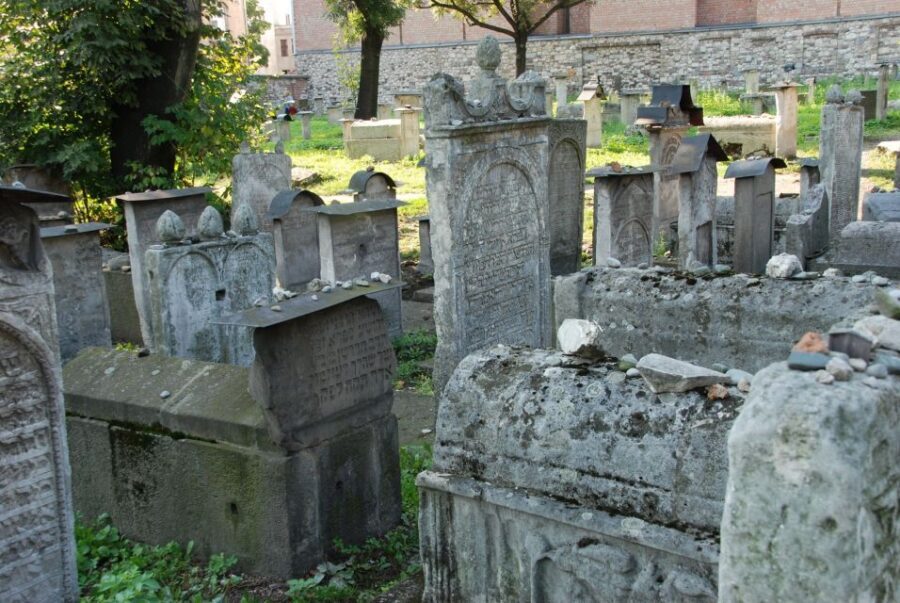
Then you reach the White Stork Synagogue, a survivor of the war. It sits in the heart of the Jewish district, and the guide uses it to talk about local Jewish heritage alongside Holocaust stories.
This is one of the more emotionally heavy stops, but it’s also a grounding one. Seeing a surviving site turns the story from pure tragedy into something with endurance—people built communities, even when those communities were under attack.
Expect around 10 minutes here. That extra time helps you absorb names and connections.
Stop 4: Rynek Main Square and the siege story in daily-life form
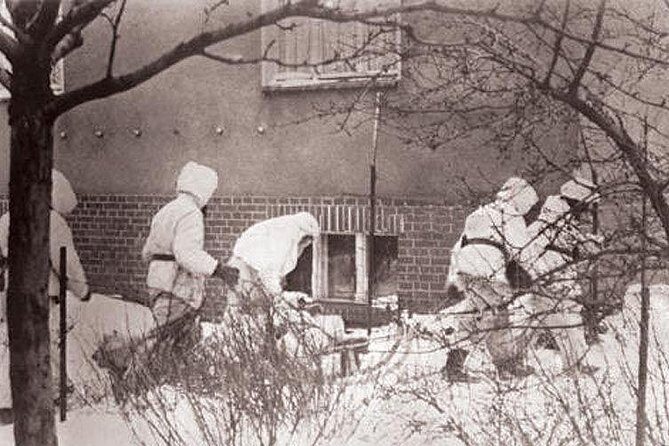
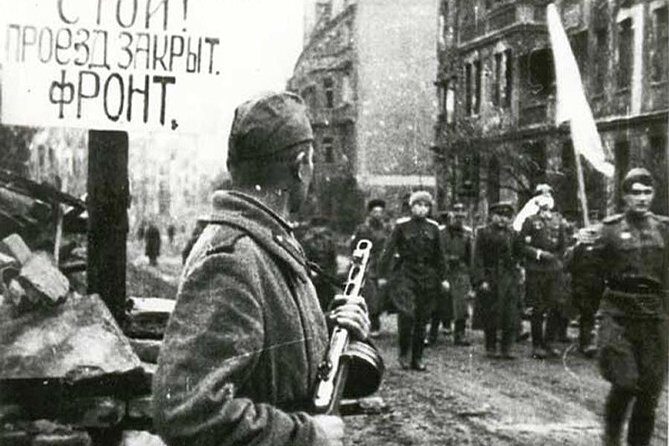
At Rynek of Wrocław, the tour expands from persecution to everyday life under Nazi rule. You’ll also hear about Festung Breslau and the eventual destruction of the city.
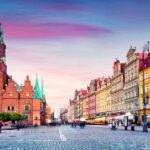
This stop stands out because it uses the place you might already recognize. The main square looks like a place for strolling and coffee. Under the guide’s narration, it becomes a stage for rationing, control, propaganda, and fear.
Time on site is around 10 minutes, which is enough to connect the dots between what happens in public spaces and what happens to people in private.
Stop 5: The Dietrich Bonhoeffer Memorial and German opposition
Next is the Dietrich Bonhoeffer Memorial, where you’ll get a quick but pointed view of German opposition to the Nazi system.
This matters because most WWII narratives go straight from cruelty to resistance in a generic way. Here you get a named figure tied to moral and political resistance. The guide’s job is to show the courage—and the cost—without turning it into a one-line slogan.
This stop is about 5 minutes.
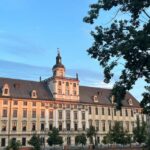
Stop 6: Wrocław University and education under the Third Reich
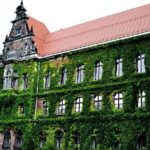
You’ll then reach Wrocław University. The tour talks about education in the Third Reich and the role of Jewish scientists.
One thing to watch: this stop is marked admission not included. That doesn’t mean it’s useless. It just means you should be ready for the reality that you may not get full interior access without additional entry arrangements, and some parts could be view-and-story focused.
Time is about 10 minutes—enough to understand why education was part of the machinery of ideology.
Stop 7: Parish of the Most Holy Name of Jesus and siege-era daily life
At the Parish of the Most Holy Name of Jesus, the tour shifts to everyday life during the siege time and the first months after the war.
This stop has the tone of human survival. Instead of only describing systems, it helps you picture what it felt like when the city was under pressure and then rebuilding.
This also lists admission not included, so plan for possible exterior viewing plus guidance-based context. Time is around 10 minutes.
Stop 8: Ossolineum and education in wartime and ideology
Next is Ossolineum, with another education angle—how learning, institutions, and culture were shaped by Nazi rule and wartime pressures.
This stop is also marked admission not included, so treat it like a story stop as much as a site visit. The guide’s explanations are the value here, because the schedule keeps the total tour moving.
Expect about 10 minutes.
Stop 9: Market Hall (Hala Targowa) and a short break with a purpose
At Market Hall (Hala Targowa), you get a story about the siege, and you also get a breathing moment in the route. It’s around 10 minutes.
This stop works because food and markets are universal. Even if you’re not deep into WWII detail, you can instantly grasp why markets under siege matter: shortages, control, and the struggle to keep life going.
Stop 10: Sand Island, Edith Stein, and siege reflection
Then you reach the Sand Island area in Wrocław. You’ll hear the story connected to Edith Stein, and the narration ties back to the siege era.
This is one of those stops where the city’s geography helps the story feel real. The guide brings the focus back from institutions and squares to people and fate.
Time is short—around 5 minutes—but it’s memorable.
Stop 11: Ostrow Tumski (Cathedral Island) to close the loop
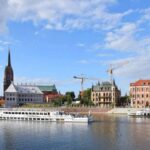
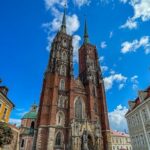
The tour ends on Ostrow Tumski, the Cathedral Island. You’ll hear a few extra stories, which helps you leave with a sense of closure rather than a hard stop mid-topic.
Time is about 10 minutes. Ending here also makes practical sense: it’s a natural landmark area where you can continue exploring on your own after the tour finishes.
Price and value: what you get for $32.20
At $32.20 per person, this tour is priced to be accessible. The big value driver is that many stops include free admission tickets. In other words, the cost is mostly paying for the guide and the routing through multiple key sites.
You should also factor in that a few stops are marked admission not included (notably Wrocław University, the Parish of the Most Holy Name of Jesus, and Ossolineum). That means there could be additional entry fees if you want to go inside fully. If you’re okay with exterior viewing plus the guide’s context, you can still get strong value from the overall route.
Group size matters here too. With a maximum of 20 travelers, the guide can keep the flow tighter and handle questions without the whole thing turning into a lecture hall.
If you’re only in Wrocław for a day or two, this tour can act like a shortcut for understanding the city’s WWII layer fast.
The guide matters: why Michael often makes the difference
This tour’s reviews put a lot of weight on the guide experience. Names like Michael (sometimes spelled Michal) show up again and again, and the common thread is clear storytelling paired with room for questions.
The tour is described as fast-paced, so a good guide is crucial. A strong guide doesn’t just list facts. They connect each stop to the next so you feel like you’re progressing through a single narrative.
That said, because each stop is short, the tour is still an outline. If you prefer slow museum pacing, you may want to plan one or two additional self-guided stops afterward to go deeper on your favorite theme.
What themes you’ll walk away with (and where they connect)
If you like WWII history but you get tired of disconnected dates, this route helps. It ties several themes together across the city.
You’ll see how Nazi control reached into religious life (synagogues and Jewish heritage sites), state power (the Gestapo building), and public spaces (Wolności Square and the main square).
You’ll also get a clear thread on education—how schooling and intellectual life were shaped under the Third Reich, including the mention of Jewish scientists connected to that topic.
Then the tour adds a moral counterpoint with the Dietrich Bonhoeffer memorial, reminding you that opposition existed even within the Nazi system.
Finally, the tour ends with survival-and-rebuilding atmosphere on Cathedral Island, so the story doesn’t just stop at destruction.
Practical tips so the tour feels smooth
A few small choices make a big difference with a walking tour focused on heavy topics.
Wear comfortable shoes. You’ll be on your feet for much of the route, and weather can be harsh. Dress for cold or wet if you’re going outside the mild season, since the tour depends on good weather.
Bring a charged phone for the mobile ticket. You’ll want it ready at the start near Hotel Monopol.
If you have specific interests—Jewish history, wartime education, or German opposition—jot a couple of questions before you go. The short stop times mean it helps to ask something specific rather than general.
And if you’re sensitive to intense subject matter, take breaks when you need them. The route includes a market hall stop that can act as a reset point.
Who this tour suits best
This is a good fit if you:
- want a WWII and Third Reich overview that’s tied to real places in Wrocław
- like history you can see and walk between, rather than only read
- enjoy named people and themes, such as Dietrich Bonhoeffer and Edith Stein
- prefer a small group format with an English-speaking guide
It’s also a smart choice for first-time visitors who want to understand Wrocław beyond the old-town highlights.
If you’re the type who wants long museum time at one location, you may feel rushed. In that case, pair it with later self-guided visits to the institutions that interest you most.
Should you book this tour?
Yes, book it if you want a fast, well-structured way to understand how Nazi rule showed up across Wrocław—from Jewish landmarks and public squares to education and siege-era survival. The price is reasonable for what you get, especially with multiple stops marked free admission and a route that saves you time from planning.
If you’re hoping for long interior access at every site, go in knowing that some entrances are not included and the stop times are short. Plan to follow up afterward if you find one theme you want to study further.
FAQ
FAQ
What days does the III Reich & WW2 in Wroclaw tour run?
The tour runs on Monday, Wednesday, and Friday.
How long is the tour?
It lasts about 2 hours to 2 hours 30 minutes.
Where do I meet, and where does the tour end?
You meet at Hotel Monopol (Ulica Heleny Modrzejewskiej 2, Wrocław) and the tour ends on Cathedral Island (Ostrow Tumski).
How much does it cost?
The price is $32.20 per person.
Is the tour in English, and how large is the group?
Yes, it’s offered in English, and the group size is capped at maximum 20 travelers.
Are admission tickets included for the stops?
Many stops are marked admission ticket free, but a few are marked admission ticket not included (including stops like Wrocław University, the Parish of the Most Holy Name of Jesus, and Ossolineum), so plan for possible extra fees if you want to enter those sites.