REVIEW · KRAKOW
Krakow: Oskar Schindler’s Enamel Factory Museum Guided Tour
Book on GetYourGuide →Operated by EVENTS MANAGEMENT Sp z o.o. · Bookable on GetYourGuide
A small museum visit, heavy meaning. The Schindler’s Enamel Factory guided tour in Krakow is a focused, 90-minute way to understand what Nazi occupation did to everyday life in a multicultural city, with an interactive, multimedia-style exhibit and time at Oskar Schindler’s preserved office.
What I like most is how the tour combines a clear guide-led explanation with hands-on, interactive museum elements. I also appreciate that it’s designed to help you understand the topic without turning it into a distant lecture. One thing to consider: this is not a broad biography of Schindler or a behind-the-scenes industrial factory tour, so if you want a cinematic walkthrough, you may need to adjust expectations.
In This Review
- What you’ll walk away with (and why it matters)
- A quick reality check before you book
- Key points to know before you go
- Entering the museum without wasting your Krakow time
- Meeting your guide at excursions.city
- What to expect inside: multimedia WWII context you can follow
- The preserved office: where the story feels anchored
- Interactive exhibits and how they handle hard history
- Walking Krakow’s wartime story through the city itself
- Language choice really matters for WWII learning
- Price and value: is $50 a good use of your time?
- Time selection and the 2026 entry rules you should plan for
- Who this tour suits best (and who might prefer another option)
- Should you book this Schindler’s Enamel Factory guided tour?
- FAQ
- How long is the Schindler’s Enamel Factory Museum guided tour?
- What’s included in the price?
- Where do I meet the guide?
- Does this tour skip the ticket line?
- What languages are available for the live guide?
- What should I know about what the museum is focused on?
- What are the cancellation and flexibility options?
- Do I need to bring ID for entry?
What you’ll walk away with (and why it matters)
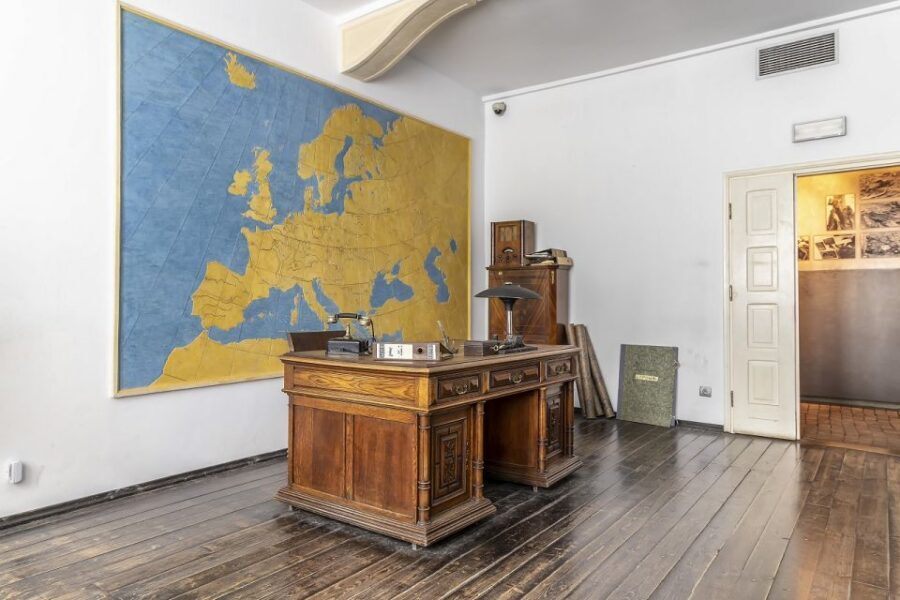
You’ll likely leave with two big wins. First, you get much stronger WWII context for Krakow, not just isolated facts. The guide helps you connect the museum’s themes to the lived reality of people during the occupation. Second, you’ll see Oskar Schindler’s preserved office, which grounds the story in a real place rather than just timelines and names.
For me, the balance is the point. The experience takes a painful topic seriously, but it still gives you a path through it, step by step, in a way that’s easier to process than reading alone.
A quick reality check before you book
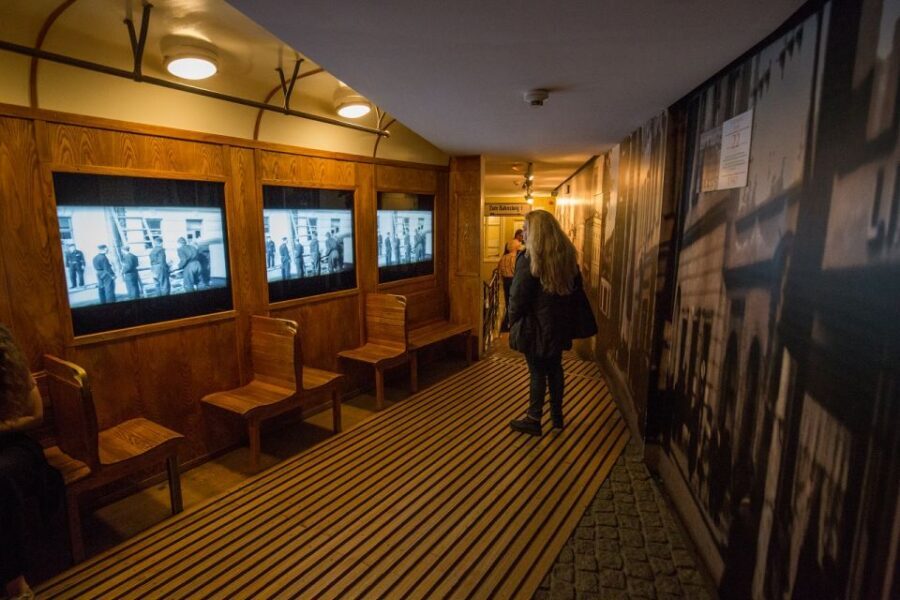
The main drawback is simple: the museum is an exhibition devoted to a specific topic, not an all-purpose Krakow WWII course and not an industrial factory you can wander through like a normal site. Plan for a guided, emotionally serious visit, and come with the mindset that this is about understanding, not entertainment.
You can also read our reviews of more guided tours in Krakow

Key points to know before you go
- Skip the ticket line with a guide holding your entry ticket on arrival
- 90 minutes of guided context plus museum time, a good fit for busy Krakow days
- Interactive, multimedia exhibits that explain Nazi occupation in a structured way
- Oskar Schindler’s preserved office helps the story feel grounded and specific
- Live guide in German, Italian, French, Spanish, or English
- Heavy subject matter handled through explanation and thoughtful presentation
Entering the museum without wasting your Krakow time

This tour is built around time efficiency. You’re not sent wandering for tickets, and you’re not stuck in a long queue either. A guide waits outside the museum entrance with tickets, holding things together so you can get inside and start learning right away.
If you’re the kind of traveler who likes to see the important sites without losing half your morning to logistics, this is your style. In Krakow, that matters because the best days fill up fast, and it’s easy to burn energy on lines instead of learning.
The tour length is also realistic. Ninety minutes is enough time to cover the core story and key museum highlights, while still being short enough that you don’t feel mentally wrecked before you’ve even finished exploring the city.
Meeting your guide at excursions.city
Your meeting point is straightforward: the guide waits in front of the museum entrance with tickets, next to a sign that reads excursions.city. This is one of those details that saves you stress. When you’re in a crowd or you’re tired from walking, having a clear sign reduces the chance of missing your start time.
Language is another practical detail that can make or break a tour. You can choose a live guide in German, Italian, French, Spanish, or English. That matters because WWII topics are easier to absorb when you can follow the guide’s explanations clearly, not through guessing and subtitles.
What to expect inside: multimedia WWII context you can follow
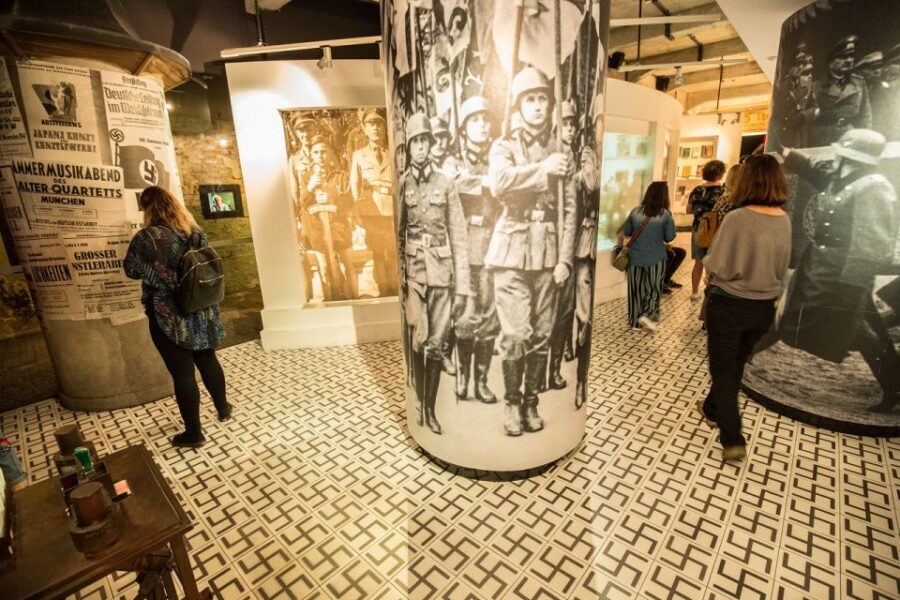
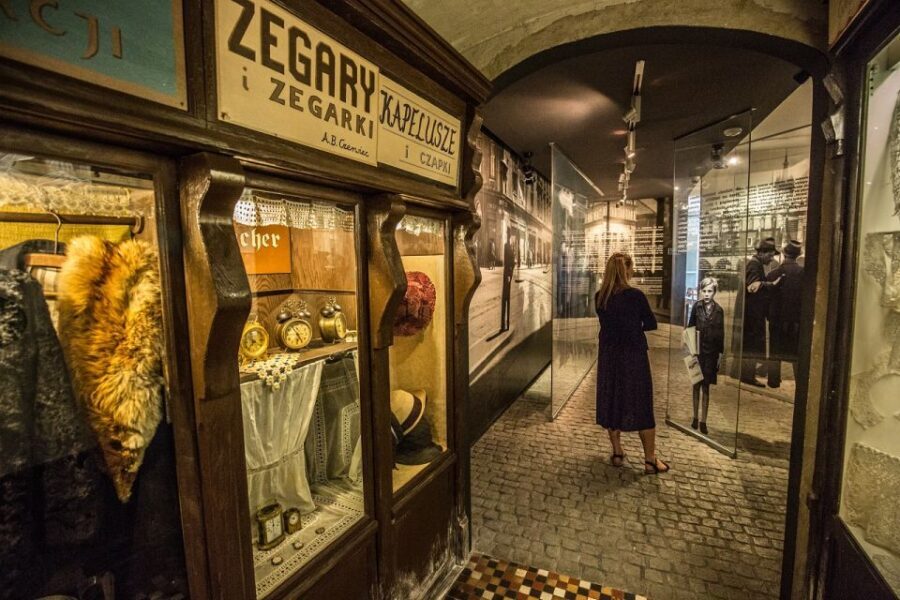
Once you’re inside, the focus stays tight. The museum is centered on the realities of living in multicultural Krakow during the war years, with a special look at Nazi occupation. Instead of a general overview that hits everything, you get a guided path through one specific lens.
The exhibition uses interactive and multimedia elements to make the subject understandable. That approach helps when you’re dealing with painful history. You’re not just reading captions; you’re meant to see, understand, and connect the story beats.
One practical note: if you’re coming expecting the kind of hands-on workshop experience you might picture from film, shift your mindset. This isn’t positioned as a movie set replay. You’re visiting an exhibition that interprets events and experiences, including the preserved office of Oskar Schindler.
You can also read our reviews of more museum experiences in Krakow



The preserved office: where the story feels anchored
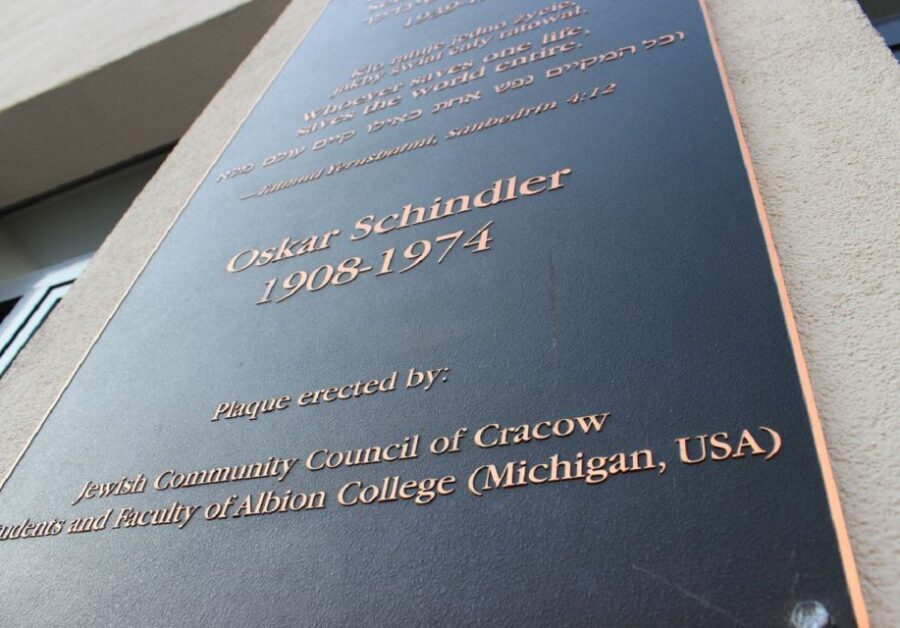
One of the most important moments is time at Oskar Schindler’s preserved office. That’s where the experience stops being only about the tragedy in general terms and becomes more specific about the person and place tied to the narrative.
Even in a guided visit, there’s something different about standing in a preserved setting. It forces your brain to slow down. You’re not just absorbing information; you’re connecting the guide’s explanation to a real room.
If you like history that feels tangible, this stop is a major reason to do the tour. It gives you a focal point instead of spreading attention across too many displays.
Interactive exhibits and how they handle hard history
This tour’s style is not casual. The topic is painful, and the museum presentation leans into that reality. But the way it’s presented is what makes it approachable.
Interactive and multimedia tools do two helpful things:
- They help you understand events in a sequence, rather than a jumble of facts.
- They guide your attention, so you’re not left trying to interpret everything on your own.
From what I’d pay attention to as a visitor, the best mindset is respectful and patient. Give yourself permission to feel unsettled if you need to. A guided approach can keep you from getting lost in details, and it can also prevent you from missing the museum’s intended meaning.
Walking Krakow’s wartime story through the city itself
The tour doesn’t confine everything to the building. You’ll also walk the streets of Krakow with your guide, hearing the city’s sounds and seeing ongoing life around you while the history is still part of the conversation.
This is a smart technique. When you step out and look at the city after hearing occupation stories, your brain starts doing something useful: connecting past to present. You might notice how different things feel from street to street, and how the city’s everyday rhythms continue even after something horrific happened here.
This segment is also a good pacing break. Museums can feel heavy and still. A street walk gives your eyes and body a different kind of reset while staying connected to the topic.
Language choice really matters for WWII learning
The tour runs with live guides in multiple languages, including English, German, Italian, French, and Spanish. If you’re choosing between languages, pick the one you can speak comfortably enough to follow details.
With WWII subject matter, small wording choices matter. A guide can explain nuance, not just facts. That’s the kind of clarity that turns a museum visit from information-gathering into understanding.
Price and value: is $50 a good use of your time?
At about $50 per person for a 90-minute guided experience, you’re paying for two things: an entry ticket and a live guide who leads you through the museum’s specific focus.
For value, I’d look at it this way. A self-guided visit might cost less on paper, but you’d lose the guided structure that helps you process what you’re seeing. In a museum dealing with painful WWII realities, that structure is not a luxury. It’s part of why the visit lands.
Also, the tour includes skipping the ticket line. That can be a big deal in popular places. Even if the wait isn’t huge on the day you go, time saved is still time you can spend walking Krakow or grabbing a meal without rushing.
The strong rating score—around 4.6 based on 20 reviews—signals that people tend to feel the experience is worth the cost, especially for its guide-led clarity.
Time selection and the 2026 entry rules you should plan for
A useful heads-up: tour times are approximate and may change due to the museum’s scheduling. You can choose a preferred time, but the exact start time isn’t guaranteed.
Then there’s an important update effective January 1, 2026. Because the museum uses personalized tickets, you’ll need to provide the full names of all participants when reserving. You’ll also need a passport or ID for entry. Without that, entry may be denied.
If you’re traveling soon or already planning ahead, take this seriously. I’d recommend double-checking spellings exactly as they appear on your passport. It’s one of those bureaucratic details that can ruin a day if you treat it casually.
Who this tour suits best (and who might prefer another option)
This guided visit is ideal if you want:
- A structured WWII learning experience focused on Krakow under Nazi occupation
- A museum visit that explains context, not just shows displays
- A short, guided timeframe that fits around other sightseeing
- Clear language support with a live guide
It may be less ideal if you’re looking for:
- A long, general history of WWII in Poland
- A hands-on tour of an operating factory or an industrial site experience
- A lighter, purely biographical look at Schindler without the broader occupation context
In other words, if you want focused meaning and guidance, you’ll probably feel satisfied. If you want a broader tourist-friendly sweep of everything connected to the war, you might want a different format alongside this.
Should you book this Schindler’s Enamel Factory guided tour?
I’d book it if you like museum visits that have a clear storyline. The interactive exhibition, the preserved office stop, and the guide-led explanation are a strong combo for getting past the overwhelm that can happen in serious history sites.
I would not overthink it, but I would respect the topic. Come prepared for a poignant experience. If you choose this tour, you’re choosing understanding over comfort—and that’s exactly why it can be so worthwhile.
One last check: if your travel plans include dates after January 1, 2026, make sure you’re ready with full names matching your ID. That small step keeps things smooth.
If all that fits your style, this is a solid way to spend 90 minutes in Krakow—learning the right things, at the right pace, with the help of a real guide.
FAQ
How long is the Schindler’s Enamel Factory Museum guided tour?
The tour lasts 90 minutes.
What’s included in the price?
The price includes a live guide and an entrance ticket to the museum.
Where do I meet the guide?
The guide with tickets meets you in front of the museum entrance with a sign that reads excursions.city.
Does this tour skip the ticket line?
Yes, it includes skipping the ticket line.
What languages are available for the live guide?
The tour offers live guiding in German, Italian, French, Spanish, and English.
What should I know about what the museum is focused on?
It’s not a biographical museum or an industrial factory. It’s an exhibition devoted to a specific topic about the Nazi occupation of Krakow.
What are the cancellation and flexibility options?
You can cancel up to 24 hours in advance for a full refund, and you can reserve now and pay later.
Do I need to bring ID for entry?
From January 1, 2026, personalized tickets require you to provide full names when reserving and bring a passport or ID for entry.