REVIEW · KRAKOW
Krakow: Jewish Quarter and Schindler’s Factory Guided Tour
Book on GetYourGuide →Operated by Thousand Miles Cracow Adventure Company · Bookable on GetYourGuide
This walk hits hard, in a good way. You’ll spend time in Kazimierz, from major synagogue stops to the WWII story at Schindler’s Factory, with a guide who keeps it human and clear. I especially like how the route gives context at the right moments, and I also like that you get entry to Schindler’s Factory included with the tour. One drawback to plan for: the WWII material can be upsetting, and this tour is not suitable for kids under 14.
You meet on the steps of the Old Synagogue, then head through the neighborhood that shaped Jewish life in Krakow for centuries. The tradeoff is time on your feet—this is a 210-minute walking-focused experience with no food stop built in. If you need frequent breaks, bring that expectation into the day.
In This Review
- Key highlights worth your attention
- Kazimierz Jewish Quarter tour: from Old Synagogue steps to WWII context
- Remuh Synagogue and the Jewish Cemetery area: sacred places and close geography
- Kazimierz today: cafes, shops, and the beatnik vibe that survived
- Schindler’s Factory Museum: getting the story right without turning it into a spectacle
- Time, pace, and what to bring for a 210-minute guided day
- Price and value: is $69 worth it in Krakow?
- When to go and who should book this tour
- Should you book this Krakow Jewish Quarter and Schindler’s Factory tour?
- FAQ
- How long is the Krakow Jewish Quarter and Schindler’s Factory guided tour?
- What does the tour include, and is food provided?
- Is this tour suitable for children?
- Where do we meet the guide?
- What languages are available for the live guide?
- Do I need to bring anything for Schindler’s Factory?
Key highlights worth your attention
- Old Synagogue meetup sets the tone fast, before you even start walking
- Kazimierz context covers centuries of community life, segregation, and WWII deportations
- Remuh Synagogue + Jewish Cemetery sighting helps you understand the geography of worship and memory
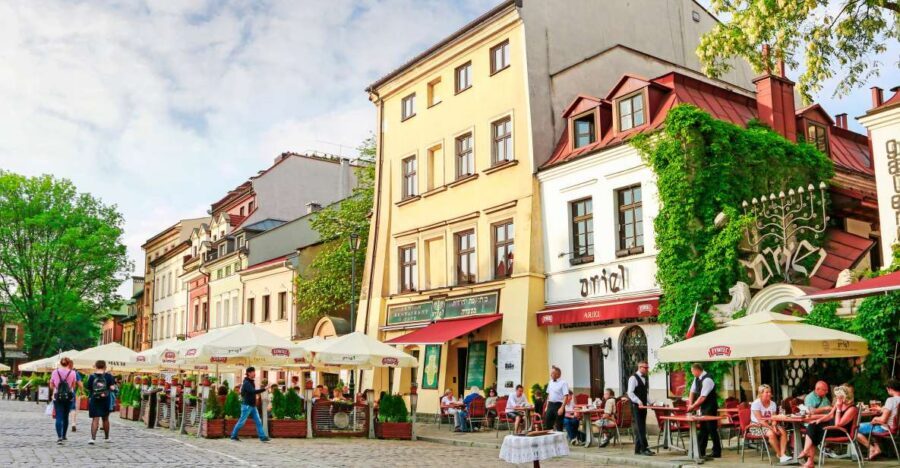
- Kazimierz today: you’ll see the modern café-and-shop side alongside the historic sites
- Schindler’s Factory Museum priority entry saves time and keeps the flow moving
- Guides like Anna and Anieska have strong track records for care and clarity in recent feedback
Kazimierz Jewish Quarter tour: from Old Synagogue steps to WWII context
The tour starts at the Old Synagogue, and I like that the meeting point is not some random square—it puts you right where the story begins. From there, you walk through Kazimierz as a UNESCO World Heritage area, so the streets and landmarks aren’t just pretty backdrops. They act like a map to how Jewish life developed in Krakow over time.
The guide’s job here is to connect what you’re seeing with what it meant. You’ll hear how Jewish residents lived in a segregated setup for a long stretch, and how that situation changed later. Then the focus turns to WWII, including how deportations devastated the community in and around Krakow.
What makes this section valuable is the pacing of information. You don’t get a list of dates and names. You get explanations that help you read the neighborhood—why certain places mattered, and why the atmosphere changed so dramatically during the war years.
Practical note: this is a guided walking route, so keep your phone handy for quick notes if you tend to forget details later. Comfortable shoes matter more than you think, since the day is built around walking.
You can also read our reviews of more guided tours in Krakow
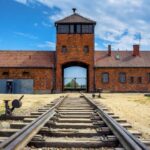
Remuh Synagogue and the Jewish Cemetery area: sacred places and close geography
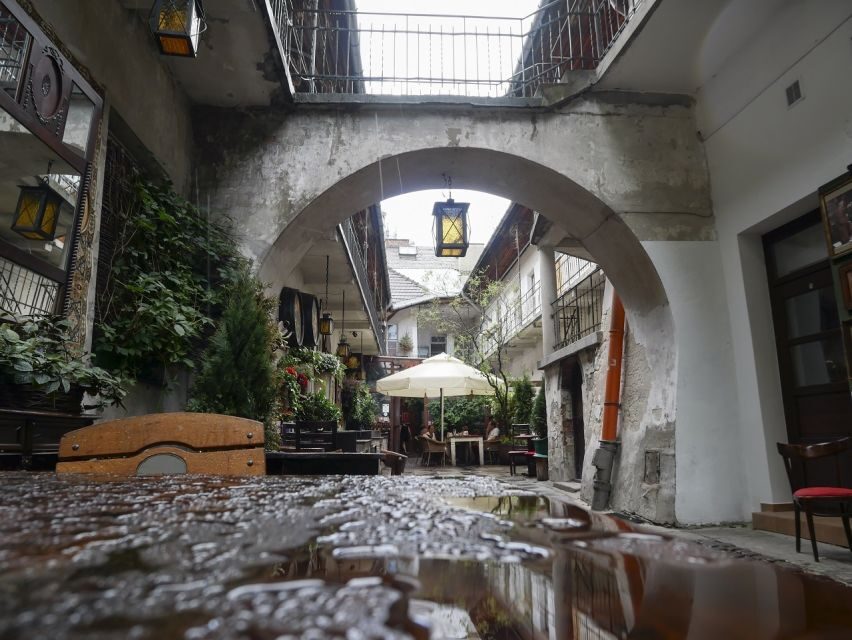
After the Old Synagogue, the tour stops at the Remuh Synagogue. Seeing Remuh after the bigger landmark helps you notice the way different synagogue spaces functioned within everyday community life. You’re also catching a glimpse of the Jewish Cemetery nearby, which adds another layer: remembrance wasn’t separate from daily reality—it was part of it.
I find the cemetery area especially important because it shifts your thinking from historical events to ongoing impact. Even if you’ve read about the Holocaust, the physical closeness of sites like these can make the story feel more specific to Krakow rather than abstract.
If you plan to go inside synagogues beyond what the tour covers, keep one detail in mind: men must cover their heads to enter synagogues. That’s easy to manage if you bring something small, but it’s also the kind of rule you don’t want to discover at the door.
Kazimierz today: cafes, shops, and the beatnik vibe that survived
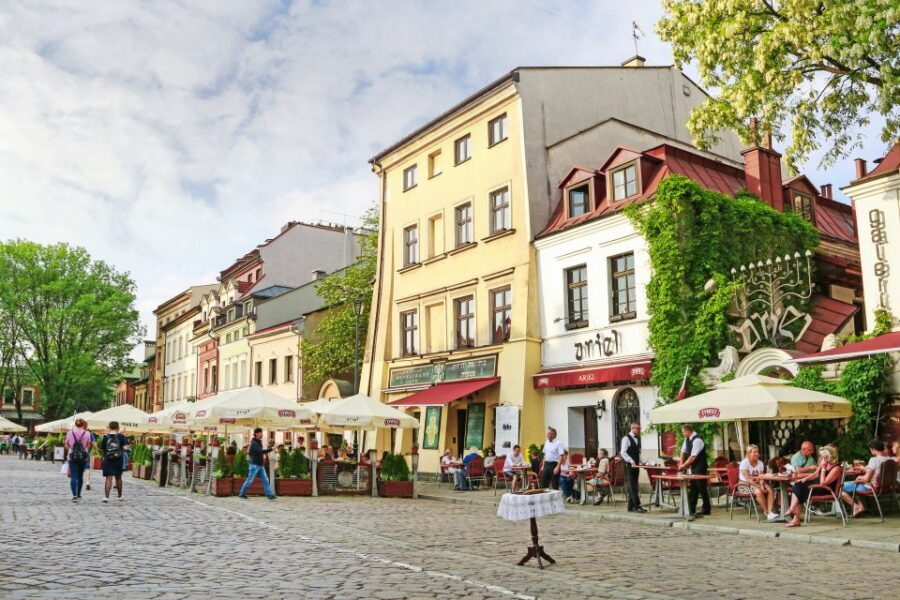
Here’s a reason I still recommend this tour even if you know the history already: Kazimierz is not frozen in time. Between the key religious sites, you’ll get a feel for the neighborhood today—its fashionable shops, its café culture, and that beatnik vibe people associate with the area.
This part works because it prevents the WWII story from swallowing everything. You see how the district has re-grown and re-invented itself, which matters because memory lives in real neighborhoods, not just in museums. It also helps you understand why modern Krakow still feels connected to Kazimierz rather than detached from it.
One practical consideration: because the tour is built around moving through multiple stops, you might not get a long break. Plan to sip water as you go, and don’t assume food will appear on schedule—this tour does not include food or drinks.
Schindler’s Factory Museum: getting the story right without turning it into a spectacle
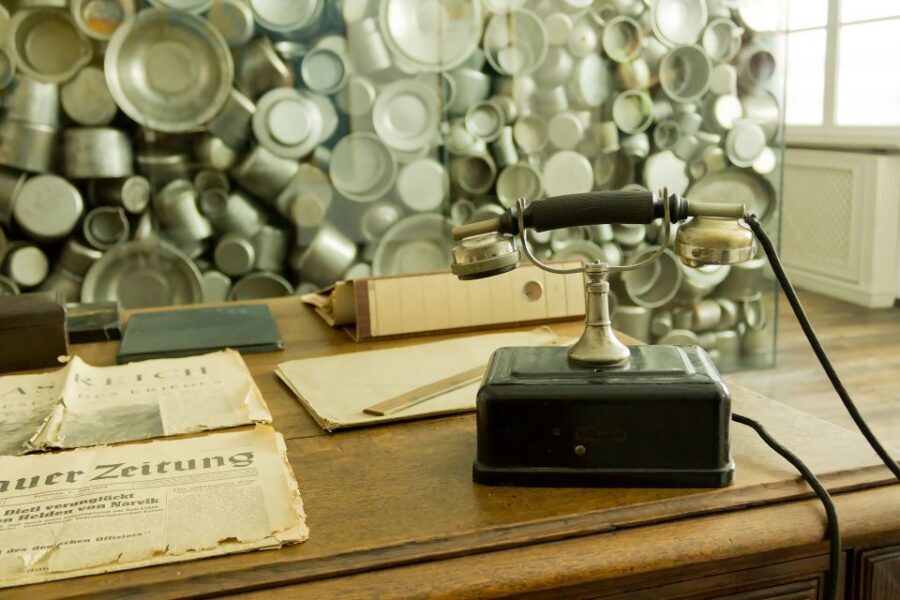
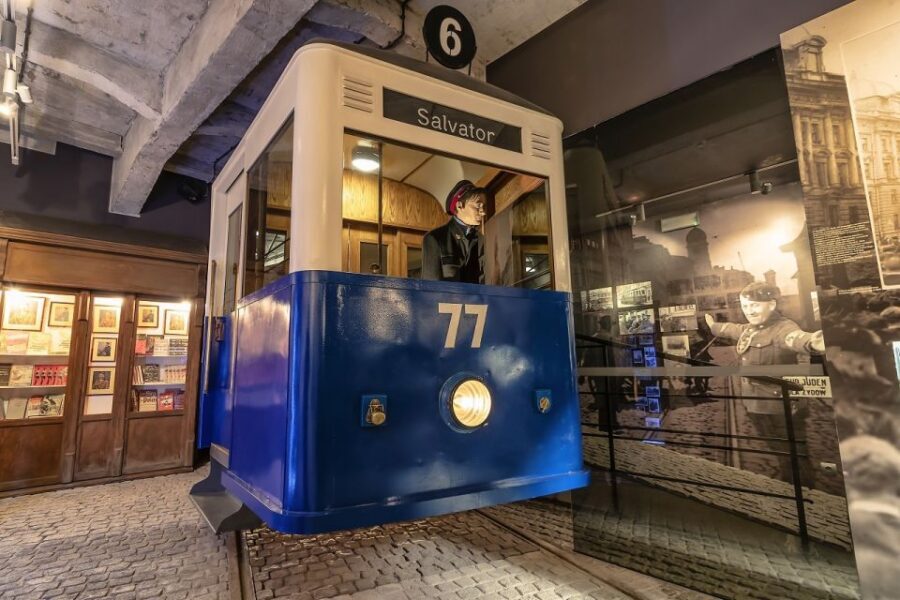
The last major part of the day is the exhibition at Schindler’s Factory Museum. This isn’t a casual stop; it’s a WWII-focused museum experience with tragic stories that could upset children under 14. That’s why the tour is listed as not suitable for kids under 14, and it’s also why you should mentally prepare for an emotional shift.
What I like about this museum visit is the angle. You learn about the tragedies in Krakow during the Second World War, but you also hear the story of German entrepreneur Oscar Schindler—including how efforts were made to save many Jews. That human thread is part of what made the story reach global audiences, including the inspiration for the film Schindler’s List.
Also, the tour includes entry to Schindler’s Factory, with ticket-line skipping. That matters here because the museum is a time-sensitive visit—getting in smoothly keeps the group from waiting around, and it helps you settle into the exhibition without unnecessary stress.
A heads-up based on feedback: some people note the museum spaces can feel tight, especially with larger groups. If you don’t like crowded, close quarters, mentally brace for narrow areas and keep your movement slow and careful.
Time, pace, and what to bring for a 210-minute guided day
This tour runs about 210 minutes. That’s long enough to connect the story across neighborhoods, but it still demands you treat it like a walking day. I’d plan on wearing shoes you can stand in comfortably for a few hours, not just footwear that looks good in photos.
Bring water. Since food and drinks aren’t included, water is your main comfort tool during the walk and museum transitions. If you’re the type who needs a snack break to stay sharp, you may want to carry something small for after the tour rather than expecting a stop during it.
Pace-wise, the schedule may feel continuous. One person pointed out there was no break during an extended stretch of the day. You don’t need to panic about that, but you should go in prepared with water, a steady attitude, and the expectation that this is a structured experience, not a choose-your-own-adventure.
Group and language: the tour operates with live guides in Spanish, Italian, German, English, and French, and your guide will drive the flow. In feedback, guides such as Anna and Anieska were praised for knowledge and care, so look forward to a guided storyline rather than a self-guided checklist.

Price and value: is $69 worth it in Krakow?
At $69 per person, you’re paying for two things that add real value: a guided walking tour through Kazimierz and museum entry to Schindler’s Factory. The price isn’t just about access—it’s about having someone explain what you’re seeing while you’re seeing it.
If you tried to do this on your own, you’d still need to cover: the walking route through the Jewish Quarter, time at key synagogues and nearby sites, and the museum ticket plus the context to understand it. The guide stitches those pieces together in the order that makes sense, especially when the WWII sections can be heavy and confusing without explanation.
Also, skipping the ticket line at Schindler’s Factory can be a quiet cost-saver in time and energy. For a 3.5-hour experience, that efficiency matters.
Where the value can feel weaker is simple: if you hate walking, or if you want lots of downtime. This tour is built for movement and continuity, and your money goes toward that structure.
When to go and who should book this tour
This is a strong choice if you want history with direction—Kazimierz plus Schindler’s Factory—without turning it into a museum day that starts and stops whenever you feel like it. It’s also a good match if you like understanding a neighborhood as a place where life actually happened, including the shifts from older community patterns to WWII rupture and afterward.
You should think twice if:
- You’re traveling with kids under 14, since the museum content could be upsetting
- You dislike crowded, tight interiors (Schindler’s Factory spaces can feel narrow)
- You need frequent, long breaks during structured activities
If your goal is a meaningful, guided narrative through Krakow’s Jewish Quarter, this tour fits that purpose well.
Should you book this Krakow Jewish Quarter and Schindler’s Factory tour?
I’d book it if you want the best of both worlds in one package: Kazimierz on foot with clear historical context, then Schindler’s Factory with priority entry and guided explanation. The biggest reason to say yes is the way the tour connects the neighborhood’s centuries-long story to the WWII tragedy without leaving you to piece it together alone.
I would pass or adjust expectations if you’re sensitive to WWII material, you want lots of food breaks, or you’re not comfortable with a walking-forward schedule. Go in with water, comfortable shoes, and a calm mind. If you do, you’ll come away with a Krakow story that feels much more specific than what you’d get from landmarks alone.
FAQ
How long is the Krakow Jewish Quarter and Schindler’s Factory guided tour?
The tour duration is about 210 minutes.
What does the tour include, and is food provided?
It includes a guided walking tour of Kazimierz and entry to Oscar Schindler’s Factory. Food and drinks are not included.
Is this tour suitable for children?
No. The Schindler’s Factory Museum includes tragic stories that could upset children under 14, and the tour is not suitable for children under 14.
Where do we meet the guide?
The meeting point may vary depending on the option booked, but the tour description notes you meet on the steps of the Old Synagogue.
What languages are available for the live guide?
The live tour guide is available in Spanish, Italian, German, English, and French.
Do I need to bring anything for Schindler’s Factory?
You should bring comfortable shoes and water. Also, for entry to Schindler’s Factory Museum, personalized tickets require full names of all participants when reserving, and you must bring a passport or ID for entry (starting January 1, 2026).