REVIEW · KRAKOW
Schindler’s Factory and Jewish Ghetto Walking Tour in Kraków
Book on Viator →Operated by Intercrac Sp. z o.o. · Bookable on Viator
Kraków’s Holocaust sites are close enough to feel personal. This Schindler’s Factory + Jewish Ghetto walk packs a museum visit, a guided explanation, and a short route through surviving fragments of the former ghetto—so you don’t waste your time figuring things out on your own. I especially like how the prebooked tickets help you get inside the museum faster, and how your guide turns photos, objects, and reconstructed street scenes into a clear storyline.
My second favorite part is the balance: you get the big-picture context of Kraków under Nazi occupation, then you move outside to locations tied to confinement, separation, and round-ups. One thing to keep in mind: the museum can feel crowded, and the timed route means the walking portion is brief—there just aren’t many original ghetto structures left to see up close.
In This Review
- Key highlights to know before you go
- Why this tour works as a 3-hour plan in Kraków
- Quick logistics: where you meet and what pace to expect
- Stop 1: Fabryka Emalia Oskara Schindlera and the occupation exhibition
- Stop 2: Ghetto Wall Fragment near Józefińska 41
- Stop 3: Ghetto Heroes Square and the Chair Memorial
- Stop 4: Under the Eagle Pharmacy (museum visit option)
- How the guides make the story click (including named examples)
- Is it good value at about $58.81?
- Who should book this tour?
- When you might want a different option
- Should you book Schindler’s Factory + the Jewish Ghetto walk?
- FAQ
- How long is the Schindler’s Factory and Jewish Ghetto walking tour?
- What language is the tour offered in?
- Is the Schindler’s Factory museum ticket included?
- Are the ghetto wall and memorial stops ticketed?
- Is the Eagle Pharmacy museum part of the tour?
- What do I need to provide for entry tickets?
Key highlights to know before you go
- Prebooked museum tickets help you avoid the worst waiting
- A licensed expert guide connects artifacts to real human stories
- Schindler’s Factory exhibit focus is Kraków under Nazi occupation, not just Schindler
- Walking stops are meaningful even when remains are limited
- Ghetto sites + memorial symbolism give you a strong sense of what happened there
Why this tour works as a 3-hour plan in Kraków
This isn’t a “grab a brochure and wander” kind of visit. In about three hours, you go from learning how oppression worked inside Kraków to seeing a few specific reminders of where the ghetto boundaries once stood. That pairing is what makes the experience stick.
I also like the structure. You start with a museum that sets the timeline (1939–1945), then you walk to outdoor points that match what you just learned. It’s a simple rhythm, and it helps you connect names and locations without getting lost.
And yes, this is the kind of tour that pairs well with Schindler’s List interest. Even if you’re familiar with the movie, you still need the local details—Kraków’s Jewish history has its own geography and its own timeline.
You can also read our reviews of more walking tours in Krakow


Quick logistics: where you meet and what pace to expect
You’ll meet at Lipowa 4 near the tour start, and the tour ends at Apteka pod Orłem, Plac Bohaterów Getta 18. The tour runs about 3 hours, with the museum taking roughly 90 minutes and the walk totaling about an hour or less.
Plan to arrive at least 10 minutes early. Once the group enters, late arrivals can’t be added, and tickets aren’t refundable. If you’re traveling with a train or bus connection, build in a buffer.
Group size is capped at 25. That’s a real plus in a museum with narrow passageways and immersive layouts, where crowd flow matters more than it sounds.
Stop 1: Fabryka Emalia Oskara Schindlera and the occupation exhibition
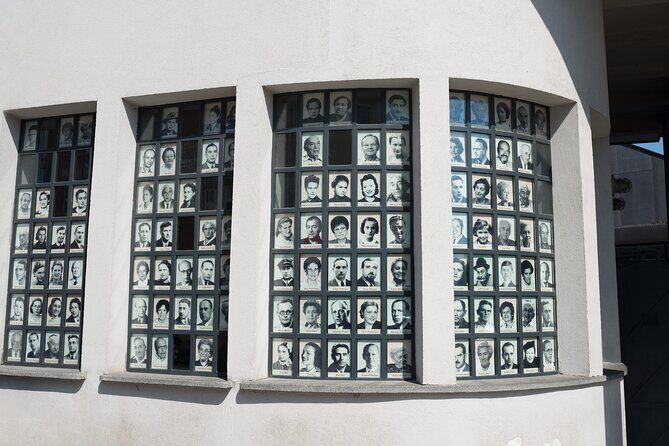
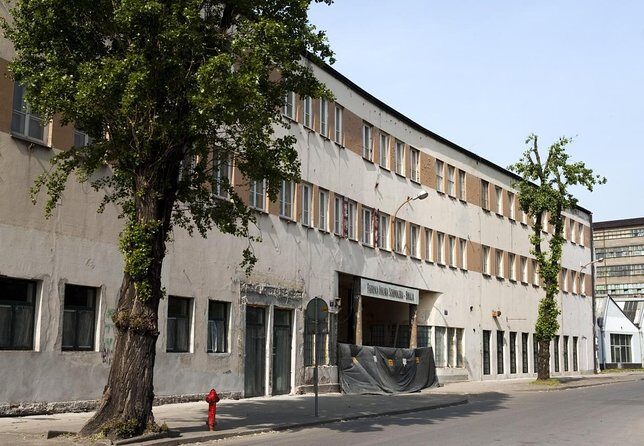
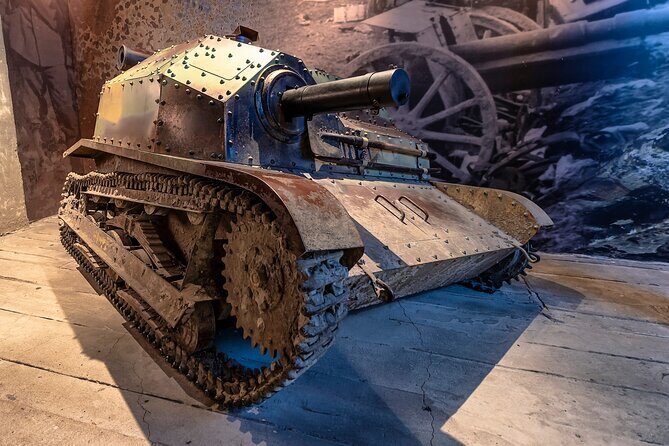
Your first stop is the Schindler’s Enamel Factory, now one of Kraków’s most visited and moving museums. This building is an original historic site that was preserved after the war. It no longer contains the production equipment, but the setting still helps you picture the space where exploitation and survival intersected.
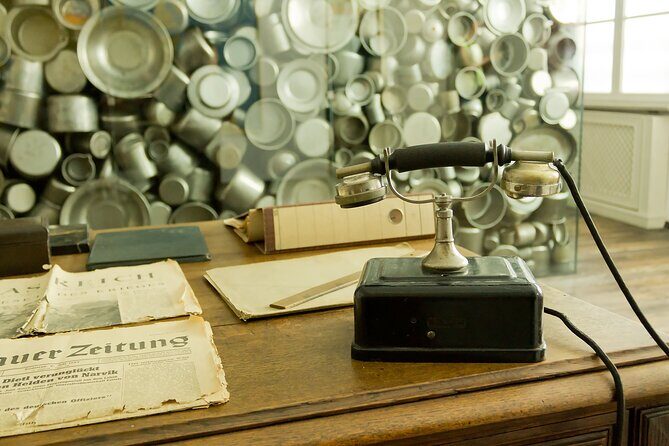
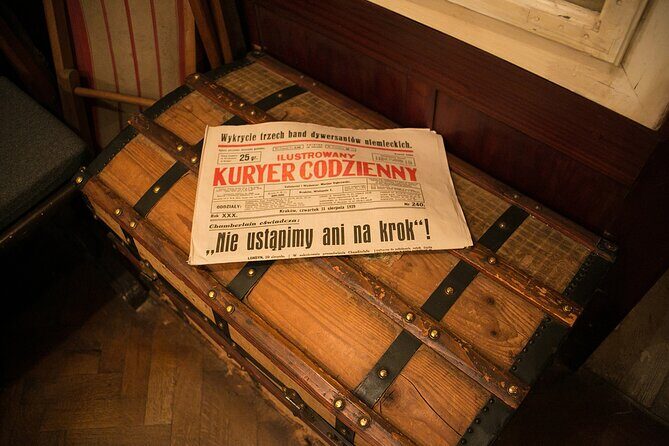
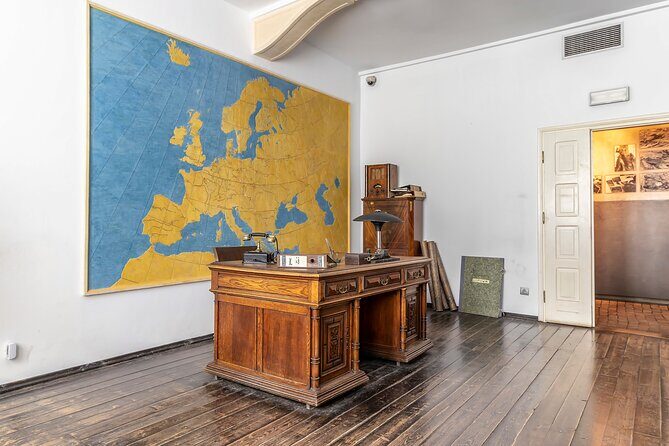
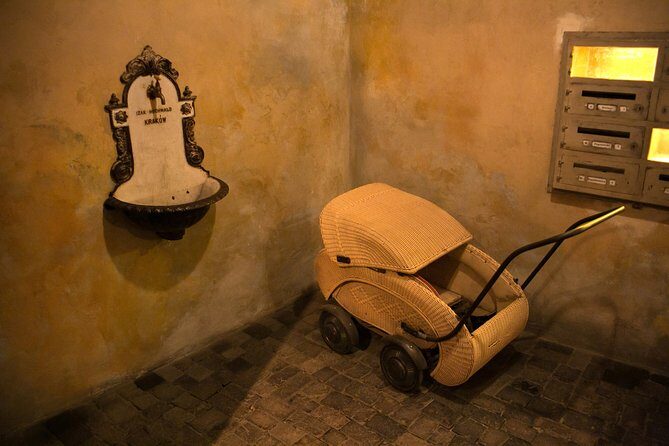
Inside, you’ll explore the exhibition called Kraków under Nazi Occupation 1939–1945. The museum presentation uses photographs, personal objects, and reconstructed streets to show fear, uncertainty, and daily struggle. The point isn’t just what happened. It’s how normal life got squeezed into something unrecognizable.
You’ll learn how Oskar Schindler used his position to help Jewish workers and protect many from deportation. More than a thousand men and women survived through his actions, often referred to as Schindlerjuden. Your guide ties this story to the wider occupation reality, so it doesn’t feel like a standalone legend.
One practical heads-up: some reviewers (and plenty of first-timers) find the museum crowded and the corridors tight. That can make it harder for the whole group to see every detail at once. If you like to linger, you’ll have to do it within the guide’s pacing.
Also note the scope. Even though Schindler is central to the experience, the main exhibition covers the broader story of Kraków during the occupation. If your top goal is a deep, factory-only explanation of Schindler’s operation, you might find the emphasis is split between Schindler and the larger Holocaust-era context.
Stop 2: Ghetto Wall Fragment near Józefińska 41
After the museum, you step into the street-level reality. The walking portion begins among remnants of the former Kraków Ghetto, and you’ll stop by a preserved fragment of the ghetto wall.
At Józefińska 41, the area was once home to essential support spaces inside the ghetto system: an orphanage, welfare offices, and a hospital. That detail matters. When you hear about ghetto life, it’s easy to reduce it to “confinement.” Here you see the uncomfortable truth that the machine of persecution still required infrastructure—care, offices, triage—and people still had to live inside that contradiction.
This stop is also where expectations should get grounded. The ghetto no longer looks like it did, and you’re not going to get a full “walk through the old streets” experience. What you get instead are key remnants and location-based context that helps you understand how the area functioned.
Duration here is short—about 30 minutes—but it’s long enough to slow down and absorb what a wall fragment really means when it’s not a museum prop.
Stop 3: Ghetto Heroes Square and the Chair Memorial
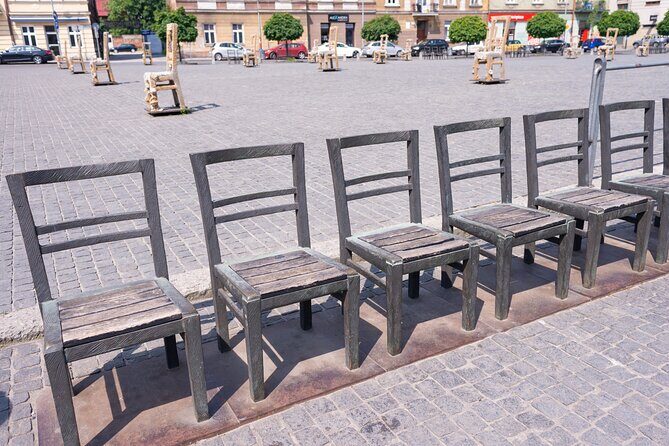
Next you reach Ghetto Heroes Square, where you’ll learn the significance of an open space that became a stage for round-ups and deportations to concentration camps. The tour connects the symbolism of the site to what happened there, so it doesn’t feel like a stop built only for photos.
At this point, you’ll usually notice the emotional shift. The guide moves from explaining how oppression worked to pointing at the places where people were collected and sent away. That’s why this stop is powerful even though it’s brief—around 20 minutes.
The best way to handle this stop is to give it your full attention. If you’re chatting through it, you’ll miss why the location matters.


Stop 4: Under the Eagle Pharmacy (museum visit option)
Across the square stands the Under the Eagle Pharmacy (also called Eagle Pharmacy). It’s associated with Tadeusz Pankiewicz and his staff, who risked everything to aid Jewish residents by providing medicine, shelter, and hope.
Important detail: this stop is not included in the tour’s ticket. You’re told about it and you can potentially visit separately. Still, knowing what happened here adds depth to the surrounding memorial spaces. It reminds you that resistance and aid existed right next to daily danger.
If you want to keep your pace steady, you can treat this as an optional add-on. If you want one more layer, it’s a smart place to spend extra time—especially if you’re the kind of person who likes to connect one story to another across the same small area.
How the guides make the story click (including named examples)
This is one of those tours where the guide matters as much as the sites. The museum layout can overload you with information, and the ghetto route can feel vague if you don’t know what to look for. That’s exactly where the guide earns their pay.
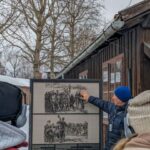
You’ll hear commentary that’s built around artifacts and specific locations, not just dates. Some guides also help with visualization—standing where historical photos were taken, using images to show what the area used to look like, and pointing out exact spots along the route.
I also like the practical edge in how some guides run the group. One guide example from the tour experience was Magdelena, who kept the tour moving and ensured everyone could hear, with headphones provided so the story stayed audible even in a packed space. Another example: Alicja was praised for getting you to think from the perspective of people living through events, not only the timeline.
There’s also a pacing lesson here. If you’re sensitive to speed, keep it in mind: one criticism mentioned that the guide spoke quickly and the walking pace left people strung out. That doesn’t mean the tour is “bad.” It means you should choose your style. If you need slower narration and frequent regrouping, show up early, stay close, and don’t drift.
Is it good value at about $58.81?
For $58.81 per person, the value is strongest when you count what you avoid: research time, ticket wrangling, and the risk of wandering into the wrong museum line at the wrong moment. This tour includes a prebooked admission ticket for the Schindler museum, and the ghetto-related stops have no ticket cost for you.
You’re paying for structure. The museum alone is information-dense, and a guided walkthrough helps you catch the main story instead of guessing what matters. Then the walk adds location-based meaning that you can’t easily replicate from reading alone.
Group size is limited to 25, which is a good sign for comfort in narrow spaces. A smaller group won’t solve crowding, but it helps.
The biggest “value risk” is expectation mismatch. If you want lots of visible original factory production equipment or more surviving ghetto buildings, you may feel the museum is more about the occupation story than the factory as a working site. The factory is preserved, but it’s also a museum, with rooms that don’t function like a production hall.
Who should book this tour?
This is a strong fit if you:
- want a first-time Kraków Holocaust-focused experience that’s focused and not overwhelming
- care about the Schindler’s List connection but also want the local Kraków context
- like guides who use photos and objects to make history easier to follow
- appreciate a route that mixes museum learning with outdoor location context
It can work for families too, depending on your family’s age range and emotional tolerance. The tour is designed to be understandable without turning into a lecture marathon.
If you’re on a tight schedule, I’d especially favor this. A well-led museum visit plus a short walk can beat a DIY day where you spend most of your time figuring out what’s where.
When you might want a different option
Skip this or add a buffer day if:
- you strongly prefer slower pacing and more time sitting with exhibits
- you’re expecting a walk that shows lots of remaining ghetto buildings (the preserved remnants are limited)
- you want a Schindler-only deep dive focused entirely on the factory operation and its workers, without as much broader occupation framing
One more reality check: the museum’s immersive layout includes narrow passageways and tight spaces. If you don’t like crowding, choose the day/time that feels easiest for you, and arrive early so you’re not stressed before the visit starts.
Should you book Schindler’s Factory + the Jewish Ghetto walk?
If you want a guided, time-efficient way to understand Kraków’s Jewish history and connect the museum to the streets, this is a clear yes. The prebooked entry and the guide-led storyline are the big wins, and the outdoor stops give your learning weight.
I’d book it if you’re the type who learns best when someone organizes the information for you—especially when you’re facing emotional material like this. I’d also book it if you want to leave with a coherent sense of where key events unfolded, not just a pile of facts.
But if you’re expecting lots of original factory machinery or a long walk through a fully intact ghetto, you may feel short-changed. In that case, either plan for extra independent time nearby or look for a tour that matches your specific expectations more tightly.
FAQ
How long is the Schindler’s Factory and Jewish Ghetto walking tour?
The tour runs about 3 hours (approx.). The museum visit is about 1 hour 30 minutes, and the outdoor walking portion is shorter, with multiple brief stops.
What language is the tour offered in?
The tour is offered in English. All group tours are conducted in a single language, based on your selection at booking.
Is the Schindler’s Factory museum ticket included?
Yes. Admission to Fabryka Emalia Oskara Schindlera is included, and the tour uses prebooked tickets to speed up entry.
Are the ghetto wall and memorial stops ticketed?
The stops tied to the ghetto wall fragment and Ghetto Heroes Square are free of charge for admission.
Is the Eagle Pharmacy museum part of the tour?
No. Eagle Pharmacy (Under the Eagle Pharmacy) is mentioned, but admission is not included, so you would need to visit it separately if you want to go inside.
What do I need to provide for entry tickets?
The museum issues personalized tickets, so you must provide the full names of all participants at booking. Also arrive at least 10 minutes early, since late arrivals can’t be accommodated once the group enters.