REVIEW · KRAKOW
Auschwitz & Birkenau Guided Tour with Hotel Pickup from Krakow
Book on Viator →Operated by Hello Cracow · Bookable on Viator
Auschwitz needs good logistics. This guided day trip from Krakow focuses on what you actually came for: a clear, timed visit to both Auschwitz I and Birkenau with hotel pickup and a professionally structured route. I especially like that the museum visit itself is supported by headsets and a small-group format (up to 30 at the camps), which means you can follow the story without craning or losing your place. Guides you might hear include names like Sebastian, Christoph, Damien, and others who were described as thoughtful and focused in their delivery.
One possible drawback: you have to be ready for schedule changes and cold weather. Museum entry slots are controlled by the Auschwitz-Birkenau Memorial and Museum, and your departure time and pickup can shift due to availability and traffic, while up to 70% of the visit happens outdoors.
In This Review
- Key Things to Know Before You Go
- Krakow Pickup and the Drive to Oswiecim
- Auschwitz Security and Why Headsets Matter
- Auschwitz I: Gate, Layout, and the Shape of the Story
- Birkenau (Auschwitz II) and the Transfer That Keeps You on Track
- Headsets, Small Groups, and the Real-Life Pace
- Price and Value: What You Get for About $35
- What to Bring (and Wear) for a Long Outdoors Day
- Should You Book This Auschwitz & Birkenau Tour From Krakow?
- FAQ
- How long is the Auschwitz & Birkenau guided tour from Krakow?
- What’s included in the tour price?
- Do they pick you up from your hotel in Krakow?
- What documents do I need for entry?
- Is food included during the tour?
- Is the tour mostly indoors or outdoors?
- Can I take photos during the visit?
- What if the tour time changes or I need to cancel?
Key Things to Know Before You Go
- Hotel pickup from Krakow with an English-speaking team member keeping you oriented before you reach Oswiecim.
- Headsets at Auschwitz I so the guide’s audio stays clear inside the camp.
- Pre-arranged entry tickets for Auschwitz I and Auschwitz II Birkenau as part of the tour package.
- Timed pacing for both camps with a short break after Auschwitz I before transferring to Birkenau.
- Bring ID exactly as booked: full names must match your passport/ID, or you won’t be allowed in.
- Cold-weather reality: the outdoor sections are long, even when conditions aren’t ideal.
Krakow Pickup and the Drive to Oswiecim
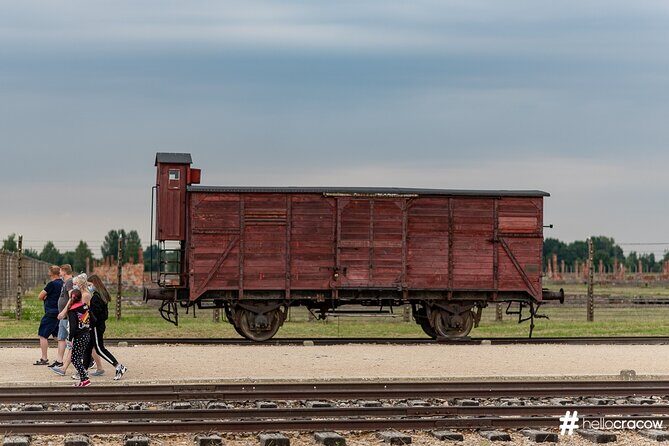
You start in Krakow with round-trip transport by air-conditioned van or mini-bus, and it runs on a fixed plan even though the exact timing may tweak a bit. The drive is about 1 hour 15 minutes each way (around 65 km), so this isn’t a quick add-on. It’s a full-day commitment that begins with getting yourself out of the city and into the right headspace.
Pickup timing is confirmed the day before, and the “hour you book” is tentative. Some Krakow hotels sit in traffic-restricted areas, so you might be asked to meet at the nearest accessible pickup point instead of at your exact front door. If you’re staying in the west of Krakow, there can also be roadwork-related limits, and you’ll be redirected to a workable alternative meeting option.
If you’re thinking about comfort, this part matters more than you’d expect. A long, early drive with good communication helps you show up to the memorial without scrambling—especially because entry includes an airport-style security check before you even start.
You can also read our reviews of more guided tours in Krakow
Auschwitz Security and Why Headsets Matter
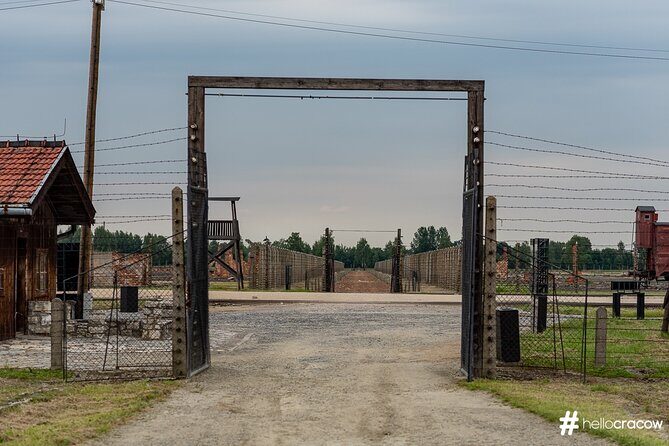
Once you reach Oswiecim, you’ll get a short break before your guided museum portion begins—think coffee, quick bathroom stop, and a chance to orient yourself. After that, you’re taken to meet a licensed guide tied to the Auschwitz-Birkenau Memorial and Museum.
Before entering, expect security procedures that feel strict and formal. That’s normal here, and it’s part of why guided structure is worth paying for. You don’t want to waste your limited time worrying about what comes next.
Inside Auschwitz I, the tour uses headsets so you can hear clearly. The group is capped by museum guidelines (up to 30), and that size keeps the experience manageable. For a site like this, audio clarity isn’t a small perk—it’s how you stay present with the guide’s context instead of drifting off while you’re trying to figure out what you’re looking at.
Auschwitz I: Gate, Layout, and the Shape of the Story
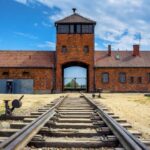
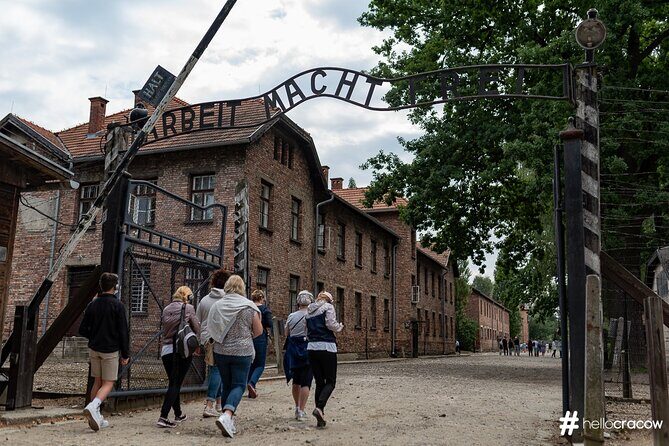
Auschwitz I is where the visit starts, and it’s deliberately designed that way. You walk through the camp’s entrance area and move into Auschwitz I, originally conceived as a concentration camp and used for detention of Polish citizens after Germany annexed Poland in 1939.
The sign Arbeit Macht Frei appears at the entry point, and the guide’s job is to ground you in what that place was and what it became. Plan on about 2 hours at Auschwitz I. The time is busy, but it’s not “see it fast and go.” The site includes stark, original elements you’ll be walking past and absorbing in sequence.
You can expect to see:
- Original wooden buildings and fortified walls
- Barbed wire lines and tightly controlled boundaries
- Areas associated with the camp’s gas chambers and crematoria
That last category is heavy. You might not feel like you can take notes or read every panel, and that’s okay. The point of having a guided route (with headsets and pacing) is that you’re not left alone to piece everything together emotionally and historically on the fly.
There’s also a balance here that’s worth naming. The tour is intense, but it’s presented in a way that tries to keep you oriented to what each part is, why it mattered, and how the system worked—without turning it into shock tourism.
Birkenau (Auschwitz II) and the Transfer That Keeps You on Track
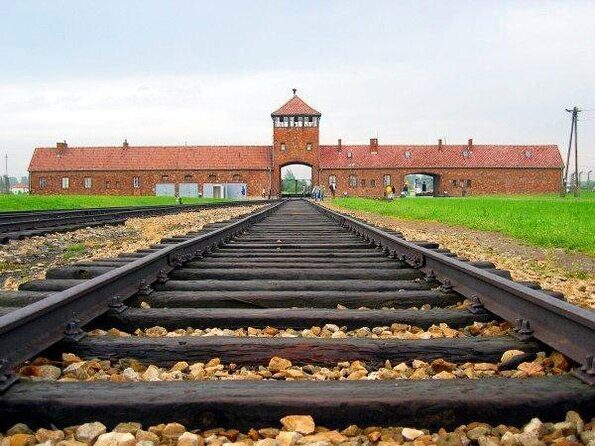
After Auschwitz I, you get a short break (planned up to about 15 minutes). Then you head to Birkenau, also called Auschwitz II, which is only a short distance away—about a 3-minute transfer.
Birkenau is where the scale hits hardest. It’s the largest camp built and operated for the specific Nazi goal of removing Jews from Europe. The guidance discusses the enormous capacity the camp was designed for—around 90,000 prisoners—and how that size translated into daily reality.
Your guided time at Birkenau is about 1.5 hours. The tour in this section is focused on how the camp functioned, including:
- terrible living conditions
- brutal selection processes
- pseudo-scientific medical experiments described as carried out by prominent Nazi doctors, including Josef Mengele
One practical detail that also affects how you experience this: Birkenau has more outdoors. And the tour is weather-proof in the sense that it runs in all conditions, but weather changes your comfort fast. When it’s cold, wind and wet ground can make the outdoor walking feel longer than the clock.
The visit ends with the liberation story—gates opened on January 27, 1945 by the 60th Army of the First Ukrainian Front. You leave with a final sweep of context that makes the day feel complete, even though it’s not easy.
Headsets, Small Groups, and the Real-Life Pace
This tour caps group size at the museum’s rules, and the max for the overall activity is listed at 30 travelers. In practice, that matters because Auschwitz is crowded and Birkenau is exposed. When your group stays together, you’re less likely to lose time at entrances, in lines, or while moving between key areas.
Audio support also improves the pacing. Inside Auschwitz I, headsets help you keep up with what the guide is saying without stopping every time you want to read. In a place where you’ll be seeing everything from memorial displays to remaining camp structures, speed isn’t the goal—understanding is.
On top of that, the transport side helps you feel less stressed. Reviews you’ll see for this kind of service often come back to the same themes: prompt pickup, clear communication, and drivers who stay on schedule. You’ll also have professional assistance if anything goes wrong, which is reassuring when the day has emotional weight and timing constraints.


Price and Value: What You Get for About $35
At around $35.07 per person for a roughly 7-hour day, this price looks low until you read the fine print—then it makes sense. The tour includes:
- round-trip Krakow transport in an air-conditioned vehicle
- entry fees for both Auschwitz I and Auschwitz II Birkenau
- a licensed English-speaking local guide for the museum portion
- headsets to hear your guide clearly
- insurance and taxes
- professional assistance and customer service
That combination is the real value. If you tried to piece together transport, tickets, and a structured guided visit separately, the total would usually climb quickly. This package is built to reduce friction: fewer steps for you, less time stuck waiting, and more time inside the memorial with clear context.
The main thing you should plan to cover yourself is food. Food and drinks aren’t included, and there’s no time for a full meal between the Auschwitz I and Birkenau segments. Because on-site food facilities aren’t available as a reliable option between visits, you should pack a snack. Even a small bar or sandwich can save you from feeling faint or distracted.
What to Bring (and Wear) for a Long Outdoors Day
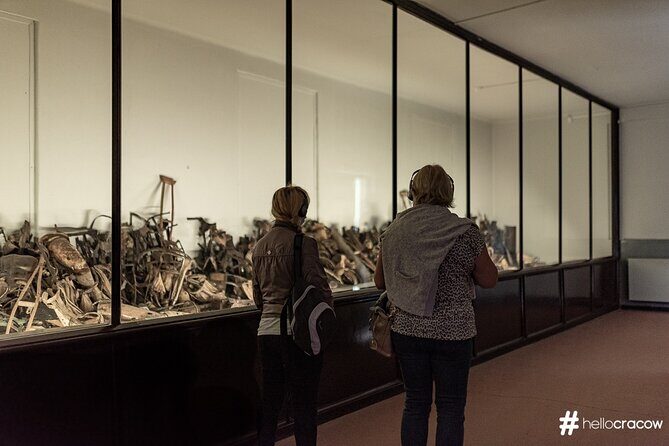
The tour runs in all weather, but remember the site reality: up to 70% of the visit takes place outdoors. That’s why dressing properly is not optional here—it’s how you keep your attention on the meaning of the visit instead of on your discomfort.
Bring:
- warm layers (especially in colder months)
- a water bottle for outdoor sections on warmer days
- a small snack for the short break windows
The required dress standard is smart casual. Also keep in mind the on-site behavioral rules: no loud behavior, and eating or smoking where it’s not allowed can get you removed.
If you care about photos, photography is allowed except in marked areas. Flash is not permitted inside buildings. Treat photography as secondary anyway; the memorial isn’t a place to rush for pictures.
Finally, don’t underestimate how important documents are. Full names must be provided exactly as they appear on your ID or passport (no nicknames). Passport or ID is mandatory and is checked at entry. If the name on your booking doesn’t match, you can get turned away. Sort this out before you leave home.
Should You Book This Auschwitz & Birkenau Tour From Krakow?
Yes, you should book this if you want a structured, guided visit that handles the hard logistics for you. The combination of hotel pickup, museum tickets, licensed guiding, and headsets makes the day far less stressful than trying to manage it yourself. If you’re traveling with limited time in Krakow, this is one of the most efficient ways to see both Auschwitz I and Birkenau in a single day with an organized plan.
You might look at a different option if you strongly dislike schedule uncertainty. Your pickup time can be adjusted because museum entry slots and guide assignments are outside the operator’s control, and weather can make outdoor sections unpleasant.
If you can be flexible, dress for the outdoors, and bring the right ID with names matching your booking, this is a solid value way to do one of the most important historical visits in Europe.
FAQ
How long is the Auschwitz & Birkenau guided tour from Krakow?
It’s about 7 hours total, including pickup, travel, and time at both Auschwitz I and Auschwitz II Birkenau.
What’s included in the tour price?
Included are entry fees to Auschwitz I and Auschwitz II, a licensed English-speaking guide, headsets, round-trip transport from Krakow, insurance, and taxes.
Do they pick you up from your hotel in Krakow?
Yes. Pickup is offered by air-conditioned van or mini-bus. If your hotel is in a traffic-restricted zone, pickup may be arranged from the nearest accessible point.
What documents do I need for entry?
You must bring a passport or ID, and the full names on your booking must match the names on your ID or passport exactly. No ID means no entry.
Is food included during the tour?
No. Food and drinks aren’t included, and there’s no time for a full meal between Auschwitz I and Birkenau, so you should bring a snack.
Is the tour mostly indoors or outdoors?
Up to 70% of the visit takes place outdoors, so dress appropriately for the weather and bring water on warm days.
Can I take photos during the visit?
Photography is allowed except in marked areas. Flash is not permitted inside buildings.
What if the tour time changes or I need to cancel?
Departure and pickup times can change due to museum schedules and traffic. You can cancel for a full refund up to 24 hours in advance of the experience start time.