REVIEW · KRAKOW
Guided Tour of the Wawel Castle & Cathedral in Cracow
Book on GetYourGuide →Operated by Hello Cracow · Bookable on GetYourGuide
Wawel is where Poland’s royal story lives. This 2-hour guided tour bundles Wawel Castle and Wawel Cathedral into one smooth route, plus priority-style entry so you spend less time in lines and more time looking closely. You’ll also get the signature moment at the tower, including the chance to touch the Sigismund Bell for good fortune.
What I like most is the way the guide turns art and architecture into real understanding. You’re led through Renaissance rooms, famous collections, and ceremonial cathedral spaces, and it all comes with clear explanations of how Polish kings and national legends shaped what you see.
The main thing to consider is time and rules: it’s a fast paced visit, and there’s a dress code for worship spaces and selected museums (shoulders and knees covered). If you prefer to linger for hours or browse every corner of every collection, this format may feel a bit too efficient.
In This Review
- Key highlights you’ll actually feel
- Priority Entry That Helps You Start Strong
- Wawel Castle State Rooms: Renaissance Rooms with Real Power
- The Art and Artifacts That Show Poland Between Cultures
- Chapels and Royal Interiors: Where Ceremony Becomes Architecture
- Wawel Cathedral: The Ceremonial Heart of the Monarchy
- Tower Climb and the Sigismund Bell Ritual
- Royal Crypts: Final Resting Places with a Human Scale
- Pace, Group Size, and Getting the Most from 2 Hours
- Price and Value: What $58 Buys You in Real Terms
- What to Wear and How to Plan Around the Rules
- Who This Tour Suits Best (and Who Might Skip It)
- Should You Book This Wawel Castle & Cathedral Tour?
- FAQ
- FAQ
- How long is the guided tour?
- What’s included in the tour price?
- Do I skip the ticket line at Wawel Castle?
- Is Wawel Cathedral part of the tour?
- Where is the meeting point?
- When should I arrive for the tour?
- What group size should I expect?
- What languages are available for the live guide?
- Is there a dress code?
- What’s the cancellation policy?
Key highlights you’ll actually feel
- Priority-style entry that helps you start fast and avoid ticket-line frustration
- Royal Castle State Rooms with Renaissance décor and major art collections, including Italian works
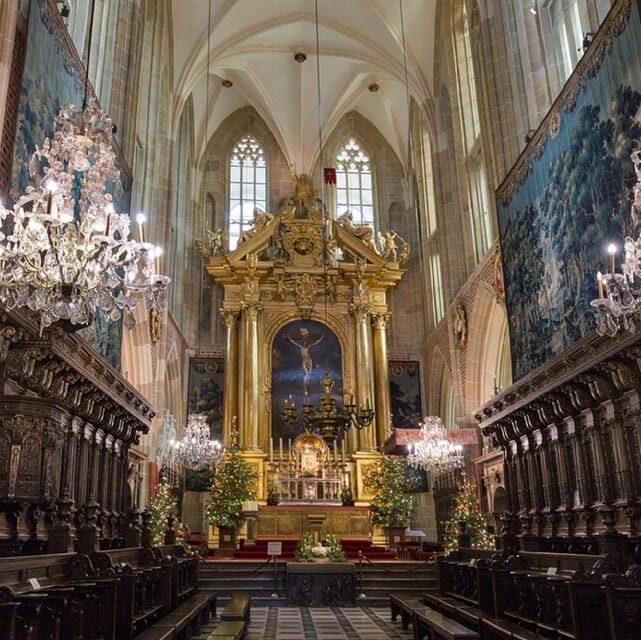
- Wawel Cathedral’s Gothic chapels with gilded domes and ceremonial details
- Tower climb for Krakow views and the optional feel-good ritual of touching the Sigismund Bell
- Royal crypts that bring the monarchy story to a human scale
- Licensed local guide plus audio headsets for larger groups, so you can hear the story clearly
Priority Entry That Helps You Start Strong
This tour is built around one simple idea: don’t waste your time outside. You get skip-the-line entry for one permanent exhibition at Wawel Castle (subject to availability), which matters because Wawel can draw crowds. Instead of spending the first chunk of your window waiting, you can move directly into the rooms and the story.
Once inside, you’ll benefit from a licensed local specialist leading the pace and connecting the dots. Group size is capped at 30, and for groups of 9 or more, you get audio headsets. That combination is practical: you hear the guide even when the group compresses in narrow corridors.
The tour also runs in one language per booking (German, Polish, Italian, Spanish, French, or English). If your group language doesn’t match your preference, you won’t be able to switch on the spot, so double check the language you booked.
You can also read our reviews of more guided tours in Krakow


Wawel Castle State Rooms: Renaissance Rooms with Real Power
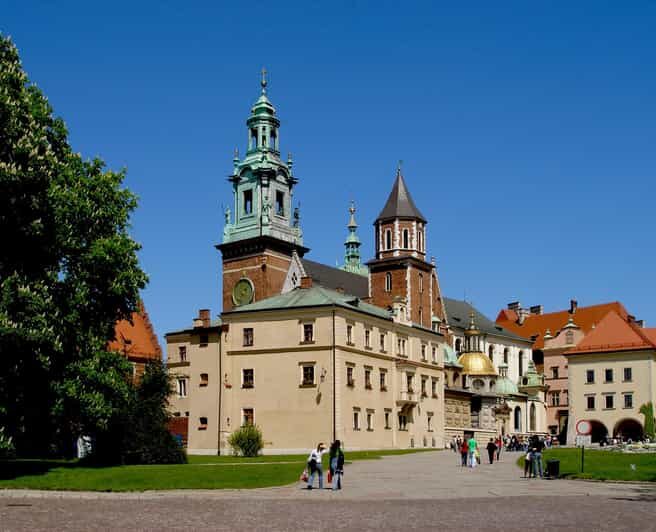
You start with Wawel Castle’s State Rooms, which today function as a museum and are still the “royal living room” of Krakow’s power story. Expect refined interiors with Renaissance décor, and don’t be surprised if the atmosphere feels deliberately ceremonial. These aren’t random showrooms; they were meant for status, display, and tradition.
One of the most memorable aspects of this part is the art. You’ll see the Lanckoroński collection of Italian art, which gives you a strong sense of how European culture and Polish court life intersected. Art here isn’t just decoration—it’s part of how a kingdom communicated taste, connections, and legitimacy.
You’ll also move through areas that highlight objects tied to control and identity, like porcelain and arms. The tour doesn’t treat these as separate topics. Instead, it keeps building a picture of the Polish monarchy as both European and distinctly local—shaped by trade, conflict, diplomacy, and shifting borders.
The Art and Artifacts That Show Poland Between Cultures
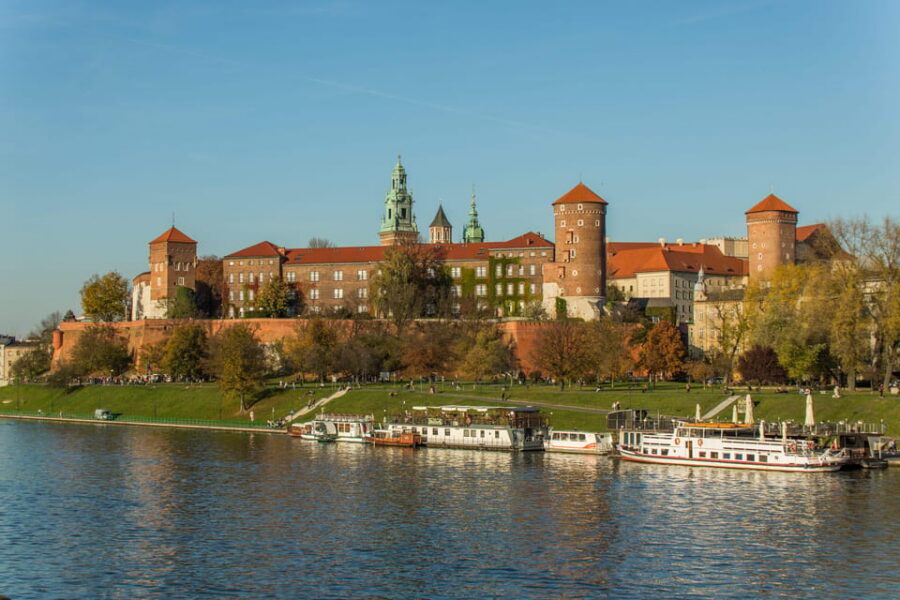
Wawel’s collections can feel big, but this guided route focuses you on what matters. You’ll encounter Eastern artifacts alongside European works, which helps you understand Poland’s historical position as a crossroads. That context is especially interesting when you learn about the European scale of what’s on display.
One standout detail included in the tour is Europe’s largest set of Ottoman tents. It’s the kind of fact that turns a museum stop into a story you can picture instantly. You’re not just looking at “an exhibit”—you’re seeing an object category that points to contact between worlds, negotiations, and the reality of lived history.
This is also where the guide’s explanations really earn their place. When you hear the why behind the objects, the castle stops feeling like a pretty building and starts feeling like a timeline. You get a sense of how power looked, traveled, and expressed itself.
Chapels and Royal Interiors: Where Ceremony Becomes Architecture
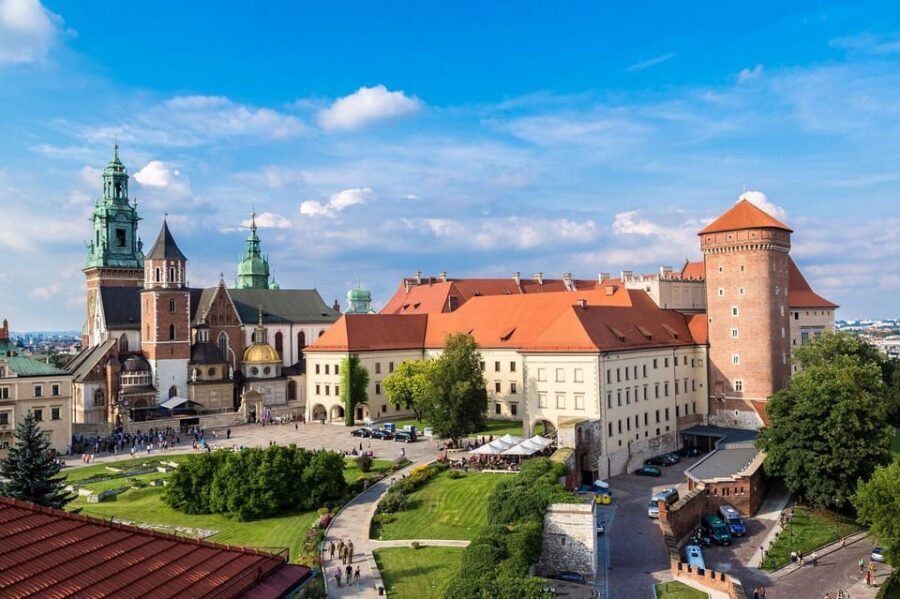
After the state rooms, the tour continues through historic spaces inside the castle grounds, including ceremonial areas and chapels. This is where you’ll notice the shift in tone: the castle isn’t only about formal rooms and art walls. It’s also about spiritual space, where rulership and faith overlap.
The guide’s job in this segment is to connect architectural choices to lived ritual. Gothic and Renaissance elements, gilded accents, and chapel detailing all serve different functions, but they share one goal: making authority feel permanent. Even if you don’t read every inscription, you’ll come away understanding why each space was built the way it was.
If you enjoy architecture more than “just history facts,” this part is a good match. You’re looking at design decisions—shapes, materials, and ornament—paired with stories about Polish kings and public moments like coronations. It’s the kind of pairing that makes you look longer.
Wawel Cathedral: The Ceremonial Heart of the Monarchy
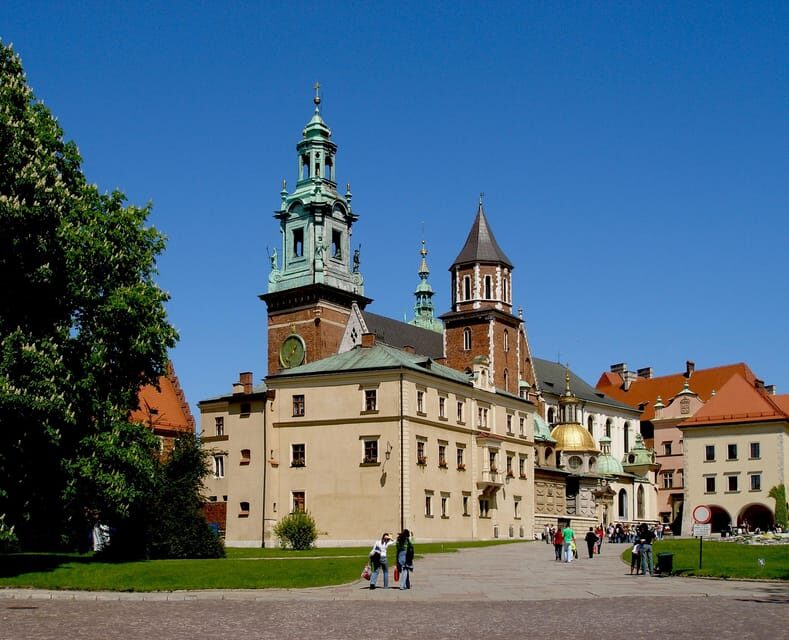
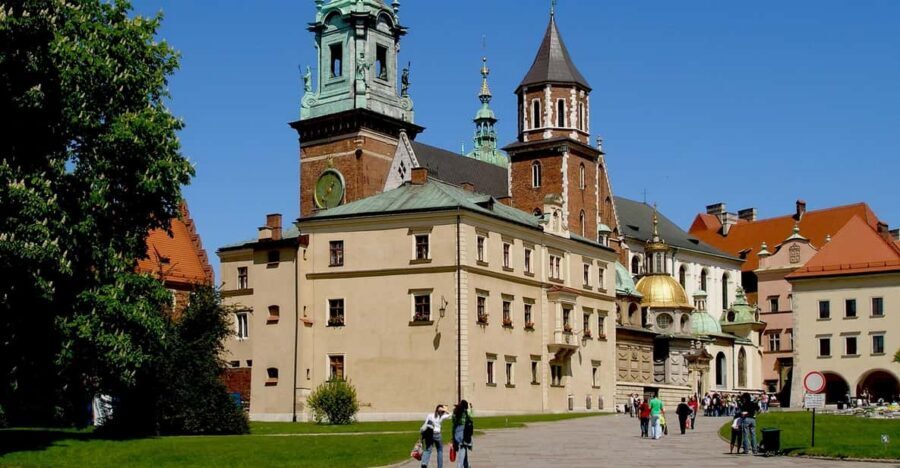
Then you step into Wawel Cathedral, the ceremonial heart of Polish monarchy and the place tied to royal coronations. This part has a different pace. The space itself carries weight, and the guide will help you notice the details that you might otherwise miss if you were walking alone.
Expect Gothic cathedral architecture and richly decorated chapels. You’ll also see gilded domes and masterful details that reward careful looking. This is one of those interiors where even a quick glance can look pretty—but the guided route encourages you to zoom in on symbolic elements.
The cathedral visit matters because it moves you from royal image to royal legacy. Castle rooms show how rulership was presented. The cathedral shows where that system was consecrated, celebrated, and remembered.




Tower Climb and the Sigismund Bell Ritual
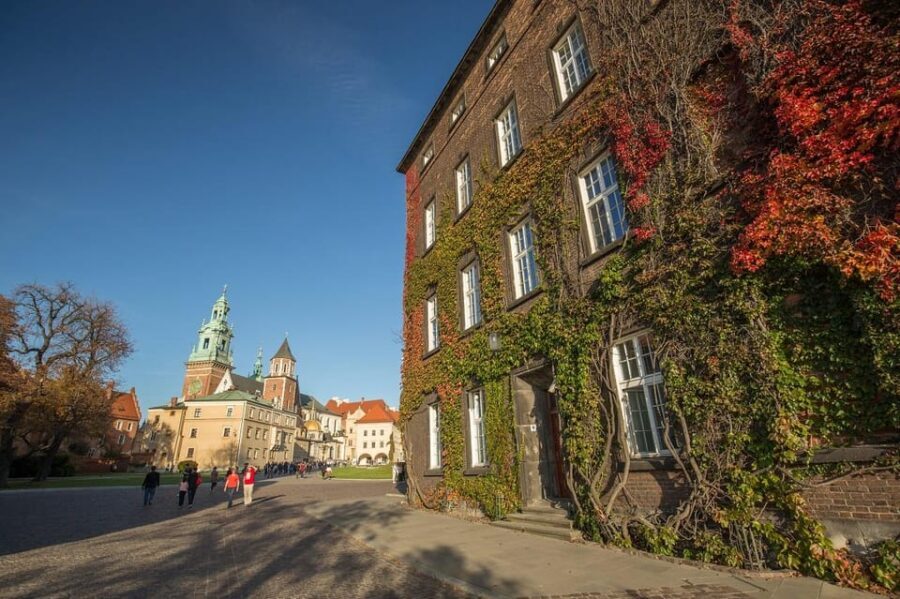
One of the most praised moments of this experience is the stop that combines views with a hands-on tradition. You’ll ascend the tower for sweeping city views and the opportunity to touch the Sigismund Bell. The bell ritual is tied to good fortune, and it’s also simply a fun, memorable thing to do in a place where history is normally untouchable.
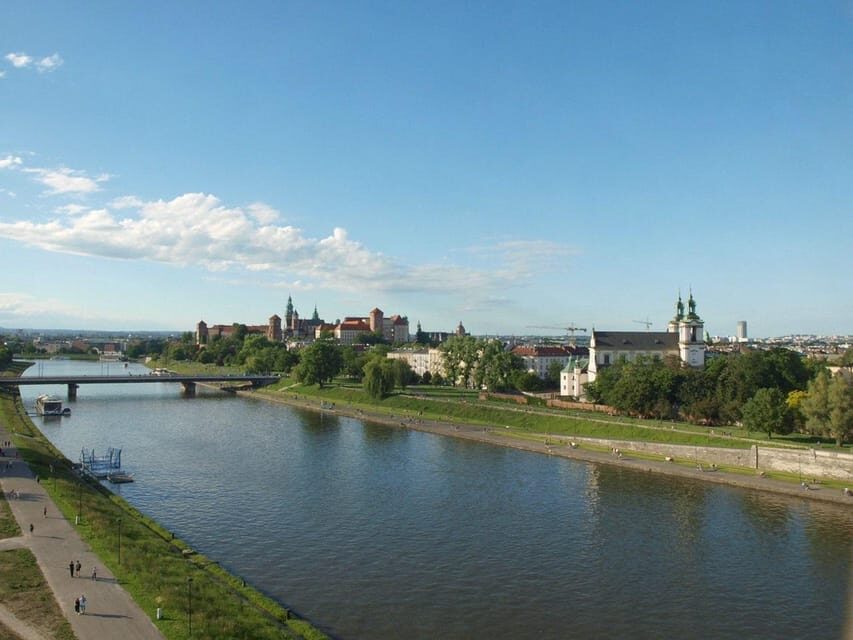
Practically, the tower segment is a good “energy reset.” After walking through rooms and chapels, climbing gives your eyes a break and reorients you to Krakow. The views help your brain map the city around the hill and understand why Wawel dominates the skyline.
Time is the tradeoff here. You have a tour schedule, not a full day. If you love photo time and slow scanning, you may want to save your heaviest camera work for the first good moment you get on the stairs, before the group starts moving again.
Royal Crypts: Final Resting Places with a Human Scale
The tour finishes cathedral-side by descending to the royal crypts, where Poland’s most eminent rulers and visionaries are laid to rest. This part shifts mood again. It’s quieter, and it’s less about decorative detail and more about reflection.
Even though the crypts can feel like a “smaller” portion on paper, they often land as emotionally bigger than expected. You’re not just hearing a timeline—you’re seeing the end points of the stories you were told in the castle and cathedral above.
This is also where a guide’s explanations help most. Without context, crypts can become a series of names and dates. With context, they connect back to coronations, legends, and the role of the monarchy in national identity.
Pace, Group Size, and Getting the Most from 2 Hours
This is a 2-hour walking experience across the castle grounds, and it moves. With group size up to 30, the tour format is efficient by design. Audio headsets for groups of 9+ help keep it understandable even when you can’t hear well in crowded halls.
Here’s the key advice: show up ready to learn, not ready to roam. This route gives you a concentrated view of the most important areas—state rooms, cathedral, tower, and crypts—without pretending it covers everything.
That efficiency is exactly why it’s a strong value for visitors who want the headline sights and context, especially if you’re juggling limited time in Krakow. If you’re visiting specifically for museum browsing, you may still enjoy this tour, but you’ll likely want a separate block of free time afterward.
Price and Value: What $58 Buys You in Real Terms
At about $58 per person, the price makes sense when you look at what’s included. You’re paying for a guided experience with a licensed local specialist, priority-style access that reduces waiting, admission to the cathedral, and a structured route that hits major highlights within a short timeframe.
This is not just “a ticket with a badge.” The guide is the difference-maker, especially because the tour is designed to explain why objects and spaces matter—like connecting Italian art holdings with Polish court life, or turning artifacts (including Ottoman tents) into a bigger story about contacts across cultures.
If you’re the type who enjoys history and architecture but doesn’t want to spend your whole day planning and navigating, $58 for a guided, time-protected route is a practical deal. If you prefer to read everything slowly without any group movement, you may feel the value depends more on how much you like guided narration than on the sights themselves.
What to Wear and How to Plan Around the Rules
Wawel Cathedral and selected museum areas enforce a dress code. Plan for clothing that covers shoulders and knees, and avoid shorts or sleeveless tops. This matters because it can stop you cold at the entrance if your outfit doesn’t meet the requirement.
You should also arrive early. The meeting point is not on Wawel Hill, and the exact location is provided on your voucher. You’ll want to be there at least 10 minutes before the scheduled start time, since once the group has entered, you won’t be able to join late and tickets are non-refundable.
If you’re traveling in warm weather, bring a light layer you can throw on for indoor worship spaces. That small move keeps the day smooth.
Who This Tour Suits Best (and Who Might Skip It)
You’ll likely love this tour if you:
- want the most important Wawel sights in one guided route
- enjoy art and want context, not just labels
- like architecture with stories about Polish kings and coronations
- appreciate a structure that keeps things understandable, especially in a big historic complex
It might be less ideal if you:
- want hours of unhurried museum browsing
- prefer fully independent exploring with no group timing
- get easily annoyed by a dress-code requirement in churches
If you fit the first group, this tour is one of the best ways to get value from a short Krakow window.
Should You Book This Wawel Castle & Cathedral Tour?
Yes, if your goal is to see Wawel’s top highlights with explanations that make the objects and spaces click. The tour’s biggest strength is how it ties together castle rooms, major collections, and the cathedral’s ceremonial spaces, then caps the experience with tower views and the Sigismund Bell moment.
If your biggest priority is speed plus story, this is a smart booking. If you want a slow “read every plaque and linger everywhere” day, consider doing Wawel on your own for that kind of time, and treat this tour as the guided spark you add to your visit.
FAQ
FAQ
How long is the guided tour?
The tour duration is about 2 hours of guided walking across the castle grounds.
What’s included in the tour price?
You get a guided experience with a licensed local specialist in Krakow’s royal heritage, skip-the-line entry to one permanent exhibition at Wawel Castle (subject to availability), admission to Wawel Cathedral, and audio headsets for groups of 9 participants or more.
Do I skip the ticket line at Wawel Castle?
Yes. The tour includes skip-the-line entry to one permanent exhibition at Wawel Castle, depending on availability.
Is Wawel Cathedral part of the tour?
Yes. Admission to Wawel Cathedral is included, and it’s part of the guided visit.
Where is the meeting point?
The meeting point may vary by option booked, and it is not on Wawel Hill. The exact location is provided on your voucher.
When should I arrive for the tour?
Please be at the meeting point at least 10 minutes before the scheduled start time.
What group size should I expect?
Group size is limited to a maximum of 30 participants.
What languages are available for the live guide?
The live tour guide is available in German, Polish, Italian, Spanish, French, and English. The whole group tour runs in a single language chosen at booking.
Is there a dress code?
Yes. Clothing must cover shoulders and knees in places of worship and selected museums. Shorts or sleeveless tops are not permitted.
What’s the cancellation policy?
You can cancel up to 24 hours in advance for a full refund.