REVIEW · KRAKOW
1 Day Trip Auschwitz Birkenau and Salt Mines with Hotel Transfer
Book on Viator →Operated by Krakow Tours by KrakowDirect · Bookable on Viator
Ten hours, two worlds, one hard day.
This day trip stands out because you get clear guided commentary at Auschwitz-Birkenau (with headsets) and then switch gears with a guided walk through the Wieliczka Salt Mine underground chambers and carvings. My other big plus is that entrance tickets and skip-the-line access are handled for you, so you’re not burning time on paperwork and lines. The main drawback is the day is long and physically demanding, with plenty of cold waiting outdoors and lots of stairs once you’re underground.
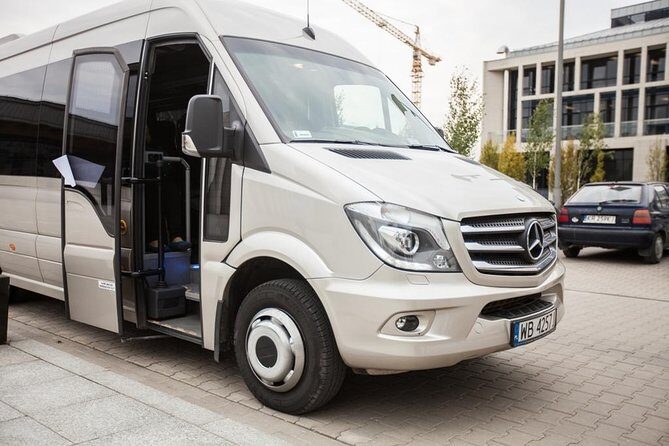
You start with pickup in Krakow and ride out in an air-conditioned Mercedes minivan/minibus, with a short documentary screened on the way. Along the way you’ll have a group leader, and at the museum sites you’ll be matched with officially licensed guides. One name that showed up in feedback again and again for Auschwitz was Mihael, described as easy to follow—nice if you’re worried about staying focused in a heavy setting.
In This Review
- Key things I like about this Auschwitz and Wieliczka day trip
- Auschwitz-Birkenau plus Wieliczka: why this pairing makes sense
- Leaving Krakow: pickup, the drive, and what the documentary does
- Auschwitz I: what you’ll see and why the headsets matter
- Birkenau (Auschwitz II): the longer look at scale
- Wieliczka Salt Mine: 140 meters down to salt carvings and sculptures
- Timing, walking, and the reality of “a long day”
- The $117 value: what you get for your money
- Booking sanity check: make sure Auschwitz is actually included
- Who this trip fits best (and who should rethink)
- Should you book this Auschwitz-Birkenau and Wieliczka Salt Mine day trip?
- FAQ
- How long is the Auschwitz-Birkenau and Wieliczka Salt Mine trip from Krakow?
- Does this include hotel pickup and drop-off?
- Are entrance fees included?
- Is food included in the tour price?
- Do I need to bring my passport or ID?
- What language is the tour guide in?
- How deep do you go in the Wieliczka Salt Mine, and how many stairs are involved?
- Is the Salt Mine cold?
- Can I take pictures?
- What’s the cancellation window?
Key things I like about this Auschwitz and Wieliczka day trip
- Licensed Auschwitz guides plus headsets make the story easier to follow
- Skip-the-line access helps you keep the schedule moving
- A 140-meter descent in the Wieliczka Salt Mine with guided salt-carving stops
- A long, structured day that balances one heavy site with a surreal underground “other world”
- Air-conditioned group transport and a documentary during the drive
- A built-in check for respect and rules, including passport/ID needs for Auschwitz
Auschwitz-Birkenau plus Wieliczka: why this pairing makes sense
I like this combination because it gives you a sharper emotional contrast than doing just one site. Auschwitz-Birkenau is about systematic cruelty at industrial scale, and the guided route helps you grasp the size and layout—what’s preserved, what was built for what purpose, and how prisoners lived inside that machinery. Then Wieliczka Salt Mine shifts you to something almost impossible: a working mine with centuries of carving, chapels, and sculptures made from salt.
If you only have one day in Krakow, this pairing is practical. It saves you the trouble of arranging two separate day plans, and the timing is set so you do Auschwitz first and the mine later in the day. I’d still treat Auschwitz as the centerpiece. The mine is the “wow” moment, but Auschwitz is the place where the experience needs your full attention.
The trade-off is time pressure. You’re not wandering slowly. You’re moving with a group and following the museum’s required flow—so if you like to soak in details at your own pace, you’ll feel the schedule.
A few more Krakow tours and experiences worth a look
Leaving Krakow: pickup, the drive, and what the documentary does
The day starts with pickup offered from a hotel or a central meeting point in Krakow, with the exact time confirmed the day before. The drive to Oświęcim takes about 1 hour 15 minutes (roughly 65 km). You’ll ride in an air-conditioned Mercedes-Benz minivan or minibus, and there’s usually a group leader in English on board.
One thoughtful touch is the short documentary shown on the way. The film covers the Liberation of Auschwitz and includes footage by the Soviet soldiers who freed the camp. I find that useful because it gives you a frame for what you’ll later hear at the end of the Birkenau visit—liberation and why that date matters. It’s not a substitute for the museum, but it prepares your brain for the story you’re walking into.
The practical reality: early starts and cold weather can be rough. One review notes wind-chill near -10°C. Even if it isn’t that extreme, you should dress warmly and plan for waiting outdoors before entry.
Auschwitz I: what you’ll see and why the headsets matter
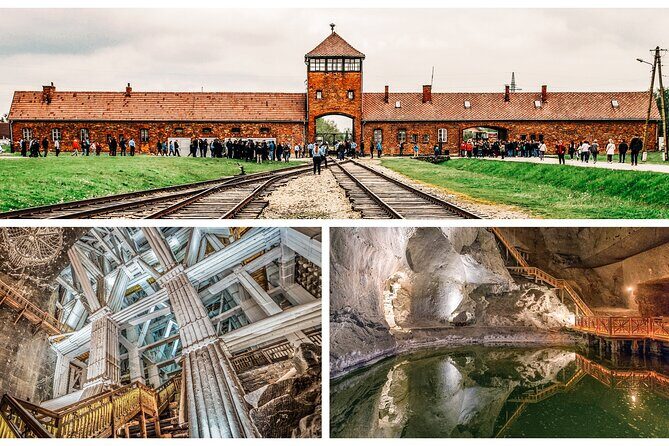
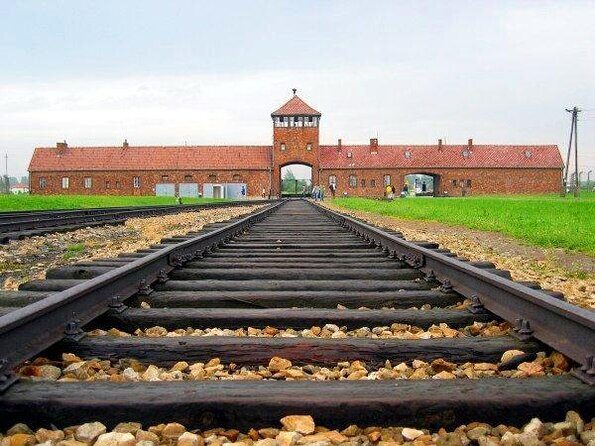
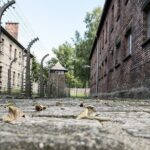
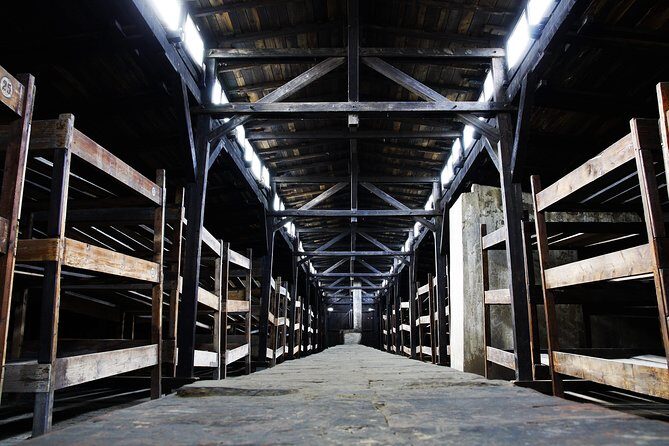
At Auschwitz, you walk in through the gate area of Auschwitz I, the first camp. You pass under the famous Arbeit Macht Frei sign. The guide then takes you through preserved barracks and the fortified walls and fences. This is where you start seeing the system: barbed wire, guarded boundaries, and the architecture that supported confinement.
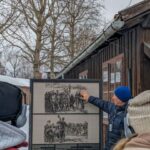
This portion typically lasts about two hours. What really helps is the headset system. With a group around 30 people (museum regulations limit group size), headsets keep the guide’s explanation audible even when you’re moving through spaces with echoes and lots of visitors nearby.
This is also the stage where you get the most grounding in dates and the evolution of the camp’s role after Germany annexed Poland in 1939. If you’ve been staring at a few photos online, the physical layout is what clicks. You understand scale by walking it, not by reading it.
A consideration: this is not a “quick tour.” Even two hours can feel long because you’re taking in emotionally intense details. Wear comfortable shoes and expect steady walking on uneven surfaces.
Birkenau (Auschwitz II): the longer look at scale
After Auschwitz I, there’s a short break (up to 15 minutes), then the group heads to Birkenau, about three minutes away by transfer. Birkenau is the larger camp and was built with the Nazi plan to eliminate Jewish people across Europe. Your guide continues the story here, with emphasis on daily brutality, selection, and forced labor.
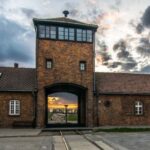
This Birkenau segment is about 1.5 hours. The museum route covers preserved elements like train tracks and the chimneys associated with gas chambers and crematoria. It’s exactly the kind of place where you can’t fully “read it” with your eyes alone. You need the guide’s narration to connect the objects, structures, and timeline into one coherent picture.
At the end, you’ll hear about liberation—soldiers from the 60th Army of the First Ukrainian Front opening the gates on January 27, 1945. I appreciate how the tour closes with liberation rather than ending on pure horror. It still stays honest, but it reminds you that genocide was stopped—and that it must never happen again.
Wieliczka Salt Mine: 140 meters down to salt carvings and sculptures
After Auschwitz, you transfer to Wieliczka Salt Mine. Before going underground, you usually get about an hour break for coffee, groceries, or simply resting. The salt mine guided tour runs in English at set times—often 4:00 pm or 5:00 pm depending on road conditions.
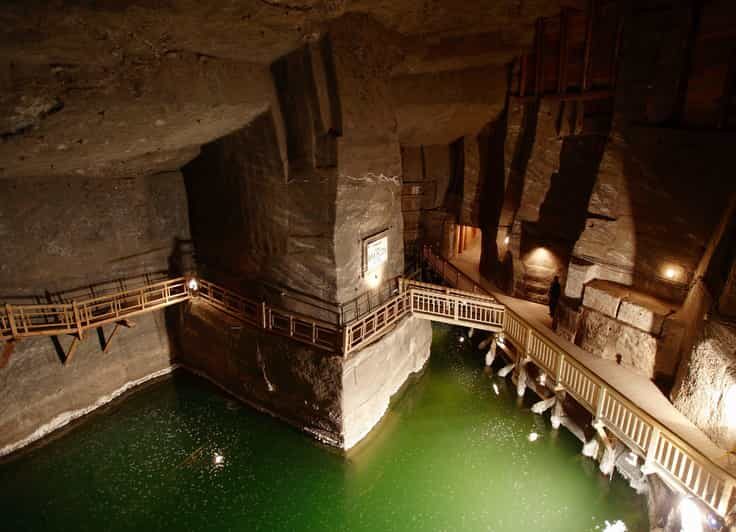
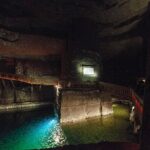
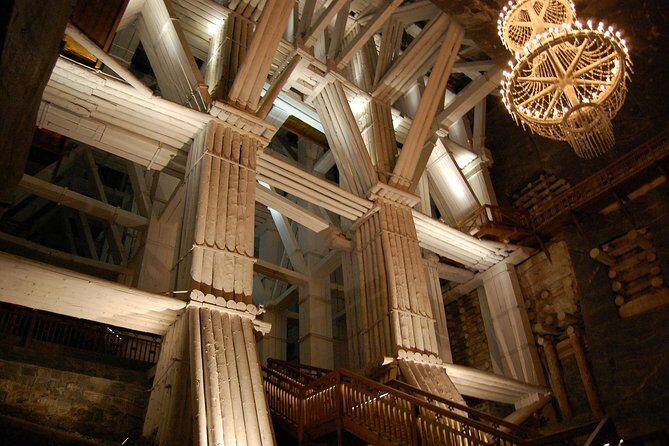
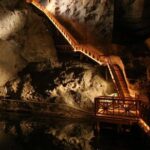
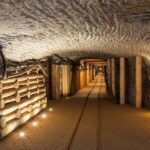
Then comes the main event: you descend up to 140 meters underground for a guided tour that lasts about 2.5 hours on a tourist route of over 2.5 kilometers. You’ll pass through chambers with pillars, vaulted ceilings, and salt carvings and sculptures that look almost crafted like stone.
Temperature is around 59°F / 15°C underground, so you’ll likely want a light layer even if Krakow is warm that day. And yes, it’s physical: you descend 400 steps, and the overall tourist route features over 800 stairs. Narrow paths can feel claustrophobic, and once you’re underground you can’t shorten the visit and turn back.
The good news is the mine experience is genuinely different from the camp sites. Even if the day already feels heavy, the salt chambers give you a strange, memorable kind of wonder.
A few more Krakow tours and experiences worth a look


Timing, walking, and the reality of “a long day”
This is not a short outing. The total time is around 10 hours 30 minutes. You’ll likely start early, and you should assume the day will feel long even if everything runs smoothly.
Here’s what to plan for:
- At Auschwitz-Birkenau: steady walking, museum pacing, and outdoor cold before entry. Bring good footwear for uneven surfaces.
- At the Salt Mine: stairs and a bit of a confined feel in sections. Baby pushchairs are not allowed underground, so plan accordingly if you’re traveling with a stroller.
- In between: breaks are brief, and lunch time can feel rushed. The tour is built to fit both sites, so don’t expect a relaxed sit-down meal with hours to spare.
If you’re sensitive to stairs or crowded spaces, think twice. If you’re okay with long days and can keep moving calmly, it’s manageable—and the contrast is worth it.
The $117 value: what you get for your money

At about $117.30 per person, the value comes from what’s packaged together. You’re not just buying “transport.” You’re getting:
- air-conditioned round-trip transport from Krakow,
- licensed guides at the museum sites,
- headsets for Auschwitz,
- entrance fees included for Auschwitz and the salt mine (for the combined option),
- and guaranteed skip-the-line tickets.
Food and drinks are not included, so budget for lunch and snacks yourself. But if you price out two full guided visits plus entry plus transport, this kind of package often ends up being less hassle than building everything separately.
The honest drawback on value isn’t the price itself—it’s the risk of booking the wrong option. Several unhappy experiences in the feedback talk about confusion between a combined tour and a Salt Mine only option. That’s not a reason to avoid the trip. It’s a reason to double-check your exact selection before you pay.
Booking sanity check: make sure Auschwitz is actually included
This is the biggest practical issue I’d warn you about. The title format can be confusing, because different options exist under similar-sounding names (combo vs salt mine only). Some people ended up going only to the Salt Mine when they expected Auschwitz, and others felt the pickup details didn’t match what they assumed.
So here’s my “do this before you go” list:
- Confirm your voucher/option includes Auschwitz-Birkenau + Wieliczka.
- Verify the pickup type you chose: hotel pickup vs a designated meeting point.
- Keep your ID/passport ready, because Auschwitz requires personal details to be confirmed at entry.
- Be ready for the pickup time to be tentative and confirmed the day before, depending on museum scheduling and traffic.
If you do those basics, you’ll avoid the kind of day-wrecking misunderstandings that can turn a meaningful trip into a frustrating one.
Who this trip fits best (and who should rethink)
This works best for you if:
- You have limited time in Krakow and want both Auschwitz-Birkenau and Wieliczka without complex planning.
- You’re comfortable with guided pacing and walking.
- You want headsets so you can focus on the guide’s narration even in busy areas.
It may not be ideal if:
- You want a slow, silent, on-your-own pace. Auschwitz deserves time, and this format is structured.
- You struggle with stairs. The salt mine route is stair-heavy, and underground conditions won’t let you “step out” and return later.
- You’re traveling with very young children who can’t walk unassisted (or can’t be carried in a sling/baby carrier), because pushchairs are not allowed underground.
If you’re the kind of person who likes having everything arranged—transport, guides, entry—this day trip is right in your lane. If you like full freedom to linger or skip bits, you’ll feel constrained.
Should you book this Auschwitz-Birkenau and Wieliczka Salt Mine day trip?
Yes—with one strong caveat: book carefully and verify you selected the combined option.
If you do that, I think it’s a solid day trip value. You’ll get licensed guidance at Auschwitz with headsets, see preserved camp elements that are impossible to understand from photos alone, then spend the afternoon underground in Wieliczka with salt carvings and sculptures that feel like a different planet. I especially like the idea that the schedule gives you the heavy site first, then a lighter (still memorable) experience afterward.
If you’re going, go prepared: warm layers for the cold, sturdy shoes for walking, and realistic expectations about time. You can’t control the emotional impact, but you can control whether the logistics feel smooth.
FAQ
How long is the Auschwitz-Birkenau and Wieliczka Salt Mine trip from Krakow?
It’s approximately 10 hours 30 minutes.
Does this include hotel pickup and drop-off?
Pickup is offered. You can usually choose hotel pickup or a designated meeting point, and the price differs depending on the option you select.
Are entrance fees included?
Yes. Entrance tickets are included for Auschwitz-Birkenau and Wieliczka for the Auschwitz + Salt Mine option, and you’ll also have guaranteed skip-the-line tickets.
Is food included in the tour price?
No. Food and drinks are not included.
Do I need to bring my passport or ID?
Yes. Auschwitz-Birkenau requires personal details to be confirmed at the entrance, so bring your passport or ID.
What language is the tour guide in?
The tour is offered in English.
How deep do you go in the Wieliczka Salt Mine, and how many stairs are involved?
You descend about 140 meters underground. At the entrance you descend 400 steps, and the full tourist route features over 800 stairs.
Is the Salt Mine cold?
It’s about 59°F (15°C) underground.
Can I take pictures?
Generally, visitors are allowed to take pictures with a few clearly indicated exceptions.
What’s the cancellation window?
You can cancel up to 24 hours in advance for a full refund.