REVIEW · WARSAW
Jewish Warsaw Walking Tour
Book on Viator →Operated by Walkative! TOUR · Bookable on Viator
Ghetto history, walked street by street. This tour strings together a clear route through Warsaw’s former Jewish quarter, with stops that still exist and meaning you can read as you walk. I like that it anchors you at the surviving Nożyk Synagogue and ends at POLIN Museum, using the streets and memorials to explain what happened. The main downside is practical: you’re outside for about 2.5 hours, so wind and cold can feel like part of the lesson.
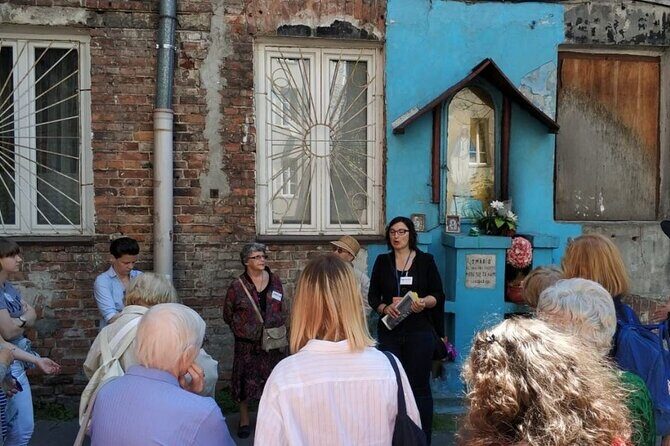
What makes it feel worthwhile is the way the guide work comes through. The experience is offered in English, capped at 40 people, and you’re with a real local guide plus a professional guide, so questions aren’t treated like interruptions. People also note guides such as Olivia, Jacek, Andrew, and Tomas bringing history to life with humor, and keeping the pace steady enough to stay engaged.
In This Review
- Key things you should know before you go
- Why this Jewish Warsaw walk makes sense early in your trip
- Price, pay-what-you-wish, and where the value really comes from
- The route in plain English: from surviving spaces to memorials
- Stop 1: Grzybowski Square, where survival is rare
- Stop 2: Nożyk Synagogue, the only surviving pre-war Warsaw synagogue
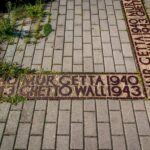
- Stop 3: Waliców, walking right up to the ghetto border
- Stop 4: Chłodna Street footbridge monument, remembering crossings
- Stop 5: POLIN Museum, context plus the 1948 Ghetto Heroes Monument
- Stop 6: Monument to the Heroes of Warsaw, ending with meaning
- Guides, questions, and why humor can help you process heavy material
- Timing, meetings, and how to not lose your day
- What to bring for a 2.5-hour outdoor route in Warsaw weather
- Who should book this tour, and who should think twice
- Should you book this Jewish Warsaw walking tour?
- FAQ
- How long is the Jewish Warsaw walking tour?
- Is the tour offered in English?
- Does the tour include entry tickets to the stops?
- Where do I meet the guide, and where does the tour end?
- How big is the group?
- Is it easy to join in if I need extra time for walking comfort?
Key things you should know before you go
- Free entry at every listed stop (each stop shows Admission Ticket Free), so you can focus on the storytelling instead of ticket math.
- A route that follows the ghetto’s edges, starting around Grzybowski Square and tracing border points and crossings.
- Nożyk Synagogue is the real anchor, described as the only surviving pre-war Warsaw synagogue.
- POLIN Museum gives you context fast, including the 1948 Monument to the Ghetto Heroes.
- A small-group feel for a city tour, with a maximum of 40 travelers and a question-friendly format.
Why this Jewish Warsaw walk makes sense early in your trip
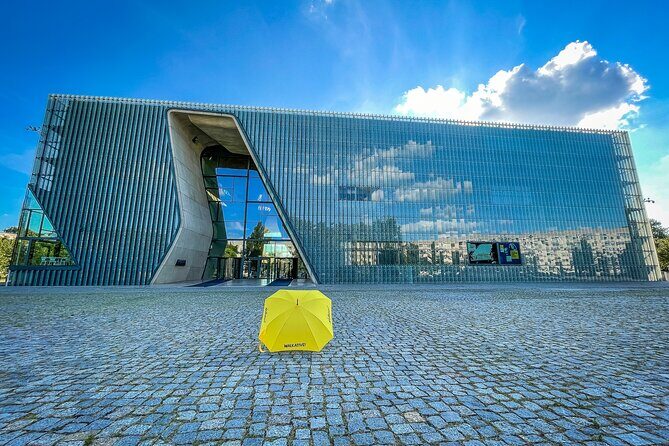
Warsaw can feel like a city of layers: rebuilt streets, modern buildings, and then sudden reminders of what was destroyed. This tour helps you sort those layers in your head quickly. In about 2.5 hours, you move from a rare surviving pocket to major memory sites that explain how the ghetto functioned in everyday space.
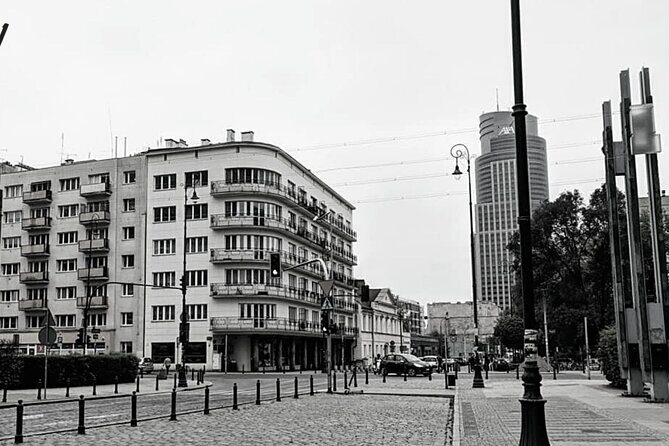
I also like that the route is not just “look at a plaque.” It’s built around physical places: squares, streets, and one key synagogue building. That matters because the Jewish quarter doesn’t survive in full form. What remains works best when you’re guided to it with context.
Finally, the structure is easy to plan around. The tour starts at 10:00 am and runs from All Saints Church Warsaw (Pl. Grzybowski 3/5) to POLIN Museum (Mordechaja Anielewicza 6). Even if you only have one morning, you can put this into your schedule without feeling like you need an entire day.
You can also read our reviews of more walking tours in Warsaw


Price, pay-what-you-wish, and where the value really comes from
At $26.59 per person, this is priced like a standard guided city walk—but with a twist. The tour is described as joining a general pay-what-you-wish format. In plain terms, the amount you pay covers the reservation fee and the guide’s payment, and if you want to reward the guide more, you can add extra.
That detail affects value. You’re not paying extra for museum tickets along the way (the stops are marked as Admission Ticket Free), and you get both a local guide and a professional guide. The time cost is also reasonable for how heavy the topic is: 2 hours 30 minutes is long enough for real explanation, short enough that you’re not stuck for half a day in the cold.
One practical thing to keep in mind: some guides are very direct about tipping early. If you’re uncomfortable with that, decide ahead of time what you’ll do. Knowing you’ll be asked (and that the setup is pay-what-you-wish) makes it less awkward in the moment.
The route in plain English: from surviving spaces to memorials
This tour moves in a logical arc: you start where the area still shows traces of what survived, then you walk toward the ghetto border lines, and finally you end at major interpretation and memorial anchors.
That progression is what makes it click. You get to see a building that survived (Nożyk Synagogue), then you get told where the ghetto edge was (Waliców), then you learn how people crossed between parts of the ghetto (the footbridge monument on Chłodna Street). By the time you reach POLIN, you’re not wandering through names—you already understand why the museum exists and what the monuments are pointing to.
The group size cap of 40 also shapes the experience. It’s large enough to be efficient, but small enough that the guide can keep your questions coming without losing the rhythm.
Stop 1: Grzybowski Square, where survival is rare
You begin at Grzybowski Square, with the stop description calling it one of the very few areas in Warsaw that survived the destruction of the Warsaw ghetto. That alone sets the tone. You’re not starting at a polished memorial—this is about grounding the story in a real slice of space that didn’t vanish.
This is also a good “warm-up” stop. It’s about 20 minutes, so you get an opening explanation and a sense of direction without being overloaded. If you’re new to Warsaw’s ghetto geography, this first stop helps you build mental landmarks fast.
One note for your expectations: because so little remains from the ghetto itself, “surviving” doesn’t mean intact. It means there’s enough continuity to let the guide talk about how the street-level world still connected to the events that followed.
Stop 2: Nożyk Synagogue, the only surviving pre-war Warsaw synagogue
Next is the Nożyk Synagogue, described as the only surviving pre-war Warsaw Synagogue. In a walking tour format, this is the centerpiece most people remember. You’re looking at an actual surviving religious landmark while the guide explains why it matters in the story of the community.
This stop is about 30 minutes, which is generous enough for more than quick sightseeing. You should expect context: how the synagogue fits into the pre-war Jewish landscape, and how its survival changes what you can feel while you stand there.
A balanced expectation check: reviews show some people hoped to spend more time inside the synagogue itself. The tour is built around walking between key points, so if you want extended interior viewing, you may need to plan extra time on your own afterward. Still, even without that, the building’s status as the only surviving pre-war synagogue gives the stop real weight.




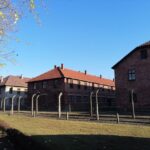
Stop 3: Waliców, walking right up to the ghetto border
After that, you move to Waliców, noted as once being the ghetto border. This is the kind of stop that changes how you read a city. Instead of treating the street as a street, you start seeing boundaries—where a community was confined, and how movement was shaped.
The stop is about 30 minutes, which suggests you’re not just told a fact and left behind. The guide likely helps you understand what it means for a border to exist in real time: it affects where people live, where they work, and how they navigate the city.
This is one of those moments where I think the guided format really pays off. You might be able to read a map on your own, but it’s the explanation—why this location was a border—that makes the route meaningful.
Stop 4: Chłodna Street footbridge monument, remembering crossings
Then you reach Chłodna Street, with a monument commemorating the footbridge once connecting parts of the Warsaw ghetto. That detail is powerful because it shifts the story from geography to movement. People weren’t only trapped; they also moved along forced routes, through controlled connections, and across structures built for access and separation.
This stop is about 20 minutes. It’s shorter, but monuments like this often land hardest when you understand the purpose behind them. The guide’s job here is to make the footbridge more than a symbol—something that tells you how parts of the ghetto interacted.
Practical tip: monuments and street corners can be windy and exposed. If the day is cold or windy, keep your gloves on and expect to stand for explanation. It’s worth it, but plan for it.
Stop 5: POLIN Museum, context plus the 1948 Ghetto Heroes Monument
You then step into the interpretation engine: POLIN Muzeum Historii Zydow Polskich. The tour description highlights two anchors inside this stop: the museum itself and the 1948 Monument to the Ghetto Heroes.
This is about 20 minutes in the overall route, so you shouldn’t expect a full museum visit. Think of it as a concentrated stop that tells you what you’re looking at and why it matters, then points you toward deeper exploration if you want it later.
The best part of ending here (instead of ending somewhere purely outdoors) is that POLIN gives you language for everything you’ve just walked through. Even if you only have a short time on this guided visit, the combination of museum setting and the ghetto heroes monument helps the story feel structured rather than scattered.
If you have the time afterward, you’ll likely want to return to POLIN on your own for longer reading and exhibits. But as a walking-tour capstone, this stop is smart: it turns memory into understanding.
Stop 6: Monument to the Heroes of Warsaw, ending with meaning
The final stop is the Monument to the Heroes of Warsaw, about 30 minutes. A longer closing stop is a good choice for this topic because you need time for the emotional landing. It’s not just about hearing facts; it’s about letting the guide connect the human story to the physical space.
A 30-minute finish also helps you recover from the walking earlier. If your legs are tired, you’ll appreciate that the ending portion is less about route and more about reflection.
As you leave, you’ll likely find yourself thinking in terms of place and purpose. That’s the real goal of this kind of tour: not just knowing dates, but understanding how people were shaped by the city’s boundaries and structures.
Guides, questions, and why humor can help you process heavy material
The guides connected to this tour style are repeatedly described as capable with history and open to questions. Names that come up include Olivia, Jacek, Andrew, and Tomas. A pattern shows up across these guides: they tend to explain with enough detail to make the story clear, and they use humor in a way that keeps the group engaged without turning the topic into a joke.
That balance matters. If a guide is only serious, you might mentally fatigue before the ending. If a guide is only light, you might miss what the places mean. The guides mentioned here are described as doing the tough middle: factual, attentive, and not afraid of questions.
Pace-wise, this tour is still a walk. One practical caution from the experience format: plan for standing, cold air, and uneven energy when the group is outside for a long stretch. The good news is that you’ll keep getting stops to reset the story.
Timing, meetings, and how to not lose your day
You meet at All Saints Church Warsaw (Pl. Grzybowski 3/5) at 10:00 am, then you finish at POLIN Museum at Mordechaja Anielewicza 6. The tour includes pickup and drop-off from designated meeting points, which helps if you’re arriving from different parts of the city.
Also: there’s a mobile ticket. That’s not just convenience—it helps you avoid stress when you’re trying to find the meeting point in a busy area.
The tour also says it’s near public transportation. That’s useful because you can plan to continue your day after the tour without needing a taxi immediately.
What to bring for a 2.5-hour outdoor route in Warsaw weather
The tour operates in all weather conditions, so your “outfit plan” matters. Dress for wind and cold, not just the temperature on your phone. If it’s rainy, expect wet pavement and fewer chances to warm up.
Bring:
- Layers you can adjust
- Comfortable walking shoes
- Something warm for hands and ears
- Water, even if it’s cold
Service animals are allowed, and children must be accompanied by an adult. The physical fitness requirement is listed as moderate, so this is not a sit-and-tour. If you know you struggle with long periods on your feet, consider whether you can handle continuous walking plus frequent stops.
Who should book this tour, and who should think twice
This tour is ideal if you:
- Want a guided understanding of Jewish Warsaw built around surviving sites and ghetto-era borders
- Prefer street-level storytelling over a full museum day
- Like clear pacing and question time rather than a lecture that talks at you
It might not be the best match if you:
- Need lots of time inside buildings. The format is short at each stop, and one stop is specifically noted as the synagogue, but the overall structure is still a walking route.
- Are very sensitive to cold wind. You’ll be outdoors for a long chunk of time.
If you’re doing this as part of a larger Warsaw itinerary, I’d also plan to add extra time at POLIN afterward. The guided capstone gives you direction; independent time helps you go deeper at your pace.
Should you book this Jewish Warsaw walking tour?
If you want an organized, human-scale way to understand Warsaw’s Jewish quarter—especially where the ghetto line was and what survives today—this tour is a strong pick. The price is fair for the time, the number of major sites, and the fact that admission is free at the listed stops. The route also makes sense: it builds from surviving spaces to border points and ends at interpretive and memorial anchors.
I’d book it if you can handle a steady walk and you’re comfortable with a heavy topic told in a direct way. I wouldn’t book it as your only plan if you were hoping for long indoor museum time or extended synagogue access.
In short: book it for the guided walking logic and the power of the surviving landmark stops. Then, if you have energy, return to POLIN for the deeper read after your feet and head catch up.
FAQ
How long is the Jewish Warsaw walking tour?
It runs for about 2 hours 30 minutes.
Is the tour offered in English?
Yes, it’s offered in English.
Does the tour include entry tickets to the stops?
The stops listed in the route show Admission Ticket Free, so you should not need to buy separate admission for those specific locations.
Where do I meet the guide, and where does the tour end?
You start at All Saints Church Warsaw, Pl. Grzybowski 3/5, and the tour ends at POLIN Museum of the History of Polish Jews, Mordechaja Anielewicza 6. The start time is 10:00 am.
How big is the group?
The tour has a maximum of 40 travelers.
Is it easy to join in if I need extra time for walking comfort?
The tour requires a moderate physical fitness level and involves walking outdoors for the full route. It also operates in all weather conditions, so dressing appropriately is important.