REVIEW · OSWIECIM
Auschwitz-Birkenau: Museum Entry Ticket with Guided Tour
Book on GetYourGuide →Operated by LegendaryKrakow · Bookable on GetYourGuide
Auschwitz-Birkenau is one of those visits that changes how you see the world. This guided ticket-based tour is interesting because you’re not just looking at signs from the outside; you’re walking the grounds with a live English guide, plus a headset so the narration stays clear. I especially liked the skip-the-line entry (less time waiting) and the fact that you’ll cover both Auschwitz I and Auschwitz II-Birkenau with context built into the walking route. One possible drawback: the whole experience is managed tightly, and depending on your group and the day’s flow, it can feel a bit rushed.
You’ll start at the visitor center, meet your guide near the gate by the parking area, and then split your time between the two sites, with a short break in between. The tour lasts about 210 minutes total, and the schedule is approximate and may shift by several hours, so plan your day like this is the anchor activity.
In This Review
- Key things to know before you go
- Where You Start at the Auschwitz-Birkenau Visitor Center
- Tour Basics: Skip the Ticket Line, Then Follow the Guide
- Auschwitz I: The 1940 Suburbs Site You Walk Through
- The 30-Minute Break: A Small Reset Between the Two Camps
- Auschwitz II-Birkenau: Railway Platform, Ruins, and What the Route Shows
- Price and Value: What $52 Gets You (and What It Doesn’t)
- What to Bring, What Not to Bring, and Dress Rules That Matter
- Who This Tour Fits Best (and Who Might Want Another Option)
- Should You Book This Guided Auschwitz-Birkenau Ticket?
- FAQ
- How long does the Auschwitz-Birkenau guided tour take?
- Where do I meet the guide?
- Is this tour in English, and do I get help hearing the guide?
- What’s included in the Auschwitz I and Auschwitz II parts?
- What items are not allowed, and how big can my bag be?
- Is the ticket refundable if I cancel?
Key things to know before you go
- Skip-the-line entry so you get moving faster at the gates
- Headsets included to hear a live English guide clearly, even in a group
- Two main stops: Auschwitz I first, then Auschwitz II-Birkenau after a break
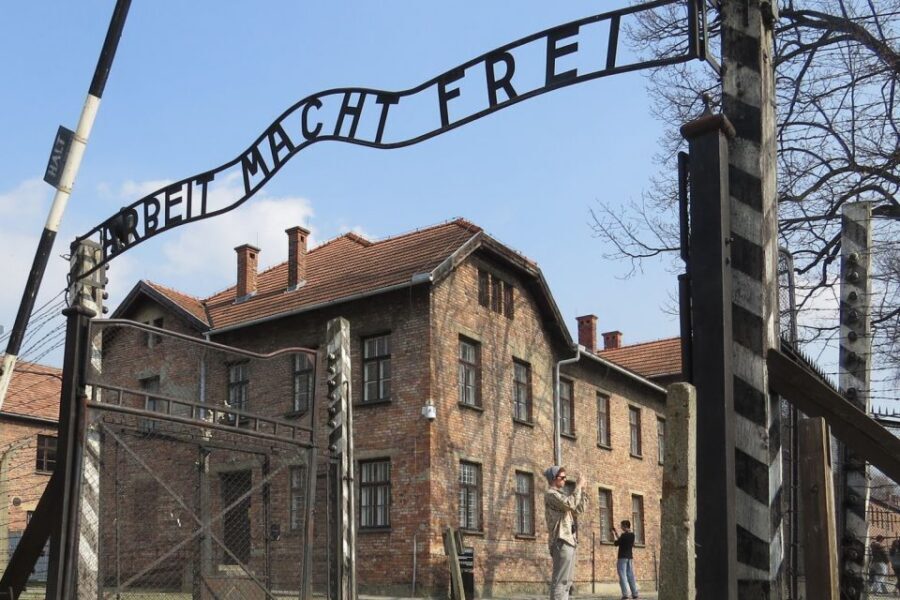
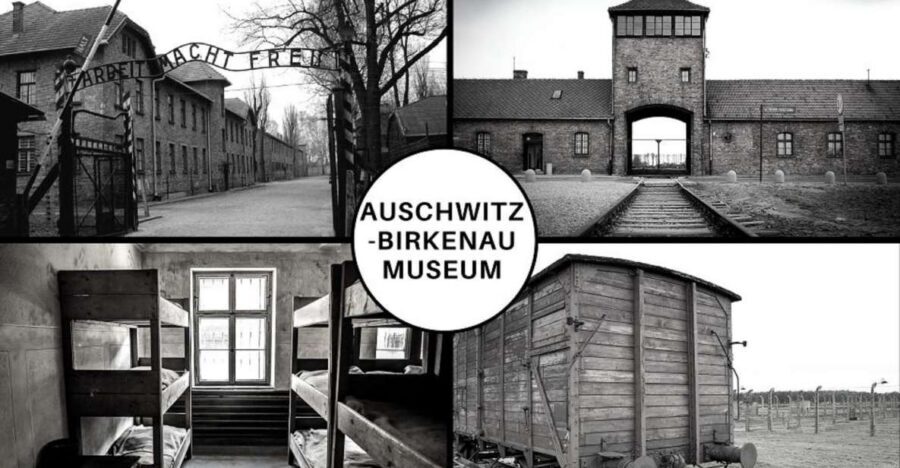
- Walking route includes key areas like the entrance gate, barracks, and the rail platform
- You bring your own transport to and from Auschwitz, since the ticket doesn’t include transfers
- Bring the right ID and bag size or you may be turned away at entry
Where You Start at the Auschwitz-Birkenau Visitor Center
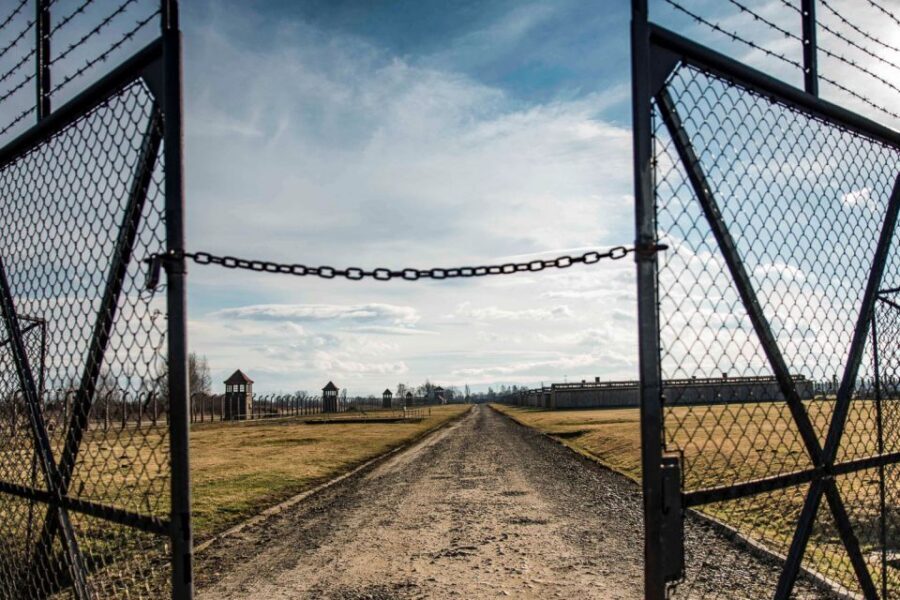
Your day begins at the Auschwitz-Birkenau Memorial and Museum visitor center (Centrum Obsługi Odwiedzających Muzeum Auschwitz-Birkenau). Plan to arrive early enough to find your way to the meeting spot, because you’ll be looking for information boards right next to the gate that leads to the parking area.
This first step matters. Auschwitz-Birkenau isn’t laid out like a typical “walk around at your own pace” museum. The guide-led format depends on everyone starting together and moving as one unit. If you’re late, you don’t just miss a few minutes—you risk throwing off the group’s flow, and entry timing is closely managed.
Also, this is a place with strict rules. Before the tour even starts, the staff need to verify details like your identity information and your bag size. So I recommend treating the visitor center as the start of the “real” part of your visit, not a place to casually browse.
If you’re traveling from Kraków or elsewhere in Lesser Poland, you’ll need to handle your own ride to Auschwitz and back. That adds a layer of planning: build time for the road, and don’t count on getting there exactly on the dot without a buffer.
A few more Oswiecim tours and experiences worth a look


Tour Basics: Skip the Ticket Line, Then Follow the Guide
This is a guided group tour with a live English-speaking guide and skip-the-line entry. The practical win here is obvious: you’re not spending your first hour in the queue. That’s valuable at any museum, but at Auschwitz-Birkenau it helps keep your visit from turning into a test of patience.
The other major advantage is sound. You’ll be given headsets to hear the guide clearly no matter the group size or the distance between you and the guide. I like this setup because it keeps the focus on the words you’re hearing while you’re walking, instead of forcing you to stand still and strain to catch every sentence.
Time is the one variable you should respect. The total duration is listed at about 210 minutes, but the given times are approximate and may change up to 4 hours. That means you should avoid booking a hard-to-reschedule second activity right after your planned end time.
Finally, your guide controls the pace and duration at the memorial. This isn’t a situation where you can quietly roam ahead and catch up later. So if you’re the type who gets antsy when you can’t “do your own thing,” this might be a tough fit. If you’re okay following someone who knows how to guide you through the route, it works well.
Auschwitz I: The 1940 Suburbs Site You Walk Through
After meeting your guide, you’ll enter Auschwitz I and begin a guided walk of about 105 minutes. Auschwitz I is the part that many people picture first, and it’s also where the tour helps you connect the facts to the physical layout.
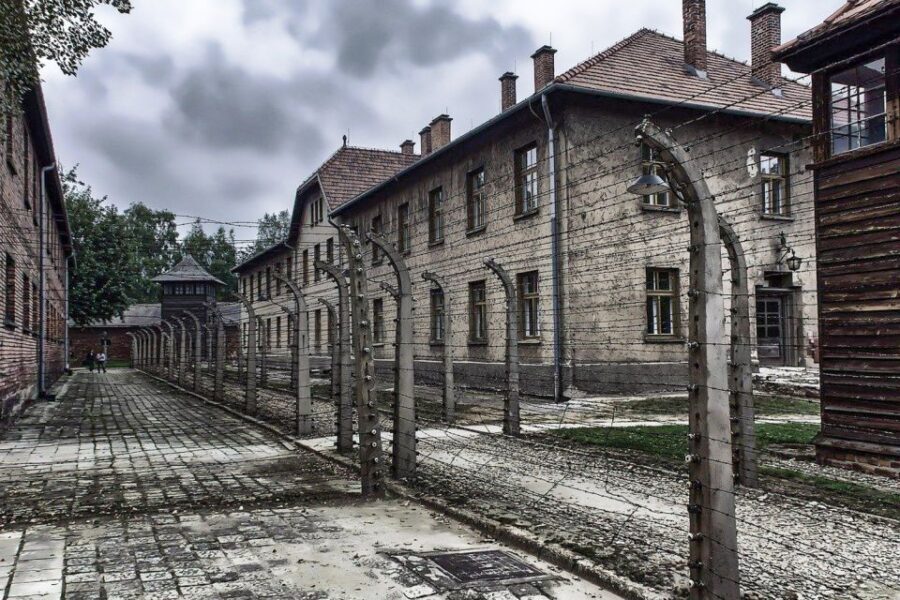
On the ground you’ll see key features of the former camp and its structures, including barracks and the kind of interior museum displays set up where people once lived. The guide-led format matters here because the exhibitions aren’t just static information. You’re moving through spaces while the guide explains what those spaces were used for and what the experience of captivity meant.
You’ll also learn the numbers and the scope: estimates place total deaths at over 1.5 million people, across 28 nationalities. The guide also highlights that nearly 90% were Jews. That’s heavy material, and hearing it in context—while you can actually see the setting—tends to land differently than reading it off a brochure.
What I like about Auschwitz I in a guided format is the structure. You’re not left to figure out what you should notice first. You get pointed to the details the memorial wants you to focus on, and the headset keeps you in the loop even when the group moves.
A consideration: because Auschwitz I takes the first big chunk of time, you may be emotionally drained before you reach the second part. Wear comfortable shoes, and don’t plan on standing tall and “powering through” for hours without breaks. This tour builds in one later pause, but your body will still feel the walking.
The 30-Minute Break: A Small Reset Between the Two Camps
After your Auschwitz I segment, you’ll get free time for about 30 minutes. This is short, but it’s not random downtime—it’s there so you can reset before Auschwitz II-Birkenau.
Use this break to do the practical stuff: refuel your attention, check how you’re feeling, and use facilities if you need them. This is also the moment to take any photos you’re permitted to take, if that’s part of your plan. Don’t count on having long enough here to fully “catch up” on everything you missed earlier—your guided route is still the main event.
I also think this pause is useful psychologically. Auschwitz-Birkenau isn’t one continuous storyline. Auschwitz I and Auschwitz II tell different parts of the story, and your brain needs a small gap to switch gears. Thirty minutes won’t make it easy, but it can make the second half more digestible.
One caution: because the overall tour times can shift, don’t schedule anything urgent that depends on this break being perfectly timed. Treat it as “about 30 minutes,” then follow your guide’s cues.
Auschwitz II-Birkenau: Railway Platform, Ruins, and What the Route Shows
You’ll drive from Auschwitz I to Auschwitz II-Birkenau, and then continue with a guided visit and walk of about 75 minutes. This part is different in feel, largely because of the scale and the way the site is laid out.
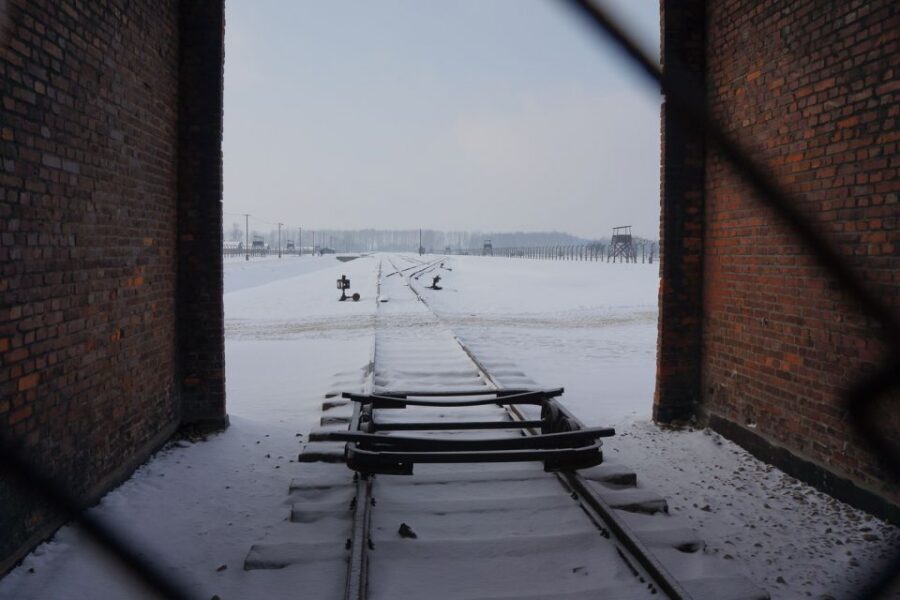
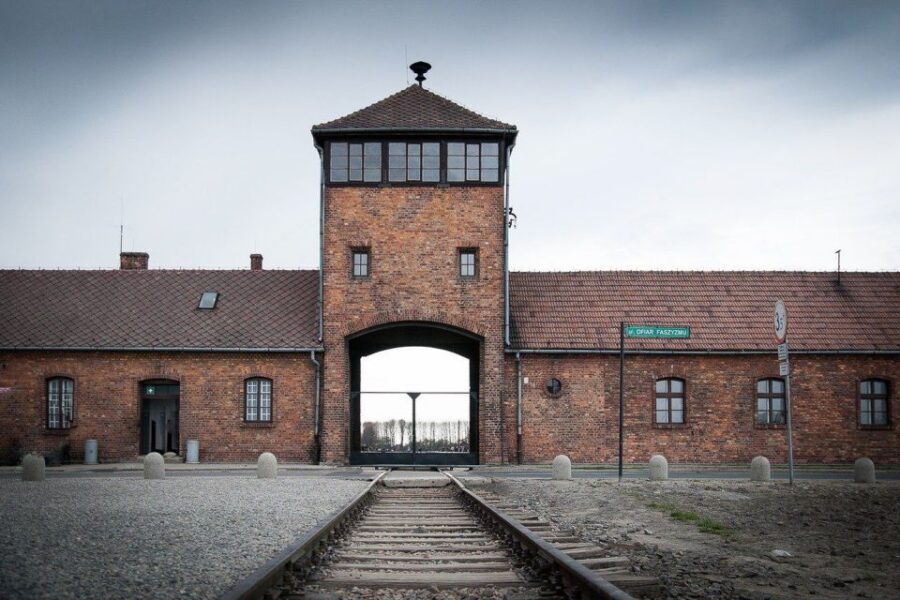
As you follow the guide, you’ll walk along the railway that facilitated transport to the other section of the camp. This rail area is one of the most important visual anchors of Auschwitz II, because it helps explain how deportations were processed in the camp system.
You’ll also see ruins connected to gas chambers, described by the memorial as where people were killed on a mass scale. I’m not going to sugarcoat this: it’s the kind of stop where your senses register everything at once. The headset narration helps, but it won’t make the experience lighter.
Also, the tour route includes what people often call the entrance gate area. Seeing the entrances and the physical arrangement of barracks and paths in person is a major reason to choose a guided tour instead of a quick self-guided skim. The guide’s job is to help you connect what you see to what it meant.
A consideration here is pacing. Auschwitz II is intense and can feel exposed, so choose clothing that you can stand and walk in comfortably. The rules are strict about dress, too: shorts aren’t allowed, and sleeveless shirts aren’t allowed. You may want layers so you can adjust to weather without turning it into a battle.
You can also read our reviews of more guided tours in Oswiecim

Price and Value: What $52 Gets You (and What It Doesn’t)
At around $52 per person, the value is mostly in three things: skip-the-line entry, a live English guide, and headsets. For a site this emotionally and logistically heavy, that combination matters more than people expect. You’re paying for time savings and for interpretation—exactly the kind of help that keeps you from getting lost in a place where the details are the point.
That said, you’re still responsible for your own transport to and from Auschwitz. So if you’re adding costs like gas, parking, trains, or transfers, your day’s total budget is a bit higher than the ticket price alone.
Also, because you’re on a guided group timeline, you’re trading some flexibility for structure. If you strongly prefer solo exploration, you might look at other options. But if you want a route that covers both Auschwitz I and Auschwitz II and gives you a coherent explanation as you walk, this ticket price reflects the convenience you’re buying.
One more value note: the headset system is included. That detail often saves your trip. In a group setting, it’s the difference between “I got through it” and “I actually understood what I was hearing.”
What to Bring, What Not to Bring, and Dress Rules That Matter
This tour has clear rules, and entry can depend on following them. Bring a passport or ID card. Names must match the spelling on your booking, including your full name, so double-check that your booking details align with your ID. If names don’t match, entrance might be refused.
Bag rules are strict. Luggage or large bags aren’t allowed, and the maximum bag/purse/backpack size is 30x20x10 cm. If you travel light, you’ll feel less stress right away.
What you should wear matters too. Shorts are not allowed. Sleeveless shirts aren’t allowed either. And you can’t bring weapons or sharp objects.
Comfort is still important, even though the setting is solemn. Wear comfortable shoes and plan for a lot of walking across different surfaces. Your comfort level directly affects your ability to absorb what’s being explained.
Finally, you should expect the pace to be set by the memorial’s visitor service and your guide. If you tend to get overwhelmed quickly, pack your practical “calm down kit” in your head: water if permitted outside the restricted areas, a steady mindset, and the willingness to slow down when you need to.
Who This Tour Fits Best (and Who Might Want Another Option)
This tour is listed as not suitable for children under 14. It’s also not suitable for people with mobility impairments. That doesn’t mean you’re unwelcome everywhere else in Poland—but for Auschwitz-Birkenau specifically, the walking and the controlled group format make accessibility difficult.
Language is another fit point. The tour is English only, and the guide speaks live through headsets. If you understand English well enough to follow a sustained narration, you’ll get more out of it. If English is a challenge, plan on relying on the headset to catch what you can, but don’t expect the experience to work like a universal translation.
Group dynamics are worth mentioning. Even with headsets, group tours can feel crowded and moving quickly. On some days the group can feel tight, and on a few visits, the rhythm can feel rushed. That’s not a criticism of the guide so much as the reality of how the memorial runs tours.
This tour is best for adults who want a structured route through Auschwitz I and Auschwitz II-Birkenau, who value interpretation, and who can emotionally handle a highly serious visit. If that sounds like you, it’s a strong choice.
Should You Book This Guided Auschwitz-Birkenau Ticket?
If you’re deciding between a guided option and trying to piece everything together on your own, I’d usually book guided for a site like this. The biggest reasons are practical: skip-the-line entry, clear narration via headsets, and a route that covers Auschwitz I first and then Auschwitz II-Birkenau with time to reset in between.
Book it especially if you want to hear the key facts while you’re seeing the structures. The memorial’s layout can be hard to interpret without help, and this tour gives you exactly that without adding extra guesswork.
I’d think twice if you need long periods of solo wandering, or if you know you’ll struggle with a controlled pace and the emotional intensity of seeing ruins tied to mass killings. Also, if you’re the type who hates timing uncertainty, remember that the start and end times are approximate and may shift.
Overall: if you can follow the guide, handle the seriousness, and travel light, this is good value for a deeply important day.
FAQ
How long does the Auschwitz-Birkenau guided tour take?
The tour duration is listed at about 210 minutes total. The exact pacing is managed by the memorial’s visitor service, and the time may vary because the schedule is approximate and may change up to 4 hours.
Where do I meet the guide?
Meet your guide at the Auschwitz-Birkenau Museum Visitor’s Center. Look for the information boards right by the gate leading to the parking area.
Is this tour in English, and do I get help hearing the guide?
Yes. The live guide is English-speaking, and headsets are included to help you hear clearly during the walk, even when the group size is larger or you’re farther from the guide.
What’s included in the Auschwitz I and Auschwitz II parts?
You’ll visit Auschwitz I first with a guided walk, then have free time, and continue with a guided visit to Auschwitz II-Birkenau. The route includes key areas such as the entrance gate, barracks, and the railway platform.
What items are not allowed, and how big can my bag be?
Weapons or sharp objects aren’t allowed. Luggage or large bags aren’t allowed either, and the maximum bag size is 30x20x10 cm. Dress rules include no shorts and no sleeveless shirts.
Is the ticket refundable if I cancel?
No. This activity is non-refundable.