REVIEW · GDANSK
Stutthof Concentration Camp Half-Day Private Tour
Book on GetYourGuide →Operated by Tours in Gdansk - Local Tour Operator · Bookable on GetYourGuide
Stutthof isn’t a casual stop, but a private visit helps you understand what happened—where it happened—without feeling rushed. This is one of the first Nazi concentration camps established on Polish territory, and it stayed operating longer than most, so the story unfolds in a grim, long arc.
I really like the small-group feel and the chance to ask questions as you go. I also like that the tour takes you to the hardest parts—like the gas chambers and crematorium—paired with clear, respectful guidance, not just dates and captions.
The one drawback is the obvious one: this museum is graphic and emotionally intense, so it’s not suitable for children under 13.
In This Review
- Key Things You’ll Notice on This Stutthof Private Tour
- Why This Half-Day Stutthof Tour Is Built for Real Understanding
- Getting from Gdansk to Stutthof Without Losing the Day
- The Guided Museum Visit: Old and New Camp Quarters
- The Commander’s Villa: A Cold View of Power
- Gas Chambers and Crematorium: Facts, Context, and Emotional Control
- The Victims’ Monument and the Story of Pomerania Under Occupation
- Morska 32 Break Time: Use the Pause the Right Way
- Private Transport and the Comfort Factor That Actually Matters
- Languages and Communication: You Can Choose Your Guide’s Comfort Zone
- Price and Value: When $461 Per Group Makes Sense
- Who This Tour Fits Best (and Who Should Rethink It)
- Should You Book This Stutthof Private Tour?
- FAQ
- Where is pickup for this Stutthof private tour?
- How long is the tour?
- What does the tour include?
- How much time is spent inside the Stutthof Museum with a guide?
- What parts of Stutthof are visited?
- Is there a documentary included?
- Is the tour appropriate for children?
- What languages are the live guides available in?
- Is there a break during the tour?
- Can I cancel for free, and can I reserve without paying yet?
Key Things You’ll Notice on This Stutthof Private Tour
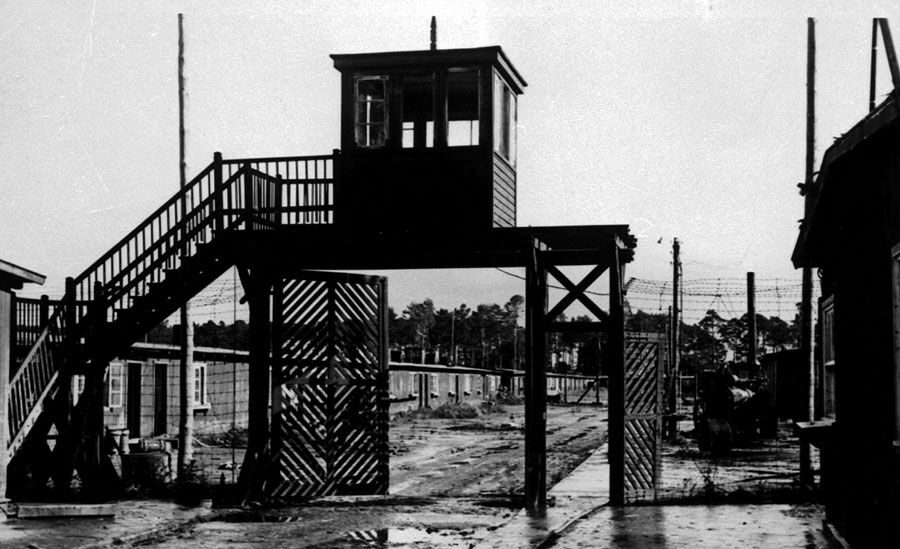
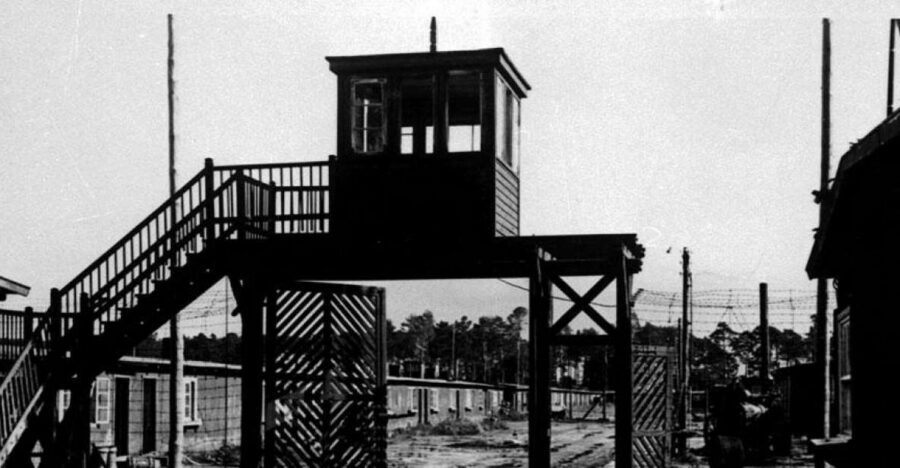
- First Nazi concentration camp on Polish territory, created in 1939 and operating for years
- Old and new camp quarters so you see how the camp developed over time
- Commander’s villa for a stark contrast between power and brutality
- Gas chambers and crematorium explained in context, not just as dark sights
- Victims’ monument as a quiet, respectful stop to close the loop
- Pickup from Gdansk, Sopot, or Gdynia that makes the day feel smoother and less stressful
Why This Half-Day Stutthof Tour Is Built for Real Understanding
Stutthof is the kind of place where you can walk around on your own, but you’ll miss connections. A good guide helps you connect the layout to the system: who was targeted, how prisoners were processed, and how the machinery of persecution worked in this region. That matters because Stutthof wasn’t just a generic camp name—it was created in 1939 with a grim purpose that expanded over time.
With a private 5-hour format starting in Gdansk, you get focused time at the museum without the crowd pressure. The tour is designed around the key sites: old and new camp quarters, the commander’s villa, and the areas tied to mass murder, including gas chambers and the crematorium.
Just know what you’re signing up for. This is not a light history outing. The museum exhibition is described as graphic and emotionally intense, and the guidance is meant to be respectful, serious, and careful.
You can also read our reviews of more private tours in Gdansk



Getting from Gdansk to Stutthof Without Losing the Day
Your day starts with pickup from your hotel or apartment in Gdansk, Sopot, or Gdynia. Then you ride in a van for about one hour to Stutthof. I like this setup because it reduces the thinking you have to do. You can focus on the day instead of sorting buses, tickets, and timing.
On the drive, you may get context that helps you arrive with your bearings. One of the best signs from the feedback I saw is that the transport-side storytelling can include helpful background about the area along the way. It’s not about distraction. It’s about helping you understand where you are before you step into the museum grounds.
If you’re the type who gets stressed by tight schedules, private pickup is a practical win. It also keeps the day from feeling chopped up. You’re not hunting for meeting points when you should be preparing yourself mentally.
The Guided Museum Visit: Old and New Camp Quarters
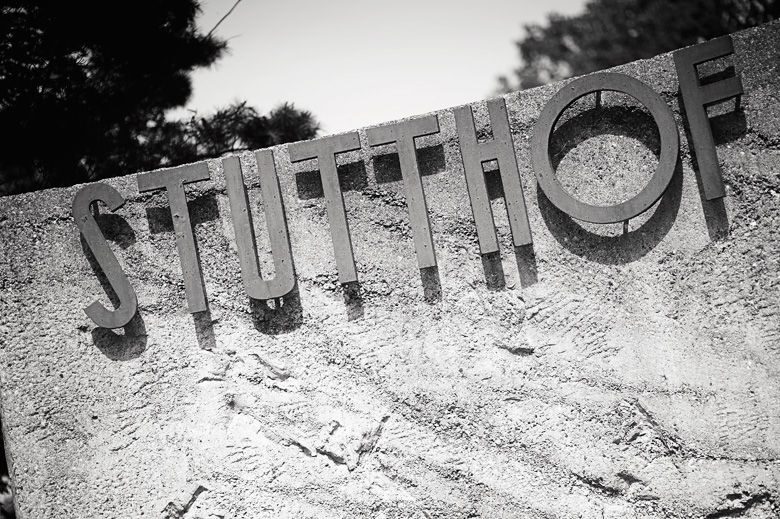
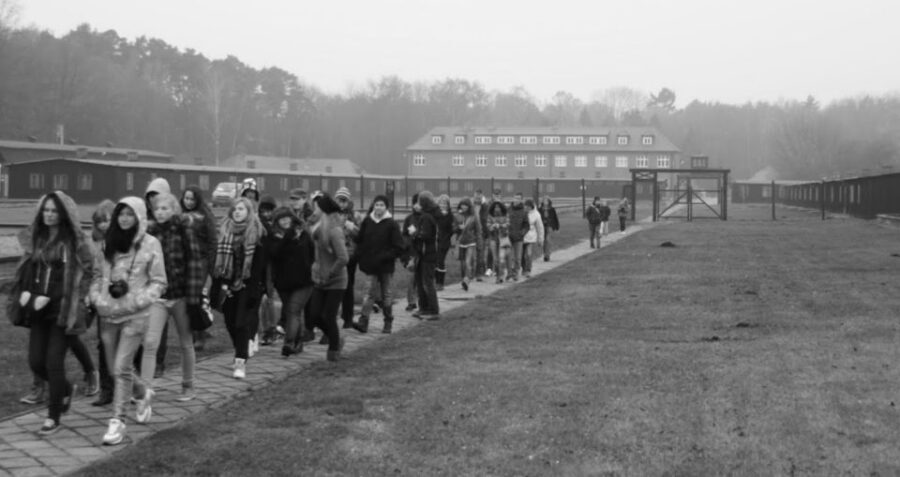
Most of your on-site time comes during a 2-hour guided tour at the Stutthof Museum. This is the core experience window, and it’s where the guide’s job is hardest: guiding you through the camp layout while keeping the meaning clear.
The tour includes the old and new camp quarters, which is important because Stutthof didn’t stay static. The camp opened in 1939 and its role expanded. Seeing older parts alongside later ones helps you grasp that this was a functioning system over time, not a one-off atrocity.
What I find valuable here is that the tour doesn’t treat the camp like a set of isolated scenes. Instead, you’re pushed to connect the dots: forced labor, starvation, torture, and mass executions. The story includes that Stutthof involved more than 110,000 people from 26 countries, and that many were murdered in gas chambers.
A private guide also means the pacing can stay humane. You’re less likely to feel swept along or pressured to speed-read hard material. That matters in a place like this.
The Commander’s Villa: A Cold View of Power
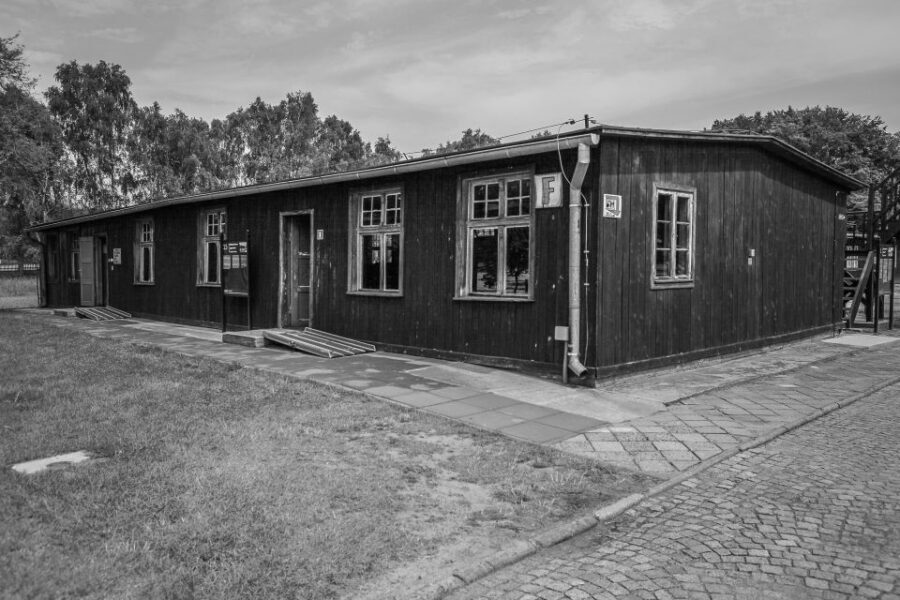
One of the stops that stands out on this tour is the commander’s villa. It’s a jarring inclusion because it changes the frame from prisoners to those who ran the system.
This is where the contrast can hit hardest. When you see the structures associated with command, you get a clearer sense of how everyday governance and violence overlapped. The camp was not just chaos. It was organized control, carried out by people living within the machinery they commanded.
I like that the tour doesn’t skip this kind of context. It’s too easy to focus only on suffering sites and miss how the system was administered. The villa stop helps you understand the perverse comfort of power next to a place built for destruction.
Gas Chambers and Crematorium: Facts, Context, and Emotional Control
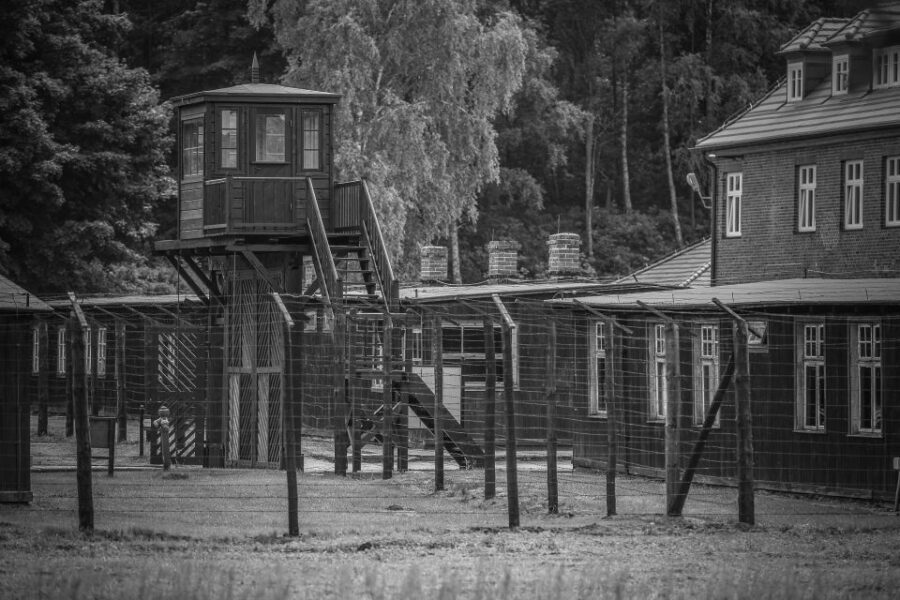
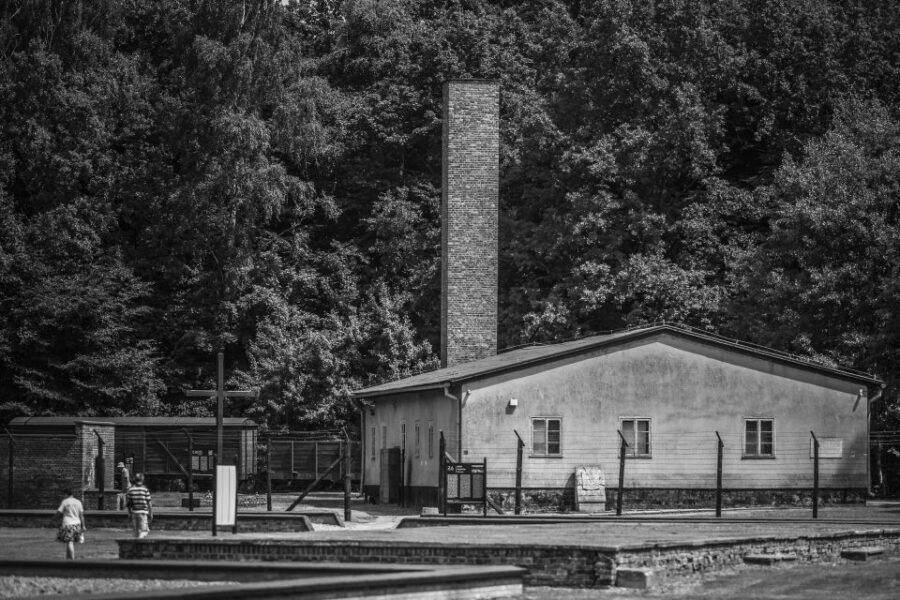
The tour includes visits to the gas chambers and the crematorium. These parts are understandably the most difficult. The key is how the guide handles them: with respectful context and a clear explanation of what you’re seeing and why it matters historically.
The camp’s story includes the use of gas chambers for mass murder. It also includes cremation, forced labor, and starvation. The tour approach is meant to prevent the experience from becoming just shock exposure. Instead, you get historical framing, and you hear about persecution tied to the occupation of Pomerania.
From the reviews, one theme that comes through is that the guide style can be very usable when the material is heavy. One person highlighted that the guide was helpful and had a dry delivery. That kind of tone can be useful because it keeps you anchored in the facts without turning the day into theatrics.
Still, be realistic: even with a careful guide, these stops can overwhelm you. Give yourself permission to pause, to stand quietly, and to absorb what you’re seeing instead of pushing for emotional speed.
A few more Gdansk tours and experiences worth a look
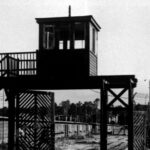
The Victims’ Monument and the Story of Pomerania Under Occupation
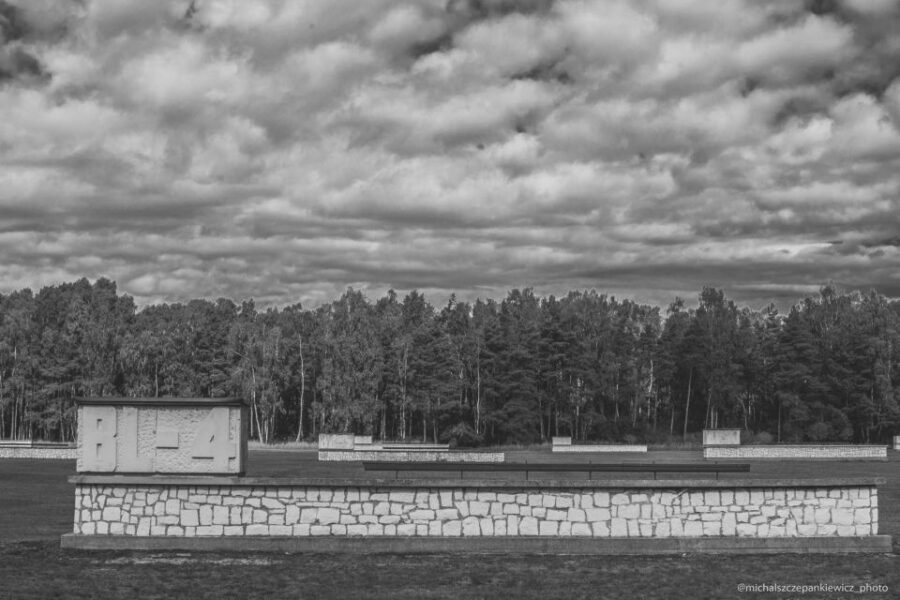
After the worst of the imagery, the tour includes time to pay your respects at the camp victims’ monument. That stop matters. It’s a turning point from learning about mechanisms of murder to remembering people who were targeted and killed.
This tour also includes explanation of the persecution and occupation of Pomerania. That context helps you avoid a common trap with concentration camp visits: treating the camp as an isolated event. Here, the story connects local history—especially the targeting of the Jewish population and the Polish intelligentsia from the Pomeranian region and the Free City of Gdańsk.
Even if you know some of the background, I think the guide’s local emphasis makes the visit feel more grounded. You come away with a clearer sense of why this camp mattered in this region and how long it operated. Stutthof being the first Nazi concentration camp established on Polish territory is not just trivia. It shapes how you understand the spread and evolution of policy across occupied lands.
Morska 32 Break Time: Use the Pause the Right Way
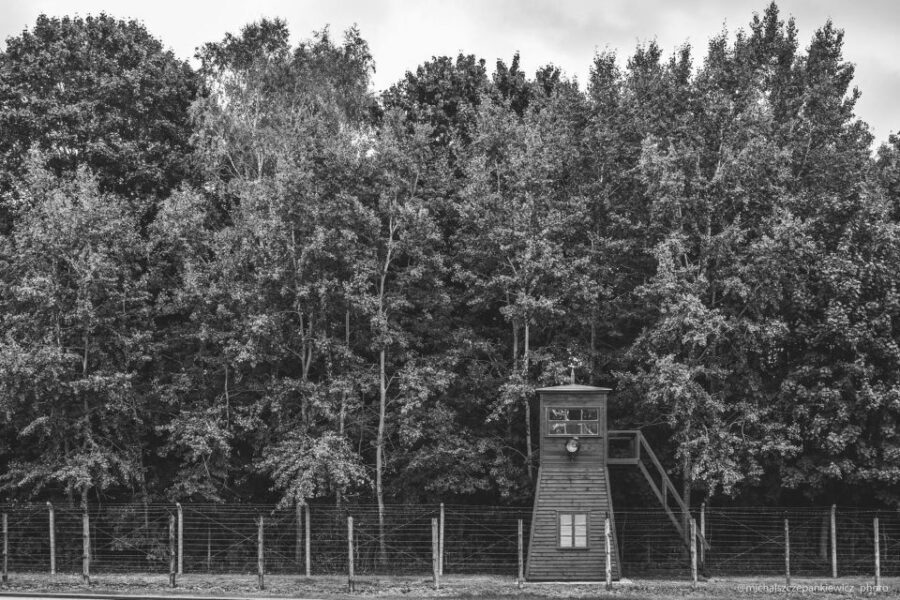
You’ll have a 30-minute break at Morska 32. That sounds small, but it’s the right kind of break after the most intense parts of the visit.
I recommend using this time for two things only: water and bathroom, then a quick reset. When you return to your vehicle, you’ll likely notice how quickly the day catches up to you emotionally. A short break helps you avoid the common post-museum crash where you feel fine at first, then suddenly tired and shaky later.
If you’re bringing snacks, you might find it helpful to check what’s available there first. The tour duration is short enough that you don’t want to waste your break searching for food options.
Private Transport and the Comfort Factor That Actually Matters
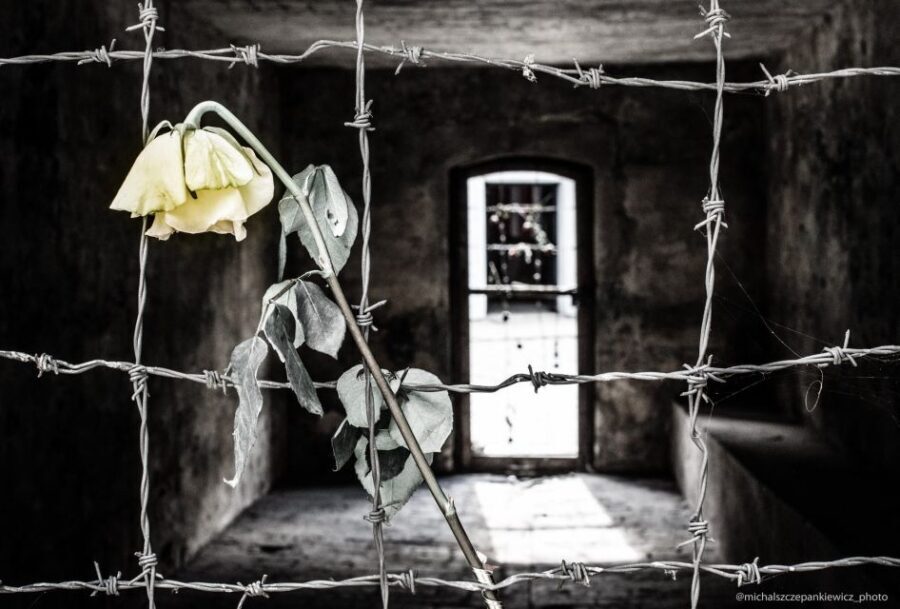
The tour includes private transport and parking fees, and you ride in a van with pickup built in. That’s not glamorous, but it’s practical, and practical often means better energy.
A comfortable ride helps because the day is only about five hours total from pickup to return. You don’t have room for delays caused by transit chaos. Private transport keeps things predictable, and predictability matters when you’re visiting a place like this.
Also, the guided portion is tightly scheduled. A smooth drive and clean timing mean your guide’s museum time isn’t eaten up by late arrivals or confusion.
Languages and Communication: You Can Choose Your Guide’s Comfort Zone
The live tour guide is available in English, German, and Polish. That’s a big deal for Stutthof. When the subject matter is heavy, small language gaps can steal meaning from you.
If you’re confident in one of those languages, choose it. You’ll understand nuance faster and you’ll be better able to ask questions when something doesn’t click.
One of the best signs in the feedback was that the guide made space for questions. With a private format, you’re less likely to feel like you’re interrupting. That can be the difference between learning and just watching.
Price and Value: When $461 Per Group Makes Sense
This tour costs $461 per group for up to 3 people, and it lasts about 5 hours with entrance tickets and a guided museum visit included. On the surface, that sounds like a lot. On a private historical site tour, it can also be a smart deal.
Here’s the value logic: you’re paying for (1) private pickup and transport, (2) a dedicated museum guide, and (3) entrance tickets. Group tours often lower the headline price, but they can cost you time and attention—two things you don’t want to skimp on at Stutthof.
If you’re a pair or a small group, the per-person cost can look more reasonable than you’d think compared to renting time with an independent guide plus sorting transport yourself. And the payoff is real: you get the guide’s pacing, access to the key sites, and a more intimate setting where questions are allowed to happen.
If you’re traveling solo, it may feel pricey compared with a shared option. But the benefit is still there if you want a focused, respectful day without crowd pressure.
Who This Tour Fits Best (and Who Should Rethink It)
This Stutthof tour is designed for people who want structure and context at a place that can overwhelm you. It’s also explicitly not suitable for children under 13, and that recommendation aligns with the museum’s graphic, emotionally intense content.
You’ll likely get the most from this tour if you:
- want a guided explanation of what you’re seeing, including the old and new camp quarters
- care about understanding the persecution of Pomerania, not only the camp layout
- prefer private pacing so you can absorb difficult areas like the gas chambers and crematorium
If you’re someone who prefers self-guided visits and doesn’t want historical framing, then a guided format might feel too directive. But if you want meaning—clear, respectful meaning—this is a strong setup.
Should You Book This Stutthof Private Tour?
I’d book it if you want a short, controlled visit that hits the major sites without turning the day into a blur. The combination of private pickup from the Gdańsk area, a guided museum visit, entrance tickets, and transport makes it low-stress and high-impact.
It’s especially worth it for small groups, where the private format makes it easier to ask questions and keep pacing humane. And if you’re traveling from Gdansk, Sopot, or Gdynia, pickup saves time that you can spend where it counts.
Just be honest with yourself about the emotional weight. Stutthof is not a quick history check. If you’re in the right mindset for a serious, guided encounter, this half-day tour is one of the most practical ways to do it well.
FAQ
Where is pickup for this Stutthof private tour?
Pickup is available from hotels or apartments in Gdansk, Sopot, and Gdynia. You provide the address when booking.
How long is the tour?
The tour duration is about 5 hours total.
What does the tour include?
It includes private transport, a private museum tour guide, entrance tickets to the Stutthof Museum, and parking fees.
How much time is spent inside the Stutthof Museum with a guide?
The guided museum tour is about 2 hours.
What parts of Stutthof are visited?
You visit the old and new camp quarters, the commander’s villa, the gas chambers, the crematorium, and the victims’ monument.
Is there a documentary included?
A documentary film screening is optional.
Is the tour appropriate for children?
No. It is not suitable for children under 13.
What languages are the live guides available in?
The guide is available in English, German, and Polish.
Is there a break during the tour?
Yes. There is a break time of 30 minutes at Morska 32.
Can I cancel for free, and can I reserve without paying yet?
Free cancellation is available up to 24 hours in advance for a full refund. You can also reserve now and pay later.