REVIEW · GDANSK
Gdansk: Guided Kayak Tour
Book on GetYourGuide →Operated by AroundGdansk Tours & Adventures · Bookable on GetYourGuide
Gdansk by kayak is a different city at water level. I like the way the Motlawa Canal turns famous landmarks into close-up scenes, and I really enjoy seeing Granary Island and Olowianka Island from the water instead of from a bridge or tour bus. You’ll also get a proper intro so you’re not left guessing, even if you’ve never paddled before.
One thing to weigh: this is active time on the water in rain or shine, and everyone on board must be able to swim. If you have back or heart issues, or you’re not comfortable with exertion, it’s worth thinking twice and choosing something calmer.
In This Review
- Key things I’d put on your radar
- Entering Gdansk by Water: Why the Motlawa Changes Everything
- Meeting Up at the Yacht Club: Gear, Safety Briefing, and What You’ll Do First
- The Main City Segment: Crane Views, the Footbridge, and Radunia Canal
- Granary Island and Olowianka Island: Two Stops That Feel Like a Different Gdansk
- Beyond the Photos: Shipyard Power and the Baltic Philharmonic From Water Level
- Paddling Reality: Fitness, Weather, and Safety Rules You Should Know
- Price and Value: Getting Your Money’s Worth at $47
- Practical Tips That Make the Tour Smoother
- Should You Book the Guided Kayak Tour of Gdansk?
- FAQ
- How long is the Gdansk guided kayak tour?
- What is included in the tour price?
- Do I need prior kayaking experience?
- Where do I meet the guide and group?
- Is the tour available in bad weather?
- Do children get to join?
- Is swimming required?
Key things I’d put on your radar
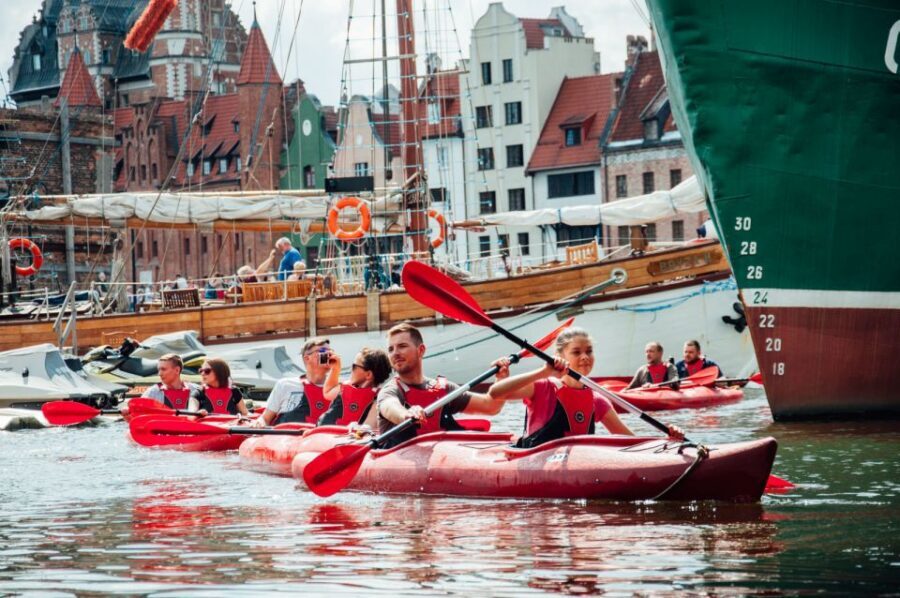
- Beginner-friendly setup: safety briefing first, then guided paddling with tandem kayaks and life jackets
- Iconic sights from the water: the Crane, Olowianka Footbridge, and waterfront embankments on the Motlawa
- Two islands up close: Granary Island and Olowianka Island are part of the route
- Canals and viewpoints most people miss: it’s not the same as ferry sightseeing
- Stories while you paddle: guides share history and building context as you pass key spots
- A real workout pace: plan for steady paddling and occasional currents, even with a partner in the kayak
Entering Gdansk by Water: Why the Motlawa Changes Everything
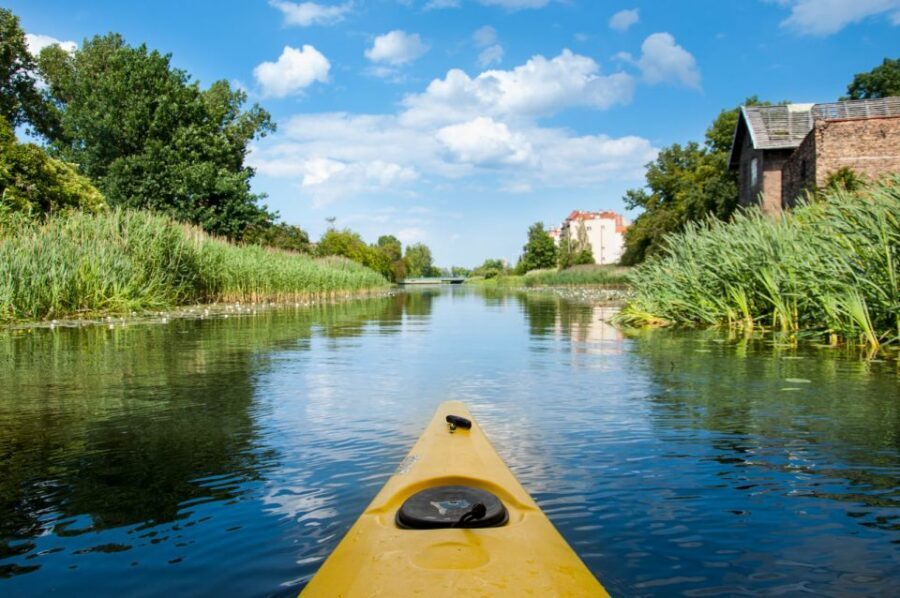
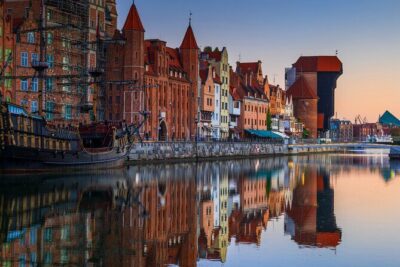
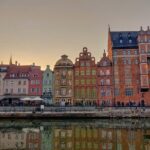
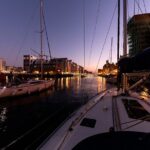
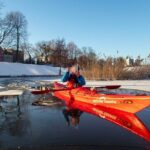
Gdansk looks great from land, but it turns downright memorable when you’re moving through it by kayak. The Motlawa Canal and nearby waterways put you at the same height as the waterfront buildings and shipyard structures, so details you’d miss from the street pop into view. You also feel the city’s edges—quiet stretches, then sudden views of historic monuments.
I especially like that this tour is built around access. Regular ferry rides stick to set routes, but a kayak gives you a tighter, closer line past embankments and along the canals. That’s how you get that I-can-see-the-city-from-a-new-angle feeling without needing special gear beyond what’s provided.
You’ll also notice the rhythm: paddling is slower than walking, so you can actually take in what you’re seeing. And because you’re on water instead of pavement, the whole experience feels more personal. One small-group note comes up again and again in guide feedback, and it makes sense: fewer people means more time for questions and better conversation during the route.
You can also read our reviews of more guided tours in Gdansk

Meeting Up at the Yacht Club: Gear, Safety Briefing, and What You’ll Do First
Start where the operation is easy to find. Look for Around Gdansk Kayak Tours & Adventures by the yacht club, then spot the red shipping containers. It sits toward the white dome tent, so you’re not wandering around hoping for a sign.
Before you paddle, you get a safety briefing (about 20 minutes). This matters more than people think. Kayak tours can feel intimidating, but a structured start helps you understand the basics fast: how to sit, how the paddle works, and what the guide expects from you. If you’re a first-timer, this is the part that makes the rest of the tour click.
You’re also set up with the essentials:
- Tandem kayaks and paddles
- Spray skirts
- Life jacket
- A waterproof bag
That combination reduces the stress of gear decisions and lets you focus on staying comfortable. The waterproof bag is particularly useful because you’ll want your phone and small items protected while you paddle.
Guide names show up in past customer feedback, such as Mike and Nick, and you may also see names like Szymon/Simon connected with earlier departures. You can expect a live English-speaking guide who’ll explain what you’re seeing as you go. (And yes, you’ll need to be able to communicate in English as part of the tour requirements.)
Finally, know the hard rule: everyone must be able to swim. It’s not a “should” situation; it’s required. If that’s not you, this is one of those tours where skipping is the smart move.
The Main City Segment: Crane Views, the Footbridge, and Radunia Canal
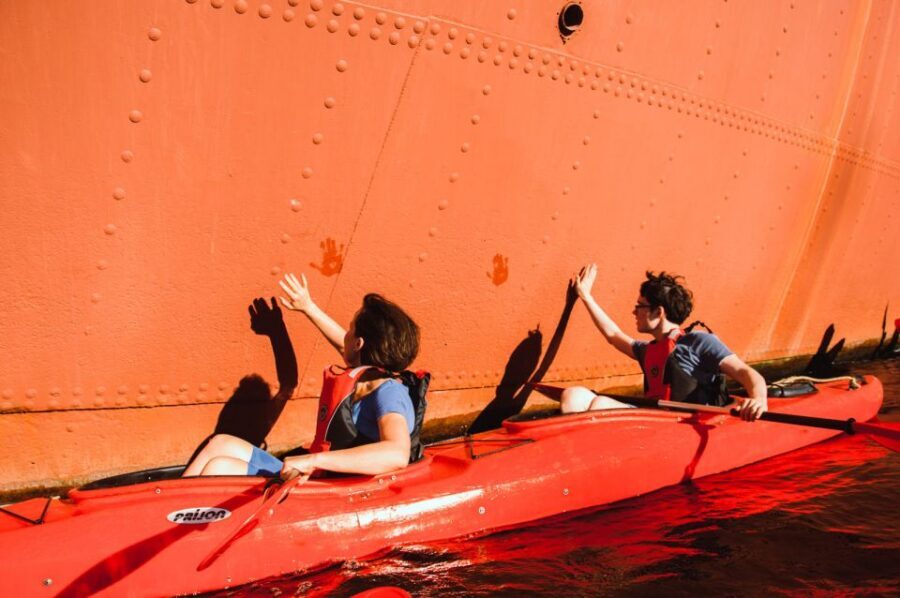
After the briefing, the tour shifts into real sightseeing mode. You’ll spend time in the Main City, and you can expect about two hours of guided kayaking and sightseeing on the water. This is where the landmarks are closest, and it’s where your guide’s explanations can turn a pretty view into something you actually understand.
A few highlights you’ll pass include:
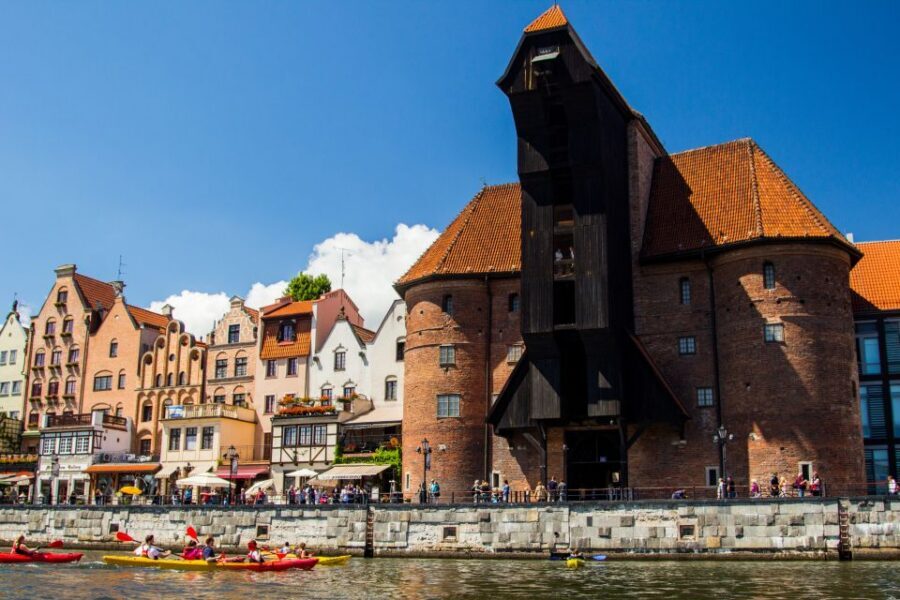
- The Crane (one of the most recognizable silhouettes in Gdansk)
- Olowianka Footbridge
- The Radunia Canal
Seeing The Crane from the water is different in a very practical way. From land, it’s often a backdrop. From a kayak, it becomes a landmark you glide alongside, with your line of sight changing as you move. It’s also easier to notice how the waterfront is shaped around shipping and trade.
The Olowianka Footbridge is another spot that plays well at kayak speed. You’re not just looking at it—you’re approaching, moving under/along its area, and noticing how foot traffic and canal traffic share the same space. It’s a good reminder that Gdansk is both a historic port city and a living urban center.
Then there’s the Radunia Canal. Even when you know Gdansk’s big monuments, canals often teach you how the city works day to day—where water routes connect, where edges open up for views, and where the city’s built form turns toward the river.
From a photo perspective, you’ll get chances, but this is not a tour designed around frequent long stops. Plan to take photos in motion or during brief pauses when the guide feels it’s safe and helpful. If you need a slow, stop-every-spot style, this may frustrate you a bit.
Granary Island and Olowianka Island: Two Stops That Feel Like a Different Gdansk
One of the best reasons to choose this tour is that it includes two islands by kayak: Granary Island and Olowianka Island. Most sightseeing in Gdansk stays on the waterfront paths, so you rarely get that “I’m surrounded by water and moving through the city’s layout” feeling.
Granary Island is a big part of why this experience works as more than just sightseeing. You can see how the city’s port heritage and water routes shape what’s where. From your kayak, the island isn’t just a landmark—it’s a physical divider that changes the view and the sense of space.
Olowianka Island works similarly, but with a different vibe. You’ll pass the area and then keep moving, which helps the islands feel like real parts of your route rather than quick photo stops. If you’ve only ever seen Gdansk from bridges, this is where the city starts to feel layered: land monuments, water corridors, and islands that act like connectors between them.
There’s also a nice emotional shift that people often miss in planning. When you move from one island area to another, the city stops being a list of sights and becomes a route you’re traveling through. That’s one reason reviews consistently call this a lifetime-type experience, even if you’re not an adrenaline seeker.
Beyond the Photos: Shipyard Power and the Baltic Philharmonic From Water Level
After the Main City section, you’ll still be in the thick of Gdansk’s waterfront identity. The route includes the Gdansk Shipyard area and passes key cultural architecture like the Polish Baltic Philharmonic.
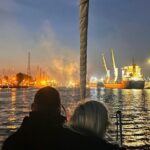
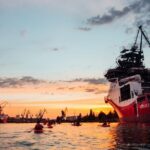
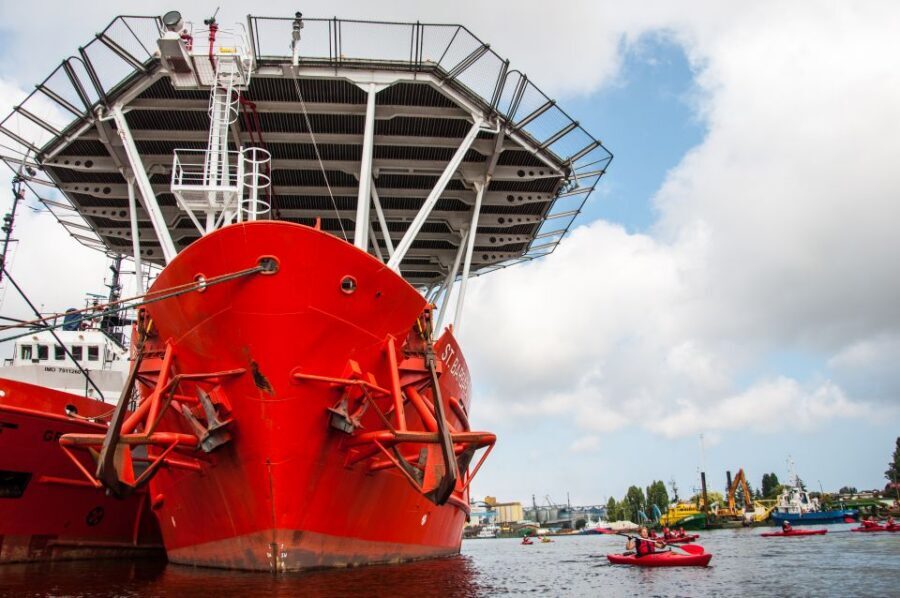
The shipyard stretch is worth your attention for one simple reason: it’s industrial history you can actually see in scale. From land, shipyard buildings can feel flat or distant. From water level, their size and structure feel more immediate, and you understand why the city grew around this kind of work.
The Polish Baltic Philharmonic is an interesting contrast. It shows a different side of the waterfront—music and culture instead of cranes and trade. Kayak travel is good at creating these contrasts because your viewpoint shifts as you turn corners and move along embankments. In other words, the city doesn’t just repeat itself; it changes.
If you like tours that explain what you’re looking at, this is where your guide’s stories can land well. With a live guide in English, you’re not just collecting photos—you’re collecting context for the buildings you’re passing.
A few more Gdansk tours and experiences worth a look
Paddling Reality: Fitness, Weather, and Safety Rules You Should Know
This is a 150-minute outing, and you should treat it like active sightseeing. Even if you’re in a tandem kayak, you’re still doing real work with your arms and core. One review point that’s practical for your planning: expect steady paddling and sometimes working against the current. So bring the mindset of a workout, not a floating cruise.
Good news: tandem kayaks make pacing easier. One person can rest while the other paddles, depending on how your guide manages it. Still, don’t count on coasting the entire time.
Weather is another factor. The tour runs in rain or shine, which means you should dress for wet conditions and cool wind off the water. This is exactly the sort of tour where comfortable shoes help, because you’ll likely be moving on uneven ground before and after you get to the water.
You also need to meet safety requirements:
- Not recommended for people with back or heart problems or serious medical conditions
- Not suitable for wheelchair users
- Not suitable for non-swimmers
- Age: children welcome only 12+
- Anyone under 18 must be with an adult
- Weight limit: 243 lbs / 110 kg
And there are standard behavior rules: no smoking and no alcohol or drugs. If you’re traveling with a group, this is also the sort of activity where you can trust the rules because the environment is water-based.
If you’re unsure, ask yourself one question before booking: am I comfortable being on the water with a life jacket and knowing I can swim? If yes, you’re in the right lane.
Price and Value: Getting Your Money’s Worth at $47
At $47 per person for 150 minutes, this tour prices itself like active, guided fun rather than a long museum day. The value comes from a few clear things you’re getting that would cost you separately elsewhere: the kayak setup, life jacket and spray skirt, and a guide who teaches while you ride.
You’re also not paying for complicated transport. Hotel pickup isn’t included, which might mean you spend a little extra time getting to the meeting point yourself. But it also keeps the tour price focused on the core experience: time on the Motlawa with a guide and the right equipment.
I think it’s good value if you want something hands-on. Kayaking gives you a perspective you can’t replicate by walking streets or taking a standard ferry route. In a city full of architecture, that kind of viewpoint is often what you remember later, even more than which building you saw.
One practical note: snacks aren’t included. With active paddling, you’ll feel better if you eat before you go and maybe carry water. (Some past guests specifically mention paddling time that can feel long, and planning hydration helps.)
Practical Tips That Make the Tour Smoother
You don’t need special kayaking skills, but a little preparation makes the day easier.
Bring:
- Comfortable shoes you’re okay getting a bit wet
- Weather-appropriate clothing for rain or shine
- A plan for phone use (the waterproof bag helps, but you’ll still want your setup ready)
Wear and move like you’re on wet ground. Keep your hands dry and your small items organized so you can focus on paddling. If your goal is photos, consider taking a quick moment to adjust your grip and camera setup before you start moving fast.
Also, go in expecting a pace that may not feel like walking speed. The guide will manage the group and your comfort level, and reviews highlight that guides often keep the outing relaxed. Still, you should be ready to paddle steadily for long stretches.
Finally, if you’re the type who loves asking questions, this tour rewards you. You’re close to your guide and your route is structured, so you can get explanations while you’re passing real landmarks like The Crane, Olowianka Footbridge, and the shipyard areas.
Should You Book the Guided Kayak Tour of Gdansk?
I’d book this if you want a real change of viewpoint and you like active sightseeing. The route includes the iconic waterfront sights, plus Granary Island and Olowianka Island, which are a strong reason to choose kayaking over typical city tours. If you’re comfortable swimming, can handle steady paddling, and you don’t mind being out in typical Baltic weather, this is an excellent way to see Gdansk in a way most people don’t.
I’d skip it if you’re not able to swim, have serious back/heart concerns, or you’re looking for a fully relaxed, low-effort activity. And if English isn’t workable for you, the tour won’t match what the guides can support.
If you fit the requirements, this is one of those “do it once” experiences that adds a new layer to your understanding of Gdansk’s water-and-industry story.
FAQ
How long is the Gdansk guided kayak tour?
The tour duration is 150 minutes.
What is included in the tour price?
You get a guide, waterproof bag, tandem kayaks and paddles, spray skirts, and a life jacket.
Do I need prior kayaking experience?
No. The tour is described as beginner-friendly with easy-to-learn techniques.
Where do I meet the guide and group?
Walk by the yacht club and look for the red shipping containers, located toward the white dome tent.
Is the tour available in bad weather?
Yes. The tour takes place in rain or shine.
Do children get to join?
Children are welcome only for ages 12 and above. Anyone under 18 must be accompanied by an adult.
Is swimming required?
Yes. Everyone has to be able to swim.