REVIEW · KRAKOW
From Krakow: Auschwitz-Birkenau Full-Day Guided Tour
Book on GetYourGuide →Operated by Royal Tours Krakow · Bookable on GetYourGuide
Two camps in one day. The Auschwitz-Birkenau Memorial Museum is the kind of place that resets your sense of history fast, and this full-day guided trip helps you make sense of what you’re seeing with a licensed guide and headsets. I also like that you get pickup from Krakow and ride in an air-conditioned minivan, so you start the day focused, not frazzled.
One thing to plan for: your schedule can shift slightly. The museum controls the flow, and preferred times aren’t guaranteed, so you may get a different departure window and there’s no refund tied to that change. Also, this is a long, heavy experience with lots of walking, and it isn’t recommended for kids under 14.
In This Review
- Key Highlights You’ll Feel Immediately
- A One-Day Auschwitz-Birkenau Plan That Actually Works
- Leaving Krakow: Comfortable Minivan and a Realistic 7-Hour Day
- Auschwitz I: The Gate, the Barracks, and Block 11
- The Guided Tour Model: Why Headsets and Structure Matter
- Auschwitz II-Birkenau: The Scale Shock (and Why It’s Essential)
- Getting Through the Rules: ID, Clothing, Bags, and Comfort
- Transportation, Breaks, and What to Expect From the Day Rhythm
- Price and Value: What $89 Actually Buys You
- Who Should Book, and Who Might Want a Different Option
- Should You Book This Auschwitz-Birkenau Day Trip?
- FAQ
- How long is the Auschwitz-Birkenau full-day guided tour from Krakow?
- Is pickup from my accommodation included?
- Will I be guided at both Auschwitz I and Auschwitz II-Birkenau?
- How much time is spent on the guided tours?
- What language is the tour guide?
- What do I need to bring for entry?
- Are there any clothing or bag restrictions?
- Is this tour suitable for children?
Key Highlights You’ll Feel Immediately
- Licensed guiding with headsets so the explanations stay clear even while you’re moving.
- Two distinct sites in one structured day: Auschwitz I and much-larger Auschwitz II-Birkenau.
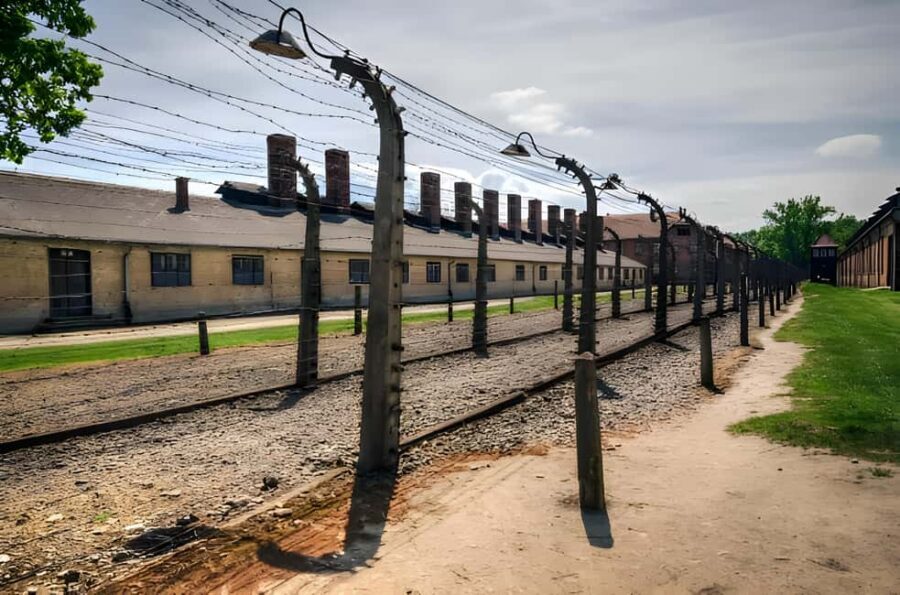
- Auschwitz I details that matter: the gate slogan, 22 brick barracks, and Block 11.
- Block 11 context: where special torture chambers operated and where early Zyklon B extermination attempts occurred.
- Birkenau scale and memory: the largest camp area, ending with time to pay respects.
- Skip the ticket line plus transport handled, which keeps your day running smoothly.
A One-Day Auschwitz-Birkenau Plan That Actually Works
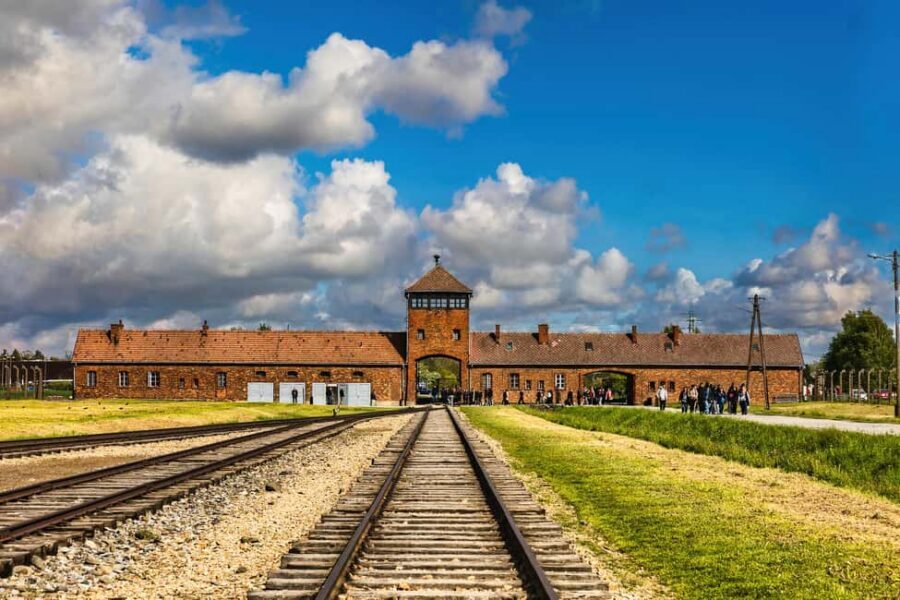
Auschwitz-Birkenau is not just a destination. It’s a responsibility. The biggest problem people run into is not getting there—it’s trying to process too much on their own, too fast, without the right context. This tour is built to solve that. You leave Krakow, visit both camps in one day, and you’re guided through what you see so your brain can connect the dots instead of just taking in horror.
I like that the day is organized around meaning, not just photos. Auschwitz I helps you understand the camp’s early function and structure, while Auschwitz II-Birkenau shows you the staggering scale of what came later. Between the two, you get a clearer picture of how the system evolved.
Value-wise, you’re paying for three things that matter a lot here: transport, entry, and a live licensed guide. When the topic is this serious, those pieces reduce friction so you can give your attention where it belongs.
You can also read our reviews of more guided tours in Krakow

Leaving Krakow: Comfortable Minivan and a Realistic 7-Hour Day
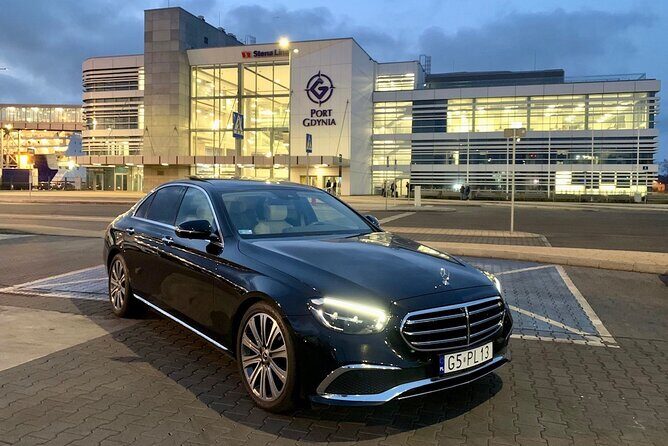
This trip is about 7 hours total, and the pacing is built around the reality of a controlled museum visit. After pickup in Krakow (optional, depending on your option), you ride by air-conditioned minivan to Oświęcim. The drive is about 1.5 hours, and that matters because you start with a full day ahead, not just an afternoon.
Timing is also where you’ll notice the difference between a smooth day and a chaotic one. The tour includes set breaks and scheduled guided time, but the museum ultimately sets the pace. Expect controlled entry and time blocks rather than a completely free-flow schedule.
There’s a comfort factor here, too. Minivan transport feels more personal than a big bus, and reviews point out that the ride is comfortable and well run. You also get headsets, which is huge when you’re walking through different parts of the memorial where the wind and crowds can make it hard to hear.
Auschwitz I: The Gate, the Barracks, and Block 11
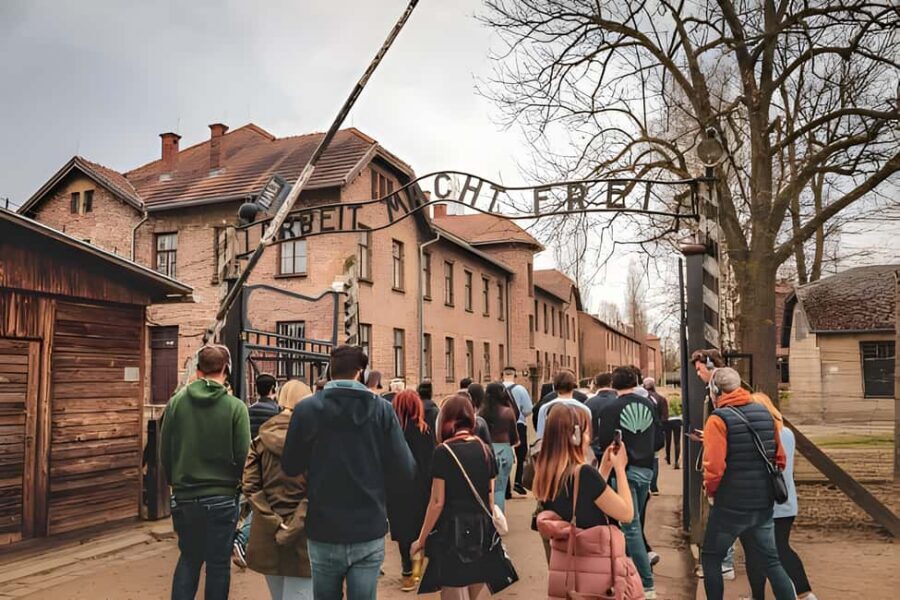
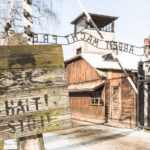
Auschwitz I is where the tour begins, and it’s the part that often hits people first because it’s more visually “readable.” This is where you walk toward the gate with the slogan Arbeit Macht Frei (Work Sets You Free). It’s the kind of detail that’s chilling not because you’ve never seen it before, but because it’s so aggressively at odds with what happened behind it.
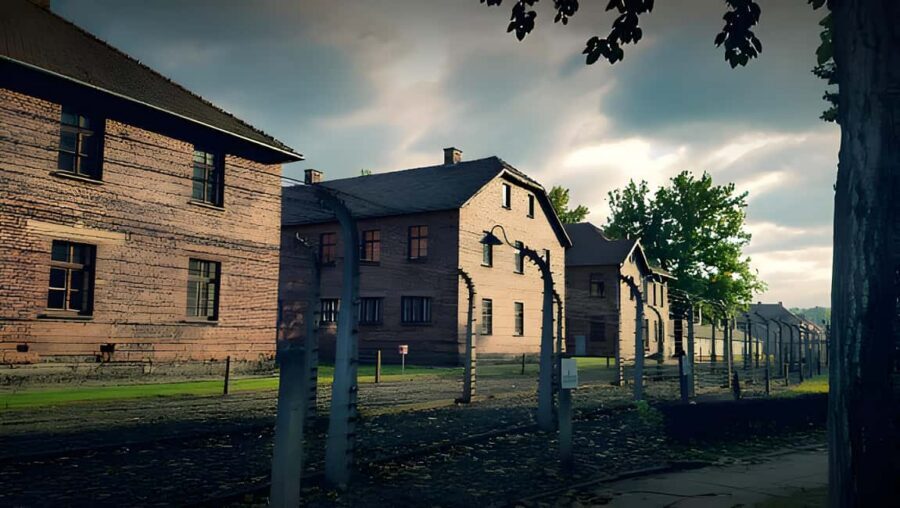
From there, you see the camp’s structural core: 22 brick barracks where hundreds of thousands of victims of the Holocaust were held. The guide’s job here is important. Without explanation, it’s easy to get lost in the architecture and forget what it meant for human lives. With a licensed guide, you’re more likely to connect what you see—spaces, buildings, layout—with the historical purpose.
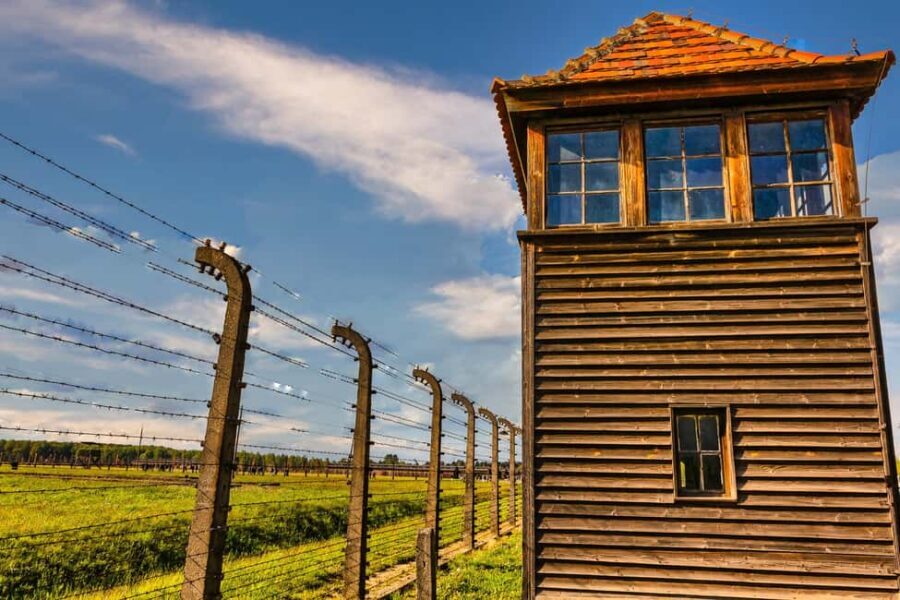
Then comes one of the most psychologically difficult parts: Block 11, often described as the prison within the prison. This is where special torture chambers were used and where punishments were carried out. The tour also points out that early extermination attempts using Zyklon B took place in this block, and that the only crematorium and gas chamber still standing are at the end of the camp.
It’s a lot for one site. That’s why the guided time here is substantial—about 105 minutes of tour time—plus a short break. You aren’t rushed through the grounds like a checklist. You’re given enough time to absorb and ask questions (as much as the guide’s flow and museum rules allow).
The Guided Tour Model: Why Headsets and Structure Matter
This is one of those days where “self-guided” sounds tempting, because you’d like the freedom. But it’s also the kind of freedom that can fall apart fast: you may miss what buildings symbolize, you may misunderstand what certain areas represent, or you may just feel overwhelmed without any storyline.
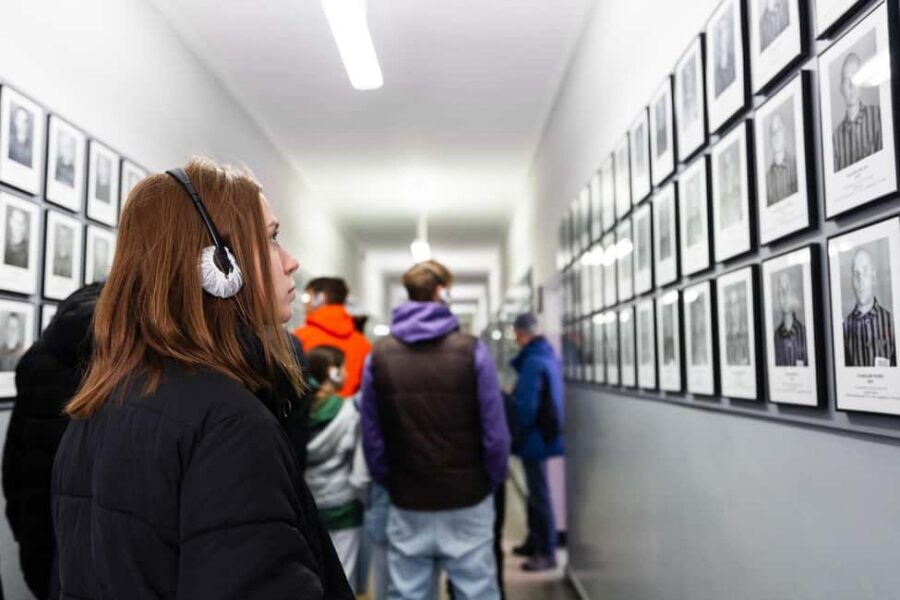
That’s where the structure helps. You’re guided at Auschwitz I and again at Birkenau, and you receive headsets, so you’re not constantly straining to hear instructions. The tour also includes a booklet available in different languages, which gives you something to follow along with when you need a moment to step back and read.
From guides named in past tour feedback—like Monika, Joanna, and Jakob—the common thread is that the explanations are detailed and people feel comfortable asking questions. Even if you’re confident in history, you’ll likely appreciate someone putting the sequence of events and the camp functions into plain language while you’re standing where they happened.
One note of caution: the museum controls how long everything takes. The breaks aren’t something the operator can stretch or shorten. So if you’re the type who hates uncertainty, you’ll want to bring patience—and good footwear.
Auschwitz II-Birkenau: The Scale Shock (and Why It’s Essential)
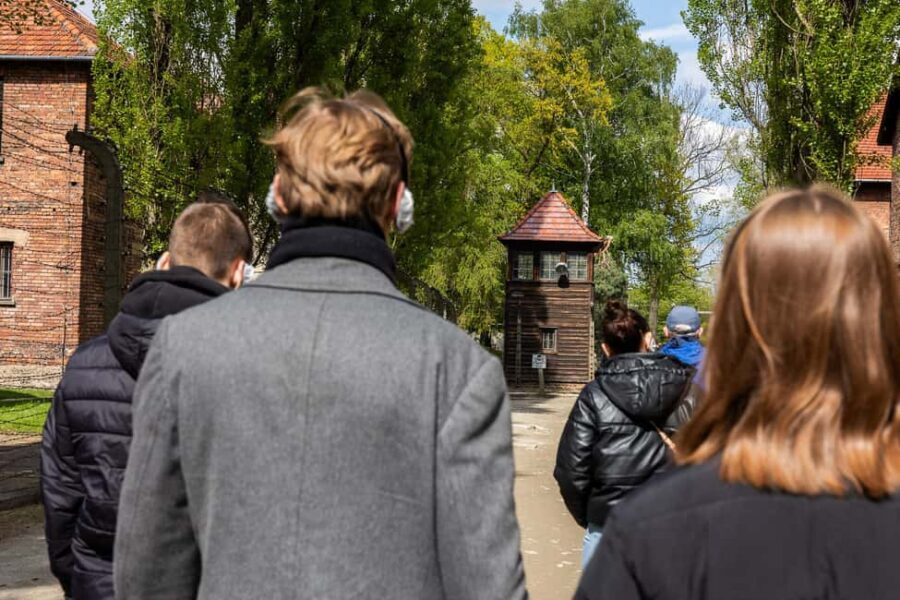
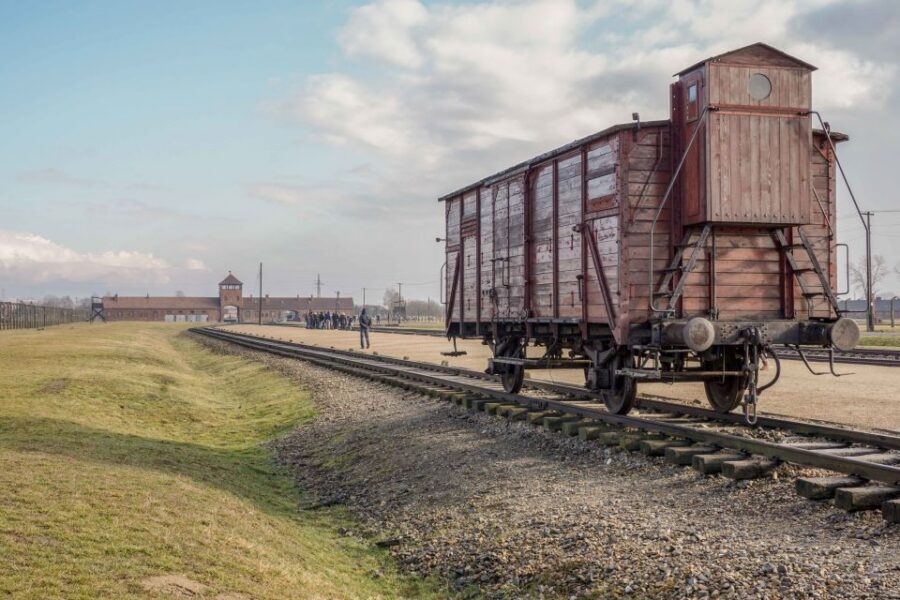
Then you travel from Auschwitz I to Auschwitz II-Birkenau, which is 25 times larger. That jump in scale is not a small detail. It’s the difference between understanding a camp as a set of buildings and understanding it as a vast system built for industrial-scale murder.
The tour time at Birkenau includes about 20 minutes of break time, followed by around 1.5 hours of guided tour. This is the portion that often leaves people speechless—not only because of the subject matter, but because the site shows you how the geography of the camp mattered.
You’re told that over 1 million people died here. That number is enormous, but what the guide helps you do is translate “enormous” into something concrete: spacing, arrangement, and how the camp functioned. It’s not just memory; it’s comprehension.
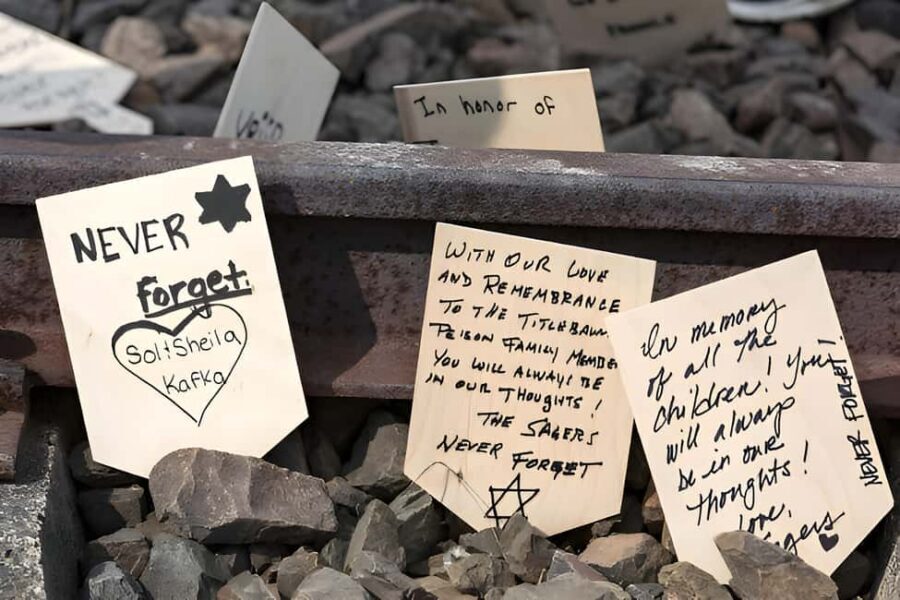
At the end, the visit finishes with time to pay your respects to the victims before heading back to Krakow. That ending matters. It turns the day from a sightseeing activity into a structured act of remembrance.
A few more Krakow tours and experiences worth a look

Getting Through the Rules: ID, Clothing, Bags, and Comfort
This memorial has specific requirements, and they’re not optional.
What you should bring:
- Passport or ID card (and you’ll be entering using the name you provided at booking)
What to wear:
- No sleeveless shirts
Bag limits:
- Bags bigger than 20x30x10 cm are not allowed in the Auschwitz museum.
Plan for the physical part:
- There’s a lot of walking. Comfortable trainers/boots are a practical must. Even if the day is scheduled well, the grounds are still uneven and long.
Also be ready for a key administrative point: you must provide your full name and contact details as part of the booking, and entrance can be refused if your booking name doesn’t match your ID exactly.
One small but useful tip from real-world experience on similar organized visits: bring water. Cold weather doesn’t change the fact that you’ll be on your feet, and staying hydrated helps you handle the long day with more steadiness.
Transportation, Breaks, and What to Expect From the Day Rhythm
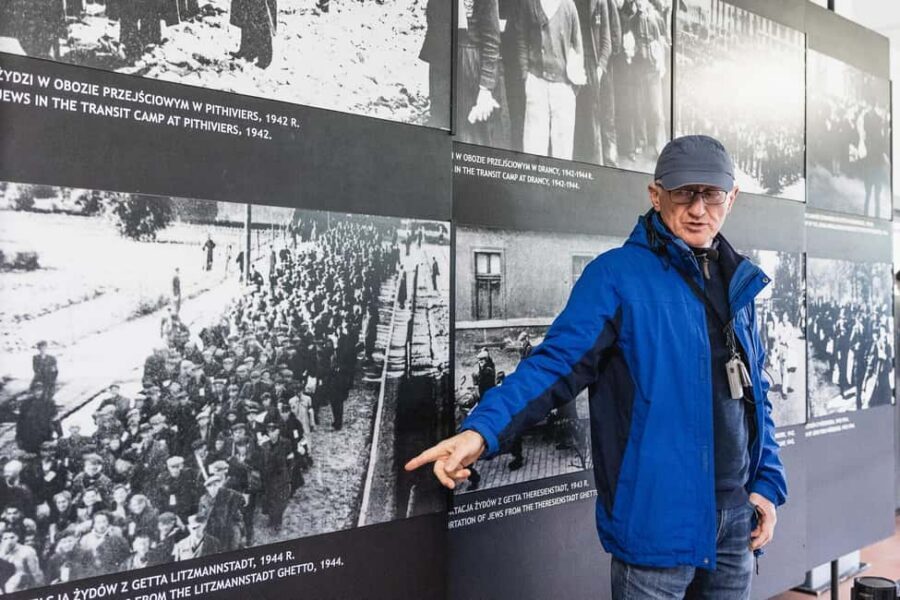
The itinerary is built around travel time and museum time, with breaks inserted so your brain can process what you just learned. You’ll have:
- About 1.5 hours of driving each main travel segment
- A short break at Auschwitz I
- A longer break at Birkenau before the second guided segment
People often underestimate how tiring it is to focus intensely for hours. Even if you’re emotionally prepared, your body still needs reset time. That break rhythm is one reason this works better than a too-fast “in and out” approach.
One more detail: preferred tour time isn’t guaranteed. The operator may contact you the day before to confirm a new time. If your schedule is tight, build in flexibility for that.
Price and Value: What $89 Actually Buys You
At $89 per person for a full day, the value question is fair. This price isn’t only “entry to a museum.” It’s also:
- Pickup and drop-off at your accommodation (optional depending on option)
- Air-conditioned minivan transport
- Skip-the-ticket line
- Entrance fees
- A local guide plus headsets
- A multilingual booklet (languages vary)
If you were to cobble everything together alone, you’d still pay for entry and likely spend time coordinating transport and timing. Here, those pieces are bundled so the day runs as one unit. The biggest practical win is less waiting and less confusion at the gates—exactly what you want on a day where your attention needs to be on the site, not logistics.
Also, you get live guiding during the core visits (Auschwitz I and Auschwitz II-Birkenau). For many people, that’s the difference between seeing the buildings and understanding what they meant.
Who Should Book, and Who Might Want a Different Option
This tour is best for adults and teens who can handle a serious, heavy subject with patience. It’s not recommended for children under 14, which is consistent with how emotionally and physically demanding the day is.
It can also be a strong choice if:
- you want a guided narrative that connects what you see
- you prefer scheduled transport rather than navigating a day trip on your own
- you like having headsets so you don’t miss key points in busy sections
If you’re traveling with someone who is sensitive to intense historical content, talk through expectations before you go. The day will be emotional. The benefit of the guide is that it helps keep you grounded in context, not just shock.
Should You Book This Auschwitz-Birkenau Day Trip?
Yes—if you want a guided, organized, full-day experience that reduces stress and gives you structure for a very hard subject. I’d book it if you care about understanding what you’re looking at, not just checking off a famous location.
Skip it or consider another format if:
- your schedule cannot handle a possible time shift (museum timing isn’t guaranteed)
- you’re traveling with kids under 14
- you’re not comfortable with long walking and the memorial’s practical limits on bags and clothing
If you do book, go in with two priorities: wear comfortable shoes, and bring your ID with the same name you used for booking. The rest—transport, entry, and the guiding—has been set up to keep the day moving smoothly.
FAQ
How long is the Auschwitz-Birkenau full-day guided tour from Krakow?
The tour lasts about 7 hours in total.
Is pickup from my accommodation included?
Pickup is included in some options, and you can also have pickup from your accommodation in Krakow (depending on the selected option). Drop-off locations are provided afterward.
Will I be guided at both Auschwitz I and Auschwitz II-Birkenau?
Yes. You’ll have a guided tour at Auschwitz I and another guided tour at Auschwitz II-Birkenau.
How much time is spent on the guided tours?
The guided tour at Auschwitz I is about 105 minutes, and the guided tour at Auschwitz II-Birkenau is about 1.5 hours.
What language is the tour guide?
The live tour guide is available in German, English, or French. The driver is listed as English-speaking.
What do I need to bring for entry?
Bring your passport or ID card.
Are there any clothing or bag restrictions?
Sleeveless shirts aren’t allowed. Bags bigger than 20x30x10 cm aren’t allowed in the Auschwitz museum.
Is this tour suitable for children?
It’s not recommended for children younger than 14 years old.