REVIEW · KRAKOW
Kraków: Auschwitz-Birkenau & Salt Mine Full-Day Guided Tour
Book on GetYourGuide →Operated by KrakowTouring.com · Bookable on GetYourGuide
Two sites, one unforgettable day. This full-day Kraków tour pairs Auschwitz-Birkenau with the underground Wieliczka Salt Mine, so you get a hard look at World War II history and then a surprising shift to centuries-old craftsmanship underground. It’s guided start to finish with English-speaking museum historians and a professional driver, plus a headset system so you don’t miss key details.
I like that the Auschwitz portion is guided by museum-provided staff, which keeps the focus on the facts and the place itself. I also like the salt mine contrast: you’re not just “seeing rocks,” you’re walking a marked route with a guide through chapels and carved sculptures at depth, then getting some free time too. The main drawback is simple: it’s a very long day and it starts early, with a lot of walking and stairs at the mine.
In This Review
- Key highlights to know before you go
- A long day that starts early: timing from Kraków
- Auschwitz I: Arbeit macht frei, preserved spaces, and a guided lesson
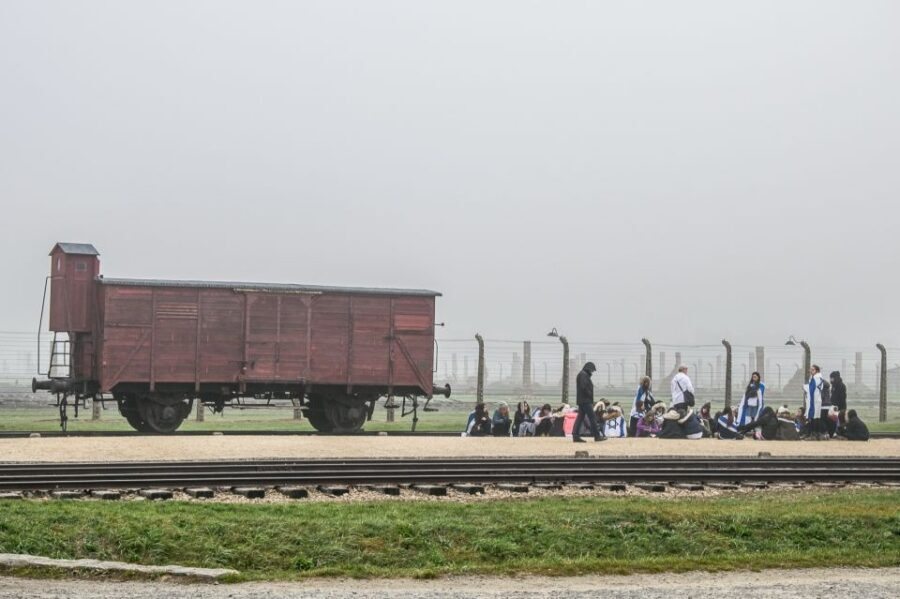
- Auschwitz II-Birkenau: seeing the scale behind the Final Solution
- Lunch break on the clock: planning fuel for a long day
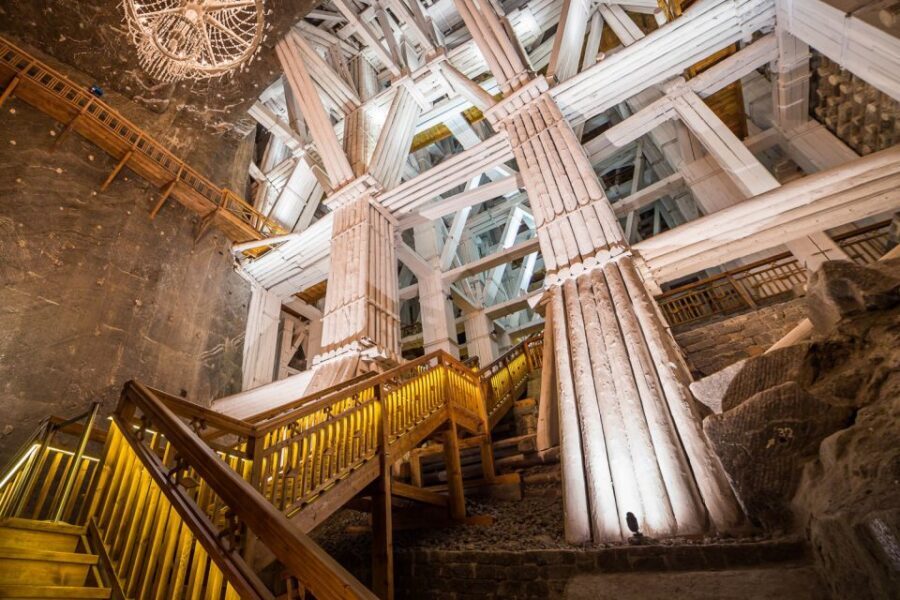
- Wieliczka Salt Mine: 800 steps down and chapels carved in rock salt
- Price and logistics: why $27 can work (and where it may disappoint)
- What to bring, what to wear, and the rules that matter
- The guides: where the experience really becomes clear
- Should you book this Auschwitz and Wieliczka day trip from Kraków?
- FAQ
- What’s the total duration of the tour?
- Do I need a passport or ID for this tour?
- Is food included?
- What language are the guides?
- Is ticket-line waiting included or skipped?
- What are the luggage limits?
- Is this tour suitable for wheelchair users or limited mobility?
- Can I cancel for a refund?
Key highlights to know before you go
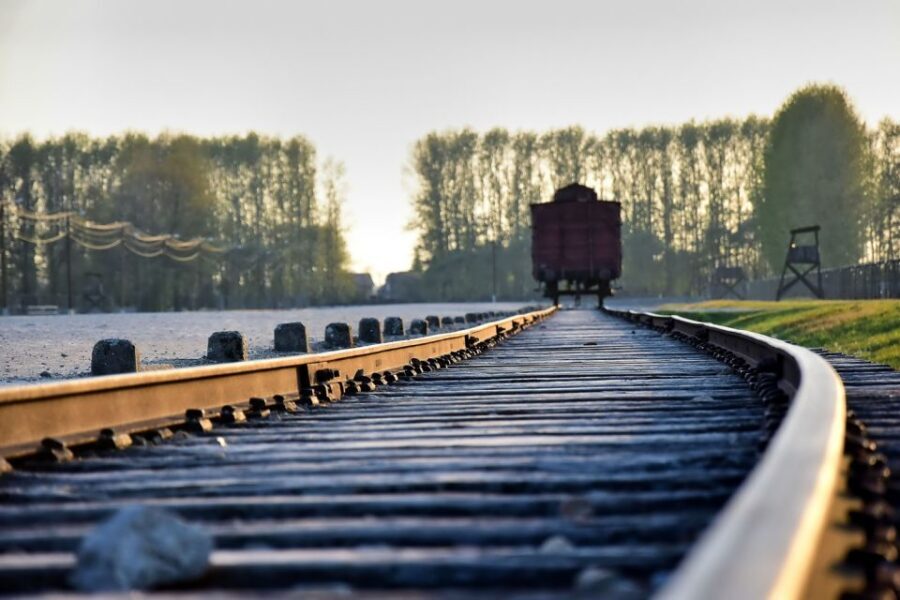
- Auschwitz-Birkenau with museum-led English guidance gives context and keeps the tone respectful and factual
- Headsets included help you hear the guide even when groups move and paths get crowded
- Wieliczka includes a guided underground route plus free time, so you get both structure and breathing room
- 800 steps down to 135 meters and about a 2-kilometer walk on the mine route
- Salt mine art and religion in rock salt: dozens of statues and four chapels miners carved
A long day that starts early: timing from Kraków
This tour runs about 11 hours total, with a start window between 5:00 AM and 10:00 AM depending on your pickup option. The exact pickup time is sent to you by email the day before, and it can shift based on where you’re picked up. Plan your morning like a mission: set an alarm you can trust, and don’t count on sleeping in.
The ride is in an air-conditioned minibus, which is a real plus in Kraków’s winter cold. You also get a professional tour leader/driver, plus headsets so the guide’s voice doesn’t vanish when everyone’s trying to hear over bus chatter and walking. One practical heads-up: the bus can feel tight for legroom, even though there’s overhead space.
There’s another timing thing worth knowing. The typical plan is Auschwitz first and then Wieliczka, but your operator may switch the order depending on the day. That means if you have a preference—either going to the mine first for an easier emotional start, or doing Auschwitz while your head is already in serious mode—keep an eye on the final day-of instructions you receive.
You can also read our reviews of more guided tours in Krakow
Auschwitz I: Arbeit macht frei, preserved spaces, and a guided lesson
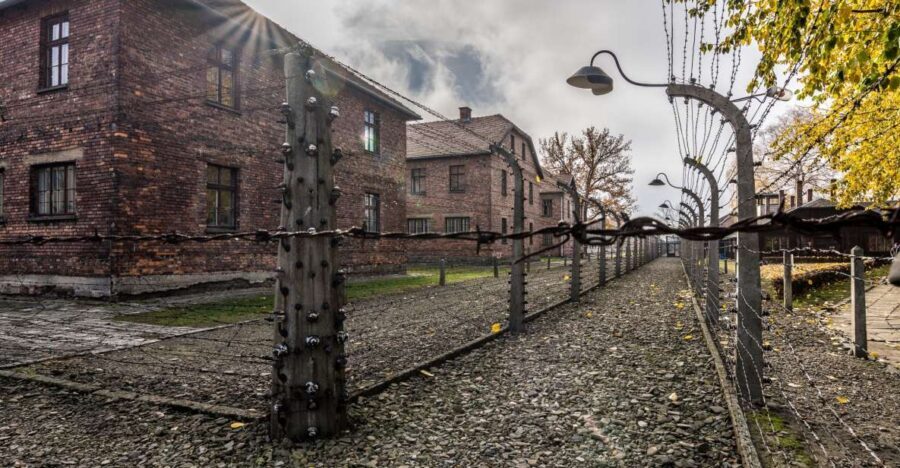
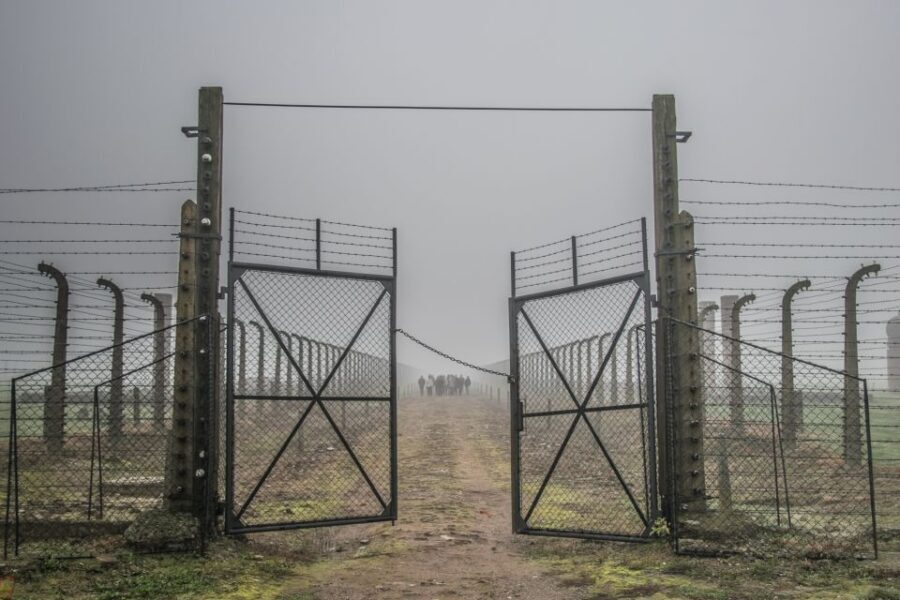
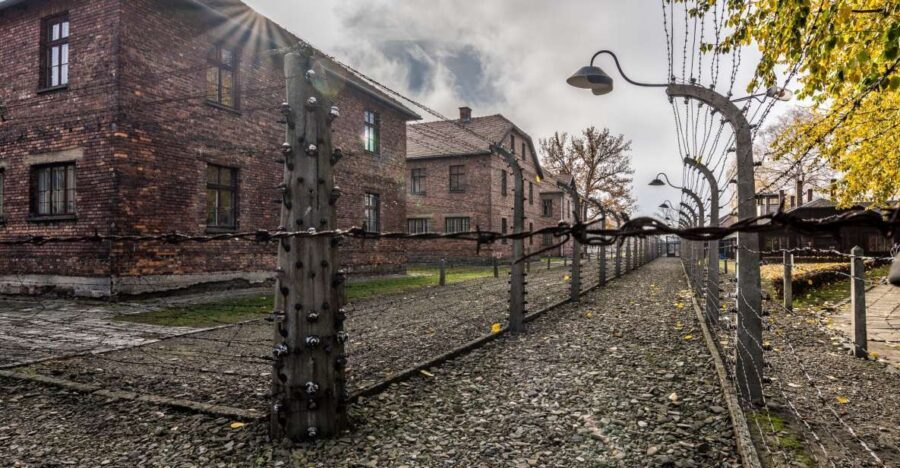
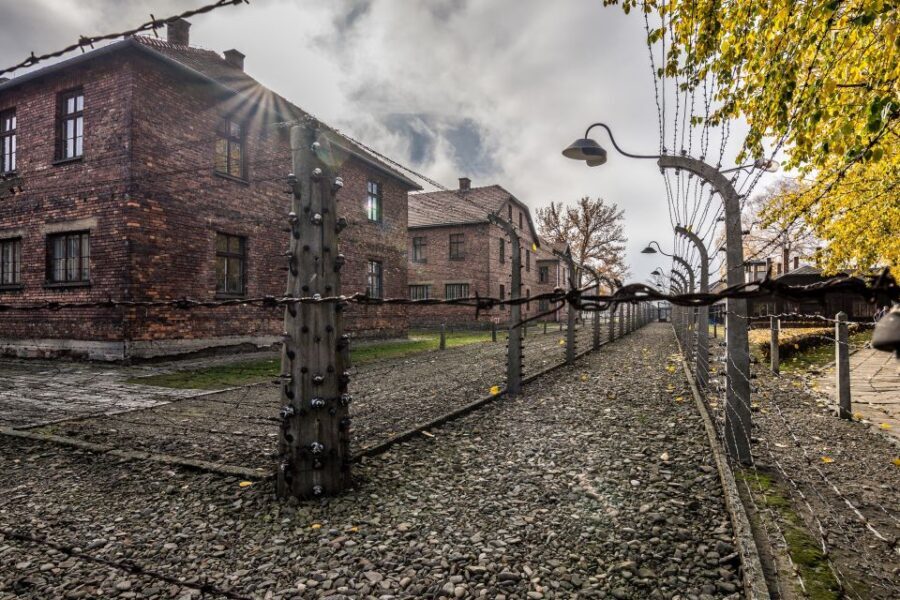
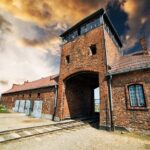
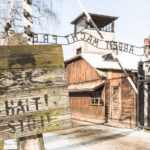
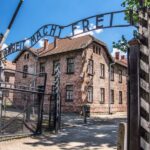
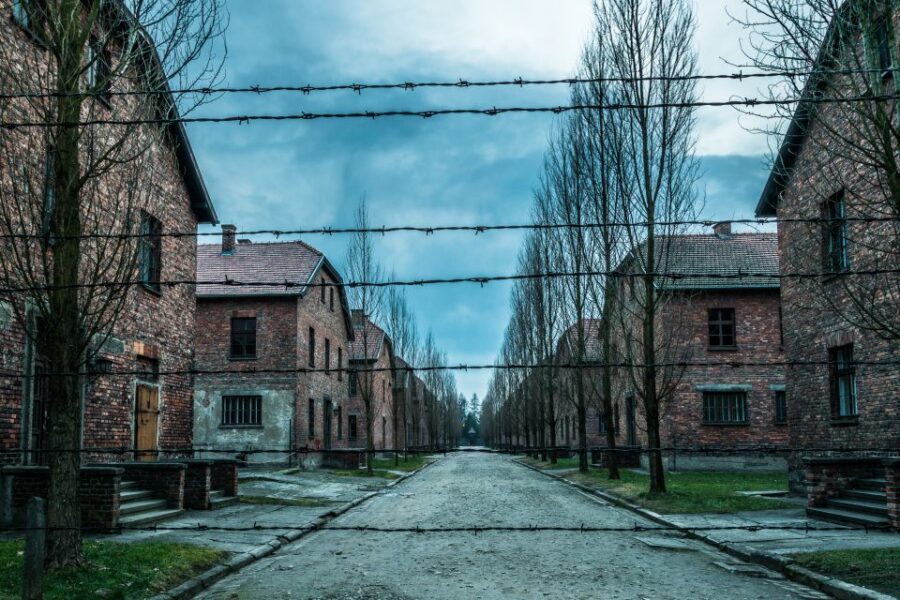
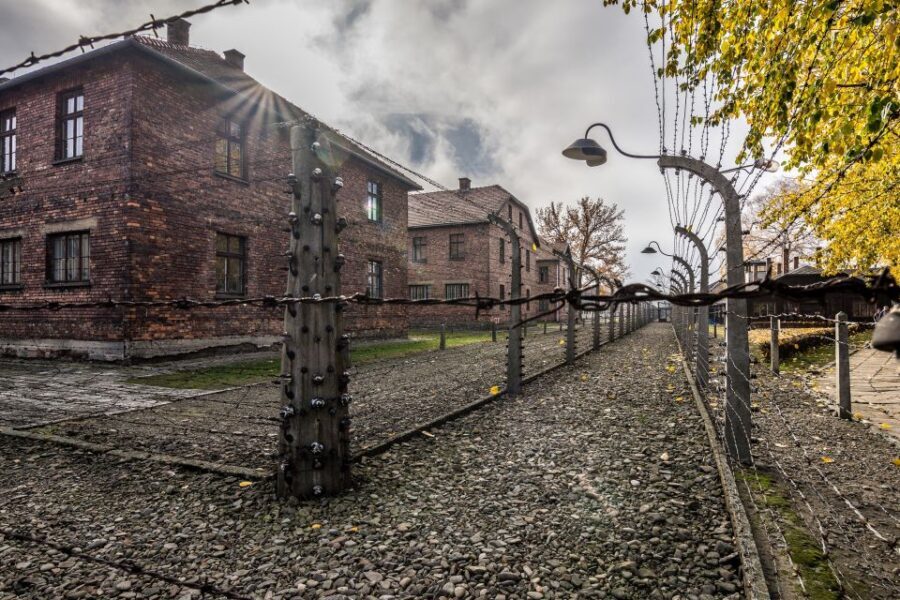
The day starts at the Auschwitz-Birkenau Museum, and the first big block is Auschwitz I with a guided tour of about 2 hours. This is where the experience is most concentrated and most emotionally heavy. You’ll go through the gate with the inscription Arbeit macht frei, then your guide leads you through the preserved parts of the site and explains how the camp functioned.
What I appreciate here is that you’re not just walking through ruins. You’re being guided through preserved areas where the layout and surviving elements help you understand what happened. This is also museum-led education in English—your guide is provided by the Auschwitz-Birkenau Museum and described as a professional educator and historian—so you’re more likely to get clear, place-based explanations rather than vague storytelling.
You should also expect a very solemn atmosphere. That matters because it changes how you experience everything else. You’ll want a respectful pace. Use the time to absorb details you might otherwise miss: where people were held, how spaces were organized, and how the camp’s purpose was tied to Nazi policy.
Practical note: there’s a short break afterward (about 10 minutes). It’s not long enough to do anything major, so treat it as a reset—use the restroom, check you’ve got what you need, and get ready to move again.
Auschwitz II-Birkenau: seeing the scale behind the Final Solution
After the short break, you move to Auschwitz II-Birkenau for about 1 hour of guided touring. This portion focuses on the second camp where mass killings took place as part of the Nazi plan known as the Final Solution to the Jewish Question.
Birkenau is harder in a different way than Auschwitz I. Auschwitz I can feel like a timeline you understand in smaller pieces. Birkenau tends to show you scale—the way a system becomes a machine. Even when you’re only there for an hour, the guide’s explanations help the site make sense as more than a list of horrors.
The tour highlights mention seeing original barracks and where prisoners were held, and the Birkenau portion is where those realities often come into sharper focus. Expect the walking to be steady and the emotions to come in waves. Bring your attention like you would for a lecture: if you feel overwhelmed, you’re still there to learn, and it’s okay to take a breath and slow down.
Lunch break on the clock: planning fuel for a long day
After the Auschwitz portion, the tour takes you toward the Wieliczka Salt Mine. Before you enter the mine, you have about 1 hour lunch break.
Food isn’t included. That’s not unusual for tours, but it does change what you should do before you head out. If you get stuck with only snack options, you can end up paying too much or feeling too rushed. I recommend packing something simple and filling—something you can eat quickly and that won’t require a lot of time. If you prefer a hot meal, plan that into your schedule and timing.
Also, consider the morning start. People have mentioned that early pickups can mean freezing temperatures, especially in winter months. Warm layers aren’t just comfort; they help you stay focused for the rest of the day.
Then you head onward to the mine, and the rest of the experience runs underground—cooler air, different surfaces, and more walking.
Wieliczka Salt Mine: 800 steps down and chapels carved in rock salt
The Wieliczka Salt Mine is the fun contrast to Auschwitz, but it’s not “light” in the sense of being shallow. It’s a UNESCO World Heritage Site and one of Poland’s official national Historic Monuments, and it’s famous for more than tourist photos.
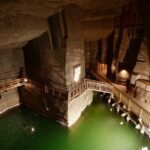
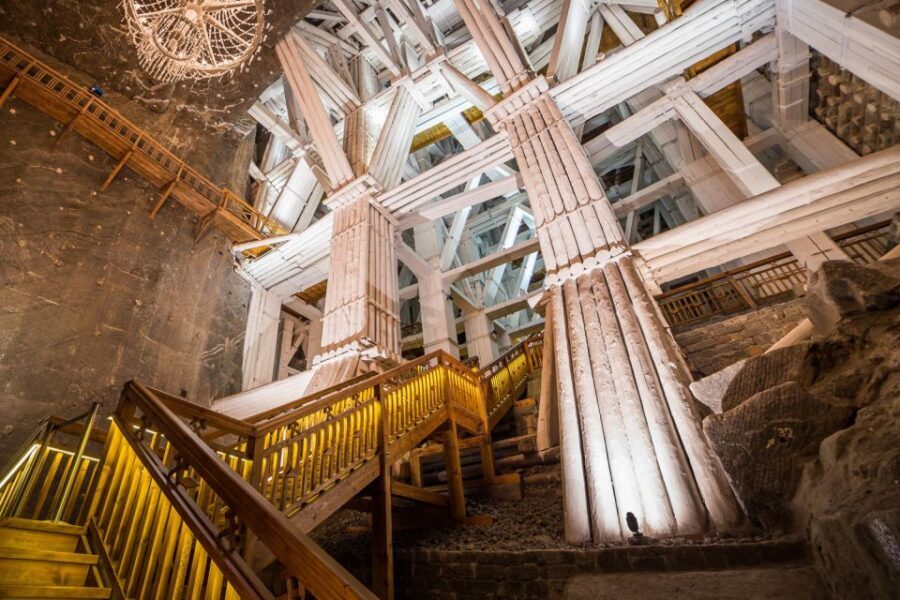
Here’s the physical reality first: you descend 800 steps to reach a depth of about 135 meters. Once you’re underground, you’ll notice the temperature change right away. Then you follow a route of about 2 kilometers through different chambers.
This part has two layers:
- There’s free time (about 1 hour) to explore at your own pace.
- Then there’s a guided tour (about 2.5 hours) with a mine guide.
During the mine portion, you’re looking at an underground art museum built over centuries. The mine includes dozens of statues and four chapels carved by miners directly from rock salt. There are also additional carvings made by contemporary artists, so you see how the tradition evolved rather than staying frozen in time.
This is also the part of the day where you can be a bit more playful without losing respect for place. Take your time looking closely at the salt details. If you like photos, plan to stop often—part of the enjoyment is seeing how the carvings survive and how the light hits the salt surfaces.
A few more Krakow tours and experiences worth a look
Price and logistics: why $27 can work (and where it may disappoint)
At around $27 per person, the value here comes from what’s bundled. You get hotel pickup and drop-off, transportation in an air-conditioned minibus, and both major portions are guided by English-speaking live guides (museum-led at Auschwitz and a guide at the salt mine). You also get a professional tour leader/driver, insurance, and headsets—small items that matter a lot when you’re trying to hear explanations in motion.
The logistics are also built for one-day efficiency. You’re not spending extra time arranging separate tickets or figuring out transfers between Auschwitz and Wieliczka. That’s often the real hidden cost of planning yourself.
Where you might feel the tradeoff is comfort and flexibility. The day is long. The bus may feel tight on legroom. And your pickup time can change, since the exact schedule is confirmed the day before. This isn’t the kind of tour that feels relaxing; it’s the kind that feels organized.
One more thing: the emotional load at Auschwitz isn’t negotiable. Even with great guiding, you should choose this tour only if you’re ready for a serious, somber experience.
What to bring, what to wear, and the rules that matter
This tour has a straightforward checklist, and following it saves you headaches.
Bring
- A passport or ID card (entrance can be refused if the name doesn’t match exactly)
Bag and luggage
- Large bags/backpacks aren’t allowed. The maximum permitted size is 20 x 30 cm. If you travel with a big day bag, plan ahead.
Dress and behavior
- You’re not allowed short skirts or sleeveless shirts. Dress conservatively.
- No smoking in the vehicle, and no alcohol or drugs.
- No weapons/sharp objects, and no pets.
Mobility note
- The tour is not suitable for people with mobility impairments or wheelchair users. That’s especially relevant because the mine includes 800 steps down.
A small but useful planning habit: carry a light layer you can put on quickly. Underground you’ll feel cooler, and before you start the descent you’ll still be outdoors enough to notice the morning chill.
The guides: where the experience really becomes clear
In a day like this, guidance isn’t a luxury. It’s what turns a list of sites into understanding.
At Auschwitz, the tour is led by English-speaking museum guides. That museum connection matters because the explanations are tied to the place and its documentation. You’re also using headsets, which helps you stay present instead of constantly craning your neck or losing the guide’s voice.
At the salt mine, you also get an English-speaking guide and a longer guided block after your free time. In at least one account of the mine portion, the guide’s approach included humor, which can feel like a pressure valve. It doesn’t change the gravity of the day; it just helps you keep moving and keep your energy.
One name that came up was Michal, described as excellent. Even if you don’t get the same guide, the point is that the tour is using live guiding rather than relying on audio only.
Should you book this Auschwitz and Wieliczka day trip from Kraków?
I’d book it if:
- You want both Auschwitz-Birkenau and Wieliczka in one day without transfer stress.
- You care about English live guidance at both stops.
- You like having a schedule that keeps you moving but not guessing.
I’d think twice if:
- You’re not ready for a long day starting early.
- You need a fully accessible itinerary. The mine includes lots of steps, and the tour isn’t listed as suitable for wheelchair users.
- You prefer a lighter emotional experience. Auschwitz is serious and stays serious.
If you’re visiting Kraków with limited time, this is a strong way to check two of Poland’s biggest historical and cultural anchors. Just go in with respect, good planning for warmth and snacks, and the mindset that today is about learning, not sightseeing comfort.
FAQ
What’s the total duration of the tour?
The tour runs about 11 hours (690 minutes), from pickup through drop-off.
Do I need a passport or ID for this tour?
Yes. You should bring a passport or ID card, and the name on your booking must match the name on your ID.
Is food included?
Food and drinks are not included. You do get a 1-hour lunch break before you enter the salt mine.
What language are the guides?
The tour is offered in English, with live guides at Auschwitz and at the salt mine.
Is ticket-line waiting included or skipped?
The tour includes skipping the ticket line.
What are the luggage limits?
You’re not permitted to enter the museum with large bags or backpacks. The maximum size allowed is 20 x 30 centimeters.
Is this tour suitable for wheelchair users or limited mobility?
No. It’s not suitable for people with mobility impairments or wheelchair users.
Can I cancel for a refund?
Yes. You can cancel up to 24 hours in advance for a full refund.