REVIEW · KRAKOW
Krakow Kazimierz and Jewish Ghetto Tour with Synagogues
Book on GetYourGuide →Operated by Rosotravel Poland · Bookable on GetYourGuide
Kazimierz tells you everything. This tour is interesting because it turns street-level history into a clear, respectful story, with expert guide storytelling and synagogue access as the core payoff. I especially like how the guide explains context without turning it into a lecture, even when the subject gets hard. One practical consideration: you may see Schindler’s Enamel Factory from the outside rather than entering it, so set your expectations before you go.
You’ll start in Kazimierz, wander through historic Jewish streets like Szeroka Street, and then continue into Podgórze to understand the Nazi-created ghetto and the people behind the Holocaust timeline. The 2–4 hour format lets you choose how much weight you want on synagogues (and, for the longest option, the cemetery too).
If your goal is to understand Krakow beyond postcards—WWII, Jewish community life, and how places still carry memory—this tour is a strong match. I also think it works well for people who want a guide who can answer follow-up questions in plain language (and languages are available).
In This Review
- Key takeaways
- Why a Jewish History Expert Guide matters in Kazimierz
- 2-, 3-, and 4-hour routes: what you actually see
- The 2-hour walk: Kazimierz + former ghetto highlights
- The 3-hour option: one synagogue with tickets
- The 4-hour tour: Remuh + Old Jewish Cemetery + two synagogues
- Tempel Synagogue vs Old Synagogue: which one fits your interests
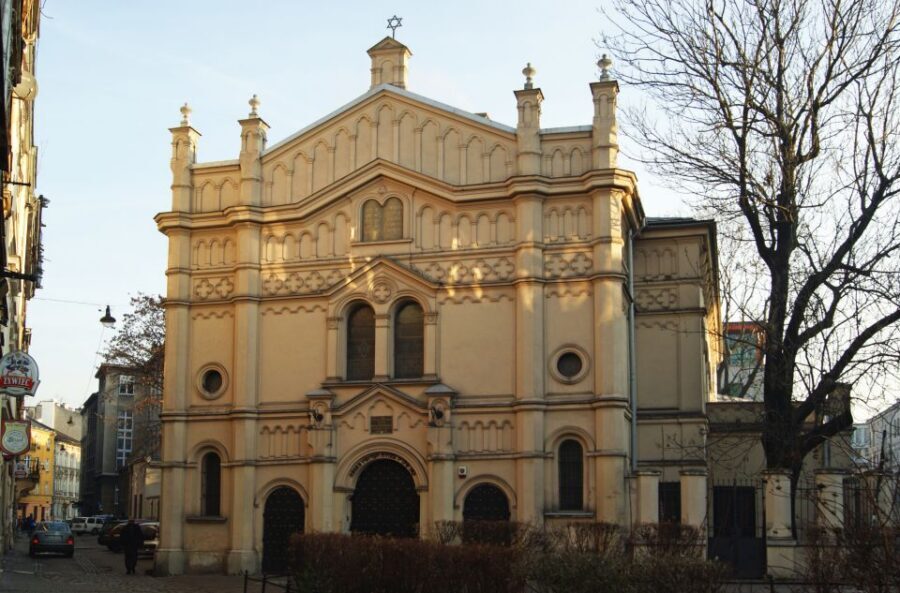
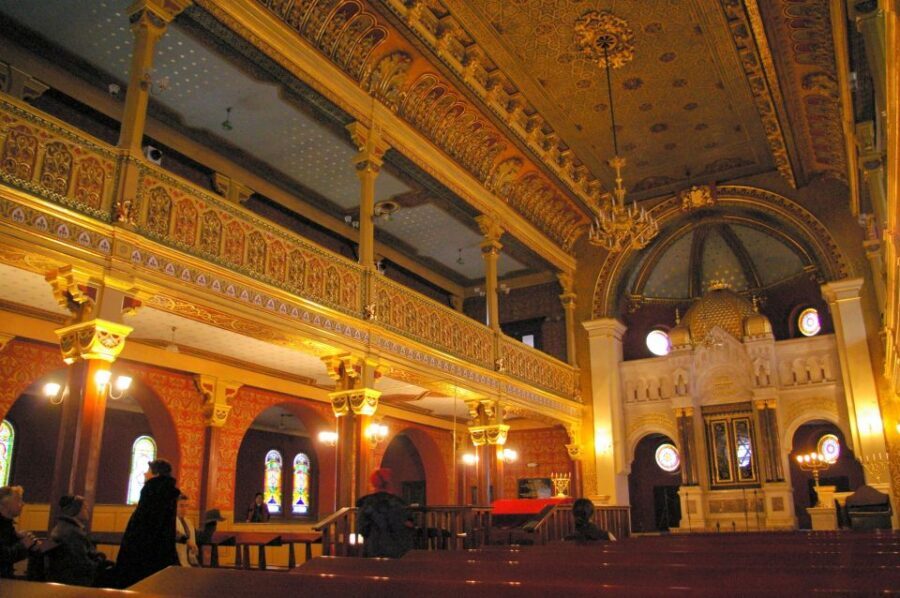
- Tempel Synagogue (19th century; Moorish-style interior)
- Old Synagogue (15th century; museum of Jewish Krakow)
- Szeroka Street and Kazimierz streets: what you’re really seeing
- Podgórze and the former Krakow Ghetto: from geography to human stakes
- Schindler’s Enamel Factory: plan for what you can enter
- Timing, closures, and synagogue opening hours
- Meeting point and how the walk flows
- Price vs value: is $100 per person fair here?
- Who should book this Krakow Jewish Ghetto and Synagogue tour
- Should you book it?
- FAQ
- How long is the tour?
- Where is the meeting point?
- What does the 2-hour tour include?
- Which synagogues are included on the 3-hour and 4-hour tours?
- Are synagogue tickets included for the 2-hour option?
- Is the tour private?
- What languages is the guide available in?
- Is the tour wheelchair accessible?
- Are the sites open on Saturdays and Jewish holidays?
- Is there free cancellation and pay later?
Key takeaways
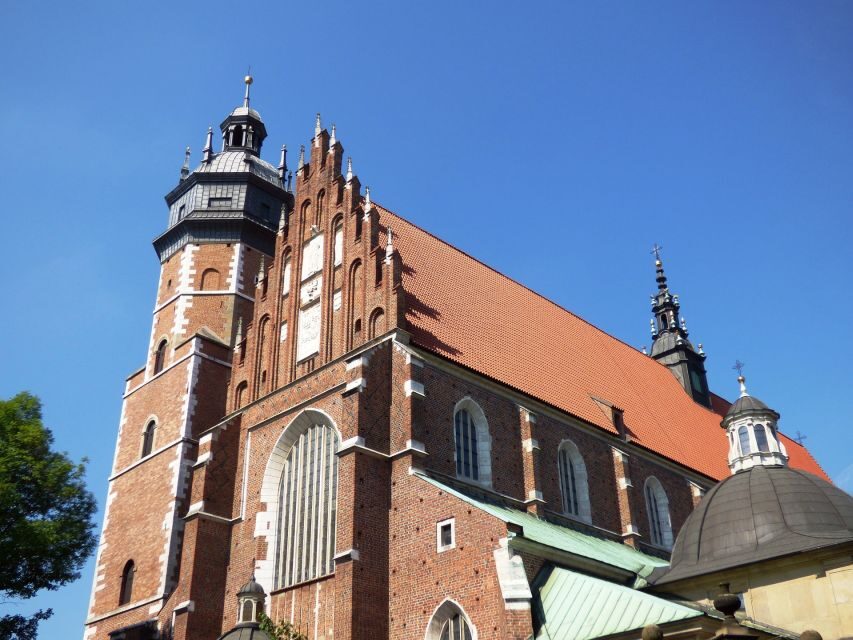
- Jewish History expert guide who explains the why behind the sites, not just dates
- Synagogue tickets included on the 3- and 4-hour options (Tempel/Old; plus Remuh/Old Jewish Cemetery on 4 hours)
- Szeroka Street and the Old Jewish quarter for real “how people lived” context
- Ghetto Heroes Square and the Podgórze ghetto area for WWII geography you can actually picture
- Schindler’s List connections tied to locations tied to Oskar Schindler
- Artur and Renata are both praised for clear, empathetic storytelling
Why a Jewish History Expert Guide matters in Kazimierz
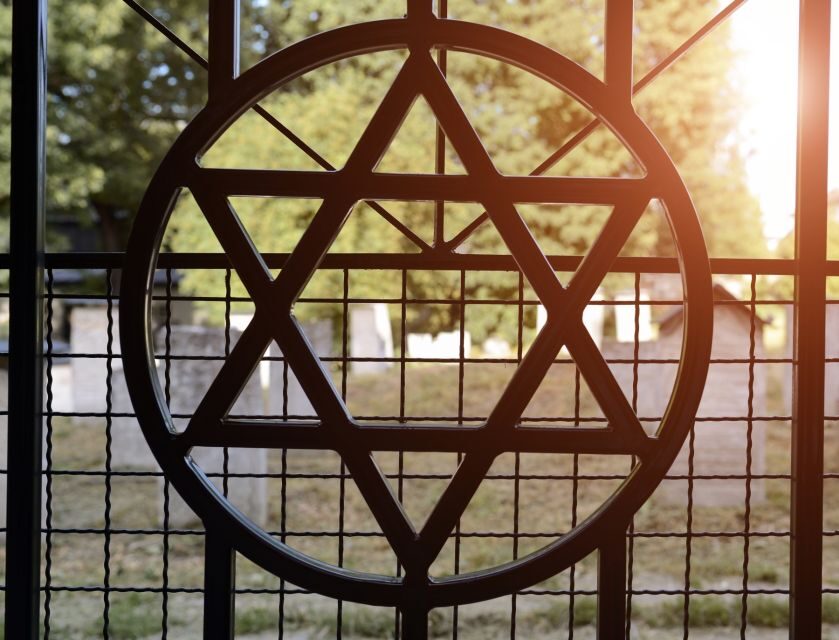
Krakow’s Jewish landmarks can be emotionally heavy. The difference on a good tour is how the guide handles the details: where to slow down, what to explain first, and how to keep it factual without losing respect.
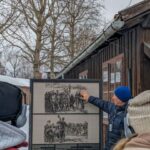
I like that this tour is led by a licensed guide described as fluent in the booking language, and the focus is on Jewish history from medieval life through the WWII break, then into what exists today. In real feedback, guides named Artur and Renata stand out for not only listing facts, but explaining connections in a way that feels human—empathy is part of the method. That matters on a subject like the Krakow ghetto, because it’s easy to get lost in names and dates unless someone gives you the right map in your head.
You also get a tour that treats religion and culture as living things, not just museum props. When you step near synagogue spaces—especially active worship areas—it changes how you read the neighborhood around you.
You can also read our reviews of more tours and experiences in Krakow.
2-, 3-, and 4-hour routes: what you actually see
This tour comes in three time options, and the synagogue mix depends on which option you book and on opening hours.
The 2-hour walk: Kazimierz + former ghetto highlights
This shorter option is a focused walking tour covering Kazimierz and the former Jewish Ghetto areas. You’ll get the key geography: historic Kazimierz life before the German occupation, what changed during WWII, and how that history reshapes the district afterward.
Along the way, you’ll see places including:
- Tempel Synagogue and Remuh Synagogue
- Szeroka Street, where you’ll get context for old Jewish houses and today’s Jewish-area atmosphere
- Old Synagogue and Jewish Square
- In Podgórze: Ghetto Heroes Square and Oskar Schindler’s Enamel Factory (linked to the Schindler’s List story)
Important note: the 2-hour option does not include synagogue tickets to Tempel/Old, even though you visit/see the sites.
The 3-hour option: one synagogue with tickets
If you want more than just the exterior views, the 3-hour walking tour adds tickets to one synagogue. The synagogue choice depends on preferences and opening hours:
- Tempel Synagogue (known for a Moorish-style interior)
or
- Old Synagogue, which houses a museum of Krakow Jewish culture & history
This is a sweet spot if you want a guided walk and at least one time inside a synagogue space.
The 4-hour tour: Remuh + Old Jewish Cemetery + two synagogues
The 4-hour option is the most complete with two big additions:
- Remuh Synagogue (with entry via included tickets)
- Old Jewish Cemetery
You’ll also get tickets for two synagogues: Remuh plus either Tempel or the Old Synagogue, again depending on hours.
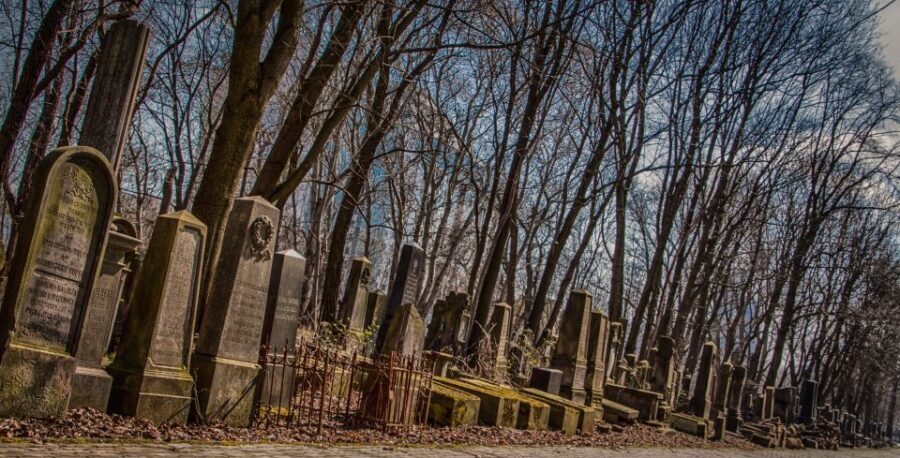
The cemetery stop is one of the most meaningful parts of the entire experience. It includes graves of notable Polish Jews such as Rabbi Moses Isserles, Avraham Yehoshua Heschel, and Yossele the Holy Miser. Seeing these names linked to real locations helps you understand the continuity—and the scale of loss—far better than photos alone.

Tempel Synagogue vs Old Synagogue: which one fits your interests
On the longer options, you’ll choose between Tempel and Old (or the tour guide will route based on openings). Both matter, but they give you different vibes and different learning angles.
Tempel Synagogue (19th century; Moorish-style interior)
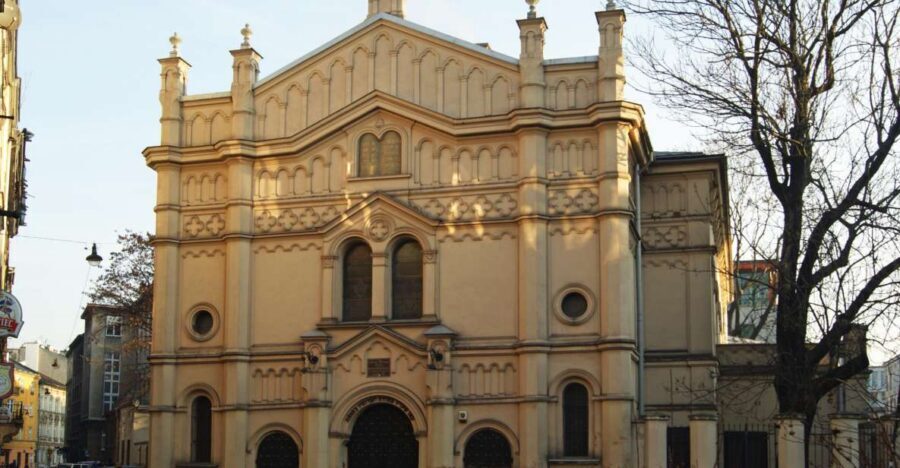
The tour highlights Tempel Synagogue for its beautiful Moorish-style interior. If you want a synagogue experience that leans architectural and artistic, this is the pick. It’s also a common choice if you like to connect culture with design—how communities express identity through space.
Old Synagogue (15th century; museum of Jewish Krakow)
The Old Synagogue comes through the museum lens, since it now houses a museum of Krakow Jewish culture & history. This tends to fit travelers who want more structured storytelling inside rather than focusing on the building’s look alone.
One practical tip: synagogue opening hours vary by day and season, so plan around that rather than assuming you can always choose the building you want most.
Szeroka Street and Kazimierz streets: what you’re really seeing
Kazimierz can look like a charming old district if you’re only skimming. This tour helps you slow down and read it properly.
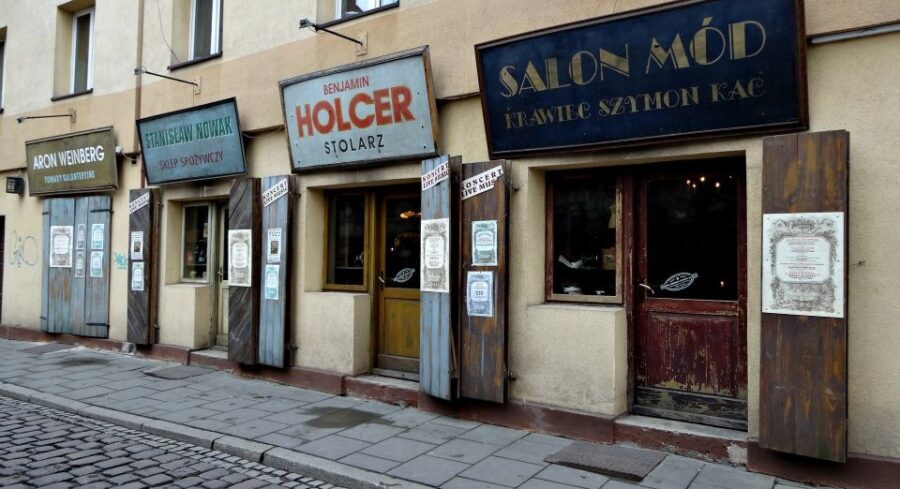
You follow historic Szeroka Street, which the tour frames as a place where you can imagine older Jewish houses, restaurants, and neighborhood life. That street stop is valuable because it connects the big events of WWII to the smaller rhythms of everyday community life—markets, worship, and social space before and after catastrophe.
This is where a strong guide makes the story feel real. Instead of treating the neighborhood as a backdrop, you learn how the district functioned as a place of intermingling Polish and Jewish cultures for centuries, and how that changed under occupation.
If you’re the kind of traveler who likes to understand how a city works at street level, you’ll get a lot from this segment.
Podgórze and the former Krakow Ghetto: from geography to human stakes
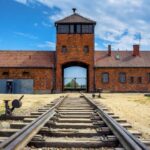
After the Kazimierz portion, you head toward Podgórze, where the Nazi regime established the Krakow ghetto before forced deportations to camps such as Auschwitz-Birkenau.
Two stops anchor this section:
- Ghetto Heroes Square
- Oskar Schindler’s Enamel Factory
The value here is geography. It’s one thing to hear about the ghetto. It’s another to have the physical context—where the ghetto was, how the story relates to the city, and how later narratives grew from those facts.
You’ll also hear the true story behind the people and events that inspired Steven Spielberg’s Schindler’s List. It’s not just a film trivia moment; the tour uses the movie connection to push you back toward real history.
Schindler’s Enamel Factory: plan for what you can enter
This is where it’s worth being very clear.
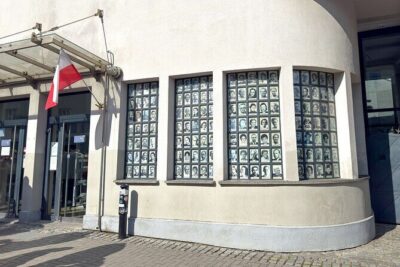
You’ll see Oskar Schindler’s Enamel Factory as part of the route and hear the connections to Schindler’s List. But if you’re hoping to walk straight into the museum-like interior like a standalone attraction, there’s a known mismatch: one booking experience ended up with disappointment because the group did not enter the Schindler’s museum factory area and mostly viewed it from outside.
So treat the factory stop as a narrative stop tied to WWII context, not automatically a guaranteed interior visit. If this matters a lot to you, you should check expectations with the operator before you go.
Timing, closures, and synagogue opening hours
Synagogues aren’t open whenever you feel like it. This tour explicitly notes closures:
- Saturdays
- Jewish holidays
- during prayer time
It also provides specific opening windows. For example, Tempel Synagogue is generally open Monday–Thursday and Sunday between 10:00–18:00, and 10:00–16:00 on Fridays (with winter season hours shorter). Old Synagogue has different weekday hours (for example, Mondays 10:00–14:00 and then broader hours Tuesday–Sunday).
Why this matters: the tour’s synagogue choice can shift. On the 3-hour and 4-hour options, the tour can route you to Tempel or Old based on openings.
My suggestion: if you have a strong preference—Tempel interior versus Old Synagogue museum—pick your travel day carefully.
Meeting point and how the walk flows
The tour starts at a simple, easy-to-find spot:
- Meet your guide in front of the Kazimierz Hotel
- Miodowa 16, Krakow
- Please do not enter the hotel; it’s just a meeting point.
The tour is a walking format, and it moves across neighborhoods. That means comfortable shoes are not optional. You’ll likely do a lot of ground shifting between Kazimierz and Podgórze, plus time spent listening at key memorial points.
You’ll also want to check your email the day before the tour for important information. That’s where small timing updates or last-minute details usually land.
Price vs value: is $100 per person fair here?
At $100 per person for a 2–4 hour private walking tour, the value comes from three things:
- A licensed, fluent guide with an emphasis on Jewish history and culture (not just general city history).
- A focused route through Kazimierz and the former ghetto area, including memorial context like Ghetto Heroes Square.
- Synagogue access on the longer options through included tickets (Tempel/Old for 3 hours, and Remuh + Old Jewish Cemetery on 4 hours).
If you book the 2-hour option, tickets to Tempel/Old aren’t included, so part of the value is more about the guided walking story than inside access.
If you want actual synagogue time and the cemetery, the 4-hour option is where the cost starts to feel most justified: you’re paying for time, a guide who can explain what you’re seeing, and entry to multiple sites.
Who should book this Krakow Jewish Ghetto and Synagogue tour
This is a great fit if you:
- want a WWII-informed Jewish Krakow storyline tied to real locations
- care about understanding religious and cultural life, not just the Holocaust timeline
- prefer a private, guided pace over crowded bus tours
- plan to visit multiple synagogues and want help choosing the order
It may not be your best choice if:
- you only want light sightseeing with minimal heavy history
- you specifically want a guaranteed museum-style interior visit at Schindler’s Enamel Factory without checking how your group’s routing is handled
Should you book it?
Yes—if you want Krakow to make sense. This tour doesn’t treat Kazimierz like a theme district. It connects streets, synagogues, memorial sites, and WWII geography into one guided storyline, with a guide style that focuses on clarity and respect.
Book the 2-hour option if you want the essentials and a strong overview. Choose the 3-hour option if you want one synagogue ticket. Pick the 4-hour option if you want the fullest experience, including Remuh Synagogue and the Old Jewish Cemetery, with names like Moses Isserles and Avraham Yehoshua Heschel anchored to real graves.
FAQ
How long is the tour?
The tour runs for 2 to 4 hours, depending on which option you choose.
Where is the meeting point?
Meet your guide in front of the Kazimierz Hotel, Miodowa 16, Krakow. Do not enter the hotel; it’s only a meeting place.
What does the 2-hour tour include?
The 2-hour option is a walking tour of Kazimierz and the former Jewish Ghetto. You’ll see Tempel Synagogue and Remuh Synagogue, walk Szeroka Street, visit Old Synagogue and Jewish Square, and then go to Podgórze to see Ghetto Heroes Square and Oskar Schindler’s Enamel Factory.
Which synagogues are included on the 3-hour and 4-hour tours?
The 3-hour tour includes tickets to 1 synagogue—either Tempel or the Old Synagogue—depending on preferences and opening hours. The 4-hour tour includes tickets to Remuh Synagogue and the Old Jewish Cemetery, plus tickets to two synagogues: Remuh and either Tempel or the Old Synagogue.
Are synagogue tickets included for the 2-hour option?
No. The 2-hour option does not include tickets to the Tempel or Old Synagogue.
Is the tour private?
Private group options are available.
What languages is the guide available in?
The guide is available in English, French, German, Italian, Polish, Russian, and Spanish.
Is the tour wheelchair accessible?
Yes, it is wheelchair accessible.
Are the sites open on Saturdays and Jewish holidays?
No. Jewish heritage sites and synagogues are closed on Saturdays, Jewish holidays, and during prayer time.
Is there free cancellation and pay later?
Yes. You can cancel up to 24 hours in advance for a full refund, and you can reserve now & pay later (pay nothing today).