REVIEW · KRAKOW
From Krakow: Auschwitz and Wieliczka Salt Mine Full-Day Trip
Book on GetYourGuide →Operated by Cracow Visit Tours & Transfers · Bookable on GetYourGuide
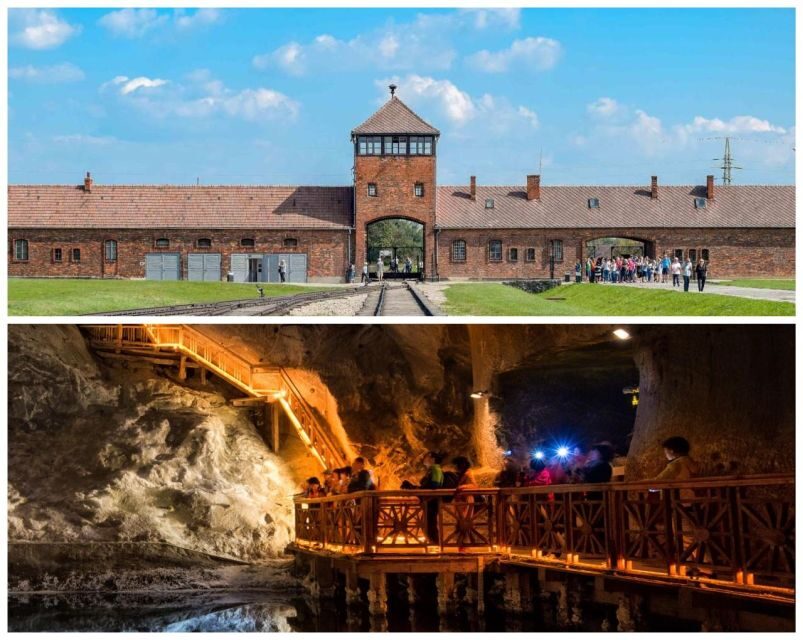
Two worlds, one sobering day. This full-day trip links Auschwitz-Birkenau with the Wieliczka Salt Mine, so your day runs from WWII horror to an underground salt cathedral system.
What I like most is the Auschwitz set-up: you get entrance to Auschwitz I and Auschwitz II with a museum-style self-guided flow that still feels structured and real. I also like that the salt mine is a proper guided visit, where you’re not just wandering—you’re learning while you walk through the subterranean halls and salt features.
One consideration: it’s a long day with serious walking and stairs, and your departure time can shift earlier (sometimes before 6:00 AM). If you hate early mornings, or if you’re sensitive to crowds and tight pacing, this may feel like a lot.
In This Review
- Key takeaways before you go
- Auschwitz and Wieliczka in one trip: why this pairing works
- Starting early from Krakow: pickup, meeting point, and timing shifts
- The bus day plan: how the rhythm usually feels
- Auschwitz-Birkenau: what the visit feels like on the ground
- Auschwitz I and II: what you’ll actually be looking at
- Learning value: why the guide approach matters here
- After Auschwitz: timing, lunch, and the mood shift
- Wieliczka Salt Mine: what’s worth your attention underground
- Salt mine tour length: why you should plan your energy
- Guide and driver quality: names that came up often
- Walking, steps, and comfort: what you should prepare for
- Price and value around $30: what’s included and what you’re really paying for
- Who this tour suits best in Krakow
- Should you book this Auschwitz and Wieliczka trip?
- FAQ
- How long is the Krakow Auschwitz and Wieliczka full-day trip?
- What’s included in the price?
- Where do I meet the group in Krakow?
- What if I’m staying in Krakow Old Town?
- Does the tour start at a fixed time?
- Is the tour guided in English?
- Is the Auschwitz portion self-guided?
- What should I bring and wear?
- Are food and drinks allowed during the day?
- Is this tour suitable for claustrophobia or mobility issues?
- What’s the cancellation and ticket refund policy?
Key takeaways before you go
- Two major sites, one efficient day: You cover both Auschwitz-Birkenau and Wieliczka without extra planning days.
- Auschwitz entry is included: Tickets for Auschwitz I and Auschwitz II (Birkenau) are part of the package.
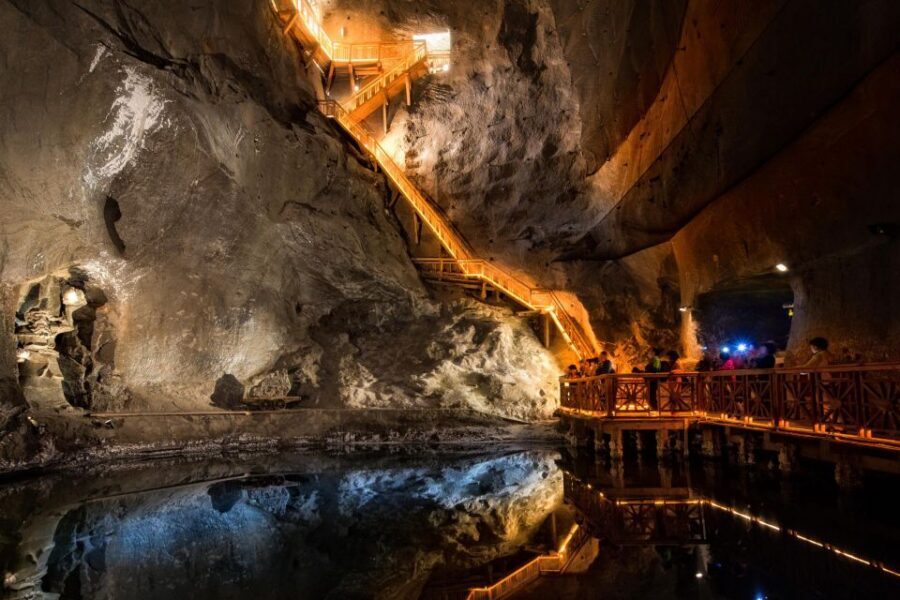
- Salt mine is guided underground: You descend and learn while you walk the mine floors, walls, and corridors.
- Expect lots of steps: One review noted descending over 400 steps, plus substantial walking overall.
- Group logistics can affect sound: At Auschwitz, audio/headphones can cut out if you’re at the back of the group.
- Early start is real: Departures can fall between 06:00 and 10:30, and may be earlier than you expect.
Auschwitz and Wieliczka in one trip: why this pairing works
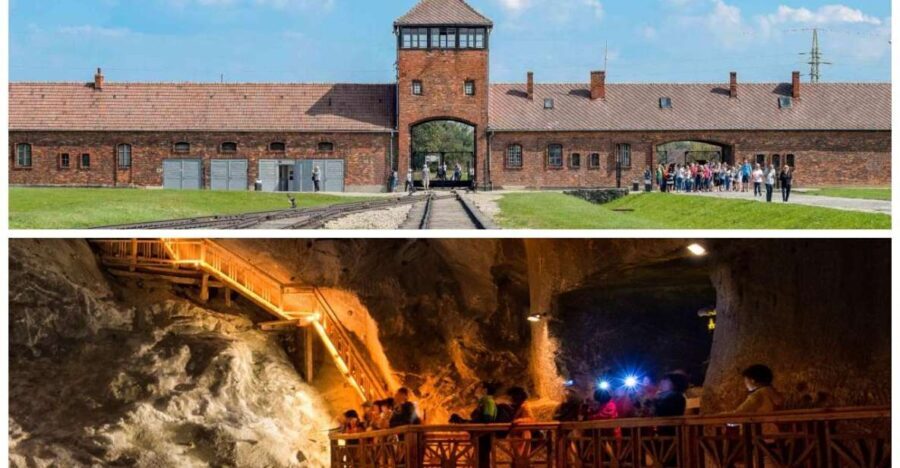
This is not a casual sightseeing day. It’s built around two places that tug your feelings in opposite directions: Auschwitz-Birkenau asks for reflection, while Wieliczka gives you awe in a totally different way—salt sculpted into impressive rooms deep underground.
I like this combo because it solves a common Krakow problem. You only have so many days, and trying to plan Auschwitz and Wieliczka separately can eat up time. Done together, you get a full “big history + unique craft” day with one bus schedule and clear pacing.
And yes, the mood swing is intense. That’s not a downside if you go in prepared. I actually think it makes the day more memorable: you notice how place and context change everything—from a concentration camp’s brutality to a mine’s long human ingenuity.
A few more Krakow tours and experiences worth a look
Starting early from Krakow: pickup, meeting point, and timing shifts
You’re departing from Krakow and riding in an air-conditioned bus. Pickup is optional if you’re staying in Krakow city center, but the Old Town has restricted traffic, so your host will confirm the nearest possible pickup point if your lodging is inside that zone.
If you’re not doing hotel pickup, the meeting point is the Kiss & Ride point at 2 Wielopole street. Before the trip, the local partner confirms your pickup time and details via WhatsApp, email, or phone the day before.
Plan for a departure time that can land anywhere between 06:00 AM and 10:30 AM, with the possibility of being earlier or later in exceptional circumstances. Reviews include starts like 5:25 AM or 5:55 AM for some departures, so don’t schedule anything morning-of that depends on a normal wake-up time.
In practice, that early start can be a gift. It helps you get into the Auschwitz area before the day fully heats up with crowds.
The bus day plan: how the rhythm usually feels
This trip runs about 11 hours. Some days stretch closer to 12 hours depending on timing and how everything falls into place on-site.
A typical rhythm is: bus transfer to Auschwitz, museum time at Auschwitz I and Auschwitz II, then transport onward for lunch and a shift to the Wieliczka Salt Mine visit, finishing after your guided underground tour. Reviews mention short breaks between major stops, but not endless bathroom time.
One practical tip from the real-world experience of other guests: wear shoes that are truly comfortable. Auschwitz involves a lot of standing and walking, and the salt mine adds more steps—so your feet, not just your mind, will remember the day.
Also note a vehicle rule: no food and drinks in the vehicle. If you like having snacks, plan them for the breaks outside the bus rather than assuming you’ll eat during the drive.
Auschwitz-Birkenau: what the visit feels like on the ground
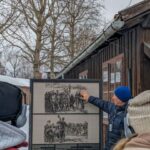
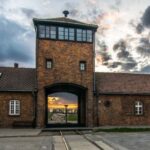
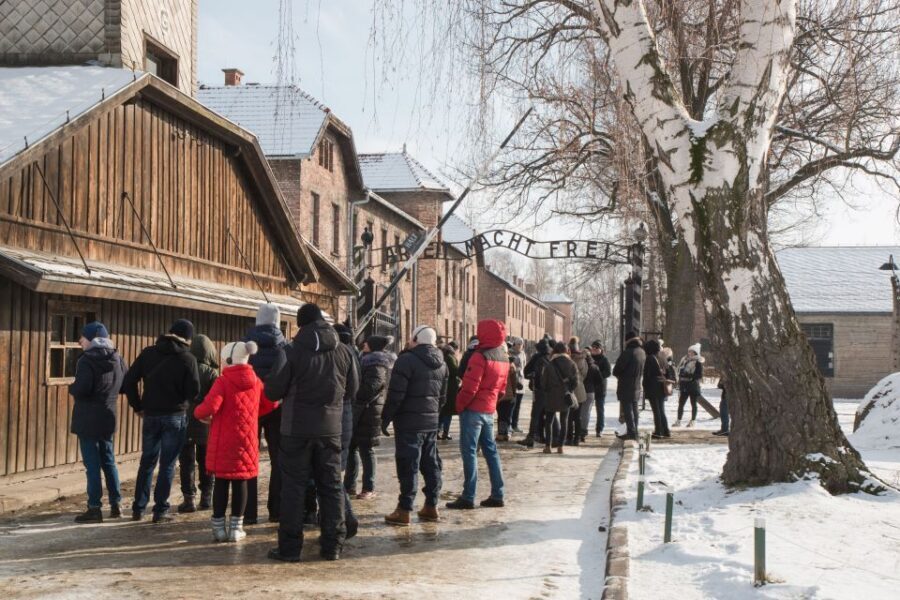
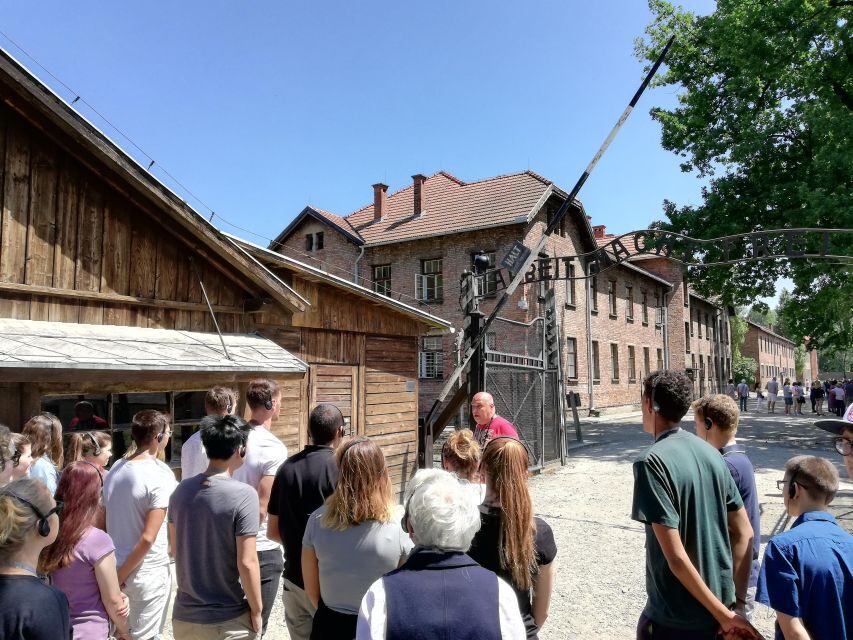
At Auschwitz-Birkenau, this isn’t a quick walk-by. You’re touring both Auschwitz I and Auschwitz II (Birkenau) as part of the included admission tickets. The tour style is described as self-guided with museum materials, and multiple reviews mention an audio setup with headphones.
Here’s what that means for you: you still follow a route, but you don’t have to rush like you might on a purely guided group tour. The pacing can feel more personal—especially important when you’re trying to process difficult information.
That said, be ready for group dynamics. Reviews mention groups around 30 people and that audio/headphones can cut out if you’re farther back in the group. If sound matters to you, try to stay closer to the front half of the pack so you catch more of the audio narration.
Auschwitz I and II: what you’ll actually be looking at
Auschwitz is not one single place you tour once. Auschwitz I and Auschwitz II each have their own tone and layout, and you’ll feel the difference as you move between them.
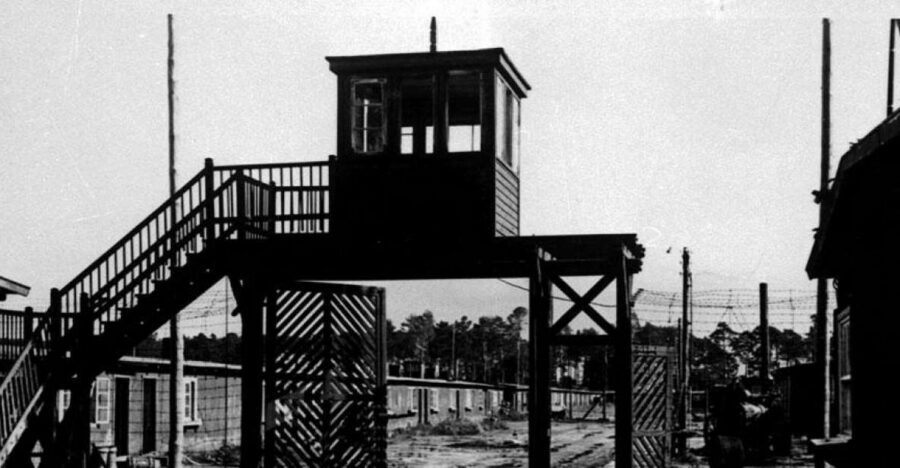
At Auschwitz I, you’re looking at the core administrative and historical areas tied to the camp’s role. The visit encourages reflection as you trace how the system worked. The on-the-ground experience also helps you understand that this was not a vague tragedy—it had mechanisms, routines, and organization.
At Auschwitz II (Birkenau), the scale can hit you fast. This is where the grounds feel especially vast, and walking the paths can make the numbers and history feel more real. This is also where the experience becomes emotionally demanding, so it helps to know you can slow down if you need a moment.
Your best move here is simple: read what you can, then take a step back from the display. Don’t try to absorb everything at maximum speed. That approach tends to leave you numb rather than understanding.
A few more Krakow tours and experiences worth a look

Learning value: why the guide approach matters here
This tour includes a licensed guidebook/audio-style format for Auschwitz, and the impact depends partly on how well the delivery is paced with the group.
I noticed a theme in the reviews: the Auschwitz portion is often described as exceptionally moving when the guide or narrator clearly explains the operational factors of the camp system and connects details to the bigger WWII and Holocaust story.
Several guide names show up strongly in feedback. People mentioned guides such as Damian and Justina (with praise for passion and knowledge). Others referenced excellent leadership like Ziggy or Lukasz for clarity and delivery. One review also mentioned an Auschwitz museum employee guiding with audio headphones.
Even if your specific Auschwitz experience differs day-to-day, the takeaway for you is the same: go in expecting emotional weight, and focus on clarity over speed. If you find yourself getting left behind, you’ll benefit from staying attentive to where your group is moving next.
After Auschwitz: timing, lunch, and the mood shift
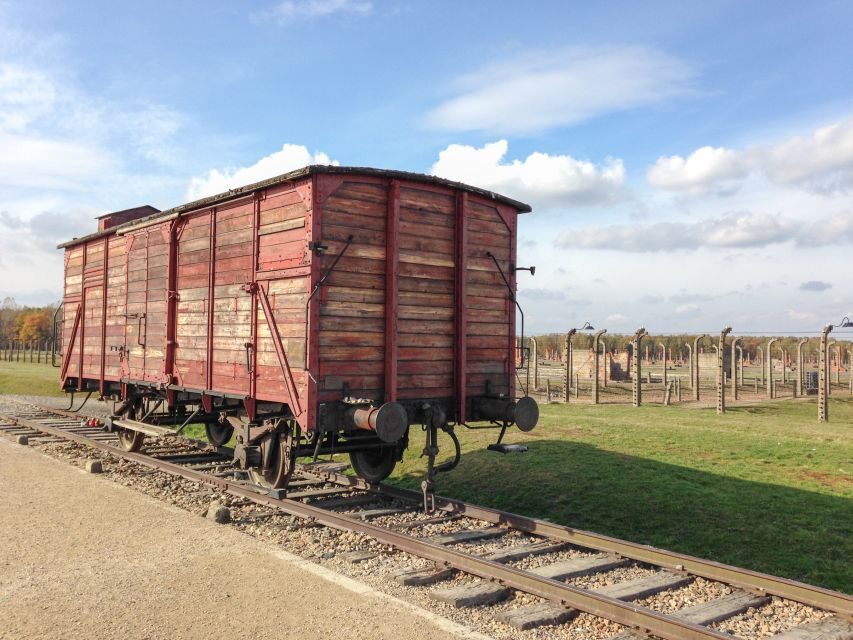
Moving from Auschwitz to the Wieliczka Salt Mine is not subtle. The mine feels like a different planet—cooler air, stone, rooms with salt art, and guided stories about mining.
Reviews mention you’ll have some time for breaks and lunch between the camps and the salt mine segment. But the day is still structured and timed, so don’t count on long wandering time for extra detours.
I recommend you treat lunch as part of your recovery plan. Eat, hydrate, and reset your energy. It’s one of the few ways to make the salt mine walk feel enjoyable instead of exhausting.
Wieliczka Salt Mine: what’s worth your attention underground
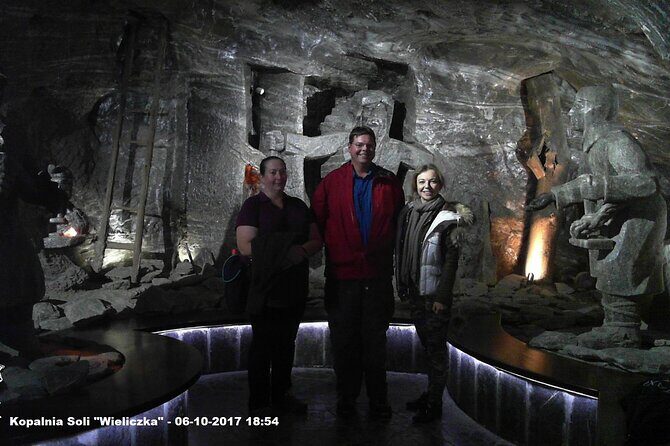
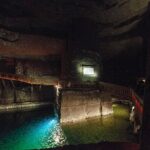
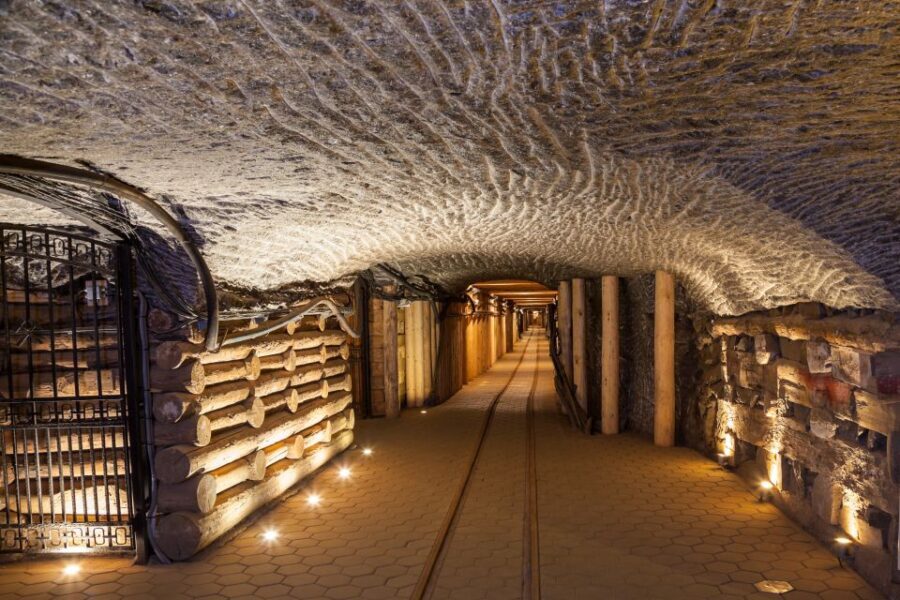
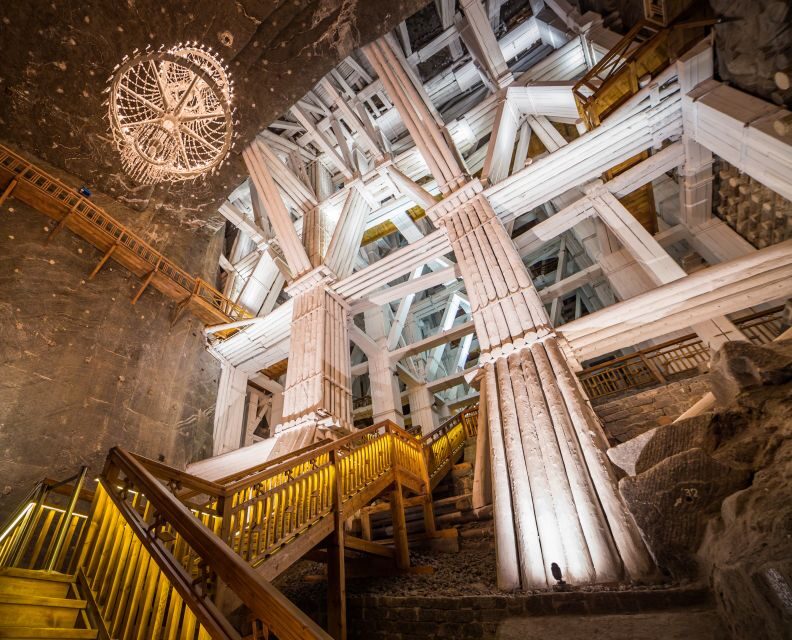
Once you descend, the Wieliczka Salt Mine becomes less about museum exhibits and more about space you’re walking through. You’re guided on subterranean levels, exploring floors, walls, and corridors that were carved and shaped by salt mining.
Several reviews call the salt mine spectacular. What stands out most in the feedback is not just the fact that it’s underground, but that the mine contains striking salt structures and a sense of history built into how the mine evolved.
One review notes the mine portion includes a lot of stairs, and specifically mentions descending over 400 steps at the start. Another review says it wasn’t that cold, but they still felt a need for a warm layer like a pullover. So bring something light that you can toss on for the underground part.
The guided aspect is key. A good guide turns “wow, it’s underground” into “wow, humans worked with this material over time.” That’s the moment the mine becomes more than scenery.
Salt mine tour length: why you should plan your energy
Your salt mine time runs a few hours, and at least one review describes it as around 2.5 hours of walking. That’s long enough that you’ll feel it in your legs, especially after Auschwitz.
This is why the tour’s “one day” structure works best for visitors who like efficiency and can handle physical demands. If you’re used to big walking days, you’ll likely be fine. If you’re not, consider splitting Auschwitz and Wieliczka into two separate days on your overall itinerary.
For this specific tour, comfortable shoes are non-negotiable. So is mental pacing: you don’t need to rush the visuals to get the full value.
Guide and driver quality: names that came up often
The tour includes transportation in an air-conditioned bus, plus a driver/host who helps keep the day on track. Many reviews praise drivers for punctuality, organization, and helpfulness.
For example, people mentioned drivers/hosts like Pawel, Małgorzata, Margaret, Stanislaw, and Olivier for smooth coordination and clear communication. One guest specifically praised Konrad for the salt mine portion, calling him brilliant and friendly. Another salt mine guide name that popped up was Tomas.
Why does this matter? Because a day like this depends on timing. When the host keeps you moving and guides your group cleanly between stops, you spend more energy on the sites themselves rather than worrying about where to go next.
Walking, steps, and comfort: what you should prepare for
This is a walking-heavy itinerary. Reviews include personal step counts such as 25,000 steps for a full day, and they repeatedly stress comfortable shoes.
You should also expect stairs in both parts of the day. Auschwitz involves extensive walking along paths and in exhibit areas. The Wieliczka portion includes descending into the mine with significant stairs and then moving through corridors on foot.
Dress matters for entry rules at the Auschwitz museum: no sleeveless shirts. So bring a proper shirt with sleeves. Add weather-appropriate layers because your day starts in the morning and moves through different indoor/outdoor conditions.
Finally, bring a “pace yourself” mindset. If you try to sprint through Auschwitz in one pass, you’ll miss the point and end the day mentally exhausted. A steadier rhythm helps you absorb the story and the space.
Price and value around $30: what’s included and what you’re really paying for
The listed price is $30 per person, and the value comes from what’s bundled. You get air-conditioned transport, tickets to Auschwitz I and Auschwitz II, entry to Wieliczka, and a guided tour in the salt mine. Hotel pickup and drop-off is also included if you select it.
You’re also told there’s a skip-the-ticket-line element, which matters at both major sites when queues can eat your time.
In other words, you’re paying for reduced planning friction. Instead of coordinating entry tickets, figuring out buses, and managing timing yourself, this package puts those pieces into one day plan. For many Krakow visitors with limited time, that’s a big deal.
The tradeoff is that you can’t customize the pacing much. The day runs on a schedule, and you’ll walk a lot. If you want total freedom and slow museum reading, two separate days with independent tickets might suit you better. If you want a guided structure and strong value for time, this does the job.
Who this tour suits best in Krakow
This tour fits you best if:
- You want the two headline sites—Auschwitz-Birkenau and Wieliczka Salt Mine—in one day.
- You can handle long walking and stairs.
- You’re okay with early morning timing and group logistics.
- You appreciate learning from guides while still having a route to follow at Auschwitz.
You should think twice if:
- You need wheelchair-friendly or low-mobility accommodations, since the tour is listed as not suitable for people with mobility impairments and wheelchair users.
- You have claustrophobia, because you’ll go underground in the salt mine and descend via stairs.
- You get stressed by tight timing and limited break opportunities.
Should you book this Auschwitz and Wieliczka trip?
If you’re in Krakow for a short time and you want maximum impact without juggling logistics, I think booking makes sense. This is the kind of day that’s hard to replicate perfectly on your own once you factor in transport, entry, and the guided mine experience.
Choose it if you’re ready for two very different environments, lots of walking, and an emotionally heavy first half of the day. Bring strong shoes, a shirt with sleeves, and a mental plan to slow down in Auschwitz rather than racing through.
If your body or nerves won’t handle long days, or if you want more quiet time for reading and reflection, you may prefer splitting the sites into two days. But if you want one efficient, high-value day that delivers both sites clearly, this is a solid option.
FAQ
How long is the Krakow Auschwitz and Wieliczka full-day trip?
It runs about 11 hours. Some departures may vary slightly depending on the day’s timing, but you should plan for a long outing.
What’s included in the price?
The tour includes transportation in an air-conditioned bus, entrance tickets to Auschwitz I and Auschwitz II (Birkenau), entrance tickets to Wieliczka Salt Mine, a guided tour in the salt mine, and hotel pickup and drop-off if you select that option. You’ll also have skip-the-ticket-line access.
Where do I meet the group in Krakow?
If you aren’t using hotel pickup, meet at the Kiss & Ride point at 2 Wielopole street.
What if I’m staying in Krakow Old Town?
Old Town is a restricted traffic zone. If your accommodation is there, the local partner will contact you to confirm the nearest possible pickup location.
Does the tour start at a fixed time?
The departure time can change and may be anywhere between 06:00 AM and 10:30 AM. In exceptional cases it can be earlier or later.
Is the tour guided in English?
Yes. The salt mine portion is guided in English, and the tour is offered in English overall.
Is the Auschwitz portion self-guided?
The Auschwitz visit is described as self-guided with museum materials (including a licensed guidebook). Reviews also mention audio/headphone-style narration as part of the experience.
What should I bring and wear?
Bring your passport or ID card, wear comfortable shoes, and dress for the weather. Sleeveless shirts are not allowed.
Are food and drinks allowed during the day?
Food and drinks are not allowed in the vehicle. Plan for meals during the scheduled breaks rather than eating on the bus.
Is this tour suitable for claustrophobia or mobility issues?
No. It’s listed as not suitable for people with mobility impairments, claustrophobia, and wheelchair users.
What’s the cancellation and ticket refund policy?
You can cancel up to 24 hours in advance for a full refund. Also, Auschwitz-Birkenau museum tickets are described as non-refundable due to museum requirements, so follow the tour’s cancellation window carefully.