REVIEW · KRAKOW
Krakow Jewish District Private Tour. Kazimierz and Jewish Ghetto
Book on Viator →Operated by Krzysztof Blaszczyk Hussar Travel · Bookable on Viator
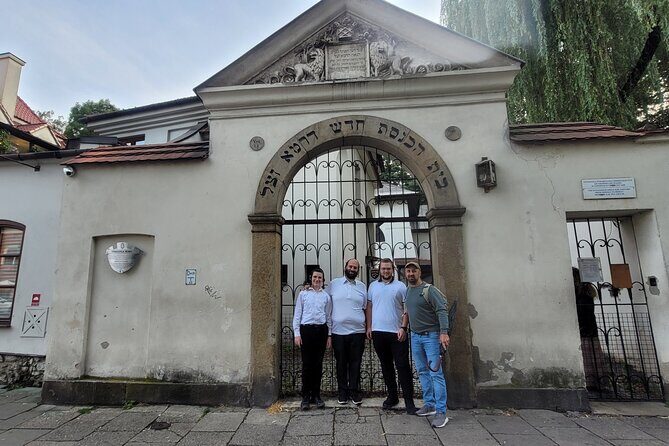
Jewish Krakow hits hard, in a good way. This private tour is built for close-up learning—starting with the Wolf Popper Synagogue area and then moving through the older streets like Szeroka Street—with a guide who keeps the story clear and human. I like how the route mixes places you can actually step into with other stops that are seen from outside, because you still get context without wasting time. One thing to consider: several synagogues are viewed from outside only, so if your main goal is lots of interior time, you may want to temper expectations.
I like the practical feel of this plan: it’s a 2 hours 30 minutes walking experience that stays focused, with a pickup option and a mobile ticket. You also get the benefit of a licensed local guide service and only your group participates, so it’s easier to ask questions and move at a comfortable pace. Bring comfortable shoes—this is a walking-heavy tour, even though many stops are short explanations.
In This Review
- Key highlights to look for
- Why Kazimierz and the Krakow ghetto route matters
- Opening at Wolf Popper Synagogue: a clear, focused start
- Szeroka Street: walking the oldest lanes for perspective
- Outside views of key synagogues: Remuh, Old Synagogue, and the rest
- Plac Nowy and the Jewish Community Center area
- Mrs. Dresner courtyard and stairs: Schindler’s List on location
- Ghetto Wall Fragment and Ghetto Heroes Square: history made concrete
- Private guiding that feels personal (not canned)
- Price, timing, and how to get value from 2.5 hours
- Comfortable shoes, sensible expectations, and the best way to plan
- Should you book this Krakow Jewish District Private Tour?
- FAQ
- How long is the Krakow Jewish District Private Tour?
- What does the tour cost?
- Is this a private tour or a group tour?
- Is the tour offered in English?
- Are there any admissions included at the stops?
- Is pickup available?
- What’s the cancellation policy?
- Is the tour suitable for most people?
Key highlights to look for
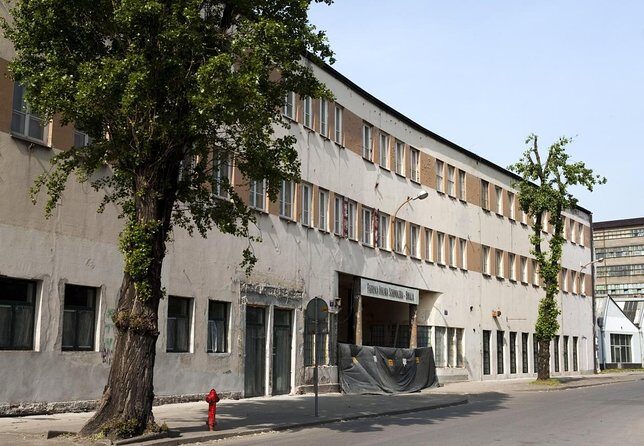
- Wolf Popper Synagogue: a strong kickoff with a short on-site explanation (and free admission ticket)
- Szeroka Street: you spend real time on the older lanes of the Kazimierz Jewish Quarter
- Synagogue stop variety: some are outside viewpoints, which can be faster and still meaningful
- Schindler’s List movie site: Mrs. Dresner courtyard and stairs as a concrete WWII reference point
- Ghetto Wall Fragment + Ghetto Heroes Square: two stops that make the history feel location-specific
- Live guide over audio: you get real-time explanation instead of a pre-set recording
Why Kazimierz and the Krakow ghetto route matters
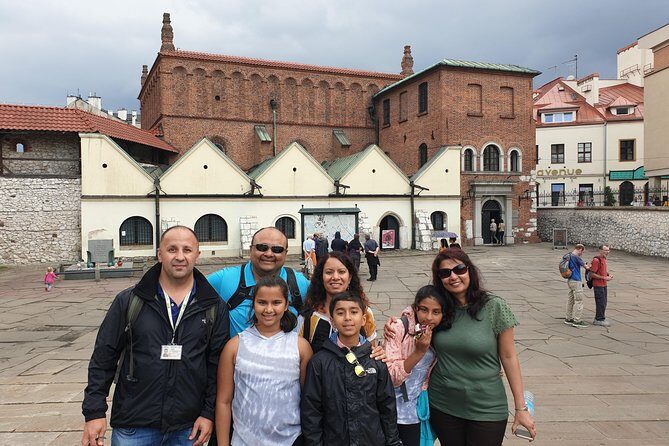
Kazimierz is where you start to feel Krakow as more than postcards. This tour is designed around that idea: you move through the older Jewish quarter streets, stop at well-known synagogue sites, and then shift toward the ghetto area with the wall fragment and Ghetto Heroes Square.
What I like is the pacing. Instead of trying to cram every famous building into one long slog, this keeps stops tight and explanations timed. That makes it easier to absorb details about Jewish life in Poland, and also to understand the World War II era through the places connected to it. And because it’s private, you can ask the follow-up questions that usually pop up once you see the street layout in person.
You can also read our reviews of more private tours in Krakow


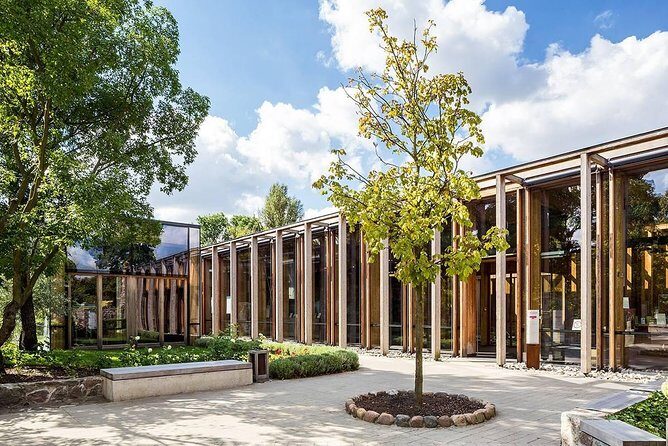
Opening at Wolf Popper Synagogue: a clear, focused start
The tour kicks off at the Wolf Popper Synagogue, with about 10 minutes of explanation there. The listing notes a free admission ticket for this stop, which is a great value add because it means you’re not just standing outside for the entire start.
Why this works: starting at a synagogue (rather than immediately at a memorial) gives you a foundation. It helps you frame the later stops—especially the ghetto portion—with a sense of what community life existed before the forced changes of WWII. It also sets the tone emotionally, without turning the tour into a silent, stop-and-stare exercise.
Practical note: the synagogue stop is short. If you want longer time inside, you might need to plan extra time on your own for follow-up visits after the tour ends.
Szeroka Street: walking the oldest lanes for perspective
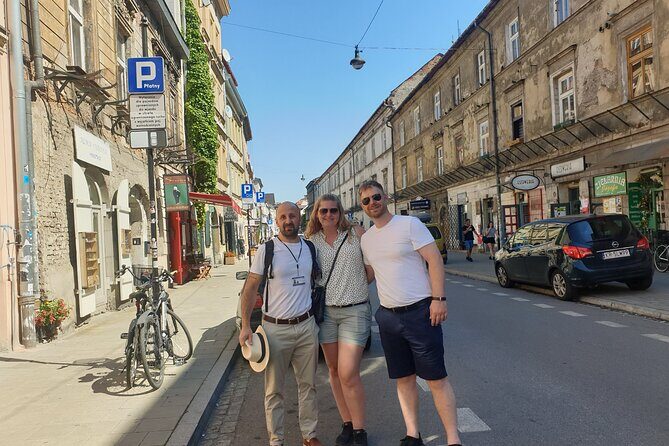
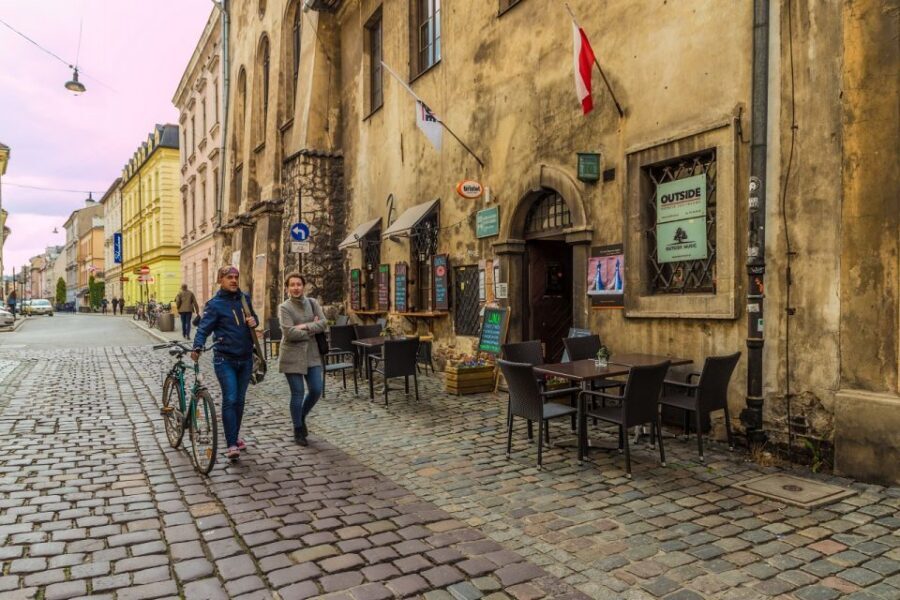
Next comes a longer walk along Szeroka Street, described as the oldest part of Krakow’s Jewish Quarter, with about 45 minutes allocated. This is the part where you get street-level orientation—how the area connects, where landmarks cluster, and how the neighborhood feels when you’re actually moving through it.
Szeroka Street is useful because it anchors the tour in everyday geography. You’re not just hearing names; you’re seeing how people would have encountered these places in daily life. And it’s also a good moment to ask questions about what you’re looking at, since you’re not constantly jumping from doorway to doorway.
If you’re photographing, this is where I’d focus your time. The walking segment is longer than many other stops, so you’re less likely to feel rushed while capturing the lanes and façades.
Outside views of key synagogues: Remuh, Old Synagogue, and the rest
Several stops center on synagogues seen from outside, including Remuh Synagogue and the Old Synagogue. Remuh gets around 15 minutes of explanation, while the Old Synagogue gets about 10 minutes from outside. The tour continues with other synagogue sites described by time periods—like 17th-century and 16th-century synagogues—with additional outside explanations.
Here’s the honest value of this format: outside-only views can feel less satisfying if you’re expecting lots of interior time. But they also help you track the architectural clues and the neighborhood pattern. When a guide explains what you’re seeing—placement, naming, historical layering—it can click faster than if you’re trying to hold too many interior details at once.
It also makes the tour more resilient to scheduling issues. One reason this matters: synagogue access can change around religious holidays. On the kind of tour schedule you’re booking here, you should be prepared for some sites to be less open than you’d hope. The good news is that the tour is designed so you still get meaningful explanations even when doors aren’t available.
Plac Nowy and the Jewish Community Center area
You’ll also stop at Plac Nowy and the Jewish Community Center area, each with short explanation time. These are the kind of pauses that help the tour stop feeling like a checklist of religious buildings.
Why these pauses matter: places like squares and community centers give context for how the neighborhood functioned day to day. They help you connect what you’re learning about Jewish history to the lived, social side of a community—not only religious sites.
This section is also a nice moment to catch your breath without totally losing momentum. If you’re planning your afternoon after this tour, this is a useful point to evaluate your energy level.

Mrs. Dresner courtyard and stairs: Schindler’s List on location
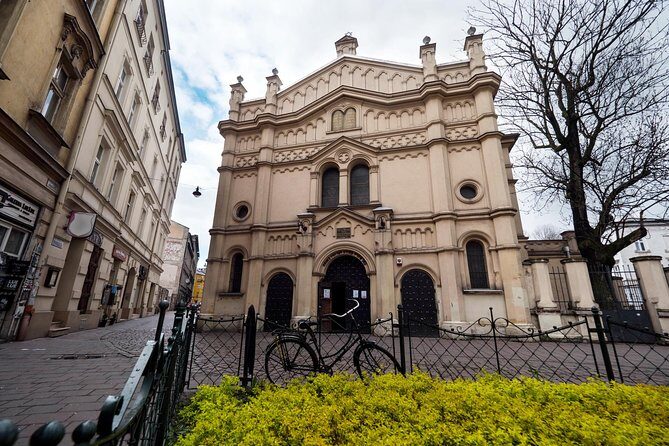
Then you reach the Mrs. Dresner courtyard and stairs, identified as a movie site connected to Schindler’s List. The stop is around 10 minutes, with a quick explanation.
This part can land differently for everyone. Even if you’ve seen the film, seeing the location in the context of Krakow’s streets tends to make it more specific. You’re not just thinking of scenes—you’re thinking of place names and the physical reality of what changed during the WWII period.
The emotional tone here is worth respecting. It’s quick, but it’s also the kind of stop where good guidance matters. A strong guide will keep the info factual and clear, without letting the tour turn into a heavy, uncomfortable lecture.
Practical tip: if you’re sensitive to WWII-related sites, you might want to pace yourself here. A few deep breaths and taking a moment before moving on can help you absorb the context without shutting down.
Ghetto Wall Fragment and Ghetto Heroes Square: history made concrete
The tour continues to the ghetto wall fragment (about 10 minutes) and then Ghetto Heroes Square (about 20 minutes). These are the two strongest “this is the reality” anchors, because you’re seeing remnants and memorial space connected to the ghetto era.
What I like about finishing this way is that the learning has a physical endpoint. Earlier stops introduce the Jewish quarter’s religious and street identity. Then you move toward the ghetto narrative with visible markers and a memorial area that gives the story a place to land.
If you care about history accuracy and clarity, this is where the guide’s job really shows. Short explanations don’t mean shallow information; it means the guide has to choose what helps you understand the bigger picture without getting lost in too many dates.
Private guiding that feels personal (not canned)
The highest praise for this experience centers on the guide’s depth and the way the tour stays moving without feeling rushed. One detail worth noting from real-world feedback: people especially appreciated the amount of detail shared by their guide—naming a guide like Christopher—plus the fact that it’s not built on a prepared audio recording.
That difference matters. Live guides can respond to your questions, steer away from stuff you already know, and slow down when the group needs time. For a topic as heavy as Jewish history and WWII-era sites, that human pacing is a real plus.
In a private setting, you also avoid the awkwardness of trying to hear while strangers shuffle around you. You can focus on the street and the story at the same time, which is what you really want from a walking tour like this.
Price, timing, and how to get value from 2.5 hours
At $96.11 per person, this isn’t a budget street-tour price, but it isn’t crazy for a private licensed guide either. The math works best if you value explanation time more than you value just getting from point A to point B.
You’re also getting a few value boosters:
- pickup is offered, which can save you time and stress
- group discounts are available
- some stops include free admission tickets listed on the experience details
- mobile ticket support means fewer last-minute hassles
Time-wise, 2 hours 30 minutes is long enough to cover multiple neighborhood sections but short enough that you’re not likely to burn out. You’ll still want to treat it like a walking day. The itinerary mixes longer walking (like Szeroka Street) with short stop explanations (often 10–15 minutes), which keeps the structure easy to follow.
If you’re trying to fit Krakow into a tight schedule, this is one of those tours that gives strong “orientation plus context.” You’ll leave knowing the area’s layout and the main story points—without needing another day just to understand what you’re looking at.
Comfortable shoes, sensible expectations, and the best way to plan
This tour lists comfortable shoes as a must. I agree. Even with short explanation blocks, the experience is fundamentally walking through a neighborhood.
Also keep expectations realistic about access:
- some synagogues are visited with free admission tickets, while
- other synagogue stops are from outside with explanations.
So plan for a mix of inside and outside views. If you’re the kind of traveler who loves architecture and learning what to notice on façades, you’ll probably enjoy the outside sections more than you think. If you need lots of interior time everywhere, you might want to pair this with one or two follow-up visits on your own.
A nice bonus for practical travelers: it’s near public transportation, and service animals are allowed. That matters when you’re planning a full day of moving around Krakow.
Should you book this Krakow Jewish District Private Tour?
Book it if you want a focused, guide-led walk through Kazimierz and key ghetto sites, with strong explanation and a route that covers both neighborhood life and WWII-era references. It’s especially a good fit if you like learning directly on location, and you prefer live guidance over audio tracks.
Consider skipping or adjusting your expectations if your top priority is long interior synagogue visits. This route includes several outside viewpoints, which can still be meaningful, but it’s not designed as an all-access building tour.
If you’re comfortable with a 2.5-hour walking format and you’re interested in Jewish history in Krakow, this is an easy yes.
FAQ
How long is the Krakow Jewish District Private Tour?
It’s approximately 2 hours 30 minutes.
What does the tour cost?
The price is listed as $96.11 per person.
Is this a private tour or a group tour?
This is a private tour/activity. Only your group will participate.
Is the tour offered in English?
Yes, it’s offered in English.
Are there any admissions included at the stops?
Some stops list free admission tickets, including Wolf Popper Synagogue and other points noted with free admission ticket entries.
Is pickup available?
Pickup is offered.
What’s the cancellation policy?
Free cancellation is available. You can cancel up to 24 hours in advance for a full refund.
Is the tour suitable for most people?
It notes that most travelers can participate, and comfortable shoes are recommended. Service animals are allowed, and it’s near public transportation.