REVIEW · KRAKOW
From Krakow: Auschwitz-Birkenau Tour with Transfer
Book on GetYourGuide →Operated by connectkrakow.pl · Bookable on GetYourGuide
Eight hours is fast for Auschwitz.
This Auschwitz-Birkenau tour from Krakow is interesting because it’s built around timed access: you get Auschwitz I self-guided time to orient yourself in the barracks exhibition, and then you switch to a Birkenau guided visit that helps you place what you’re seeing in context. I also like that the day is structured enough that you don’t lose energy figuring out buses, tickets, and schedules while you’re processing heavy material.
One possible drawback: the Auschwitz I portion is only about 100 minutes and Birkenau’s guided part is just 45 minutes. If you want a slow, block-by-block pace (or you’re sensitive to time pressure), you may feel a bit rushed.
In This Review
- Key highlights to pay attention to
- Why This Auschwitz-Birkenau Day Trip Works From Krakow
- Getting to Oświęcim: meeting spot, bus timing, and how to not miss your day
- Auschwitz I: 100 minutes self-guided with real orientation tools
- Switching from Auschwitz I to Birkenau: the short ride that matters
- Auschwitz II-Birkenau: a guided 45 minutes for context you can’t fake
- What you’ll actually see: remnants, artifacts, and the way details hit
- Language and pace: the trade-off you should plan for
- Rules that affect your comfort: names, IDs, and luggage size
- Food, drinks, and the reality of an 8-hour schedule
- Price and value: what $36 gets you (and what it doesn’t)
- Who should book this tour—and who might want a different format
- Should you book the Auschwitz-Birkenau tour with transfer?
- FAQ
- How long is the tour from Kraków?
- What does the price include?
- Is food and drinks included?
- Does the tour leader enter the museums with you?
- How much time is spent at Auschwitz I and Auschwitz II-Birkenau?
- Is there an audio guide?
- Can the order of Auschwitz I and Birkenau change?
- Where do we meet in Kraków?
- Are there any luggage or ID rules?
- Is the tour refundable if I cancel?
Key highlights to pay attention to
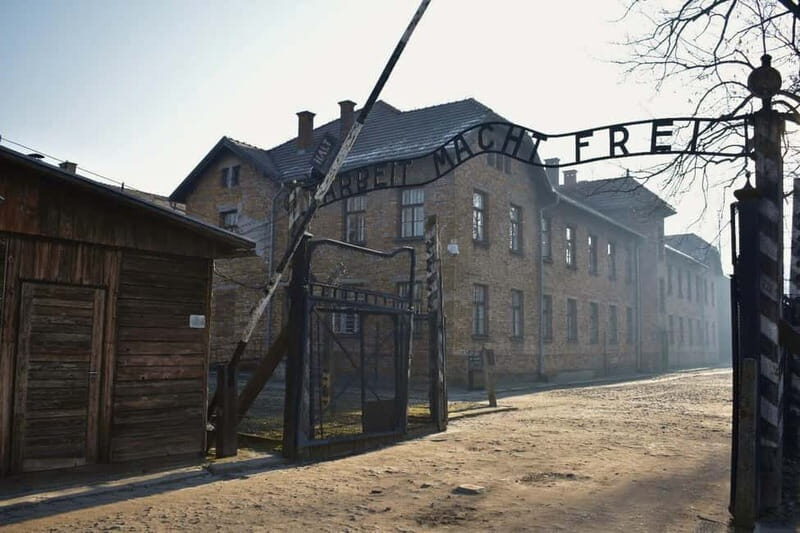
- Auschwitz I is self-guided for a set stretch, with materials to help you make sense of the exhibition areas.
- Birkenau is guided for a shorter, focused period that gives you key historical framing.
- You’ll see specific physical remnants, including crematories, the unloading area, and remaining barracks.
- The schedule is fixed by the memorial, not by the tour operator, so timing can’t be “stretched.”
- Your tour leader stays onboard for the museum visit, so you’re doing the site with your guide materials.
- Language and pace can vary, so plan to rely on the provided guidebook/map if needed.
Why This Auschwitz-Birkenau Day Trip Works From Krakow
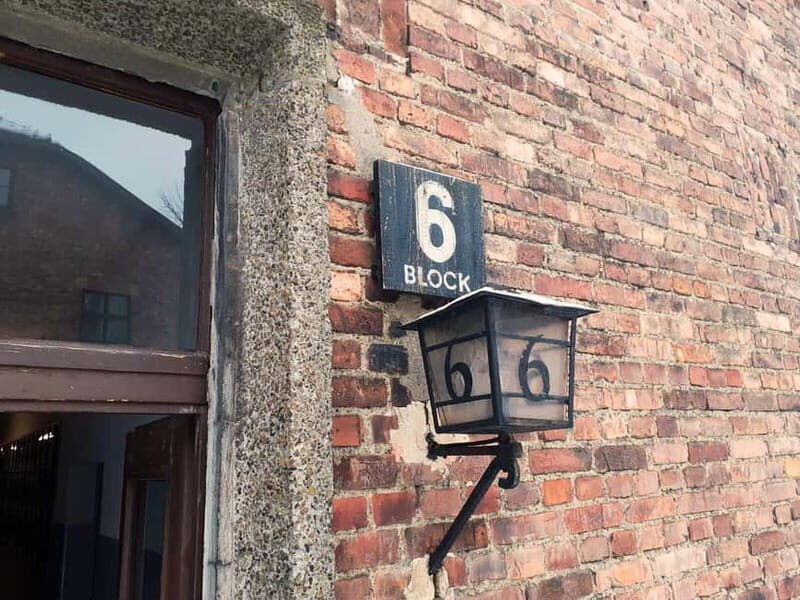
This is the kind of tour where the best value isn’t in extra “bells and whistles.” It’s in the simple things done well: roundtrip transfer, entry included, and a plan that gets you into both main areas of the Auschwitz complex without turning your day into logistics.
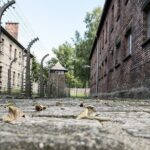
The heart of the experience is two different vantage points. Auschwitz I tends to feel like an ordered, information-heavy site where you’re learning through the permanent exhibition in former prisoner barracks. Birkenau feels bigger, more open, and more stark—where the scale of what happened becomes harder to ignore. Done in one day, you’re not just sightseeing. You’re seeing the system from two angles.
A few more Krakow tours and experiences worth a look


Getting to Oświęcim: meeting spot, bus timing, and how to not miss your day
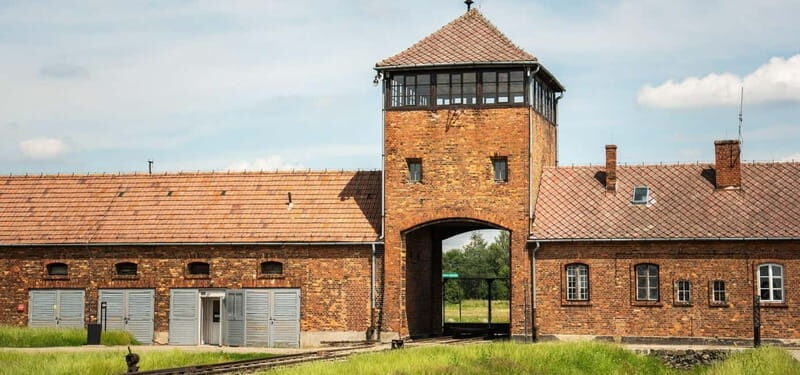
You’ll start in Kraków near Pawia 18B, with the meeting point listed as the K+R bus stop opposite Hotel Mercure. The exact start time is approximate, so I recommend showing up a little early and keeping an eye on the group sign-up or pickup area.
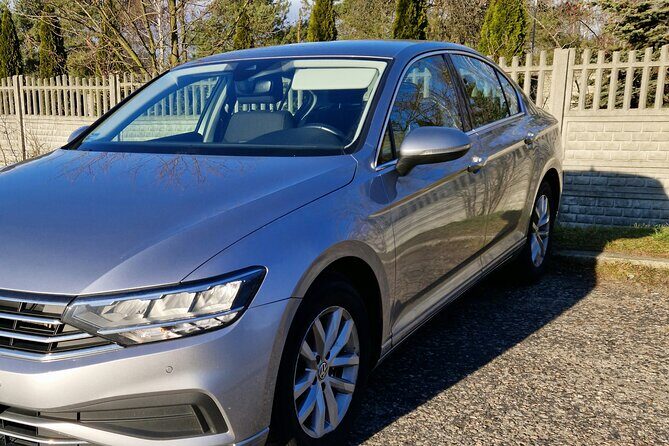
Transport is provided by bus or minivan, and the day is set up like this:
- a longer ride out to the Auschwitz complex area
- a short transfer between Auschwitz I and Auschwitz II-Birkenau
- a longer ride back to Kraków
Why this matters: Auschwitz visits have tight visitor-flow rules, and the memorial also controls pacing inside. If you show up stressed, you’ll feel it later. If you show up calm, you’ll have an easier time absorbing what you’re seeing without constantly checking your watch.
One practical note: the tour finishes at Radisson Blu Hotel, Krakow. That’s helpful if you already know where you’re heading next that evening.
Auschwitz I: 100 minutes self-guided with real orientation tools
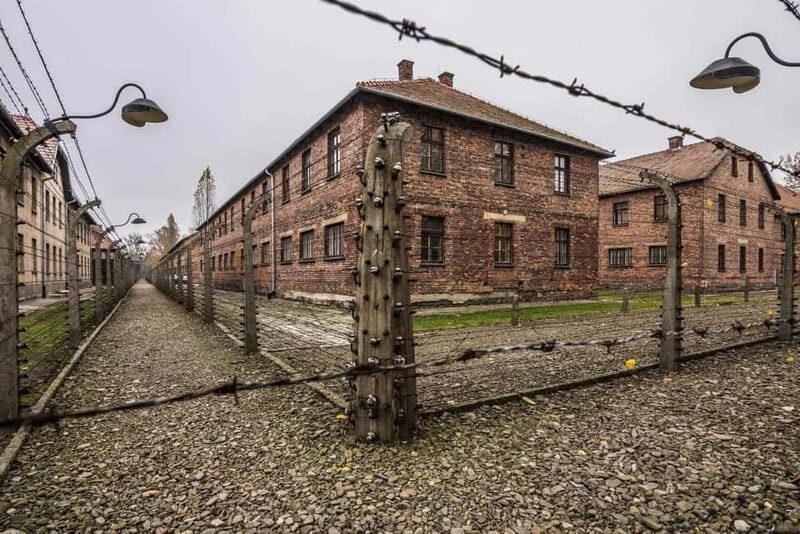
Auschwitz I is where the day gives you structure. You’ll enter for a self-guided tour of about 100 minutes, focusing on the permanent exhibition set in former barracks.
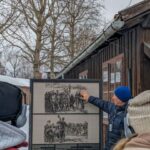
What I like about this format is that you control your attention. In a museum like this, you don’t always want someone talking nonstop. You may want time to stop at a photo, read a panel, or study a personal artifact. The included guidebook and map are there to help you move with purpose.
Also, the tour leader does not enter the museum with you. That’s a common setup for memorials like this. It means you rely on your own materials inside, not on the leader walking you block to block. For some people, that’s fine. For others, it’s a reason to bring extra focus (for example, knowing what themes you want to find).
Switching from Auschwitz I to Birkenau: the short ride that matters
After Auschwitz I, there’s a short coach ride (about 15 minutes) before you go to Auschwitz II-Birkenau. On paper, that sounds quick. In reality, it’s a breather you didn’t know you needed.
This transition is important because the mood and layout change. Auschwitz I is more museum-like and exhibition-centered. Birkenau is sprawling and built for scale. Giving your mind a moment to switch helps you connect what you learned in the barracks exhibition to what you’ll see out at Birkenau.
Auschwitz II-Birkenau: a guided 45 minutes for context you can’t fake
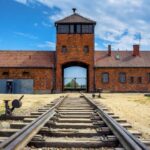
Birkenau is the main “wow” site, but the point isn’t just the scale. The guided portion (about 45 minutes) is there to anchor you. During that time you should expect to hear about living conditions, the fate of camp prisoners, and how the Auschwitz system operated.
You’ll also see specific remains and landmarks such as:
- crematories
- the unloading ramp
- remaining barracks
- a monument dedicated to the last victims
One useful thing to know: the tour order can vary depending on the season. You might visit Birkenau first, then Auschwitz I. Either order works, but if you prefer a particular flow (learning first, then seeing the larger site), go in knowing that the schedule can shift.


What you’ll actually see: remnants, artifacts, and the way details hit
The tour description promises the right kinds of details: remnants plus poignant personal artifacts, not just big general facts. That’s what makes this experience stick.
Here’s what those elements tend to do for your understanding:
- Physical remnants (like crematories and ramp areas) turn history into something measurable.
- Personal artifacts add the human scale, the fact that victims had lives before they were processed by the system.
- Barracks and surviving structures make conditions concrete, not abstract.
This is also a place where your brain will try to speed-read or mentally protect itself. A good strategy is to pick a few key stations to linger on. Even a short delay can change what stays with you later.
Language and pace: the trade-off you should plan for
Here’s the honest part: language on these tours can be inconsistent, depending on what guide services the memorial provides on a given day.
The tour itself includes multilingual informational materials, and it also includes an English audio guide. Still, if you booked expecting a specific spoken guide language for both site portions, don’t assume it will match perfectly. In some cases, the guidance inside can be delivered differently than expected, and the provided brochure/map becomes your main tool for block-by-block understanding.
Pace is similar. The memorial visitor service sets timing. If you’re someone who hates rushing, treat the schedule as a minimum. You can still slow down within the self-guided window, but you can’t add time beyond what you’re allocated.
Also, the bus-and-entry flow is designed for a full day. If you try to “thread” extra stops in Kraków that morning, you’ll likely end up stressed. Keep it simple: let this day be the day.
Rules that affect your comfort: names, IDs, and luggage size
This memorial has practical requirements you should handle early.
- You must provide your full name and contact details at booking.
- Entrance can be refused if your name doesn’t match your ID exactly.
- Luggage inside the museum premises has a maximum size of 30 × 20 × 10 cm.
This matters because a rushed morning can lead to a last-minute problem at the gate. I recommend packing to the size limit from the start, and making sure the name on your ID matches the booking exactly.
Food, drinks, and the reality of an 8-hour schedule
Food and drinks are not included, so plan to eat before the pickup or bring something appropriate if you have time before entering the memorial areas. With an 8-hour day and controlled entry, you don’t want to hunt for a meal right when you’re tired.
If you’re thinking of bringing snacks, remember that inside the memorial, your time and movement can be structured. The easiest approach is to handle meals like you would for a long museum day: eat once you’re fed, then focus on the site.
Price and value: what $36 gets you (and what it doesn’t)
At about $36 per person for an 8-hour Auschwitz-Birkenau day trip with transfer, entry passes, and an audio guide, the value is solid if you want a straightforward, no-fuss day.
What you’re paying for:
- roundtrip transportation by bus or minivan
- entry tickets to Auschwitz I and Auschwitz II-Birkenau
- a tour leader on board
- included informational guide materials (guidebook/map)
What you’re not paying for:
- food and drinks
- extra time inside beyond what the memorial allows
- a fully flexible, tailor-made walk-through at your pace
So if your priority is getting there efficiently with the correct access and materials, this is a good deal. If your priority is long, discussion-heavy guiding and lots of time to read everything slowly, you may want to think about whether you’d need more time than the scheduled windows provide.
Who should book this tour—and who might want a different format
This tour is a strong fit if:
- you want an organized day trip from Kraków
- you prefer to read at your own pace at Auschwitz I using a guidebook and map
- you like having at least some guided context at Birkenau
- you want the big entry logistics handled for you
It may be less ideal if:
- you’re extremely sensitive to time limits and need hours at each area
- you require spoken guidance in a specific language for every minute inside, since language can vary and the materials may carry more of the load
Also, if you’re traveling with limited time in Kraków and want a reliable Auschwitz-Birkenau day, this format is practical.
Should you book the Auschwitz-Birkenau tour with transfer?
I’d book it if you want a clean, efficient day plan: transport + entry + timed access with guide materials that help you understand what you’re looking at. At this price, it’s hard to beat the basics.
I’d pause and consider another option if you know you’ll struggle with a short schedule at Auschwitz I and a limited Birkenau guided window. This is not the type of visit that rewards cramming. If you’re hoping for deep, unhurried reading at every stop, you’ll want to plan for more time than this day allows.
If you do book, go in ready for rules, take your ID seriously, keep luggage within the limit, and treat the guidebook/map as part of the experience, not just a souvenir.
FAQ
How long is the tour from Kraków?
The total duration is about 8 hours.
What does the price include?
It includes roundtrip transportation, a tour leader on board, entry passes to Auschwitz I and Auschwitz II-Birkenau, and a multilingual informational guidebook that must be returned after the tour.
Is food and drinks included?
No. Food and drinks are not included.
Does the tour leader enter the museums with you?
No. The tour leader does not enter the museum with you, especially during the self-guided part.
How much time is spent at Auschwitz I and Auschwitz II-Birkenau?
Auschwitz I is self-guided for about 100 minutes, and Auschwitz II-Birkenau has a guided portion of about 45 minutes.
Is there an audio guide?
Yes. An English audio guide is included.
Can the order of Auschwitz I and Birkenau change?
Yes. Depending on the time of year, you may visit Birkenau first and then Auschwitz I.
Where do we meet in Kraków?
You meet at the K+R Bus Stop opposite Hotel Mercure, Pawia 18b, 31-154 Kraków.
Are there any luggage or ID rules?
Yes. You must provide full name and contact details for booking, your name must match the ID used at entry, and luggage inside the museum premises is limited to 30 × 20 × 10 cm.
Is the tour refundable if I cancel?
This activity is non-refundable.