REVIEW · WROCLAW
Wroclaw: Skip the Line Panorama Raclawicka and Ostrow Tumski Guided Tour
Book on Viator →Operated by Rosotravel Wroclaw - Wroclaw Tours · Bookable on Viator
Wrocław reveals itself one stop at a time. This guided route pairs skip-the-line museum entry with Ostrów Tumski sightseeing, so you get real context fast, not just photos. I especially like how the guide ties the city’s past to what you’re seeing, and how the walk includes practical photo moments like the Tumski Bridge. One thing to plan for: the stops are packed, so if you love lingering, you may feel a time pinch.
I also like that this is a private, customizable format. You can slow down for towers, ask questions, and still cover a lot—around 2 to 4 hours. Expect a solid walking route with several ticketed interiors (some included, some on request), so comfy shoes help.
In This Review
- Key Highlights Worth Getting Excited About
- Why This Wrocław Walk Fits Real Life
- Skip-the-Line at Panorama Racławicka: The Art That Bends Perspective
- The Wrocław Gnomes Stop: Silly Fun With Great City-Biology
- Ostrów Tumski: Wrocław’s Old Core on Cathedral Island
- Archikatedra St. John the Baptist: Stained Glass and a Tower View
- A Small Museum Stop With a City-View Twist
- The Oder River and Tumski Bridge: Where the Photos Are Easy
- National Museum: Art and Sculpture With Local Focus
- Churches, Palaces, and the “Request Entry” Moments
- Taking Breaks on Bielarska and Słodowa Islands
- The Monument in Front of the Church of the Holy Cross
- Price and Time: Is This a Good Value?
- Who Should Book This Tour?
- Should You Book This Private Guided Tour?
- FAQ
- FAQ
- How long is the Wrocław Panorama Racławicka and Ostrów Tumski guided tour?
- What’s included in the tour ticketing?
- Is the Panorama Racławicka ticket included?
- Is the Archikatedra cathedral admission included?
- Where does the tour start and end?
- Is it a private tour?
- Do I get a mobile ticket?
- Will I receive information before the tour?
- Is the itinerary customizable?
- Can I cancel and get a refund?
Key Highlights Worth Getting Excited About
- Skip-the-line tickets save time for Panorama Racławicka and the National Museum
- Ostrów Tumski gives you the cathedral-side story of the old town
- Tower views and stained glass make the church stops feel like sightseeing, not errands
- Wrocław gnomes turn a history walk into playful street-level fun
- River + bridges deliver easy “wow” scenes without needing a long detour
Why This Wrocław Walk Fits Real Life
This tour works for you if your time is limited but you still want more than a checklist. With a guided pace, you’re not wandering into the right street by luck; you’re learning why these places matter, then getting time to look closely.
The sweet spot is that you cover big-name stops—like Panorama Racławicka and the National Museum—without losing the day to long ticket lines. And because it’s private, you can adjust what you prioritize. I’d call it a great “first or second visit” tour: first, because it gives you bearings; second, because you’ll know where to return on your own.
You can also read our reviews of more guided tours in Wroclaw

Skip-the-Line at Panorama Racławicka: The Art That Bends Perspective
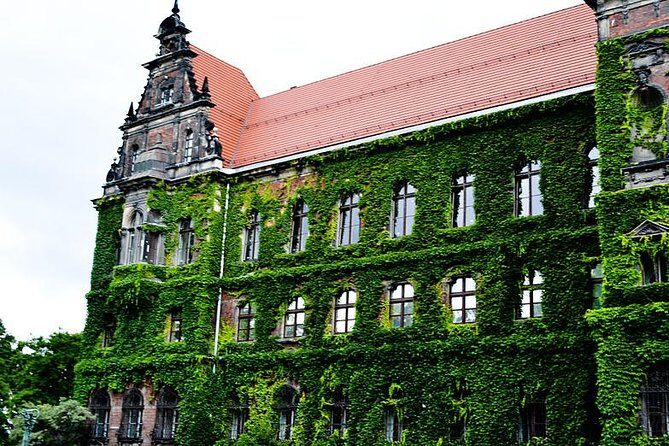
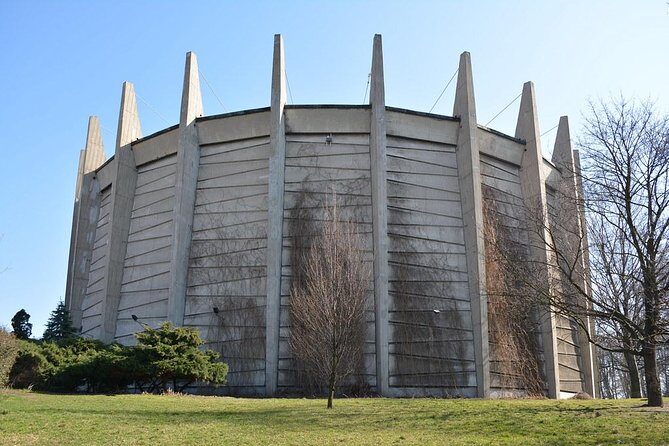
You start at the Panorama Racławicka, inside a distinctive, rounded building. The museum’s signature is the special painting and perspective setup, which makes the scene feel unusually close and large—perfect for understanding why this works so well even if you’re not an art expert.
The practical win is the skip-the-line entry. Even with a guided schedule, waiting can eat your momentum. Here, you get about 30 minutes to take it in with the guide’s explanations, so you’re not just reading captions while other people move you along.
One tip: give yourself permission to look twice—once fast to “get” the full effect, then again to catch details you missed the first pass. The guide’s context helps that second look make sense.
The Wrocław Gnomes Stop: Silly Fun With Great City-Biology
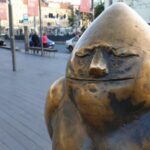
Right between heavier history moments, you’ll get a playful detour for gnomes. The idea is simple but fun: they’re on the ground, in window areas, and even hanging around lampposts.
This works for you because it resets your brain. After museums and churches, you’ll feel yourself scanning streets differently—slow down, look around, and you’ll start noticing how the city decorates itself. It’s a low-effort, high-delight stop that also encourages walking at a comfortable pace.
If you’re traveling with kids or you just like a bit of whimsy, this is the moment you’ll remember.
Ostrów Tumski: Wrocław’s Old Core on Cathedral Island
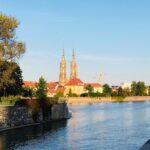
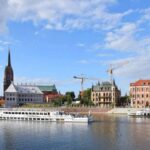
Ostrów Tumski—the Cathedral Island—is where the tour gets its historical backbone. You’ll spend about one hour exploring this oldest part of Wrocław, with colorful buildings, winding streets, and a strong sense of place.
I like that the guide helps you connect what you see now to what changed over time. The tour includes references to how the area looked at the end of World War II, which adds emotional weight without turning the walk into a lecture. You’ll understand why the architecture matters and why restoration and memory are both part of the story here.
This stop also gives you a better sense of geography. Walking on the island helps you feel where the city grew, and the setting makes photo-taking easier than you might expect.
Archikatedra St. John the Baptist: Stained Glass and a Tower View
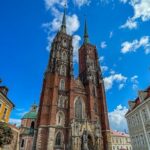
Next comes the Archikatedra pw. Sw. Jana Chrzciciela we Wrocławiu, a restored cathedral with standout stained glass windows. Even in a short window—about 15 minutes—you can get a feel for the interior and the level of care that went into bringing it back.
There’s also a tower option with a view over Wrocław, which is a nice payoff if you like high viewpoints. The key detail for planning: admission to this cathedral is not included in the tour price, so budget time (and ticket handling) accordingly.
In practice, I think the cathedral works best if you don’t rush. Spend a few minutes looking upward for the windows, then decide if you want the tower climb. If you’re a “views first” person, aim for the tower earlier so timing doesn’t squeeze you later.
A Small Museum Stop With a City-View Twist
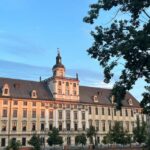
One of the more interesting pace choices is a smaller “university museum” experience that doesn’t sound like what it turns out to be. You’ll visit four rooms, and one of them functions more like a tower viewpoint than a traditional hall.
Entry may require a request, so come with a flexible attitude. For you, this is one of those stops that rewards curiosity: it’s not just another corridor of artifacts. It’s also a chance to see the city from a different angle while keeping the walk efficient.
If you love architecture, this part fits well because you’re seeing both the city’s past and the city’s layout from above.
The Oder River and Tumski Bridge: Where the Photos Are Easy
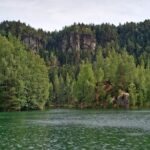
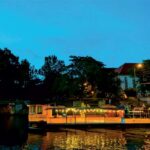
Wrocław’s river running through the city is one of the best “side-door attractions.” During this stretch, you’ll get views of islands along the water and small boats passing by. You’ll also notice floating restaurant-and-bar energy, plus the many bridges that create quick, dramatic framing for pictures.
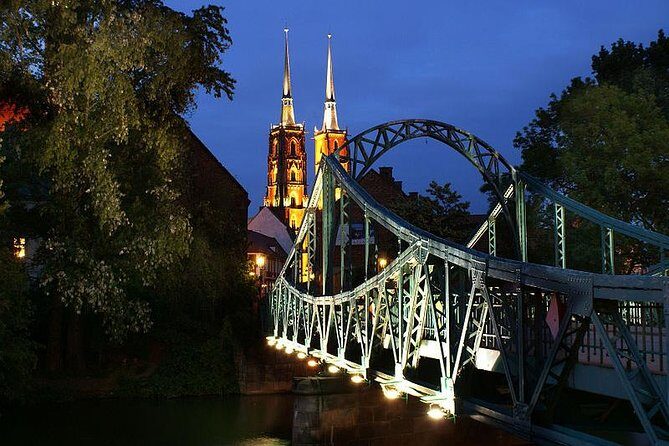
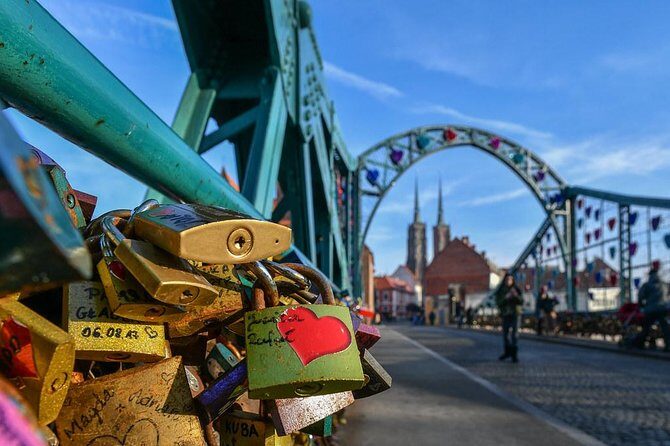
Then the tour hits Tumski Bridge, famous for the padlocks attached to it. It’s romantic in the simple, human way—more like a tradition you can see with your own eyes than a monument you have to research first.
You’ll get about 10 minutes here. That’s enough time to take photos and enjoy the river moment, but not enough time to treat it like your long lunch spot. If you want more time, save it for later with your own return visit.
National Museum: Art and Sculpture With Local Focus
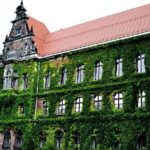
The National Museum is where the tour shifts from streets to collections. You get about one hour inside with art and sculptures, and the emphasis includes Silesian and Polish artists, plus works from more distant regions of the world.
The practical win: admission is included, and the entry is managed with the schedule so you’re not losing time. The guide context also helps you see the works as part of a larger national and regional story, not isolated masterpieces in glass cases.
If you tend to skim museums, don’t worry. You’ll likely be able to follow the guide’s priorities and still have time for your own stops—especially if you like sculpture and you want a break from walking.
Churches, Palaces, and the “Request Entry” Moments
One of the strengths of this tour is that it mixes major sights with lesser “pause points” that add texture. You may see a stunning baroque church that’s described as one of the most impressive in Europe, but entry is for request, so it depends on timing and access.
You may also visit Ossolineum, a palace-like building with a garden you can walk around. Even a short garden break is valuable because it cools down the pace. It also gives you a change of scenery from stone streets and gives your feet a chance to recover.
Another fascinating stop is the cathedral of the Greek Catholic community, which is mostly Gothic and plain in feel, but holds a beautiful baroque chapel on the southern side. That contrast—Gothic structure, baroque detail—helps you understand why Wrocław’s religious history is layered instead of one-note.
And then there’s Church of Our Lady on the Sand, built in Gothic style with a large single nave and Gothic altarpieces. The tour notes a chapel with a moving nativity scene, where an old nun attends it. Even if you don’t catch it in motion, this kind of detail is the sort of thing that makes a guided route feel special.
Taking Breaks on Bielarska and Słodowa Islands
After churches and museums, the islands feel like a reward. You’ll spend time around Bielarska Island, described as a quiet natural space with benches—great for slowing down and simply watching the river area.
Then there’s Słodowa Island, where you can relax, take pictures, and enjoy a mix of nature and old buildings nearby. These stops are short, but they matter. They help you absorb what you learned earlier without feeling like you’re still “working” at sightseeing.
If you’re traveling with someone who gets museum fatigue, these island moments can keep the mood light and the pace comfortable.
The Monument in Front of the Church of the Holy Cross
The tour also includes a memorial connected to Chinese students and Polish solidarity against communist cruelty. It’s described as a monument or installation that helps people remember that specific chapter of history.
In a walking tour, these moments can be easy to ignore if you’re only focused on architecture. Here, the context helps you read the site as more than a statue. You’ll also get the satisfying geographic link back to Cathedral Island when you’re near the top-view moments.
Price and Time: Is This a Good Value?
At $145.41 per person, this isn’t a budget stroll—but it’s also not “pay for nothing” pricing. You’re paying for three important things:
- Skip-the-line tickets for major attractions (Panorama Racławicka and the National Museum).
- A guided route that helps you interpret what you’re seeing in a short window.
- A private, customizable format, so the time doesn’t feel wasted on a one-size-fits-all plan.
The math gets better if you actually care about both museums and the historic cathedral area. If you only want exterior sightseeing, you may feel the admissions cost more than you expected. But if you want context plus tickets handled efficiently, the price is easier to justify.
Timing matters too. The tour is listed as 2 to 4 hours, but you’re hitting several stops, including ones with entry requests. If you have another appointment later, I’d plan a buffer—this is the kind of tour that can run long if you ask thoughtful questions.
Who Should Book This Tour?
You’ll probably love it if you’re:
- visiting Wrocław for the first time and want history with direction
- the type who enjoys churches, museums, and city viewpoints
- traveling with a “see it all” mindset but still want a human guide
You might not love it if you want very slow, very flexible walking with zero ticket pressure. The route is designed to cover ground, and some interiors depend on access.
Should You Book This Private Guided Tour?
I’d book this if you want a smart, efficient way to understand Wrocław’s story. The biggest reasons are the skip-the-line approach and the pairing of Panorama Racławicka with Ostrów Tumski—two very different sides of the city, connected by historical context. The guide’s style (informative, clearly invested in the city) is the kind of thing that turns a schedule into a real experience.
If you’re the type who hates rushing through museums or you’re extremely sensitive to time, consider whether you can spare a full half-day. Otherwise, bring good walking shoes, keep a little flexibility in your day, and let the guide steer you.
FAQ
FAQ
How long is the Wrocław Panorama Racławicka and Ostrów Tumski guided tour?
It typically runs about 2 to 4 hours.
What’s included in the tour ticketing?
Skip-the-line tickets are included for the Panorama Racławicka and the National Museum. Admission for Ostrow Tumski is also included.
Is the Panorama Racławicka ticket included?
Yes. Admission to Panorama Racławicka is included, with about 30 minutes at the stop.
Is the Archikatedra cathedral admission included?
No. The Archikatedra pw. Sw. Jana Chrzciciela we Wrocławiu stop lists admission as not included, and you’ll have about 15 minutes there.
Where does the tour start and end?
It starts at Plac Katedralny 50, 50-329 Wrocław, Poland, and ends at Ostrów Tumski, Wrocław.
Is it a private tour?
Yes. This is a private tour/activity, so only your group participates.
Do I get a mobile ticket?
Yes. The experience includes a mobile ticket.
Will I receive information before the tour?
You should check your email the day before the tour to receive important information.
Is the itinerary customizable?
Yes. The tour is described as private and customizable, with freedom to adjust the itinerary.
Can I cancel and get a refund?
No. The experience is non-refundable and cannot be changed for any reason.