REVIEW · KRAKOW
Krakow: Wawel Castle & Cathedral Guided Tour
Book on GetYourGuide →Operated by excursions.city · Bookable on GetYourGuide
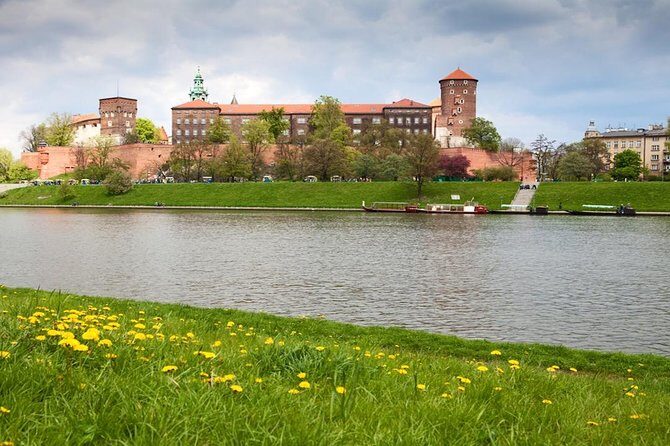
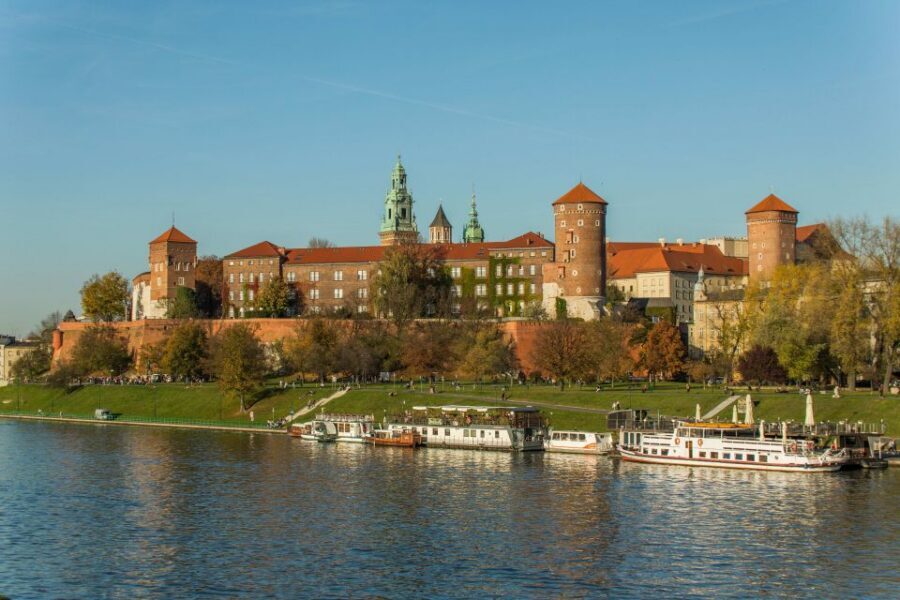
Wawel Hill gets real fast, with a guide. This 2-hour tour pairs Wawel Castle’s royal rooms with the Wawel Cathedral, so you get the story behind the art, the power, and the faith. You’ll start in Krakow’s Old Town area and work your way up to one of Poland’s most iconic UNESCO sites.
I especially like how the tour points your eyes at what matters inside the Royal Castle. You’ll see Renaissance and Baroque interiors plus collections like Flemish tapestries tied to King Sigismund II Augustus, Italian Renaissance works from the Lanckoroński collection, and even Eastern art including Ottoman tents in the museum displays.
One consideration: two hours moves quickly through crowded highlights, so if you want long, quiet time to wander on your own, you may feel a bit rushed.
In This Review
- Key moments worth planning for
- Wawel in 2 Hours: What You’ll Really Be Seeing
- Where You Start: Meeting Point and How Not to Get Left Behind
- Wawel Castle Interiors: Renaissance Meets Baroque Court Life
- The Art and Objects You’ll Actually Understand
- Wawel Cathedral: Coronations, Gothic Space, and Real Ritual
- The Bell Tower and the Stories You Carry Home
- Crypts: When the Past Turns Into Names
- Group Size, Headsets, and Staying Comfortable
- Dress Code: The One Rule That Can Ruin Your Day
- Price Value at $57: What You’re Buying With Time and Tickets
- Who This Tour Suits Best
- Should You Book This Wawel Castle and Cathedral Tour?
- FAQ
- How long is the Wawel Castle & Cathedral guided tour?
- Where do I meet the guide?
- Is there a skip-the-line ticket included?
- What parts of the castle are included?
- Do I get access to the Wawel Cathedral too?
- Is the Sigismund Bell included in the visit?
- Are headsets provided?
- What languages are available for the tour?
- What should I wear to enter the cathedral and museums?
- What’s the group size limit?
Key moments worth planning for
- Skip-the-line entry for one permanent exhibition at Wawel Castle, with a licensed guide to direct your time.
- Royal chambers in Renaissance and Baroque style, with major art and objects you’d likely miss without context.
- Gothic Wawel Cathedral, tied to coronations and major life events of Polish monarchs.
- Sigismund Bell tradition, where touching the bell is said to bring good luck.
- Crypts below the Cathedral, with stories connected to kings, queens, poets, and national heroes.
- Headsets for 9+, so you can keep up even when the group grows.
Wawel in 2 Hours: What You’ll Really Be Seeing
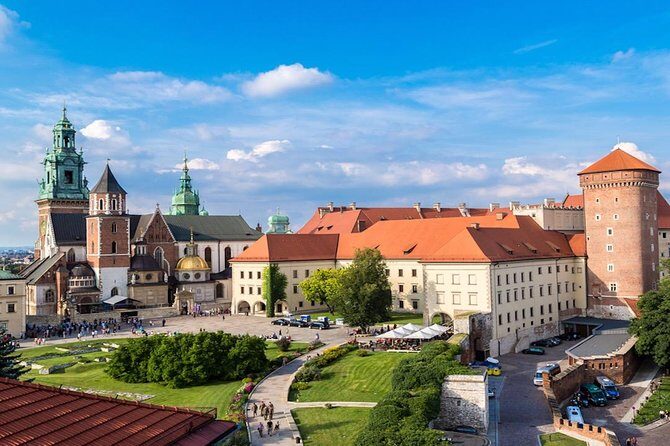
Wawel is the kind of place where a “just walk around” plan can turn into staring at walls and hoping it all connects. With this tour, you get a guided path through the royal seat of Polish kings and the cathedral that became part of state power and public memory.
The big win is the combination. You’re not only looking at buildings; you’re connecting monarchy, faith, and art in one loop. The castle explains the polish of court life, while the cathedral shows what that power meant in everyday national ritual.
And yes, it’s UNESCO territory, perched on Wawel Hill, with centuries of symbolism baked into every doorway. In a short visit, that’s exactly what you want: a focused route that still feels like you saw the heart of the site.
You can also read our reviews of more guided tours in Krakow


Where You Start: Meeting Point and How Not to Get Left Behind
You won’t meet your guide at the castle gate. Your meeting point is on St. Mary Magdalene Square at the Piotr Skarga Monument, and your guide will hold an excursions.city sign.
Plan to arrive about 10 minutes early. Once the group departs, latecomers can’t join, and tickets can’t be refunded. That rule is simple, but it matters—Wawel tours are popular and groups move in one language.
If you’re coming straight from elsewhere in Krakow, I’d give yourself a small buffer for getting oriented. The meeting point is easy to miss if you’re already thinking about the view from Wawel Hill.
Wawel Castle Interiors: Renaissance Meets Baroque Court Life
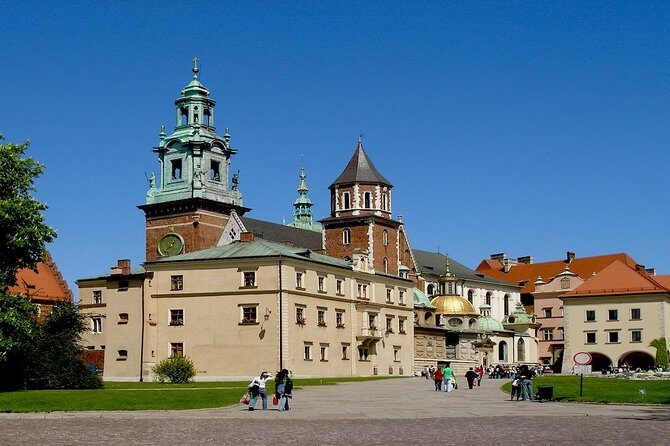
Step into the castle museum setting, and you’ll notice something right away. Wawel Castle isn’t just architecture—it’s been turned into a major museum space since 1930, so the rooms are meant for viewing and interpretation.
Inside, the tour focuses on the State Rooms / Royal Private Apartments / Crown Treasury area, depending on what’s available at the time. I like that flexibility because it means the tour isn’t stuck on one exact set of rooms every day.
What you’re looking for is how the style changes with time and taste. You’ll see Renaissance and Baroque royal chambers, where the décor supports an idea: power that looks beautiful and behaves like theater. Paintings, sculptures, and decorative objects aren’t random decoration; the guide ties them to the kings, tastes, and political moments behind the scenes.
The Art and Objects You’ll Actually Understand
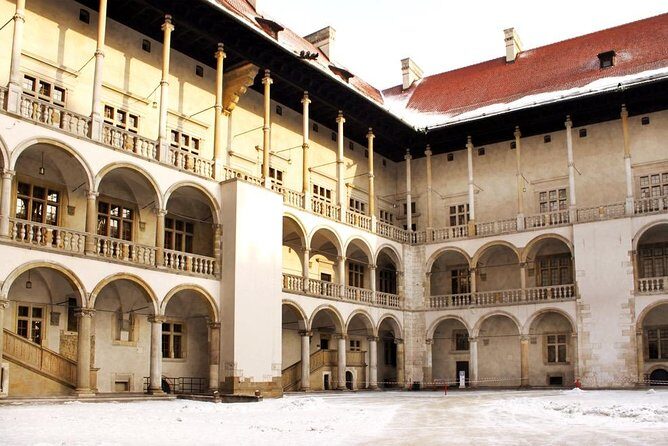
One of the best values in a guided castle visit is when someone gives you a mental map of what you’re seeing. This tour does that with specifics—so you don’t just admire things, you start recognizing patterns.
You may see Flemish tapestries commissioned by King Sigismund II Augustus. You’ll also get pointed toward Italian Renaissance masterpieces from the Lanckoroński collection, plus other museum highlights like porcelain and military artifacts.
Then there’s the detail that catches people off guard in a good way: Wawel’s Eastern art collection, including the largest set of Ottoman tents in Europe. That’s not the first thing you expect when you think of Polish royal residences, and it’s exactly why a guide helps—you understand how trade, diplomacy, and cultural contact shaped what ended up here.
If you’re the type who enjoys reading the room’s story—who commissioned it, why it matters, what it signals—this kind of tour is made for you.
Wawel Cathedral: Coronations, Gothic Space, and Real Ritual
After the castle, the mood shifts. Wawel Cathedral feels like a different world, even though it’s part of the same royal complex.
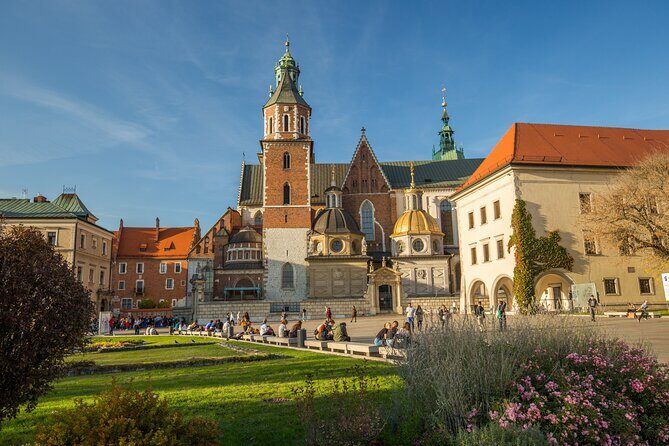
This is a Gothic masterpiece connected to real national milestones. Your guide will explain that the cathedral is the site of royal coronations and that it has witnessed major life events of Polish monarchs, from weddings to funerals.
Inside, you’ll step through chapels and altars with your guide’s explanation guiding how you look. Gothic cathedrals can overwhelm you fast, but having someone frame the key symbols helps you notice what you’d otherwise glide past.
And yes, there’s a moment that turns it from “history lecture” into something memorable: you get to touch the Sigismund Bell. Tradition says it brings good luck, and people take that part seriously.





The Bell Tower and the Stories You Carry Home
The bell-tower stop is one of those smart tour choices. It adds a bit of vertical drama to an otherwise indoor-heavy visit, and it gives the guide a chance to connect the bell and cathedral to the larger story of tradition and authority.
The way the tour is structured also helps you avoid a common mistake: spending too long in the first rooms you find. Your guide keeps the pace moving so you get to the main cathedral highlights, rather than getting lost in side chapels.
Some guides are also especially strong at weaving humor and personal energy into the facts. If you see the guide is named Helene, Helen, Anna, Jadwiga, or Alexandra (Ola) on your booking, you can expect that kind of high-energy storytelling style based on past guest feedback—these names show up again and again for a reason.
Crypts: When the Past Turns Into Names
The tour doesn’t stop at the cathedral floor. You’ll descend into the crypts, where kings, queens, poets, and national heroes rest.
This part is valuable for a simple reason: it turns the cathedral from architecture into a place of memory. When you know who is connected to these spaces, the visit feels less like sightseeing and more like understanding why people built, maintained, and honored this place over centuries.
If you’re curious about Poland’s historical identity—how faith and state power overlapped—this is where the emotional weight lands. It’s also a good counterbalance to the castle rooms, which focus more on court art and material culture.
Group Size, Headsets, and Staying Comfortable
This is a small-to-medium group tour: maximum 30 participants. That matters because Wawel is busy, and you want a group that won’t feel like a slow-moving crowd.
For groups of 9+, you’ll get headsets, which helps a lot when the cathedral turns into a sound maze. You’ll also have one guide per group language, so you won’t be switching between interpretations mid-tour.
The duration is 2 hours, so wear shoes you can stand and walk in. Even if you’re not doing long hiking, the pace across castle rooms and cathedral interiors adds up.
Dress Code: The One Rule That Can Ruin Your Day
Places of worship and selected museums apply a dress code. No shorts and no sleeveless tops. Both men and women must cover knees and shoulders.
This isn’t just a “nice to know.” It’s a real constraint, and it can stop you at the entrance if your outfit doesn’t fit. If you’re traveling in warm weather, bring a light layer you can throw on quickly.
If you’re taking photos, you’ll also like that the restrictions help keep the visit respectful and comfortable for everyone around you.
Price Value at $57: What You’re Buying With Time and Tickets
At $57 per person for a 2-hour guided loop, the price is less about the buildings and more about what gets you through them efficiently.
You’re paying for a few key things:
- A licensed local guide who can explain what you’re seeing
- Skip-the-line entrance for one permanent exhibition at Wawel Castle
- A Wawel Cathedral ticket
- Included access to a major set of castle areas (State Rooms / Royal Private Apartments / Crown Treasury, depending on availability)
- Headsets for larger groups
What’s not included is food and drinks, so budget a snack plan before or after. This matters because cathedral and castle visits don’t naturally fit a long sit-down break.
So is it good value? For most people, yes—especially if you only have a limited amount of time in Krakow. The guide turns “I saw a castle and a church” into “I understand why these objects and spaces mattered.”
If you already love art history and want to read every label yourself for hours, you might prefer a slower self-guided pace. But for a tight schedule, this tour is built for getting the essentials in an organized way.
Who This Tour Suits Best
This tour is best for you if you want a structured visit without sacrificing key stops. It’s a great match if:
- You want a fast grasp of Polish royal and national identity through real sites
- You’re interested in art, but you don’t want to guess what everything means
- You’d rather ask questions than wander and hope you find the best angles on your own
- You like traditions with a physical moment, like touching the Sigismund Bell
It may feel less ideal if your travel style is slow and solitary. Two hours is tight, and Wawel can get crowded, so you won’t have unlimited quiet time in every corner.
Also, this tour is run in one language per group, so double-check your language choice when booking if that matters to you.
Should You Book This Wawel Castle and Cathedral Tour?
If you’re visiting Krakow for a short window, I think this tour is an easy yes. You get the royal castle, the Gothic cathedral, the bell tradition, and the crypts in a tight format that’s designed to prevent wasted time.
Book it if you like your sightseeing paired with context—stories that connect objects, rulers, and ritual. I’d skip it only if you’re planning to spend most of your day in Wawel at your own pace and you’re comfortable building the narrative yourself from labels.
For most people, this is the smart way to do Wawel without turning it into a checklist.
FAQ
How long is the Wawel Castle & Cathedral guided tour?
It lasts about 2 hours.
Where do I meet the guide?
Meet your guide on St. Mary Magdalene Square at the Piotr Skarga Monument. The guide holds an excursions.city sign.
Is there a skip-the-line ticket included?
Yes, you get skip-the-line entrance for one permanent exhibition at Wawel Castle.
What parts of the castle are included?
You’ll enter State Rooms or Royal Private Apartments, or the Crown Treasury, depending on availability.
Do I get access to the Wawel Cathedral too?
Yes. The tour includes a ticket to the Wawel Cathedral.
Is the Sigismund Bell included in the visit?
Yes. You can touch the Sigismund Bell for good luck as part of the cathedral/tower experience.
Are headsets provided?
Headsets are provided for groups of 9+.
What languages are available for the tour?
The tour can be conducted in Spanish, French, Polish, English, German, or Italian.
What should I wear to enter the cathedral and museums?
Shorts and sleeveless tops aren’t allowed. Both men and women must cover knees and shoulders.
What’s the group size limit?
The tour is limited to a maximum of 30 participants.