REVIEW · WARSAW
5 hour: Royal Castle, Old Town and Lazienki Park/inc.Pick-up
Book on GetYourGuide →Operated by Visiting-Warsaw.Com Visiting-Cracow.Com · Bookable on GetYourGuide
Warsaw’s royal sights are packed into five hours. I really like how this tour strings together the atmosphere of Old Town with a proper look inside the Royal Castle, so the city feels alive instead of like a checklist. And when we walk from the Old Town area toward Lazienki Park, you get both the story of Warsaw and the scenery that makes people slow down.
One thing to plan for: this is a walking-focused day, and it’s not suitable for people with mobility impairments. Wear comfortable shoes, because even short stops still add up when you’re on your feet.
In This Review
- Key things to know before you go
- Old Town streets to Castle Square: the part that sets the mood
- Royal Castle inside: what makes this more than a building visit
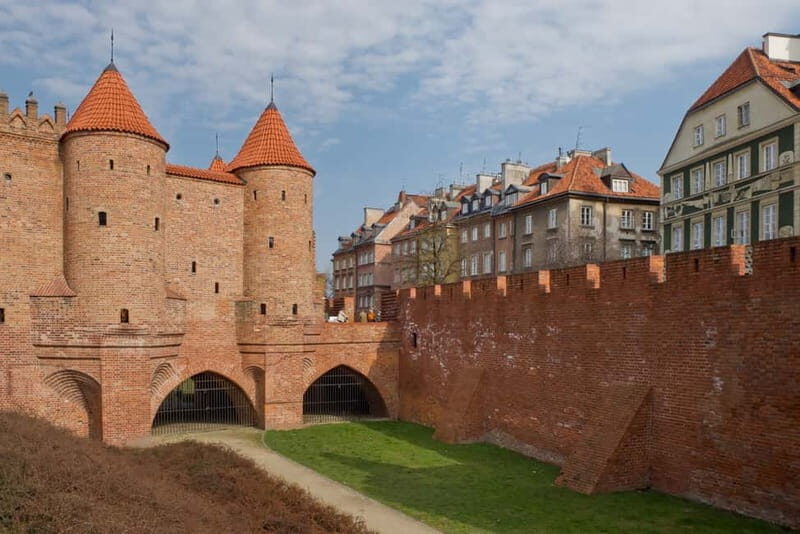
- Castle walls, Barbican, and the defensive side of Warsaw
- Pilsudski Square and the Tomb of the Unknown Soldier: a quick reset
- The Royal Route stretch: why the walking matters
- Lazienki Park: Palace on the Island, Chopin, and seasonal mood
- Time, pace, and how to make the most of only five hours
- Pickup, entrances, and audio guides: the value behind the $139 price
- Who this tour is best for (and who should skip it)
- Book or not? My honest take for your Warsaw itinerary
- FAQ
- How long is the Royal Castle, Old Town and Lazienki Park tour?
- Where does the tour take place?
- Is pickup and drop-off included?
- What is included besides the guided tour?
- Which languages are the audio guides available in?
- What should I bring?
- Is this tour suitable for people with mobility impairments?
- What is the cancellation policy?
Key things to know before you go
- Old Town Market Square + Castle Square in one loop for a smooth “from the heart of Warsaw to the royal center” feel
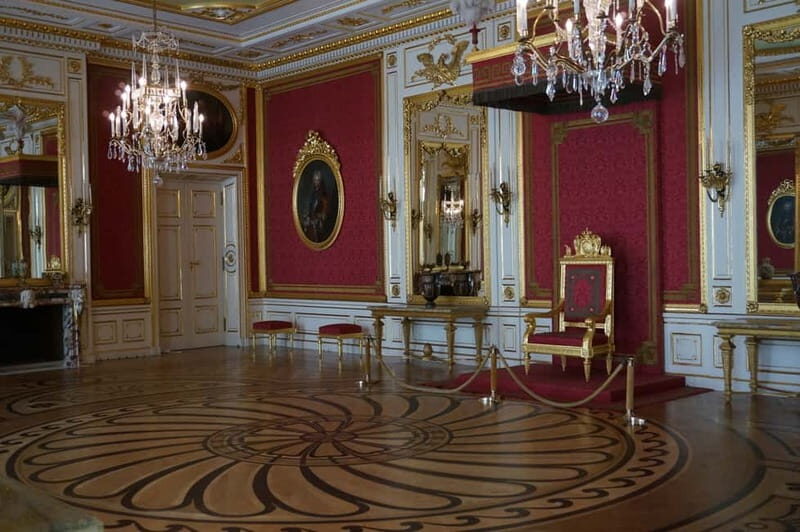
- Royal Castle interior with an audio guide available in multiple languages
- Sigismund’s Column, Barbican, and defensive walls so you see how power and protection worked together
- Royal Route walking segment that connects former royal residences
- Lazienki Park highlights like the Palace on the Island and the Chopin monument, timed for atmosphere
Old Town streets to Castle Square: the part that sets the mood

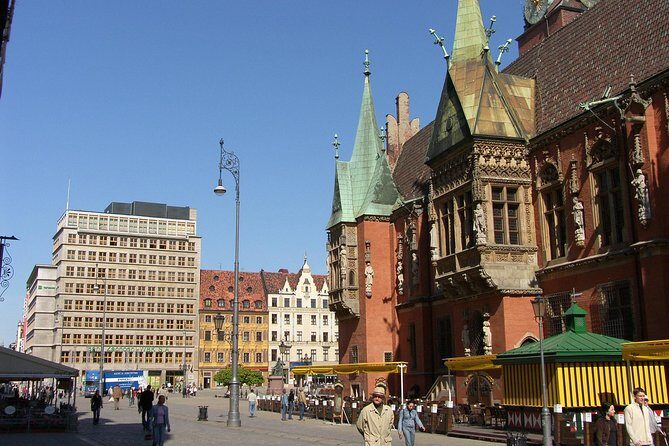
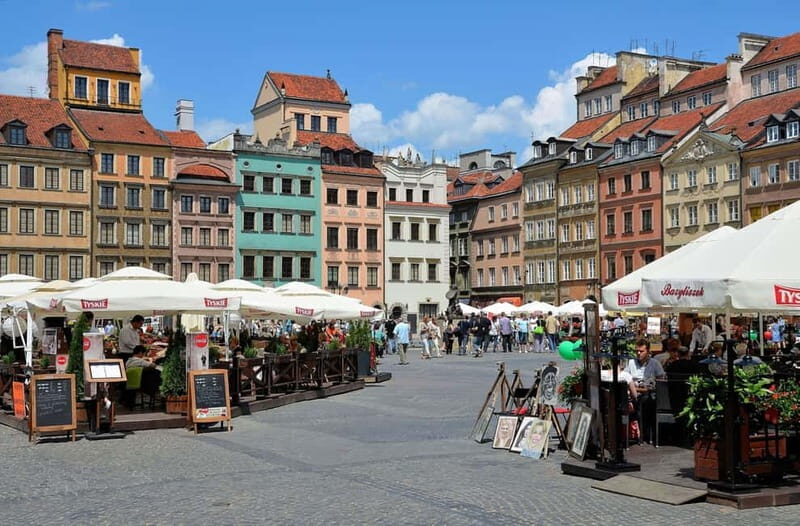
Old Town in Warsaw is one of those places where the first 10 minutes matter. The streets have that close, human scale you want when you’re learning a city: buildings that frame the square, small corners that open suddenly, and details you can read with your eyes instead of from a screen.
You’ll start in the area around the Old Town core—think the City Square with its tenement-lined sides and the centrally placed fountain. That fountain is more than decoration. The sculpture of a siren, the city’s symbol, is the kind of detail that helps you understand why Warsaw Old Town feels like more than a pretty postcard. It’s built to represent identity.
From there, the walking naturally guides you toward Castle Square, where the Royal Castle sits alongside it. This is a good design for visitors: you get to “earn” the next view. By the time you’re near the castle, you’ve already seen the layout and street rhythm that makes the area work.
A practical note: because the day mixes squares with museum-level stops, your timing matters. You’ll want to keep an eye on the pace and bring water if your guide allows short breaks. If you tend to stop for photos a lot, plan for a slightly faster walk between viewpoints.
You can also read our reviews of more tours and experiences in Warsaw.


Royal Castle inside: what makes this more than a building visit
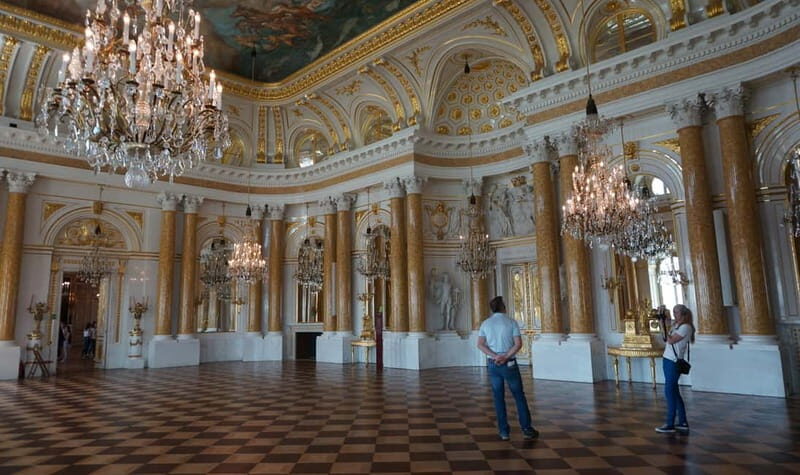
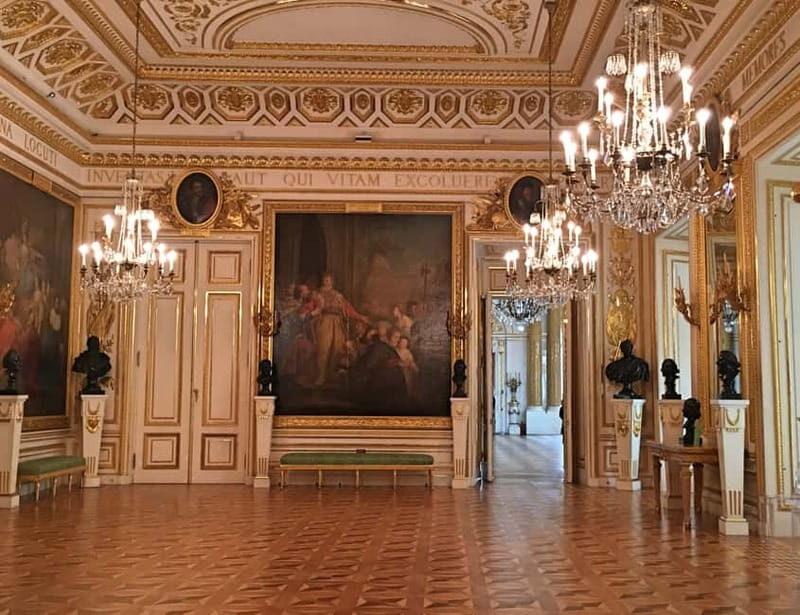
The Royal Castle is the anchor of this tour, and it’s the reason the experience feels substantial for only five hours. This isn’t just an exterior “look and move on” stop. You’ll head inside for a guided experience with an audio guide available in multiple languages (including Polish, English, German, Russian, French, Italian, and Spanish).
Why I like this approach: audio guides help you control your attention. When you’re walking through rooms that hold political weight, it’s easier when you can stop for a line, then move on at your own speed. The result is that the castle becomes legible, not overwhelming.
You’ll also see key landmarks around the castle area such as Sigismund’s Column. It’s the kind of monument you can glance at from the street, but on a guided route it becomes a waypoint with context. The same goes for the nearby Old Town Market Square, where the history of everyday city life overlaps with the story of rulers.
One helpful consideration: audio guides are included, but the format still relies on your ear and your ability to walk at the group’s pace. If you prefer long, sit-down listening time, you might feel slightly rushed. That said, the tour is set up to keep you moving through the most important pieces without turning it into a sprint.
Castle walls, Barbican, and the defensive side of Warsaw
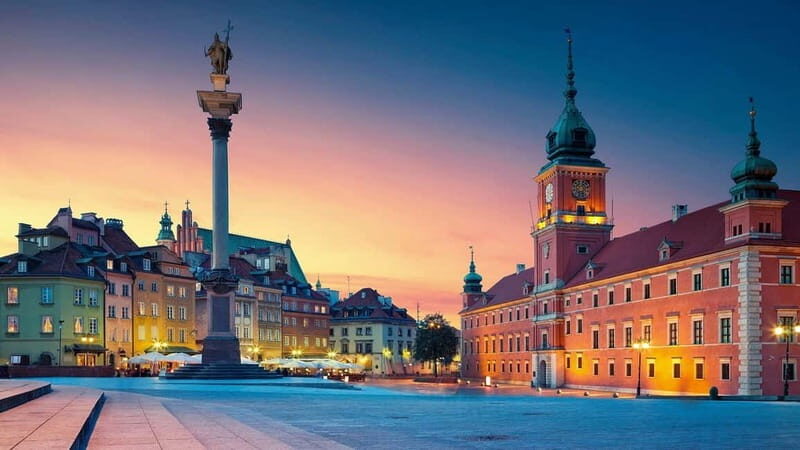
Warsaw Old Town has a gentle look from far away. Up close, you start to see the logic behind it. That’s where the stops around the Barbican and defensive walls make a difference.
Defensive architecture is one of those topics that can feel dry when you see it alone. But on a route that already takes you from squares to the castle complex, the walls click into place. You start asking better questions: How did the city protect its center? How did fortifications shape street patterns? Why were certain routes and entry points so important?
This part of the tour also gives you a break from “museum room energy.” Walking along the edges of fortifications lets you shift your perspective. It’s still sightseeing, but it’s also a chance to stand, take in angles, and notice how Warsaw’s layout protects and frames the old core.
If you’re the type who loves urban design, this is a highlight. If you don’t, it still works because the walls are visually strong and the walking segments help you regroup before the next major stop.
Pilsudski Square and the Tomb of the Unknown Soldier: a quick reset
Not far from the Old Town area, the route includes Pilsudski Square and the Tomb of the Unknown Soldier. This is a meaningful change of tone from the compact medieval feel of the old center.
Even with a time constraint, including this stop is smart. It reminds you that Warsaw’s story isn’t only architecture and reconstruction. It’s also commemoration and national memory. The shift helps you keep perspective: the old streets you’re walking aren’t isolated artifacts. They sit inside a modern country with a strong sense of history.
What to expect here is still “part of a guided tour,” not a long ceremonial visit. So if you’re hoping for a long, quiet sit-down, you may not get it. But for most people, it’s the right length—enough to make the day feel balanced.
The Royal Route stretch: why the walking matters
After the Old Town center and the castle area, you’ll stroll along a series of streets known as the Royal Route, beginning in the Old Town. This “artery” is described as a prominent connection between former royal residences, and that wording matters.
When a city has a ceremonial route, walking it helps you understand more than the buildings. You understand movement: where processions would go, why certain places were emphasized, and how the city’s layout supports power and visibility.
In practical terms, it’s a good way to transition between two different kinds of Warsaw experiences:
- Old Town and castle history you can see close up
- Lazienki Park scenery you’ll feel more in the open air
If you like guided flow, you’ll appreciate this. You won’t be left wondering what connects what. The route gives your day a spine.




Lazienki Park: Palace on the Island, Chopin, and seasonal mood
Then comes the part many people remember most: Lazienki Park. It covers almost 80 hectares, so even though this is only a five-hour tour, you’re getting a taste of how big the park experience can feel.
The best part is that Lazienki changes with the seasons, and the tour framing helps you look at it that way. In autumn, it’s described as shimmering with rainbow colors. In winter, it can look like a fairy-tale scene under snow. In spring, it’s all about renewal—blooming and a fast lift of mood. In summer, it’s simply postcard-beautiful.
That seasonal approach isn’t fluff. It changes what you pay attention to. In summer you’ll notice light and open views. In winter you’ll notice contrast—paths, trees, and the drama of stone and water.
Inside the park highlights you’ll walk past or see include:
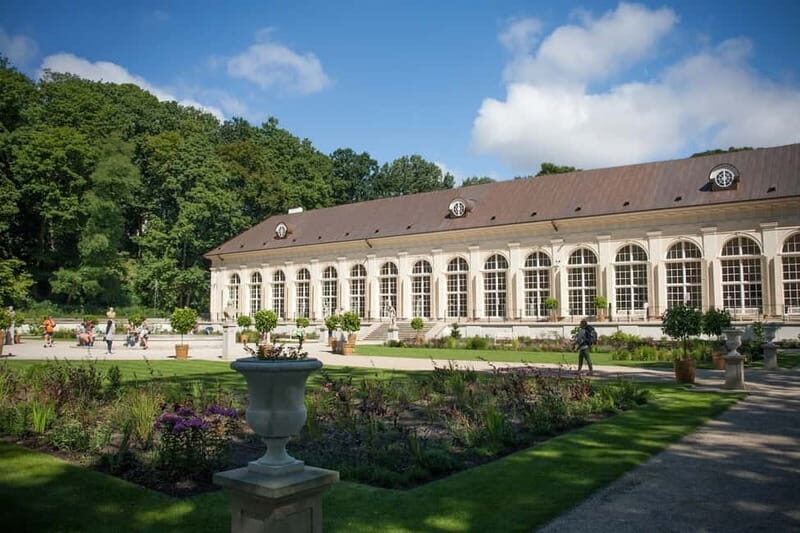
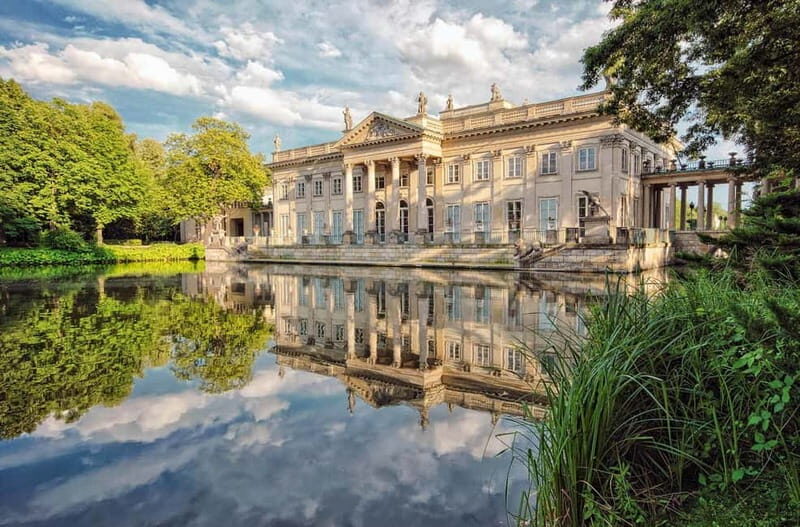
- The Palace on the Island
- Orangery
- Statue of Frederic Chopin
- Amphitheater
- And a network of paths and alleys that keep the experience from feeling like one long straight walk
The Palace on the Island is the star image for a reason. Even if you’re not a “palace person,” the setting helps. It’s the kind of view that makes you slow down naturally because the composition is designed for reflection and scene-making.
Chopin’s statue adds cultural gravity without needing a long explanation. It fits Lazienki’s identity: art, music, and leisure in one space. The amphitheater works as a reminder that this park has always been about more than walking—it’s been built for gatherings and performances.
Practical consideration: parks are forgiving in many ways, but your feet still do the work. Comfortable shoes matter even more here because you’ll likely be walking uneven paths rather than flat sidewalks.
Time, pace, and how to make the most of only five hours
Five hours can sound tight, but the route is arranged to avoid decision fatigue. You’re not picking between “Old Town” and “Lazienki.” You’re getting both in a way that makes sense.
Still, you should plan your expectations:
- The Old Town and Royal Castle segment is the densest part of the tour.
- Lazienki is more open-air sightseeing, which can feel slower even with similar walking time.
- Your best strategy is to treat this tour as an introduction with strong highlights, not as an exhaustive museum day.
If you want more time in any one place, you’ll probably want to return later on your own. But as a first Warsaw day, this is a solid blend. You’ll leave with a coherent sense of the city’s layers: the old core, the royal-political center, the defensive story, and then the park that gives Warsaw breathing room.
Pickup, entrances, and audio guides: the value behind the $139 price
At $139 per person for a 5-hour experience, the value comes from what’s included, not just the guide.
Here’s what you’re paying for:
- Pickup and drop-off at your accommodation (so you don’t waste time figuring out logistics)
- A driver and English-speaking support
- A walking tour of Warsaw Old Town
- Entrance fees for The Royal Castle and Lazienki Park
- An audio guide included for both major stops
- All taxes, fees, and handling charges
That combination matters because it removes three common trip headaches: transportation, ticket friction, and “I don’t know what I’m looking at.” With audio guides, you also get flexibility. You’re not forced into only one speaking pace for the entire day.
Is it the cheapest way to see Warsaw? No. But it’s also not a bare-bones tour that leaves you standing in lines or guessing where to go. If you want a guided route with entrance coverage and an efficient day, the price makes sense.
The main tradeoff is control. You’re on someone else’s timing and route order. If you love wandering freely, you might feel constrained. But if you want a well-paced highlights circuit, this setup earns its cost.
Who this tour is best for (and who should skip it)
This tour is ideal if you:
- Want a focused first look at Warsaw’s Old Town and the Royal Castle
- Like your sightseeing guided by a route rather than left to chance
- Prefer audio guidance over constant group commentary
- Want one day that includes both urban history and a major green space
It’s less ideal if you:
- Have mobility limitations, since the tour is not suitable for people with mobility impairments
- Want long, unhurried museum time or extensive pauses
- Travel with pets, since pets are not allowed
One more small but important note: bring comfortable shoes. This will keep you enjoying the day instead of thinking about your feet.
Book or not? My honest take for your Warsaw itinerary
If your time in Warsaw is limited and you want a day that feels organized and meaningful, I’d say this is a strong booking. You get the core Old Town experience, a real visit inside the Royal Castle with audio support, and then Lazienki Park’s park-and-palace atmosphere. The day is compact, but the highlights are placed where they naturally connect.
I’d skip it only if you strongly prefer a self-guided day with no fixed pacing, or if mobility and walking distance are concerns for you.
FAQ
How long is the Royal Castle, Old Town and Lazienki Park tour?
It lasts 5 hours.
Where does the tour take place?
It’s in Warsaw, Mazovia Province, Poland.
Is pickup and drop-off included?
Yes, pickup and drop-off at your accommodation are included.
What is included besides the guided tour?
You also get a driver, walking tour of Warsaw Old Town, entrance fees to The Royal Castle and Lazienki Park, and audio-guide access, plus all taxes and handling charges.
Which languages are the audio guides available in?
Audio guides are available in Polish, English, German, Russian, French, Italian, and Spanish.
What should I bring?
Wear comfortable shoes.
Is this tour suitable for people with mobility impairments?
No, it is not suitable for people with mobility impairments.
What is the cancellation policy?
You can cancel up to 24 hours in advance for a full refund.