REVIEW · WROCLAW
Wroclaw: 3-Hour Bike Tour in English or Polish
Book on GetYourGuide →Operated by Best City Tours sp. z o.o. · Bookable on GetYourGuide
Baroque streets, but on wheels. This 3-hour ride is a fast way to see a lot of Wroclaw without the usual foot-slog and crowd squeeze. I like how the route mixes big-ticket sights like Centennial Hall with smaller, quirky stops the city is known for, so the tour feels both efficient and human.
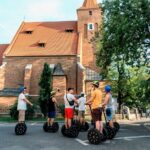
Two things I especially like: first, the focus on stories and details—street names, buildings, and why places matter—so you actually understand what you’re looking at. Second, the bike setup is practical: quality city bikes with lights and security locks, built for a guided loop that keeps you moving rather than waiting around.
One possible consideration: the schedule is packed for only three hours, so you’ll get great orientation and photo time, but you won’t linger long at every stop.
In This Review
- Key points worth your attention
- Why a 3-hour bike loop fits Wroclaw so well
- Old Town essentials: Baroque streets, rebuilt architecture, and Cathedral Island
- Centennial Hall and the UNESCO moment you can’t miss
- Markets, street corners, and the quirky icons (Jatki, Spiż, Salt Market)
- Parks, the zoo area, Japanese Garden, and the Iglica viewpoint
- Civic landmarks and monuments: University, Ossolineum, Swordsman, and old prisons
- Where the tour really shines: guide storytelling and small-stop structure
- Bikes, pace, and what to bring (so you don’t hate hour two)
- Price and value: is $80 worth it for this much Wroclaw?
- Should you book this Wroclaw bike tour?
- FAQ
- FAQ
- How long is the bike tour?
- What languages are the guides available in?
- Is the bike included?
- Do I need to bring anything?
- Where should I meet, and when do I arrive?
- Is the tour suitable for pregnant women?
- Can I join if I’m under the influence of alcohol or drugs?
- Is there a cancellation option if plans change?
- Does the tour include skipping ticket lines?
- Is it only in one time slot or are there multiple start times?
Key points worth your attention
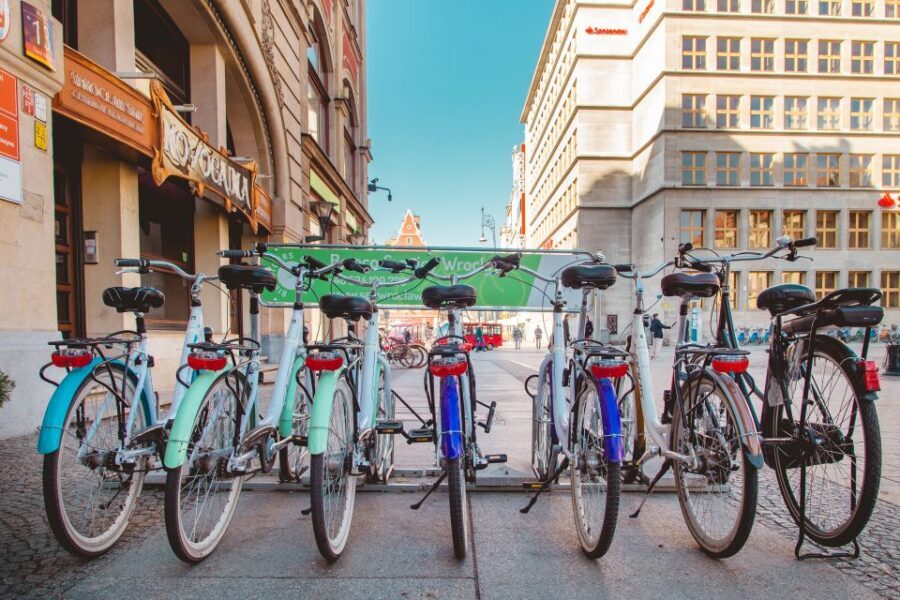
- Bike-first sightseeing: you cover serious ground while your feet stay fresh
- Old Town + UNESCO in one loop: Centennial Hall sits on the itinerary for standout value
- Stops with personality: you’ll see well-known monuments and also oddball local icons like the Spiż animals-for-slaughter monument
- More than landmarks: the guide connects places to street names, relics, and how the city rebuilt after WWII
- Green breaks built in: you get park time, plus the Japanese Garden and Iglica area
- Guides rated for storytelling: reviewers highlight guide names like Artur, Anthony, Hubert, and Martin for clear, lively explanations
Why a 3-hour bike loop fits Wroclaw so well
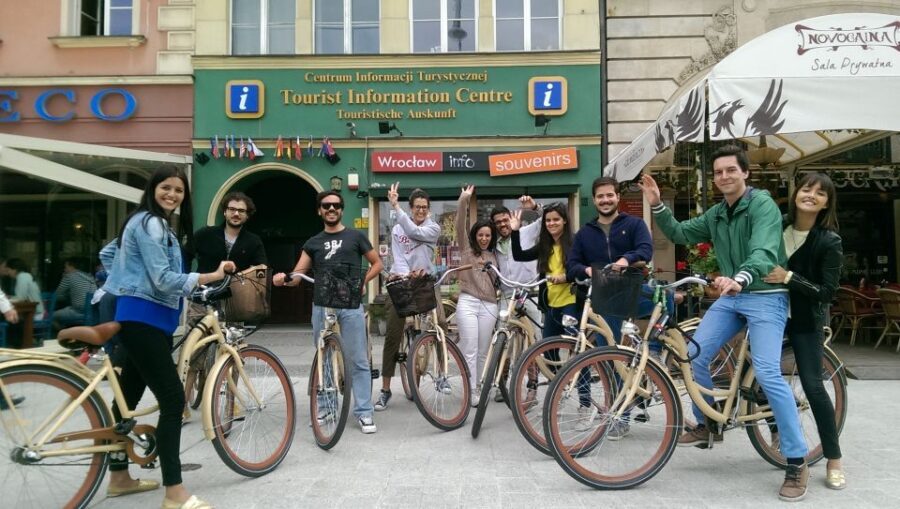
Wroclaw is one of those cities where the best experience comes from moving between viewpoints, not just staring at one block all day. A bike tour makes that easy. In a few hours you can glide from the Old Town core to the cathedral island area, then out toward the parklands and major civic sites.
This tour also respects your energy. The pitch is simple: you give your feet a break, dodge slowdowns and traffic, and still see more than you would on foot in the same time window. If your plan includes museums later, or dinner reservations, this timing is smart. It helps you “learn the city map” early, so the rest of your visit feels easier.
You can also read our reviews of more cycling tours in Wroclaw

Old Town essentials: Baroque streets, rebuilt architecture, and Cathedral Island
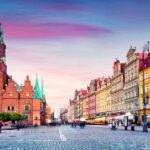
The heart of the tour is Wroclaw’s Old Town, with an emphasis on what you can see and what the city means. You’ll spend time with the baroque architecture in the Old Town, and the guide explains how much of it was carefully reconstructed after World War II. That context changes how you look at the facades. You stop seeing only pretty buildings and start spotting the layers—what survived, what returned, and how identity was rebuilt.
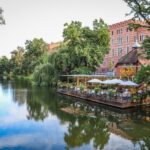
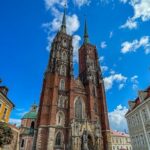
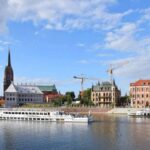
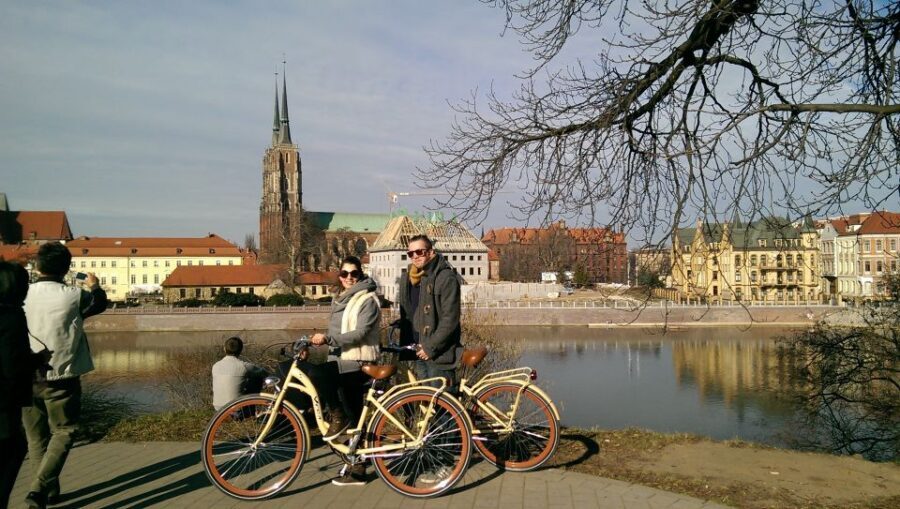
A big highlight here is Cathedral Island (Ostrów Tumski). This is the oldest part of the city, and it’s a great place for a first-time orientation because the skyline and layout feel distinct from the rest of Wroclaw. You’re not just riding past—you’re getting told what to notice, which makes stops more satisfying.
You also roll through the Main Square area and the Old Town Promenade. These are good for pacing. They’re where the city feels most classic, and they’re perfect for that moment when you want to reset, take photos, and understand where everything sits.
Practical note: since you’re riding most of the time, the tour works best if you’re comfortable staying in motion and making short stops rather than long museum-style hangs.
Centennial Hall and the UNESCO moment you can’t miss
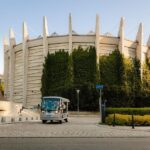
Centennial Hall is the tour’s big “check this off” sight, and it’s a rare advantage to fit it into a short bike loop. The tour includes time at Centennial Hall, an architectural masterpiece listed as a UNESCO World Heritage Site.
Why it matters for your day: UNESCO sites can take time. If you’re only in Wroclaw for a limited visit, a guided bike tour is one of the easiest ways to make sure you don’t skip the most important architecture. You also get a guide who can point out what to focus on visually, instead of you guessing what makes the building special.
After that, you transition into a broader city feel—still inside the tour’s rhythm, but with different textures: squares, promenades, bridges, and a shift from dense historic streets to more open public spaces.
Markets, street corners, and the quirky icons (Jatki, Spiż, Salt Market)
One of the best surprises in this style of tour is how quickly it turns the city into a story. In Wroclaw, markets and street names can feel like background until someone ties them to meaning. This tour does that with stops like Jatki and the Salt Market.
Jatki is the kind of place you might walk right by on your own. On a bike tour, you’re positioned at the right angle and at the right moment to understand why it fits into the old trading life of the city. The same goes for the Market Hall and the Salt Market. You get the sense of Wroclaw as a practical, trading city—then you see the architectural framing that survived the decades.
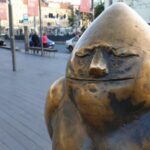
Then there’s the Spiż monument of animals for slaughter. Yes, it’s unusual, and that’s exactly why it’s on the route. It’s memorable, and it’s a great example of how the guide steers you away from only chasing the obvious landmarks. You leave knowing the city has a sense of humor and grit, not just pretty squares.
If you like your travel days to include at least a couple “wait, what is that?” moments, this portion is where you’ll feel it.
Parks, the zoo area, Japanese Garden, and the Iglica viewpoint
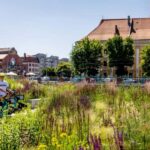
A bike tour can go one of two ways: pure sightseeing, or sightseeing plus breaks that make the day feel doable. This itinerary includes parkland and garden time, including Szczytnicki Park and the Japanese Garden.
You also visit the Wroclaw Zoo area as part of the route. Even if you’re not planning to enter the zoo, seeing how the city organizes leisure around it gives you better context for the neighborhoods and public space around town.
The Japanese Garden is a standout because it shifts the mood. Instead of dense urban details, it’s a softer pause within the tour, which helps you reset your brain between stops. Then you ride toward Iglica, a bold landmark that makes for a strong visual anchor. You’ll understand why it’s such an easy reference point for the city’s modern identity once you connect it to the surrounding park setting.
Overall, this “green section” is valuable even if you don’t care about gardens. It keeps your legs fresh and your photos varied.
A few more Wroclaw tours and experiences worth a look

Civic landmarks and monuments: University, Ossolineum, Swordsman, and old prisons
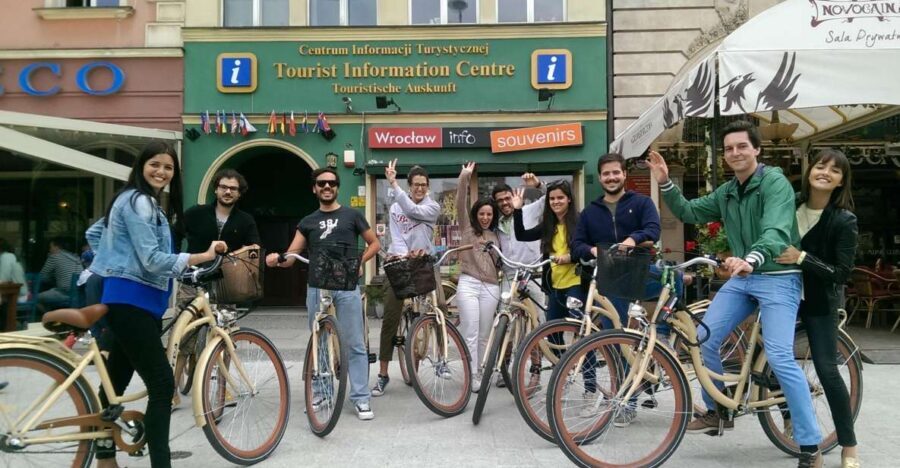
Not everything on the route is about old churches and squares. You also get civic and cultural highlights that help Wroclaw feel like a living city.
Your itinerary includes the University of Wroclaw and Ossolineum, both of which add an intellectual layer to the tour. The National Museum also appears in the mix, so you get a broader sense of what the city invests in beyond its historic center.
There’s also Old City Prison on the route. That kind of stop can be heavy, but it’s also part of understanding Wroclaw’s story, especially when the guide is connecting buildings and street names to the past and how the city changed.
And you’ll see monuments like the Swordsman Monument. These are useful because they give you a “visual punctuation” between architecture clusters. They help you orient yourself later—when you’re walking on your own, you can use these landmarks as reference points.
The House of Old Stock Exchange and the National Museum add another layer too: civic pride and public institutions in architecture you might not notice without a guide’s framing.
Where the tour really shines: guide storytelling and small-stop structure
A tour like this lives or dies on the guide. The reviews for this experience are consistently positive about guides who share clear historical facts and stories, with names like Artur, Anthony, Hubert, and Martin popping up for praise. The common thread is not just trivia. It’s how the guide explains details behind buildings, street names, relics, and the reasons certain places were rebuilt.
That matters because Wroclaw can be a little confusing for first-timers. If you only see the big sights, the rest can feel like a blur of facades. With this format—short rides, purposeful stops, and explanations at the right time—you finish with a mental map instead of a memory of random photos.
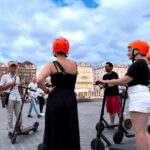
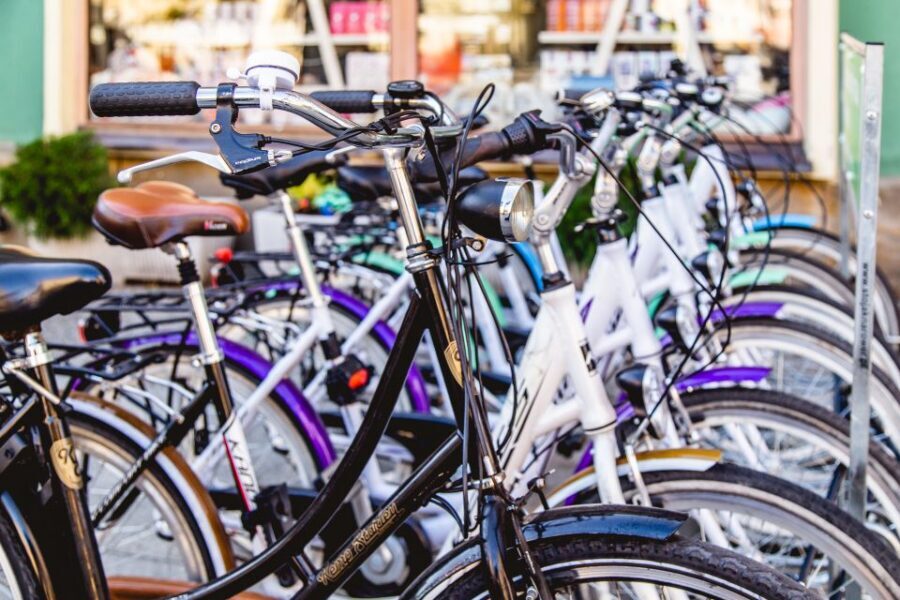
It also helps that the bikes are set up for city riding. Quality bikes with lights and security locks mean you can focus on the tour instead of worrying about basic comfort.
And the small rhythm of stops is part of why it works. You get a sense of depth without turning the day into a marathon.
Bikes, pace, and what to bring (so you don’t hate hour two)
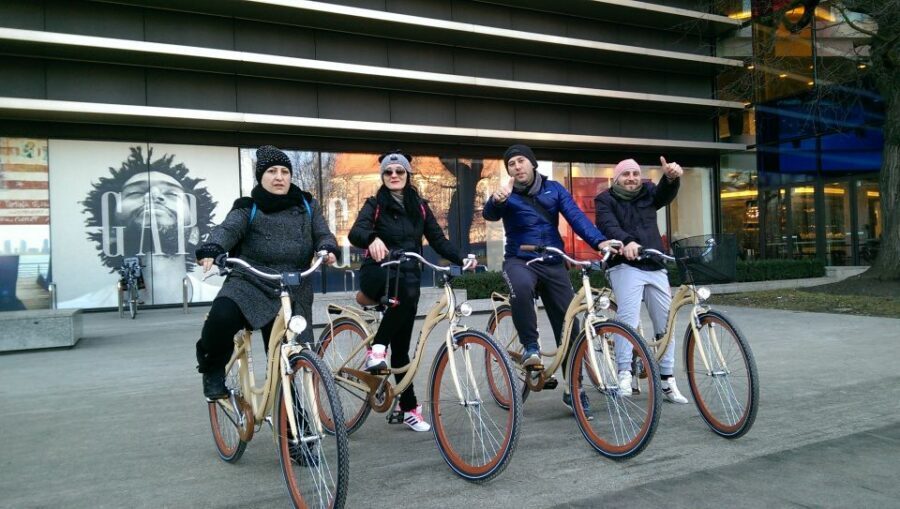
This is a bike tour, so your comfort matters more than you think. The tour asks for comfortable shoes, and I agree with that advice. Even if the stops are short, you’ll likely do some walking at each location—getting on and off the bike, crossing spots carefully, and taking in views.
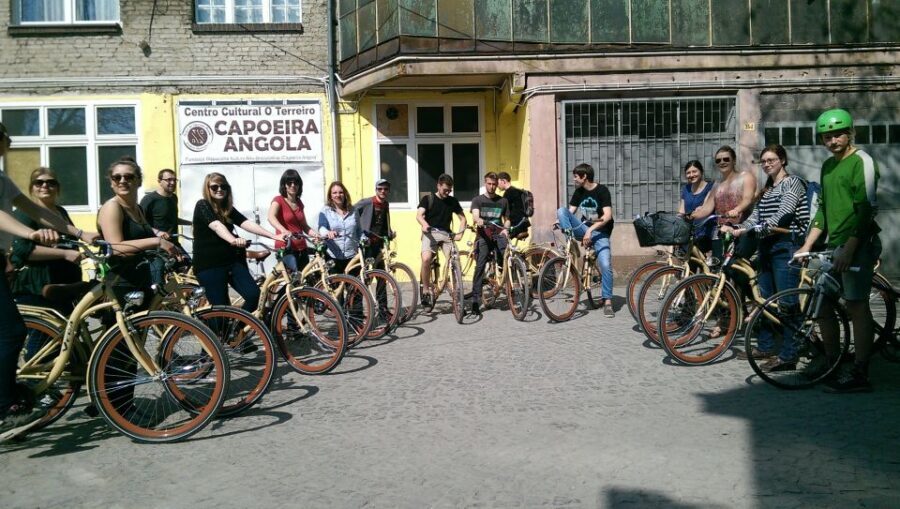
The tour is scheduled for about three hours, with you meeting at a set meeting point and arriving about 15 minutes early. That early arrival is more than a formality. It gives you time to get fitted on the bike, settle in, and start the tour without stress.
Pace-wise, the route is designed to keep you moving. That’s great if you like momentum. If you need a lot of rest between sights, the three-hour limit may feel tight, and you’ll probably wish you had more time at your favorite stop.
One more consideration: intoxication isn’t allowed, and the tour isn’t suitable for pregnant women. If either applies, you’ll want to look at a different option.
Price and value: is $80 worth it for this much Wroclaw?
At $80 per person for three hours, you’re paying for a combined package: a quality city bike with lights and a security lock, plus an English or Polish speaking guide. You’re also getting a route that includes a long list of major stops, including Centennial Hall and a cluster of Old Town sites and park areas.
Here’s how I’d think about the value. If you try to do this on your own, you’ll spend extra time figuring out where everything is, how to connect the areas efficiently, and what to look for. The guide compresses that learning curve. You don’t just see sights—you understand what you’re seeing, and that can save you time later when you’re deciding what to do next.
The tour also includes skipping the ticket line. That helps if any stops require entry or timed access, since you’re not stuck waiting as part of your sightseeing plan.
If you want a high-impact first day or a quick orientation tour mid-trip, $80 is a reasonable price for the convenience and the amount of ground covered.
Should you book this Wroclaw bike tour?
Book it if you want a guided introduction that covers Old Town, major architecture, and the park area without draining your legs. It’s especially worth it if you like explanations tied to real places—street names, rebuilding history, and why each stop has a purpose.
Skip it if you need a slow pace, long stops, or lots of downtime. The route is built to move, and the tour’s three-hour window means you’ll skim more than you linger.
If you fit the right mindset, this is one of the better ways to get your bearings fast and leave Wroclaw feeling understood, not just photographed.
FAQ
FAQ
How long is the bike tour?
The tour lasts 3 hours.
What languages are the guides available in?
The tour is offered with an English or Polish speaking tour guide.
Is the bike included?
Yes. You get quality city bikes with lights and security locks.
Do I need to bring anything?
Bring comfortable shoes.
Where should I meet, and when do I arrive?
Please arrive at the meeting point 15 minutes before the activity starts.
Is the tour suitable for pregnant women?
No. This tour is not suitable for pregnant women.
Can I join if I’m under the influence of alcohol or drugs?
No. Persons under the influence of alcohol and drugs will not be allowed to participate.
Is there a cancellation option if plans change?
Yes. Free cancellation is available up to 24 hours in advance for a full refund.
Does the tour include skipping ticket lines?
Yes, the experience includes skipping the ticket line.
Is it only in one time slot or are there multiple start times?
There are starting times based on availability. You can check what’s offered before booking.