REVIEW · WROCLAW
Wroclaw: 2-Hour Tour by Electric Car with a driver-guide
Book on GetYourGuide →Operated by Wroclaw City Tour · Bookable on GetYourGuide
Wrocław is gorgeous, and this tour keeps it easy. You ride in a comfortable electric car that’s effectively just your group, so you’re not stuck waiting on crowds, and the sights come with context instead of random “look here” moments. I especially like how the route threads together the Oder riverfront and the city’s landmarks, and how the driver-guide can switch between history and practical pointers. One thing to keep in mind: it’s listed as 2 hours, but it may run slightly under that.
This is a “get your bearings” style tour, not a long museum day. The plan includes multiple short photo moments plus a couple of real stops, and in cold weather you’ll be in a closed, heated car with warm blankets. If you’re relying on the audio track, note that the audio can get less clear over driving sounds, depending on the setup and conditions.
In This Review
- Key Things I’d Bet You’ll Notice
- Entering Wrocław From Stare Miasto With Comfort Built In
- How the Route Handles Wrocław’s Old Town on a Tight Clock
- Old Market Square and Solny Square: Where Wrocław Feels Most Human
- St. Elizabeth’s Dwarves, Meat Stalls, and Copper Animals
- University of Wrocław and the Fencer’s Fountain Stop
- Jewish Heritage and Market Hall: Architecture With Context
- Cathedral Island and St. John the Baptist: The Oder’s Best Frame
- Centennial Hall (UNESCO), the Spire, and the Pergola Fountain Show
- Wrocław Fountain, Gondola Bay, and the National Museum Area
- Churches, Legends, Opera House, and the Final Return to the Square
- Price and Timing: Does $161 Per Group Make Sense?
- What I’d Watch For Before Booking
- Who This Tour Fits Best
- Should You Book This Electric Car Tour?
- FAQ
- How long is the Wrocław electric car tour?
- Is this a private tour?
- What is the pickup location?
- Does it include a driver-guide?
- Is an audio guide included?
- Which languages are available for the audio guide?
- Can I choose between audio and live guiding?
- How many stops are there?
- What happens in winter?
- What does it cost?
- Are there any flexible booking options?
Key Things I’d Bet You’ll Notice
- Just your group in the electric car, which makes asking questions feel natural
- Market Square to Solny Square routing, so you see Wrocław’s old center without sprinting
- Cathedral Island and the bridges give you a strong view of how the Oder shapes the city
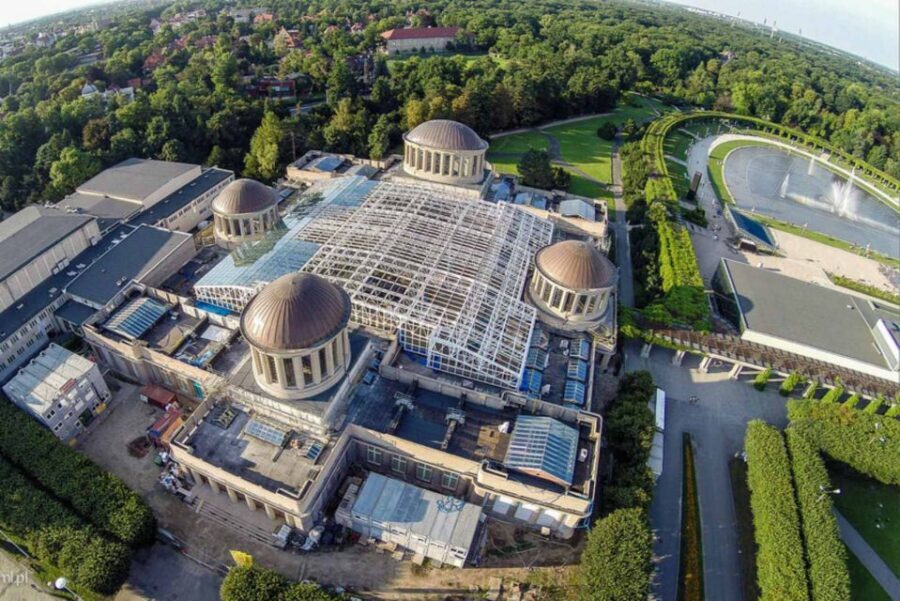
- Centennial Hall (UNESCO) plus the Pergola fountain show for a landmark-to-night-sky contrast
- A bilingual guide option (Polish/English) and multi-language audio, so language is usually not a headache
Entering Wrocław From Stare Miasto With Comfort Built In
Most city tours start fast and end faster. This one starts with pickup in the old core area, Stare Miasto, and that matters more than you’d think. If you’re arriving by train or juggling hotel locations, being met and taken straight into the route saves energy you’ll want later for walking, cafés, and longer stops.
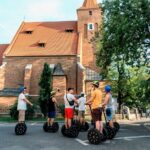
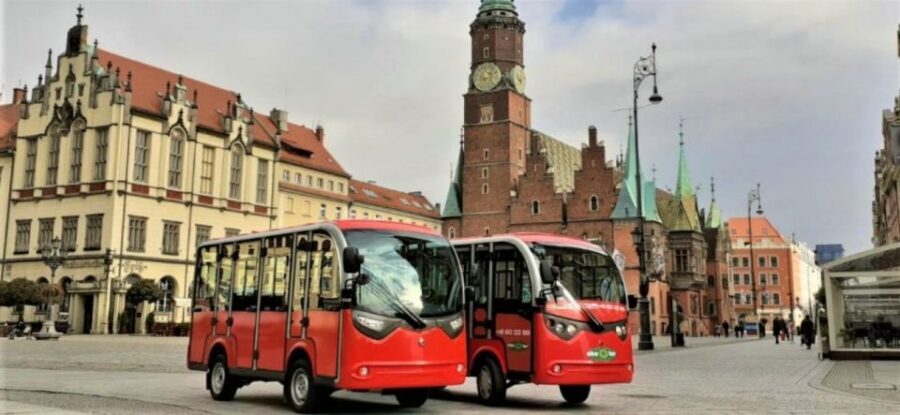
You also get the feel of an “easy day” from the transport choice. The electric car is designed for comfort, and on cold days they provide warm blankets. In winter, the tour is done in a closed, heated vehicle. That’s a small detail, but it changes the whole vibe—less shivering, more listening.
And then there’s the guide experience. You’re not stuck with only an audio track. You can choose a tape in your language, or you can follow the driver-guide in Polish or English. In one recent run, the guide was Christopher, and he spoke in a way that paired well with the German audio option—useful if you’re bilingual-ish or if you want to ask questions in real time.
You can also read our reviews of more guided tours in Wroclaw


How the Route Handles Wrocław’s Old Town on a Tight Clock
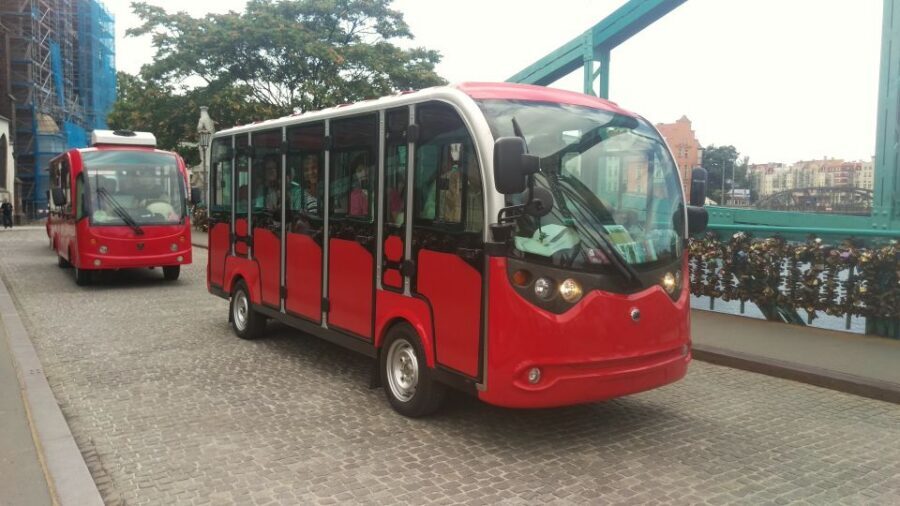
This tour is built for people who want the big outlines without burning an entire day on transit and lines. You’ll see the core sights clustered around the old center and the river, with short photo stops and a few moments to actually step in and look.
It helps that the route is structured around Wrocław’s “layers”:
- First layer: the Old Market area with the church-and-bridge kind of atmosphere
- Second layer: university and student life landmarks (including the fencer connection)
- Third layer: Jewish heritage and market architecture
- Fourth layer: Cathedral Island and the bridges where the Oder becomes the stage
- Final layer: UNESCO-scale landmarks and the fountain show near the evening action
You won’t have hours at any single stop. But you’ll leave with enough mental map that your next walk around Wrocław feels intentional, not random.
Old Market Square and Solny Square: Where Wrocław Feels Most Human
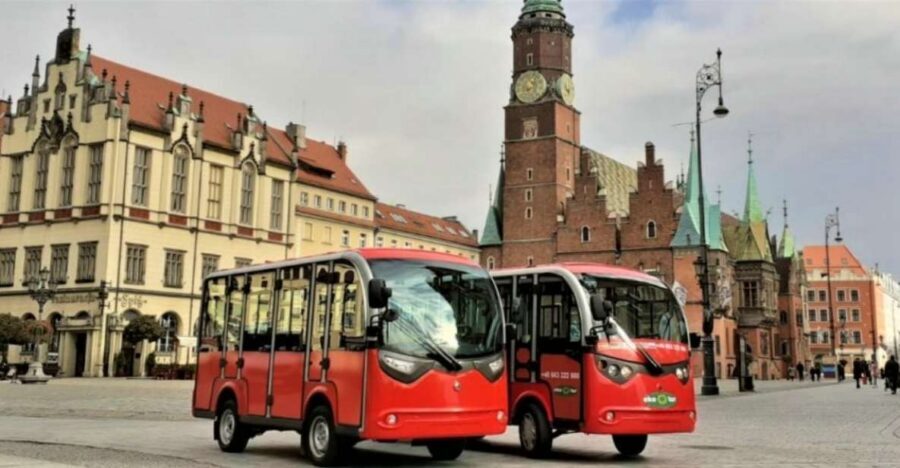
You begin in the historic heart, and the early stops do a smart thing: they move between religious landmarks, local stories, and civic spaces.
One of the first big moments is St. Elizabeth’s Church. Even if you’re just passing, this kind of stop gives you a quick sense of Wrocław’s architectural rhythm—how the city blends grand buildings with lively, market-minded streets.
Then the tour shifts toward the market energy around Market Hall and the wider market square area. There’s also a stop connected to the Jewish district, where you’ll see the White Stork Synagogue. The way this fits into the route is practical: you’re already in the old center, so heritage sites don’t feel tacked on.
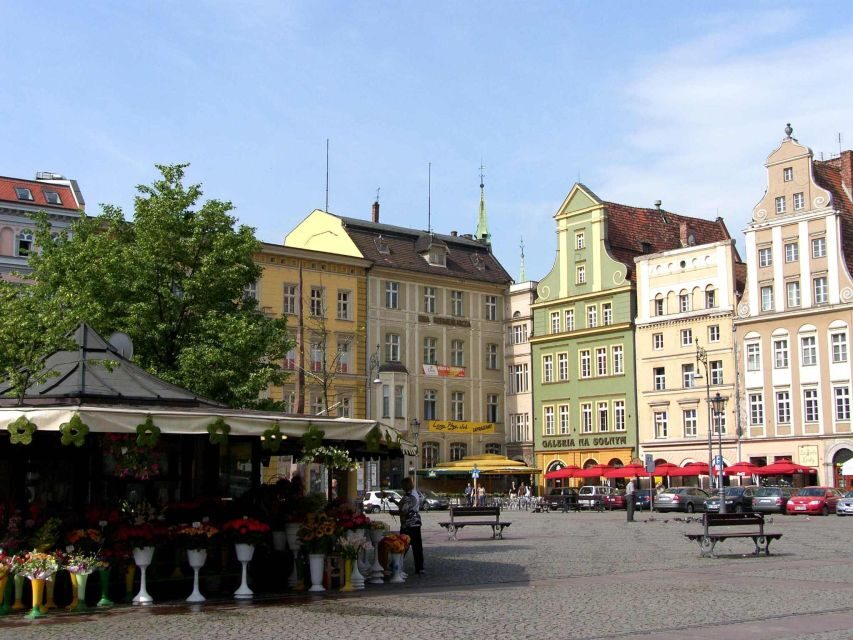
Next comes the flower market area at Plac Solny. I like that the schedule includes this, because it’s easy for visitors to remember only churches and towers. A place like Solny helps you picture daily life in Wrocław, not just the postcard angles.
If you’re hungry for photos, this is where you’ll collect them. If you’re more “listen than snap,” the guide’s explanations here tend to make the streets feel like a story you can follow on your own later.
St. Elizabeth’s Dwarves, Meat Stalls, and Copper Animals
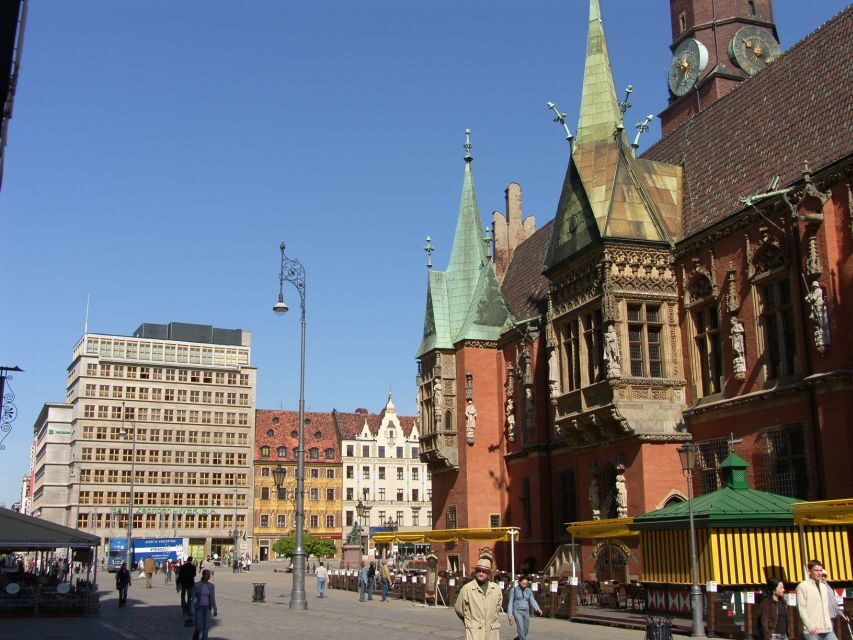
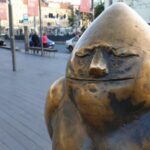
Wrocław has a reputation for being playful, and the early part of the tour quietly underlines that. Near St. Elizabeth’s Church, you’ll connect to the area tied to the famous Wrocław dwarves and the big meat stalls.
You’ll also see a copper animal monument in the mix. The point isn’t just the object itself; it’s how Wrocław treats small, memorable details as part of its identity. Those are the things that make you want to go back and look around once you’re done with the formal route.
One watch-out: because several stops are short photo moments, you’ll want to keep your expectations realistic. You won’t have time to wander into every side street. But you will get a clear “this is the area you should return to” map.
University of Wrocław and the Fencer’s Fountain Stop
One of the more memorable stops is the University of Wrocław area and the Fencer’s Fountain. This is where the city’s student-history angle becomes concrete instead of theoretical.
Why this matters: universities often feel like “just a campus” when you’re visiting a foreign city. Here, the stop helps you see the university as part of the city’s public identity—built into the streets, the legends, and the everyday landscape.
The tour includes time for photos and brief sightseeing, which works well because you’re not hunting for the fountain later with zero orientation. You get a quick location anchor, and then you can choose whether to revisit on foot.
A few more Wroclaw tours and experiences worth a look


Jewish Heritage and Market Hall: Architecture With Context
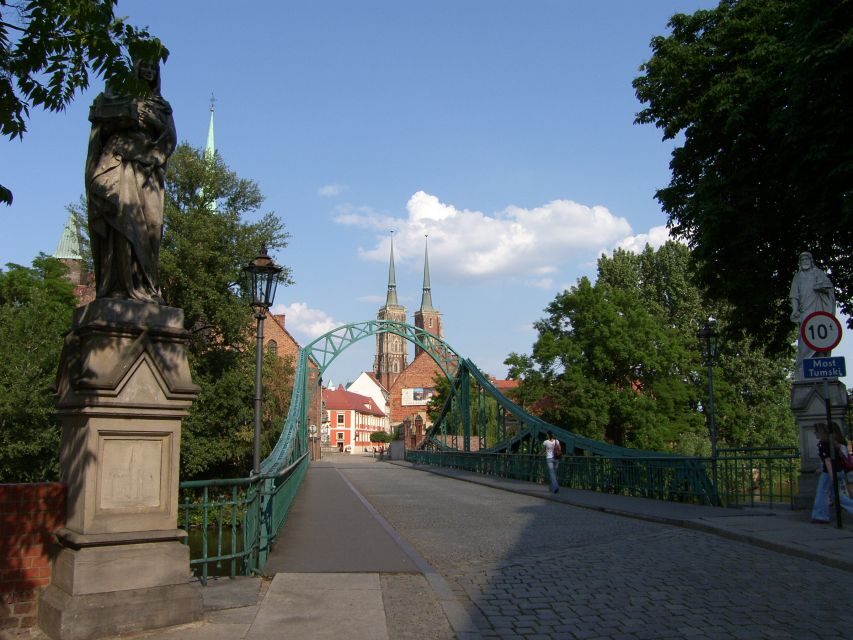
The White Stork Synagogue photo stop is short, but it’s a good example of how this tour balances sight with explanation. You’re not only seeing a building; you’re being pointed toward what it represents in the city’s wider history.
Then there’s the Wrocław Market Hall stop. Market buildings can be visually impressive, but they can also feel generic if you don’t understand the role they played. This is where a guide helps you notice what you’d otherwise miss: how commerce, community spaces, and architecture reinforce each other.
If you’re visiting for a first time, I’d prioritize these heritage-and-market anchors. They give Wrocław more personality than the “big landmark only” approach.
Cathedral Island and St. John the Baptist: The Oder’s Best Frame
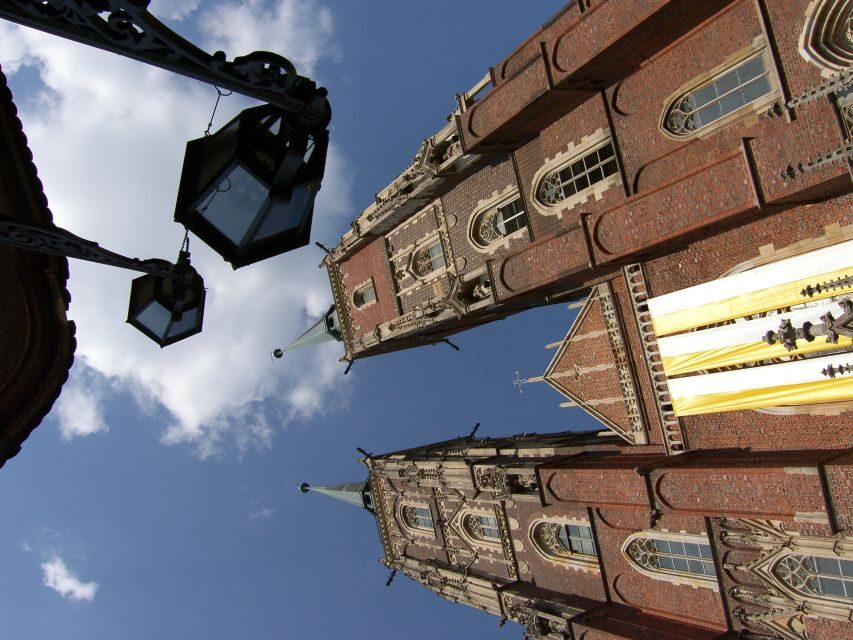
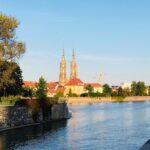
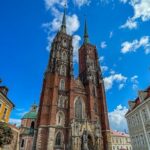
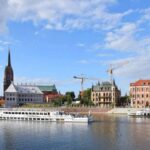
When the tour hits Cathedral Island and St. John the Baptist Cathedral, the city changes tempo. This part of the route is designed to show you why the Oder is more than a backdrop. The river and the island create a natural “stage,” and the cathedral sits in a way that makes the whole area feel planned.
You’ll also cross and see key bridges—this is where the tour’s structure pays off. The route includes the Peace Bridge, and it also points out the Imperial Bridge and the Water Tower. These aren’t random bridge sightings; they’re visual clues to how the city connected its districts over time and how people moved through this watery geography.
A practical tip: if you’re planning to do a longer walk or a boat/gondola-style ride later, this is the section that gives you the best starting mental picture. You’ll see the areas that act like pickup points or “watch here” points along the riverfront.
Centennial Hall (UNESCO), the Spire, and the Pergola Fountain Show
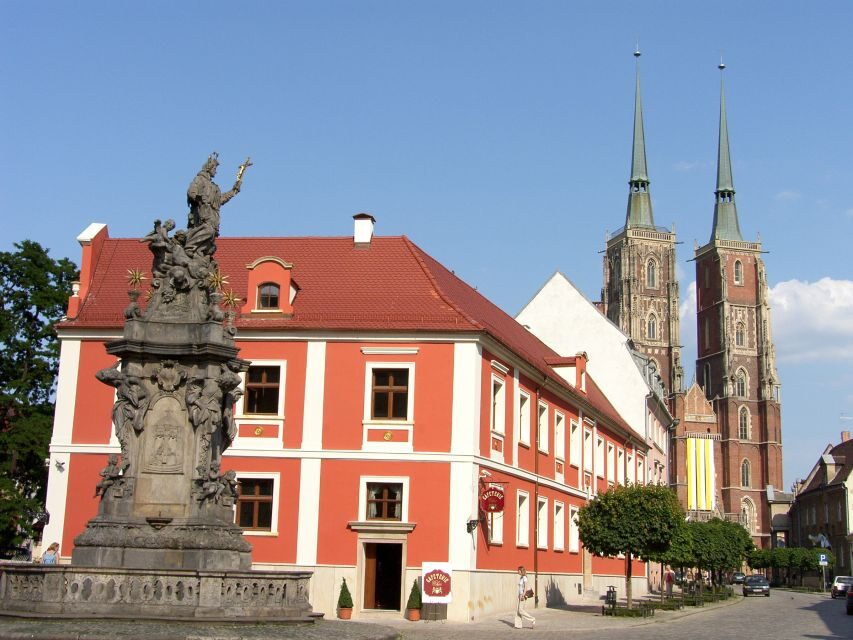
The tour’s “big moment” is the time spent around Centennial Hall, a UNESCO site, plus the surrounding landmark view that includes the spires and the city-defining silhouette.
Why this works on a short schedule: Centennial Hall is the kind of building you can appreciate quickly, but only if you know where to stand and what to look for. Here, you get a guided look plus photo time.
There’s also a window that includes time for a beer or coffee around the Centennial Hall area. It’s not a long break, but it’s enough to keep energy up so you don’t end the tour grumpy and hungry.
Then comes the fountain payoff near Pergola—a multimedia water show that runs until late at night. This is a smart inclusion because Wrocław doesn’t just do architecture. It does performance in public spaces, and that’s a different side of travel than churches and museums.
Timing note: since fountain show schedules can change by season and day, don’t assume the exact timing will match your arrival. What you can rely on is that the tour is routing you through this part of the city where the show is a major attraction.
Wrocław Fountain, Gondola Bay, and the National Museum Area
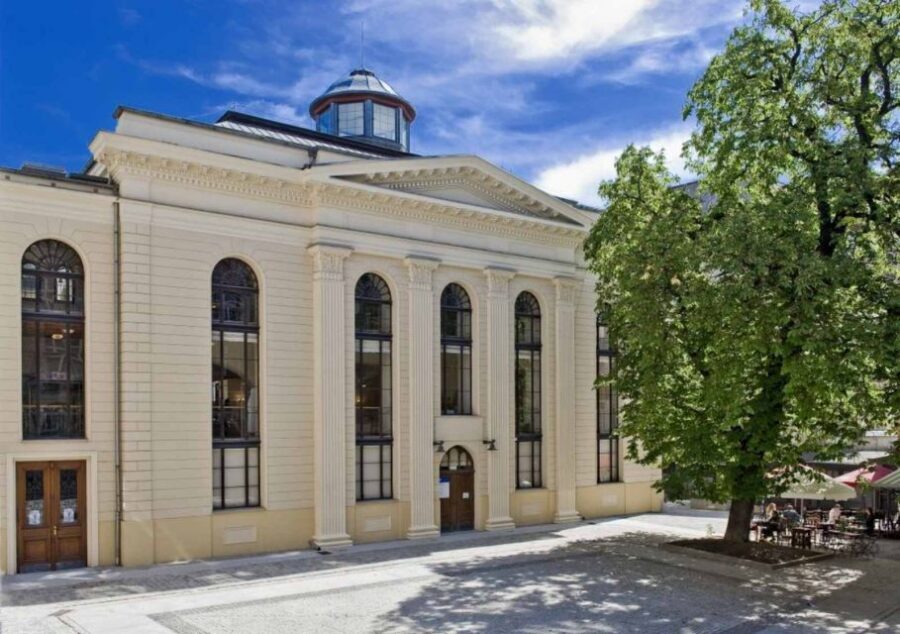
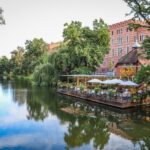
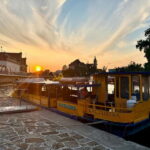
The tour also passes along the Oder promenade and near places like Gondola Bay and the National Museum. Even when stops are brief, this part helps you understand how visitors later turn the promenade into a slow-moving plan for the evening.
And then there’s the Wrocław Fountain moment. You get a visit and sightseeing time there, which is ideal because it’s the kind of urban feature you enjoy longer than you expect. It’s fun to watch water choreography and it’s also a good “pause point” to reset before the final leg back to the old center.
Churches, Legends, Opera House, and the Final Return to the Square
The last stretch feels like a winding walk through legends and city personality.
You’ll pass by Szewska Street and stop near St. Mary Magdalene. There’s a local legend tied to the Poor Sinner’s Bell and another story connected to Witches’ Bridge. This is the part of the tour where history is told in a way that sticks, because legends make the geography memorable.
Then you’ll see the Wrocław Opera House as the tour lines you back toward the market square.
If you like a city tour that leaves you with questions—who built this, why here, what’s the story behind that—you’ll likely enjoy this ending. It’s not just a finish line. It’s a set of prompts for your next walk.
Price and Timing: Does $161 Per Group Make Sense?
At $161 per group up to 4, this tour can be a strong value—especially for a family or a small group who wants comfort without split-up logistics.
Here’s how I’d judge the value for your trip:
- If you’d otherwise hire a private driver or piece together multiple transport-heavy segments, this bundles the route, guide time, and audio options into one package.
- The time is short, so you’re paying for efficiency plus interpretation. That’s exactly what the tour delivers: fast orientation, key landmarks, and a guided storyline.
- If you’re traveling solo and you’d rather spend the time walking, you might find the cost feels steep compared with self-guided routes. But the heated car, warm blankets, and bilingual guide can still justify it if weather or mobility makes walking less attractive.
The sweet spot is clear: couples, families, or friends who want a comfortable “first look” and a solid jumping-off point.
What I’d Watch For Before Booking
A tour like this is excellent for first-time orientation, but you should go in knowing what it is.
- You’ll have photo stops and short sightseeing moments, not long wandering time.
- The listed duration is 2 hours, but it may run slightly shorter, so plan your next activity with a bit of buffer.
- The audio guide experience can vary. In one case, driving sounds seemed to mask the German audio track somewhat. If audio clarity matters most to you, it can help to choose the live guide option when available.
In other words: this is a comfortable overview. If you want deep time in a single place, pair it with a longer independent walk.
Who This Tour Fits Best
This electric car tour is a great match if you:
- want a private, easy city overview without waiting for others
- are visiting in colder months and want the warm-car advantage
- like walking later, but need a map in your head first
- want both landmark sights and city-story context (bridges, legends, and heritage)
It’s also ideal if you’re traveling with someone who’d rather sit than pace—because the route is built around visibility, not endurance.
Should You Book This Electric Car Tour?
If your goal is to get your bearings fast and you want comfort while you learn what matters in Wrocław, I’d say yes. The private setup in the electric car, the bilingual guide option, and the mix of markets, riverfront landmarks, and UNESCO-scale architecture are a strong combo for a short visit.
Book it if you’re:
- on a tight schedule and want the highlights with context
- traveling in winter (heating + warm blankets are real perks)
- with up to four people and want good per-person value
Skip it if you’re the type who enjoys long, slow self-guided wandering with no guidance. In that case, you might prefer taking your time on foot and using a map to choose stops.
FAQ
How long is the Wrocław electric car tour?
The tour lasts 2 hours.
Is this a private tour?
Yes. It’s a private group tour, and the electric car experience is set up so you’re not sharing with other groups.
What is the pickup location?
Pickup is included, starting from the Stare Miasto area, and the tour also includes hotel pickup and pickup from a train station.
Does it include a driver-guide?
Yes. You’ll have a driver-guide who speaks English and Polish.
Is an audio guide included?
Yes. An audio guide is included in your language.
Which languages are available for the audio guide?
The audio guide languages listed are Spanish, English, French, German, Italian, and Russian.
Can I choose between audio and live guiding?
Yes. You can choose a tape recording in your selected language or follow a Polish/English driver-guide.
How many stops are there?
This tour has 5 stops.
What happens in winter?
In winter, the tour is conducted in a closed car with heating, and you’ll also get warm blankets on cold days.
What does it cost?
The price is $161 per group up to 4.
Are there any flexible booking options?
Yes. There’s a reserve now & pay later option, and free cancellation is available up to 24 hours in advance for a full refund.