REVIEW · KRAKOW
Wawel Castle and Cathedral Guided Tour
Book on GetYourGuide →Operated by Kraków Explorers · Bookable on GetYourGuide
Wawel hits you fast: stone, power, and Polish kings in one spot. This 2-hour guided walk is built for people who want the big landmarks at the right pace, with an expert local guide connecting what you’re seeing to the people who lived, ruled, and worshiped here. You’ll spend time in the Wawel Castle complex and the Wawel Cathedral, including the Royal Chambers where the art and royal stories feel very close-up.
I especially like how the tour mixes monarchy and objects. You don’t just hear names; you see the rooms and collections linked to Renaissance and Baroque-era life, from paintings and goldsmith work to furnishings. I also love that you’re guided through the Gothic Wawel Cathedral as an active place of worship, not a frozen museum—so the space feels alive, not staged.
One thing to consider: cathedral access can change. Because it’s an active religious site, admission to the cathedral, royal tombs, or the bell tower may be suspended during major events, and the organizer can swap your entry for another option inside the castle complex.
In This Review
- Key highlights worth your attention
- Wawel Castle and Cathedral: the right 2-hour hit for Krakow
- Entering the UNESCO Wawel complex with a live local guide
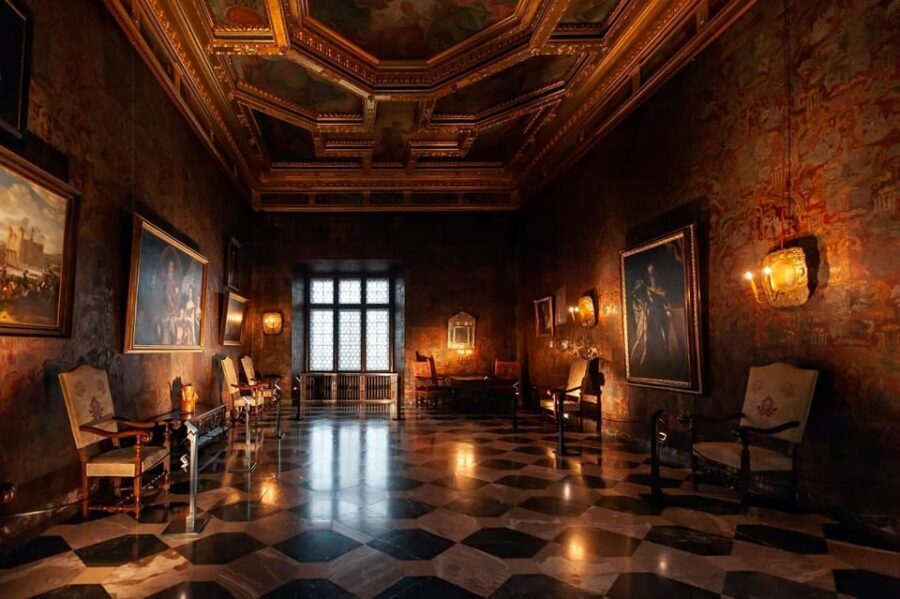
- Royal Chambers: where the tapestries and Renaissance art do the talking
- State Rooms, Royal Private Apartments, or Crown Treasury: what’s included (and why it can vary)
- Inside the castle collections: objects that explain court life
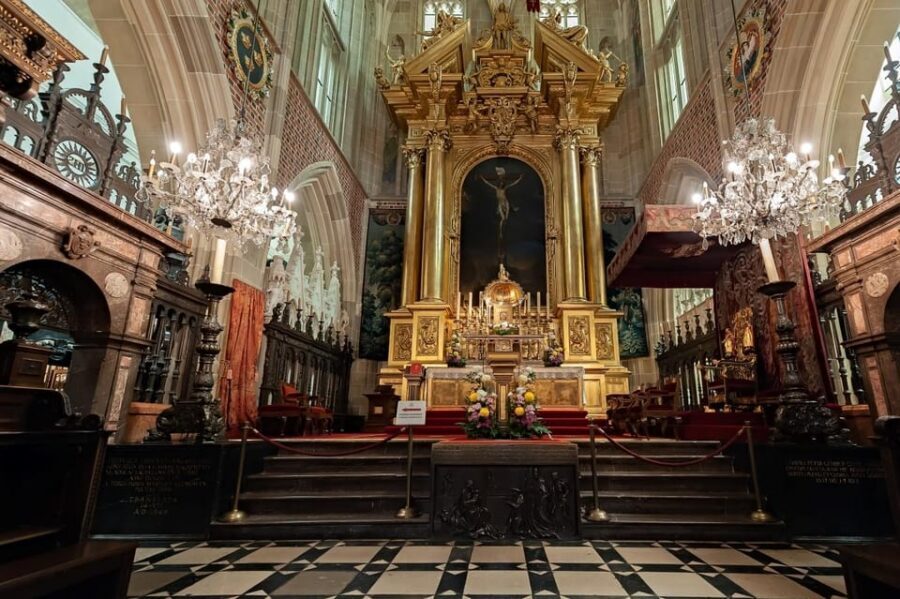
- Wawel Cathedral: Gothic grandeur and the feeling of an active church
- A key caution: cathedral access can change
- How good guidance changes what you notice (and what you remember)
- Value check: is $58 for 2 hours a smart use of time?
- Who this tour suits best
- Tips to make the most of your time at Wawel
- Should you book the Wawel Castle and Cathedral guided tour?
- FAQ
- How long is the Wawel Castle and Cathedral guided tour?
- How much does the tour cost?
- What’s included in the tour ticket?
- Is the cathedral entrance included?
- Which castle areas will I see during the tour?
- What happens if the cathedral or royal tombs are closed during an event?
- What languages are offered for the live guide?
- Where is the meeting point?
- Can I cancel for a full refund?
- Is there an option to pay later?
Key highlights worth your attention
- Royal Chambers focus: see the tapestries of Zygmunt August plus Renaissance Italian paintings from the Lanckoronski collection
- UNESCO-listed Wawel: a guided route that helps you make sense of the bigger castle complex, not just individual rooms
- Large Eastern art collection with tents: home to the largest collection of tents in Europe
- Multiple exhibition choices: your included permanent exhibition can be State Rooms, Royal Private Apartments, or Crown Treasury, based on availability
- Skip-the-ticket-line: you spend less time waiting and more time looking with a guide
- Great guide energy: one guide named Barbara stood out for being both very well-informed and kind
Wawel Castle and Cathedral: the right 2-hour hit for Krakow
If you only have a short time in Krakow, Wawel is the place you aim for first. The castle and cathedral sit together in a way that makes the whole story easier: power upstairs, faith and coronations right there in the cathedral, and royal life unfolding across rooms and collections.
What makes a guided visit especially useful is context. You’re not just staring at impressive buildings—you’re learning how Polish kings and queens lived, ruled, and used art, objects, and ceremony to project authority. In two hours, that storyline is the difference between seeing landmarks and actually understanding them.
You can also read our reviews of more guided tours in Krakow


Entering the UNESCO Wawel complex with a live local guide
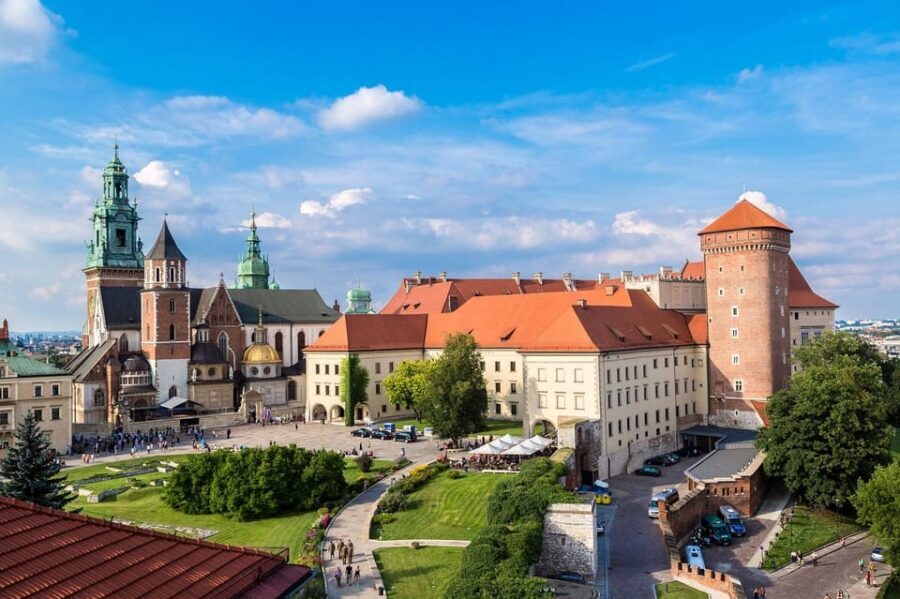
This tour is built around an expert guide (you’ll match with a live guide in Spanish, Italian, English, German, Polish, or French). A big part of the value is pacing. In a complex like Wawel, the architecture and collections can feel overwhelming fast, especially if you’re moving on your own.
You’ll also get skip-the-ticket-line entry. That matters here because the cathedral and castle entrances can involve waiting, and your time is limited to 2 hours.
One more practical point: the meeting point may vary depending on the option booked. So it’s worth checking your exact confirmation details before you go, then arriving a few minutes early to avoid stress.
Royal Chambers: where the tapestries and Renaissance art do the talking
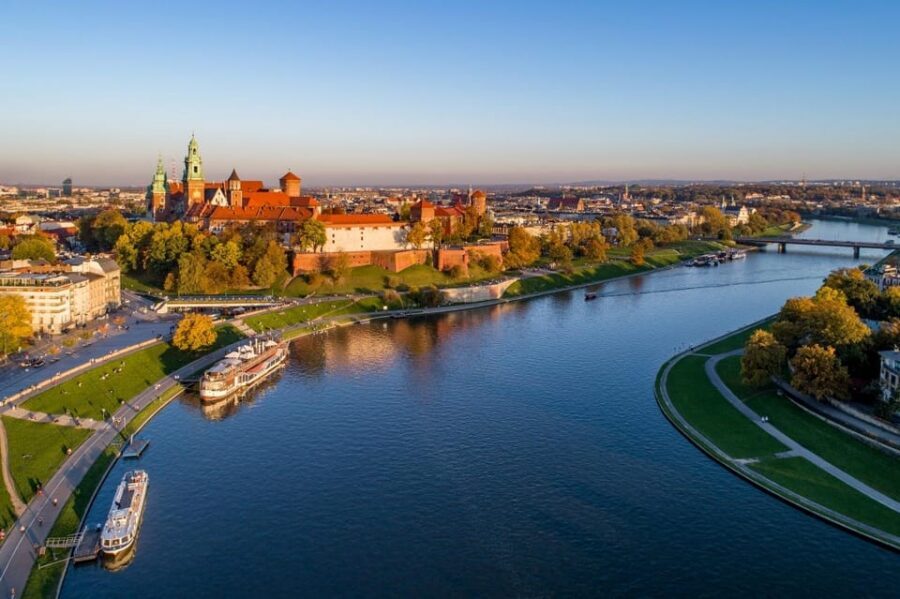
This is the tour segment many people end up remembering. The Royal Chambers highlight objects that feel “royal” in a way that’s more than costumes and crowns.
Expect to see the famous tapestries of Zygmunt August. That alone is a strong draw because tapestries were high-status art—portable statements of wealth and taste. It’s the kind of detail you can miss on your own unless someone explains what you’re looking at and why it matters.
You’ll also see magnificent Renaissance Italian paintings from the Lanckoronski collection. This is where the tour helps you connect the dots between Polish court life and broader European art movements. Without that guidance, you might just register “paintings” and keep moving; with it, you start noticing themes, style, and what the collection was meant to communicate.
And then there’s a surprise layer: Eastern art connected to the royal collections, including the largest collection of tents in Europe. That’s not the usual museum headline, but it gives you a more human, practical sense of courtly life—how culture, travel, trade, and display all mixed together at Wawel.
State Rooms, Royal Private Apartments, or Crown Treasury: what’s included (and why it can vary)
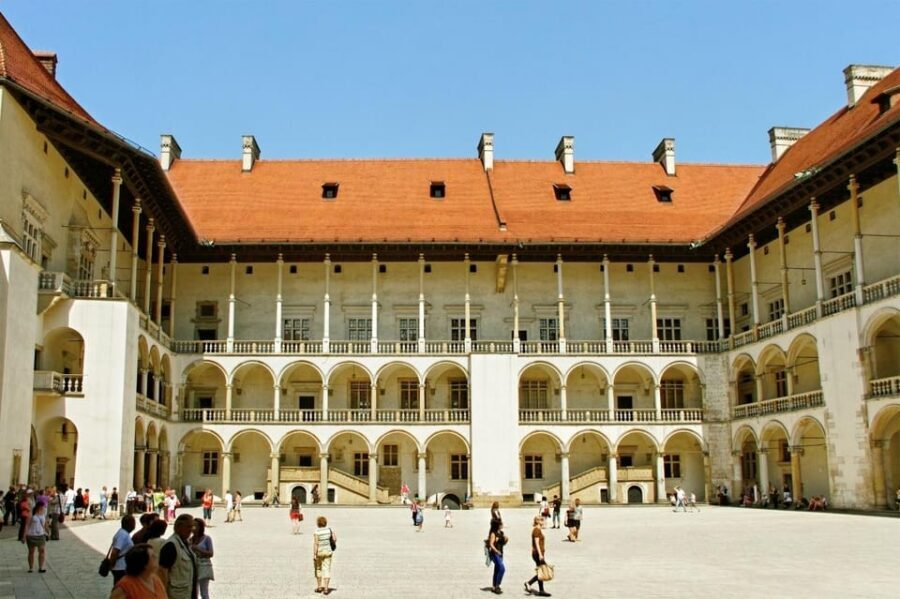
Your ticket includes entrance to one permanent exhibition, chosen from: State Rooms, Royal Private Apartments, or Crown Treasury. The specific option depends on availability, so you’re not guaranteed one single room set every time.
That variability can sound annoying, but it also helps explain why the tour works well for return visits. Each option represents a different angle on the same royal story. If you get the State Rooms, you’re likely seeing how public-facing court life looked. If you get Royal Private Apartments, the focus tends to shift toward living spaces and personal settings. Crown Treasury typically leans more toward impressive items tied to state ceremony and regalia.
Either way, the core idea stays consistent: you’re seeing collections that recreate the appearance of rooms from the Renaissance and Baroque periods. That kind of staging helps you understand scale, layout, and material culture—why the rooms were designed the way they were.
Inside the castle collections: objects that explain court life
One of the most satisfying parts of the tour is how it moves beyond big-name artwork. You’re guided through a wide range of categories, so you get a fuller picture of what “royal” meant day-to-day.
You might encounter paintings, graphics, sculptures, fabrics, goldsmiths’ work, military items, porcelain, and furniture—all presented to help reconstruct what rooms looked like in Renaissance and Baroque times. For me, that variety is the point. A castle can feel like architecture until you see how objects filled it and carried meaning.
This is also where your guide earns their fee. With narration, it’s easier to spot patterns: what’s decorative, what’s symbolic, what’s functional, and what’s meant to impress visitors. That’s a skill, and you borrow it for the rest of your visit.




Wawel Cathedral: Gothic grandeur and the feeling of an active church
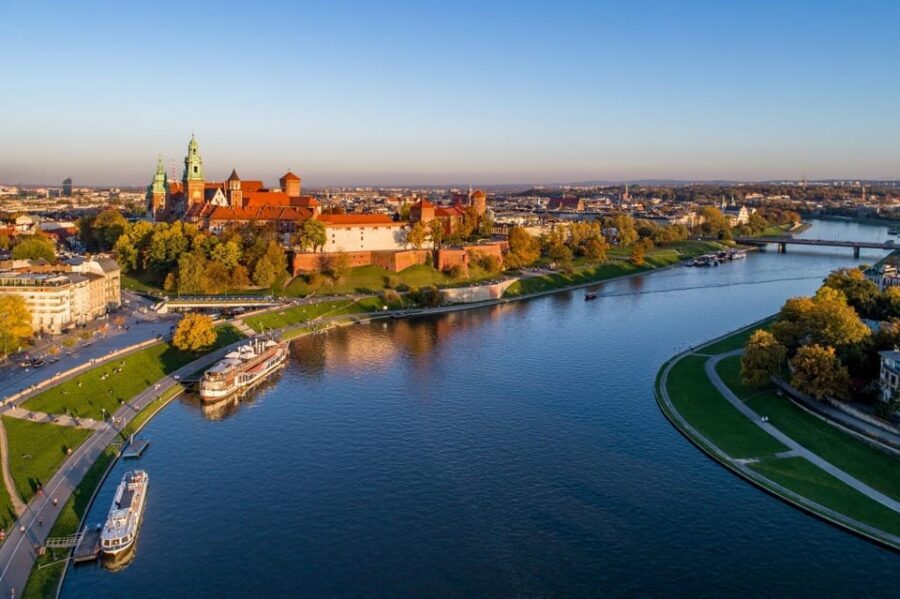
The Gothic Wawel Cathedral is the other half of the experience, and it plays a different role from the castle. You’re walking into a space with real worship today, which changes your mindset instantly.
The cathedral was once a sanctuary where Polish monarchs were crowned, and your guide will connect that to what you’re seeing. It’s one of those “aha” moments: coronation isn’t just a page in a book—it happened inside these walls, shaping how people viewed legitimacy and power.
You’ll admire the Gothic structure, but don’t treat it like a quick photo stop. Slow down mentally and let your guide point out how the cathedral’s form supports ceremony and reverence. Even in a short tour, that approach makes the building feel more intentional.
A key caution: cathedral access can change
Because the cathedral is an active place of religious worship, admission to the cathedral, royal tombs, or the bell tower may be suspended during important religious, state, or jubilee events, or visits by important guests. If that happens, the organizer may replace cathedral entrance with another one within the castle complex.
So build a little flexibility into your expectations. The tour still has a plan, but the exact cathedral experience can shift.
How good guidance changes what you notice (and what you remember)
Wawel can overwhelm you if you’re trying to collect every detail alone. With a guide, you choose what matters.
I like that the tour’s focus is clearly organized around story: kings and queens, royal chambers, and the cathedral’s role in coronation. The result is that your photos end up matched to meaning. Instead of “another cool room,” you get “this is why this matters.”
One review highlight that stuck with me was a guide named Barbara, described as super and unheimlich fundiert and kind—very well-founded in knowledge and genuinely nice. That combination matters. At Wawel, you’ll enjoy the facts more when the delivery is calm and friendly, not rushed.
Value check: is $58 for 2 hours a smart use of time?
$58 per person for a 2-hour guided visit can feel like a “worth it or not” number, so here’s how I’d judge it.
You’re paying for three concrete things:
- a professional guide to make the castle feel understandable (not just pretty)
- entrance to your chosen permanent exhibition (State Rooms, Royal Private Apartments, or Crown Treasury, based on availability)
- a ticket to the cathedral, plus skip-the-ticket-line entry
For many people, that math wins because Wawel is not a quick DIY-friendly stop. The complexity of the complex and the storytelling burden is exactly what you’re outsourcing to a guide. If you enjoy museums but hate guessing your way through them, this is the kind of structured tour that saves time and improves your experience.
If you’re the type who loves wandering without a schedule and already knows the royal history, you might not need the guide. But if you want your first Wawel visit to click, this pricing often makes sense.
Who this tour suits best
I think this tour works especially well for:
- first-timers in Krakow who want Wawel to feel coherent
- people who like guided museum experiences more than self-directed wandering
- history lovers who want monarchy and art connected, not separated
- anyone who wants cathedral context tied to coronations and state ceremony
It may be less ideal if you want a long, slow, in-depth study of one single wing or one single theme. Two hours is focused, not exhaustive.
Tips to make the most of your time at Wawel
You’ve got a short window, so your job is to be ready to watch closely.
First, wear comfortable shoes. Castle grounds and interior areas involve plenty of walking and standing. Second, keep your phone use light. You’ll get more from listening to the guide’s connections, especially around the Royal Chambers objects like the Zygmunt August tapestries and the Lanckoronski Italian paintings.
Finally, go in with one attitude: curiosity over checklist. Wawel rewards you when you let the guide steer your attention, especially with themed elements like Eastern art and the tents collection.
Should you book the Wawel Castle and Cathedral guided tour?
Yes—if you want a well-structured first visit where the Royal Chambers and Wawel Cathedral are connected into one story. The price is supported by guide time, skip-the-line entry, and included tickets, and the two-hour length is a practical match for most Krakow itineraries.
Book with a small caution: cathedral access can sometimes shift due to religious or state events. Even then, the tour can redirect you to another entrance within the castle complex, so you’re not stuck.
If you’re choosing between self-guided and guided, I’d pick guided for your first go. Wawel is impressive on its own, but it’s unforgettable when someone helps you read it.
FAQ
How long is the Wawel Castle and Cathedral guided tour?
The tour lasts 2 hours.
How much does the tour cost?
The price is $58 per person.
What’s included in the tour ticket?
You get a professional guide, entrance to one permanent exhibition (State Rooms, Royal Private Apartments, or Crown Treasury subject to availability), and a ticket to the Wawel Cathedral.
Is the cathedral entrance included?
Yes. The tour includes a ticket to the Wawel Cathedral.
Which castle areas will I see during the tour?
You’ll visit Wawel Castle and the Royal Chambers, and you’ll also get entrance to one permanent exhibition: State Rooms, Royal Private Apartments, or Crown Treasury, depending on availability.
What happens if the cathedral or royal tombs are closed during an event?
The Wawel Cathedral is an active place of worship, so admission to the cathedral, royal tombs, or the bell tower may be suspended during important events. If that happens, the organizer can replace the cathedral entrance with another option within the castle complex.
What languages are offered for the live guide?
The live tour guide is available in Spanish, Italian, English, German, Polish, and French.
Where is the meeting point?
The meeting point may vary depending on the option booked, so you should follow the specific details provided for your booking.
Can I cancel for a full refund?
Yes. You can cancel up to 24 hours in advance for a full refund.
Is there an option to pay later?
Yes. You can reserve now and pay later, meaning you can book your spot and pay nothing today.