REVIEW · POZNAN
Old Town Poznan: Guided Walking Tour in English
Book on GetYourGuide →Operated by Walkative Tours · Bookable on GetYourGuide
A city that talks history back. This 2-hour guided walk pairs major sights like Liberty Square with market-square details such as the pranger, and it ties it all to how Poznań grew through trade and persistence. I like that it feels structured enough to guide you, but still flexible enough that you can glance into side streets and get your bearings fast. The main catch is simple: it’s a walking tour, and you’ll need to show up at the meeting point and keep moving for the full duration.
What makes this tour work for most visitors is the human touch. English guides like Susan, Jenna, Margret, and Svetlana don’t just recite dates; they connect the past to what you see in front of you, and they share practical tips for the rest of your day in Poznań. One consideration: since there’s no hotel pickup, you’ll want to be already in the Old Town area so starting on time is easy.
In This Review
- Key takeaways before you go
- A compact walk through Poland’s crossroads
- Meeting at Plac Wolności and setting the pace
- Liberty Square (Plac Wolności): the starting point you’ll come back to
- The Royal Castle: why this city matters to Polish statehood
- Old Market Square and the pranger: law, trade, and public life
- Old City Hall and tenement houses: seeing money in the stone
- Parish Church: the quiet punctuation mark at the end
- English guides who connect past and present (and share useful tips)
- Price and value: why $26 can be a smart buy
- Who should book this Old Town walk
- Should you book this Old Town walk in English?
- FAQ
- Where is the meeting point?
- How long is the guided walking tour?
- Is the tour guided in English?
- Is this tour wheelchair accessible?
- What is included in the price?
- Is hotel pickup or drop-off included?
- Can I cancel for a refund, and can I pay later?
Key takeaways before you go
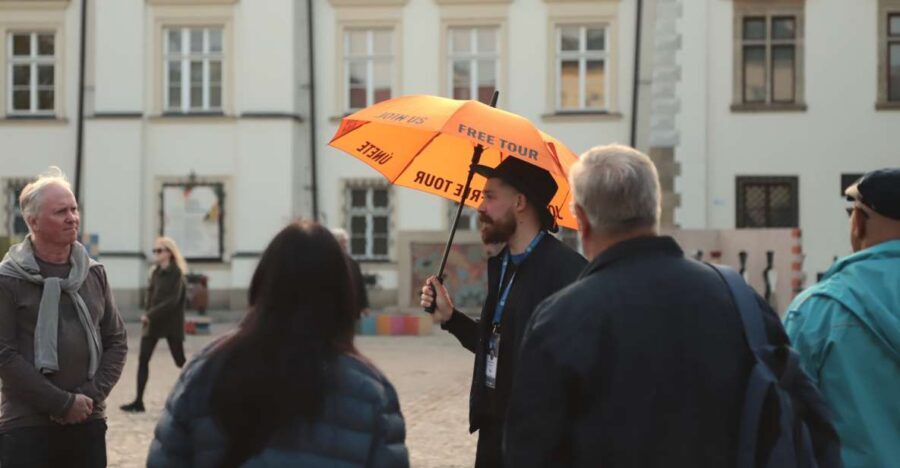
- Meet at Plac Wolności next to the fountain and look for the guide with a yellow umbrella
- A tight 2-hour route that hits the big landmarks without eating your whole day
- Old Market Square sights with a story, including the pranger and the city hall area
- Royal Castle stop for context on why Poznań matters to Polish statehood
- English live guiding with lively, personable explanations
- Wheelchair accessible, so you’re not shut out if mobility is limited
A compact walk through Poland’s crossroads
Poznań is the kind of Polish city where you can feel the layers without needing a museum ticket. This Old Town walk focuses on the core sites you’ll likely want to see anyway, then adds context so the buildings start making sense. You’ll learn why this place is often described as the cradle of Polish statehood, and why its location on trade routes mattered.
I also like the way the tour frames history as more than a timeline. You’ll hear how, in the late 18th century, Poznań became part of Prussia, and how Poles faced brutal persecutions and Germanization during the partitions. The tour also points out something important for modern travelers: unlike in other areas where resistance took mostly armed form, people here also leaned heavily into development—education, social life, and economic work. That angle helps you understand why today’s Poznań feels rooted and practical, not stuck in old trauma.
And since Poznań is known for major international fairs and is one of the biggest university hubs, you get a sense of a city that keeps moving. Some even say it’s the friendliest in the country. During a walk like this, that friendliness shows up in how the guides talk to you—like you’re meant to take the city seriously, but not yourself too seriously.
You can also read our reviews of more walking tours in Poznan


Meeting at Plac Wolności and setting the pace
The tour begins at Plac Wolności (Freedom Square), right next to the fountain. The staff will be easy to spot—look for the guide holding a yellow umbrella. They ask you to arrive about 10 minutes early, which is worth following. In the real world, that buffer helps you find the group and settle in without stress.
You should also know the practical shape of the experience: it’s 2 hours on foot, with no hotel pickup or drop-off. That matters because it makes the tour a great “first-day” option only if you’re already positioned near the Old Town. If you’re staying farther out, you’ll want to factor in transit time so you don’t feel rushed.
The good news is that accessibility is handled. The tour is listed as wheelchair accessible, which usually means the route has been chosen with mobility in mind. Still, because it’s a walking format, you’ll likely want to bring the same common sense you use anywhere in Europe: comfortable shoes and patience for uneven sidewalks.
Liberty Square (Plac Wolności): the starting point you’ll come back to
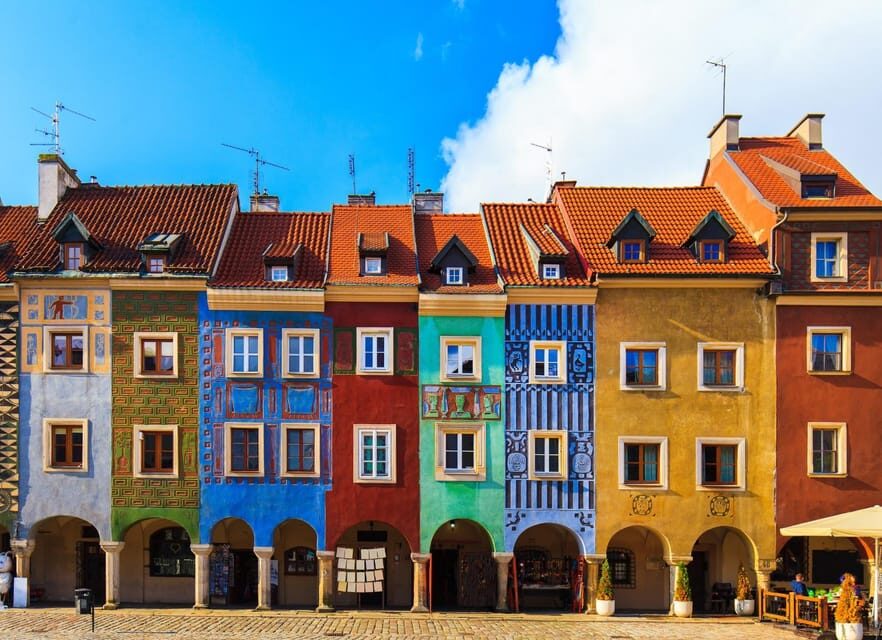
Starting at Liberty Square is smart. It gives you a clean reference point right away, and it anchors the rest of the walk in a central place you can find again later. Even if you only see this square as a meeting location, it helps you map the Old Town quickly in your head.
From here, the guide typically works outward, explaining how Poznań grew over centuries thanks to its position at the crossroads of trade routes. That theme keeps repeating in small ways: in the way buildings are arranged, in the architecture you’ll see nearby, and in why the market area became such a powerful symbol.
What I like most about this opening is that you’re not just staring at stone. You’re getting a mental picture of how the city functioned—where money and ideas flowed, and how public spaces reflected that. When the tour later hits the market square landmarks, it feels less like a checklist and more like the payoff for what you learned at the beginning.
The Royal Castle: why this city matters to Polish statehood
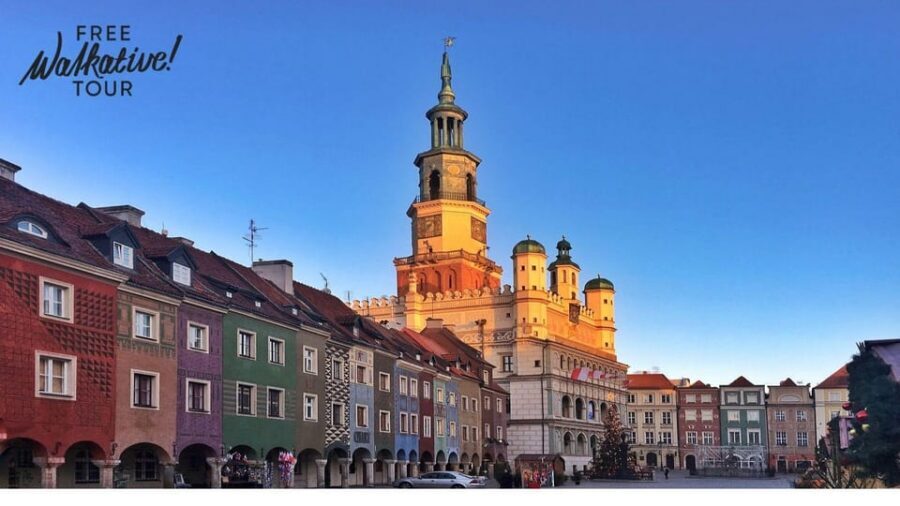
The next big stop is the Royal Castle area. Even if you don’t go deep into museum rooms, the castle site works as a “why should I care?” moment. Poznań is often called the cradle of Polish statehood, and the guide uses that idea to explain the city’s long political importance.
You’ll hear about the turning points that shaped the region, including the shift into Prussian control at the end of the 18th century. This isn’t presented just as background trivia. It’s used to explain why cultural survival in Poznań also took economic and educational routes. In other words, the story isn’t only about what got taken away. It’s about what people built anyway.
The Royal Castle stop also sets you up visually. When you see later civic buildings—old city structures, tenement houses, church architecture—you’ll start noticing details that echo power, identity, and everyday commerce. A guide who does this well makes you look harder, in the best way.
Old Market Square and the pranger: law, trade, and public life
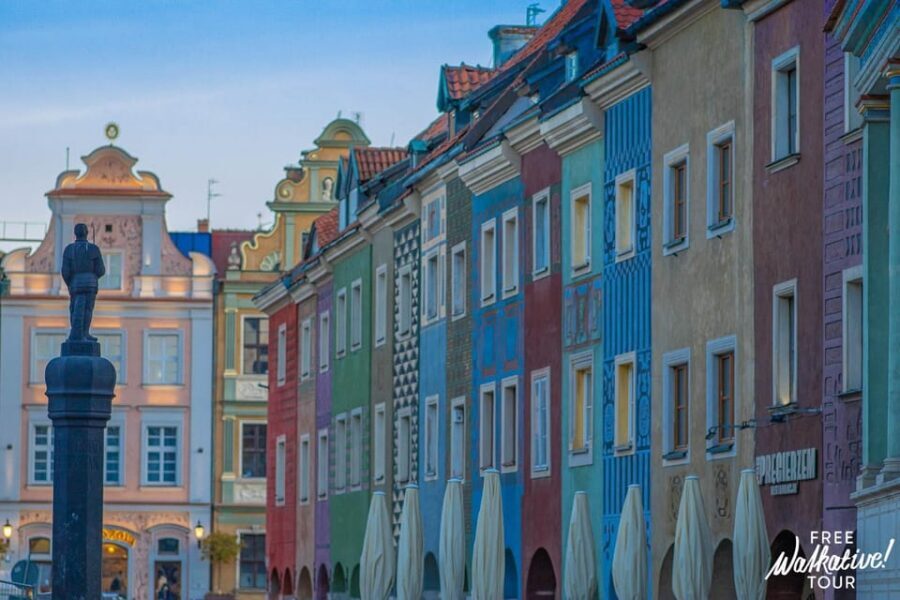
If you’re only going to remember one moment from this tour, make it the area around Old Market Square—especially the pranger. This is the kind of artifact that turns a “pretty square” into a real-life snapshot of how justice worked in past centuries.
The pranger is important because it’s not abstract. It’s a physical reminder that public order was enforced in visible ways. Standing near it, you’ll understand that market squares weren’t just for trade and ceremonies. They were also the stage where the city made rules clear.
And since Poznań’s wealth and trading character helped shape the city over centuries, this stop ties together multiple threads: architecture, economics, and civic identity. The Old Market Square area is where the tour often leans hardest on the idea that history here is still readable on the street.
There’s another practical benefit too. When your guide explains how the square functioned, you’ll start recognizing why surrounding buildings have the forms they do. Even without going inside every structure, you’ll get the “city logic,” and that’s what makes later self-guided exploring easier.
You can also read our reviews of more guided tours in Poznan



Old City Hall and tenement houses: seeing money in the stone
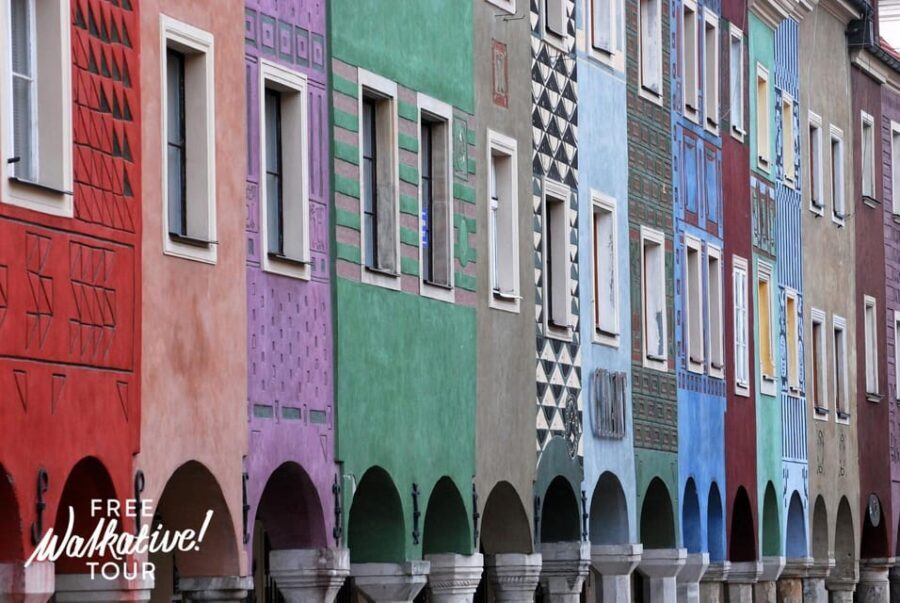
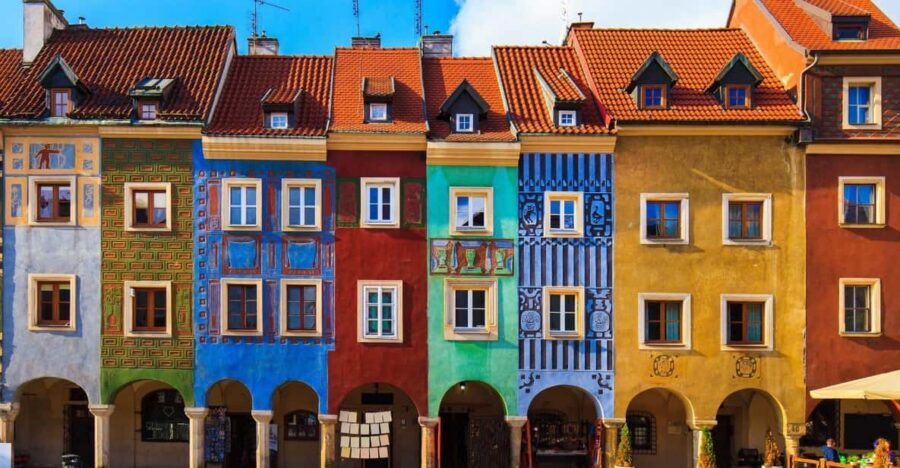
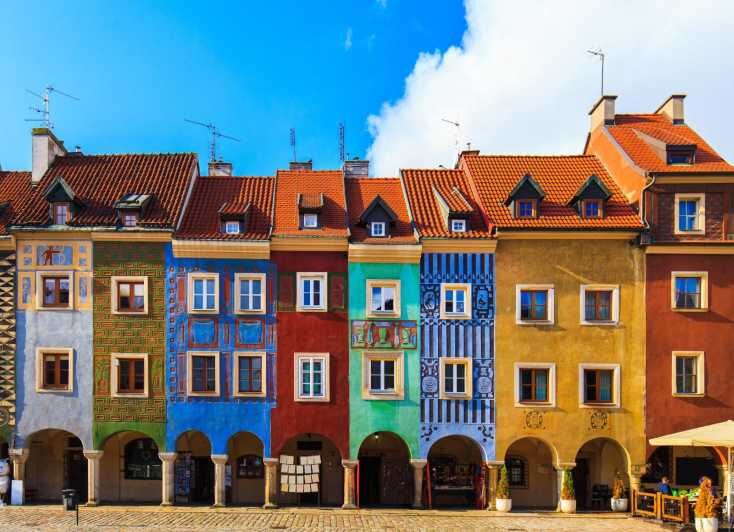
From the market square, the walk moves into the Old City Hall and the surrounding tenement houses area. This is where the tour helps you shift from sightseeing to understanding. Old City Hall buildings often symbolize civic authority, but in Poznań they also connect back to the city’s role as a trade hub.
Tenement houses matter because they show everyday life layered on top of public power. They’re the places where regular people lived close to business activity. That’s why the guide’s trading-focused narrative becomes so useful here. You’ll look at the streets and think about who needed to be close to the market and why.
One underrated value of this segment: it teaches you how to read a city visually. When you later walk around on your own—shopping streets, side alleys, courtyards—you’ll recognize architectural cues faster than if you’d just taken photos and moved on.
And if you’re in a larger group, the tour’s format can help manage flow. The experience is designed to keep things moving, and on busy days the group may be split so you can still hear your guide without feeling buried.
Parish Church: the quiet punctuation mark at the end
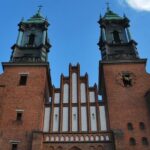
The last major sight in this Old Town route is the Parish Church. Church stops can sometimes feel like they come out of nowhere on walking tours. Here, they usually work as a punctuation mark: after learning about markets, civic life, and shifting power, you get a cultural anchor.
You’ll likely hear how religious and community life remained important even as the city went through periods of political pressure and cultural change. The tour’s wider message about endurance—education, social development, economic effort—fits well with the idea that community identity wasn’t only political. It was also daily, spiritual, and local.
What makes the parish church segment especially useful is how it changes your pace. You’re coming from busy civic and market energy, and then the church gives you a calmer moment to absorb the whole picture. It’s a natural place to pause, look up, and reflect on how the city’s public and cultural life worked together.
English guides who connect past and present (and share useful tips)
A big reason this tour earns strong marks is the quality of the guiding style. Different English guides rotate through—Susan, Jenna, Margret, Svetlana—yet the pattern is consistent: they’re personable, and they clearly enjoy teaching.
The pacing also tends to work well. Several people mention a good rhythm and that the guide explains both past and present. That balance is what you want in a 2-hour tour. You don’t need every date. You need the key ideas that make buildings and symbols meaningful.
I also like how the guides use the tour to set you up for the rest of your stay. People come away with practical recommendations for where to go next in Poznań. Even without a formal list being handed to you, this kind of guidance helps you avoid the most common mistake: wandering for hours without knowing what to prioritize.
Price and value: why $26 can be a smart buy
The price is $26 per person for a 2-hour guided walking tour. On paper, that may look like a standard city-walk cost. In practice, value depends on two things: how much you get, and how much you understand when you’re done.
This one does well because it concentrates on the Old Town’s core landmarks—Liberty Square, Royal Castle, Old Market Square (including the pranger), Old City Hall and tenement houses, and the parish church. That’s a lot of major geography for just two hours. And because the guide explains the forces behind the architecture—trade routes, political shifts, and cultural survival—you’re not just collecting photos. You’re building context.
Also worth noting: the tour is included with the guide, and you pay for the tour experience. Food and drinks are not included, and there’s no hotel pickup, so you’re paying for walking time and interpretation, not convenience extras.
Finally, the tour uses a pay-what-you-wish structure where your booking amount covers both a reservation fee and the guide’s payment. That means you’re not stuck guessing whether you should tip on top just to make the tour work financially. If you feel the guide earned it, you can decide how you want to reward that effort, but you’re not left in the dark.
Who should book this Old Town walk
This tour is a good fit if you want a fast, guided way to understand the center of Poznań. It’s especially useful if you like history but don’t want to spend your vacation stuck inside. You’ll also enjoy it if you’re the type who likes to learn how cities work—trade, civic power, public spaces—not just what they look like.
It can be a smart choice for:
- First-time visitors who want orientation plus context
- History-minded travelers who want the Polish-German partition story explained in a way that connects to present-day identity
- People traveling with mixed interests, because the sights are visual and the story is human
If you hate walking or need frequent long breaks, you’ll want to think carefully. The tour is listed as wheelchair accessible, but it still assumes mobility for the full 2 hours. And since there’s no pickup, it’s easiest when you’re already near the Old Town core.
Should you book this Old Town walk in English?
Yes, if you want a compact route that actually explains what you’re seeing. The strongest reasons to book are the pairing of major landmarks with specific details like the pranger, and the consistently friendly, personable English guiding style—from Susan to Jenna to Margret to Svetlana. That kind of delivery makes Poznań feel less like a stop on a map and more like a place with logic and character.
Skip it only if you’re looking for a museum-heavy experience or you want a slower, sit-down pace. This is built as a walking tour that gives you structure, context, and momentum. If that’s your style, you’ll leave with clear mental anchors for the Old Town—and a better instinct for where to go next.
FAQ
Where is the meeting point?
The meeting point is Plac Wolności (Freedom Square), next to the fountain. Look for the guide holding a yellow umbrella.
How long is the guided walking tour?
The tour lasts 2 hours.
Is the tour guided in English?
Yes, the live tour guide speaks English.
Is this tour wheelchair accessible?
Yes, the tour is listed as wheelchair accessible.
What is included in the price?
The price includes the guided walking tour and a guide.
Is hotel pickup or drop-off included?
No, hotel pickup and drop-off are not included.
Can I cancel for a refund, and can I pay later?
You can cancel up to 24 hours in advance for a full refund. You can also reserve now & pay later.