REVIEW · KRAKOW
From Krakow: Zalipie Village Day-Tour
Book on GetYourGuide →Operated by Link Poland · Bookable on GetYourGuide
One village, one century of flowers. Zalipie turns ordinary walls into art you can walk around and study.
I like the way this tour is built for easy village time: pickup from Kraków, comfortable car, then about three focused hours in Zalipie with an English-speaking guide. I also love the human side, not just the painted buildings, thanks to guide connections that can lead to deeper looks at the art and the people behind it.
The main thing to consider is the cost versus your group size. This is a private group day trip with hotel pickup, so per-person value is best when you have two or more people, not when you’re going solo.
In This Review
- Key Things I’d Prioritize
- Why Zalipie’s Painted Village Still Feels Special
- Getting From Kraków Without Fuss (and With Real Comfort)
- The Main Walk: Painted Houses and Village Details That Add Up
- Dom Malarek: The House of the Female Painters
- Felicja Curyłowa Cottage and the Artist Behind the Fame
- The Church of St. Joseph the Betrothed: Folk Motifs Indoors
- Meeting Local Artists and Seeing Art in Context
- Price and Value: What You’re Really Paying For
- What to Bring (So the Day Feels Easy)
- Timing Tips: How to Use Your 3 Hours in Zalipie
- Who This Tour Fits Best
- Should You Book LinkPoland’s Zalipie Day Tour?
- FAQ
- How long is the Zalipie village day tour from Kraków?
- Where does hotel pickup happen?
- Is food included in the price?
- What does the tour include at Zalipie?
- Do I need to pay extra for entrance tickets?
- Will I have an English-speaking guide?
- Is this tour private?
- What should I wear and bring for the day?
Key Things I’d Prioritize
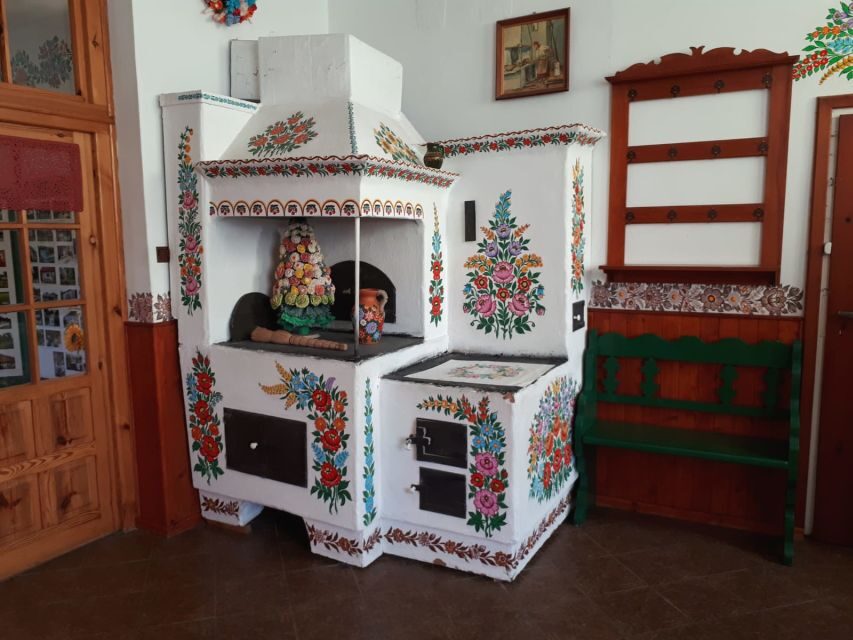
- 100+ years of floral house painting across buildings, fences, wells, stables, and more
- Dom Malarek (House of the Female Painters) for the tradition in one place
- Felicja Curyłowa Cottage to understand how the style became famous
- Church of St. Joseph the Betrothed with floral motifs that match the village outside
- Private guidance from LinkPoland, with many chances to photograph painted details up close
- A flexible feel: some guides can arrange extra local stops, but food isn’t guaranteed in quieter seasons
Why Zalipie’s Painted Village Still Feels Special
Zalipie is one of those places where you don’t need hype to be impressed. The village looks like someone turned folk art into architecture, covering surfaces with flower motifs that have been passed down for generations.
What I like most is how consistent the theme is. Even when you’re walking through everyday village scenes, you still see painted touches on fences, wells, chicken coops, and stables. That repetition is part of the charm: it feels like the whole place has its own visual language.
You can also read our reviews of more tours and experiences in Krakow.

Getting From Kraków Without Fuss (and With Real Comfort)
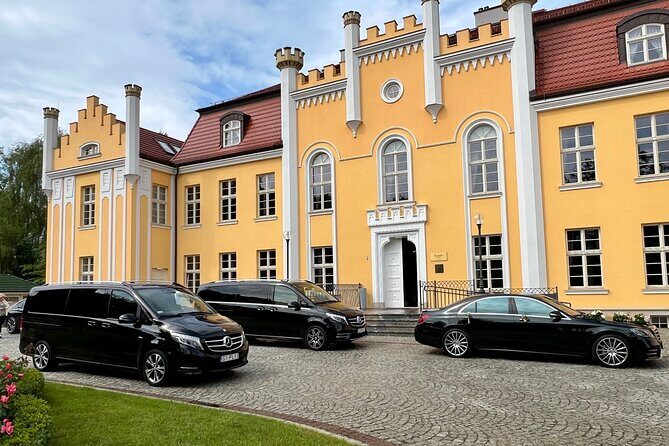
This is a half-day style trip: you get pickup from your Kraków hotel or apartment, then you head east to Lesser Poland. The ride is by air-conditioned car, and the guide and driver handle the driving so you can focus on the day.
The schedule is straightforward. You’ll spend around three hours sightseeing in Zalipie, then you return to Kraków at the end of the tour. For most people, that’s the right amount of time for a village like this without rushing the details.
Also, the tour includes skip-the-ticket-line entry. That matters here because you want your time used for walking, looking, and talking, not waiting.
The Main Walk: Painted Houses and Village Details That Add Up
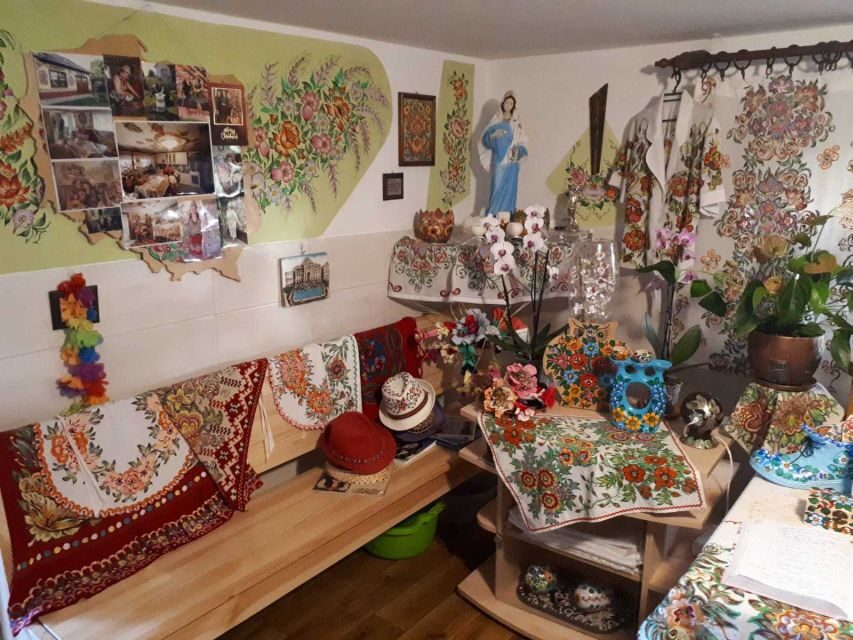
When you arrive, Zalipie hits you fast. Painted houses cover the outside like a quilt, and the motifs are specific enough that you start noticing patterns rather than just seeing prettiness.
Your guide will point out how the tradition began and why it grew. The floral painting habit traces back to the late 19th century, and it’s not just decorative. It’s a way of turning the village into something communal and shared, a style that generations can recognize and keep going.
Expect plenty of stops for photos. The village is perfect for it because there’s always another angle: painted gates, fence panels, wells, and side walls that you might miss if you were traveling unguided.
One practical note: wear comfortable shoes. Some surfaces are close to walkways and paths, and you’ll likely want to circle buildings to capture full designs.
Dom Malarek: The House of the Female Painters
Dom Malarek, the House of the Female Painters, is the kind of stop that helps the village click. You’re seeing the broader tradition rather than just a single painted facade.
This is where the tour’s focus becomes clearer: Zalipie’s reputation isn’t only about pretty houses. It’s about how folk art skills were learned, practiced, and preserved.
Inside, you’ll get context for the motifs and the cultural meaning behind them. Even if you’re not an art expert, it’s easy to follow because the guide keeps it tied to what you’ll see outside: floral patterns, repeated motifs, and the local style that makes Zalipie recognizable.
Felicja Curyłowa Cottage and the Artist Behind the Fame
If Dom Malarek explains the tradition, the Felicja Curyłowa Cottage explains the boost. This is the home of the artist who played a key role in popularizing Zalipie’s floral painting.
Here, the story shifts from background to impact. You can see how one person’s work helped spread the village’s art beyond Poland, turning a local folk practice into something that people recognize internationally.
A nice advantage of having an English-speaking guide is that this part doesn’t feel like a museum script. It’s tied directly to the village look, so when you walk back outside, you understand what to look for.

The Church of St. Joseph the Betrothed: Folk Motifs Indoors
The church stop is small but meaningful. The Church of St. Joseph the Betrothed is one of Zalipie’s key landmarks, and it also shows traces of the local painting tradition.
What I like about this stop is the contrast. Outside, floral motifs feel like village identity. Inside, they feel like a spiritual layer, mixing everyday folk art with religious space.
It’s not just sightseeing. It gives you a fuller sense of why the motifs matter to the community. If you’re only looking for photos, it still works visually. If you’re interested in how art shows up in real life, it’s a strong moment.
Meeting Local Artists and Seeing Art in Context
A big reason this tour earns such high marks is access. Guides on this tour often have relationships with families connected to the painted houses. That can mean you see more than the public-facing buildings.
In some cases, that connection can lead to seeing painted interiors and learning from people who are actively involved in the tradition. You might meet local artists or get glimpses of the creative process, which makes the floral designs feel less like a theme park and more like living culture.
You should expect this to vary by timing and what’s happening in the village. But the intent is consistent: you’re not only checking boxes, you’re learning how the village works.
One extra benefit you might get: some guides build in time for quick local breaks. Depending on the season, that could mean coffee, ice cream, or a pause at a cultural center. In slower months, food options can be limited, so it’s smart to bring a snack just in case.
Price and Value: What You’re Really Paying For
At around $61 per person for a 6-hour private day tour with pickup, the price can look reasonable or steep depending on who you are traveling with.
Here’s how I’d think about value:
- You’re paying for door-to-door convenience in Kraków.
- You’re paying for a licensed English-speaking guide who can explain context while you walk.
- You’re paying for a private transport setup, which is great if your group is small, but it can feel pricey if you’re comparing it to shared buses.
A fair way to judge it: if you want the painted village plus the cultural context, and you don’t want to plan transport on your own, this price can make sense. If you’re trying to squeeze every dollar and you’re traveling solo, you might prefer something shared or self-guided. Still, the guide connections and the ability to focus your time in Zalipie are the main reasons people book.
What to Bring (So the Day Feels Easy)
This is a village walk, so pack for comfort, not for a fashion show. Bring comfortable shoes and comfortable clothes, especially if you’ll be outside for long stretches.
Also bring water. The tour includes transport and guide time, but food and drinks are not included. One smart approach is to bring a small snack so you’re covered if the village is quiet.
If you’re a serious photographer, wear clothes you can move in. Painted details reward patience. You’ll likely want to stop, frame, zoom in mentally, and then move to the next corner.
Timing Tips: How to Use Your 3 Hours in Zalipie
Three hours sounds short until you’re standing in front of a painted door and realizing there are motifs on more than one side. Your guide’s job is to keep you moving smartly, not just marching through.
To get the most out of the time:
- Focus on motifs first: fences, wells, stable doors, and side walls tend to show the village’s signature style.
- Save your longer picture stops for places your guide highlights, since those spots usually have the best story behind them.
- Don’t skip the church. It’s easy to think it’s just a stop, but it connects the folk art theme to the village life.
If you’re going off-season, plan for less open food. Keep the day light by carrying snacks and letting your guide know if you want a break.
Who This Tour Fits Best
This tour fits best if you want a focused village day without transit headaches. It’s ideal for:
- couples who want a private guide experience
- people who care about folk art and want the backstory, not just images
- travelers who like structured sightseeing but still want room for photography and questions
It might be less ideal if you’re traveling with a very tight budget or if you prefer total independence. The private format and pickup convenience are part of the package, so value depends on how you like to travel.
Should You Book LinkPoland’s Zalipie Day Tour?
If you’re excited by the idea of a village where art is part of everyday life, I think this is a strong choice. The combination of painted houses, Dom Malarek, the Felicja Curyłowa Cottage, and the Church of St. Joseph the Betrothed gives you both the visuals and the meaning in one day.
I’d book it especially if you want to meet local artists or see more than what you’d find in a quick walk. The guides linked to LinkPoland often have real connections with families in the village, and that tends to be the difference between seeing painted walls and understanding how the tradition continues.
But do the math if you’re solo. The private transport model can feel expensive per person. If you can travel with a partner, or you’re comfortable paying for convenience and context, this day trip is worth it.
FAQ
How long is the Zalipie village day tour from Kraków?
The tour lasts 6 hours total, with about 3 hours of sightseeing time in Zalipie.
Where does hotel pickup happen?
Pickup is included from your hotel or apartment in Kraków. The driver finds you at the lobby for hotels, or at the front of the building for apartments.
Is food included in the price?
No. Food and drinks are not included, so it’s wise to plan snacks and water for comfort, especially if you travel during off-season.
What does the tour include at Zalipie?
You’ll see painted village houses and details like fences, wells, and stables, plus major stops including Dom Malarek and the Felicja Curyłowa Cottage. The Church of St. Joseph the Betrothed is also part of the visit.
Do I need to pay extra for entrance tickets?
Entrance tickets are included in the tour price.
Will I have an English-speaking guide?
Yes. The tour includes a licensed English-speaking guide, plus an English-speaking driver.
Is this tour private?
Yes, it’s listed as a private group experience.
What should I wear and bring for the day?
Bring comfortable shoes and comfortable clothes. You’ll be walking through the village and spending time outdoors.