REVIEW · WARSAW
Warsaw Uprising Museum (1944) + POLIN Museum: PRIVATE TOUR /inc. Pick-up/
Book on Viator →Operated by Visiting-Warsaw.Com · Bookable on Viator
Two Warsaw museums in one day can be hard to pull off—this one makes it easy. You get private door-to-door pickup and a same-day route that hits the Warsaw Rising Museum’s 1944 story and then moves you right into the POLIN Museum’s Jewish history of Poland.
I especially like the way the plan protects your time. You’re not wandering around hunting for entrances, and you’re not paying taxi math twice. The other big win for me is the audio guide format, which lets you set your pace instead of feeling rushed.
One thing to consider: this is a tight timeline (about 4 hours total), so if you like to linger for long stretches, you may wish you had extra hours on each museum.
In This Review
- Key highlights worth planning for
- Warsaw Rising Museum: stepping into 1944 without losing your bearings
- POLIN Museum: Polish-Jewish history told through big ideas and hands-on media
- Private pickup and transport: the real value is fewer stress moments
- Audio guides: how to make the exhibits feel personal (not overwhelming)
- Timing and pacing: how to plan your energy for a 4-hour history day
- Price and value: what you’re really paying for
- Who should book this tour
- Should you book Warsaw Rising Museum (1944) + POLIN Museum?
- FAQ
- What museums are included in this private tour?
- How long is the tour?
- Does the tour include pickup?
- Is this tour private or shared?
- Are admission tickets included?
- What about audio guides?
- Can I add a licensed guided tour inside the museums?
- How does the tour handle transportation between the two museums?
- What is the cancellation policy?
Key highlights worth planning for
- Two major museums, one tight day: Warsaw Rising Museum plus POLIN Museum, both with admission included
- Private pickup with no shared car: your group rides together, and the driver meets you at the building door
- Audio guides in many languages: English is available, with additional language options included for both sites
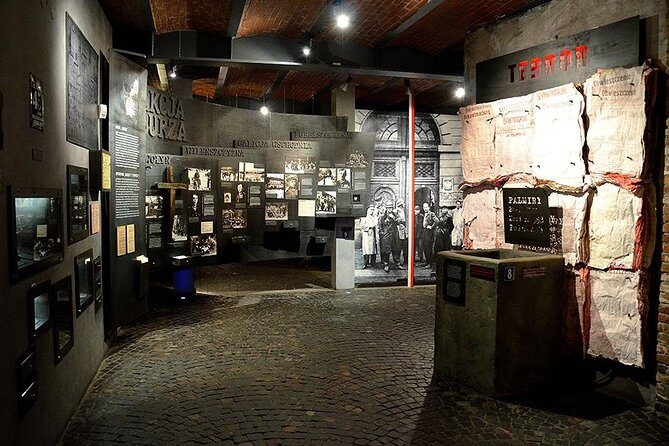
- Warsaw Rising Museum feels like a time machine: you’re guided through 1944 Warsaw rather than just looking at artifacts
- POLIN uses multimedia storytelling: virtual library features Hebrew and Yiddish literature formats
- Optional licensed guides are available: if you want more detail, you can add a dedicated guide for your group
Warsaw Rising Museum: stepping into 1944 without losing your bearings
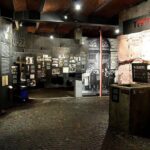
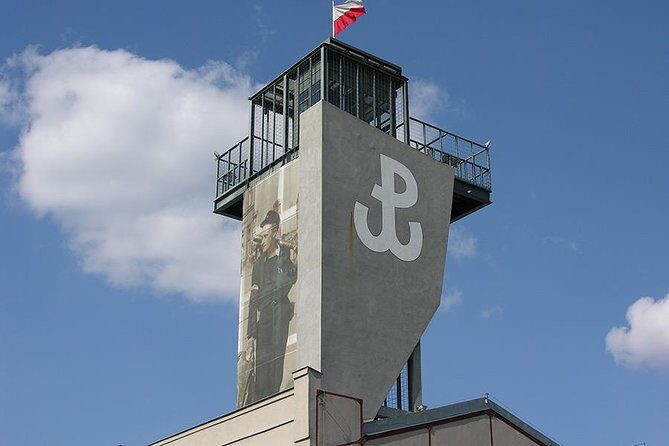
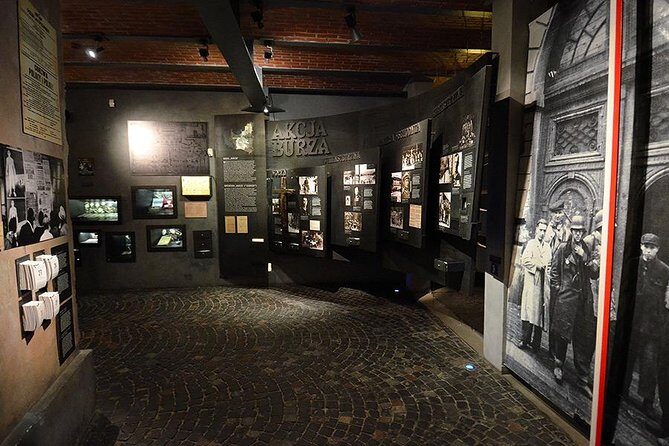
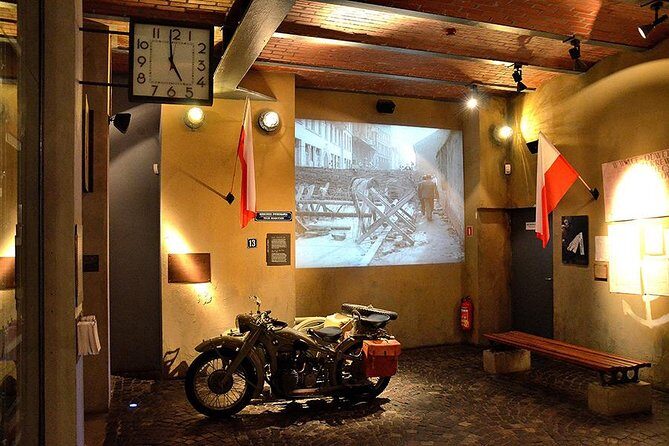
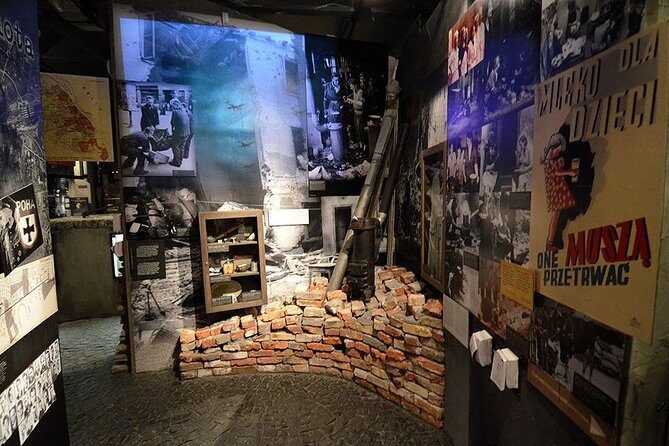
The Warsaw Rising Museum doesn’t feel like a standard museum day. It’s built to make 1944 Warsaw feel close-up—like you’re walking through a time machine instead of reading labels on a wall. For me, that’s the best part: it gives you structure and context, so the history lands instead of floating by.
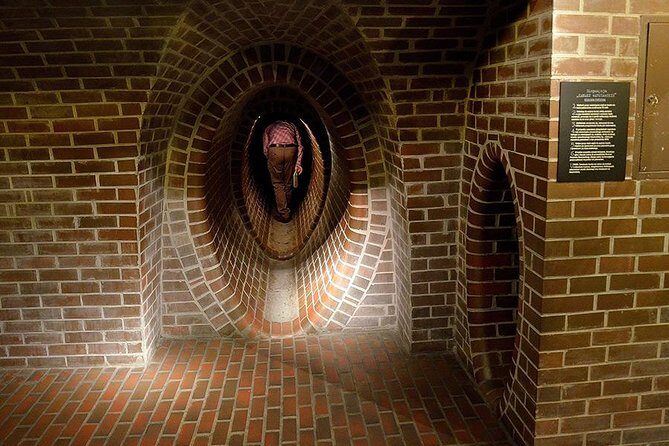
The theme is heavy, but it’s handled with clear pacing. You get the sense of how horrifying 1944 was for the city—Warsaw was destroyed almost down to the last brick, and the people who rose were shockingly young, under 20 in many cases. The museum also emphasizes how sophisticated the city had become, mentioning details like rapid growth and a state-of-the-art sewage system. That contrast matters. It helps you understand what was at stake, beyond the battles.
You’ll have about 1 hour 15 minutes for this first stop, and the admission is included. That timing is usually enough to take in the main narrative, absorb the atmosphere, and still have some room for the moments that hit hardest. If you’re a history fan, you’ll appreciate that this museum doesn’t only show suffering—it frames the decision to rise and asks the underlying question that still matters: what’s the price of freedom when the odds are brutal?
What to watch out for: this stop can be emotionally intense. If you’re sensitive to war-related content, you may want to give yourself a little extra patience and breathing space between rooms.
You can also read our reviews of more private tours in Warsaw



POLIN Museum: Polish-Jewish history told through big ideas and hands-on media
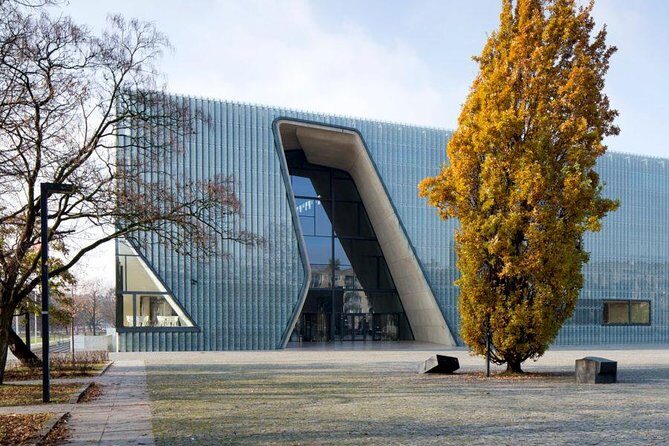
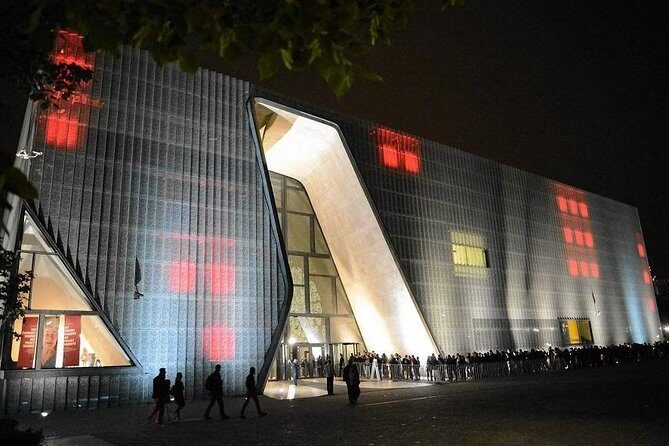
After the Rising Museum, POLIN feels like a different kind of journey—less about one year of chaos, more about centuries of life, culture, and change. It documents the history of Polish Jews, but it also shows how Jewish and Polish culture intertwined across long periods.
I really like how POLIN connects facts to lived experience. The museum highlights Jewish contributions to Polish culture, the economy, and science. Then it builds out the everyday side of history—how people actually lived, worked, and formed neighborhoods together.
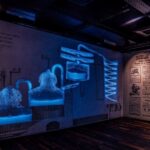
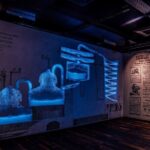
One feature you’ll notice right away is the museum’s virtual library, where you can explore masterpieces of Hebrew and Yiddish literature in multimedia form. You don’t just look at a title and move on. You interact with it, and the idea of seeing literature in a multimedia setup makes the centuries feel less distant. The museum also includes a fun-but-thoughtful moment: you can print the title page from a 16th-century book using the museum’s press setup. It’s the kind of small interaction that helps history feel tangible.
POLIN also uses different kinds of spaces for different themes. There are multimedia exhibitions on how Poles and Jews lived together for many hundreds of years and how the cultures merged. In the more traditional gallery-style spaces, you’ll get acquainted with family and neighborly relations, plus the history of Jewish-Christian relationship in that shared social world.
This stop also runs about 1 hour 15 minutes, with admission included. For me, that’s a sweet spot: long enough to understand the storyline, but short enough that you’re not walking out completely exhausted by information.
Possible drawback: the multimedia elements are excellent, but they can slow you down if you like to stop for every screen. If you’re trying to keep the day on schedule, focus on the sections that match your interests first.
Private pickup and transport: the real value is fewer stress moments
Here’s where this tour really earns its keep. You get door-to-door transport from your hotel or apartment with a personal driver and no other clients in the car. That matters more than it sounds, especially in Warsaw where walking times can add up fast between neighborhoods.
The day is structured so you aren’t left to figure out transfers. The transport takes you from the Warsaw Rising Museum to POLIN, then back to your hotel or another address in the city that you choose. You also get the kind of meeting detail that prevents the classic travel frustration of standing outside wondering if you’re in the right place. The coordinator or driver waits before entering the building with a card showing your name and surname, so you can find them quickly.
You’re also limited to a maximum group size of 6 people, which keeps the day feeling like a private experience instead of a crowded shuffle. And with a minimum of 2 people per booking, it’s designed for small groups rather than solo wanderers.
Who this helps most: you’ll feel the benefit if you’re short on time, don’t love city navigation, or want a history day that stays organized from start to finish.
Audio guides: how to make the exhibits feel personal (not overwhelming)
Both museums include audio guides, which is a big deal for a self-paced private tour. In practice, this means you can match the narration to your comfort level—pause when something clicks, move faster when you’re ready to keep going.
English is available for the audio guides, and there are many other language options too. For the Warsaw Rising Museum side, the list is broad, covering languages such as French, German, Spanish, Italian, Polish, Russian, Swedish, Ukrainian, and more. POLIN’s audio guide language options include English, Hebrew, Yiddish, and several others like French, German, Spanish, Russian, Italian, Polish, and Hungarian. Even if you don’t use another language, the point is that the system is prepared for visitors from different backgrounds.
This audio-guide approach is especially useful for these two museums because both deal with complex themes: one is a single catastrophic year, and the other spans long-term cultural history. Having narration means you’re not trying to connect the dots from objects alone.
If you want even more detail, there’s an optional add-on: a licensed guide dedicated only to your group at 99 Euro per group for the Warsaw Uprising Museum and another 99 Euro per group for POLIN. If you book that, you trade some self-paced freedom for a deeper layer of explanation—handy if you’re visiting with kids, or if you’re the type who wants names, dates, and cause-and-effect laid out clearly.
One thing from a recent experience that stuck with me: a guide named Tomasz was praised for helping people understand things better. That’s the kind of boost that can turn a good museum visit into one you remember for years.
Timing and pacing: how to plan your energy for a 4-hour history day
The total duration is about 4 hours. You’re spending roughly 1 hour 15 minutes at each museum, plus the time it takes for pickup, transport, and transitioning between stops.
That’s a brisk schedule, and it affects how you should approach the day.
A smart way to use the time:
- Start the Rising Museum with your “must-not-miss” question in mind: what pushes people to rise when the cost is likely catastrophic?
- At POLIN, decide what you want most: the virtual library experience, the multimedia exhibitions about everyday coexistence, or the gallery spaces covering family life and Jewish-Christian relations.
What to consider if you hate rushing: this format is best if you like seeing the big picture and then returning later for a deeper second pass. If you want to linger for a long time at one museum, you might be happier doing just one on its own day.
Also, since this tour includes private transport and audio guides, it’s not built like a “self-guided marathon.” It’s designed for momentum: take in the narrative arc of both places and move on with a feeling of completeness.
You can also read our reviews of more museum experiences in Warsaw


Price and value: what you’re really paying for
The price is $117.11 per person for this private tour pairing. On paper, that can sound steep until you break down what’s included.
You’re getting:
- Admission tickets for both museums
- Audio guides for both stops
- Door-to-door private pickup and return transport
- Transport from Warsaw Rising Museum to POLIN
- A driver/coordinator available for your day
That combination is the core value. If you were to buy tickets separately and then arrange private transport between two far-apart destinations, the cost usually adds up quickly—especially in a city where taxi rides aren’t always a flat-fee situation. This tour compresses the logistics into one organized plan.
And there’s a quieter cost benefit too: fewer navigation mistakes. When a coordinator meets you at the door with your name card, you lose less time to uncertainty. That time can be used inside the museums instead.
Balance check: if you’re traveling solo and you’d rather do everything independently, you might find cheaper options. But if you want the day to feel efficient and well managed, the price starts to look fair.
Who should book this tour
This private two-museum day is a strong match if you:
- Love history and want a big mental picture of Warsaw’s 1944 crisis and the long Polish-Jewish story
- Have limited time in Warsaw and want to see both POLIN and the Warsaw Rising Museum in one organized run
- Prefer private door-to-door logistics over public transit navigation
- Want audio guidance in English (and other language options if helpful)
It’s less ideal if you:
- Want to spend half a day in just one museum
- Feel emotionally drained by war-related content and need slower pacing
Should you book Warsaw Rising Museum (1944) + POLIN Museum?
I’d book this if you want a focused, time-saving Warsaw day that doesn’t leave you scrambling between two major museums. The private pickup, paired timing, and included audio guides make it feel “planned,” not “wishful.” And since POLIN and the Warsaw Rising Museum tell such different parts of Poland’s story, the pairing actually makes sense: one stop explains a single year of rupture, and the other shows centuries of community life and cultural change.
If you’re the kind of person who hates rushing, consider whether you’d rather return for a second visit to one of these museums later. Otherwise, this is a smart way to see a lot without the usual coordination headaches.
FAQ
What museums are included in this private tour?
You’ll visit the Warsaw Uprising Museum (1944) and then the POLIN Museum of the History of Polish Jews.
How long is the tour?
The duration is approximately 4 hours total.
Does the tour include pickup?
Yes. Door-to-door pickup is included from your hotel or apartment, and a driver meets you with a name card before entering the building.
Is this tour private or shared?
It’s private. Only your group participates, with a maximum of 6 people per booking.
Are admission tickets included?
Yes. Admission tickets for both museums are included.
What about audio guides?
Audio guides are included. English is available, and there are additional language options listed for each museum.
Can I add a licensed guided tour inside the museums?
Yes. If available, you can add an individual guided tour in the Warsaw Uprising Museum and/or POLIN Museum with a licensed guide dedicated only to your group for an extra 99 Euro per group (payable on the day of the tour).
How does the tour handle transportation between the two museums?
Transport is included by car/van from the Warsaw Uprising Museum to POLIN, and then a private return ride from POLIN to your hotel or another location you indicate.
What is the cancellation policy?
You can cancel for a full refund if you cancel up to 24 hours in advance of the experience start time.