REVIEW · WARSAW
Warsaw: Guided tour of the Cold War Museum
Book on GetYourGuide →Operated by Cold War Museum · Bookable on GetYourGuide
Cold War facts, told at human scale. This guided visit to Muzeum Zimnej Wojny im. generała Kuklińskiego uses original devices and multimedia to make the Cold War feel close, while its Polish perspective keeps you grounded in what Poland lived through. It’s not just dates and speeches; it’s history shown through objects, choices, and consequences you can see.
I especially like the way the tour mixes serious content with hands-on tech, from a space-station hologram to VR games that put you in the rhythm of the era. One possible drawback: the museum is not suitable for wheelchair users, so plan accordingly if mobility is a factor.
In This Review
- Key Things You’ll Appreciate Most
- Where the Tour Starts in Old Town Warsaw
- The Big Idea: A Cold War Museum Told From Poland’s Side
- The Place Itself: Architecture Plus a Painful Address
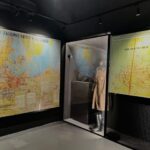
- What You Actually See: Original Props, Maps, and Uniforms
- Multimedia That Doesn’t Feel Like Noise
- Cold War Beginnings to the End: The Full Timeline in 90 Minutes
- Ryszard Kukliński, Reagan, and John Paul II: Why These Names Matter
- VR Games, a Space Station Hologram, and the Tech Race Angle
- The Robot and the Quiz: Learning That Moves Fast
- Price and Value: How $78 for Up to 10 Changes the Math
- Practical Rules Inside the Museum (So You Can Plan Better)
- Who This Guided Tour Fits Best
- Should You Book This Warsaw Cold War Museum Tour?
- FAQ
- How long is the guided tour of the Cold War Museum?
- Where do we meet for the tour in Warsaw?
- What is included in the tour price?
- Is the tour available in English?
- Is this museum suitable for children?
- Can I bring a dog or other four-legged pet?
- What items are not allowed during the visit?
Key Things You’ll Appreciate Most
- A Polish-point-of-view exhibition on Cold War rivalry, told through what Poland experienced and contributed
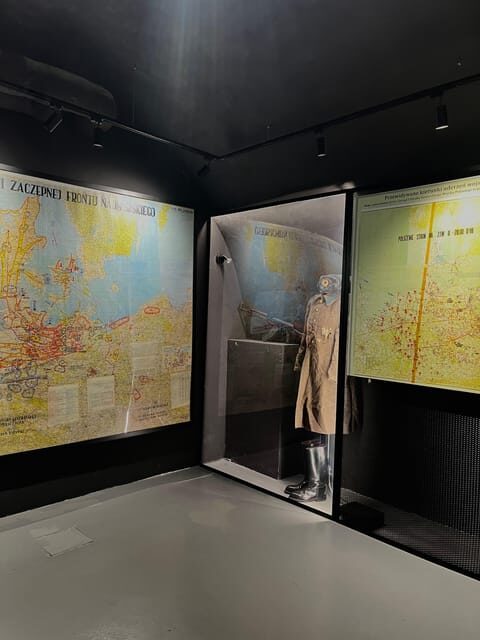
- Real Cold War-era items like original devices, maps, and uniforms
- VR experiences that follow the Cold War theme with three games designed to feel participatory
- A hologram of a space station, tying geopolitics to the race for technology and prestige
- Over 50 multimedia elements including touch screens, multimedia tables, cinema, and an autonomous robot
- A guided storyline built around major Cold War figures including Reagan, John Paul II, and General Ryszard Kukliński
Where the Tour Starts in Old Town Warsaw
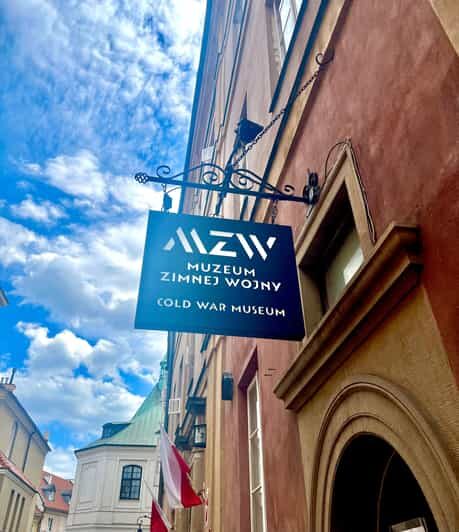
You meet at the Registry Office of the Capital City Warsaw, about 40 meters from Old Town Square. That location matters more than you might think. You’re starting in a part of the city that’s easy to navigate, so you’re not burning time hunting for a museum entrance. In practical terms, it also sets the tone: you’re in the normal, lived-in Warsaw first, then you shift into a site that asks you to think about how control, fear, and propaganda shaped daily life.
From there, you head to Muzeum Zimnej Wojny im. generała Kuklińskiego for a guided visit and sightseeing inside the museum space. This is the sort of tour where the route is short, but the subject is huge—World War II’s aftermath, Soviet domination, resistance, and the long unraveling of the Iron Curtain.
If you’re the type of traveler who likes context before gadgets, this works well. The guide gets you oriented so the multimedia doesn’t feel random. And if you’re more of a “show me first” person, the museum’s objects and interactive tools do a lot of the heavy lifting early on.
You can also read our reviews of more guided tours in Warsaw



The Big Idea: A Cold War Museum Told From Poland’s Side
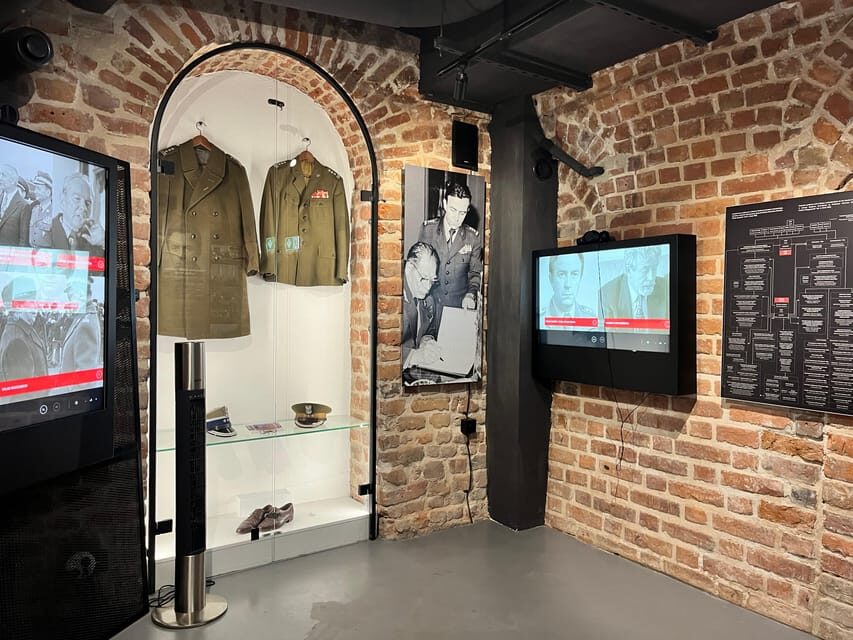
What makes this museum different is its stance. It presents the Polish contribution to the victory of the free world over Soviet communism, and it covers the whole Cold War period. That sweep is important because the Cold War can look like one long, same-same standoff if you only hear sound bites. Here, you get the arc: the beginnings after WWII, the course of the rivalry, and the complicated web of who was involved.
Just as important, the exhibition is described as the only institution that depicts East-West rivalry from a Polish perspective. That changes how you interpret the same global events you might already know. Instead of treating Poland as a side note, the museum frames Poland as a place where choices were pressured, information mattered, and people paid real costs.
You’ll also see the exhibition’s focus on three major Cold War figures connected to the final decades: President Ronald Reagan, Pope John Paul II, and General Ryszard Kukliński. The point isn’t to turn them into superheroes. It’s to show how messages, commitment, and specific acts fed into a bigger shift. The narrative structure helps you link politics to real people, which makes the museum’s tone feel less like a lecture and more like a guided argument about cause and effect.
The Place Itself: Architecture Plus a Painful Address
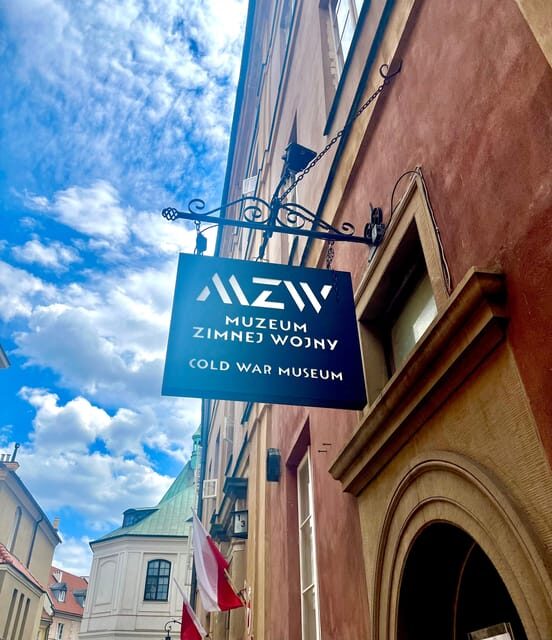
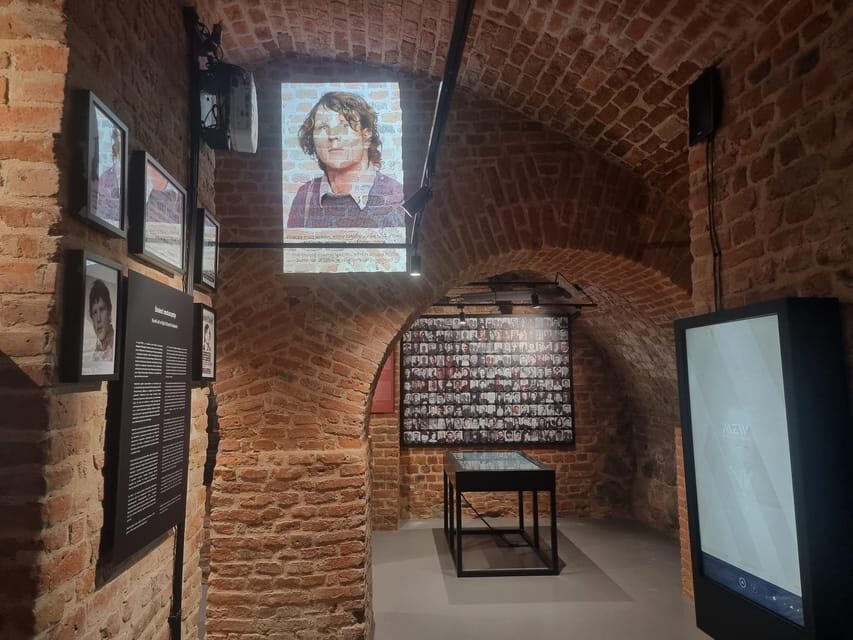
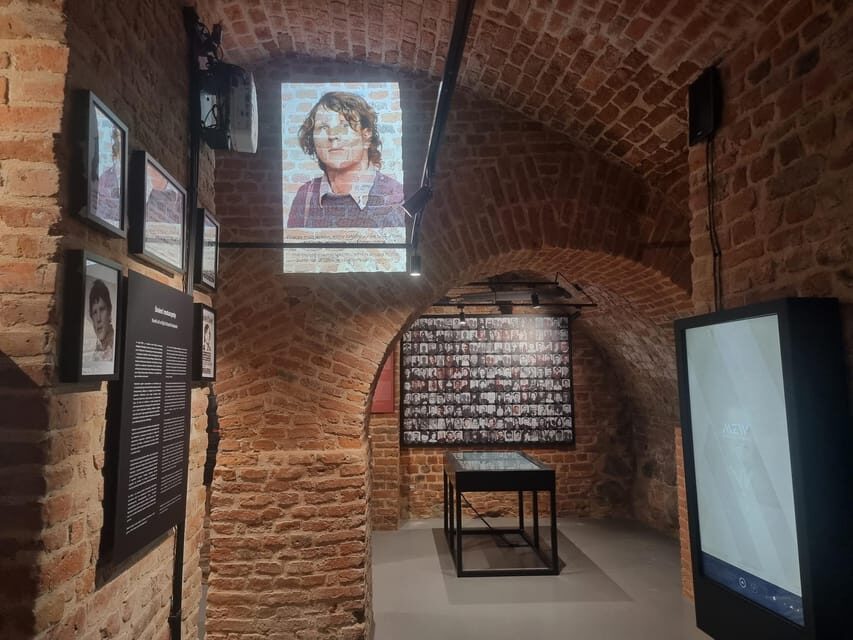
This tour isn’t only about the objects inside. It also leans hard on the history of the building’s address during the Polish People’s Republic era. The museum space is tied to a communist militia station, and it references the tragic death of Grzegorz Przemyk, a well-known victim of martial law, who was beaten to death after being a high school graduate.
That kind of detail shifts your attention. You stop thinking of the Cold War as faraway conflict and start understanding how state power showed up in actual rooms, corridors, and institutions. It gives the exhibition a sharper edge, because the museum isn’t floating above history—it’s sitting on top of it.
I like tours where the setting is part of the story, and this one does that in a way that feels intentional. The architecture plus the museum narrative creates a sense of confrontation with history: victims, aggressors, survivors, and the people who stood up for the truth.
What You Actually See: Original Props, Maps, and Uniforms
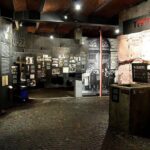
A standout here is the chance to see original Cold War material rather than replicas. You’ll encounter original devices, maps, and uniforms used during the Cold War. Those items help you understand the era’s practical side—how surveillance, military planning, and ideology translated into tools and appearances.
Even if you’re not a “museum person,” this is the kind of exhibit that can grab you because it’s concrete. It’s hard to stay abstract when you’re looking at something that was built for a real purpose, in a real system.
One smart way to experience this is to let the guide “label” what you’re seeing. Instead of you trying to figure out what every object is, the tour provides enough context to connect objects to themes: control, rivalry, propaganda, and resistance. That’s how artifacts become meaningful instead of just interesting.
Multimedia That Doesn’t Feel Like Noise
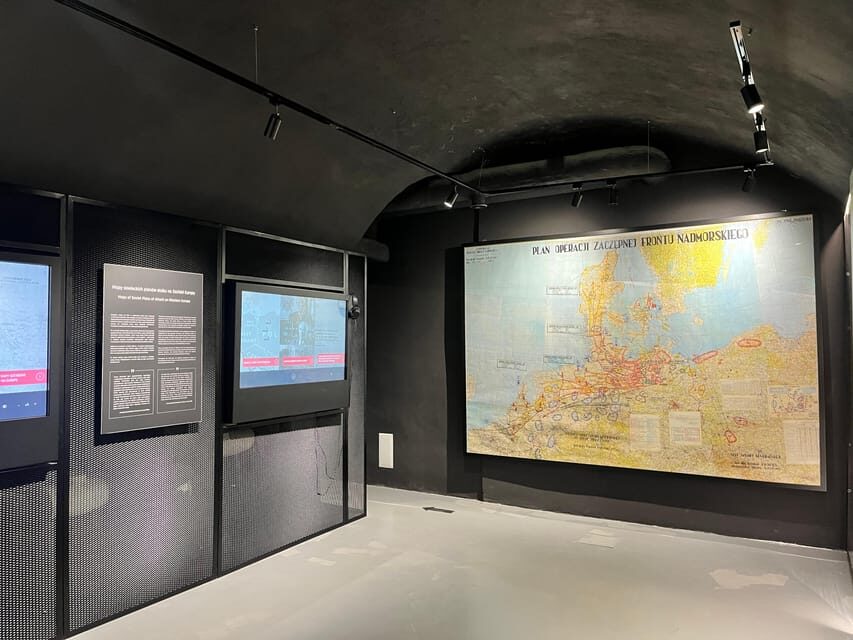
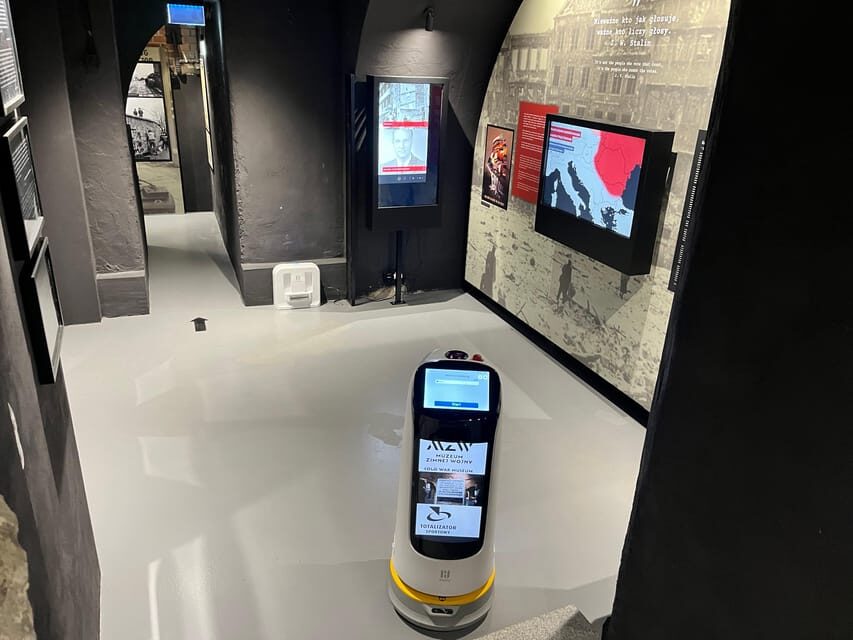
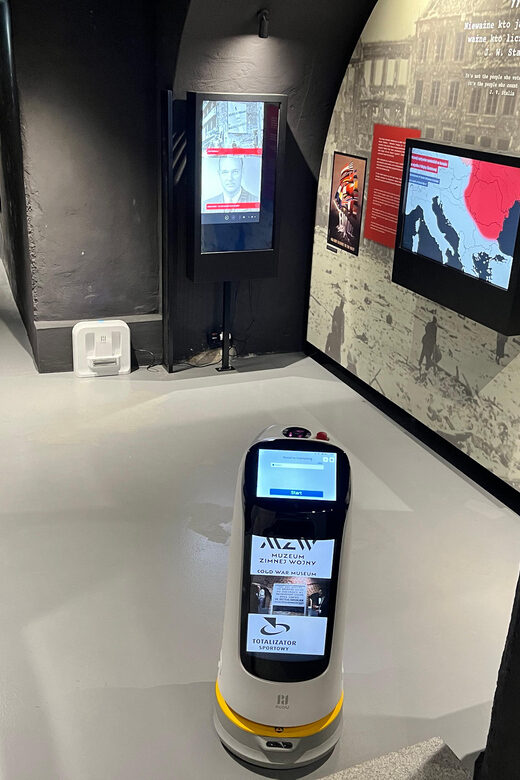
The exhibition uses more than 50 multimedia elements, including touch screens, multimedia tables, VR goggles, an autonomous robot, and a cinema. That’s a lot of tech, and you might worry it turns serious history into a gadget fair. In practice, the guided structure helps. You’re not wandering alone through a maze of screens. The guide keeps you moving through the story, so the interactive parts serve the narrative.
Here’s what stands out from the experience design:
- Touch screens and multimedia tables make it easier to connect facts without waiting for a long spoken explanation.
- A cinema component adds pacing, so you’re not stuck only in “read and click” mode.
- The autonomous robot guide adds a novelty layer, but it also reinforces that this museum is meant to be lived-in and accessible.
If you like interactive learning, you’ll probably feel thankful the museum uses modern tools. If you prefer traditional exhibits, it still works because the guide anchors the multimedia in themes and chronology.
You can also read our reviews of more museum experiences in Warsaw




Cold War Beginnings to the End: The Full Timeline in 90 Minutes
The tour time is typically 90 minutes to 2 hours. That’s short enough to keep your energy, long enough to build momentum. The museum covers the entire Cold War period, and you’re shown the beginnings, its course, and who was involved across countries.
The challenge with any “full timeline” tour is leaving with a coherent mental map. This one tries to solve that by weaving major figures and key messages into the broader story. You’re repeatedly pulled back to the question of how influence worked—through ideology, diplomacy, religion, intelligence, and technology.
That’s why the focus on Reagan, John Paul II, and Ryszard Kukliński can feel like more than name-dropping. Kukliński in particular is highlighted as a major figure for the eventual collapse of the Iron Curtain. If you don’t know his story beforehand, the tour format gives you an entry point fast.
Ryszard Kukliński, Reagan, and John Paul II: Why These Names Matter
This museum leans on three figures tied to the Cold War’s late decades, and it does so with a purpose. You learn about how their actions and messaging connect to the larger shift in the balance of power and legitimacy.
In particular, General Ryszard Kukliński is a name you’re very likely to walk away remembering. The tour frames him as someone who contributed to the eventual collapse of the Iron Curtain, and if you’re coming in without prior knowledge, you’ll get a clear reason why his story belongs in the same conversation as global politics.
Reagan and John Paul II appear in the narrative as well, which helps you see that the Cold War wasn’t only fought with tanks and satellites. It was also fought with public statements, moral pressure, and political signaling. The museum uses that to keep the story human rather than purely mechanical.
VR Games, a Space Station Hologram, and the Tech Race Angle
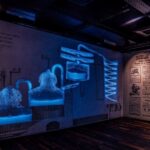
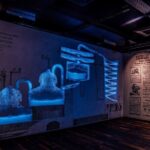
One of the most fun parts—if fun is the right word for something this tense—is the mix of future-tech with Cold War reality. You’ll discover the history of space flights and see a hologram of a space station. Then you get to play three VR games designed to make you feel like a participant in the Cold War.
I like that the VR isn’t used as random entertainment. It’s tied to the theme of the era: technology as power. When you pair the space exploration materials with the VR games, you get a clearer sense of why satellites and rockets weren’t only about science. They were about credibility, security, and prestige.
The hologram is the kind of moment that breaks up the heavier content. It gives your brain a visual reference point—space, distance, and systems—right when you’re learning about distant politics that still affected life on the ground.
The Robot and the Quiz: Learning That Moves Fast
Another feature that helps this museum work is the multimedia knowledge quiz. It’s not only for checking facts; it’s for shaping attention. You’re encouraged to take in the storyline and retain it, because the museum wants you to actively test what you learned rather than just absorb it.
Add the autonomous robot guide to that, and you get a tour that feels dynamic. You’re not stuck in a one-way explanation. The guide still plays the central role, but the museum’s tech helps reinforce points in a different way.
If you get a guide like Filip—who has been described as the director and a strong presence on this tour—you’ll likely appreciate how the story gets organized. If you happen to have Cyprian, you might notice an equally strong focus on engagement and clarity. The common thread from those examples is that the tour doesn’t treat history as a checklist. It treats it like a story with consequences.
Price and Value: How $78 for Up to 10 Changes the Math
The price is $78 per group up to 10, for a duration of 90 minutes to 2 hours. If you’re traveling with friends or family, that group pricing can be a big deal. Instead of paying a high per-person rate, you can spread the cost and make the guided experience much more affordable.
Value also comes from what you’re getting. You’re not just paying for a guide. Admission to the exhibitions is included, and you get access to all attractions within the exhibition. Plus, the tour is guided with live interpretation and you can skip the ticket line.
Where this becomes “worth it” for you depends on your travel style:
- If you like guided context, the price is easier to justify because you’re paying for help making sense of a complex era.
- If you hate guided tours and prefer wandering, the museum might still be good on your own—but you’d miss the way the guide ties exhibits to the narrative.
For most people, the math works best in small groups.
Practical Rules Inside the Museum (So You Can Plan Better)
The museum has clear rules: no smoking, no food and drinks, no vaping, and no alcohol or drugs. It’s also not suitable for wheelchair users.
That means you should show up ready to focus. Bring what you need before you enter, and keep your bag simple. If you’re traveling with kids, it’s worth building expectations ahead of time: this is interactive and fun in places, but the overall tone is serious.
On the positive side, the museum welcomes four-legged visitors. So if you’re traveling with a dog and you want a history stop that doesn’t feel off-limits, this is one of the better options in Warsaw for that.
Who This Guided Tour Fits Best
This experience is a great fit if you want more than a surface-level Cold War overview. The exhibition covers the entire period and uses Polish perspective as the organizing principle. That’s ideal for travelers who like to understand a place through its own experience rather than just through foreign headlines.
It also fits well for families with kids, because there are plenty of attractions for children and interactive elements designed for younger visitors. One practical benefit: the tour format can help keep teenagers interested without turning the museum into a textbook exercise.
If you’re short on time and want one structured stop in Warsaw with a strong narrative, this hits that goal. And if you care about how history connects to real lives—victims, survivors, and people who resisted—this museum doesn’t shy away from that.
Should You Book This Warsaw Cold War Museum Tour?
Yes—if you want a guided, high-impact way to understand what the Cold War meant for Poland, not just what it meant globally. The combination of original artifacts, a clear storyline, and interactive tech like VR and a space-station hologram makes this more than a passive museum visit.
Book it especially if:
- you like tours with a strong guide-led narrative
- you’re traveling with kids and want interactive learning
- you want to grasp how figures like Reagan, John Paul II, and Ryszard Kukliński fit into the bigger outcome
Skip it if:
- wheelchair access is a must for your group
- you prefer purely traditional museums with no VR or screens at all
If you’re aiming for one unforgettable, structured Cold War experience in Warsaw, this is a strong choice.
FAQ
How long is the guided tour of the Cold War Museum?
The tour typically lasts 90 minutes to 2 hours, depending on the starting time and how the visit runs.
Where do we meet for the tour in Warsaw?
You meet at the Registry Office of the Capital City Warsaw, about 40 meters from Old Town Square.
What is included in the tour price?
The price includes admission to the exhibitions, guided tour time, and access to all attractions within the exhibition. You also get the live guide.
Is the tour available in English?
Yes. The guided tour is offered in Polish and English.
Is this museum suitable for children?
Yes. The museum is open to all ages and has plenty of attractions for children, including interactive parts during the visit.
Can I bring a dog or other four-legged pet?
Yes. Four-legged visitors are welcome in the museum.
What items are not allowed during the visit?
Smoking, food and drinks, vaping, and alcohol or drugs are not allowed inside the museum.