REVIEW · WARSAW
Warsaw: Communist History Self-Driving Tour
Book on GetYourGuide →Operated by Warsaw Private Tours WPT1313 · Bookable on GetYourGuide
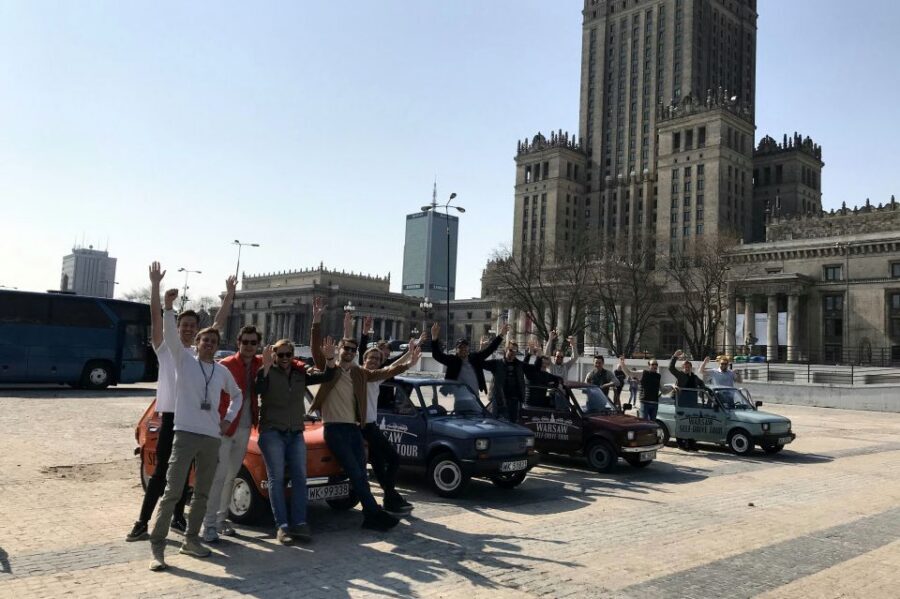
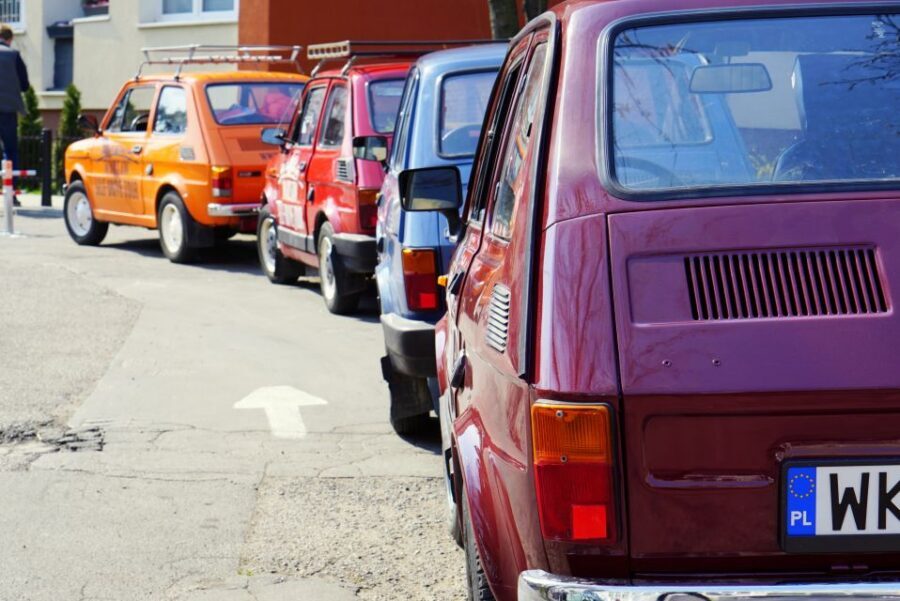
A tiny Fiat turns history into street-level reality. You’ll cruise past Warsaw’s communist symbols, including the Palace of Culture and Science, while your guide makes the era feel personal and specific. I love how the Fiat 126p makes even big, intimidating monuments feel approachable and fun to approach.
What To Expect on this trip is half practical sightseeing, half guided storytelling, with stops that connect architecture to everyday life.
I also like the pace: a short on-the-ground driving lesson gets you behind the wheel, then you spend the rest of the time moving through the city and listening. Your guide isn’t stuck reading a script; they can steer the conversation toward what you care about, from communist housing blocks to what Warsaw looks like now.
And at the end, there’s a chance to try traditional Polish vodka, 18+ only.
One thing to consider: you need to be comfortable driving in a real city and bring a valid driver’s license, plus there’s a 500 PLN security deposit. If you want a totally hands-off tour with no car responsibility, this one may not feel like your best match.
In This Review
- Key highlights worth your time
- Why a Fiat 126p drive makes communist history make sense
- Starting at the Palace of Culture and Science: the symbol you can’t miss
- Getting behind the wheel: the calm part before Warsaw moves
- Constitution Square: seeing communist architecture through everyday angles
- The House of the Polish Communist Party: from power center to present-day use
- Muranów housing district: communist blocks that tell real-life stories
- Touring with a guide who can steer the conversation
- The “mini time machine” factor: what makes it feel different from normal sightseeing
- Food and drink moment: the vodka shot at the end
- Price and value: is 69 USD worth it?
- Who should book, and who might skip
- Should you book this Warsaw communist history self-driving tour?
- FAQ
- How long is the Warsaw communist history self-driving tour?
- What is the price?
- What is included in the tour?
- Do I need a valid driver’s license?
- Is there a security deposit?
- Is the tour walking or driving?
- Where do we meet?
- Are there any age limits for the vodka?
- Are entrance fees included?
- FAQ
- What languages is the guide available in?
- Is free cancellation offered?
- Is there a minimum number of people per booking?
- What should I bring?
- What items aren’t allowed?
Key highlights worth your time
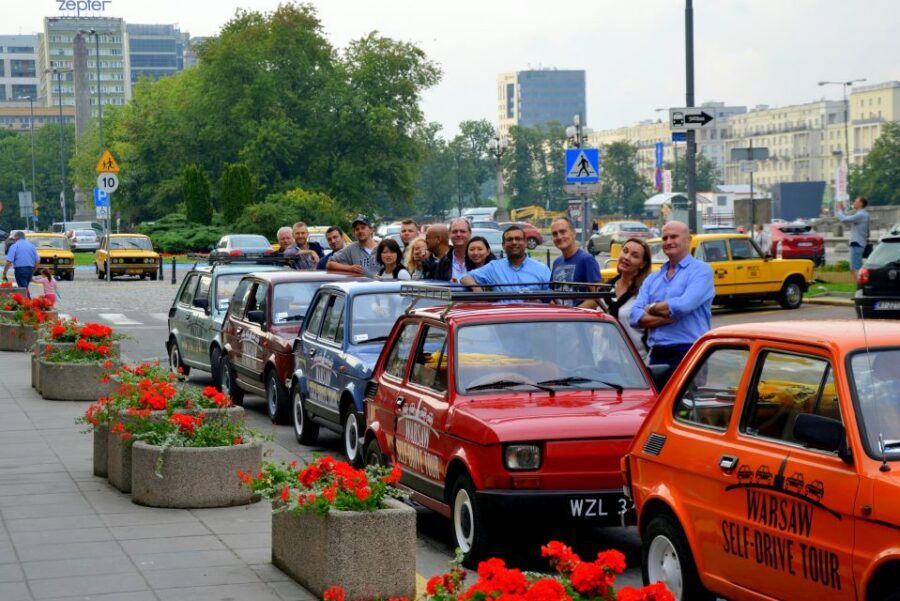
- Fiat 126p Toddler drive: a genuinely memorable way to see communist Warsaw up close
- 20-minute driving lesson: built in, so you’re not figuring it out while moving
- Palace of Culture and Science stories: including why it earned the nickname Stalin’s Gift
- Constitution Square and key architectural cues: you’ll learn what to look for as you pass
- Muranów housing district atmosphere: guided context turns blocks into a narrative
- Vodka at the end (18+ only): a small Polish ritual to close out the night
Why a Fiat 126p drive makes communist history make sense
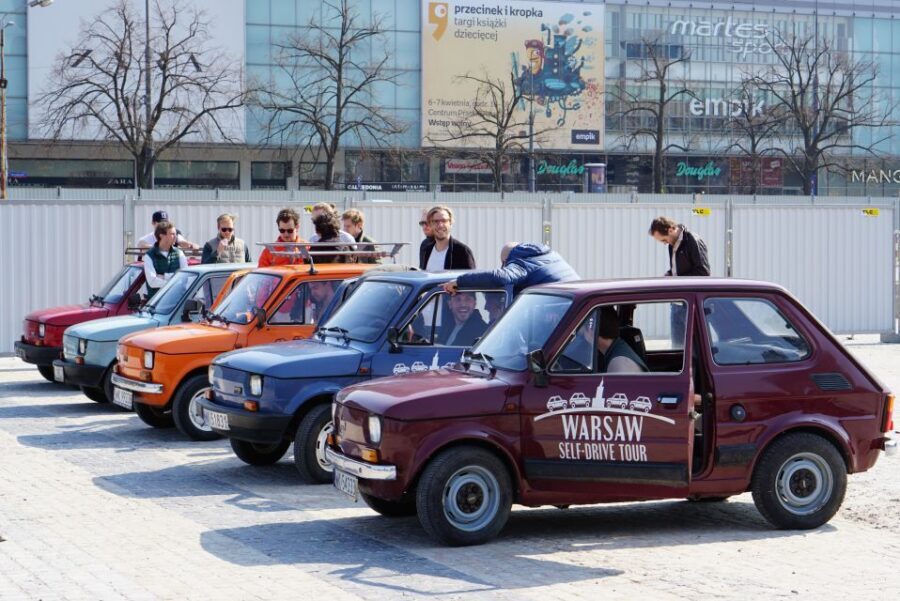
Communist-era buildings can feel like museum pieces: big shapes, cold stone, and a lot of names you’re supposed to memorize. This tour avoids that trap by putting you in motion. When you’re driving a small classic Fiat through the streets, you slow down in a different way—you notice how the city is built, how people live around major monuments, and how history changes what you see from the sidewalk.
The car is part of the “why.” The Fiat 126p is small, quirky, and unmistakably old-school. That means you’re not staring at Warsaw from a distance—you’re feeling the scale of things as you pass. Your guide ties what you’re seeing to what it meant: power, identity, and everyday routines in communist Poland.
And since this is a self-driving format with a guide onboard, you get two things at once. You’re not just being chauffeured past highlights, and you’re not left alone to decode everything yourself. You’re driving, listening, and learning the city’s logic as you go.
You can also read our reviews of more historical tours in Warsaw

Starting at the Palace of Culture and Science: the symbol you can’t miss
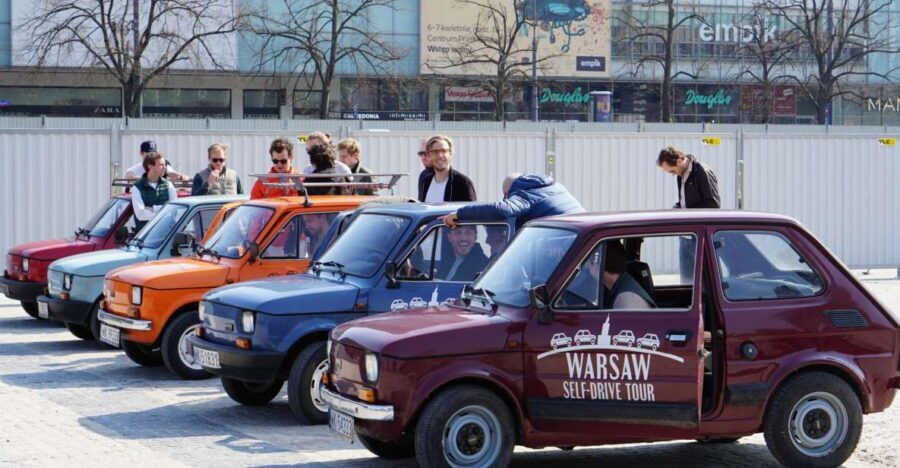
Your meeting point is right at the Palace of Culture and Science, Parade Square, meeting your guide at the back of the building by the Tourist Information on the Emilii Plater street side. That location matters because it’s where Warsaw’s communist story is most visible on day one. From here, you can feel why locals and visitors still talk about this building like it’s more than just a landmark.
Your guide’s first task is to frame what you’re about to see. You’ll learn about the Palace’s construction and the meaning people attached to it at the time, including why it got the nickname Stalin’s Gift. Even if you’ve heard that phrase before, you’ll get it in context: who built it, why it looked the way it did, and how it became part of Warsaw’s identity.
Then comes the practical part. You’ll get a 20-minute driving lesson before you start doing more than just turning in circles. That short coaching period is one of the biggest value points of the tour. It keeps the day from turning into stress. If you can handle a simple driving session, you’ll be in good shape for the rest of the experience.
Getting behind the wheel: the calm part before Warsaw moves
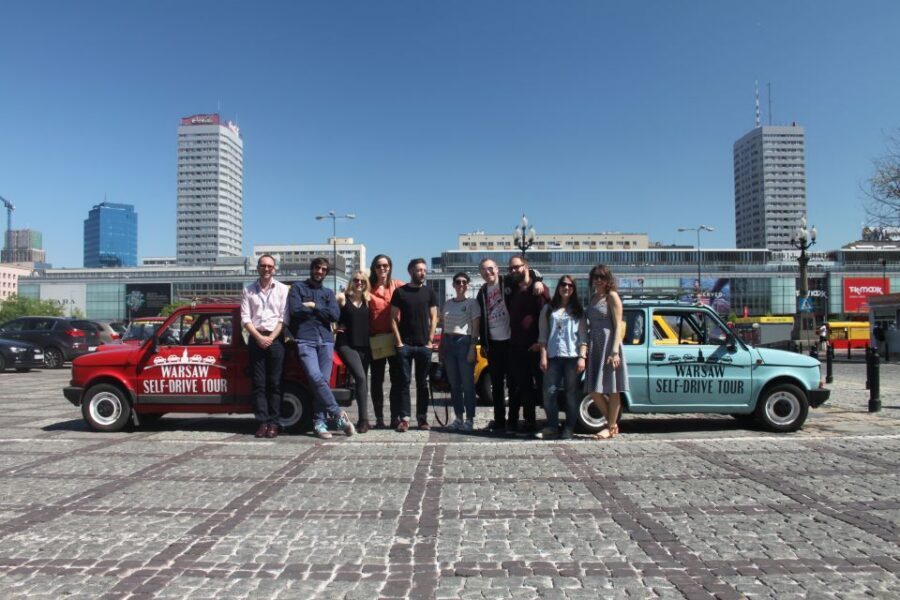
This is the kind of activity where nerves make no sense, but they happen. That’s why the lesson is included, and it’s timed early enough to help you settle in before you’re out among the sights.
You should plan to wear comfortable shoes, since the tour is half walking and half driving and includes real time on foot. The walking portion is not just filler, either. It’s your moment to connect what you saw while driving to something you can stand near, read, and take in slowly.
Also note what’s required for you to drive: you’ll need your driver’s license, and it gets checked before the tour. You should also expect a 500 PLN security deposit, refunded after the experience. That’s a normal part of self-driving tours, but it’s worth mentally budgeting for if you’re traveling with tight cash flow.
One more practical note: you can bring what fits the rules—no large bags and no pets—so travel light. Warsaw is easy to walk in, but you don’t want luggage friction while you’re learning to drive.
Constitution Square: seeing communist architecture through everyday angles
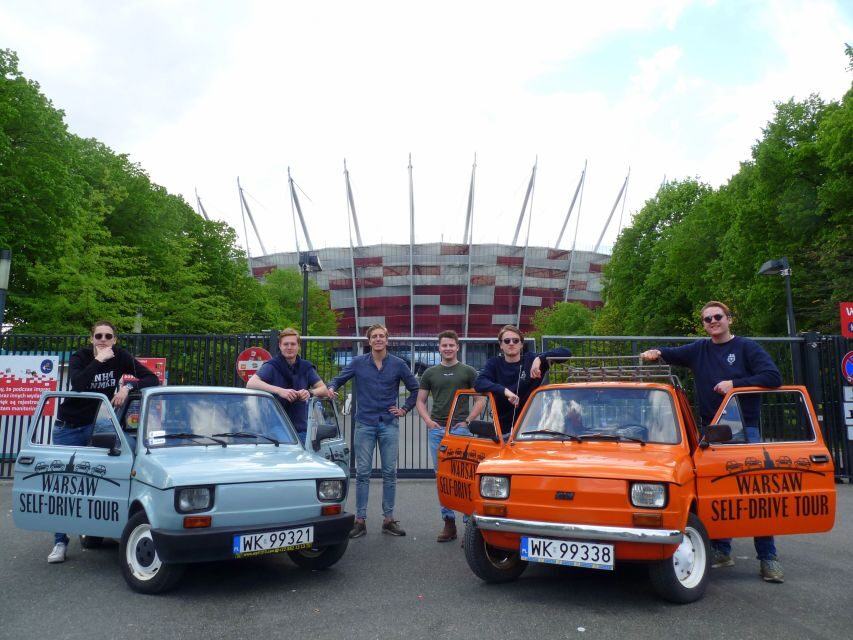
As you drive, your guide points you toward Constitution Square and helps you read the architecture instead of just passing it. Communist-era planning often feels intentional in a way modern city design doesn’t always mimic. The streets, sightlines, and building scale are built to communicate authority and order.
This is where the tour pays off if you like understanding how cities work. It’s not only about history dates; it’s about spatial design. Your guide will connect what you’re seeing to what life may have felt like back then—how people moved, what the city emphasized, and how power got built into the physical environment.
The benefit for you is simple: once you learn what to look for, Warsaw starts to “click.” A square isn’t just a square. It becomes a stage where political messaging was designed to be seen, repeated, and remembered.
The House of the Polish Communist Party: from power center to present-day use
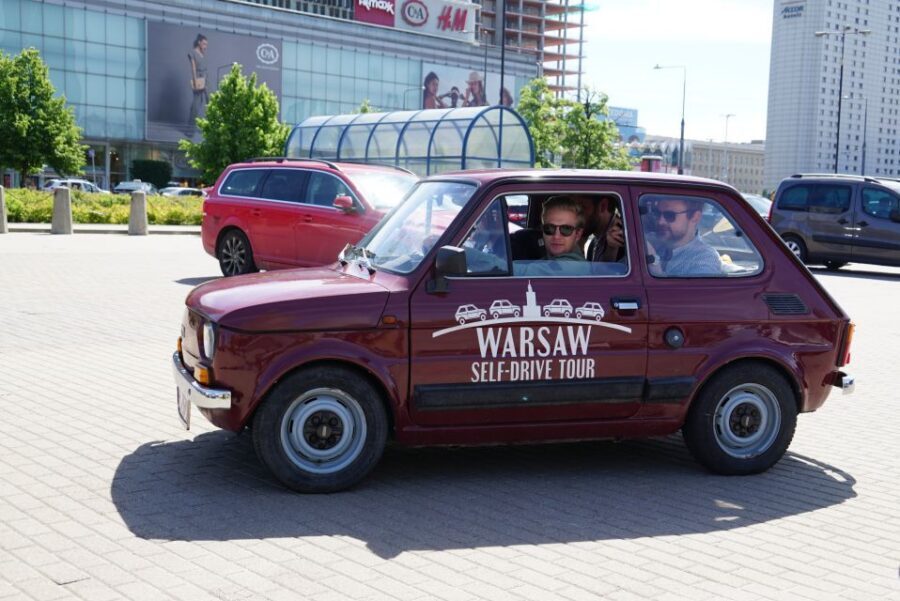
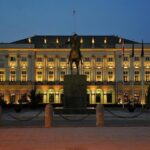
One of the most interesting stops on the route is the house of the Polish Communist Party. It’s the kind of place you might not fully understand just by looking at it. The architecture signals control, but the real meaning comes from what happened there and what it does now.
Your guide explains what this building represented during the communist era, then brings you forward to the present by telling you what it’s used for today. That before-and-after comparison is what makes this stop more than sightseeing. You’re not just looking at an old structure—you’re seeing how a political era leaves fingerprints even after the regime changes.
If you like history that has consequences (and not just stories that stay in the past), this is one of the tour’s strongest moments. You’ll come away thinking differently about how cities repurpose symbolism.



Muranów housing district: communist blocks that tell real-life stories
Communist housing districts are where history becomes daily life. On this tour, you’ll see the communist-era housing blocks of the Muranów district, and your guide will help you understand why these places were built the way they were.
The value here is atmosphere plus interpretation. You’ll feel the tone of that part of Warsaw, but you won’t be guessing what you’re looking at. Your guide frames it as a system: how housing design reflected political goals, how communities formed around those blocks, and how life there changed after the era ended.
A key part of enjoying this stop is your attitude. Don’t treat it like a photo stop only. Instead, slow down mentally. Ask yourself what kind of routine this environment supports: where people might walk, gather, and commute. That’s the lens your guide gives you, and it makes the district far more meaningful.
Touring with a guide who can steer the conversation
This isn’t a one-size-fits-all lecture. Your guide shares entertaining facts about Varsovian life and how things changed since the communist era. And the better guides in this format do something extra: they adjust the angle to your interests.
In this tour’s orbit, you may meet guides such as Jacob, Jonas, Agata, or Alek, and the common theme is that they combine history with real-world city commentary. You’ll hear stories about what day-to-day life was like, and then you’ll connect those stories to what you see outside the car window.
For you, that means the tour can stay lively even if you’ve visited Warsaw before. It’s also a good fit if you’re studying themes like ideology, architecture, and city planning rather than just collecting landmarks.
The “mini time machine” factor: what makes it feel different from normal sightseeing
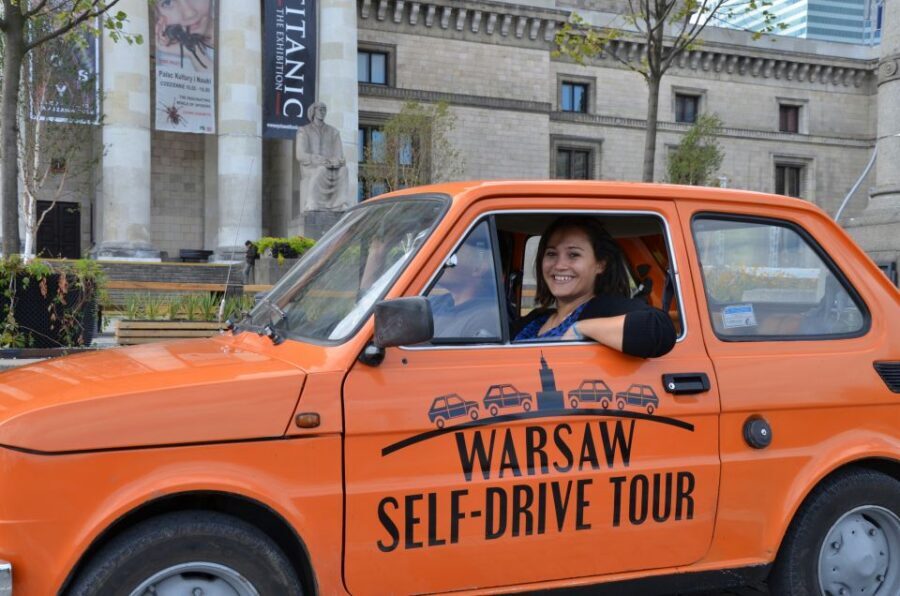
A lot of tours show you places. This one makes you move like a local in a tiny classic car, which changes the rhythm of the day. You’re not just standing at the edge of a monument. You’re driving streets that lead to monuments, squares, and neighborhoods—then hearing why they matter.
That motion creates context. For example, the Palace of Culture and Science is easy to see from many angles, but it’s harder to understand without narration. Driving gives you repeated exposure to scale and placement, so the stories land faster.
And the walking portion helps you anchor the memories. You’ll experience the city in two modes—on foot and behind the wheel—so the communist-era sites don’t blur together.
Food and drink moment: the vodka shot at the end
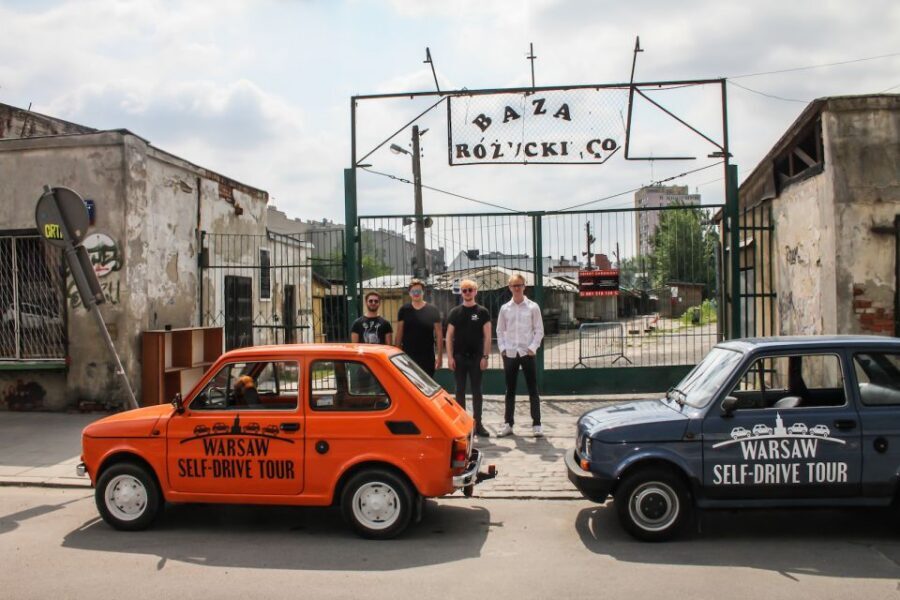
At the end of the tour, you’ll have the chance to try traditional Polish vodka, 18+ only. It’s not the focus of the tour, but it’s a nice punctuation mark. After all the architecture and political storytelling, you get something cultural that’s simple and immediately relatable.
If you’re not a big alcohol person, you can think of it as part of the local flavor of the experience rather than a requirement. But if you are willing, it’s a fun way to close the loop on the theme of Polish identity—past and present—without turning it into a formal tasting event.
Price and value: is 69 USD worth it?
At $69 per person for about 150 minutes, the value is strongest if you want more than a standard guided route. You’re paying for a mix of services that normally cost separately: a professional local guide, a built-in 20-minute driving lesson, and the overhead of providing the car experience plus the photo set emailed afterwards.
You’re also paying for the format. Driving the Fiat 126p (rather than simply riding) is the difference maker. It turns landmark history into an active, personal experience. That’s why people come away remembering the car as much as the buildings.
The main cost consideration isn’t the $69—it’s whether you’re comfortable meeting the requirements: valid license, 500 PLN deposit, light packing, and taking part in a half-walking route. If that matches your comfort level, the price feels fair because the experience is built to be different.
If you want a strictly passive tour, you might feel like you’re working too hard for the ticket price. But if you enjoy hands-on travel, it’s a strong deal for the time you get.
Who should book, and who might skip
This tour is ideal if you:
- want a history-focused Warsaw experience that doesn’t feel like homework
- enjoy cars, street scenes, and learning as you move
- like the connection between architecture and everyday life
- prefer guided flexibility rather than a rigid checklist
You might skip it if:
- you’re unwilling to drive in a city setting or don’t want any responsibility behind the wheel
- you’d rather spend the whole day indoors, away from walking portions
- you don’t want to deal with a license check and the 500 PLN security deposit
Should you book this Warsaw communist history self-driving tour?
If you’re curious about Warsaw’s communist era but tired of tours that only show monuments from one angle, I think you’ll like this. The Fiat 126p factor isn’t just a gimmick—it changes your pace and attention, and your guide makes the landmarks feel tied to real lives. The combination of a short driving lesson, clear sightline stops like the Palace of Culture and Science, plus housing district context in Muranów is a smart mix.
Book it if you want history with motion, humor, and street-level context. Skip it if you want zero driving and a purely observational format. Either way, you’ll leave with a better sense of how Warsaw’s past is written into its buildings and neighborhoods.
FAQ
How long is the Warsaw communist history self-driving tour?
It lasts about 150 minutes (around 2.5 hours).
What is the price?
The price is $69 per person.
What is included in the tour?
You get a 2.5-hour self-driving tour, a professional local guide, a 20-minute driving lesson, photos from the tour emailed afterward, and a vodka shot at the end.
Do I need a valid driver’s license?
Yes. A valid driver’s license is required and checked before the tour.
Is there a security deposit?
Yes, a security deposit of 500 PLN is required and is refunded after the tour.
Is the tour walking or driving?
It’s half walking and half driving, and it can be adapted if needed.
Where do we meet?
Meet at the Palace of Culture and Science, Parade Square. Your guide meets you at the back of the building by the Tourist Information on the Emilii Plater street side.
Are there any age limits for the vodka?
Vodka is 18+ only.
Are entrance fees included?
No. Entrance fees are not included.
FAQ
What languages is the guide available in?
English and Polish.
Is free cancellation offered?
Yes, you can cancel up to 24 hours in advance for a full refund.
Is there a minimum number of people per booking?
Yes, there must be a minimum of 2 people per booking.
What should I bring?
Bring a driver’s license and wear comfortable shoes.
What items aren’t allowed?
Pets are not allowed, and luggage or large bags are not allowed.