REVIEW · KRAKOW
Krakow: Chopin Concert by Candle Glow
Book on GetYourGuide →Operated by Opera da Camera di Roma · Bookable on GetYourGuide
Candlelight and Chopin, right under Wawel. If you like your classical music with atmosphere, this piano concert by candle glow in a 17th-century hall hits the sweet spot between elegant and cozy, with the stage set just a short walk from Wawel Castle.
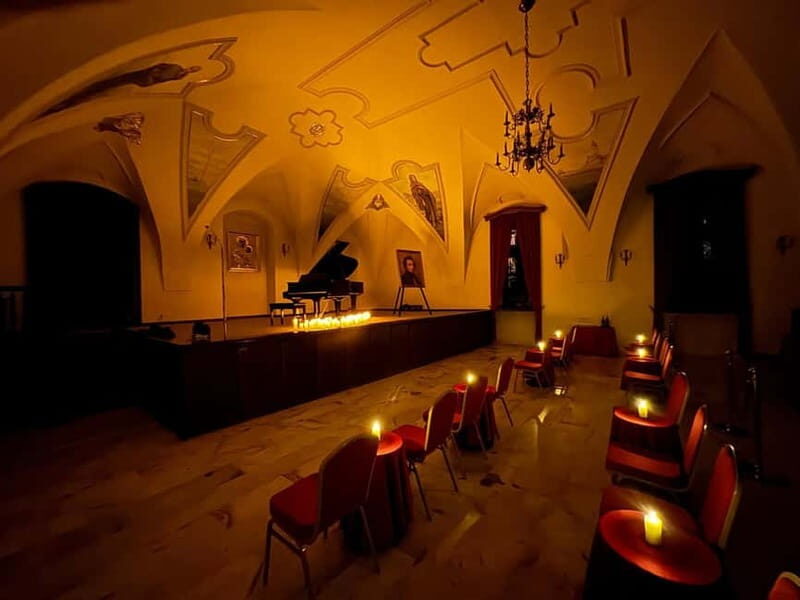
I especially love the way the space itself helps the music land. Between the gilding, marble reflections, and standout acoustics, it feels like the hall is part of the performance.
My second big win is the VIP experience. For extra cost, you get the first two rows plus wine as part of the evening setup—close enough that you can really see the pianist’s phrasing and feel the quiet moments, not just hear them.
One thing to plan around: this event isn’t built like a big, rigid concert schedule. Seats aren’t assigned, and a few people noted late starts or shorter-than-advertised timing—so give yourself buffer time and try to keep your phone use off during the show.
In This Review
- Key things I’d prioritize
- Royal Chopin Hall by Wawel: where the music sounds better
- Tickets and value: what $12 really buys you
- How the 50 minutes work (and why timing can feel different)
- The music program: Chopin’s fingerprints plus smart variety
- VIP front rows and the wine moment
- Practical tips: arrive early, manage phones, and find the right entrance
- Seating and entry
- Phones and recording
- LED vs real candles
- Finding the place
- Timing buffer
- Who this concert is best for
- Should you book Krakow Chopin Concert by Candle Glow?
Key things I’d prioritize
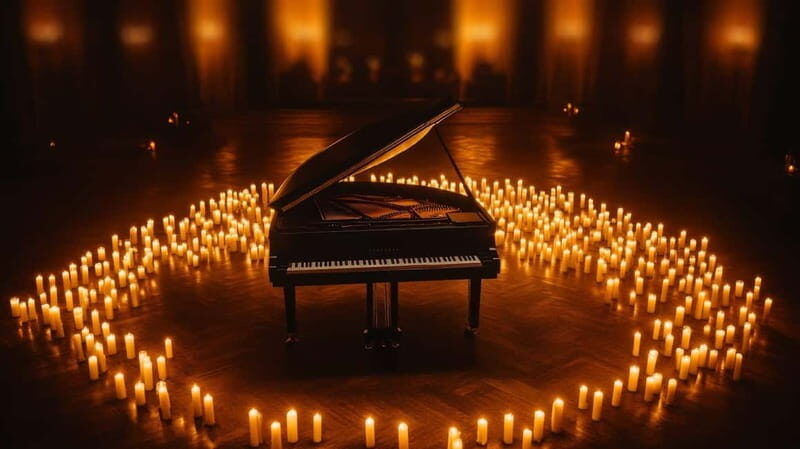
- 17th-century Royal Chopin Hall at the Bernardine Fathers monastery at the foot of Wawel Castle
- Candle glow that bounces off marble and gilding for a truly evening-feel setting
- A Chopin-forward program plus recognizable names like Beethoven, Ravel, and Debussy
- Worth-it VIP proximity with the first two rows and a wine moment
- No assigned seating, so arriving early matters for your view
Royal Chopin Hall by Wawel: where the music sounds better
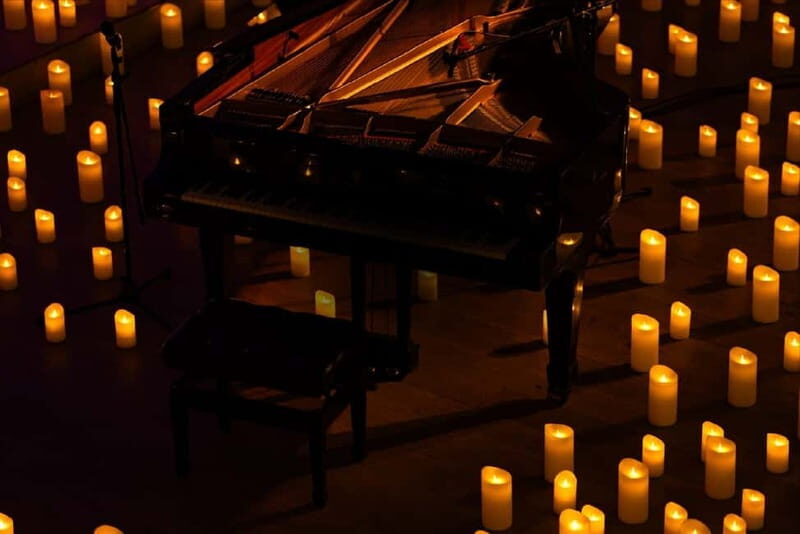
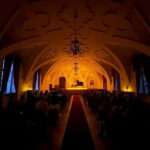
The whole point here is place. The concert takes place in the Royal Chopin Hall at the Monastery of the Bernardine Fathers, on Bernardyńska Street, with Wawel Castle nearby—so you’re pairing two Krakow icons in one evening: the city’s classical spirit and the cathedral-hill drama of Wawel.
This is a 17th-century interior. That matters because older rooms often give you natural resonance instead of loud, dry sound. With piano, that can mean something very specific: the soft passages carry, and the louder runs don’t turn into a blur. The venue is also described as having phenomenal acoustics, and that matches the overall vibe people describe—intimate, clear, and warm.
And then there’s the visual side. Candles (plus reflective surfaces like marble and gilding) turn the room into a slow-moving light show. You don’t need to be a candle-collector to appreciate it. It just makes the music feel slightly more personal, like you’re not in a hall—you’re in someone’s carefully arranged evening at home.
A few more Krakow tours and experiences worth a look

Tickets and value: what $12 really buys you
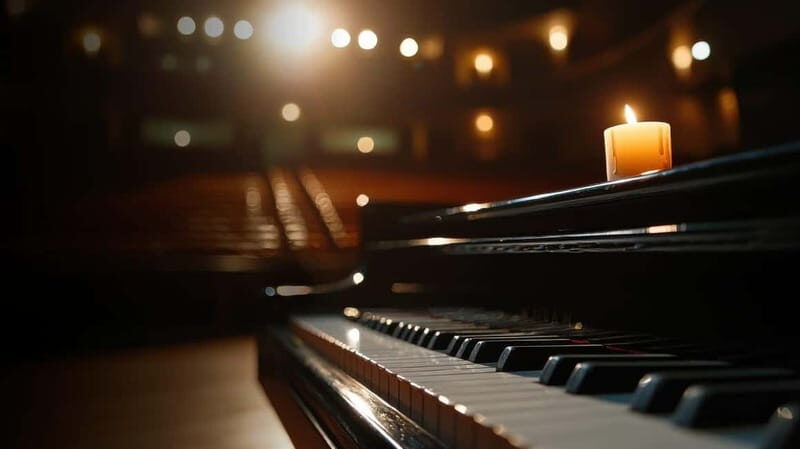
At $12 per person for a 50-minute piano concert, you’re not paying “festival money.” You’re paying for: a respected composer focus, a high-quality solo performance, and a historic indoor setting that already has atmosphere baked in.
The big value question is always the same: what do you get for that price? Here, you get:
- the piano concert
- the candlelight setting
- the historic venue near Wawel Castle
That’s a strong bundle because a candlelit concert in a historic hall isn’t just decoration—it’s the product. The music is the main event, but the room is a co-star.
If you’re considering VIP, think about what you want from the experience. The VIP sector is the first two rows, plus wine. If you like close-up performance details—hands on the keys, how the pianist shapes dynamics—VIP makes sense. If you just want a great evening with comfortable listening distance, standard seats can be a smart budget choice.
How the 50 minutes work (and why timing can feel different)
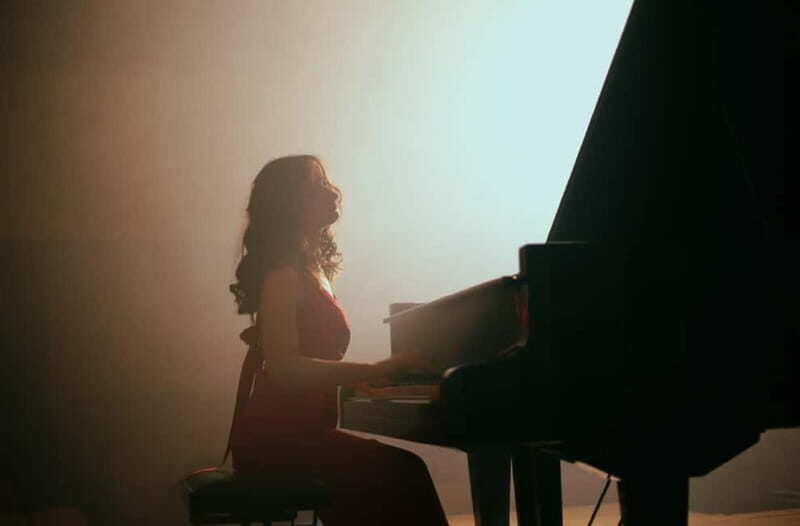
The concert is advertised at 50 minutes. In practice, plan for the possibility that the time window might shift. Some accounts describe a shorter run from first key to lights going on, and others note a later start than the listed time.
So here’s my practical advice: treat this like an evening activity, not a timed clock punch. Arrive early, get settled, and don’t build a tight schedule right after.
Also, seats aren’t assigned. That means your “arrival time” actually affects your view and comfort. Even if you’re not picky, you’ll want enough time to find a spot you’re happy with before the pianist begins.
The music program: Chopin’s fingerprints plus smart variety
Chopin is the headline. But the program isn’t only Chopin, and that’s good. A concert that’s 100% one composer can become a single-color painting. This one mixes moods and eras while keeping the piano at the center.
Here’s the sequence you can expect (the organizer can change it, so treat this as the plan, not a contract):
- F. Chopin: Mazurka Op.17 No.4
A lively opening choice—mazurkas have rhythm and personality, and they’re a great test of how expressive the pianist can be.
- Beethoven: Sonata in E flat major Op.31 No.3 (1st movement)
Beethoven adds structure and weight. The first movement often gives you a clear sense of classical architecture.
- F. Chopin: Etude Op.10 No.8
A fast, bright etude that shows control under pressure.
- M. Ravel: Valses nobles et sentimentales (1,2)
Ravel brings elegance and subtle color. These waltz movements can sound like polished conversation.
- F. Chopin: Prelude Op.28 No.6
Short but moody—preludes are where a pianist’s touch really matters.
- S. Rachmaninoff: Etude-Tableaux op.39 No.8
This is more dramatic and muscular. It adds contrast right when the program needs lift.
- F. Chopin: Nocturne op.9 No.2
Now you slow down. Nocturnes are the emotional backbone of a Chopin-focused night.
- Claude Debussy: Etude No.1 Pour les 5 : doigts d’après Mr Czerny
Debussy brings a different kind of texture—often lighter on the surface, but with an unusual harmonic glow.
- F. Chopin: Prelude op.28 no.4
Another quick emotional pivot that keeps attention sharp.
- G. Bacewicz: Piano Sonata No.2
This is the “wait, who’s that?” moment in the best way. Bacewicz represents Polish concert music beyond Chopin, and her sonata brings energy and modern bite.
- F. Chopin: Waltz op.64 no.2
Lyrical, elegant pacing back toward romance and motion.
- F. Chopin: Ballade No.1, Op.23
A dramatic close. Ballades can feel like stories, and this ending choice is a satisfying payoff.
If you like Chopin, you’ll be in your element. If you don’t know the other composers deeply, the program still works because it uses famous “doorway” pieces—short etudes, recognizable forms, and strong emotional contrasts.
VIP front rows and the wine moment

VIP here isn’t about a separate party. It’s about proximity and a small add-on comfort.
The VIP sector is the first two rows, and you’re set up with wine as part of the experience. Some people have mentioned extra offerings like red wine and prosecco, so it can feel like the event leans into the evening-lounge idea in VIP seating—but the solid, stated benefit is the wine component.
What VIP does for you is simple: the piano becomes more intimate. You don’t just hear the attack of notes; you notice pauses, phrasing, and the way the pianist shapes the room. In a candlelit space, that closeness also makes the atmosphere feel less like a performance you watch and more like a live storytelling moment happening a few feet away.
Trade-off? A closer seat often means closer attention. If you’re sensitive to distractions, this is the section where phones can be extra annoying, and late arrivals are more visible. So choose VIP if you’re ready to give the music your full focus.



Practical tips: arrive early, manage phones, and find the right entrance

This is where the little things can make the night smoother.
Seating and entry
There are no assigned seats. Arrive early enough to walk in, find your spot, and settle without rushing. Some people also mentioned that queuing can get chaotic. That can be frustrating in a venue where you’re already excited and slightly nervous to get a good view.
If lines feel messy, don’t turn it into a push contest. Move with the organizer’s flow, keep your place, and take cues from staff.
Phones and recording
This concert is intimate. It’s also candlelit, so screens glow. Some accounts described phone filming being a distraction at the front. My advice is straightforward: enjoy the moment without recording. If you need photos for memories, keep it minimal and step back—otherwise you’re competing with the room’s main light source.
LED vs real candles
A few people noted the candle effect uses LED candles rather than real flames. Either way, the room still reads as candle glow because of the reflections and lighting design. Just know your expectations—this is about the look and ambience, not a fire hazard-free medieval fantasy.
Finding the place
The meeting point is Royal Chopin Hall at the Monastery of the Bernardine Fathers, 2 Bernardyńska Street. If you’re navigating in the evening, I’d be ready for a small hunt around the complex. A couple of people asked for better directions and suggested the correct approach may be from the side rather than the front, so give yourself extra time to get oriented.
Timing buffer
Since late starts have been mentioned, plan your whole night with margin. If you have a strict dinner booking or a train to catch immediately after, don’t assume the clock will cooperate.
Who this concert is best for
I think this is a strong fit for you if:
- you want a high-atmosphere classical experience without dressing up like you’re attending an awards ceremony
- you love Chopin and want a solo piano evening in a setting that feels like a storybook scene
- you’re curious about other composers in the program (Beethoven, Ravel, Debussy, and Bacewicz)
- you like small-scale venues where details matter
It’s also a good choice for a romantic evening, a low-key group activity (in the sense that you’re all listening together), or a “one perfect night” add-on after touring Wawel Castle.
If you’re the type who needs strict timing, assigned seating, or zero distraction under any circumstances, I’d still say you can go. Just go with your expectations set: arrive early, keep your schedule flexible, and treat the show like a shared quiet ritual.
Should you book Krakow Chopin Concert by Candle Glow?
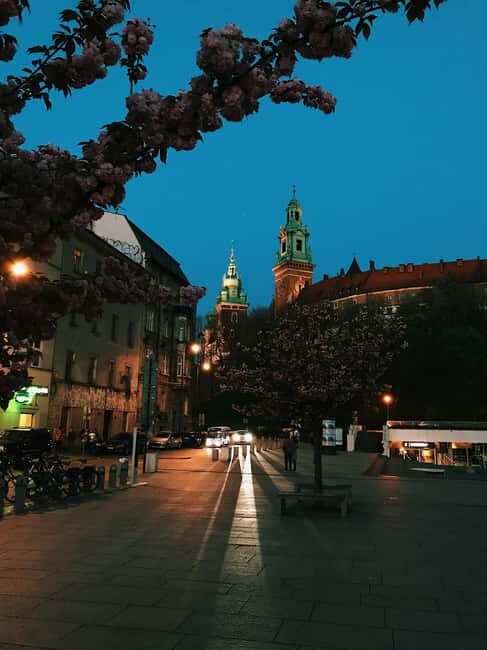
Yes, if your idea of a great Krakow night is: piano + atmosphere + a historic room near Wawel, all without spending a fortune. The combination of a Chopin-centered program, a close-listening venue, and the candle glow effect creates real value—especially at the standard price.
I’d book VIP if you care about being close to the pianist and want that wine moment. If you’re more practical or you’re sensitive to crowds, standard seating can still deliver a magical evening. Either way, bring patience for possible entry chaos and be ready for the concert to start a bit later than expected.
If you want a classical concert that feels less like a formal obligation and more like a carefully lit evening with music, this one fits the bill.