REVIEW · KRAKOW
Schindler’s Factory Museum Guided Tour – Krakow
Book on GetYourGuide →Operated by MyRide · Bookable on GetYourGuide
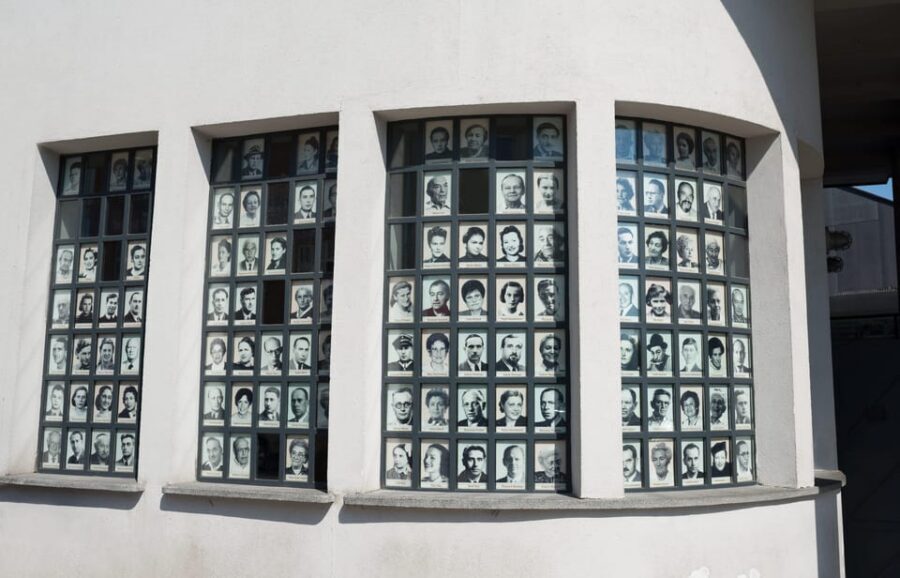
A factory museum with film in the windows. The Schindler’s Factory Museum guided tour turns Krakow in World War II from a headline into scenes you can follow room by room.
I especially love the live guide commentary that keeps the story clear and chronological, instead of turning the museum into a solo sprint. I also like how the exhibition uses ordinary objects—photos, newspapers, and everyday documents—to show how occupation changed daily life. One heads-up: the pace can feel quick in a group, so you may not get to linger as long as you want in every section.
Key things that stand out
- Professional live commentary that ties the spaces together into one story
- Everyday Krakow under occupation, shown through real documents and personal items
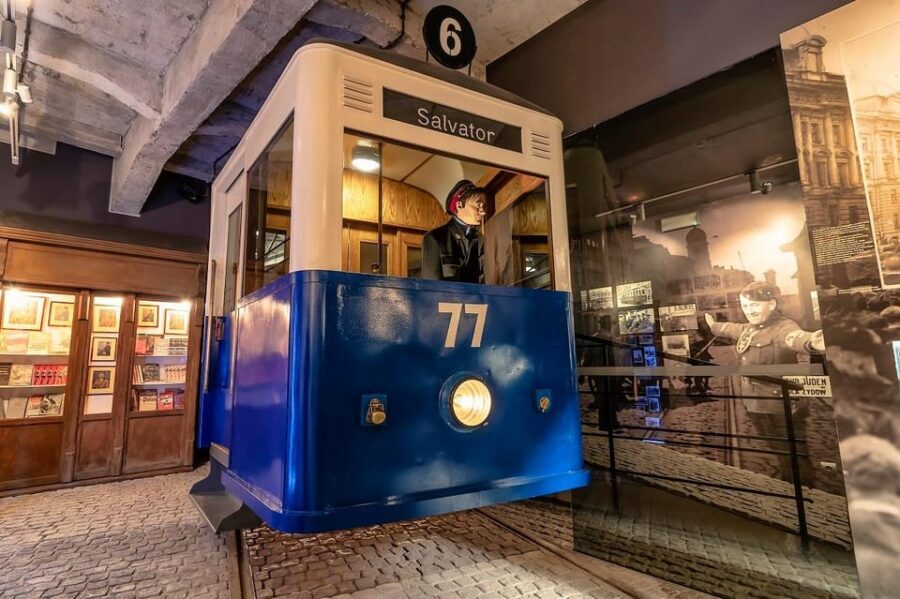
- A guided route that includes a tram-window film sequence and other staged scenes
- The tour’s focus on Krakow during 1939 to 1945, not just one famous name
- Schindler’s presence in the exhibit via his preserved office and the symbolic survivors’ “ark” of pots
In This Review
- Why Schindler’s Factory Feels Different Than a Typical WWII Museum
- Your 90-Minute Game Plan: How the Guided Tour Flows
- The Occupied-Life Rooms: Objects, Photos, and Paper That Keep the Story Human
- The Ghetto Labyrinth and the Jewish Apartment: When the Museum Tightens the Space
- Płaszów and the Camp Section: Moving From Daily Life to Fate
- Schindler’s Role Here: The Office, the Ark of Pots, and What the Museum Chooses to Emphasize
- Price and Value at Around $50 for 90 Minutes
- Pace, Group Size, and the One Trade-Off to Know
- Who Should Book This Guided Tour in Krakow
- Should You Book Schindler’s Factory Museum Guided Tour?
- FAQ
- Do I need an entrance ticket if I book the guided tour?
- How long is the Schindler’s Factory Museum guided tour?
- Where do I meet the guide?
- What languages are available for the guided tour?
- Is it a group tour?
- What do I need for entry starting January 1, 2026?
- Can I cancel and get a refund?
- Is the tour wheelchair accessible?
Why Schindler’s Factory Feels Different Than a Typical WWII Museum
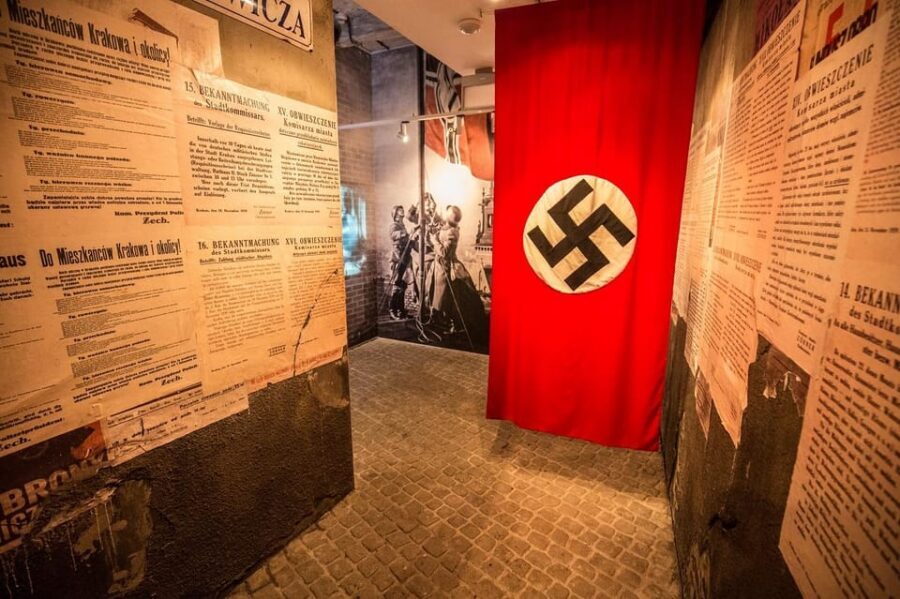
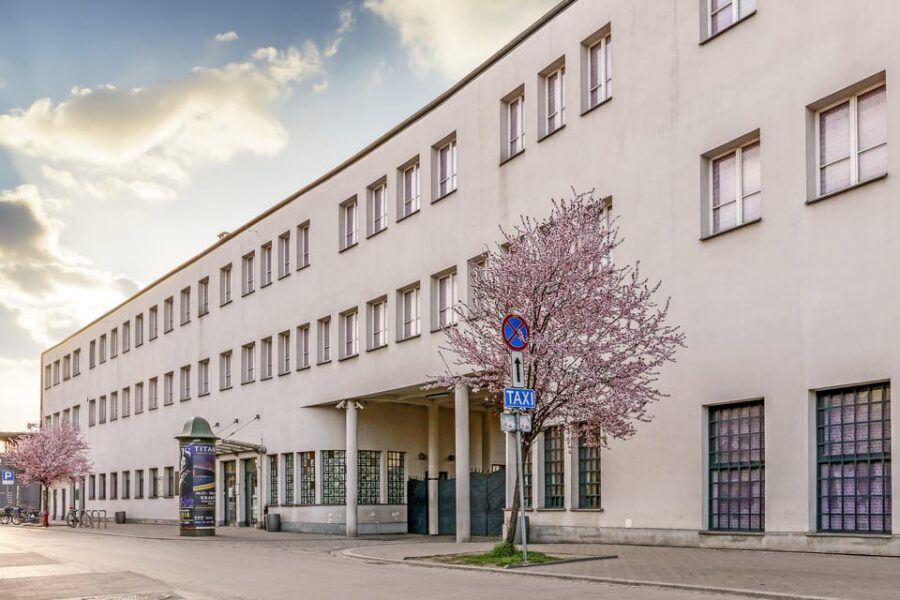
Schindler’s Factory Museum sits in the former Enamel Museum space tied to Oskar Schindler’s wartime factory setting. That matters, because the place isn’t pretending to be a generic exhibit hall. It’s a real industrial backdrop, and the museum uses that structure to make WWII feel local and specific to Krakow.
What I like most is that the museum doesn’t treat the war as one big, distant event. It frames it in individual and collective dimensions, then walks you through what occupied life looked like—how people worked, waited, feared, and survived through paperwork, possessions, and records.
You’ll also notice the museum handles emotion carefully. It uses preserved artifacts and multimedia treatments designed so you can connect what you’re seeing with the experiences behind it. The result is that you’re not just learning dates; you’re tracking human choices and consequences in a city that was under pressure every day.
Your 90-Minute Game Plan: How the Guided Tour Flows
This is a 90-minute group tour, which means the guide keeps things moving while still giving you enough context to understand what you’re looking at. The pace is not slow and wandering—you’re guided through a set route meant to hit the museum’s most telling pieces.
From the start, you meet at the entrance of Oskar Schindler’s Enamel Factory and look for the person holding a sign with excursions.city. The tour includes your entrance ticket, and you skip the ticket line, so you can spend more time inside where it counts.
Once you’re in, the guide takes you through a guided sequence that moves across different kinds of WWII storytelling. You go from scenes related to everyday work and culture into staged spaces meant to show how ghetto life tightened around people. Then you reach the part of the exhibition that shifts toward the fate of Krakow Jews in the camp system tied to Płaszów.
Because it’s a group experience, it’s normal that you won’t read every label at leisure. But the upside is you get meaning and context as you go—so you don’t feel lost in the museum’s rooms.
You can also read our reviews of more guided tours in Krakow

The Occupied-Life Rooms: Objects, Photos, and Paper That Keep the Story Human
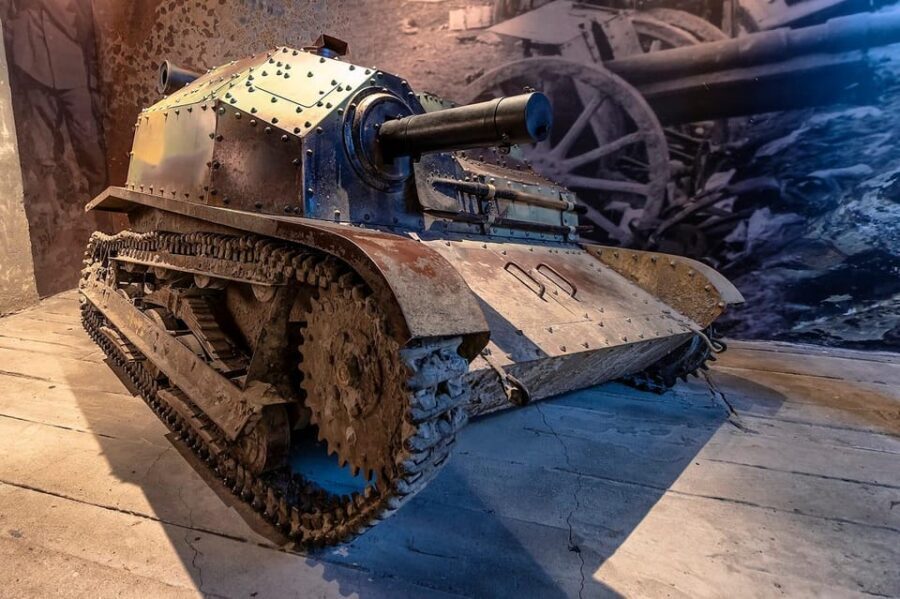
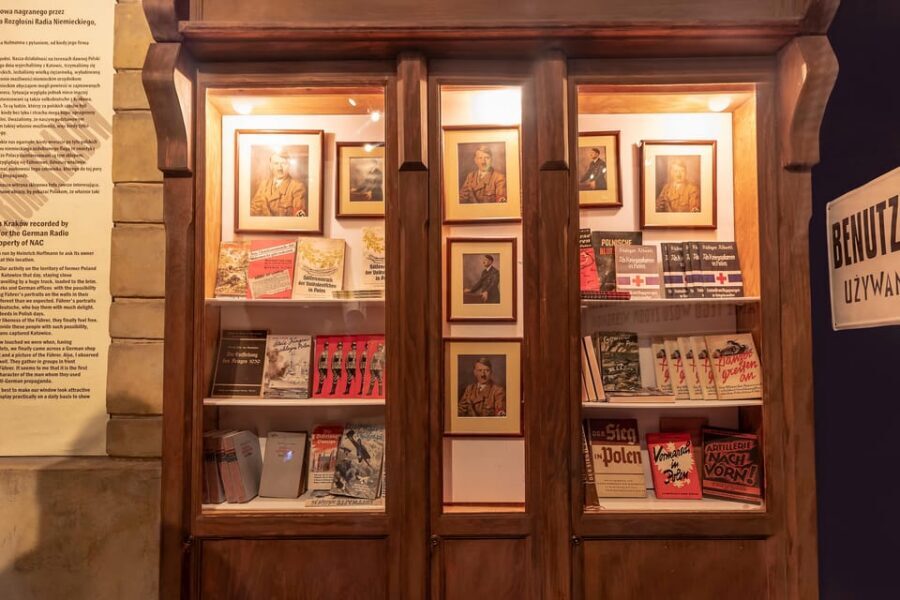
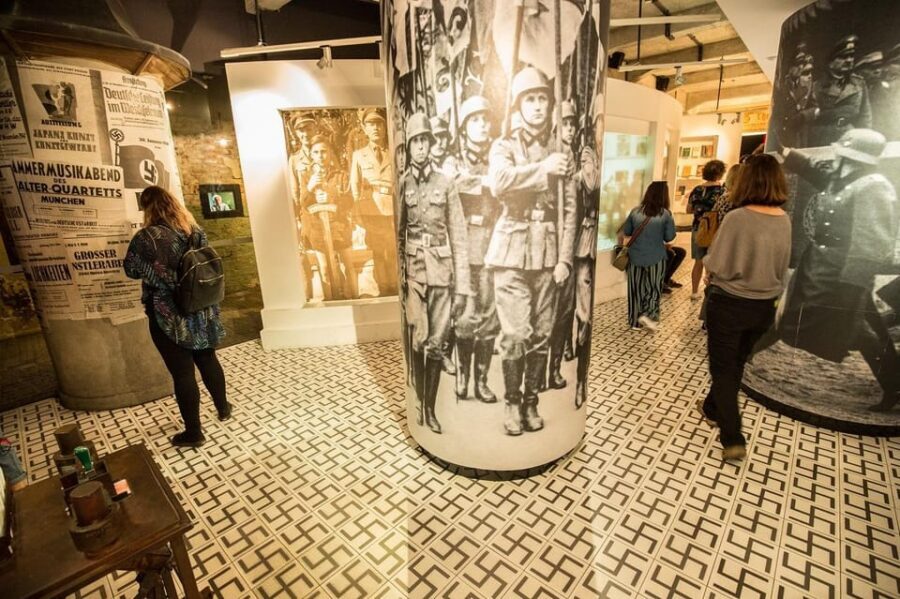
One reason this tour works is the exhibition’s approach to evidence. It leans heavily on the texture of daily life during occupation—ordinary objects, photographs, newspapers, and both personal and official documents. That’s the kind of material that makes the story believable, because it doesn’t rely only on big-picture narration.
I like that the museum uses a mix of artifacts and multimedia treatments, so you’re not stuck reading flat text the whole time. The goal is to help you feel the emotions of the war-time city, not just understand it in theory.
As you move through the guided route, you’ll encounter themed stations connected to real daily roles. The tour includes stops built around a photographer and a tailor, and you’ll also see an authentic photo-artist setup as part of the exhibition’s storytelling. These aren’t random side scenes; they’re meant to show how creativity, work, and normal routines collided with surveillance and control.
You’ll also get a tram sequence where, through the windows, you can see film showing life in the city. Even if you usually skip staged multimedia in museums, this one tends to land because it connects the idea of “occupation” with movement—how people still traveled and how urban life kept trying to continue under restriction.
The Ghetto Labyrinth and the Jewish Apartment: When the Museum Tightens the Space
At some point, the tour shifts from the broader story of occupied Krakow into the cramped reality of ghetto life. You’ll go through the tight labyrinth area that recreates the ghetto, with a Jewish apartment located there as part of what you experience.
This section is powerful because it’s not only about what happened; it’s also about where people lived and how space shrank. Even without any extra theatrics beyond the exhibition’s setup, the physical feeling of being guided through narrow pathways makes the story harder to treat as abstract.
The guide’s narration is what turns this part into understanding, not just atmosphere. You get helped connections—how the ghetto wasn’t a separate world with different rules; it was Krakow under brutal segregation, drawn into tighter boundaries day after day.
It’s also one of the moments where the tour’s “group” structure helps rather than hurts. In a room like this, having someone point out what matters means you’re less likely to miss the exhibition’s key messages while you’re busy processing the layout.
Płaszów and the Camp Section: Moving From Daily Life to Fate
The guided route doesn’t stop with ghetto life. It also leads you toward the camp setting associated with Płaszów, where the exhibition places you alongside the context of what happened after segregation and imprisonment.
The key here is tone and transition. WWII museums can sometimes jump too fast between themes, leaving you feeling emotionally jolted without context. This tour is built to walk you from daily Krakow into the machinery of persecution, with the guide bridging the gaps as you move.
You’ll find yourself together with the inhabitants in the camp in Płaszów area—an arrangement designed to make you confront the shift from constrained daily routines into forced survival and deportation-era realities.
I can’t pretend this part is comfortable. But it’s also the reason to take the tour with a live guide rather than as a solo wander. The context you receive helps you understand what you’re seeing and why it’s placed the way it is.
Schindler’s Role Here: The Office, the Ark of Pots, and What the Museum Chooses to Emphasize
This isn’t a biographical museum that simply tells Schindler’s story from start to finish. Instead, the figure of Oskar Schindler is presented as part of Krakow’s complicated wartime history—specifically tied to the fact that he saved over a thousand Krakow Jews.
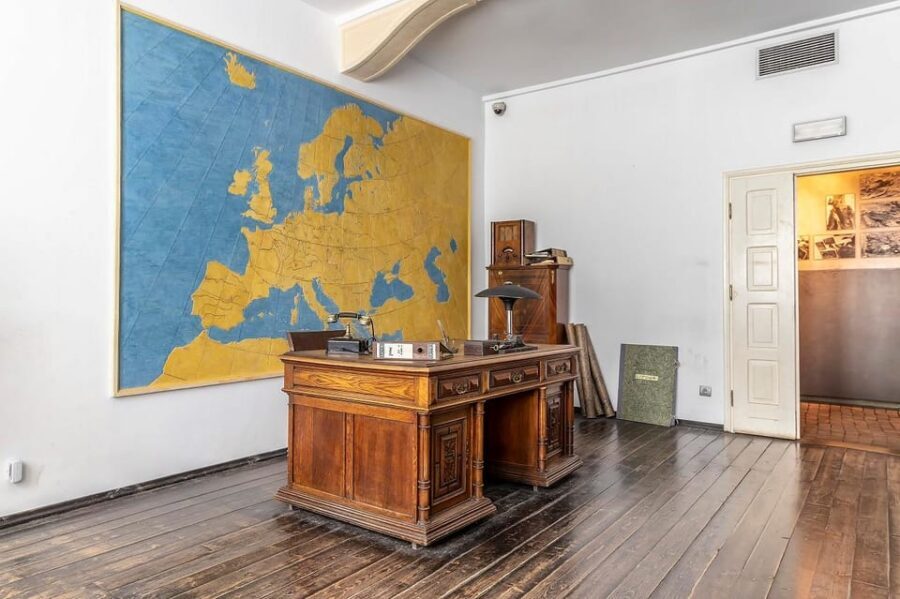
The exhibition brings him into focus through his office, which is thankfully preserved in the factory administrative building. That office doesn’t function like a movie set. It feels like a real administrative space attached to the factory setting, which makes the story feel less like legend and more like decisions made inside a working system.
One of the most memorable symbolic elements is the “ark of survivors.” It’s made of thousands of pots resembling those produced by his employees during the war. It’s a creative visual, but the meaning is direct: survivors are tied to the factory’s production and to the labor around it.
Still, the tour’s biggest strength is that Schindler’s story isn’t allowed to become the whole museum. The exhibition keeps you focused on Krakow itself—the city’s inhabitants, daily disruptions, and the human impact of occupation. That’s why guides on this tour tend to keep the balance.
If you’re coming mainly for the Schindler movie story, you’ll still get Schindler’s presence. Just don’t expect it to be a one-name narrative. The museum’s structure nudges you back to Krakow.
You can also read our reviews of more museum experiences in Krakow



Price and Value at Around $50 for 90 Minutes
At about $50 per person for a 90-minute guided tour, you’re paying for two things: access and interpretation. The entrance ticket is included, and you also skip the ticket line, which can be a real time saver at popular times.
You’re also paying for live explanation in multiple languages. The tour runs in English, French, German, Italian, and Spanish. That matters because this museum is built for understanding, not just looking. A guide helps you connect the museum’s objects and scenes into a coherent timeline from 1939 to 1945.
So the value question really becomes: do you want context while you walk? If you’re the type who likes to read everything solo and move at your own pace, you might not feel the full benefit of a group format. But if you want the museum to make sense as you go, the guide is where a lot of the value sits.
And based on how people describe the experience, the guide quality is often the difference between a decent visit and a strong one. You’re less likely to leave with scattered impressions and more likely to leave with a structured understanding of Krakow under occupation.
Pace, Group Size, and the One Trade-Off to Know
The most common practical issue with group museum tours is time pressure. You may feel the museum offers more content than a group can fully slow down for, and that can mean you’ll have to choose between reading every label and following the guide’s storyline.
This tour is designed for a guided route, so you might not get through every corner at your own tempo. That’s the trade-off for getting the live commentary and the connected narrative.
The good news is that the guide’s job is to point out what matters most. You shouldn’t leave feeling like you saw only a highlight reel. Instead, you’ll likely feel like you got the meaning behind what’s on display—even if you didn’t linger everywhere.
One more thing to keep in mind: starting times are approximate and can change due to the museum’s scheduling. If you’re trying to lock in the rest of your Krakow day to the minute, don’t overbook tight connections.
Who Should Book This Guided Tour in Krakow
This is a great fit if you want a WWII museum that connects daily life, not only big events. If you care about how occupation shows up in documents, newspapers, and everyday work, you’ll likely appreciate the way the exhibition is built.
It’s also a solid choice if you prefer structure. The exhibition has many layers, and the live guide helps you keep track of what you’re seeing and why it’s there.
You might also like it if you’re traveling with limited time. Ninety minutes can be enough for a strong introduction, especially when your guide explains how different scenes relate to the larger story of Krakow from 1939 to 1945.
If you want maximum quiet time and slow reading, you may prefer a different self-guided approach. But for most visitors, this guided format offers the best blend of emotion, context, and pacing.
Should You Book Schindler’s Factory Museum Guided Tour?
Yes—if you want the museum to make sense while you’re inside. The live commentary, the focus on occupied Krakow, and the way the tour balances Schindler with the broader city story are the reasons to book.
Book it especially if you like museum visits where objects and scenes come with explanation, not just signage. And if you’re short on time in Krakow, this 90-minute guided route is a smart way to get a coherent understanding without getting overwhelmed.
Just go in knowing the pace is group-paced, not label-by-label slow. If you can handle that, you’ll come away with a clearer, more grounded view of Krakow during WWII—and why this factory space still matters today.
FAQ
Do I need an entrance ticket if I book the guided tour?
Your ticket to Schindler’s Factory Museum is included with the tour, and the tour also offers skip the ticket line.
How long is the Schindler’s Factory Museum guided tour?
The tour duration is 90 minutes.
Where do I meet the guide?
Meet in front of the entrance to the museum (Oskar Schindler’s Enamel Factory) and look for the person with an excursions.city sign.
What languages are available for the guided tour?
The live guide is available in English, French, German, Italian, and Spanish.
Is it a group tour?
Yes, this is a group tour.
What do I need for entry starting January 1, 2026?
You must provide full names of all participants when reserving and bring a passport or ID for entry. Without them, entry may be denied.
Can I cancel and get a refund?
You can cancel up to 24 hours in advance for a full refund.
Is the tour wheelchair accessible?
Yes, the tour is wheelchair accessible.