REVIEW · WARSAW
Auschwitz Small Group Tour from Warsaw with Lunch
Book on Viator →Operated by AB Poland Travel · Bookable on Viator
This is history you cannot unread. The Auschwitz-Birkenau small-group tour from Warsaw is built around priority admission and an orderly day plan, so you can focus on the memorial instead of logistics. You’ll get a guided look at preserved camp features, then a short ride to Birkenau for the full sense of scale, all with an English-speaking guide and hotel pickup.
I love two things most: the small group size (up to 8) keeps the experience steady and less chaotic, and the day includes the museum ticket plus a traditional Polish lunch so you’re not hunting food in an unfamiliar place. One drawback to consider is that it’s a very long day with an early start and a lot of walking, and audio/pace can vary depending on how busy the site is.
In This Review
- Key highlights worth caring about
- A 14-hour day that actually feels organized
- Pickup in Warsaw: early mornings and the part you should plan for
- Priority entry at the Auschwitz Museum: what you’ll see and why it hits
- The guided transfer and Birkenau: scale, distance, and what the second camp changes
- Lunch on the schedule: Polish comfort food, timing trade-offs, and choices
- Drivers and guides: what makes the day humane, not just informative
- Small-group size (max 8): why it changes your experience
- Price and value: what you’re paying for beyond the ticket
- Important rules that can affect whether you get in
- The best fit: who should book this tour
- Should you book Auschwitz from Warsaw with lunch?
- FAQ
- FAQ
- What’s the duration of the Auschwitz-Birkenau tour from Warsaw?
- Do I get hotel pickup from Warsaw?
- What’s the group size?
- Is the tour conducted in English?
- Is priority admission included?
- What does lunch include?
- What are the main sites you visit?
- Is museum admission included in the price?
- Do I need ID or a passport?
- What if Auschwitz tickets are sold out on the day?
- Is this tour suitable for kids?
Key highlights worth caring about
- Priority admission helps you skip ahead and spend more time where it matters
- Up to 8 people keeps the guide’s attention on your group, not 40 strangers
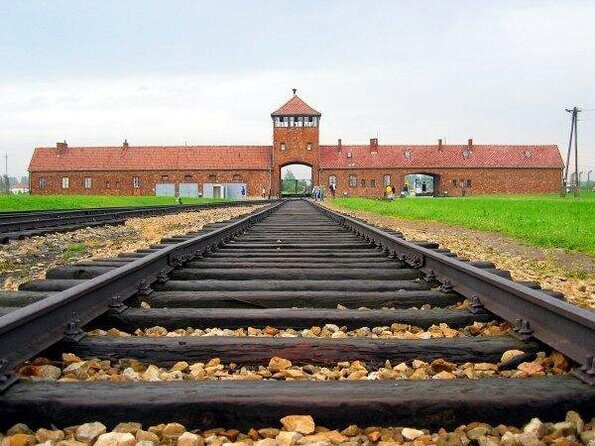
- Preserved details at Auschwitz and Birkenau include buildings, fences, ramps, and prisoner belongings
- Built-in Polish lunch gives you a break mid-tour before the second camp section
- Strict museum name rules mean you must enter your name exactly as on your ID/passport
A 14-hour day that actually feels organized
From Warsaw, this tour turns into a long day fast. Total time is about 14 hours, mostly because the drive to Oswiecim is real, and the site visit is weighty. The good news is the structure is there: pickup, transport, guided time at Auschwitz, lunch, then the Birkenau segment, with drop-off back in Warsaw.
What makes it feel more manageable is the way the tour is paced. You’re not wandering between sites trying to figure out schedules. Instead, you’re in a guided flow that helps you get your bearings—and at a place like this, that matters.
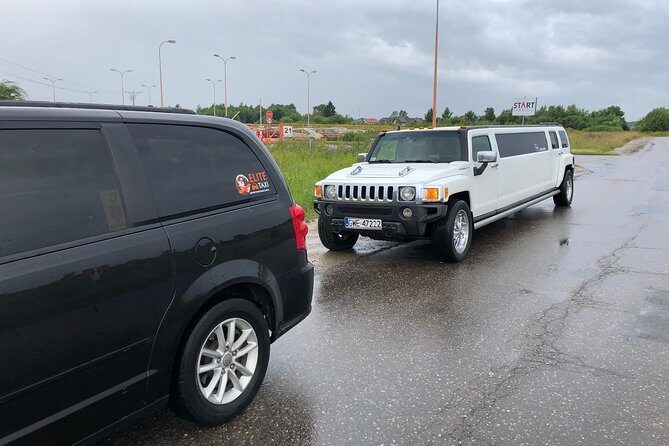
Also, you’re traveling with an air-conditioned coach and pickup service. If you’re staying in central Warsaw, it’s designed to be hassle-reducing from the moment you leave your hotel.
A few more Warsaw tours and experiences worth a look
Pickup in Warsaw: early mornings and the part you should plan for
Pickup timing is the big variable. The operator notes an estimated pickup window that can start as early as 4:00–8:00 am (with some tours planning an early departure around 4 am to secure tickets when demand is high). One day before your tour, they send the exact pickup time and the driver’s phone number.
If you’re outside the Warsaw city center, there’s a 15 EUR cash supplement paid to the driver. So before you book, double-check your address and whether you’re truly within the pickup zone.
This early start is also where you should set expectations for comfort. Even with an organized van and driver, you’ll want to be ready for a long stretch of sitting. If you know you’re sensitive to noise or movement, bring what you need for the road, because you’ll still have a lot of walking once you arrive.
Priority entry at the Auschwitz Museum: what you’ll see and why it hits
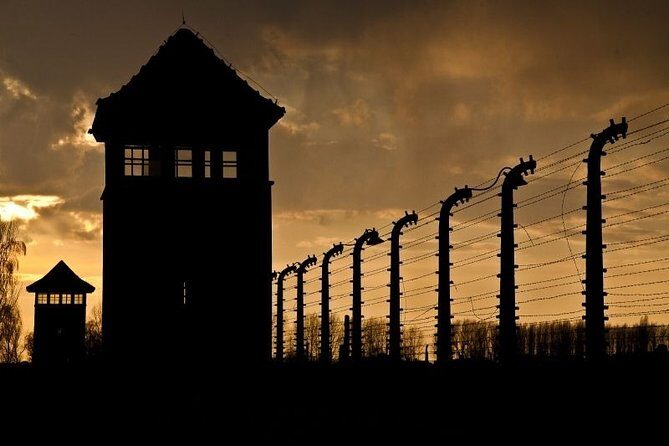
The first stop is the Panstwowe Muzeum Auschwitz-Birkenau walking tour, about 3 hours, with admission included. You’ll begin at Auschwitz-Birkenau with priority admission, which helps you avoid some of the line pressure that can eat into your guided time.
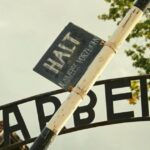
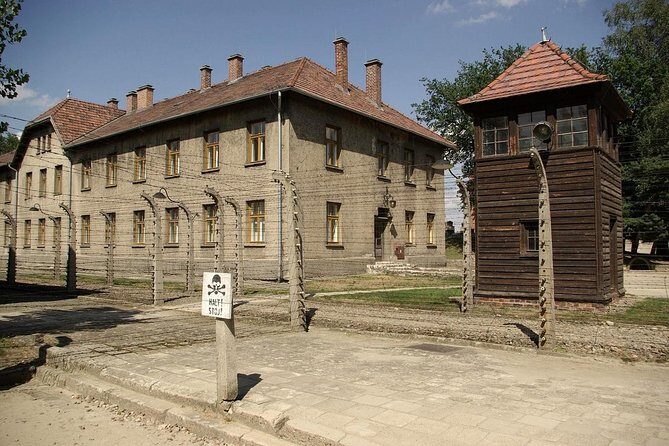
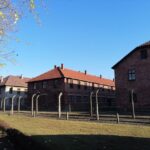
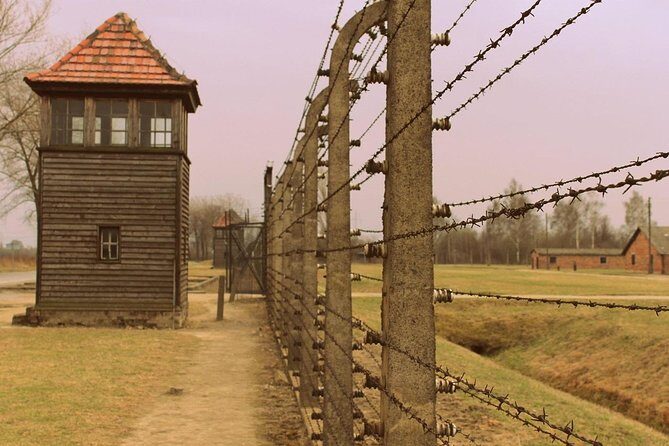
In the museum sections, the focus is on preserved original elements and prisoner belongings. You’ll see wooden watchtowers, railway ramp areas, barbed fences, and the kind of displayed items that turn names and dates into something concrete. Expect to encounter shoes, suitcases, and documents tied to Jewish prisoners—details that are hard to process, but important to see.
A key part of the value here is the guided framing. Multiple guides named in feedback (like Agnieszka, Jacek, and others) were described as respectful and careful with the tone of the site. That matters because Auschwitz isn’t a place for casual interpretation. You want a guide who can explain the system without turning it into a performance.
One practical consideration: the site environment can be interrupt-driven. When other groups overlap or audio equipment misfires, it can feel rushed. If you’re someone who reads slowly or needs a moment to absorb what you’re looking at, you may want to mentally pace yourself and not get thrown by the crowd flow.
The guided transfer and Birkenau: scale, distance, and what the second camp changes
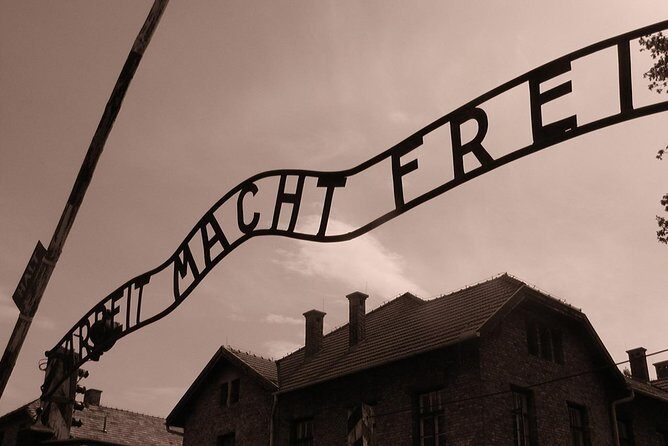
After Auschwitz, the tour includes a short ride to Birkenau. This is described as the extermination and labor camp where 90% of prisoners were killed, and you’ll see the setting that made mass processing possible on a staggering scale.
Birkenau is larger and more open. That means more walking, more exposure to weather, and more time spent in a place that can feel physically vast. It’s also why the small-group setup helps. When you’re not squeezed into a huge herd, it’s easier to keep track of your group and not spend your energy searching for your guide.
The experience tends to become more emotionally intense here because you can’t hide from the layout. You’ll see preserved fencing and camp structures that make the Holocaust’s machinery feel less abstract. Even if you’ve read about it before, the physical scale can change how you understand what happened.
Some people in the feedback also pointed to audio quality issues with radio/headphone systems, including interference and moments when the guide’s mic wasn’t clear. That doesn’t mean your experience will be like that, but it’s worth knowing that on-site acoustics and group radio setup can vary.
Lunch on the schedule: Polish comfort food, timing trade-offs, and choices
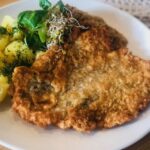
Lunch is included mid-tour: traditional Polish soup plus a main dish. The tour materials list examples like pierogi, chicken soup, or schnitzel with water, but the actual plate can vary by day and by what’s available at the stop.
In feedback, lunch quality came through as solid for many people, but there were also small complaints: one person described pierogi expectations not matching what was served (they received pork instead), and another noted their pork chop was a bit overcooked. In other words, this is a real included meal, but it isn’t Michelin-star guaranteed.
Timing is the bigger theme. If your group needs to be back on-site by a set hour, lunch can feel like a pressured reset. That can be especially true during busier days or if a lunch stop runs long. So I’d treat lunch as fuel, not a leisurely sit-down. Eat what’s offered, drink water, and plan to move on.
If you’re picky about food, you might want to bring a mental backup: you’re likely eating what’s prepared at the lunch point for the group, not customizing a menu.


Drivers and guides: what makes the day humane, not just informative
This is where the tour can win or miss—because the subject demands care. Many of the best comments praised driver professionalism and guide sensitivity. Names that showed up in feedback include Mikoaj, Pawel, Jasper, Robert, and Jacek as drivers, plus Agnieszka as a guide.
A good driver matters because you’re on the road for hours, and you’re up early. People reported feeling safe and supported on the drive. A helpful driver also means fewer delays at restrooms or meal stops—small things that add up during a long day.
A good guide matters even more. You’re touring sites tied to mass murder, and you need clear, respectful context. Several feedback notes emphasized that guides handled the material with care and kept the narration focused on the site’s meaning rather than turning it into a generic facts dump.
One caution from the feedback: there were also complaints about a guide who seemed unfriendly or distracted, and another about the group feeling rushed with interruptions from other tours. These are the kinds of issues you can’t fully predict, but they’re a reminder: pick this tour when you can give it your full attention, and don’t assume every moment will feel perfectly paced.
Small-group size (max 8): why it changes your experience
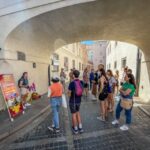
Maximum group size is 8 travelers. That’s not just a marketing detail. It tends to affect everything that counts at Auschwitz and Birkenau: staying together, hearing the guide, and having time to look without feeling like you’re constantly being moved along.
With a small group, your guide can manage spacing and keep you from getting lost when the flow gets crowded. It also helps your guide tailor explanations to the pace your group can handle.
This is also where the English language requirement helps. If you’re not fluent in Polish (most people aren’t), you need clear narration. English tour delivery is one of the core features, so you can follow along without relying on apps or guesswork.
Price and value: what you’re paying for beyond the ticket
The listed price is $360.39 per person, and it’s not cheap. But the value is less about the museum ticket alone and more about the whole bundle: transport from Warsaw, hotel pickup, guided visits in English, priority admission, museum tickets, and lunch.
When I evaluate value, I ask: would you have to piece this together yourself? You’d need a driver/transport for the round trip, timed entries, and a guide to make sense of what you’re seeing. This tour rolls those needs into one price.
Still, you should expect a trade-off: it’s a long day and you’re paying for convenience and interpretation. If you’re the kind of traveler who wants a totally flexible schedule, you may find the structure feels firm. But if you want the day to run cleanly and you prefer not to manage timetables while doing something this serious, the cost is easier to justify.
Important rules that can affect whether you get in
There’s a museum policy that can’t be ignored: you must provide your name and surname accurately at booking, exactly as on your ID or passport. If the name is wrong, it can lead to needing to pay for the ticket on-site or even prevent entry.
Also bring your valid ID or passport for museum access. This is one of those details that seems boring until it becomes a problem.
Tickets are another variable. If you book close to your date, online tickets might not be available due to restrictions and high demand. In that case, the driver may need to purchase tickets on-site, which could involve waiting in line. If tickets are sold out, you’re refunded the nominal museum entry price, but not the cost of the tour, and you can opt for a non-guided Old Town visit in Kraków instead. These cases are described as extremely rare, but they’re part of how the system works.
The best fit: who should book this tour
This tour fits best if you want a guided, small-group day with less planning stress. It’s also a strong choice if you value getting into the museum efficiently with priority admission and want someone to explain what you’re seeing in both Auschwitz and Birkenau.
It’s not recommended for children under 14, and it’s explicitly not private. If you need a private experience for scheduling, accessibility, or personal needs, you’d have to contact the operator about that option.
If you’re visiting Warsaw and you don’t want to deal with cross-city logistics on your own, this is the simplest way to do it in one day.
Should you book Auschwitz from Warsaw with lunch?
If your priority is a guided, low-stress day, I think this is worth booking. You get transport, pickup, admission, priority entry, and lunch. The small group size (max 8) is the detail that helps most with staying focused.
I’d hesitate only if you’re worried about long days, early mornings, or you know you’ll struggle with a lot of walking and emotionally intense content. Also, double-check your name spelling exactly as on your ID/passport, because that’s the one thing that can derail the plan.
If you’re ready for a serious day and you want the structure to handle the heavy lifting, book it.
FAQ
FAQ
What’s the duration of the Auschwitz-Birkenau tour from Warsaw?
The tour lasts about 14 hours (approx.), including pickup, travel time, museum time, lunch, and drop-off back in Warsaw.
Do I get hotel pickup from Warsaw?
Yes, pickup is offered from your hotel or apartment in Warsaw. You’ll be asked for your pickup address, and the exact pickup time is sent one day before the tour.
What’s the group size?
This is a small-group tour with a maximum of 8 travelers.
Is the tour conducted in English?
Yes. The tour is offered in English.
Is priority admission included?
Yes. You get priority admission to the Auschwitz-Birkenau museum.
What does lunch include?
Lunch is included and consists of traditional Polish food, such as soup plus a main dish (examples listed include pierogi, chicken soup, or schnitzel, plus water). The exact main dish can vary.
What are the main sites you visit?
You visit Auschwitz-Birkenau (Oswiecim) and then take a short ride to Birkenau camp.
Is museum admission included in the price?
Yes. Tickets to Auschwitz-Birkenau are included.
Do I need ID or a passport?
Yes. The museum requires a valid ID or passport, and your name must match your booking exactly.
What if Auschwitz tickets are sold out on the day?
If tickets are sold out, you’ll be refunded the nominal museum entry ticket price, but not the full tour cost. You may be offered a non-guided visit to Kraków’s Old Town instead.
Is this tour suitable for kids?
It is not recommended for children under 14.