REVIEW · WARSAW
Private Warsaw City Tour by Retro Minibus with Hotel Pickup
Book on Viator →Operated by Warsaw Behind the Scenes · Bookable on Viator
That beetle-bus gives Warsaw a human scale. I love the hotel pickup and private, design-your-own itinerary that turns a 3-hour city intro into something you control. The main trade-off is the walking: you’ll get out often, so comfy shoes matter.
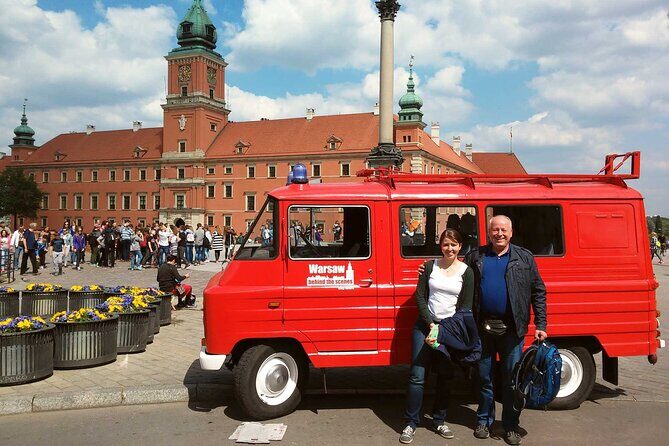
I also like the live guide commentary in English, delivered while you roll between neighborhoods in a retro Żuk. It’s a smart way to connect Warsaw’s royal center, communist rebuild, and WWII scars without feeling like you’re trapped on a bus.
On the practical side, these classic minibuses usually have no air conditioning, only heating. If you’re going in hot weather, plan for it.
In This Review
- Quick hits before you go
- The retro Żuk minibus makes the stories feel real
- Price and value: when $167.76 per person makes sense
- How the timing works: driving hops plus real walking
- Old Town and Castle Square: start where Warsaw’s story begins
- Royal Route on foot: Krakowskie Przedmieście and Nowy Świat
- Praga Północ across the Vistula: pre-war streets and a different Warsaw
- Łazienki Royal Gardens: monarch-era design with peacocks and squirrels
- Muranów and the Warsaw Jewish Ghetto: memory you won’t “get” without a guide
- Palace of Culture and Science: communist Warsaw through the retro minibus lens
- Warsaw Uprising Monument: WWII context with specific place details
- Who should book this retro minibus tour
- Should you book this Retro Minibus Warsaw City Tour?
- FAQ
- How long is the Private Warsaw City Tour by Retro Minibus?
- Is this tour private?
- Do I get hotel pickup and drop-off?
- What language is the tour offered in?
- Is a mobile ticket provided?
- Are entry tickets included for the stops?
- How many people are in each minibus?
- Does the minibus have air conditioning?
- What are the height rules for children?
- What is the cancellation policy?
Quick hits before you go
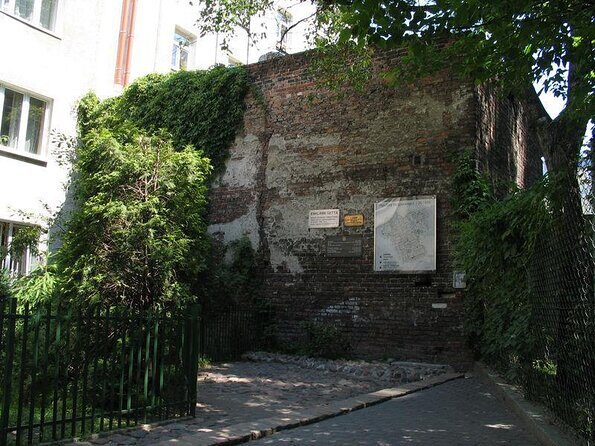
- Retro Żuk minibus ride: wooden floor, retro styling, and that communist-era feel helps the stories land.
- Hotel pickup and drop-off included: easy start, no hunting for a meeting spot.
- You choose your focus: the itinerary is built around what you want to see most.
- Walking segments built in: short strolls and viewpoints give you real street-level context.
- History spans multiple Warsaw eras: Old Town, royal Warsaw, Praga, ghetto memory, communist reconstruction, and WWII.
The retro Żuk minibus makes the stories feel real
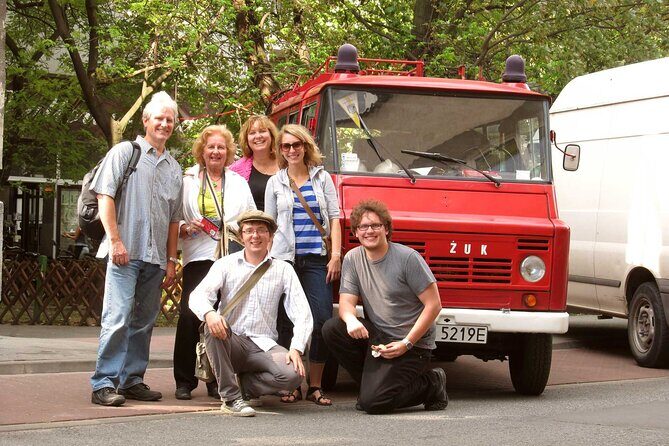
Warsaw can hit you in layers. One minute you’re in a photogenic Old Town square; the next you’re looking at places that carry heavy WWII memory. This tour’s retro minibus setup helps because it forces a rhythm: drive a bit, look closer, walk a bit, then drive again.
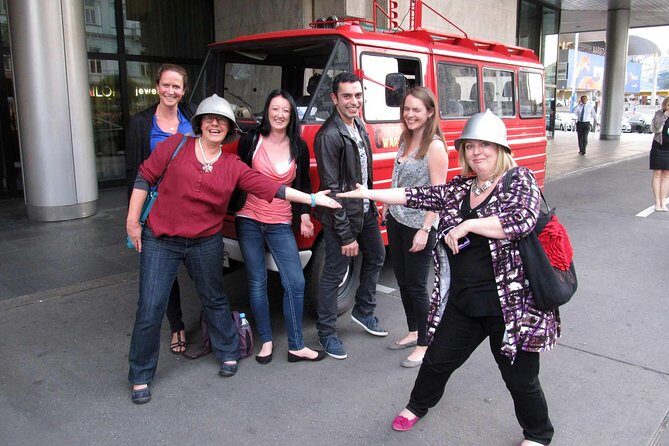
The vehicle itself is part of the experience. It’s the Żuk, the beetle-like classic minibus associated with communist-era production. You’re not just passing landmarks—you’re riding in a moving time capsule with wooden flooring and that unmistakable vintage vibe. Add the live on-board commentary, and it feels more like a guided conversation than a checklist.
You can also read our reviews of more city tours in Warsaw

Price and value: when $167.76 per person makes sense
At about $167.76 per person for roughly 3 hours, this isn’t the cheapest option in Warsaw—but it can be good value if you care about the “how” of seeing a city.
Here’s why:
- It’s private, so you’re not competing with strangers for the guide’s attention.
- Hotel pickup and drop-off are included, which saves time and hassle.
- The tour is designed for flexibility: you can emphasize the parts of Warsaw that matter most to you.
It can also help financially that the minibus holds up to 8 passengers, and group discounts are offered. If you’re traveling with a group (friends or family), the cost per person tends to feel more reasonable because you’re splitting the experience without losing privacy.
How the timing works: driving hops plus real walking
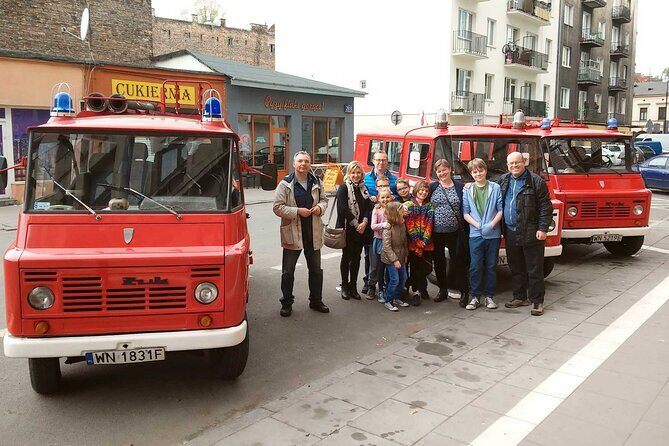
Even though it’s a minibus tour, it’s not a sit-back-and-zoom experience. The plan is built around transfer-by-minibus plus walking segments at each stop.
That matters for two reasons:
- You’ll get better photos and stronger context, because you’re standing in the spaces—not just watching from the curb.
- Your comfort depends on footwear. Some vehicles are vintage and not equipped with modern comforts, and you’ll be on your feet more than you might expect.
Also note the buses are heated for winter, but the lack of air conditioning is a real consideration in warmer months.
Old Town and Castle Square: start where Warsaw’s story begins
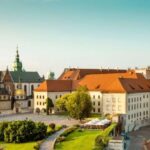
Old Town is a strong first stop because it’s where Warsaw’s identity gets visible fast. You begin in the Castle Square area—often described as a starting point more than 700 years back. From there, your guide can lead you through the details that make this place feel layered rather than decorative.
Expect a mix of:
- The Castle Square context and older trade routes
- Views and architecture tied to different eras
- A walk that includes narrow side streets and tenement-house style buildings
- Gothic Cathedral area sights
- A viewing point along the old riverside stretch
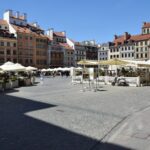
Then you reach Market Square, with its clusters of colorful and prestigious tenement houses and a chance to slow down. This is where you can take in the story of the Warsaw mermaid and look for the street-music atmosphere that can include a barrel organ player—when one is around, it adds a wonderfully old-world mood.
Watch for: Old Town is compact. In a short private tour window, you won’t be able to do everything, so decide early if you want more time for photos and strolling—or more time moving onward.
Royal Route on foot: Krakowskie Przedmieście and Nowy Świat
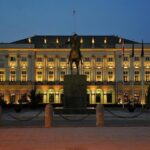
If you want the “grand” Warsaw vibe, the Royal Route is the right move. You’ll focus on Krakowskie Przedmieście, a major ceremonial street linking Old Town to the Royal Castle area.
This part of Warsaw feels like a timeline of power and institutions:
- Historic palaces, churches, and manor-houses line the street
- Landmarks appear along the way, including the Presidential Palace
- You’ll also see Warsaw University and the Polish Academy of Sciences’ presence in Staszic Palace
- As the Royal Route continues, the direct extension becomes Nowy Świat, ending near the famous palm tree
This stop is useful even if you’ve already seen photos online. The guide can point out why the street matters, how it connects different districts, and what it signals about Warsaw’s civic and political life.
Watch for: This is more of a “look along the street and absorb” section than a “one monument” section. If you like architecture and institutions, you’ll enjoy it.
You can also read our reviews of more private tours in Warsaw
Praga Północ across the Vistula: pre-war streets and a different Warsaw
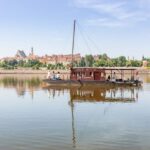
The vibe changes on the east side of the Vistula River, where Praga Północ sits. Crossing the river gives you views of the riverside that feel wilder and less polished than the more famous central zones.
Praga has a very specific kind of meaning in Warsaw. It’s often described as the only district that survived the WWII destruction in a way that left it closer to the pre-war city fabric. That’s why you see Belle Époque buildings and those small, noisy courtyards—details that are harder to appreciate if you only spend time in the showpiece areas.
In practical terms, Praga is a relief from “tourist-only” Warsaw. It can feel more local, more lived-in, and less commercial.
Watch for: This area can still include lots of walking on uneven surfaces. Wear shoes you trust, especially if you’re here in shoulder season.
Łazienki Royal Gardens: monarch-era design with peacocks and squirrels
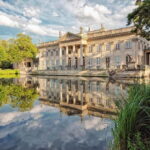
Then you get the outdoors break: Łazienki Royal Gardens. This is not just a pretty park; it’s a design story that changes across centuries.
Key ideas you’ll learn here include:
- The park began in the 17th century as a baths park concept for nobleman Stanisław Herakliusz Lubomirski
- In the 18th century, Poland’s last monarch, Stanislaus II Augustus, reshaped it into a setting with palaces, villas, classicist follies, and monuments
- In 1918, it was officially designated a public park
- Today it’s a venue for music, arts, and culture
And yes, you might spot the animals that make this place feel alive: peacocks and squirrels.
Why this stop works after WWII and ghetto memory: It gives your brain a place to rest while keeping the historic thread. You’re still learning about Warsaw—just in a calmer setting.
Muranów and the Warsaw Jewish Ghetto: memory you won’t “get” without a guide
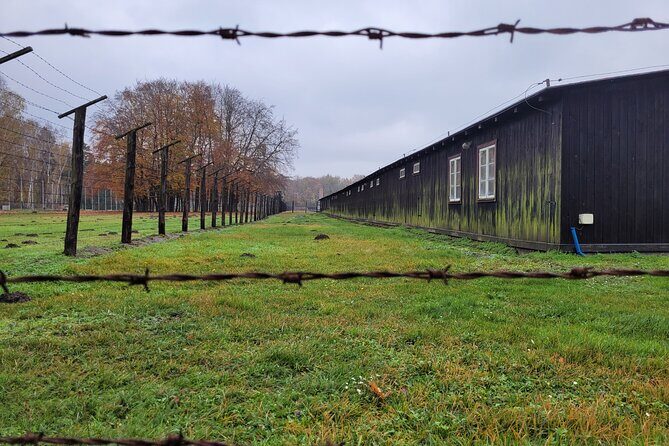
This is the stop that changes the tone of the whole day. In Muranów, you’re at the site associated with the Warsaw Jewish Ghetto, created by German Nazis in 1940.
From a distance, the area can look like an ordinary neighborhood. That’s exactly why the guide’s role matters. The story includes multiple layers—physical and historical—and without a guide it’s easy to miss what you’re standing on.
You’ll hear about:
- The ghetto’s tragic creation and forced confinement
- 1943, when the last part of the Jewish community was about to be deported to the extermination camp
- The creation of underground resistance and an insurrection against the oppressors
- The insurrection lasting about three weeks
- The demolition of the Jewish district after the resistance was crushed
Important practical note: This is heavy material. If you’re traveling with teens or sensitive family members, consider how long you want to spend here and whether you’d rather shorten this part in order to pace your visit.
Palace of Culture and Science: communist Warsaw through the retro minibus lens
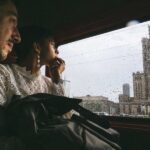
Palace of Culture and Science is often a “love it or hate it” landmark. This tour frames it with communist-era context, which is the difference between just seeing a big building and understanding why it became what it is.
Here’s what you can expect the guide to connect:
- The building and nearby context as part of post-WWII reconstruction
- The rougher cultural and social realities of the 1960s and 1970s
- The turning point toward the first free elections on 4 June 1989
- How people managed to survive in a central-steered economy, plus relics from those decades
The retro Żuk ride helps because it visually supports the theme. You’re not just hearing abstract political history—you’re experiencing the feel of the era through the vehicle itself.
Watch for: The admission ticket here is not included. If you plan to go inside or access a paid viewpoint, budget extra.
Warsaw Uprising Monument: WWII context with specific place details
For WWII-focused travelers, Warsaw Uprising Monument is a must. The tone here is darker, and the stop is built for people who want names, dates, and the physical evidence left behind.
The monument area connects you to:
- Tyranny under Nazi occupation and the Warsaw resistance response
- Street fighting and multiple insurrections (this is framed as two major waves)
- The political mess around what people call liberation, including Soviet actions in 1945
- Everyday life during the occupation, not only battle scenes
- How the consequences of WWII shaped Poland and Europe
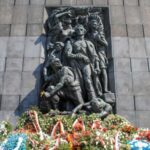
You’ll also hear about the kinds of marks and remnants you can spot in the area—things like bullet holes, ricochets, rubble-like evidence of destruction, and references to sites tied to transport and imprisonment such as Umschlagplatz. There are also details described as including Soviet tanks and aeroplanes and connections to pieces linked to the ghetto wall.
The guide uses stories paired with archival photographs, which helps you connect the monument imagery to the real events.
Watch for: If your visit is limited, you’ll want to choose how much time to allocate here. This is emotionally intense, and the best tours don’t rush the meaning.
Who should book this retro minibus tour
This tour fits best if you:
- Want an orientation tour that still feels personal, not cookie-cutter
- Like a guide who can adjust your route around your interests
- Care about Warsaw’s multiple eras—royal streets, Praga’s preserved feel, WWII memory, and the communist period
- Prefer small-group private attention over joining a large group
It might be less ideal if you:
- Want to spend most of your time seated in the minibus
- Travel with very limited walking tolerance (because the tour includes frequent walking segments)
- Are sensitive to heavy history and long discussions about WWII events
Should you book this Retro Minibus Warsaw City Tour?
I think it’s a smart choice when you want more than a photo stop. The combo of hotel pickup, a private guide, and the retro Żuk experience turns Warsaw into a story you can actually follow.
If you book, do two things to make it work:
- Tell the guide what you care about most (Old Town and Royal Route only, or add Praga, ghetto memory, communist Warsaw, and WWII monuments).
- Wear shoes that handle walking, because this tour is built for standing in the places.
If your goal is a short, gentle sampler with minimal walking and minimal emotional weight, look for a lighter, purely scenic alternative. But if you want a guided Warsaw that connects the dots, this one is worth serious consideration.
FAQ
How long is the Private Warsaw City Tour by Retro Minibus?
It’s approximately 3 hours.
Is this tour private?
Yes. It’s a private tour, and only your group participates.
Do I get hotel pickup and drop-off?
Yes. Hotel pickup and drop-off are included.
What language is the tour offered in?
The tour is offered in English.
Is a mobile ticket provided?
Yes. A mobile ticket is included.
Are entry tickets included for the stops?
For most stops, the admission ticket is listed as free. However, admission for the Palace of Culture and Science is not included.
How many people are in each minibus?
Each minibus accommodates up to 8 passengers.
Does the minibus have air conditioning?
Classic vintage minibuses are not equipped with air conditioning, but they do have heating for the winter season. Some vehicles also do not have seat belts.
What are the height rules for children?
Adults and children over 150 cm (4 ft 9 in) can participate. For a child under 150 cm, you need to contact the operator in advance to check availability of seat boosters, which are mandatory under Polish law.
What is the cancellation policy?
You can cancel for a full refund with free cancellation up to 24 hours before the experience starts.