REVIEW · KRAKOW
Kraków: Wieliczka Salt Mine & Schindler’s Factory + Lunch
Book on Viator →Operated by Thousand Miles Krakow · Bookable on Viator
Some cities hit you twice in one day.
This tour pairs the awe of the Wieliczka Salt Mine with the moral weight of Schindler’s Enamel Factory, then adds lunch so you can actually recharge. I like that the day runs on a real schedule with air-conditioned transfers, plus guided time at both big stops.
You’ll also want to plan for a lot of movement: expect stairs and underground walking, and the mine runs at 14–16°C, so you’ll feel it even in Kraków’s warmer weather. If cramped museum rooms and crowds bother you, the Schindler’s side can feel tight at peak times.
In This Review
- Key highlights to watch for
- A day that combines salt magic and WWII impact
- Morning transfer: Kraków to Wieliczka without stress
- Wieliczka Salt Mine: underground at 14–16°C, plus St. Kinga’s Chapel
- What you’ll see underground
- What to wear and how to manage the cold
- Timing inside the mine: stairs down, lift up
- Back in Kraków: the lunch break you’ll be glad you have
- Schindler’s Enamel Factory: Oskar Schindler and 1939–1945
- What the museum experience focuses on
- Why a licensed guide matters here
- Extra note on group size and cramped rooms
- The practical stuff: what to bring for a long, active day
- Price and value: is $152.50 a fair deal?
- Who this tour fits best (and who should think twice)
- Should you book this tour?
- FAQ
- How long is the tour?
- Is the tour offered in English?
- What does the price include?
- Is lunch included?
- Do I take the lift down into the salt mine?
- What temperature should I expect in the salt mine?
- Are admission tickets included for both attractions?
- Where do I meet the group?
- Is this tour suitable if I have limited mobility or claustrophobia?
- How large is the group?
Key highlights to watch for
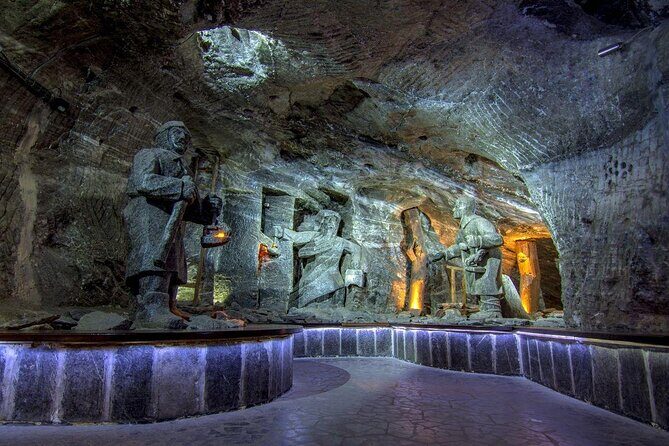
- St. Kinga’s Chapel: salt-carved details you really have to see in person
- Fast-track access at Schindler’s Factory, which helps with timing on a packed day
- Licensed mine guide leading you underground (not just a quick route)
- Lunch included with a long enough break to reset
- WWII focus on 1939–1945 through Oskar Schindler’s story
- Max group size of 30, but small museum rooms can still feel crowded
A day that combines salt magic and WWII impact
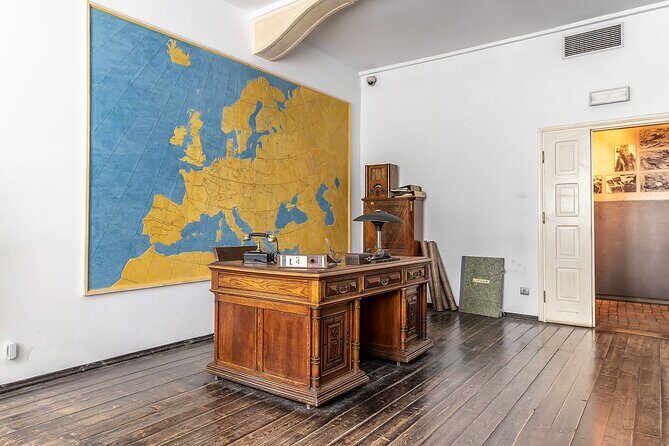
This is one of those Kraków combinations that makes sense. The Wieliczka Salt Mine is pure physical wonder: you’re walking through huge chambers and salt artistry, with light effects that make the underground feel almost theatrical. Then you jump to Schindler’s Factory, where the experience is less about spectacle and more about understanding how ordinary people were caught in extraordinary danger between 1939 and 1945.
That contrast is the point. You get a break for your eyes in the mine, then you return to reality through one of Kraków’s most important WWII narratives.
A few more Krakow tours and experiences worth a look
Morning transfer: Kraków to Wieliczka without stress
The morning starts with comfortable, air-conditioned transport from central Kraków to Wieliczka. It’s a simple setup, but it matters. If you’ve ever tried to stitch together public transit to a “must-see” like Wieliczka, you know how quickly the day can unravel.
You also get an easy rhythm: the tour kicks off, you’re carried out of the city, and then you spend your energy where it counts—on the underground.
Wieliczka Salt Mine: underground at 14–16°C, plus St. Kinga’s Chapel
This is the main event. You descend into the mine and spend about 2.5 hours exploring with a certified mine guide. One thing to know up front: while the experience includes a lift ride back to the surface at the end, the descent itself is by stairs. Plan your pace accordingly.
What you’ll see underground
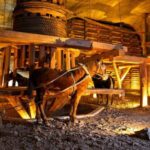
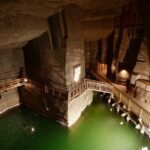
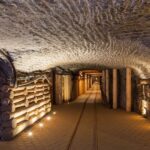
The salt mine isn’t just one tunnel and a souvenir shop. You walk through large chambers where salt sculptures and carved chapels show the craft of generations of miners. You’ll also notice underground lakes and lighting effects that catch in the air and make surfaces sparkle.
The standout is St. Kinga’s Chapel, carved entirely from salt. It’s the kind of place that can’t be photographed properly because your eyes keep jumping between small details and the scale around you. When you’re underground, the chapel becomes the emotional center of the whole visit—part devotion, part engineering, part human creativity.
What to wear and how to manage the cold
The mine temperature stays constant at 14–16°C. That means you’re not “touring comfortably” if you assume Kraków summer weather will carry you. Bring a warm layer you’ll actually wear, and comfortable footwear with grip.
Also, expect walking and stairs. It’s not a gentle stroll, and it’s not a good fit if you dislike enclosed spaces or have heart-related limitations.
Timing inside the mine: stairs down, lift up
The day’s flow includes a lift ride to the surface after the underground tour is completed. That’s a nice practical touch. It helps you avoid finishing the mine portion feeling completely wiped out before the rest of the day.
Still, remember the mine portion includes significant movement. If you’re the kind of person who likes breathing room between stops, you’ll probably enjoy this more if you pace yourself and don’t rush ahead of the group.
Back in Kraków: the lunch break you’ll be glad you have
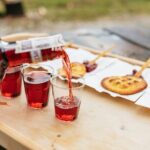
After the mine, you return to Kraków by air-conditioned transport. Then comes a 2-hour lunch break. This is built in for a reason. The day includes two major attractions plus walking time, so the schedule gives you a real reset rather than a quick bite and sprint.
The lunch stop is described as a nearby local bistro. Since you’re on a guided day, you may not have full freedom to roam far off, but the time window is long enough to eat, relax, and come back with better energy for the afternoon museum.
Schindler’s Enamel Factory: Oskar Schindler and 1939–1945
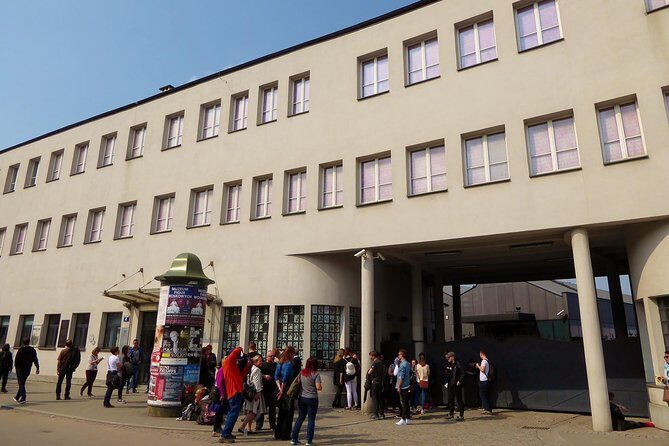
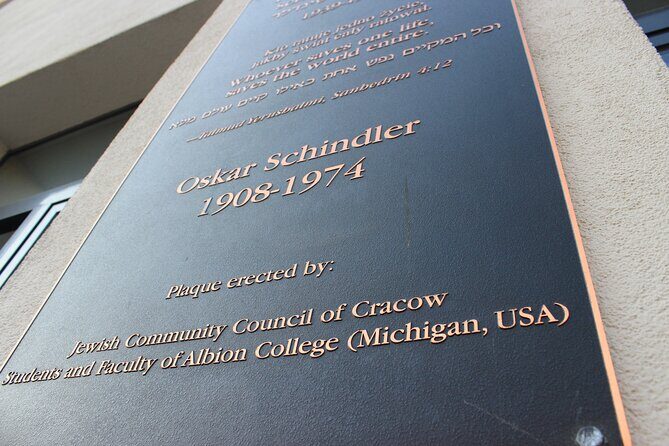
The afternoon takes you to Fabryka Emalia Oskara Schindlera, also known as Schindler’s Enamel Factory. This is a museum guided by a licensed expert, with fast-track access to help keep the day on schedule.
What the museum experience focuses on
The exhibition is framed around Kraków under Nazi Occupation 1939–1945. You’re guided through the story of Oskar Schindler and how his position and resources helped protect Jewish workers from deportation. The museum presents it as a story of moral courage and humanity, grounded in physical artifacts—things like original photographs, personal belongings, and reconstructed scenes showing daily life under occupation.
It’s powerful because it doesn’t stay abstract. The exhibits put people into focus, then show the choices and consequences tied to survival.
Why a licensed guide matters here
A museum like this can become a wall of text if you’re left to read everything at your own pace. With a guided visit, you’re more likely to connect the dots quickly: what you’re seeing, why it mattered, and how it fits into the occupation timeline.
The tour description also emphasizes the story-driven approach around Schindler’s actions, which works well if you want meaning without turning every minute into reading homework.
Extra note on group size and cramped rooms
This tour is listed with a maximum of 30 travelers, which is a good baseline. Still, there’s one practical reality: small rooms in major museums can feel crowded even with a “reasonable” group.
Inside Schindler’s Factory, the rooms can be tight. If you tend to get frustrated when you can’t see over heads or when you lose details because you’re stuck in the back, keep that in mind. In those cases, the most helpful strategy is to position yourself early when your guide stops at each room, then stay a bit more forward than you normally would.
The practical stuff: what to bring for a long, active day
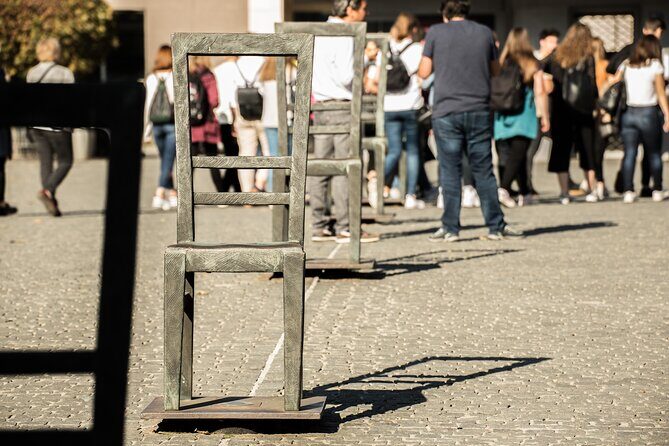
To keep the day smooth, plan around the mine conditions and the walking.
Bring:
- A warm layer for the mine’s 14–16°C temperature
- Comfortable, grippy shoes for stairs and underground surfaces
- Valid identification that matches the names on the tickets (names are needed at booking)
- Any student discount documents if you’re eligible (a valid student ID with photo, date of birth, and expiration date)
During the day, the route involves significant walking and numerous stairs. That’s the main reason this doesn’t suit everyone. If you have limited mobility, claustrophobia, or heart conditions, this one can be risky.
Price and value: is $152.50 a fair deal?
At $152.50 per person, you’re paying for four big cost drivers: two guided attractions, one included meal, and round-trip transport.
Here’s the value logic:
- Wieliczka Salt Mine includes the admission ticket and a certified mine guide, plus a lift ride up after the tour.
- Schindler’s Factory includes admission with fast-track access and a licensed guide, which helps with time and context in a museum setting.
- Lunch is included, and the break is long enough to matter, not just a quick snack.
- The transfers cut down on stress and time lost coordinating transport on your own.
So, if you like guided interpretation and want the day managed end to end, this price feels reasonable for Kraków. If you’re the type who prefers solo wandering and you don’t need a guide, you could reduce costs on your own—but you’d be trading away the structure and the explanation that helps the WWII material land.
Who this tour fits best (and who should think twice)
You’ll likely love this tour if:
- You want one day that covers both a major attraction and a major WWII story
- You’re comfortable with walking and stairs, including underground
- You appreciate guided context, especially at Schindler’s Factory
- You like an organized schedule with transfers and a planned lunch break
You might think twice if:
- You’re sensitive to enclosed spaces (the mine is underground)
- Your mobility is limited, since the route includes stairs and significant walking
- Crowds and tight rooms make it hard for you to focus during museum talks
Should you book this tour?
Yes, if you want a structured, guided day that combines wonder and meaning without you having to plan every detail. The mine is worth it for St. Kinga’s Chapel alone, and the Schindler’s Factory side is the kind of experience that benefits from a licensed guide who can connect scenes and artifacts into a clear narrative.
If you’re worried about cramped rooms or you prefer a slower pace with more room to see, consider whether a smaller-group option would suit you better. But for many people, the pairing works extremely well: you get a cool underground reset, then you come to terms with Kraków’s WWII reality in a museum that doesn’t just show history—it explains what happened and why it matters.
FAQ
How long is the tour?
It runs about 7 hours total, with the underground mine visit and the museum taking most of the time.
Is the tour offered in English?
Yes. The tour is offered in English.
What does the price include?
The price includes round-trip transportation between Kraków and Wieliczka, entry to the Wieliczka Salt Mine with a certified mine guide, a lift ride to the surface after the mine tour, lunch, fast-track access to Schindler’s Factory, and a guided visit of Schindler’s Factory led by a licensed expert guide.
Is lunch included?
Yes. You get a lunch break with lunch provided during the day.
Do I take the lift down into the salt mine?
No. The descent into the mine is by stairs. A lift ride is included to return to the surface after the underground tour.
What temperature should I expect in the salt mine?
The salt mine maintains a constant temperature of 14–16°C, so a warm layer helps.
Are admission tickets included for both attractions?
Yes. Wieliczka Salt Mine entry is included, and Schindler’s Factory admission is included as well.
Where do I meet the group?
The meeting point is Przystanek Turystyczny Kiss&RideWielopole 2, Kraków. The tour ends at Lipowa 4, Kraków.
Is this tour suitable if I have limited mobility or claustrophobia?
The route involves significant walking and numerous stairs, and it may not be suitable for guests with limited mobility, heart conditions, or claustrophobia.
How large is the group?
The tour has a maximum of 30 travelers.