REVIEW · KRAKOW
Schindler’s Factory Small-Group Guided Tour
Book on Viator →Operated by Intercrac Sp. z o.o. · Bookable on Viator
If you care about what war does to daily life, this stop hits hard. Schindler’s Enamel Factory in Krakow turns WWII history into a walkable story through occupied neighborhoods and everyday routines. I especially love how the guide keeps the exhibit readable, not just displayed, and I like the hands-on feeling of the multimedia rooms as you move from scene to scene.
One big plus is the small-group format (up to 25), which makes it easier to ask questions and actually hear the explanations. Another reason I think this works well is that you’re not only looking at panels—you’re getting a guided sense of space and sequence, from street-level scenes to the ghetto corridors.
The main thing to consider: this tour is more about occupied Krakow and the war’s impact than about Schindler himself. If you’re expecting a factory-machines, worker-focused experience, or a straight biography, you may feel the emphasis is elsewhere.
In This Review
- Key things to know before you go
- Price, group size, and how long this Krakow tour really takes
- Where you meet: Lipowa 4 and the logic of the route
- Fabryka Emalia Oskara Schindlera: the occupied Krakow exhibit you’re really there for
- The guide’s job: turning a big museum into a clear story
- Multimedia scenes in occupied Krakow: hairdresser, photographer, and a photoplasticon
- Getting onto the tram: seeing the city through windows and film
- The ghetto corridor and a Jewish apartment detail you won’t forget
- From the ghetto to Płaszów: following the path without sugarcoating
- What this tour is great at—and what it may disappoint
- Who should book this Schindler’s Factory small-group tour
- Should you book this tour in Krakow?
- FAQ
- How long is the Schindler’s Factory small-group guided tour?
- Where does the tour start?
- Is the museum ticket included?
- What is the maximum group size?
- Is this tour focused on Schindler’s life?
- What will we see during the guided walkthrough?
- Is it suitable for children?
- What are the cancellation rules?
Key things to know before you go
- A guide-led route through multimedia scenes makes the exhibit easier to follow than reading on your own
- Small group (max 25) helps you ask questions and keep the pace comfortable
- Not a Schindler biography; the spotlight is occupied Krakow and its people
- You’ll move through recreated spaces like a ghetto corridor and apartment, plus a tram viewing moment
- The ending points toward Płaszów, so be ready for a heavy close
Price, group size, and how long this Krakow tour really takes
This tour costs $45.38 per person and typically gets booked about a month ahead. For that price, the key value is the guided experience inside one of Krakow’s most important WWII museums, not just entry to a site on your own.
Time-wise, the scheduled duration is about 1 hour 30 minutes, and it can run closer to around 2 hours depending on how much you stop to ask and look. If you like to read slowly and take photos, plan for the longer feel.
Group size stays capped at 25 travelers, which matters here. In museums dealing with sensitive topics, it’s nice when the group doesn’t become a noisy stampede, and you can hear the guide’s framing.
You can also read our reviews of more guided tours in Krakow

Where you meet: Lipowa 4 and the logic of the route
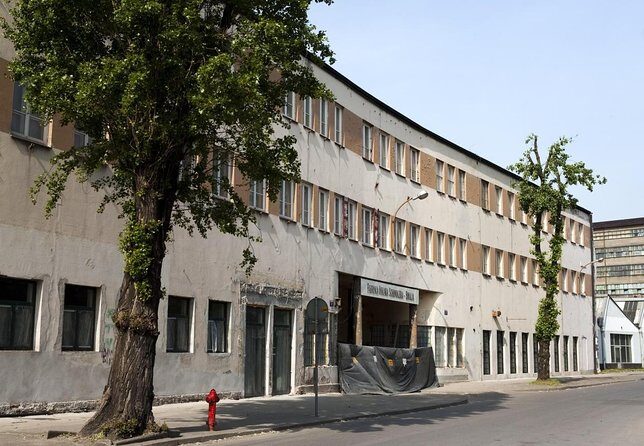
You start at Lipowa 4 in Krakow, in the area of Schindler’s Enamel Factory. The tour ends back at the meeting point, which makes the logistics easy when you’re pairing it with other WWII sites nearby.
Since it’s near public transportation, you can also connect it smoothly with a wider Krakow day plan. The only practical advice: arrive a few minutes early so you’re not rushing into a museum that asks you to slow down.
Fabryka Emalia Oskara Schindlera: the occupied Krakow exhibit you’re really there for
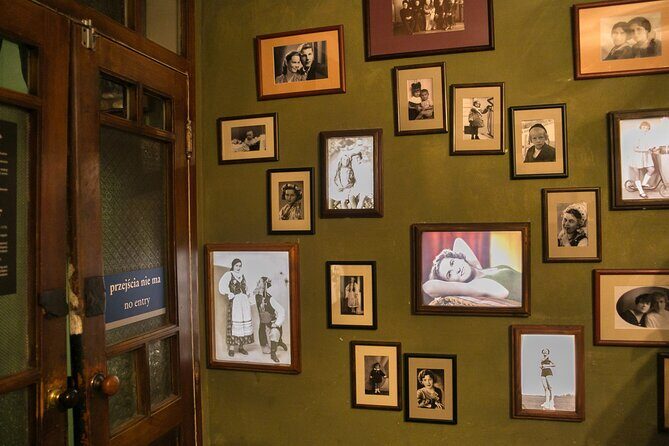
The heart of the experience is the exhibition titled Kraków under Nazi Occupation 1939–1945, based in the former administrative building connected to Schindler’s Enamel Factory. One important clarification: this is not set up as a straightforward, biography-style museum about Oskar Schindler.
Instead, the exhibit is built around the story of Krakow during German occupation—especially the fate of Polish and Jewish inhabitants—and how the factory owner’s role fits into that wider historical machinery. The framing matters, because it keeps your attention on people’s daily realities under Nazi rule rather than treating WWII like distant background.
In my view, that emphasis is exactly what a good guided visit can unlock. You’re not just seeing what happened; you’re learning why the exhibit focuses on occupied life—work, movement, fear, and forced choices.
The guide’s job: turning a big museum into a clear story
A museum like this can feel like information overload if you go solo. With a guide, the same content becomes a timeline you can actually hold in your head.
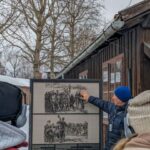
You’ll hear context as you walk, and the guide helps you understand why certain rooms are staged the way they are. This is also where the small-group size pays off: you’re more likely to get answers instead of just moving on.
The tone from the guides in recent experiences comes through as enthusiastic and consistently focused on setting the scene. That matters because this museum is emotional, and you want someone helping you interpret it without rushing past the hard parts.
Multimedia scenes in occupied Krakow: hairdresser, photographer, and a photoplasticon
One of the most effective ways the museum communicates history is through staged environments and modern multimedia. As you move through the route, you’ll step into places like a hairdresser and a photographer, which sounds simple until you remember these were the kinds of spaces people used to live their normal routines.
These rooms work because they make you confront the contrast: the ordinary setting is right there, but the occupation context changes everything around it. You’re not only learning events—you’re noticing how control and fear seep into everyday life.
You’ll also encounter an authentic photoplasticon. The name might sound niche, but what it does is give you a sense of how images and presentation were used in the period you’re studying. It’s the kind of detail you’d probably skip alone, but a guide helps you see what it’s doing.


Getting onto the tram: seeing the city through windows and film
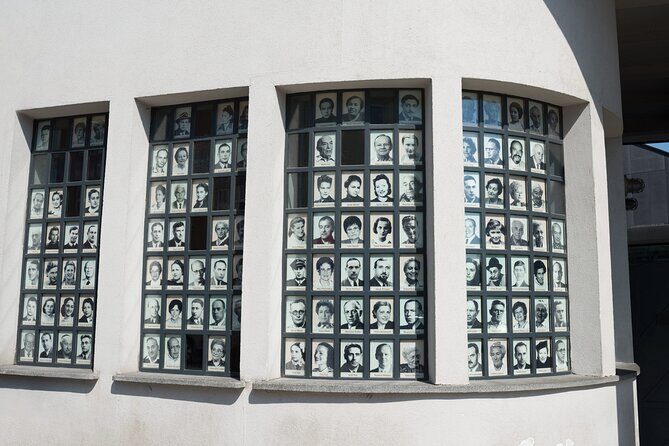
A standout moment is the included tram ride section. You’ll get onto a tram and watch a film about the life of the city, viewed through the tram windows.
This part is smart for two reasons. First, it ties the exhibit to movement, like people actually experienced the city—pausing, passing sights, and absorbing messages in transit. Second, it makes the story feel less like a static museum and more like a guided walk through occupied space.
If you enjoy transport as a storytelling device, you’ll likely appreciate how they use the tram setting to connect scenes. It’s not just decoration; it’s a viewing frame.
The ghetto corridor and a Jewish apartment detail you won’t forget
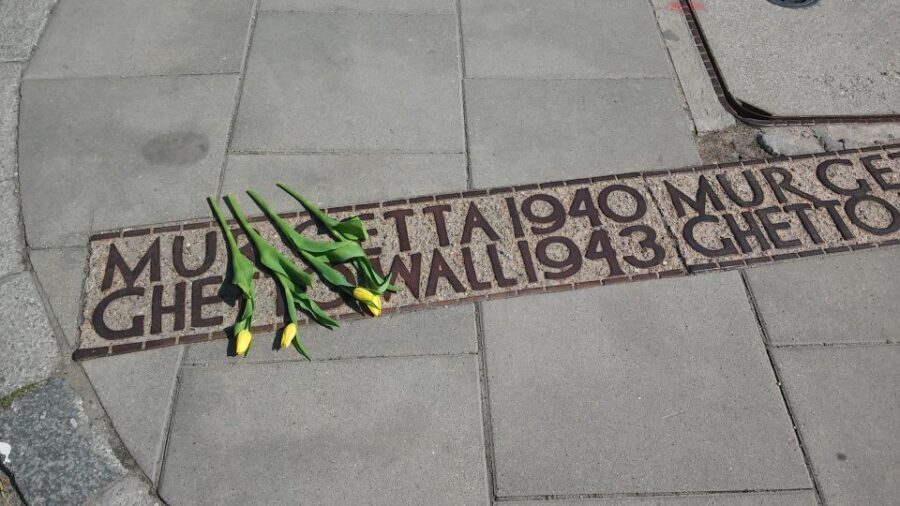
After the earlier streetscape and transit scenes, the tour shifts into the most difficult area. You’ll go through the narrow labyrinth of the ghetto, including a Jewish apartment within the route.
This is where the exhibit leans heavily on modern multimedia to recreate emotional context. You’re not just looking at dates; you’re stepping into the feel of cramped space and constrained life. The apartment element is especially important because it puts humanity and routine back into a setting designed to strip people of freedom.
The guide’s interpretation is crucial here. Without it, the rooms can feel like sets. With it, they become a lesson in how occupation reshaped housing, safety, and family life.
From the ghetto to Płaszów: following the path without sugarcoating
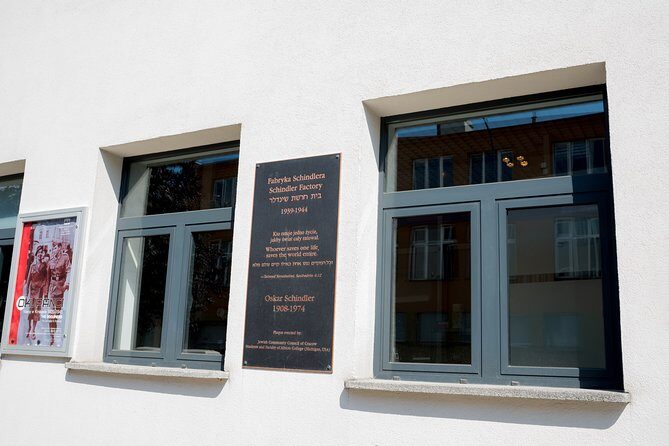
Near the end of the tour, you’ll move with the narrative from the ghetto toward the camp in Płaszów. This is the portion where the exhibit does not try to soften the reality of what happened.
Expect this to be emotionally heavy. The museum uses multimedia to build feeling and understanding, and that can make the ending hit harder than a typical history walk.
If you’re sensitive to intense WWII content, plan for pacing. Bring yourself a moment after the tour to reset before you jump into the next site or restaurant.
What this tour is great at—and what it may disappoint
I think the strongest part of this experience is the way it keeps you oriented inside a complex exhibit. Multiple stops—street interiors, the photoplasticon, the tram viewing moment, the ghetto passage, then the movement toward Płaszów—create a clear structure that helps the big story land.
Recent feedback also highlights a practical side: guided visits create more chances to ask questions and take photos without feeling like you’re interrupting the flow. That’s a real advantage, because in this museum you want both understanding and a few visuals for later.
Now, the caution. This tour’s emphasis can feel war-focused more than factory-focused. One key point to remember: the tour is built around occupied Krakow and how the factory fits into that history. It doesn’t position itself as a machine-room walkthrough.
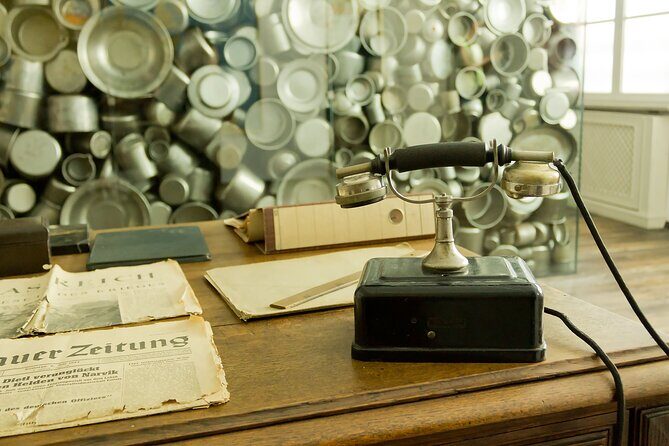
Even if the factory setting is famous, you should know that the museum experience has a staged feel. One review noted that the office is the only original part internally, and that the exterior is also part of what you can see, but most of the interior is museum interpretation. That may matter if your mental image of Schindler’s Factory is more industrial and less theatrical.
Also, it can help to mentally recalibrate if you know the Spielberg film. The exhibit refers to Schindler’s fate, but the overall structure is about the fate of Krakow’s people during occupation. If you want Schindler’s personal story above all, you might find yourself wishing for more factory-worker focus.
Who should book this Schindler’s Factory small-group tour
This is a good fit if you want a guided, chronological experience that explains occupied Krakow through real staging and multimedia. It’s also ideal if you appreciate structure and context more than you want a technical factory tour.
Book it if:
- you want a guided museum where someone helps you connect scenes
- you like museum storytelling using rooms, transit, and multimedia
- you’re comfortable with WWII content and want the emotional logic explained
Skip it if:
- you’re hunting mainly for factory machines, workshop details, and worker biographies
- you want a strictly Schindler-centered museum storyline
Should you book this tour in Krakow?
Yes, I’d book it for most people visiting Krakow who are serious about WWII understanding. The small-group setup, the guided framing, and the way the exhibit turns history into a navigable route are where the value shows up.
Just do yourself a favor: arrive with expectations aligned to the museum’s purpose. This is occupied Krakow first—Schindler and the film echo in the background, but the tour’s job is to show what life was like under Nazi occupation and what happened to Polish and Jewish residents.
If that matches what you’re looking for, you’ll likely leave with a stronger grasp than you’d get from walking through the rooms alone.
FAQ
How long is the Schindler’s Factory small-group guided tour?
The duration is about 1 hour 30 minutes, and it may run closer to around 2 hours depending on the pace and questions.
Where does the tour start?
The meeting point is Lipowa 4, 32-051 Kraków, Poland.
Is the museum ticket included?
Yes. The admission ticket is included in the tour.
What is the maximum group size?
The group size is capped at 25 travelers.
Is this tour focused on Schindler’s life?
No. The exhibition is not biographical. It focuses on occupied Kraków 1939–1945 and the fate of Kraków’s Polish and Jewish inhabitants, including the context around Oskar Schindler.
What will we see during the guided walkthrough?
You’ll visit the museum exhibition and move through scenes such as a hairdresser, photographer, an authentic photoplasticon, a tram with a film about the city’s life, a narrow ghetto corridor with a Jewish apartment, and then the path toward the camp in Płaszów.
Is it suitable for children?
Children must be accompanied by an adult, and most travelers can participate.
What are the cancellation rules?
Free cancellation is available up to 24 hours in advance for a full refund. Canceling within 24 hours doesn’t qualify for a refund.