REVIEW · KRAKOW
Full-Day Auschwitz-Birkenau and Salt Mine from Krakow
Book on Viator →Operated by Xtrip · Bookable on Viator
A day like this does not go light. You’re trading Krakow’s cobblestones for two UNESCO sites that hit you in very different ways: the solemn weight of Auschwitz-Birkenau and the jaw-dropping craft of the Wieliczka Salt Mine. It’s a tight schedule, but it’s built for seeing the essentials with a guide, plus round-trip transport.
What I like most is the clear, guided structure. You get a live group tour at both places, and you’re not stuck trying to decode everything on your own. I also like the pacing of the stops: about 2 hours at the salt mine and about 3 hours at Auschwitz-Birkenau, long enough to learn without turning it into a marathon.
One drawback to plan around: the morning timing can shift. The start time is approximate and gets confirmed 1–2 days before, and there’s at least one reported case where pickup moved much earlier—plus lunch timing isn’t spelled out in advance.
In This Review
- Key points at a glance
- A two-UNESCO day: Auschwitz-Birkenau and Wieliczka Salt Mine
- Getting there smoothly from Kraków (and why the morning matters)
- Stop 1: Wieliczka Salt Mine tunnels, chapels, and carved sculptures
- Stop 2: Auschwitz-Birkenau with a guided walk that keeps things grounded
- Time pressure and how to pace an 11-hour schedule
- Price and value: what your $110.54 actually covers
- Who should book this tour (and who should think twice)
- My booking advice: should you choose it?
- FAQ
- How long is the full-day tour?
- What are the main stops on the tour?
- How much time do we spend at each site?
- Is hotel pickup included?
- Are admission tickets included?
- What does the price include?
- Is food included during the tour?
- How large is the group?
- What should I bring or prepare for?
- Can the tour start time change?
- Is it refundable if I cancel?
- Where does the tour end?
Key points at a glance
- Pickup and transfers included for both sites, with the tour ending near Kraków Old Town
- Small group size (max 15) keeps the experience manageable
- Guided visits at both Auschwitz-Birkenau and the Salt Mine, with an audio setup reported to make hearing the guide easier
- Tickets included for Auschwitz-Birkenau and the Salt Mine
- About 11 hours total, so you’ll want snacks and comfortable shoes
A two-UNESCO day: Auschwitz-Birkenau and Wieliczka Salt Mine
This is not the kind of trip where you browse at your own speed. It’s built as a full-day format: get picked up early, move through two UNESCO-listed destinations, and come back to Kraków with your head full of facts and feelings. If you’re the type who likes your travel to have a purpose, that approach works well.
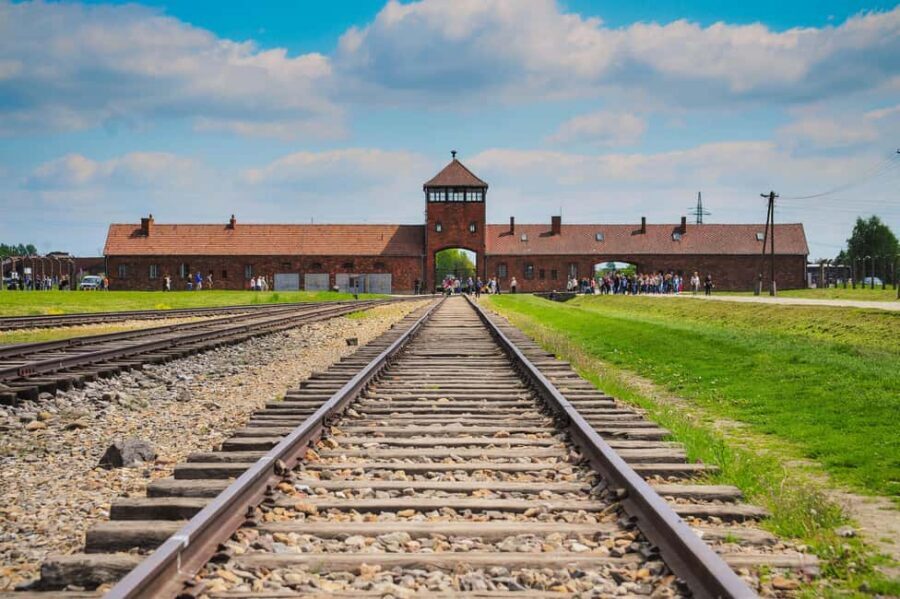
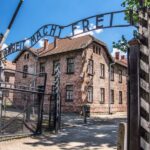
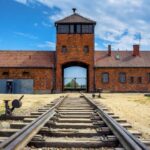
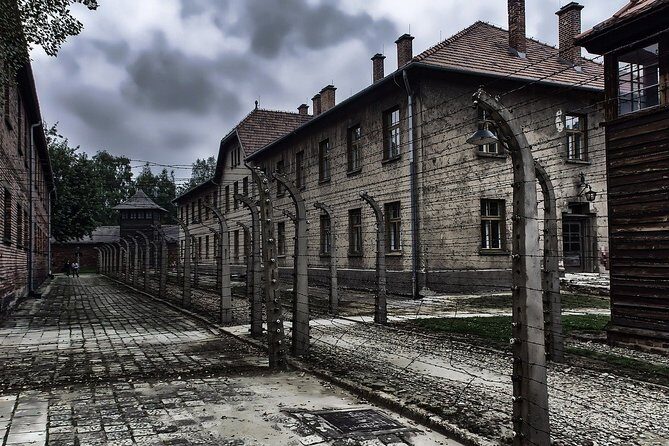
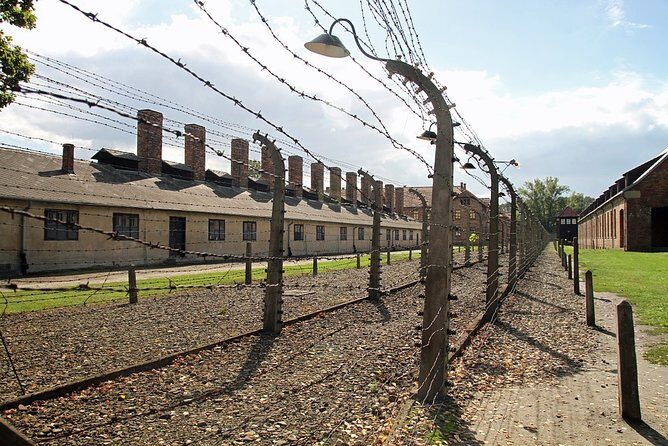
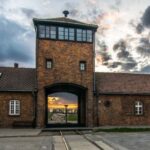
Auschwitz-Birkenau is the largest death camp in human history. It was built by the Nazis in 1940 in the suburbs of Oswiecim, and the estimated death toll is over 1.5 million people across 28 nationalities, with almost 90% of the victims being Jewish. Since 1979 the site has been on the UNESCO World Heritage list. Even if you’ve read about it before, seeing it with a guide helps you place details in context instead of just absorbing a grim atmosphere.
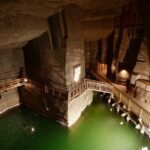
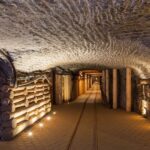
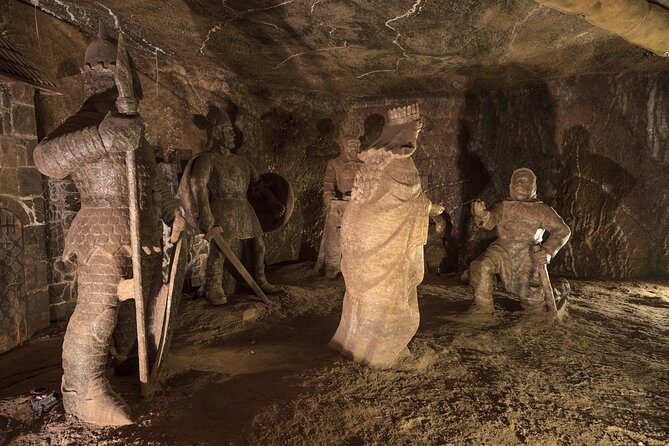
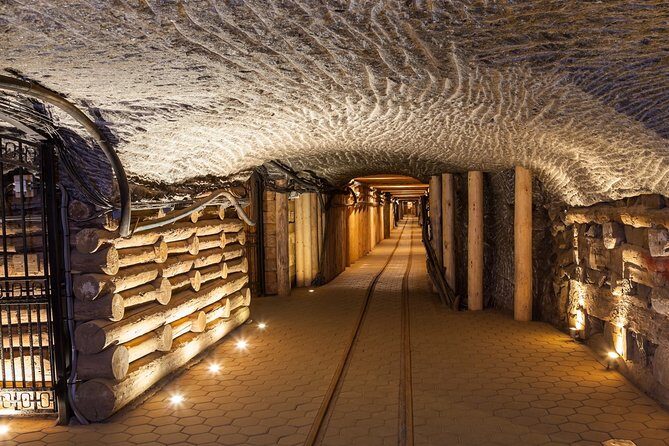
Then you pivot to the Wieliczka Salt Mine, also UNESCO-listed. Instead of learning through tragedy, you’re learning through workmanship: chambers, chapels, and carved sculptures built inside tunnels that stretch for about 3.5 kilometers (roughly 2 miles). It’s a strange contrast, but it’s also a strong reminder that human history is always layered—suffering, yes, but also human ingenuity.
A few more Krakow tours and experiences worth a look
Getting there smoothly from Kraków (and why the morning matters)
The tour starts in Kraków and typically begins around 7:30 am. The exact timing is confirmed 1 or 2 days before, and pickup may be earlier than you expect. You’ll want to watch your messages carefully so you don’t miss the bus—this is one of those days where being late creates real chaos for the whole schedule.
Transport is included both ways, with a professional English-speaking driver handling the driving. The group size is capped at 15, which usually makes the ride feel more human than “big bus cattle” energy.
One practical note: this kind of itinerary compresses everything. If you’re relying on being able to grab food whenever you want, don’t. The tour includes no meals, and there isn’t clear, pre-set lunch guidance in the basic information you receive. I’d plan as if you’ll eat on the go: pack something small, bring a refillable bottle, and accept that you’re going to be on a clock.
Stop 1: Wieliczka Salt Mine tunnels, chapels, and carved sculptures
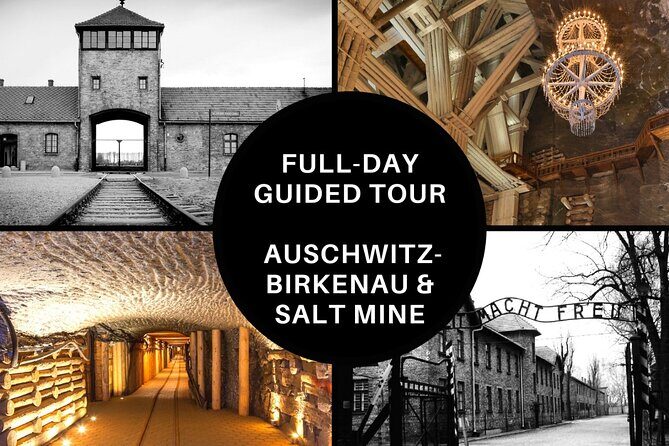
You start with Wieliczka Salt Mine, spending about 2 hours underground with a live guide. This is a smart warm-up choice before Auschwitz. You ease into the idea of learning from a place itself—architecture, art, and craft—before you move into a site where the learning is about atrocity and memory.
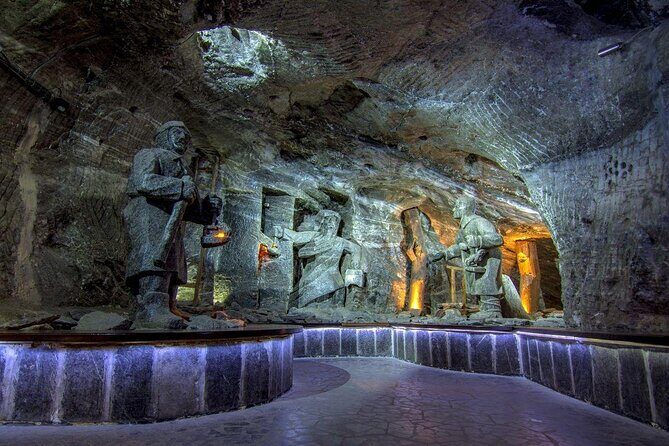
What makes the salt mine stand out is the “built world” inside the rock. You’re shown not just corridors, but rooms with a purpose: chambers, chapels, and amazing carved sculptures made by miners over time. Even if you don’t love guided tours in general, the mine is one of those places where a guide helps you notice what you might otherwise walk past.
Because it’s a tunnel system, expect some walking and stair steps. The tour asks for a moderate physical fitness level, so choose shoes that you trust on uneven surfaces. If you’re someone who gets cold easily, keep a light layer handy; underground spaces can feel cooler than Kraków streets (even when the sky above is warm).
The biggest drawback here is not the mine itself—it’s the time. Two hours is enough to see the highlight sections, but you won’t have time to linger if a particular chapel or sculpture hits you hard. That’s okay. This is a two-site day; you’re building an overall picture, not chasing every last corner.
Stop 2: Auschwitz-Birkenau with a guided walk that keeps things grounded
Then the tone shifts. You head to Oświęcim for Auschwitz-Birkenau, with about 3 hours at the museum area in a group tour with a live guide. Tickets are included, and the experience centers on learning in a structured, respectful way.
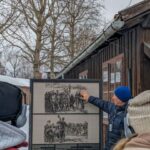
Auschwitz-Birkenau can be overwhelming even when you think you’re prepared. One of the best ways to handle that overload is to let the guide give you a framework—what you’re looking at, why it matters, and how the layout connects to the system of persecution. In the experience set-up, there’s also an audio system using headphones reported to make the guide easier to hear, which matters when you’re moving and trying not to fall behind.
Also, be ready for this to feel “respect-heavy.” This is not the kind of place where you want to rush, talk over others, or treat it like a photo stop. You don’t need to be solemn to be careful—you just need to act like you’re inside a real historical record.
A small tip: give yourself mental space. When you’re hit with facts that you’ve only seen on a page, the emotional reaction can come in waves. If you feel a bit numb at first, that can be normal. Don’t fight it. The guide’s job is to bring order to the details; your job is to stay present.
Time pressure and how to pace an 11-hour schedule
This tour runs roughly 11 hours total. That’s long enough that tired feet are guaranteed, even if you’re in good shape. The key is pacing yourself between the two sites.
Here’s what the structure implies for you:
- Morning at Wieliczka (about 2 hours): plan for walking, cool air, and a guided flow that doesn’t stop for long side interests.
- Later at Auschwitz-Birkenau (about 3 hours): plan for emotional processing and steady movement with the group.
There’s also a detail worth taking seriously: communication about breaks and meals. In one reported experience, the schedule was adjusted earlier than expected, and there wasn’t clear explanation about lunch timing. Don’t gamble on “there will definitely be time for food.” Instead, treat this like a full-day hike: eat before you’re hungry, and keep small snacks in your bag.
And don’t forget the practical side of day trips: you’ll be in transit more than you might expect. Build in patience for the road. Kraków to Oświęcim is not next door, and the whole plan depends on everyone boarding on time.
Price and value: what your $110.54 actually covers
At $110.54 per person, this tour sits in the category of “pay for convenience” rather than “DIY it cheaply.” And here’s the logic that makes it feel fair.
You’re paying for:
- Round-trip transfers between Kraków and both sites
- Guided group tours at both destinations with live guides
- Tickets included for both Auschwitz-Birkenau and the Salt Mine
- Pickup available from your accommodation or a meeting point
- A small group cap (max 15), which usually helps the experience feel less rushed
If you tried to build this yourself, you’d spend time coordinating transportation, tickets, and guide logistics. Even if you managed to save a few dollars, you’d likely spend more energy solving problems that this tour smooths over.
What you should judge is not just the price, but the trade: you get structure and tickets, but you give up flexibility. If you like wandering freely, you might feel constrained. If you like being guided and handled end-to-end, this looks like good value.
Who should book this tour (and who should think twice)
This is a strong fit if you:
- Want a one-day way to cover both Kraków’s biggest UNESCO drawcards
- Prefer guided context over trying to read everything on-site
- Like small groups (max 15) and a defined timeline
- Appreciate an included audio setup that helps you hear the guide clearly
You might think twice if you:
- Get frustrated by schedule changes or early pickups
- Need lots of free time for meals and wandering
- Have very limited stamina for walking and stair steps (the tour calls for moderate physical fitness)
Also, if you’re visiting Kraków and you only have a day to spare, this “big hits” format can be a practical way to make your time count.
My booking advice: should you choose it?
I’d book it if you want a guided, ticketed day that covers Auschwitz-Birkenau and the Wieliczka Salt Mine without you doing the planning math. The value comes from the combination of transfers, tickets, and the fact that both stops are handled with live guidance.
Before you hit the confirm button, do two things:
- Plan your morning around the fact that pickup timing can change, sometimes earlier than you’d guess.
- Bring a realistic day plan for food: no meals are included, so pack something small and flexible.
If you do those two things, you’ll get what this tour is best at: a structured day that helps you see, learn, and leave with a clearer understanding of two UNESCO sites that shaped European history in very different ways.
FAQ
How long is the full-day tour?
The tour lasts about 11 hours (approx.).
What are the main stops on the tour?
You visit Wieliczka Salt Mine first, then Auschwitz-Birkenau in Oświęcim.
How much time do we spend at each site?
You spend about 2 hours at the salt mine and about 3 hours at Auschwitz-Birkenau.
Is hotel pickup included?
Yes. Pickup from your accommodation is offered, or you can use the meeting point.
Are admission tickets included?
Yes. Tickets to Auschwitz-Birkenau and the Salt Mine are included.
What does the price include?
It includes guided group tours with live guides at both sites, transfer both ways, a professional English-speaking driver, and tickets. Mobile ticket is used.
Is food included during the tour?
No. Food and drinks are not included.
How large is the group?
The tour has a maximum of 15 travelers.
What should I bring or prepare for?
Wear comfortable shoes and plan for walking and some stair steps. The tour asks for moderate physical fitness.
Can the tour start time change?
Yes. The start time is approximate and can be changed; it will be confirmed 1 or 2 days before the tour.
Is it refundable if I cancel?
No. This experience is non-refundable and cannot be changed for any reason. If it’s canceled because the minimum number of travelers isn’t met, you’ll be offered a different date/experience or a full refund.
Where does the tour end?
The tour ends near Kraków Old Town.