REVIEW · KRAKOW
Krakow: Auschwitz-Birkenau & Wieliczka Salt Mine with Lunch
Book on GetYourGuide →Operated by AT Cracow · Bookable on GetYourGuide
Two worlds, one long day. This Auschwitz-Birkenau and Wieliczka combo tour is interesting because you get both the sobering camp history and the surreal underground salt sculptures in a single guided, ticketed schedule, without you having to coordinate transport between sites. I especially like how the licensed guides keep the stories clear and factual, and how the day is managed so you’re not stuck guessing what to do next.
Second, I love the mine itself: the 700 steps down, the 3 km of corridors, and landmarks like the Chapel of the Blessed Saint Kinga. The main drawback is simple and important: it’s a long, walking-heavy day, and the included packed lunch can be basic, sometimes even disappointing depending on circumstances.
In This Review
- Quick hits
- Auschwitz-Birkenau Meets the Salt Mine: Why This Combo Works
- The Day’s Backbone: Pickup, Bus Transfers, and Timing Reality
- Auschwitz I: Arbeit Macht Frei, Barracks, and Prisoner Evidence
- Birkenau: Wooden Blocks, Ruins, and the Scale You Feel
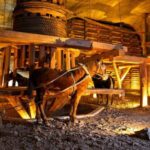
- Wieliczka Salt Mine: The 700 Steps Down to Sculpted History
- Lunch, Shoes, and the Small Decisions That Save Your Day
- Price and Value: What $251 Gets You (and What It Doesn’t)
- Who Should Book This One, and Who Might Prefer Two Days
- Should You Book This Tour? My Bottom Line
- FAQ
- How long is the tour?
- What’s included in the tour price?
- Where does the tour start and end?
- What do you do at Auschwitz-Birkenau?
- What’s the underground experience like at Wieliczka Salt Mine?
- Is the tour guide language English?
- What ID do I need?
- Is cancellation possible?
Quick hits
- Guided Auschwitz and Birkenau with entry tickets and headsets so you can actually follow the story
- 3 km underground route in Wieliczka, plus the famous chapel area and two underground lakes
- A structured day that combines both sites with bus transfers so you’re not juggling schedules
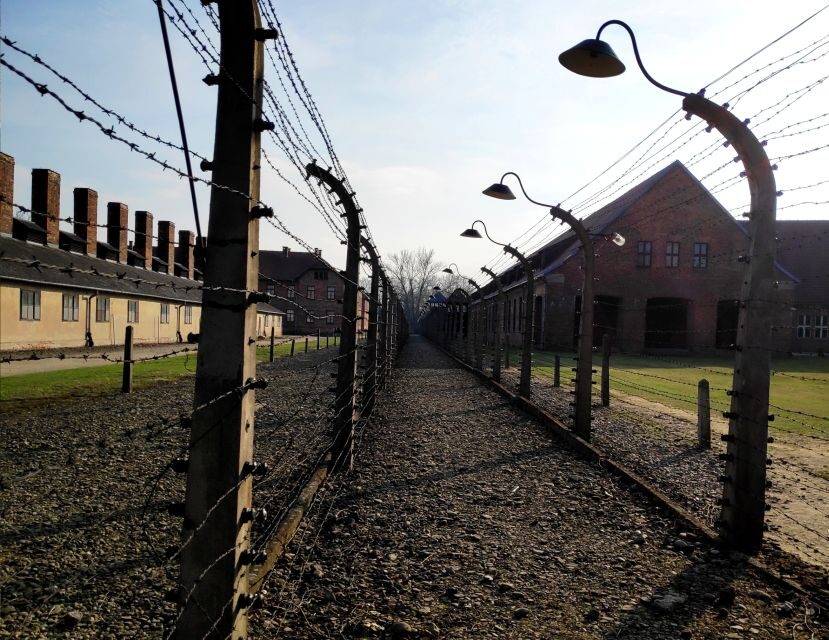
- Real artifacts and visuals at Auschwitz I, including barracks and prisoner items on display
- A long pacing reality check: crowds at Auschwitz and lots of walking at both locations
Auschwitz-Birkenau Meets the Salt Mine: Why This Combo Works
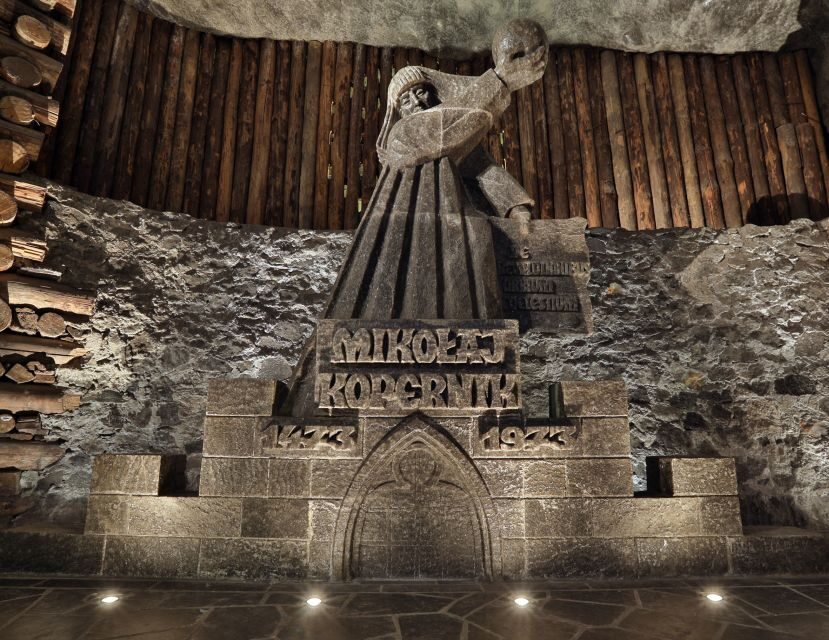
This is not a casual day trip. You’re pairing one of Europe’s most devastating memorials with an underground site that feels almost dreamlike. That contrast is exactly what makes the tour powerful. You go from the brick and wire reality of Nazi Germany to a world carved by salt workers over centuries.
The value of doing them together is also practical. You save time planning how to get from Kraków to Auschwitz, then on to Wieliczka. With a licensed guide and tickets handled, your day runs like a track, not like a choose-your-own-adventure. You can focus on the two experiences you came for.
That said, the emotional weight is real, and the walking adds up. If you prefer slow, quiet reflection (especially at Auschwitz), cramming both in one day can make absorption harder when crowds are thick.
A few more Krakow tours and experiences worth a look
The Day’s Backbone: Pickup, Bus Transfers, and Timing Reality
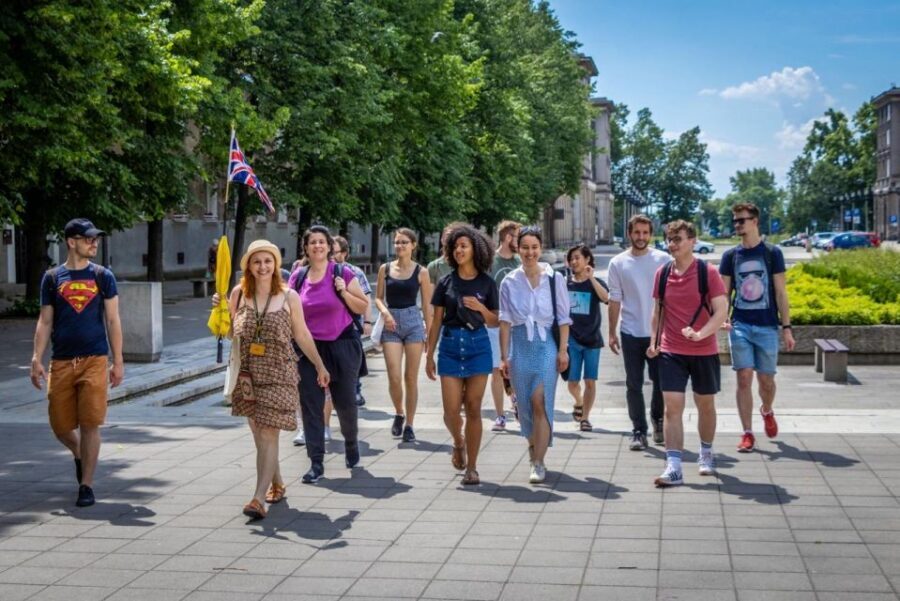
You’ll start in Kraków with pickup arranged near the city center (within about a 1.5 km radius). The driver waits briefly—about 5 minutes after the scheduled time—so be ready at the pickup point early. From there, the day is built around bus travel between three major zones: Kraków → Auschwitz → Wieliczka → Kraków area drop-off.
Expect the transfers to be part of your schedule rather than a buffer. The route is roughly:
- Kraków to Auschwitz: about 1h15
- Auschwitz to Wieliczka: about 1h15
- Wieliczka back to Kraków: about 40 minutes
Once you’re on the ground, you’ll also deal with museum flow. At Auschwitz-Birkenau, there can be a waiting period before entry due to demand, so it helps to dress for that reality. You’ll have time to get your bearings and settle in before your guided walk begins.
In short: this is a tour that moves. That’s good for logistics, but it means your energy level matters.
Auschwitz I: Arbeit Macht Frei, Barracks, and Prisoner Evidence
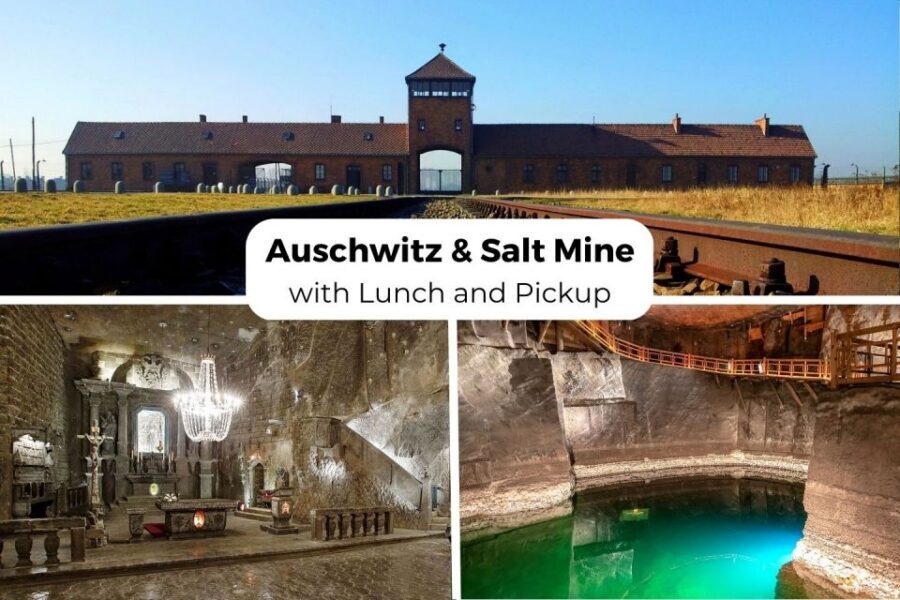
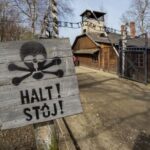
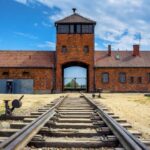
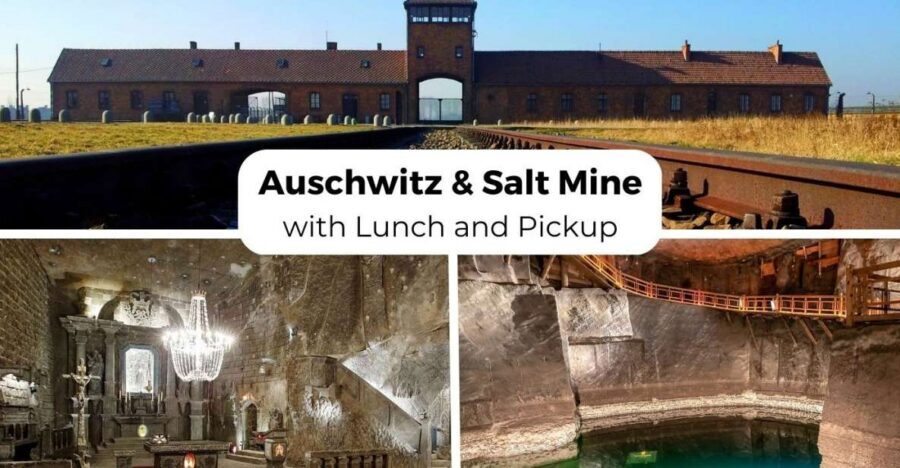
Auschwitz I is the part that hits you with density. You’re not just looking at buildings—you’re moving through a documented system of forced labor, imprisonment, and murder. You enter through the main gate with the inscription Arbeit Macht Frei (Work sets you free). Seeing it in context is a jolt, not a history trivia moment.
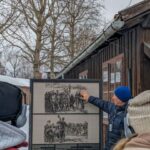
The guided visit here is designed to make the museum make sense. You’ll spend about two hours in this section, with stops focused on:
- brick barracks
- prisoner artifacts
- photographs and period documentation
- reconstructions that clarify how the complex functioned
- remaining elements connected to gas chambers and crematories
What I like about visiting with a guide is how they handle the gaps and myths. Nazi history attracts rumors, oversimplifications, and half-truths online. A real licensed guide gives you the facts and the framing so your questions don’t turn into rabbit holes.
A drawback to plan for: Auschwitz can be busy. When there are lots of people, it can be harder to absorb everything in the moment. The headset helps, but your brain still has to process crowds, noise, and heavy content at once.
Birkenau: Wooden Blocks, Ruins, and the Scale You Feel
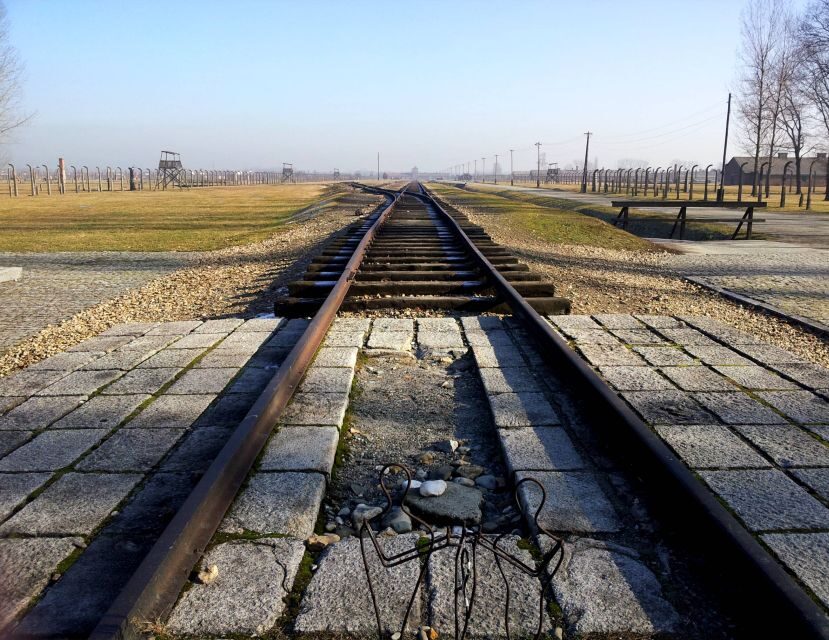
After Auschwitz I, you move to Auschwitz II–Birkenau, which is where the camp’s scale becomes unforgettable. Transport between the two areas is quick (about 10 minutes), but the shift in atmosphere is huge.
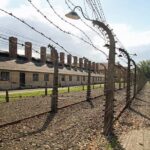
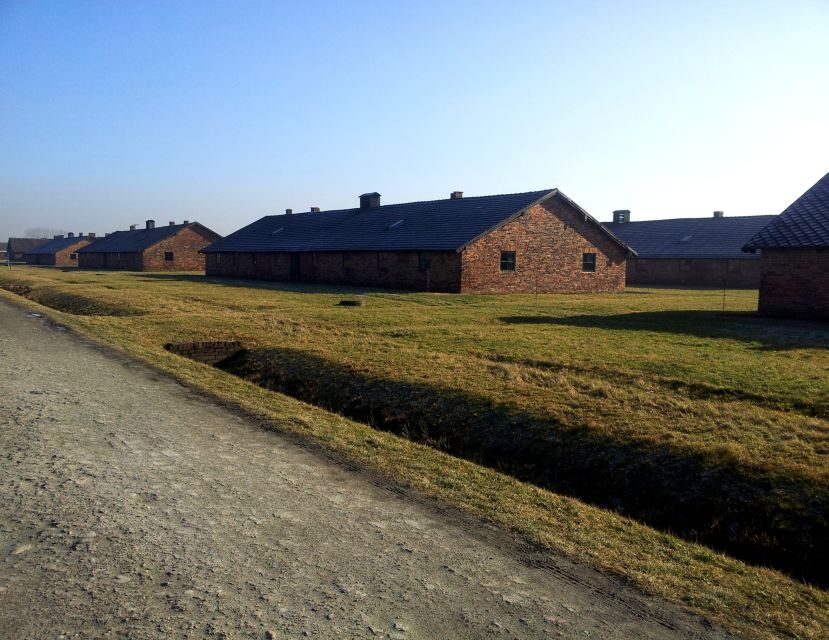
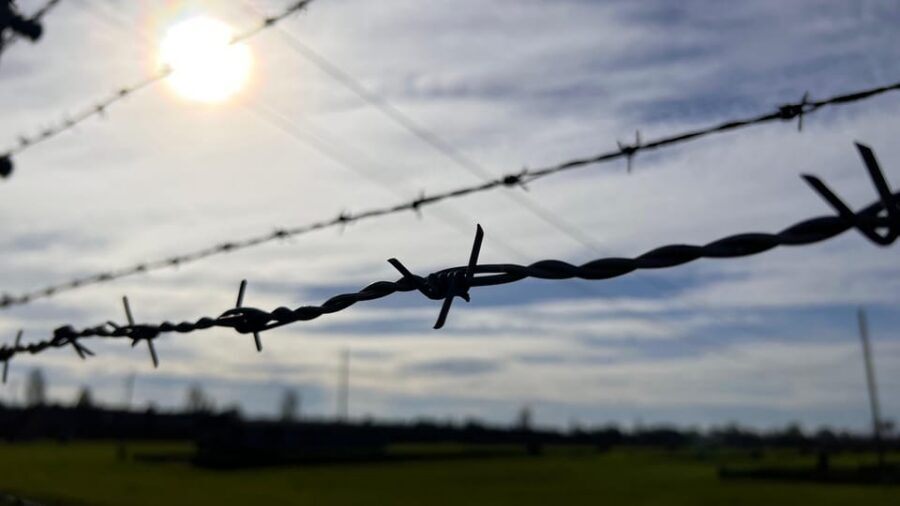
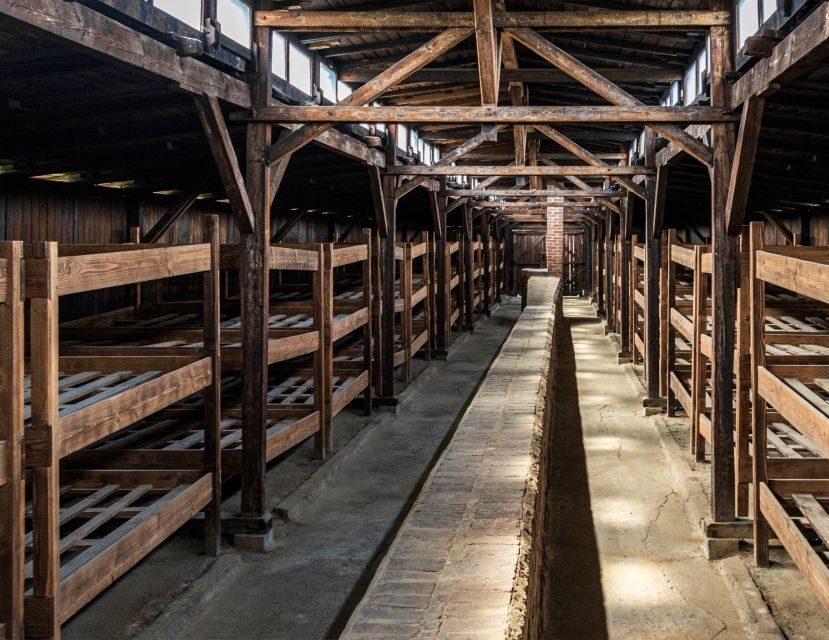
The Birkenau visit is shorter than Auschwitz I, typically around 1 to 1.5 hours depending on timing. You’ll see the wooden blocks and the ruins of chambers and crematoria while your guide explains the history of Nazi Germany and what these sites were used for.
Birkenau often feels more open-air and raw, and that can make the story easier to grasp visually. The outdoors setting also means the day’s weather affects your experience more. Dress with that in mind.
If Auschwitz I felt like a museum you walked through, Birkenau feels like a place you walk across. It’s not just what you see—it’s what your mind does with the scale.
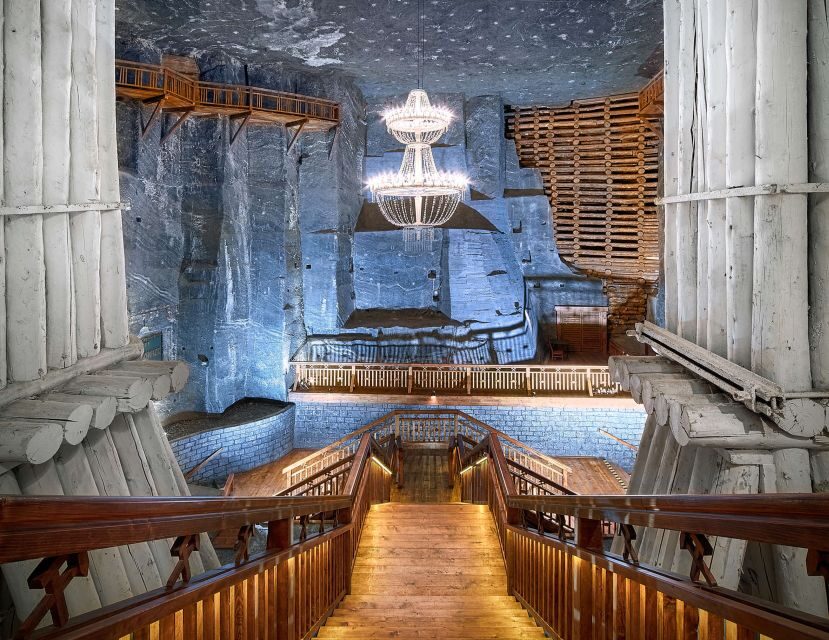
Wieliczka Salt Mine: The 700 Steps Down to Sculpted History
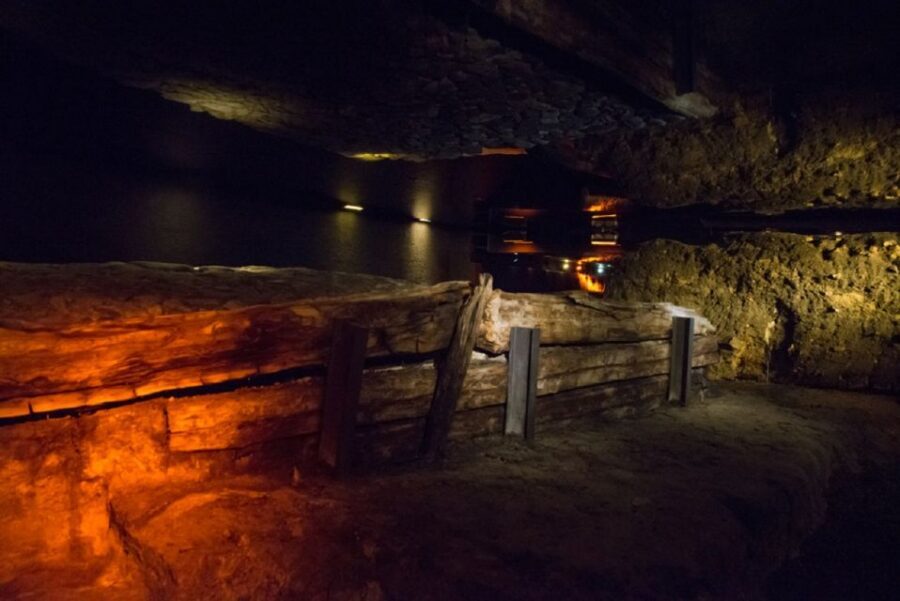
Then you get the other half of the day: Wieliczka Salt Mine. This is one of those stops that can surprise you even if you think you know what to expect. Yes, it’s a tourist attraction. But it’s also genuinely impressive—an underground world with working-mine history turned into preserved chambers and chapels.
You’ll visit for about three hours, including the main walking route. The mine experience includes:
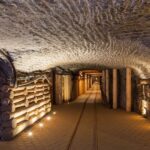
- descending 700 steps
- traveling roughly 3 km of underground corridors
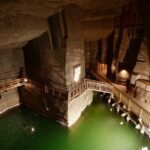
- seeing two underground lakes
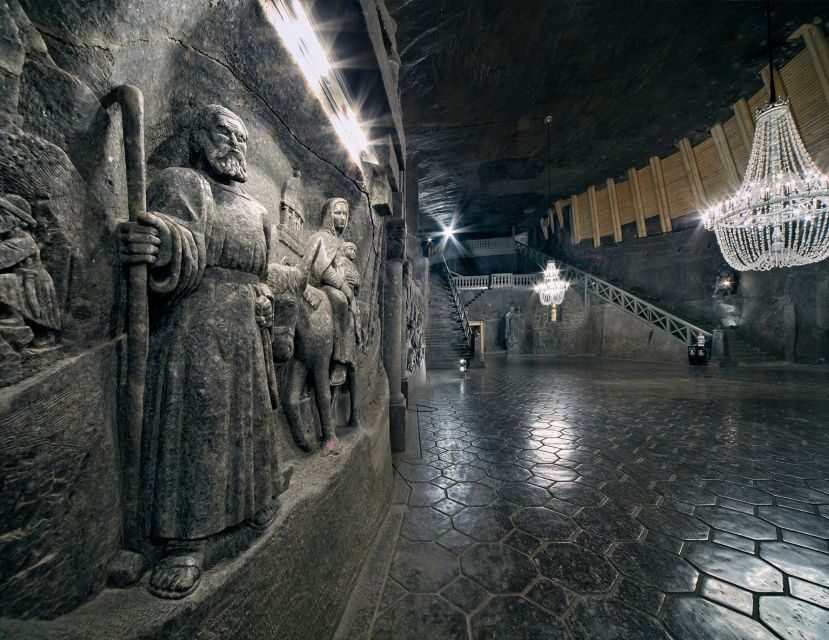
- visiting the Chapel of the Blessed Saint Kinga
Temperatures underground stay fairly cool, around 14–17°C, so even in warm Kraków, you’ll want layers.
One practical note: in a long day, the mine can feel slow for some people. The route is scenic and the guide’s stories matter, but it’s still a guided march through underground spaces. If you love quiet and short attention spans, don’t expect this portion to be a sprint.
What I do like is how guides explain facts and stories—plus the myths that grew around the mine over time. That’s part of why the visit works: you’re not just walking from room to room. You’re learning what salt mining meant, why certain chambers were used, and how the underground landscape became something sacred and famous.
Lunch, Shoes, and the Small Decisions That Save Your Day
Let’s talk food and comfort, because this tour is long enough that you’ll feel everything by the end.
You can add an optional lunch box (ham, vegetarian, or vegan). On paper, that sounds straightforward. In real life, lunch quality can vary, and in some cases it may not be delivered as expected. So my advice is simple: treat lunch as a bonus, not your only plan.
Bring:
- comfortable shoes with good grip (you’ll walk a lot)
- a light rain layer or sun protection depending on season
- a snack stash if you’re picky about lunch, or if you just know you’ll get hungry
Also plan for security. You’ll go through airport-style security at Auschwitz. That adds time, and it’s another reason the day feels packed even when everything runs on schedule.
Finally, the mine’s cool temperature means you might want a warmer layer than you think. Even if you’re sweating above ground, underground can feel chilly fast.
Price and Value: What $251 Gets You (and What It Doesn’t)
At about $251 per person for an 11-hour day, the big question is whether you’re paying for convenience—or for access.
You’re paying for:
- transportation from Kraków and between the sites
- entry tickets for Auschwitz-Birkenau and Wieliczka
- a licensed guide at both locations
- headsets to hear your guide clearly
- optional lunch box if you selected it
That’s not cheap, but it adds up when you consider the coordination effort you’d otherwise need to do yourself. The guides also matter here. At Auschwitz especially, having context turns a list of sights into a coherent understanding.
What’s not included:
- hotel drop-off at the end (you finish at a designated location: Wielopole 2)
So if you’re staying farther out, check how you’ll get back. And if you’re trying to save money by skipping the guide, remember that both sites are built for guided interpretation. You can do them independently, but you’ll likely spend more time figuring out what to prioritize while also coping with museum crowds.
In value terms, this tour tends to win when:
- you want one-day efficiency
- you prefer someone else handles tickets and routing
- you like guided context rather than total self-direction
Who Should Book This One, and Who Might Prefer Two Days
This tour is best for people who want a structured day and don’t mind intense emotions mixed with physical walking. I’d especially suggest it if:
- it’s your first time to Kraków and you only have one full day
- you prefer guided interpretation at Auschwitz-Birkenau
- you’re okay with long hours and a tight schedule
It may be less ideal if:
- you hate crowds and want the freedom to pause repeatedly
- you have mobility limitations (this is not described as suitable for mobility impairments)
- you want a slower pace at Auschwitz so you can fully absorb each stop
Some people do better by splitting the sites across separate days. That lets you handle the emotional reset between memorial and mine, and it gives you room to linger when your brain needs time.
Should You Book This Tour? My Bottom Line
If you want the two must-sees of the region in one day—and you value guided access plus organized transport—this combo tour is a strong pick. The standout strength is the guiding at both locations, which helps you connect artifacts, photos, and ruins into a story you can actually follow. The salt mine portion is also a great relief valve after Auschwitz, even when you’re tired.
But go in with clear expectations: it’s long, it’s walking-heavy, and you’ll likely feel emotionally drained by the end. If you can only do one day, this tour delivers. If you have extra time in Kraków and you want breathing room—especially at Auschwitz—consider doing Auschwitz and Wieliczka on different days instead.
Either way, pack layers, wear good shoes, and don’t rely solely on the included lunch.
FAQ
How long is the tour?
It runs for about 11 hours total.
What’s included in the tour price?
You get Auschwitz-Birkenau Memorial and Museum entry tickets, Wieliczka Salt Mine entry tickets, a licensed English guide, headsets, and transportation from Kraków between sites. An optional lunch box is included only if you select that option.
Where does the tour start and end?
It starts with pickup in Kraków (hotel pickup can be arranged if selected). It does not include hotel drop-off, and the tour ends at a designated location in Kraków: Wielopole 2.
What do you do at Auschwitz-Birkenau?
You visit Auschwitz I and Auschwitz II–Birkenau with guided entry. You’ll see areas connected to the main gate inscription Arbeit Macht Frei, barracks, prisoner artifacts and photographs at Auschwitz I, and wooden blocks and ruins at Birkenau.
What’s the underground experience like at Wieliczka Salt Mine?
You descend about 700 steps and walk around 3 km of underground corridors. The visit includes sights such as two lakes and the Chapel of the Blessed Saint Kinga. Temperatures underground are typically 14–17°C.
Is the tour guide language English?
Yes, the live tour guide is English.
What ID do I need?
You need a passport or ID card. The full names of participants must match what you provide during booking, or entry can be refused.
Is cancellation possible?
Yes. It offers free cancellation up to 24 hours in advance for a full refund, and it also has a reserve now & pay later option.