REVIEW · KRAKOW
Auschwitz Birkenau Tour with Pickup and Lunch
Book on Viator →Operated by Royal Tours Krakow · Bookable on Viator
Auschwitz is heavy, but well-run tours help. This day trip from Krakow pairs round-trip minivan transport with headsets so you can actually follow the guide. One drawback to plan for: the site is vast and the pace can be tough if you’re not a fast walker.
I like that the tour is built for a full, meaningful visit: Auschwitz I first, then the much larger Auschwitz II Birkenau, ending with time at the memorial area. You’ll also get a boxed lunch so you’re not scrambling for food during an already long emotional day.
In This Review
- Key things to know before you go
- Auschwitz-Birkenau From Krakow: How This Tour Delivers Real Value
- Getting There and Staying Together: Pickup, Timing, and Headsets
- Auschwitz I: Walking the Iron Gate and Facing Block 11
- Auschwitz II Birkenau: The Scale Shock and the Memorial Moment
- Lunch Box Reality: What You Get, When You Get It, and How to Plan
- Guide Experience: The Difference Between Hearing Words and Getting Meaning
- The Logistics That Matter Most: Walking Distance, Weather, and Group Control
- Who Should Book This Auschwitz and Birkenau Tour From Krakow
- Should You Book This Tour?
- FAQ
- Is admission to Auschwitz included in the tour price?
- Do I get hotel pickup from Krakow?
- What language is the tour guide speaking?
- Is lunch included, and what options are available?
- How long is the tour?
- How many people are in the group?
- Are children allowed on the tour?
Key things to know before you go
- Minivan pickup and drop-off: You’ll be moved between Auschwitz I and II in an air-conditioned minivan.
- Headsets are provided: They’re there for a reason, since the guide’s voice has to travel over crowds and distance.
- Lunch box is included: Meat, vegetarian, and vegan options are available in the lunch package.
- Auschwitz I comes first: You’ll walk through the famous entrance gate and focus on specific areas like Block 11.
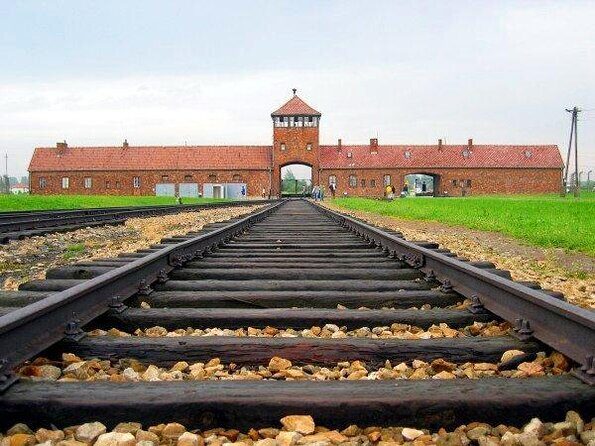
- Birkenau is the bigger shock: It’s described as roughly 25 times the size of Auschwitz I, and it’s where scale hits hardest.
- Small groups: The cap is 30 travelers, which generally makes it easier to stay together.
Auschwitz-Birkenau From Krakow: How This Tour Delivers Real Value
If you’re short on time in Krakow, an Auschwitz-Birkenau tour like this is usually the cleanest way to do it. The price is listed at $71.08 per person, and what you’re paying for is more than the ticket—it’s the full-day structure: transport, a professional guide, and equipment like headsets that help you keep up.
I also like that the duration is framed as about 4 to 7 hours, because Auschwitz visits rarely feel like a quick museum stop. You’re dealing with crowds, security, walking, and the emotional weight of what you’re seeing. Having the itinerary mapped out can keep you from wasting energy on logistics.
This isn’t a “relax and sightsee” outing. It’s respectful, focused, and long. And in my opinion, the best value is when the day runs smoothly enough that you can concentrate on the history.
A few more Krakow tours and experiences worth a look
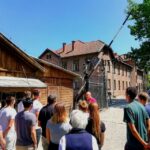
Getting There and Staying Together: Pickup, Timing, and Headsets
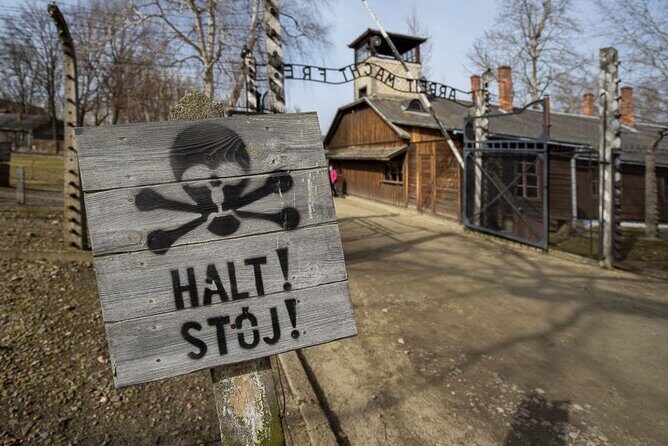
The tour includes hotel pickup if chosen, plus drop-off back at the meeting point. You’re told the precise pickup time a day before, which helps. Still, a practical note: you may not be picked up exactly at your hotel door if the area isn’t friendly for a bus. In at least one case, guests were walked a short distance because the van had to park where it could.
Once you’re on the minivan, the biggest “make or break” factor isn’t comfort—it’s the day’s timing. Several accounts talk about late pickups or later start times impacting plans. That doesn’t mean you should panic, but it does mean you should treat the schedule as something to confirm and not something to assume will be perfect.
Headsets matter here. The tour provides them so you can hear the English-speaking guide clearly. In one report, the headset signal was lost when a person got too far behind, and that’s a real tip for you: if you want details (especially in Auschwitz), stay close enough to maintain audio. Think of it like a guided walk where your position affects what you hear.
Auschwitz I: Walking the Iron Gate and Facing Block 11
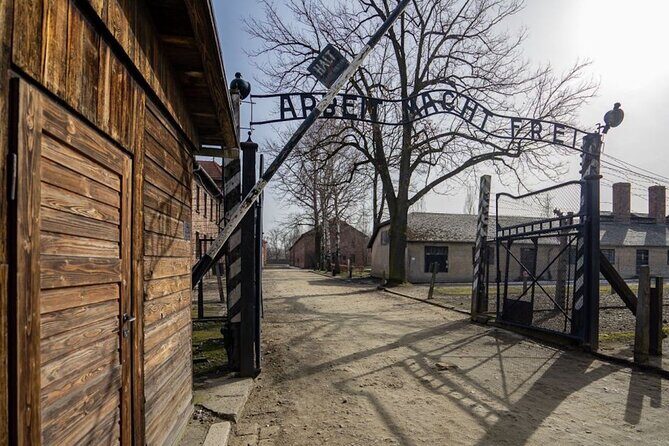
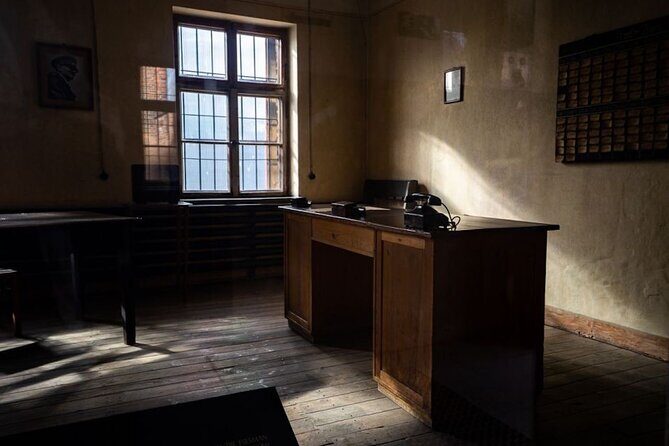
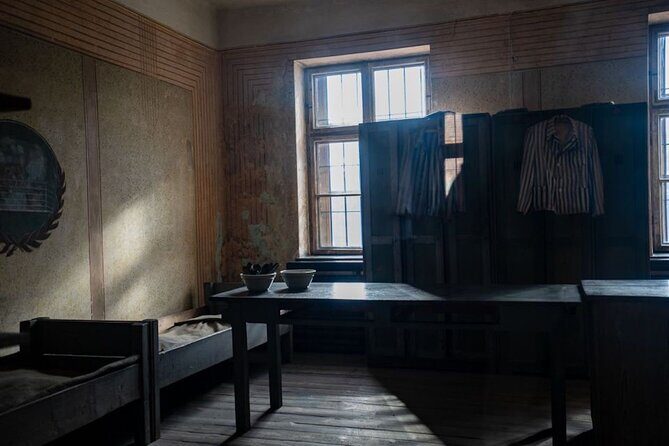
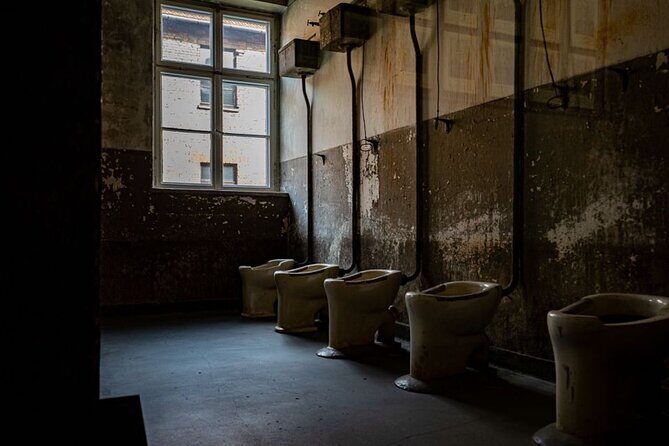
Auschwitz I is where your brain starts to understand the system. You enter through the iron gate with the slogan Arbeit Macht Frei, and from there the tour takes you into the camp’s core. The itinerary highlights 22 brick barracks, used as prison blocks for hundreds of thousands of victims.
What makes this part so memorable is how specific the guide experience is. The tour doesn’t just say “awful things happened.” It points you toward key spaces—especially Block 11, described as a prison within the prison. This is where the narrative turns to special torture chambers, including dark chambers and standing cells, and where the first attempts at killing people with Zyklon B took place (as the tour explanation presents it).
At the end of Auschwitz I, you’ll also reach the preserved crematorium and gas chamber. That preservation matters because it shifts the visit from stories to physical evidence you can stand next to.
A personal note on how to handle this: don’t try to absorb everything at once. Instead, pick a few anchor moments—like the gate, Block 11, and the crematorium area—and let those guide your attention. It makes the day feel less like information overload and more like a sequence you can process.
Auschwitz II Birkenau: The Scale Shock and the Memorial Moment
After Auschwitz I, you move by minivan to Auschwitz II Birkenau. The tour frames Birkenau as about 25 times larger than Auschwitz I and notes it as the largest death camp. It also gives the blunt figure that over 1,100,000 people were murdered there.
This is the stop where scale does the talking. Birkenau spreads out in a way that can feel disorienting at first. The tour structure helps because you’re not wandering alone—you’re following a guide who can connect what you’re seeing to how the camp operated and what happened to people.
The final part of the visit is at the Memorial area, where the tour ends with time to pay respect to the victims of Nazi genocide. That ending isn’t just a checkbox. It’s a moment that helps you close the day with dignity instead of rushing straight back to transport mode.
If you’re the kind of person who needs quiet time to think, this ending zone is where you’ll likely use it best. Put your phone away. Use your eyes.
Lunch Box Reality: What You Get, When You Get It, and How to Plan
This tour includes lunch, and that’s genuinely useful on a day like this. You’re given a lunch box with choices: meat, vegetarian, or vegan. The package is described as containing two sandwiches, an apple, a dark chocolate wafer, still mineral water (0.5 l), and basic items like tissue and a paper bag.
On paper, that’s a solid package—enough to keep your energy stable during two camp visits. And you don’t have to stop for food on the street, which is one less stressful decision while you’re dealing with the rest of the day.
Here’s the practical snag: in some experiences, the lunch timing is tight. One account described only about 10 minutes to eat lunch, which isn’t enough for most people to comfortably eat and also handle the restroom. Another account said the lunch wasn’t handed out until later, after the guest asked.
So my advice is simple: treat lunch as “included, but don’t count on a long sit-down.” If the tour pace is fast, you’ll still want your energy up, but you’ll need to eat quickly.
Also, pay attention to rules about food and drink. One report specifically said guests weren’t allowed to eat or drink in certain areas, including on the bus and inside parts of the site. The safest mindset is to assume there may be restrictions. If you care about staying comfortable, dress in layers and plan for limited opportunities to drink outside the lunch window—because your lunch water is part of the plan.


Guide Experience: The Difference Between Hearing Words and Getting Meaning
The guide is a central part of why this tour works. The tour provides a professional guide and uses headsets to make sure you can hear the explanation in English.
In the best versions of this kind of tour, the guide’s delivery matches the subject. One guest described Evalina as brilliant and respectful, with the tone and empathy the visit needs. Another praised Magdalena for speaking excellent English and for being full of knowledge. Marcin was singled out for compassion and empathy in the way he guided the group.
That said, the day can also be uneven depending on pacing. One criticism was that guides started talking before everyone was assembled, which made it feel rushed. Another noted that loudness and group positioning mattered a lot: if you’re farther forward, you might hear but not see, and that can make the explanation harder to follow.
Here’s how you can make the guide experience better as a passenger:
- Stay close enough to keep headset audio working.
- If the group spreads out, pause and re-focus before moving forward.
- If you’re sensitive to long walking, plan to slow down slightly rather than falling far behind.
You don’t want to miss details in Auschwitz. You want the information to land, not just pass through.
The Logistics That Matter Most: Walking Distance, Weather, and Group Control
Auschwitz isn’t one stop. It’s two camps with walking between them and areas where you move through at a serious pace. Some accounts mention long walking distances and trouble keeping up, especially when groups move between points. One guest also noted heavy rain and found it difficult, but that part is no one’s fault—weather is weather.
Group control is where you’ll notice the difference between tours. A well-organized group helps you feel guided even when you’re physically overwhelmed. A few complaints point to late pickup and schedule shifts, which can reduce your buffer for the day.
Also, pay attention to tour notes about where you meet and where you’re dropped. Even when hotel pickup is chosen, vans may park somewhere else and walk you a short distance. That’s normal enough, but it’s worth knowing so you don’t start the day already frustrated.
And one more practical point: if you’re carrying a bag, keep it manageable. The day includes museum areas and walking routes, and you’ll want your hands free when you need them.
Who Should Book This Auschwitz and Birkenau Tour From Krakow
This tour is built for first-time visitors who want a guided, structured visit with clear narration and practical help. The tour is offered in English, uses headsets, and keeps groups to a maximum of 30 travelers, which is a good balance between personal attention and group efficiency.
It’s also a good match if you want pickup and drop-off so you’re not figuring out trains, transfers, or timing on your own.
But consider your walking tolerance. The tour includes long, emotionally heavy walks, and some accounts highlight difficulties for people who aren’t quick walkers. One complaint also involved a mobility scooter situation where expectations about support didn’t match reality. The tour’s own note says most travelers can participate, but your real-world experience will depend on your pace and how tightly the group stays together.
If you’re someone who needs extra time at each stop, you might feel rushed. If you’re someone who can keep up and listen carefully, you’ll likely feel like the day was well organized.
Should You Book This Tour?
I’d book it if you want a guided Auschwitz I + Birkenau day from Krakow with transport, headsets, and lunch included. Those are the exact things that reduce stress when you’re visiting a place that doesn’t forgive distraction.
I’d also book it if you’re confident you can stay close to the guide so you don’t lose headset audio. And if you’re the type of traveler who likes structure—knowing where you’re going next—this itinerary style will help you focus.
I’d think twice if you’re very sensitive to schedule changes or if you need slower, more spaced-out movement. The written experiences include cases of late pickup and tight lunch windows. Nothing should stop you from going to Auschwitz, but it might affect whether this exact operator style fits your needs.
If you do book, go in with the right mindset: this isn’t about comfort. It’s about seeing, hearing, and remembering.
FAQ
Is admission to Auschwitz included in the tour price?
Yes. An admission ticket is included for the Auschwitz visit, and the tour time is set around Auschwitz I and Auschwitz II.
Do I get hotel pickup from Krakow?
Hotel pickup is included if you choose that option. If your hotel can’t accommodate a bus right at the door, you may be asked to meet the vehicle at a nearby parking area.
What language is the tour guide speaking?
The tour is offered in English, and headsets are provided so you can hear the guide clearly.
Is lunch included, and what options are available?
Yes. You’ll receive a lunch box with meat, vegetarian, or vegan options. The lunch includes two sandwiches, an apple, a dark chocolate wafer, still mineral water (0.5 l), tissue, and a paper bag.
How long is the tour?
The duration is listed as about 4 to 7 hours. The Auschwitz I portion is described as about 4 hours, and the full day includes transport to Birkenau.
How many people are in the group?
The tour has a maximum group size of 30 travelers.
Are children allowed on the tour?
Children must be accompanied by an adult.