REVIEW · KRAKOW
From Krakow: Auschwitz-Birkenau & Salt Mines with Lunch
Book on GetYourGuide →Operated by Royal Tours Krakow · Bookable on GetYourGuide
Auschwitz and salt mines in one day sounds intense for a reason. This 10-hour tour strings together Auschwitz I, Auschwitz II-Birkenau, and the UNESCO-listed Wieliczka Salt Mines with pickup from Krakow and an English-speaking guide. You’ll get a packed day that’s organized enough to keep moving, without feeling rushed in the wrong places.
I really like how the visit is structured around the two different camp sites—first Auschwitz I’s brick barracks, then Birkenau’s vast scale—so you can make sense of the story. One thing to consider: it’s a long, early day, and the salt mine comes with cold temps and a lot of stairs.
What I like most is the “comfort support” baked in. You don’t just get transport—you also get a boxed lunch with water and fruit, plus headsets so you can hear the guide clearly during walking parts.
The main drawback is physical and emotional load. Auschwitz is heavy and requires patience; the salt mine runs around 14–16°C and includes 800 steps, so you should be ready for tired legs.
In This Review
- Key things to know before you go
- Krakow Pickup and the day’s tight, sensible plan
- Auschwitz I: Auschwitz’s brick barracks and the main story
- Auschwitz II-Birkenau: the scale shock you can’t unsee
- The lunch box: small comfort, right when you need it
- Wieliczka Salt Mines: an underground city carved from salt
- Transportation and guides: where the value really shows
- What the 10 hours really feels like (and who it suits)
- Practical prep checklist (so the day goes smoothly)
- Should you book this Auschwitz + Salt Mines day trip?
- FAQ
- How long is the Auschwitz-Birkenau & Salt Mines tour?
- What’s included in the lunch?
- Where is the meeting point in Krakow?
- What do I need to bring for entry?
- Is there a limit on bags at Auschwitz?
- How cold is the salt mine, and how many steps are there?
- Is this tour suitable for children?
Key things to know before you go
- Skip the ticket line and move in a more efficient rhythm once you arrive
- Two Auschwitz sites: Auschwitz I first, then Auschwitz II-Birkenau (about 25 times larger)
- Lunch box included with a mix of sandwiches, fruit, water, and a chocolate wafer
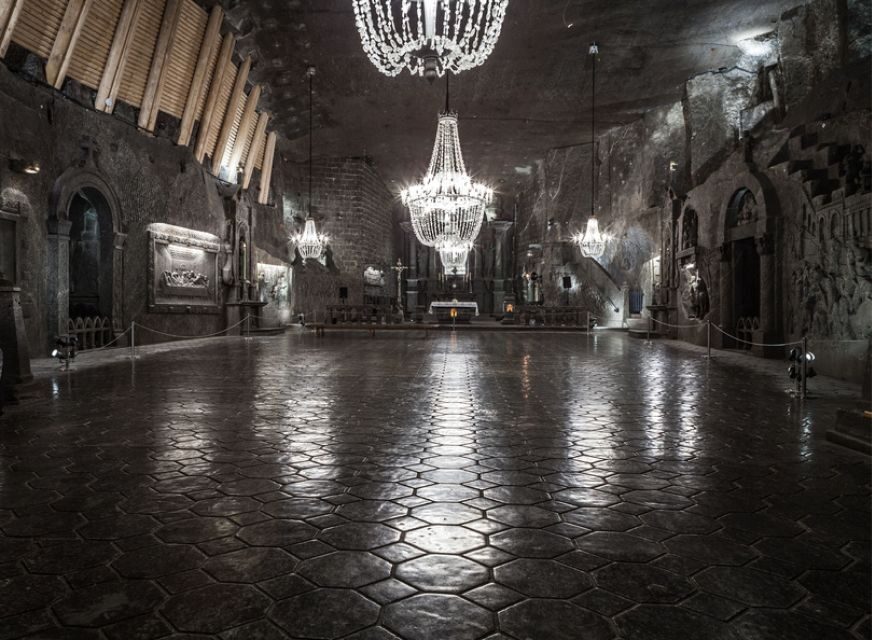
- Wieliczka feels like an underground city: galleries, chapels, murals, and underground lakes carved from salt
- Cold + stairs in the mine: plan for around 14–16°C and 800 steps
Krakow Pickup and the day’s tight, sensible plan
This is a straightforward out-and-back day. You’ll be collected and taken by air-conditioned minivan or minibus to Auschwitz, then to Birkenau, and finally to Wieliczka Salt Mines before returning you to Krakow.
The timing matters here. It’s not a “sleep in and wander” kind of day, and you may start very early (some departures can be around 5:50am). If you dislike early starts, this can feel like a lot.
You’ll also appreciate the simple planning choices. Your tickets are handled so you aren’t spending extra time standing around, and you get headsets to make guide commentary easier to follow.
A few more Krakow tours and experiences worth a look
Auschwitz I: Auschwitz’s brick barracks and the main story
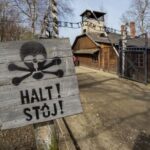
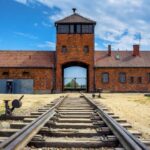
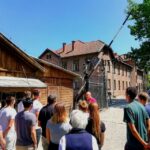
Auschwitz I is where you’ll begin, after being transported from Krakow. You’ll enter through the iconic iron gate with the slogan Arbeit Macht Frei, which translates to Work Sets You Free, and then walk through the camp’s core areas.
This is also the site that gives you the structure of what the camp was built to do. You’ll see 22 brick barracks that held hundreds of thousands of victims of the Holocaust.
The most important thing to know is how to pace your attention. Some parts will hit fast and hard; other parts are best taken slowly. If you rush, you miss details that help the story click—dates, layouts, and the way different sections relate to each other.
One practical tip: wear comfortable shoes and plan for a lot of walking on uneven ground. This tour is long on purpose, and your legs will do the work long before your brain catches up.
Auschwitz II-Birkenau: the scale shock you can’t unsee
After Auschwitz I, you’ll transfer to Auschwitz II-Birkenau by minivan. This is the larger site—about 25 times bigger—and it was the largest of all the death camps.
Birkenau’s scale can feel unreal, even before you take in what you’re seeing. It’s one of those places where the layout makes the history easier to grasp: how space was used, how movement happened, and why scale mattered.
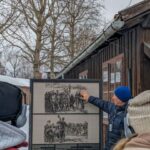
You’ll get an English live local guide for this portion, and you’ll have a headset. Guides can help you focus on what matters most, and that support is especially useful at Birkenau, where distances are hard to judge at first.
The lunch box: small comfort, right when you need it
Your day includes a boxed lunch, designed to keep you from losing the momentum of the schedule. The lunch box includes two bread roll sandwiches (meat or vegetarian), an apple, a banana, a dark chocolate wafer, still mineral water, and a napkin.
In a day this packed, that kind of predictable fuel is a real value. You don’t have to figure out where to eat between camps or worry about waiting times.
Do keep one thing in mind: depending on the order of visits and timing, your lunch might land later than you expect. If you’re the type who hates surprises with food timing, plan on eating breakfast well before pickup.
Wieliczka Salt Mines: an underground city carved from salt
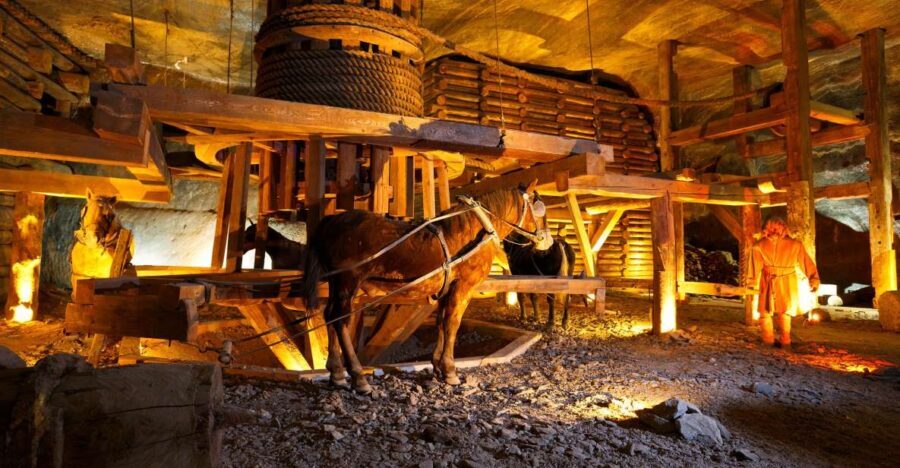
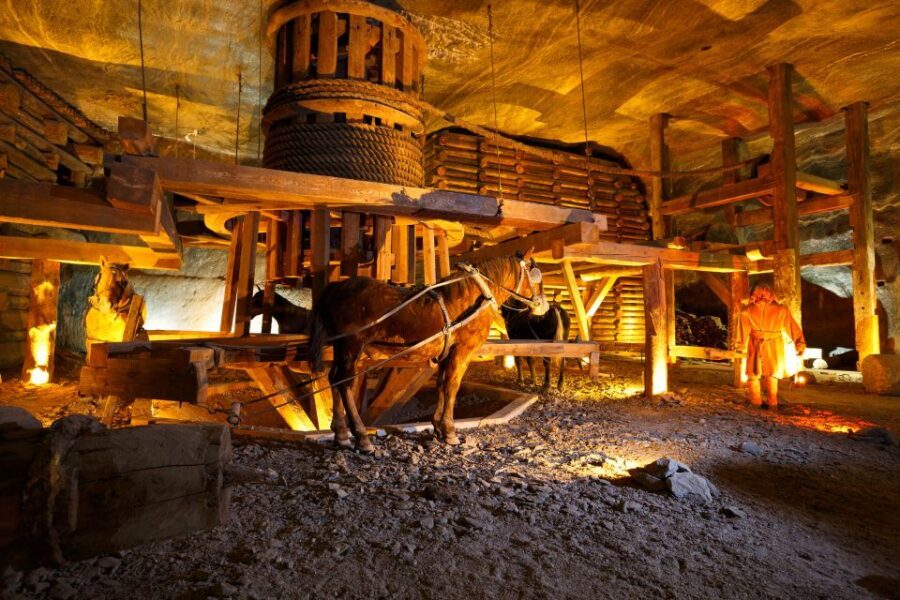
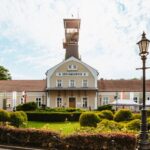
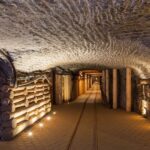
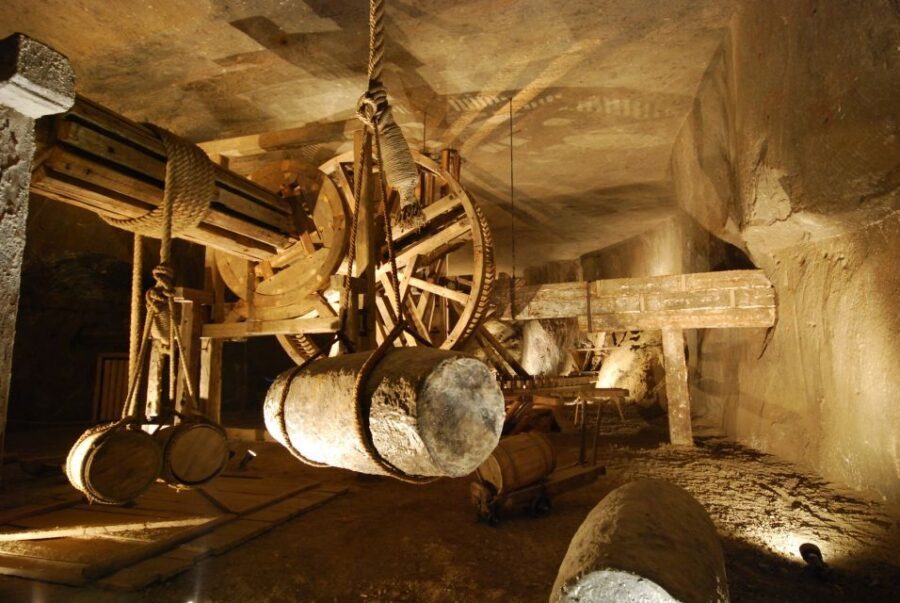
The last stop is the Wieliczka Salt Mines, a UNESCO World Heritage Site. You’ll head underground into what feels less like a “tour” and more like a mini world made of salt: galleries, lakes, chapels, and murals.
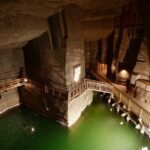
As you descend, you’ll see underground lakes that are stunning in a quiet, almost otherworldly way. It’s a big contrast after Auschwitz—different mood, different pace, and a different kind of human ingenuity.
This portion is where comfort planning pays off. The salt mine runs around 14–16°C, so pack a warm layer even if Krakow looks mild outside. You should also expect a stair-heavy experience: there are 800 steps during the visit.
Also, listen with your headset and don’t be afraid to ask for clarity. One guide’s voice may come through more softly depending on the group and audio, and your headset volume is your friend.

Transportation and guides: where the value really shows
The tour includes pickup and drop-off from your accommodation area, plus transport in an air-conditioned vehicle for the long hauls between sites. That matters in Krakow because the day involves multiple transfers, not just one attraction.
You also get an English-speaking driver and a local guide, with entrance fees included. That means fewer emails, fewer ticket counters, and less uncertainty on the ground.
A standout detail from the experience is how much effort guides put into clarity and respect. On the Auschwitz side, you may be guided by someone like Jacob, and the tone tends to be thoughtful and organized, which helps in a place where information is emotional and precise.
On the transport side, drivers like Peter, Michal, and Alex show up in the provided records as clear communicators who help you stay on schedule. Clear instruction matters a lot on a day where one missed meeting point can snowball into stress.
What the 10 hours really feels like (and who it suits)
Ten hours sounds manageable on paper. In practice, it’s a long stretch because you’ll be moving, waiting briefly, walking a lot, and sitting through guided segments at both Auschwitz and the mine.
If you like well-run schedules—where you’re not constantly checking maps or second-guessing logistics—you’ll likely enjoy this style. It’s a good fit for a short stay in Krakow when you want the major hits in one day.
This tour is not recommended for children under 14, and if you’re traveling with a child who meets that requirement, you can advise if you need a child’s seat.
Who should think twice? If you struggle with stairs or cold temperatures, the salt mine might feel punishing. If emotional sites are tough for you, plan extra breathing room mentally—this itinerary does not allow for a “light day.”
Practical prep checklist (so the day goes smoothly)
Before you go, make sure your documents match exactly. You’ll be required to provide your full name and contact details at booking, and entry can be refused if your name doesn’t match the ID/passport you show at the gate. So double-check spelling.
Bring:
- Passport or ID card
- Comfortable shoes (you’ll walk a lot)
- Warm clothing for the salt mine’s 14–16°C conditions
Bags are also restricted. At Auschwitz, bags larger than 20x30x10 cm are not permitted, so pack smart and keep it light.
Finally, plan for a long physical day. If you can, fuel up at breakfast, carry a positive attitude, and pace your attention during Auschwitz rather than trying to absorb everything at once.
Should you book this Auschwitz + Salt Mines day trip?
If you want a single organized day that covers Auschwitz I, Auschwitz II-Birkenau, and Wieliczka Salt Mines, this is an efficient and value-packed way to do it. The inclusion of transport, entrance fees, headsets, and a lunch box takes a lot of friction out of planning.
Book it if:
- you’re short on time in Krakow and want the major sights without juggling logistics
- you appreciate structured guidance and hearing details clearly through headsets
- you’re okay with a long day that includes cold temps and many steps
Skip it (or consider another format) if:
- you’re not comfortable with 800 steps and colder underground conditions
- you need more downtime than this schedule offers
- you’re bringing younger kids (it’s not recommended under 14)
In short: this tour earns its place by solving the hard parts—getting you there, keeping you on track, feeding you, and explaining what you see—while still giving you the time you need to take in two very different worlds in one day.
FAQ
How long is the Auschwitz-Birkenau & Salt Mines tour?
The duration is 10 hours, with starting times depending on availability.
What’s included in the lunch?
The provided lunch box includes two bread roll sandwiches (meat or vegetarian), an apple, a banana, a dark chocolate wafer, still mineral water, and a napkin.
Where is the meeting point in Krakow?
Meet at the Kiss & Ride bus stop at Wielopole 2 street.
What do I need to bring for entry?
Bring your passport or ID card. You’ll also need to provide your full name and contact details during booking, and the name must match your ID exactly.
Is there a limit on bags at Auschwitz?
Yes. Bags larger than 20x30x10 cm are not permitted in the Auschwitz Museum.
How cold is the salt mine, and how many steps are there?
Temperatures in the salt mine range between 14°C and 16°C, and there are 800 steps to climb during the visit.
Is this tour suitable for children?
It’s not recommended for children younger than 14. If you need a child’s seat, you should advise in advance.