REVIEW · KRAKOW
Krakow: Wawel Castle, Cathedral, Salt Mine, and Lunch
Book on GetYourGuide →Operated by Kraków Explorers · Bookable on GetYourGuide
Royal Krakow has an underground side. I love the guided, story-filled walk through Wawel Castle that brings the Polish royal family into focus, and I love the moment you go 340 meters down into Wieliczka’s carved salt halls. The one catch is practical: you need covered knees and shoulders, and cathedral access can shift during major religious or state events.
You also get a calm, well-paced day. You’re not stuck figuring out transport between sites, and lunch is included so you can refuel without turning the morning into a logistics project.
At a total of 450 minutes, the day moves. If you hate structured touring, lots of walking, or you want tons of free time inside each building, plan to slow yourself down on the edges rather than expecting long stretches of solo wandering.
In This Review
- Key things that make this day work
- A 7.5-Hour Sampler of Krakow’s Royal and Underground Sides
- Meeting at Piotr Skarga Monument: Starting Fast, Not Guessing
- Wawel Castle: Where Kings Lived and Stories Actually Stick
- Wawel Cathedral: Dress Code, Active Worship, and What You Might Miss
- Polish Lunch: Fuel That Keeps the Day Moving
- Wieliczka Salt Mine: Going 340 Meters Down and Seeing Carved Salt
- Price and Value: Why $159 Makes Sense Here
- What This Tour Feels Like on the Ground
- Who Should Book This Wawel and Wieliczka Day Trip?
- Should You Book This Tour?
- FAQ
- Where do we meet the guide?
- What does the tour include for entrances?
- Is lunch included, and are drinks included too?
- What dress code do I need for the cathedral?
- Can cathedral access change on the day of our visit?
- How deep do you go in the salt mine?
- How long is the tour and what languages are offered?
Key things that make this day work
- Wawel Castle storytelling: You don’t just look at rooms; you learn how kings and queens lived here.
- Skip-the-line entry: Less waiting means more time at Wawel and Wieliczka.
- Wieliczka’s depth and scale: You’ll reach the mine level at about 340 meters underground and walk through carved chambers.
- Cathedral with real-world access rules: It’s an active place of worship, so entry to certain parts may change on special days.
- Lunch included in the plan: You eat Polish food without hunting for a restaurant between major sights.
- Transport from Krakow and back: You get to spend your energy on sights, not routes.
A 7.5-Hour Sampler of Krakow’s Royal and Underground Sides
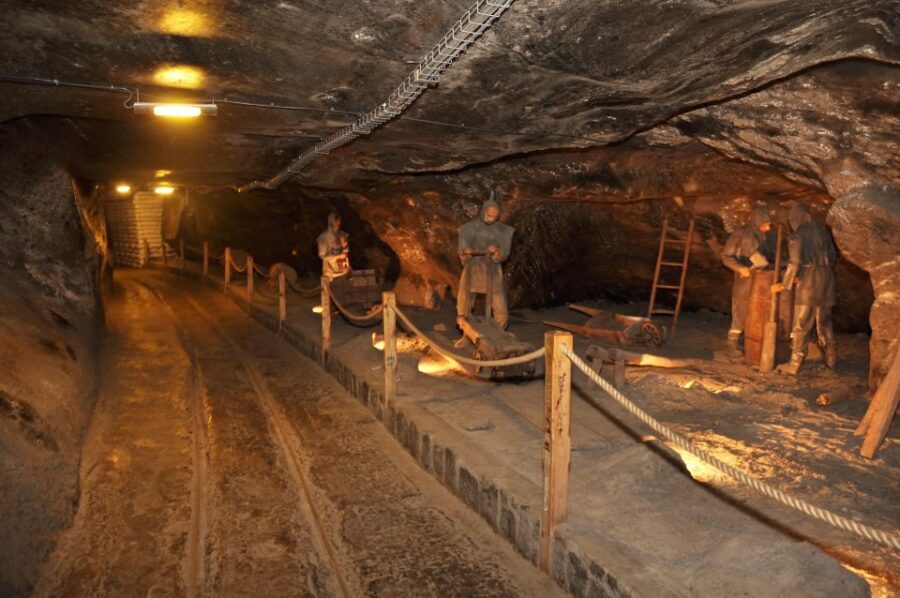
This is a classic Krakow “big day” that strings together three top landmarks without turning it into a stressful sprint: Wawel Castle, Wawel Cathedral, and the Wieliczka Salt Mine. If you’re short on days, this kind of routing is smart because each stop answers a different question about Polish culture—power and politics above ground, faith and national symbolism at the cathedral, and human engineering underground in the salt mine.
The timing matters. At 450 minutes, you’ll get a guided overview of each place, plus enough time to actually see rooms and move through the mine. It’s the balance you want for a first visit: structured enough to learn the context, but not so rushed that you feel like you’re only passing through.
Also, you’re traveling with a professional guide and included transport. That combination usually makes the biggest difference in a day like this. You spend less time asking where to go next and more time watching, reading, and soaking up details.
A few more Krakow tours and experiences worth a look

Meeting at Piotr Skarga Monument: Starting Fast, Not Guessing
You meet your guide by the Piotr Skarga Monument in Krakow. Your guide holds a sign with the local partner’s name, so you can find the right group quickly and avoid that awkward wandering-around phase.
This first step is more important than it sounds. When a day includes three major locations, the first 10 minutes decide whether you’ll feel relaxed or frazzled all day. Having a clear meeting spot, plus transport arranged after, keeps your schedule tight.
If you’re arriving by tram or foot, I’d give yourself a little buffer around the meeting time. Even if you’re confident with directions, it’s worth keeping your energy for Wawel rather than burning it on last-minute navigation.
Wawel Castle: Where Kings Lived and Stories Actually Stick
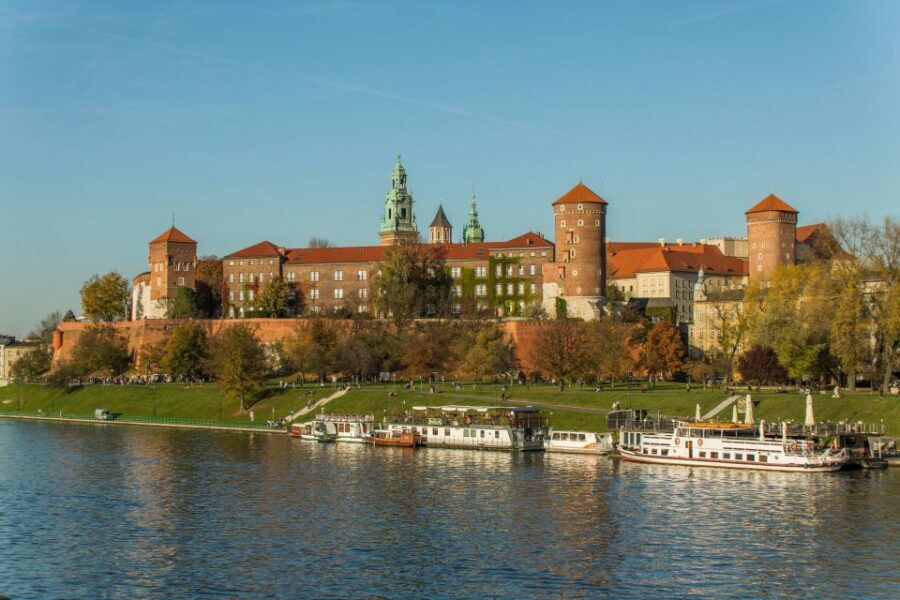
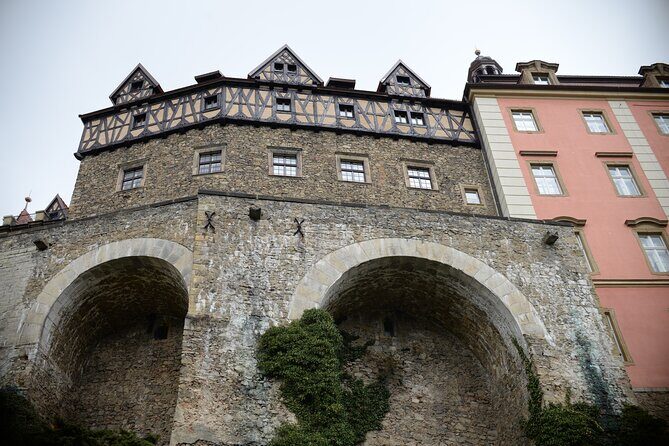
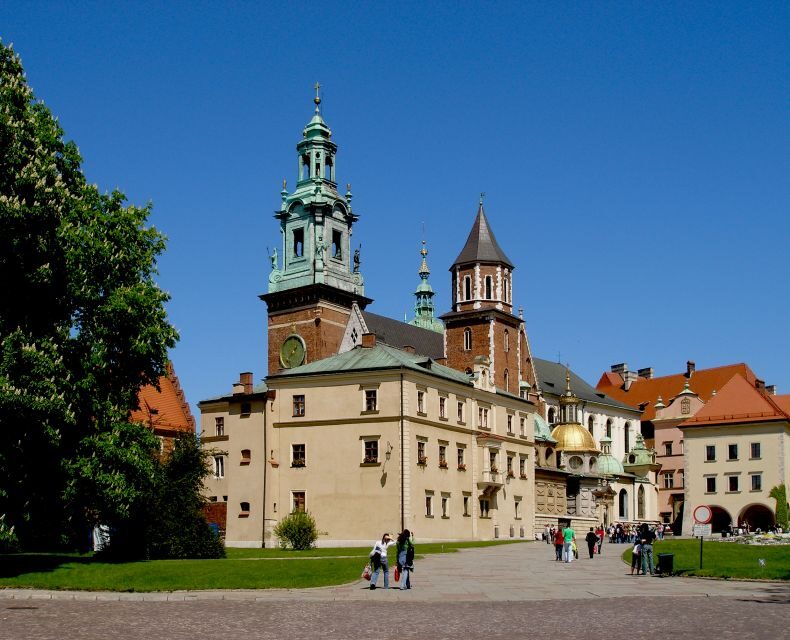
At Wawel Castle, you get the kind of guided visit that makes the place feel alive. It’s not only about walls, towers, and impressive architecture. Your guide frames what you’re seeing in terms of the people who lived here and the role Wawel played in Polish political life.
A big advantage: you’re included for entrance to one permanent exhibition, chosen based on availability (options can include the State Rooms, Royal Private Apartments, or the Crown Treasury). That means you’re not just walking corridors. You should expect to spend time in a curated set of rooms that helps you understand how the royal family experienced the castle day to day.
What I like about a castle tour done this way is how it turns objects into meaning. Instead of treating the rooms like a list of highlights, you learn why certain spaces mattered—who used them, what they represented, and how power was displayed in everyday life.
One small practical note: if you’re the type who enjoys lingering in one room to read every sign, you might want to pace yourself at Wawel. The visit is guided, so you’ll be moving with the group and hearing key points in sequence. You’ll still see plenty, but it’s a guided flow more than a free-for-all.
Wawel Cathedral: Dress Code, Active Worship, and What You Might Miss
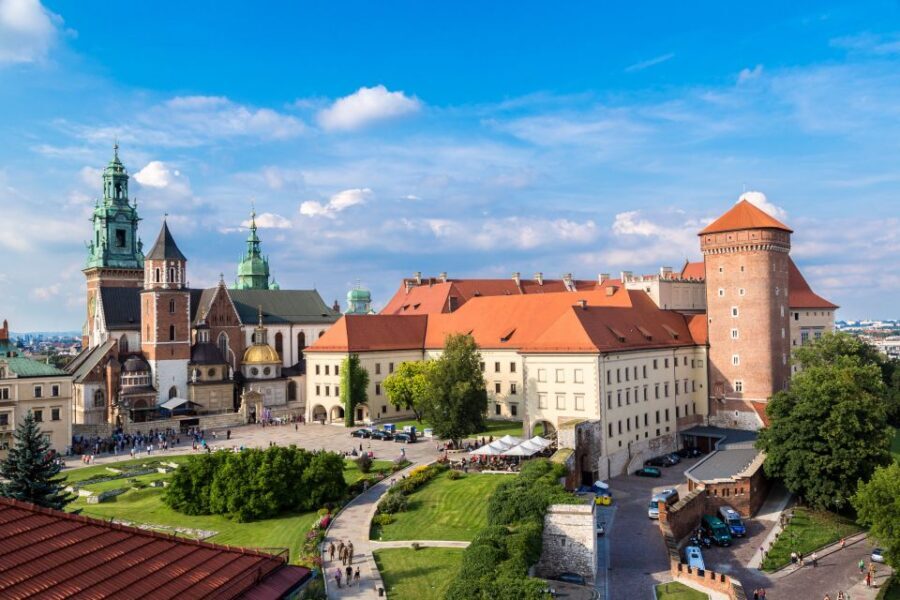
Next comes Wawel Cathedral, and this is where the tour turns from royal power to living faith. The cathedral is an active place of religious worship, so you’ll need to be ready for real-world rules.
First, the dress code. For men and women, you must cover knees and shoulders. No shorts, and no sleeveless tops. If your outfit doesn’t match, you risk being refused entry. I’d rather plan ahead with a light layer than count on buying something at the last second.
Second, understand the access rules. On days with important religious, state, or jubilee events—or visits by important guests—admission to the cathedral, and possibly the royal tombs or the bell tower, may be suspended without advance notice. If that happens, the organizer can replace the cathedral entrance with another one within the castle complex.
That contingency matters because it affects expectations. You’re still visiting the cathedral area as part of the experience, but you shouldn’t assume every specific feature will always be open. The value is still there, because the cathedral’s architecture and role in Polish national identity are why you came—just be flexible about which exact parts are accessible that day.
Also, because it’s a working worship space, your behavior should match the setting. Keep your voice down and treat the visit like you’re stepping into something sacred, not just sightseeing.
Polish Lunch: Fuel That Keeps the Day Moving
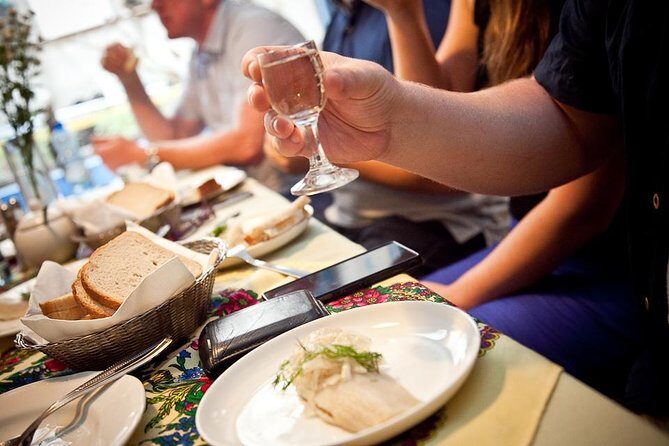
Lunch is included, and it’s not an afterthought. You’ll stop for a traditional Polish lunch, and you’ll have choices from a menu. Drinks are not included, so if you want tea, soda, or something alcoholic, you’ll pay for it separately.
Why this matters: the day’s structure has big vertical energy—one of Poland’s most famous castles, then an active cathedral, then going deep underground. A decent sit-down meal helps you reset so Wieliczka doesn’t feel like a slog.
I also like that lunch happens mid-day, after you’ve seen the main royal sights. You’ll have a clear mental picture of what Wawel represents, and then you can switch gears to the salt mine with a calmer body and a clearer head.
If you have a sensitive stomach, keep your lunch choices on the safer side. Your tour continues right after, so you’ll want comfort more than culinary bravado.


Wieliczka Salt Mine: Going 340 Meters Down and Seeing Carved Salt
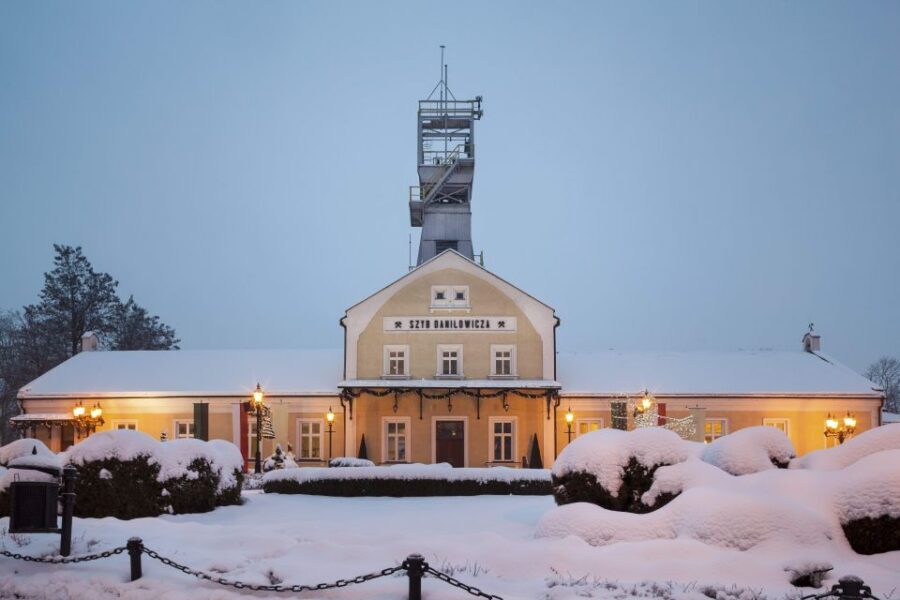
Then the tour heads to Wieliczka, a small town best known for its ancient salt mine. This mine is over 700 years old, and it’s UNESCO-listed, so you’re not just seeing an attraction—you’re seeing a site with serious cultural value.
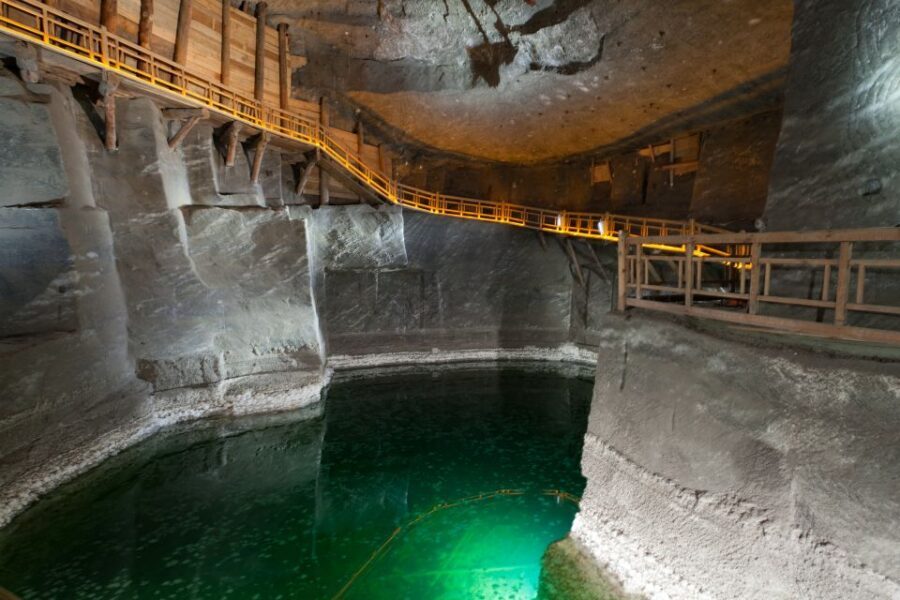
You travel to the mine and descend about 340 meters underground. That number is part of the thrill. It’s not a shallow novelty; it’s a real underground journey, and once you’re down there, the temperature and acoustics change the feel of everything.
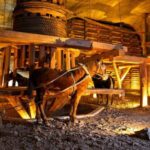
Inside, you’ll explore halls and caves with carved interiors. The salt mine is famous for how people have shaped and decorated the underground world over centuries. You’ll walk through these spaces while learning about the mine’s past, which is key. Without context, carved salt can feel like decoration. With context, it reads like history made physical—work, faith, and artistry all in one place.
One practical plus from past experiences: the schedule tends to give you enough room at the mine, without making it feel like you’re constantly rushing to the next checkpoint. That flexibility helps because the mine takes some time to appreciate. You’ll want a moment to look up, notice details in the carvings, and understand why this place became so important.
Bring patience for crowds as well. Wieliczka is popular, and you’ll likely share the underground spaces with other groups. The guide helps you keep your place and your timing.
Price and Value: Why $159 Makes Sense Here
This tour costs $159 per person, and the real question is what you get for that money. Here, you’re not just paying for a guide to point at things. Your price includes:
- A professional guide
- Entrance to a permanent exhibition at Wawel Castle (State Rooms or Royal Private Apartments or Crown Treasury, depending on availability)
- Ticket to Wawel Cathedral
- Ticket to Wieliczka Salt Mine
- Lunch
- Transport from Krakow to Wieliczka and back
If you tried to assemble this yourself, you’d pay separately for transportation between sites, multiple entrances, and guide time—or you’d lose the context that makes Wawel and Wieliczka more than just photos.
So where does the value really show? In the reduced friction. In a full-day route like this, logistics are half the battle. Here, the transport is handled, key tickets are handled, and you move in a guided sequence that keeps the day coherent.
Is it the cheapest way? Probably not. But it’s a high-efficiency way. You’re paying for a planned day that covers the major highlights with less downtime and more explanation.
What This Tour Feels Like on the Ground
This is the kind of day that works best when you show up ready to walk and ready to listen.
Wawel and the cathedral are architecture-and-story stops. You’ll be moving through rooms, hearing how Polish monarchy and national identity show up in real space. The guide’s job is to connect the dots quickly so you don’t get lost in the details.
Then Wieliczka changes the mood. You’ll shift from above-ground grandeur to underground engineering and art. The guide’s explanations help you understand what you’re seeing, and the guided flow keeps you oriented as the mine’s layout turns complex.
If you like your sightseeing to be guided but not overly rigid, this hits a good sweet spot. If you’re the type who wants total freedom, you may feel that the day’s pace is set for efficiency. Still, the included lunch and transport make it easier to keep up without feeling like you’re fighting the clock.
Who Should Book This Wawel and Wieliczka Day Trip?
This fits you if:
- You want first-visit highlights in Krakow without planning a complicated route.
- You enjoy guided context for major sites like Wawel Castle and Wawel Cathedral.
- You want the mine experience with a guide, not just a self-guided walk through corridors.
- You’d rather pay for one well-run day than juggle tickets, time slots, and connections.
It might not be ideal if:
- You struggle with dress code rules for places of worship.
- You hate structured schedules and prefer long, slow solo exploration.
- You’re highly sensitive to schedule changes on major religious or state event days, since cathedral access to certain features can shift.
Should You Book This Tour?
Yes, I’d book it if your priority is seeing Krakow’s top landmarks in one efficient day with professional guidance and less hassle. The combination is strong: Wawel Castle for royal context, Wawel Cathedral for faith and national symbolism, and Wieliczka Salt Mine for an underground experience you can’t replicate in a city walk.
Just come prepared for the two practical realities: dress code for worship spaces, and possible changes to cathedral access during special events. If you plan around those, you’ll get a smooth, memorable day that’s much more than a checklist.
FAQ
Where do we meet the guide?
You meet your guide by the Piotr Skarga Monument in Krakow. The guide will be holding a sign with the local partner’s name.
What does the tour include for entrances?
Entrance ticket options for Wawel Castle include one permanent exhibition (State Rooms, Royal Private Apartments, or Crown Treasury subject to availability). You also get a ticket to Wawel Cathedral and a ticket to Wieliczka Salt Mine.
Is lunch included, and are drinks included too?
Lunch is included and you’ll have a menu choice. Drinks for lunch are not included.
What dress code do I need for the cathedral?
You need to cover knees and shoulders for both men and women. Shorts and sleeveless tops are not allowed, and you may be refused entry if you don’t meet the requirements.
Can cathedral access change on the day of our visit?
Yes. Wawel Cathedral is an active place of worship, and during important religious, state, or jubilee events or visits by important guests, admission to the cathedral and/or the royal tombs or bell tower may be suspended. If that happens, entrance can be replaced with another option within the castle complex.
How deep do you go in the salt mine?
You descend about 340 meters below ground to reach the mine level.
How long is the tour and what languages are offered?
The tour runs for about 450 minutes. Live guiding is available in English, French, and Italian.