REVIEW · KRAKOW
Krakow: Skip-the-Line Wawel Castle and Hill Guided Tour
Book on GetYourGuide →Operated by Rosotravel Poland · Bookable on GetYourGuide
Royal Krakow begins with a fast track. On this skip-the-line Wawel Castle tour, you walk in without wrestling with queues, and you get a small group guided visit that keeps things calm and focused. I also like how the guide explains why Wawel earned its UNESCO listing, so the hill feels like a fortress, not just a pretty backdrop.
I love the way the State Rooms turn palace details into something you can actually picture: exhibitions with historical artifacts dating back to medieval times, plus the look and feel of royal life. Make time to look up at the room with the extraordinary ceiling featuring 30 head sculptures in the roof—seeing that detail in person is a real wow.
Two hours moves fast, so you’ll get a sharp overview rather than a slow, room-by-room linger. If you like to read every label and stare at paintings for long stretches, plan extra time after the tour.
In This Review
- Key things to know before you go
- Why Wawel Castle feels bigger than a building
- Meeting at John Paul II Monument and keeping the visit smooth
- Wawel Hill courtyard: where the defenses do the explaining
- Inside the Wawel Castle State Rooms: royal rooms with real artifacts
- The 30-head ceiling: the detail you’ll remember later
- Skip-the-line tickets: saving time without losing the experience
- Guides and pacing: when the story clicks
- Price and value: what $135 covers (and why it may be worth it)
- Who should book this Wawel skip-the-line tour
- Should you book this tour?
- FAQ
- How long is the Wawel Castle skip-the-line guided tour?
- Where is the meeting point for the tour?
- Is the tour in English?
- How big is the group?
- What does the skip-the-line ticket include?
- What will I see inside the castle?
- Is the tour wheelchair accessible?
- Is there free cancellation?
Key things to know before you go
- Skip-the-line tickets help you avoid long queues and save over 2 hours
- Up to 15 people means you’re less likely to get lost in a crowd
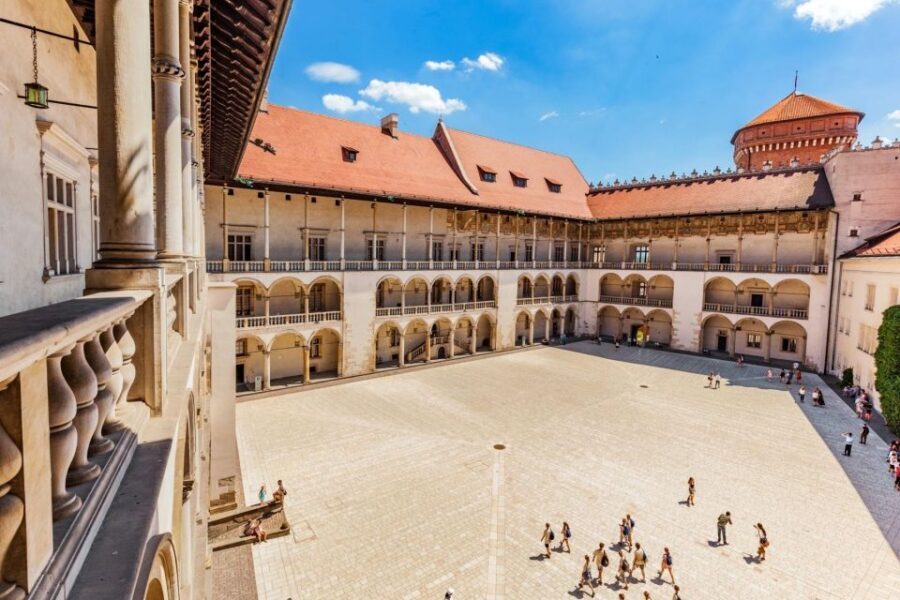
- Wawel Hill courtyard and defenses come first: walls, giant gates, and towers
- State Rooms highlights include rooms tied to Polish kings and political figures like Zygmunt III and Władysław Łokietek
- Look up moment: the ceiling with 30 sculptures of heads
- Guides matter: in real visits, guides like Magdalena and Maciej set a lively pace and handled questions well
Why Wawel Castle feels bigger than a building
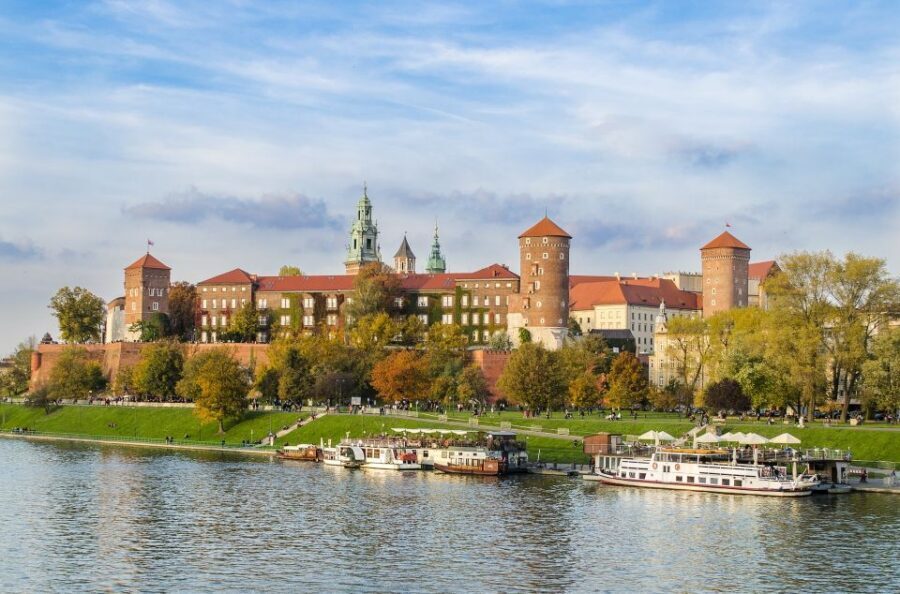
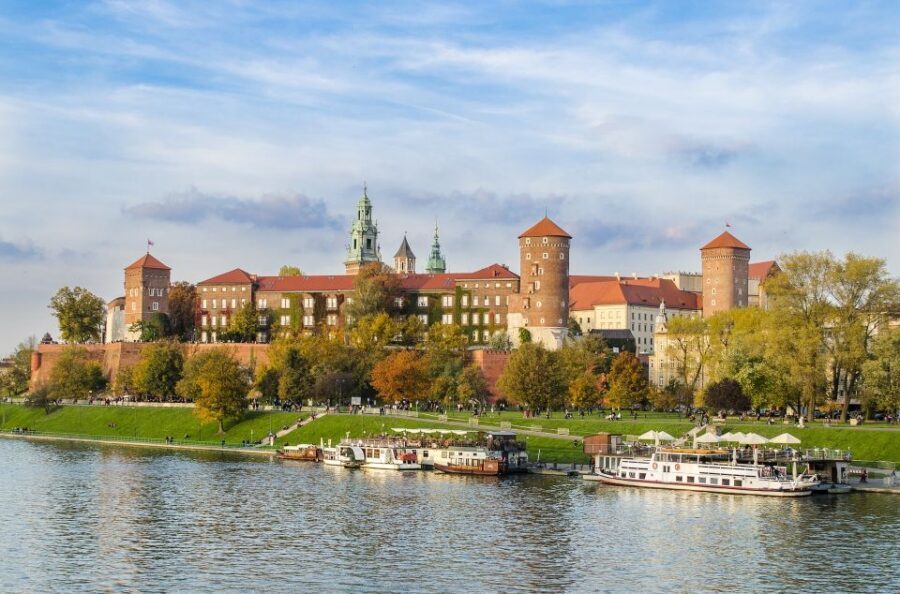
Wawel isn’t just a castle you pass through. It’s the kind of place where power, protection, and pageantry all sit in the same space. Walking the hill approach with your guide, you see the defensive walls, giant gates, and towers, and suddenly the scale makes sense. This was built to matter in every way—who had authority, who controlled access, and how the site defended itself.
Then comes the UNESCO angle. Wawel’s recognition isn’t only about architecture. It’s about how the complex shaped Krakow’s identity and how the royal story is preserved in the place itself. A good guide helps you connect the dots, so you’re not just collecting facts—you’re understanding why the whole hill-castle setting was worth safeguarding.
You can also read our reviews of more guided tours in Krakow


Meeting at John Paul II Monument and keeping the visit smooth
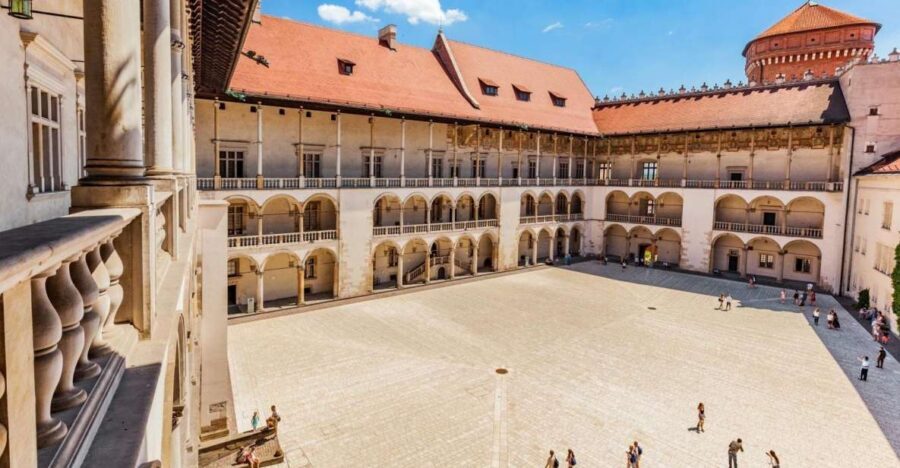
Your tour meets at the John Paul II Monument, Wawel 3, 31-001 Krakow. That’s a central, easy-to-find starting point, and it helps your group get moving quickly.
The biggest practical win here is the structure: a live English guide plus a maximum group size of 15. In Krakow’s top sights, crowd flow can get messy. With a smaller group, you typically move as a unit, hear the guide clearly, and avoid that awkward moment where you’re stuck behind someone because the whole line of bodies is expanding.
Also, check your email the day before the tour. The tour details mention that important information is sent by email, and it’s the fastest way to avoid any last-minute confusion about timing and entry.
Wawel Hill courtyard: where the defenses do the explaining
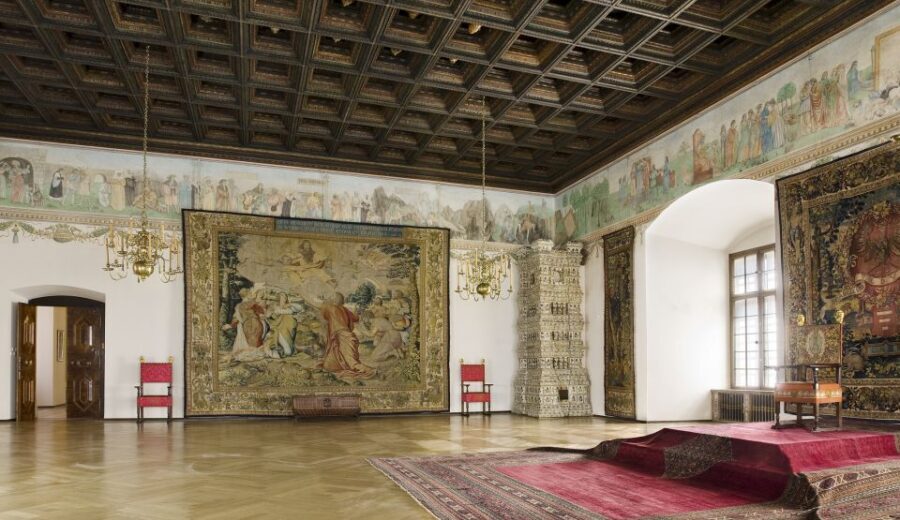
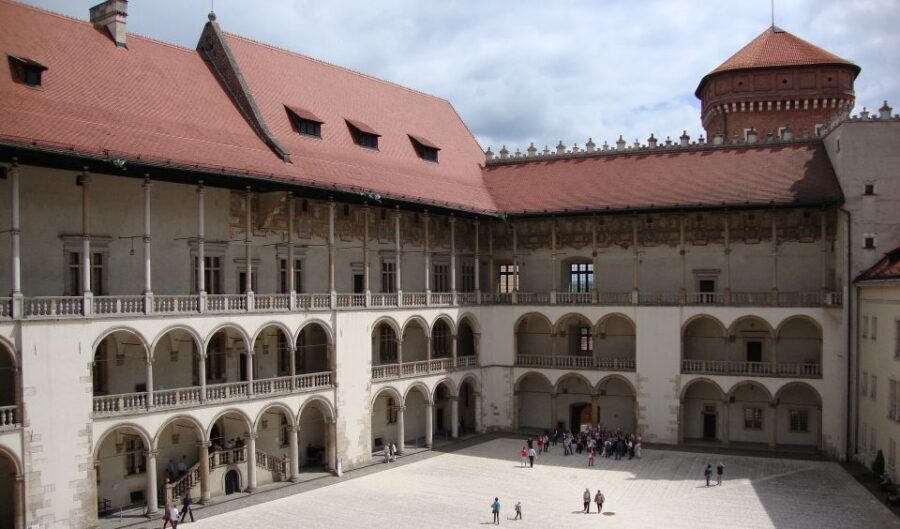
Most tours rush you straight into interiors. This one starts on Wawel Hill and the courtyard, which I think is the smart order. You begin by understanding what you’re looking at—before you’re asked to appreciate it.
In the courtyard area, you’ll see the defensive walls and the key defensive features like giant gates and towers. Even if you’re not a military-history person, this part clarifies the design. You get a clearer mental map of how the site functioned: controlled movement, hard-to-attack access, and strong boundaries that signal authority.
This is also where you get context for what happens later inside. When you then walk into the State Rooms, the switch from exterior defense to interior display hits harder—in a good way. You’re seeing the contrast between protection and performance.
Inside the Wawel Castle State Rooms: royal rooms with real artifacts

The core of the tour is the Wawel Castle State Rooms, entered with a skip-the-line ticket. That matters, because once you’re inside, the time is precious and the attention is on what you came for.
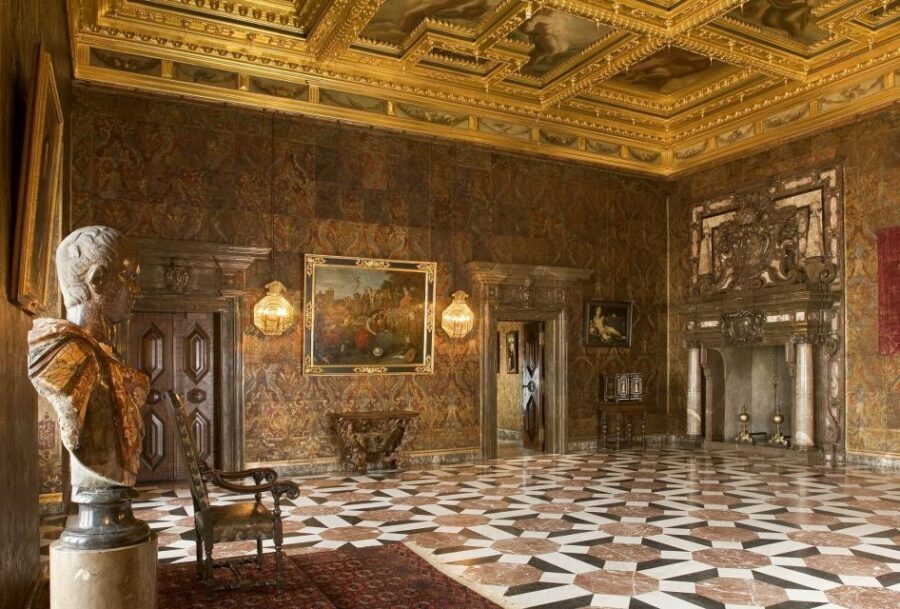
Inside, the guide takes you through rooms that house exhibitions and historical artifacts dating back to medieval times. The State Rooms aren’t just decorative. They’re curated spaces that show how the palace presented Polish kingship and court life through objects, art, and design.
You’ll also hear stories about events that happened in these halls—your guide ties the objects to the people and the political atmosphere of the era. One of the attractions inside is the connection to major figures such as King Zygmunt III and Władysław Łokietek. Seeing their names placed into a physical room makes the past feel less like a timeline and more like a lived environment.
And yes, there’s plenty for your eyes: ancient paintings, elegant furniture, and textile wall hangings. You’ll leave with more than a photo set—you’ll have a sense of how wealth looked and worked in a royal setting.
The 30-head ceiling: the detail you’ll remember later
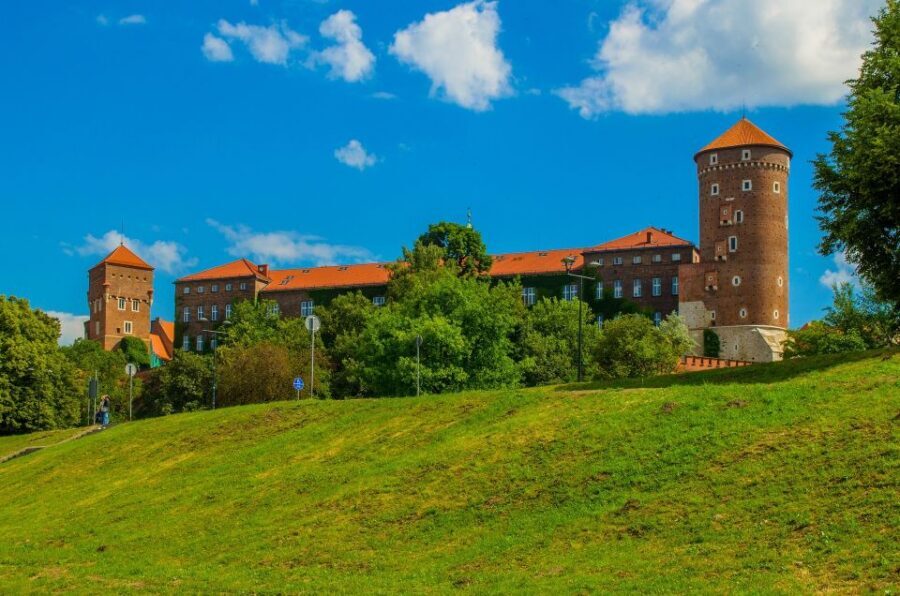
If you only remember one thing from this tour, make it the ceiling with 30 sculptures of heads placed in the roof. It’s highlighted for a reason: it’s dramatic, specific, and easy to overlook if you only walk forward and never look up.
This is one of those moments where the guide’s explanation matters. When someone points out what you’re seeing and connects it to the room’s character, the feature clicks into place as more than decoration. It becomes a signature of the space—something you’ll notice again later when you’re telling a friend what you saw.
Practical tip: spend a few extra seconds here. Even on a tight schedule, it’s worth it.
A few more Krakow tours and experiences worth a look




Skip-the-line tickets: saving time without losing the experience
The tour description says the skip-the-line tickets save over 2 hours. That’s huge in real travel terms, because waiting time is dead time. Waiting drains your energy and makes your attention on the sight worse.
What I like about a fast-track entry is that it changes your body language when you finally arrive. Instead of rushing to beat a line, you can actually listen. You can stand still long enough to take in the State Rooms, and you’re not constantly scanning for the next group moment.
There’s another subtle benefit: skip-the-line doesn’t just save minutes—it reduces the stress of crowd management. With a group capped at 15, the visit tends to feel less chaotic. You’re less likely to get separated and scramble to rejoin.
Guides and pacing: when the story clicks

The tour is led by an expert English-speaking guide. The reviews give two examples that match what you want from this kind of castle visit: clear explanations and time for questions.
One review notes that guide Magdalena was engaging and taught not only about Wawel Castle, but also about the history of Krakow. Another review highlights guide Maciej starting promptly and moving thoroughly, with plenty of room to ask questions. In that case, the guide even went beyond the allocated time and helped arrange a Jewish Quarter tour afterward—so you got added value in how the day could continue.
A small note of realism: your tour is listed as a 2-hour experience. In most cases, you’ll get a smart, packed route. If you’re the type who loves to talk, bring your questions early, so you don’t run out of time when the group moves on.
Price and value: what $135 covers (and why it may be worth it)
At $135 per person for a 2-hour tour, you’re paying for four things you usually can’t replicate easily on your own: entry efficiency, guided interpretation, a tight route through the State Rooms, and small-group attention.
Here’s the value logic I’d use:
- Skip-the-line entry is the big one. When a ticket saves you over 2 hours, you effectively buy back a chunk of your Krakow day.
- A live English guide helps you understand what you’re seeing, especially for rooms tied to specific Polish figures and court-era objects.
- Small group size (up to 15) means better odds of hearing details and keeping up without constant regrouping.
- A timed tour length (2 hours) can be a benefit, not a flaw. It turns Wawel into a focused highlight rather than a half-day project.
Is it expensive? Compared to a basic self-guided entry, yes. But if you value time, clarity, and an organized visit without crowd headaches, this price can feel reasonable fast.
Who should book this Wawel skip-the-line tour
This is a strong choice if you:
- want quick entry without waiting in long queues
- prefer a small group over big bus-tour herding
- like your sightseeing explained with names, rooms, and context (Zygmunt III, Władysław Łokietek, and the medieval-to-royal objects)
- want the “look up” moment at the ceiling with 30 head sculptures
It’s also a good fit for first-time Krakow visitors who want a top attraction with structure. If you’re already a hardcore Wawel scholar and want maximum freedom to wander, you might choose a slower self-guided approach. But for most people, a guided hit at the State Rooms is the efficient sweet spot.
And if accessibility matters to you: the tour is listed as wheelchair accessible.
Should you book this tour?
I’d book it if your priority is time-efficient, guided Wawel—especially the UNESCO context, the State Rooms, and that signature ceiling detail. The combination of small-group size and skip-the-line entry is exactly what turns a busy landmark into a calmer, more meaningful visit.
I’d hesitate only if you’re the type who needs lots of unscheduled time inside, or you know you’ll want long stays in multiple rooms. For that style of travel, add extra independent time after your guided portion so you can slow down.
FAQ
How long is the Wawel Castle skip-the-line guided tour?
The tour duration is 2 hours.
Where is the meeting point for the tour?
Meet your guide in front of the John Paul II Monument, Wawel 3, 31-001 Krakow.
Is the tour in English?
Yes. The tour includes a live English-speaking guide.
How big is the group?
It’s a small group of up to 15 people.
What does the skip-the-line ticket include?
The skip-the-line ticket is for the Wawel Castle State Rooms, helping you avoid long queues and save over 2 hours.
What will I see inside the castle?
You’ll visit the Wawel Castle State Rooms and see exhibitions with historical artifacts dating back to medieval times, plus royal-era rooms and items like paintings, furniture, and textile wall hangings.
Is the tour wheelchair accessible?
Yes, the tour is listed as wheelchair accessible.
Is there free cancellation?
Yes. You can cancel up to 24 hours in advance for a full refund.