REVIEW · KRAKOW
Auschwitz Birkenau Guided Tour/Skip The Line/PickUp/Guide ENG
Book on Viator →Operated by Auschwitz & Salt Mine tour to KrakowTrip.com · Bookable on Viator
This visit is not a casual stop, and that is the point. If you want a guided Auschwitz-Birkenau day that fits into a Kraków itinerary, this one leans practical: early pickup, skip-the-line style entry, and English commentary with clear headsets. I especially like the door-to-door transport that keeps you from wrestling schedules on your own, and I like how the guided portion is timed so you actually see both key areas. One drawback: it is emotionally heavy, and the day moves fast, so you may not get long sit-down moments or much extra time for lingering.
The logistics are built for speed without total chaos. You’ll ride in a shared minibus with a licensed driver, and you’ll get headsets so you can hear your guide clearly instead of craning your neck around groups. Still, you should plan on lots of standing and walking, plus cold wind in the outdoor parts if you go in winter.
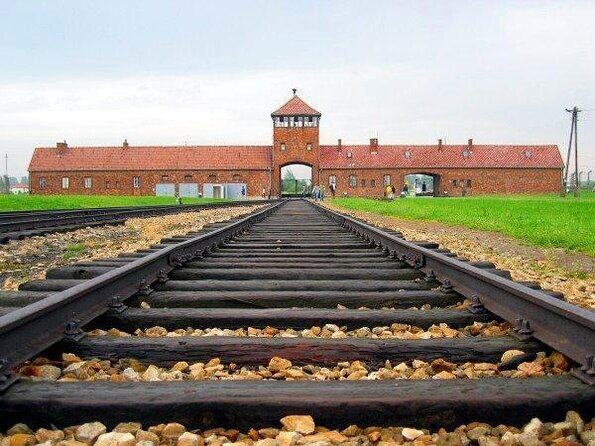
The heart of the day is Auschwitz I and Birkenau, each with its own mood and layout. With an English-speaking guide and 3.5 hours of guided time, you’ll get context as you go, which matters a lot at a place where details can blur if you’re reading alone. Just be aware that crowd control can be tough at Auschwitz I, and the experience can feel a bit rushed depending on the day.
In This Review
- Key highlights you should care about
- Early Kraków pickup: why this tour timing helps
- How the 7-hour Auschwitz day actually flows
- Auschwitz I: what you’ll see and how to get more from it
- Birkenau: the bigger space that changes how it hits
- The English guide + headsets: comfort you can actually feel
- Transport from Kraków: door-to-door convenience with small-group reality
- What to pack: ID, bag size, and the no-food situation
- Price and value: what $37.49 buys you (and what it doesn’t)
- Who this tour fits best (and who should think twice)
- Should you book this Auschwitz-Birkenau guided day trip?
- FAQ
- What language is the tour?
- Is admission included?
- Do I get pickup in Kraków?
- How long is the tour?
- Does the tour include a skip-the-line option?
- Is food included?
- What ID do I need to bring?
- Are there limits on bags?
Key highlights you should care about
- English-speaking guide plus headsets: clearer explanations without straining to hear over a crowd
- Round-trip pickup in Kraków: you trade planning for a smooth early start
- Skip-the-line style entry: helps reduce the time wasted in queues
- Half-day format that hits both Auschwitz I and Birkenau: you see the essentials even on a tight schedule
- Small group size: the tour is capped (up to 15 per booking), which usually keeps things more respectful
- No food included: you’ll need to plan snacks or an extra lunch
Early Kraków pickup: why this tour timing helps
This trip is built around an early departure. Pickup runs every day between 06:00 and 07:00 from Kraków City, with the exact time sent 1–2 days before. Some departures are even earlier in practice (one report mentioned a 05:50 pickup), so set your alarm like you’re catching a flight, not a sightseeing bus.
Why do it so early? Two reasons. First, you get to the memorial sooner, which reduces the time you spend waiting around. Second, the day starts before crowds fully swell, so you have a better chance of hearing your guide and seeing what’s in front of you without constant bottlenecks.
This is also where the “value” shows up. Yes, you pay for a guided, ticketed experience. But you’re also buying time: time not spent figuring out transportation, line management, or meeting points in a place where accuracy matters.
You’ll be in a shared minibus with other people, and that is great for cost. The trade-off is that stops are not flexible, and the schedule is designed to keep the group moving between Auschwitz I and Birkenau.
You can also read our reviews of more guided tours in Krakow
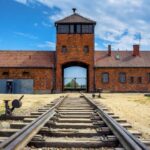
How the 7-hour Auschwitz day actually flows
The overall duration is about 7 hours. Admission is included, and the guided component is listed as 3.5 hours in English, with the rest of the time devoted to driving and short breaks.
Here’s what the pacing often looks like on a structured day trip:
- You leave Kraków very early and make your way to Auschwitz.
- You do guided time at Auschwitz I, then transition to Birkenau with a drive in between.
- There are short pauses for toilets and reset, but this is not built as a “wander freely for hours” outing.
- You return to Kraków by around early afternoon in many cases (some reports mention being back by about 13:00).
This pacing can be a strength. You get a coherent story rather than a scatter of buildings. It also means you’re less likely to miss the important sections because you ran late or got stuck in line.
The drawback is exactly that: it can feel time-compressed once you’re inside. Auschwitz is not the kind of place where you want to watch the clock. If you know you freeze up when you’re stressed or overwhelmed, this might feel intense, especially if your group’s movement is quick.
Auschwitz I: what you’ll see and how to get more from it
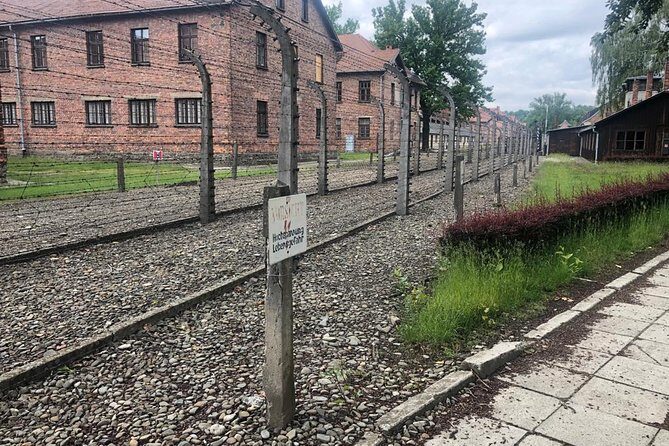
Auschwitz I is often the place people picture first. It includes the more detailed memorial sections and the kind of exhibits where reading and absorbing takes time. The upside of a guided trip is that your guide can connect what you’re seeing to the larger history, which helps your brain hold onto what matters.
The challenge is crowd control. Even with skip-the-line entry, Auschwitz I can become very busy. That means you might find it harder to slow down and read everything cover-to-cover, and you may have to accept a more guided, structured pace rather than a museum-style linger.
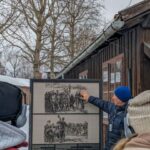
This is where headsets really earn their keep. You won’t need to guess what the guide is saying over the noise of other visitors. Clear audio helps you stay oriented: which building you’re in, what the details mean, and why your guide is pointing at specific items.
Practical tip: wear shoes you can walk in for hours without thinking. Many parts involve standing, walking, and moving between areas with little seating. If you go in winter, plan for wind exposure because the outdoor sections can feel sharper than you expect.
Birkenau: the bigger space that changes how it hits
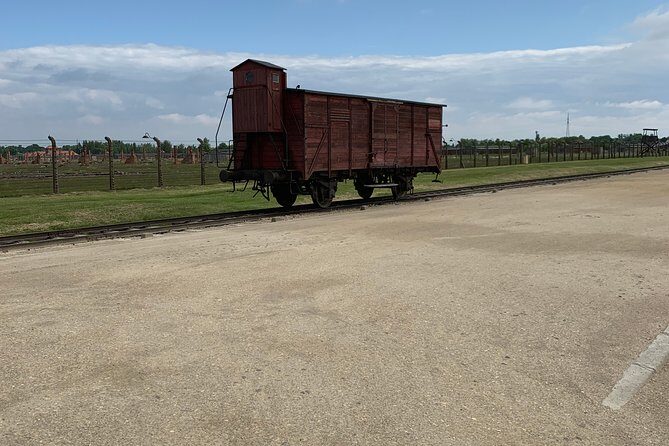
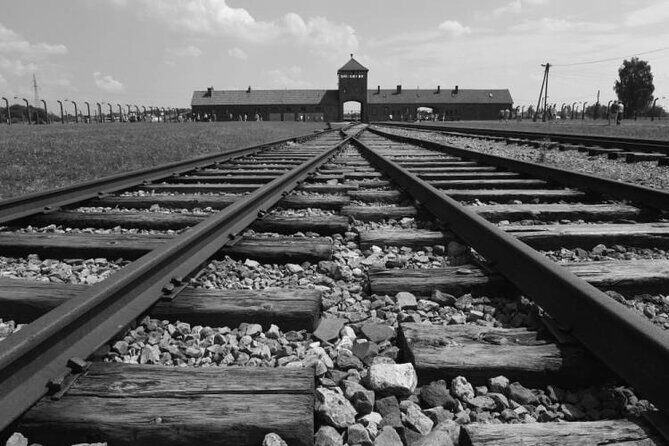
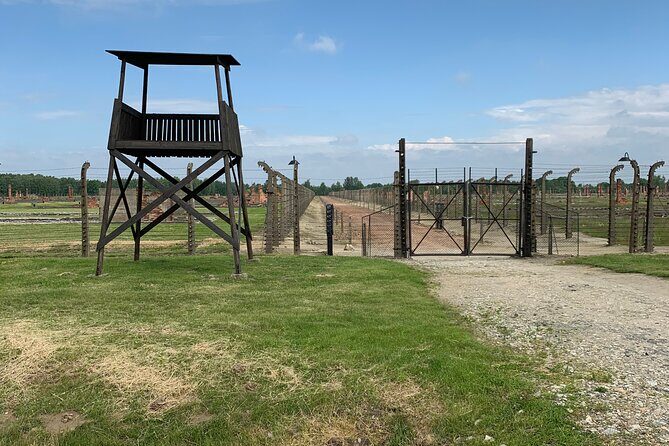
Birkenau (Auschwitz II) has a different scale and emotional impact. It is more open and spread out, which can make the site feel vast in a way that is hard to process quickly. The guided portion is designed to help you understand not just what happened, but how the camp system operated across space.
On a well-run day, you’ll get a second chunk of guided time after the transition. Some schedules include around 1.5 hours guided at Birkenau, with a short driving break between camps. Toilet and stretching breaks are brief, so build in quick stops rather than expecting long breaks.
This stop is a good reminder of why an organized tour is useful. If you go unguided, you may see locations but miss connections. With a guide speaking English through a headset, you’ll be less likely to feel lost in the layout.
One more thing: photos and browsing can feel inappropriate here. You’re not there for content. You’re there for understanding. If you treat it like a “must see” checklist, you’ll rush yourself. If you treat it like a serious historical lesson, the structure becomes comforting instead of constraining.
The English guide + headsets: comfort you can actually feel
The tour includes an English-speaking guide for the guided portion. You’re also provided headphones/headsets, which matters more than most people expect. In a quiet-sounding museum you can still struggle to hear. In a large memorial with crowds, you’ll struggle unless the audio is built in.
I also like that the experience is framed as respectful and measured in the way it is delivered. Multiple people noted that their guide commentary felt calm, organized, and sensitive, even when the topic is brutal. That combination helps you stay present and avoid the awkward feeling of trying to process alone in silence.
Guide quality can vary by staffing, but the format is designed to reduce confusion. The headset system makes it easier to follow along even when you’re moving between locations quickly.
If you’re a first-time visitor, this is one of the biggest reasons to book a guided option rather than going fully on your own. Context turns a series of buildings into a story.
A few more Krakow tours and experiences worth a look

Transport from Kraków: door-to-door convenience with small-group reality
One of the strongest practical perks is pickup and drop-off in Kraków City. This is door-to-door style, which saves you the mental load of figuring out trains, buses, or where to meet at dawn. Your driver is licensed, and you’ll travel in comfortable minivans or minibus-style vehicles.
In real terms, it means:
- You don’t need to coordinate separate transport.
- You have fewer meeting-point headaches.
- You start the day early without having to drag everyone across town.
The shared-ride angle means you’ll be with other visitors. That can be good because it keeps groups smaller and more manageable. It can also mean you don’t get custom pacing. The schedule is the schedule, including the short breaks.
The best advice: plan your timing around the group. If you’re the kind of person who hates being rushed, give yourself a little buffer before the pickup and keep your expectations aligned with a guided day trip pace.
What to pack: ID, bag size, and the no-food situation
Auschwitz has specific rules, and they’re not optional. Bring your ID or passport, because guards ask for it before entry. Also note the bag limit: the maximum size of backpacks or handbags can’t exceed 30x20x10 cm.
That bag rule is easy to underestimate. Many standard daypacks are larger than that once they’re full. If you travel with a bigger bag, you’ll likely end up having to adjust or leave items behind in a way that slows you down.
Now for the part people forget: food. The tour does not include food and drinks. Several people highlighted that there isn’t much time to eat, so plan snacks or consider an extra lunch option if it’s offered by your driver.
If you’re the type who gets hangry after a 6 a.m. pickup, pack accordingly. Even a small snack can keep you steady while the day is emotionally heavy.
Price and value: what $37.49 buys you (and what it doesn’t)
At $37.49 per person, this is priced as a budget-friendly way to include three expensive things:
- Admission to Auschwitz-Birkenau (included)
- A guided English experience (included)
- Round-trip transport from Kraków (included)
You’re not paying for luxury. You’re paying for reduced friction: fewer hours planning, fewer hours waiting in queues, and more time listening and learning while you’re there.
What you don’t get is food, and you also don’t get unlimited time on-site. If your priority is a slow, self-paced museum visit, you may find the guided timetable tighter than you want.
For most people, the value holds up because you’re buying structure at a place where structure helps. The skip-the-line style entry is one of the practical reasons this cost makes sense. Waiting in lines at dawn can waste a huge chunk of the day.
Who this tour fits best (and who should think twice)
This tour fits best if you:
- Want one organized day from Kraków that covers both Auschwitz I and Birkenau
- Prefer hearing explanations in English rather than reading everything on your own
- Appreciate headsets to keep the guide audible while crowds move around you
- Like door-to-door pickup and a clear plan
Think twice if you:
- Get overwhelmed by an early start and a tight schedule
- Need lots of downtime to process emotionally
- Expect a lot of sitting or long independent exploring
Also consider the fact that this is a highly regulated, sensitive site. No matter which tour you choose, you should expect seriousness, walking, and limited flexibility.
If you need the emotional pacing to be slower, you might want a more independent approach. But if you want the “I didn’t miss the important stuff” benefit, this format is built for that.
Should you book this Auschwitz-Birkenau guided day trip?
I’d book it if your goal is a straightforward, guided visit with English commentary, skip-the-line style entry help, and Kraków pickup and drop-off done for you. The value comes from bundling transport + admission + a guided structure with headsets, so you can focus on understanding rather than logistics.
I’d be careful if you’re sensitive to fast pacing or you want lots of time to wander. This day is intense and tightly scheduled, and there’s no food included, so you’ll want to prepare.
If you can handle an early start, a lot of walking, and a serious, emotional lesson, this is a practical way to make your Kraków trip include Auschwitz-Birkenau without turning your schedule into a second job.
FAQ
What language is the tour?
The guided portion is offered in English, and you’ll have a system that helps you hear the guide clearly.
Is admission included?
Yes. Admission tickets are included as part of the tour package.
Do I get pickup in Kraków?
Yes. Pickup is offered from Kraków City, with the everyday pickup window between 06:00 and 07:00, and the final pickup time sent 1–2 days before.
How long is the tour?
The total trip duration is about 7 hours. The guided time is listed as 3.5 hours.
Does the tour include a skip-the-line option?
This experience is marketed as having skip-the-line entry, and the day is designed to help you spend less time queued at the entrance.
Is food included?
No. Food and drinks are not included.
What ID do I need to bring?
Bring your ID or passport. You’ll need it for entry checks before going into the memorial.
Are there limits on bags?
Yes. The maximum size for backpacks or handbags is 30x20x10 cm.