REVIEW · KRAKOW
Schindler’s Factory in Krakow: Guided Tour & Skip the Line Ticket
Book on Viator →Operated by DISCOVER CRACOW · Bookable on Viator
Schindler’s Factory hits hard, fast. This timed, skip-the-line entry gets you into one of Krakow’s most important WWII sites, where the museum uses photos, film, and objects to show what occupation did to real people. Two parts I especially like are the factory setting (you’re walking through the place tied to Schindler’s wartime work) and the way a guide can add clear context before you start reading the rooms.
I also like that your experience is flexible: you can choose a guided visit (meeting your guide outside) or a self-guided option, depending on how you want to spend your time. And at a set length of about 1 hour 30 minutes, it’s realistic for a busy Krakow schedule.
One possible drawback: the museum focuses more on the course of WWII in Krakow than on Oskar Schindler as an individual. If you’re mainly chasing Schindler’s personal biography, you may feel the emphasis is broader than expected.
In This Review
- Quick hits before you go
- Why Schindler’s Factory is worth your time in Krakow
- Timed skip-the-line entry: how it changes your day
- Guided vs self-guided: choosing the right pace
- Step-by-step: what you’ll see in your 90 minutes
- Before you enter: a quick framing moment
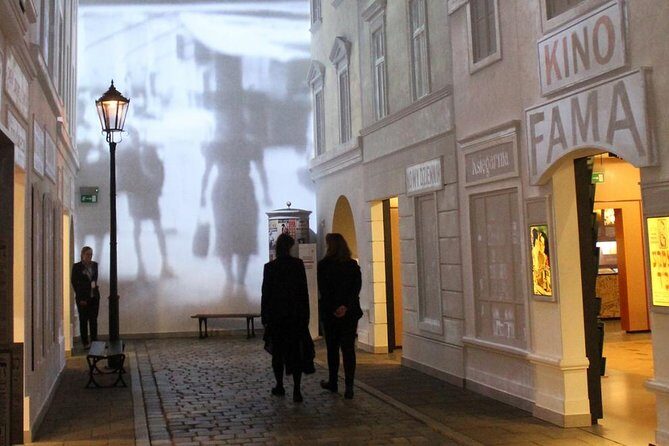
- Inside: wartime Krakow, shown through photos and media
- The factory story: what work happened there
- Where it ends: back outside
- Schindler’s office and the enamelware details that matter
- WWII Krakow in the exhibits: expect heavy context
- Guide quality and group size: what can make or break it
- Practical tips so you get the most from the rooms
- Price and value: is $35.70 a fair deal?
- Who this tour is best for
- Should you book this Schindler’s Factory guided skip-the-line tour?
- FAQ
- How long is the Schindler’s Factory guided tour?
- Is the museum entrance ticket included?
- Is the tour offered in English?
- Does this ticket include skip-the-line entry?
- Where do I meet the guide?
- What do I need to bring for entry?
Quick hits before you go
- Timed entry helps you avoid the worst waiting and plan your day cleanly
- You’ll see Schindler’s office and hear how the factory employed Jewish workers during WWII
- Interactive and media-based exhibits use original film and radio recordings to set the fear-filled tone
- The museum spends a lot of time on Krakow under Nazi and Soviet occupation, not only one man’s story
- Your guide matters: pacing can be great with small groups, but can feel rushed in tight corridors
- Max group size is 25, and that can affect how comfortably you move and listen
Why Schindler’s Factory is worth your time in Krakow
If you only visit the big-name sights in Krakow, this one can feel like a left turn into heavier territory. That’s exactly why it’s so important. Schindler’s Factory is not a museum that gently strolls past WWII. It shows how occupation changed daily life in Krakow, then returns to the factory’s role in that system.
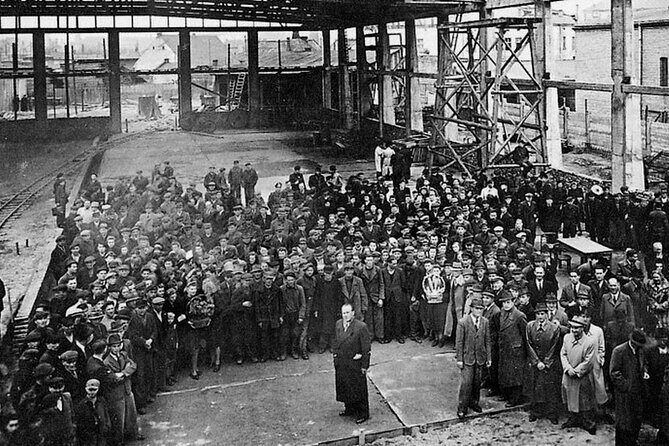
The best part is that you’re not just looking at a concept. You’re inside the factory complex tied to Oskar Schindler’s wartime operations. That setting makes the exhibits hit differently, because the story is tied to rooms and objects instead of only text.
You’ll also spend real time on the human scale: what the Schindlerjuden (Schindler’s Jews) did, what danger they faced, and how industrial work intersected with survival odds. Even if you know the basics from Schindler’s List, the museum gives you a Krakow-specific view and a tighter timeline of what happened here.
A few more Krakow tours and experiences worth a look


Timed skip-the-line entry: how it changes your day
The skip-the-line value is more than convenience. In Krakow, you’ll likely stack several timed stops in one day, and this is a site where crowds can slow you down fast.
With this ticket, you’re guaranteed entry to Oskar Schindler’s Factory Museum, and the entry is timed. Practically, that means:
- you don’t waste a big chunk of your afternoon staring at a queue
- you can choose a start time that fits your walking route
- you can stay on track after you’ve already done a morning activity
The tour length is about 1 hour 30 minutes, so you’re not signing up for an all-afternoon commitment. That makes it easier to pair with other Krakow highlights without feeling like you’re rushing through everything else.
Still, remember: once inside, the corridors and room flow can be tight. If your goal is to read every label slowly, you may feel the tour pace is brisk. That’s not a deal-breaker, but it’s good to know what kind of visit you’re buying.
Guided vs self-guided: choosing the right pace
This experience gives you a choice: you can do it self-guided or book a guided visit. If you’re the type who likes context before you start collecting details, the guided option makes sense.
In the guided format, you meet the guide outside and get a short introduction about Oskar Schindler and how his story connects to Schindler’s List. Then you move through the museum’s rooms with commentary that ties exhibits together. That can be especially useful for WWII-era history, where dates and locations can blur if you’re reading alone.
On the other hand, a self-guided visit can be a better match if:
- you want to stop and read without listening to group pacing
- you’re okay working through the story in your own order
- you want extra time in the rooms that grab you
The museum’s emphasis also matters here. The focus tilts toward Krakow’s WWII experience more than Schindler’s personal biography. A guided visit can help you connect those dots, but if you came mainly for Schindler-as-a-character, you might prefer to let the exhibits steer you rather than a tour structure.
Step-by-step: what you’ll see in your 90 minutes

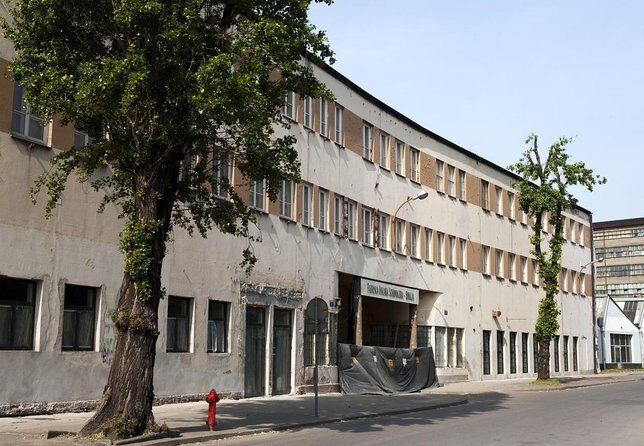
The experience starts at the Oskar Schindler’s Enamel Factory at Lipowa 4. From there, you choose your start time and head in. If you booked the guided option, you’ll meet your guide outside first.
Before you enter: a quick framing moment
If you opt for guided, you’ll get an intro that sets the story’s context. This matters because the museum moves through WWII events in Krakow and then back to the factory’s wartime function. A good guide helps you understand what you’re about to see so the exhibits don’t feel like separate posters.
You can also read our reviews of more guided tours in Krakow


Inside: wartime Krakow, shown through photos and media
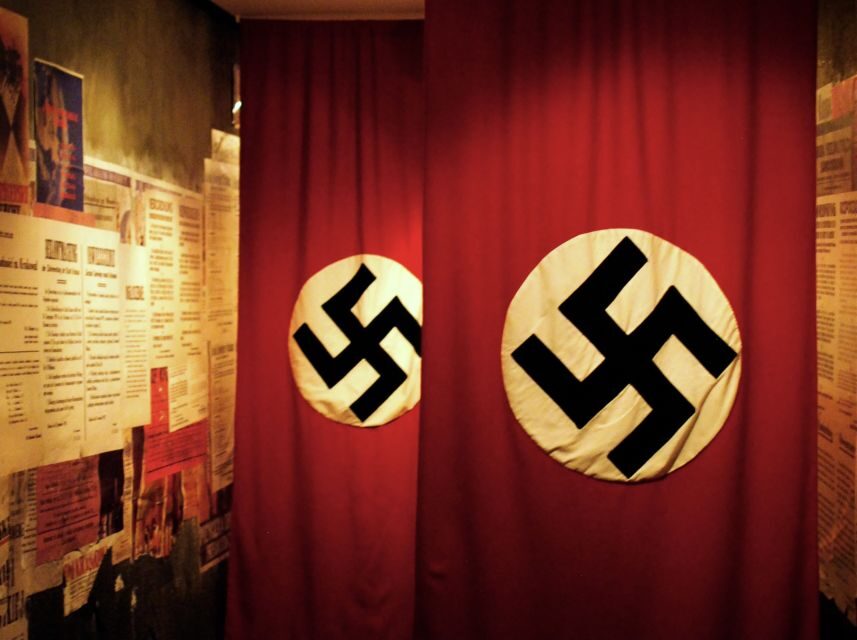
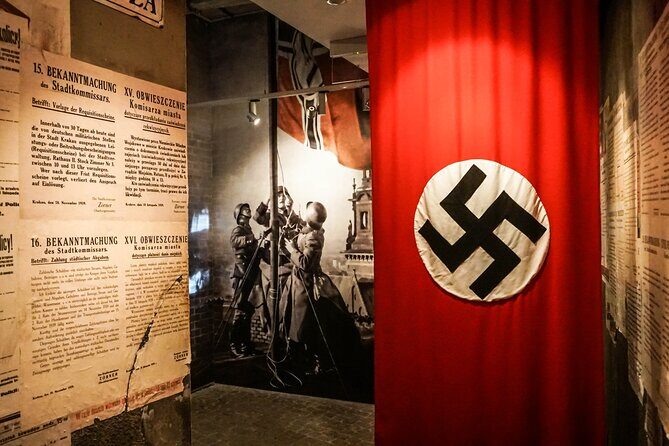
You’ll pass through rooms that document how WWII affected Krakow—first through the atmosphere of occupation and fear. Expect:
- photographs of cobbled streets and everyday life under pressure
- material about resistance hideaways
- portrayals of prisons used during Nazi- and Soviet-occupied periods
- original film and radio recordings that convey the fear gripping the population
This is the part where you’ll likely feel the emotional weight. The museum uses media to reproduce a sense of terror and uncertainty, not just summarize events.
The factory story: what work happened there
Then the tour shifts into the factory itself. You’ll learn how Schindler’s Jewish workforce manufactured pots, pans, tins, and other enamelware for the German army. The logic here is chillingly clear: this industrial work was tied to survival odds, because it could reduce the likelihood of being transported to the concentration camps.
You’ll also see:
- products made in the factory (when the museum display is set up that way during your visit)
- Schindler’s office
- stories of some of the roughly 1,200 Schindlerjuden who worked there
Where it ends: back outside
The tour concludes outside the museum building, and you can continue exploring Krakow independently. That “outdoor exit” is helpful because you can turn the visit into a longer day: grab a coffee, walk a nearby neighborhood, or line up another timed stop.
Schindler’s office and the enamelware details that matter
It’s easy to think this museum is only about a famous figure. The truth is more interesting: it’s about how a factory system worked, and how people inside it tried to survive.
Schindler’s office is one of the standout stops because it’s the bridge between:
- the bureaucratic war world that fueled orders and production
- the human world of the people doing the work
When you connect that office space to the enamelware manufacturing story, the exhibits start to feel less like a plot summary and more like an explanation of mechanics—how industrial output and persecution intersected.
You’ll also get a clearer sense of what was being produced. The museum points to enamelware items like pots, pans, and tins. That’s important because it shows the factory wasn’t an abstract “hiding place.” It was a working production site with materials, orders, and output.
WWII Krakow in the exhibits: expect heavy context
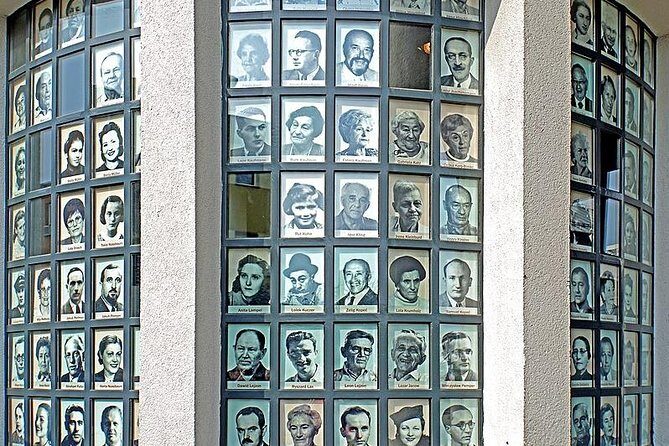
The museum spends significant time on Krakow’s WWII story, not only the factory. That includes Nazi and Soviet occupation periods, resistance, and imprisonment. If you like history that’s specific to a place (rather than a general WWII overview), this is a strong match.
The media choices also matter. Film and radio recordings are used to create an emotional atmosphere, and the exhibit design leans on photographs of streets and hidden spaces. So even if you’re not a “read every panel” person, the room flow gives you enough anchors to follow what’s going on.
One caution: because the museum emphasizes Krakow’s occupation timeline, some visitors expecting a more Schindler-centered tour may find the personal story gets less time than they hoped. A guided visit helps, but it won’t change the museum’s overall emphasis.
Guide quality and group size: what can make or break it
Here’s the real-world truth: the museum can be intense, and group logistics affect how much you absorb.
This experience has a maximum of 25 travelers. In a place with smaller corridors and rooms, that can mean:
- less quiet time to think
- a higher chance of missing a detail if you’re slightly behind the group
- faster pacing
In positive experiences, named guides such as Natalia, Elizabeth, Marta, Barbara, and Wojtek have been highlighted for clear English and strong pacing. The best guides don’t just talk—they connect rooms so the whole visit feels like one story, not separate facts.
On the flip side, some people reported issues like:
- a guide moving ahead quickly and not waiting for the whole group
- missing headphones/ear-audio support
- tours that felt rushed
So my practical advice is simple: treat the guided option as a listening experience. If you’d rather read slowly, consider self-guided.
And one more thing: if audio matters to you, check whether headphones or an audio system is provided on your departure. A few visitors have said they didn’t have them.
Practical tips so you get the most from the rooms
A museum like this isn’t about speed. It’s about attention. A few tips can make your visit smoother:
- Arrive on time at Lipowa 4. Meeting point timing matters because you’re entering a timed slot.
- Bring your valid ID. Museum staff may request it.
- Have full participant names ready when booking. Tickets are issued in individual names.
- Plan for the emotional weight. If you need breaks, use them. The museum experience moves through intense material.
- Don’t assume you’ll read everything. Even when the guide is excellent, a 90-minute structure means you’ll be selecting what to focus on.
If you’re traveling with anyone who has mobility challenges, it’s described as having lifts, but the layout can still be tricky. Go slow and ask the guide for help when needed.
Price and value: is $35.70 a fair deal?
At $35.70 per person for about 1 hour 30 minutes, the price is mainly buying three things:
1) guaranteed entry, with skip-the-line benefits
2) a guided framing of the exhibits (if you selected guided)
3) help navigating how the rooms connect, especially with WWII context
If you’re short on time and you hate waiting in queues, this ticket can feel like a bargain. The skip-the-line piece alone can easily be worth real money in both stress and time saved.
Where the value gets questionable is if you expected a Schindler-focused biography session. The museum’s own emphasis is on Krakow’s WWII experience, with Schindler’s story woven through it. If that matches your interest, the guided framing can boost the value a lot. If your main goal is one person’s story, you might feel the tour doesn’t fully match that.
Also remember: group size and pacing can shape perceived value. A well-paced guide can make the same rooms feel clear and meaningful. A rushed guide can turn it into a quick scan.
Who this tour is best for
This works especially well if:
- you want guided context so the exhibit timeline makes sense
- you care about WWII history tied to Krakow, not just a general overview
- you’re short on time and want timed, skip-the-line entry
- you like learning how specific industrial work connects to survival and risk
It may not be your best match if:
- you want a long, self-paced museum visit with lots of reading time
- you’re only interested in Schindler as a central character
- you’re extremely sensitive to group pacing in tight spaces
Should you book this Schindler’s Factory guided skip-the-line tour?
I’d book it if you want a smart, time-saving way to get inside and understand what you’re looking at. The guided option is most valuable because it helps you connect the emotional exhibits (streets, hideouts, prisons) to the factory story (enamelware production, Schindler’s office, and the reality faced by Schindlerjuden).
But if you’re the kind of visitor who wants to linger and read every panel, you may prefer a self-guided visit instead. The museum is so exhibit-driven that you can get a strong visit without a guide, assuming you can manage the entry logistics.
If your schedule is tight, your interest includes Krakow under occupation, and you want entry without queue stress, this is a good call.
FAQ
How long is the Schindler’s Factory guided tour?
It runs about 1 hour 30 minutes.
Is the museum entrance ticket included?
Yes. Admission to Oskar Schindler’s Factory Museum is included.
Is the tour offered in English?
Yes, the guided experience is offered in English.
Does this ticket include skip-the-line entry?
Yes. It guarantees entry to Oskar Schindler’s Factory Museum and uses timed entry.
Where do I meet the guide?
You start at Oskar Schindler’s Enamel Factory, Lipowa 4, 30-702 Kraków, Poland.
What do I need to bring for entry?
Bring a valid identity document (passport or ID). Tickets are issued in individual names, so you also need full participant names when booking.