REVIEW · KRAKOW
Krakow: Jewish Ghetto Guided Walking Tour
Book on GetYourGuide →Operated by INTERCRAC Ltd. · Bookable on GetYourGuide
Podgórze feels quiet, but the streets don’t tell a quiet story. This guided walk is a focused, 1-hour way to understand how Nazi occupation turned ordinary places into scenes of fear, courage, and survival. You start near Schindler’s Factory, then move through key reminders of the Kraków Ghetto: walls you can still picture in your mind, a memorial that hits hard, and a pharmacy tied to helping people escape harm.
I love two things about this tour. First, the route is built around real locations—not just vague explanations—so you can connect the stories to what’s still standing. Second, the guide-led narration matters a lot in a short time; I especially like when the talk is clear and paced so you can actually follow (I’ve heard great things about guides like Elena for friendly, easy-to-follow explanations, and Renata for clear presentation and helpfulness).
One drawback to consider: the subject is emotionally heavy, and it’s outdoors. If you’re hoping for light sightseeing, this isn’t that kind of walk—and bring comfortable shoes since the tour runs in all weather conditions.
In This Review
- Key highlights you’ll actually remember
- Entering Podgórze: why this walk hits after Schindler’s Factory
- Meeting at Schindler’s Factory Museum: getting oriented fast
- The ghetto wall remnants: borders you can still picture
- Ghetto Heroes Square: the memorial of empty chairs
- Under the Eagle Pharmacy: resistance you can learn to spot
- Preserved wartime streets: noticing how life changed, step by step
- What you’ll get from the licensed guide in just one hour
- Price and value: is $15 worth 60 minutes?
- Who should book this tour (and who should plan a different style)
- Should you book the Kraków Jewish Ghetto guided walking tour?
- FAQ
- Where do I meet the guide for the Krakow Jewish Ghetto walking tour?
- How long is the tour?
- What languages are available?
- Is there an entrance fee included for any of the stops?
- What’s included in the price?
- What are the main places you visit?
- Can I cancel for a refund?
- Can I reserve now and pay later?
Key highlights you’ll actually remember
- Ghetto Wall fragments that make the boundary feel real, not abstract
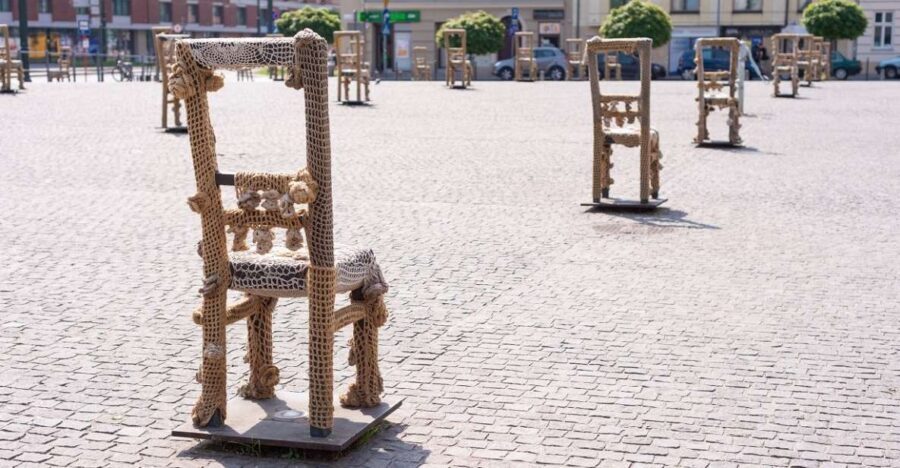
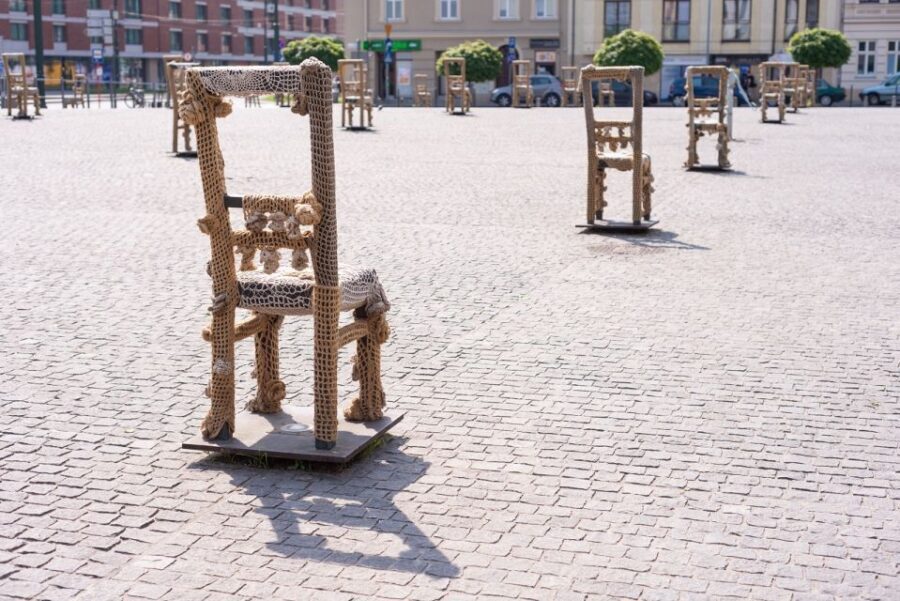
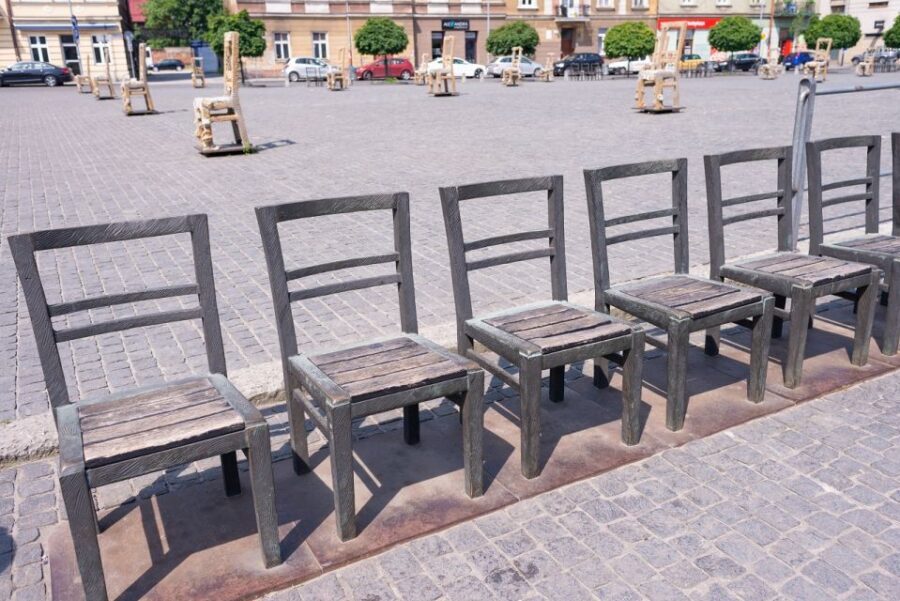
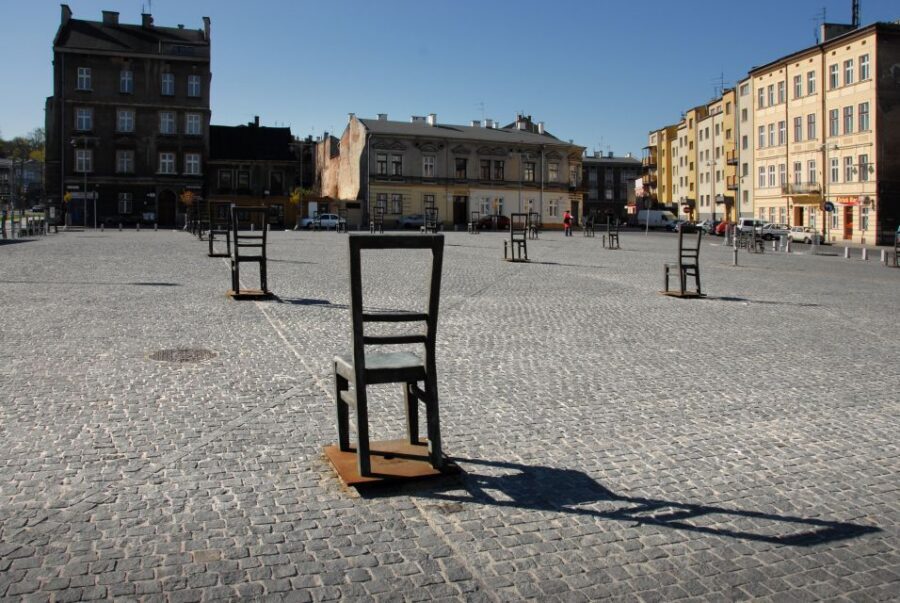
- Ghetto Heroes Square, centered on a memorial with empty metal chairs
- Under the Eagle Pharmacy, with the story of Tadeusz Pankiewicz and his staff’s resistance and aid
- Wartime streets and buildings where daily life during WWII is explained in context
- A licensed expert guide who keeps the focus human and understandable in just one hour
Entering Podgórze: why this walk hits after Schindler’s Factory
Starting near Schindler’s Factory changes how you read Kraków. You’re not just ticking off “another WWII site.” Instead, you get the connection between industry, forced labor, and the way the occupation reorganized daily life in this district. That context helps you understand why the ghetto wasn’t a separate world—it was built into the city’s machinery.
The walk also stays tightly focused. In one hour, you move between places that each represent a different piece of the same story: confinement, removal, help, and survival. It’s a smart way to get grounded quickly—especially if you only have a short window in Kraków.
You can also read our reviews of more walking tours in Krakow

Meeting at Schindler’s Factory Museum: getting oriented fast
You meet your guide at the main entrance to the Schindler’s Factory Museum, on the right-hand side. Your guide holds an excursions.city sign. Plan to arrive about 10 minutes early so you don’t miss the group start.
This matters because the tour begins by setting the historical context right away. You’re not left wandering first. The area around Schindler’s Factory is used as a sort of launch point: from there, your guide explains how Nazi occupation reshaped this part of Kraków—how labor and everyday routines became tightly linked to persecution.
Practical tip: if you’re planning to visit the museum area before or after, this walk works best when you give yourself a little breathing room between stops. It’s not a “run between locations” experience. You want to hear the story while the geography is still fresh.
The ghetto wall remnants: borders you can still picture
One of the most powerful parts is seeing the remnants of the former Ghetto Wall. Even when fragments are all you have left, they give you something rare: a physical scale for separation. When a guide points out what remains and what it meant, you stop imagining history and start seeing it as a lived boundary.
Your guide uses these pieces to explain what it felt like to be confined and separated from the rest of the city. That context turns a short walk into something more personal. You begin to notice how boundaries shape movement—what’s possible, what’s blocked, and how people learn to survive inside restrictions.
A small caution: don’t rush your viewing. Stand for a moment and let your mind slow down. The value here isn’t photography. It’s comprehension.
Ghetto Heroes Square: the memorial of empty chairs
From the wall remnants, you head toward Ghetto Heroes Square, which functioned as a central point in the Kraków Ghetto. Your guide ties the square to key events, including deportations, so you understand why this open space carries such weight today.
Now it serves as a place of remembrance. The memorial features empty metal chairs—an image that’s simple, but brutally effective. It forces you to confront absence in a way that numbers alone never do.
Here’s why the square is such a strong stop for your understanding: it changes the mood of the walk from “what remains” to “what it meant.” You’re asked to connect the geography to the human cost—how quickly ordinary routines could be interrupted, and how many people were taken away.
If you feel emotional here (you probably will), that’s not a sign you’re doing it wrong. This stop is designed for reflection.
Under the Eagle Pharmacy: resistance you can learn to spot
Across the square, the tour moves to Under the Eagle Pharmacy, a historic site tied to help and resistance inside the ghetto system. The guide explains the role of Tadeusz Pankiewicz and his staff, who provided vital assistance to ghetto residents.
This stop matters because it adds moral texture. WWII history can sometimes flatten into victims and perpetrators. Here, you get people acting with courage—choosing compassion even when the risks were extreme.
Your guide also keeps the focus on stories rather than vague heroics. You learn how assistance wasn’t just an abstract idea; it involved real decisions, real people, and real consequences. That’s what makes this part memorable long after the tour ends.
Practical note: if you’re sensitive to intense narratives, consider pacing yourself between stops. The tour is short, so emotions can build quickly.
You can also read our reviews of more guided tours in Krakow

Preserved wartime streets: noticing how life changed, step by step
As you continue through the preserved wartime streets and buildings, the tour shifts toward what you might call “the everyday layer” of WWII life in Podgórze. You don’t just hear about major events. You also learn about the conditions people lived under and how survival worked day to day.
That’s where the guide’s perspective becomes crucial. With the right narration, you start seeing how forced labor, occupation policies, and daily routines connected in the same physical streets you’re walking today. It’s not about memorizing dates. It’s about understanding how fear becomes a background condition when your choices shrink.
This is also where you’ll likely get the most value if you like history but dislike long lectures. The tour keeps moving, but it keeps meaning in the front seat.
What you’ll get from the licensed guide in just one hour
A 1-hour walking tour sounds short until you consider the density of the sites. The best value comes from how the guide structures the story in real time—choosing what to emphasize and keeping it clear.
From what people have said, clarity and pacing are a big win. Guides have been described as friendly and easy to follow, with speech paced so you can understand without constantly asking for repeats. That kind of delivery is exactly what you want on a condensed tour about complex subject matter.
Language options also matter if you’re not traveling in English. This tour runs in German, Italian, French, Spanish, and English, so you can match your comfort level and actually absorb the details.
If you’re traveling with kids or teens, you’ll want to gauge their readiness for serious content. The tour isn’t long, but it doesn’t soften the reality either. For many families, that’s still workable—if you talk beforehand about what you’ll see.
Price and value: is $15 worth 60 minutes?
At $15 per person for a 1-hour guided walk, you’re paying for two things: time and expertise. You could certainly walk through Podgórze on your own, but you’d likely miss the “why” behind each place—the connections between occupation, confinement, deportations, and resistance.
What makes the price feel fair is the combination:
- Licensed guide (not just a self-guided route)
- Multiple high-signal stops: wall remnants, memorial square, and Under the Eagle Pharmacy
- A story that connects those dots quickly
For me, the value comes from efficiency. You get context without a half-day commitment. If your schedule is tight, this tour is a smart way to build real understanding instead of collecting only photos.
That said, if you’re looking for a relaxed stroll with minimal emotional intensity, you might prefer a less focused walking route. This one is purpose-built.
Who should book this tour (and who should plan a different style)
Book it if you:
- Want a short, guided way to understand Kraków’s WWII Jewish Ghetto in Podgórze
- Like walking tours that teach meaning, not just location
- Appreciate memorials and resistance stories, not only major battle history
You might want to think twice if:
- You’re uncomfortable with heavy WWII themes
- You need lots of quiet breaks during difficult topics
- You expect a long museum-style visit—this is a walking story, not an indoor deep dive
Also, because weather can affect comfort (the tour runs in all weather), plan your clothing like you’re going on a real neighborhood walk: comfortable shoes, layers, and a way to handle rain if it shows up.
Should you book the Kraków Jewish Ghetto guided walking tour?
Yes, if you want a clear, structured introduction to the Podgórze ghetto story without wasting time. The main sites are close enough to make sense in an hour, and the guide’s job is to connect them into a lived narrative you can actually carry with you.
It’s also a good choice if you like being guided through difficult memory respectfully. The memorial at Ghetto Heroes Square and the resistance story at Under the Eagle Pharmacy are the kind of stops that deserve context, and this tour gives it.
If you do book, show up early, wear good shoes, and come ready to listen. This isn’t “just history.” It’s a walk through places where people tried to survive—and where the shape of the city remembers what happened.
FAQ
Where do I meet the guide for the Krakow Jewish Ghetto walking tour?
Meet your guide in front of the main entrance to the Schindler’s Factory Museum, on the right-hand side. The guide will hold an excursions.city sign.
How long is the tour?
The tour lasts 1 hour.
What languages are available?
The live tour guide is available in German, Italian, French, Spanish, and English.
Is there an entrance fee included for any of the stops?
No. Entrance fees to attractions are not included.
What’s included in the price?
You get a professional licensed guide and a walking tour through the former Nazi Jewish Ghetto in Podgórze.
What are the main places you visit?
You’ll see remnants of the ghetto wall, visit Ghetto Heroes Square and its memorial, and learn about resistance connected with Under the Eagle Pharmacy, along with preserved wartime streets and buildings.
Can I cancel for a refund?
Yes. Free cancellation is available if you cancel up to 24 hours in advance for a full refund.
Can I reserve now and pay later?
Yes. You can reserve your spot and pay nothing today.