REVIEW · KRAKOW
Kraków: Old Town & Wawel Castle Walking Tour in English
Book on GetYourGuide →Operated by Walkative Tours · Bookable on GetYourGuide
Kraków feels like a time machine with good shoes. This Old Town + Wawel walk is built around the Royal Route and the UNESCO-listed heart of the city, with stories that connect kings, castles, and legends to the stones you’re standing on. I especially like how it doesn’t treat major sights as isolated postcards, and how the guide turns complicated Central-Eastern European history into something you can actually follow.
Two things I like a lot: you get the UNESCO-preserved Old Town core plus Wawel, and the tour includes small courtyard visits (Collegium Maius and Wawel Royal Palace courtyards) that most people miss when they only do quick sightseeing. The second big plus is the guide energy—names like Big Tom, Mitchell (Magic), Chris, Maciek, and Victoria come up again and again for being fun, clear, and easy to ask questions to.
One possible drawback: it’s a walking tour (150 minutes), and you’ll cover ground. There’s a break, but if you move slowly, you may not catch every single story beat at each stop—so plan for a steady pace and comfortable footwear.
In This Review
- Quick hits before you go
- Where the tour starts: Barbican to St. Florian’s Gate
- Medieval city walls and the Barbican: seeing defense in plain sight
- Main Market Square and the Cloth Hall: where money made the rules
- St. Mary’s Basilica and the trumpeter: tradition you can spot in minutes
- Collegium Maius courtyard: Copernicus-era education energy
- Archbishop Palace and the papal window: where faith meets politics
- Wawel Hill, Cathedral, and the castle courtyard: Polish kings in one walk
- The Wawel Dragon: legend with a location, not a generic myth
- Walking pace, comfort breaks, and how to enjoy the 2h 30m rhythm
- Price and value: why $26 can be a fair deal (and how to think about it)
- Who should book this Kraków Old Town + Wawel tour
- Should you book it? My practical take
- FAQ
- How long is the Kraków Old Town & Wawel Castle walking tour?
- Where do I meet the tour guide?
- Is the tour in English and is it wheelchair accessible?
- What’s included in the price?
- What’s not included?
- How does pay-what-you-wish work with the listed price?
Quick hits before you go
- UNESCO-first-list Old Town focus, not a random hits-and-run route
- Collegium Maius courtyard visit plus Wawel Royal Palace courtyard access
- St. Mary’s Basilica and the trumpeter tradition tied to daily city life
- John Paul II papal window stop that connects religion, power, and place
- Wawel Dragon legend woven into the walk, not tacked on at the end
- Highly rated guides with humor, big storytelling energy, and room for questions
Where the tour starts: Barbican to St. Florian’s Gate
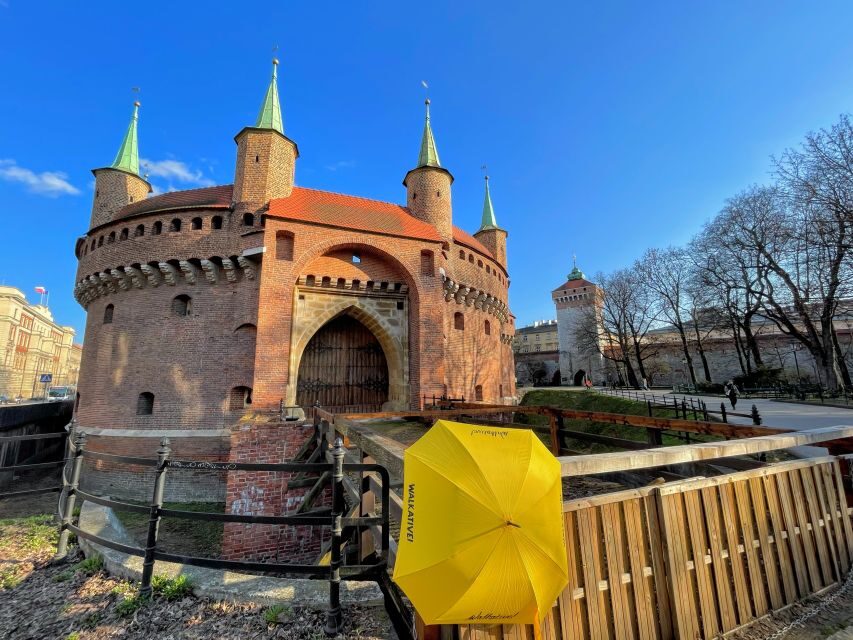
The meeting point sits in a small area between the Barbican and St. Florian’s Gate—the medieval entrance that helps you visualize how Kraków funneled people in and out centuries ago. If you’re the type who likes to get your bearings fast, that start matters. You’ll hear the city described as a system, not just a collection of landmarks.
This also sets expectations. The tour is live and in English, and it’s listed as wheelchair accessible, which is a real plus if you need mobility support. Still, even accessible tours can involve uneven pavement and changing street surfaces, so it’s smart to think ahead about what your comfort needs are.
You can also read our reviews of more walking tours in Krakow

Medieval city walls and the Barbican: seeing defense in plain sight
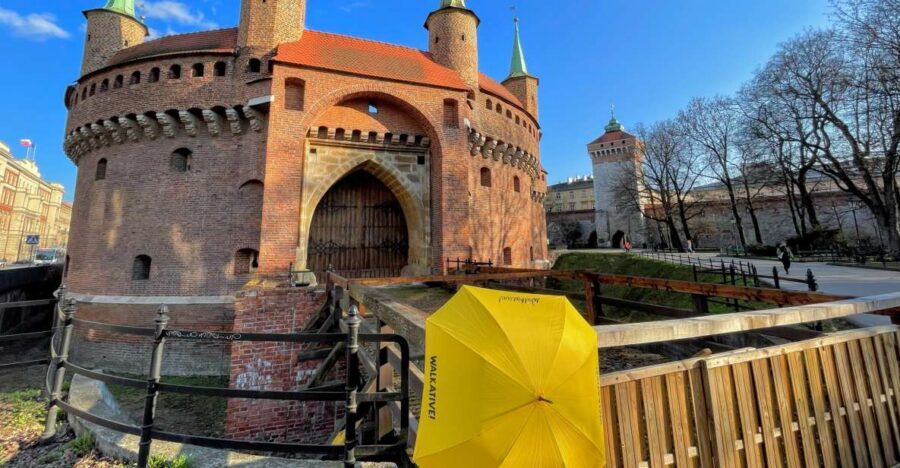
Kraków’s Old Town isn’t just pretty—it’s shaped by how it survived. Early on, you’ll walk the medieval city walls and the Barbican. This is one of those stops that pays off later, because once you understand where the defenses were, the layout of the center starts making sense.
What I like about starting here is that it gives you a framework for the rest of the tour. When you later pass through the Royal Route landmarks—squares, churches, university buildings—you’ll better understand why the city’s power grew where it did.
Main Market Square and the Cloth Hall: where money made the rules
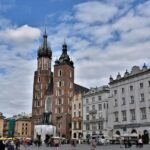
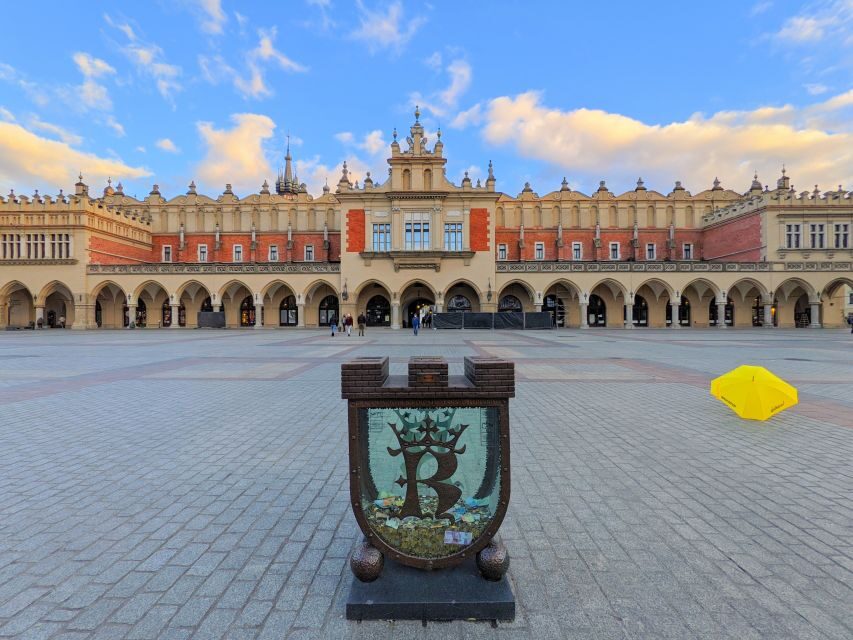
You’ll spend time in the Main Market Square, with the Cloth Hall as a key feature. This isn’t only about architecture. The point of the stop is to help you read the square like a living document: where trade concentrated, where influence gathered, and why Kraków became a major cultural hub across centuries.
Also, the timing works. In about 150 minutes, you need stops that create momentum, not museum fatigue. Main Market Square is perfect for that because it’s open, visually dominant, and easy to imagine the old city at work.
St. Mary’s Basilica and the trumpeter: tradition you can spot in minutes
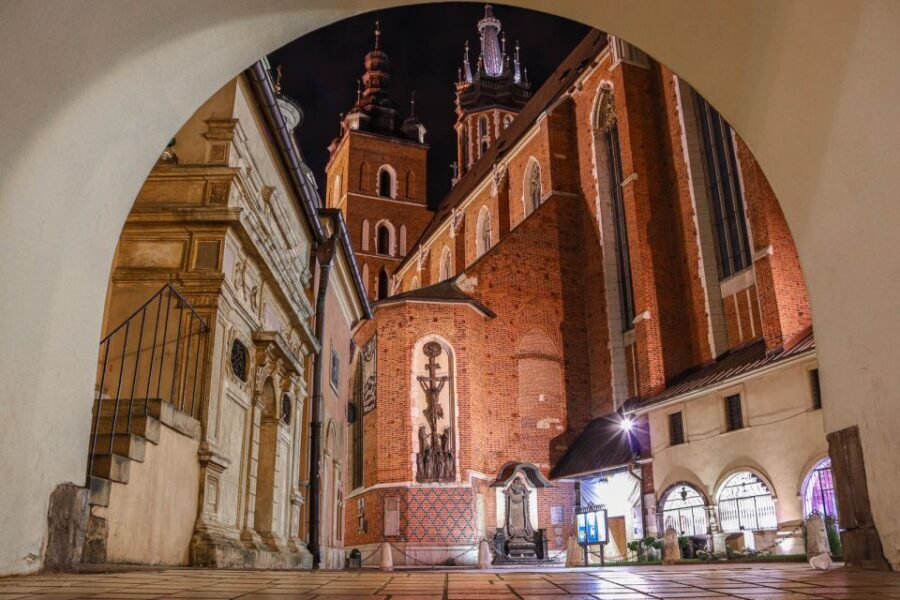
Next up is St. Mary’s Basilica, including its famous trumpeter feature. This stop is more than a photo moment. The tour uses it to explain how traditions stick in a city—how sound, symbols, and public rituals become part of everyday identity.
If you love details that feel specific (the kind that help a place stop being generic), you’ll likely enjoy this. It’s the sort of landmark where you’ll remember the story because it’s tied to a recognizable thing you can see and point at.
Collegium Maius courtyard: Copernicus-era education energy
One of the most valuable parts of this tour is the visit to the Collegium Maius area, specifically the courtyards. This matters because courtyards are where you feel scale and daily rhythms. They’re not just facades; they’re the spaces where people actually moved.
The tour also connects the university setting to big names you’ve heard before. It points out the link to Copernicus, positioning him as someone who walked these streets. Even if you know the concept of the Renaissance and early science already, this kind of grounding helps the story click.

Archbishop Palace and the papal window: where faith meets politics
You’ll also pass the Archbishop Palace and see the John Paul II papal window. This stop is a lesson in how religion and power show up physically in cities. It’s not abstract history—it’s a particular place with a particular purpose in the city’s public life.
I like this kind of stop because it reminds you that buildings weren’t built for tourists. They were built for decisions, ceremonies, and moments that mattered to the people of the time. When you connect that to the broader political changes in Central-Eastern Europe, the story stops feeling like a timeline and starts feeling like cause-and-effect.
Wawel Hill, Cathedral, and the castle courtyard: Polish kings in one walk
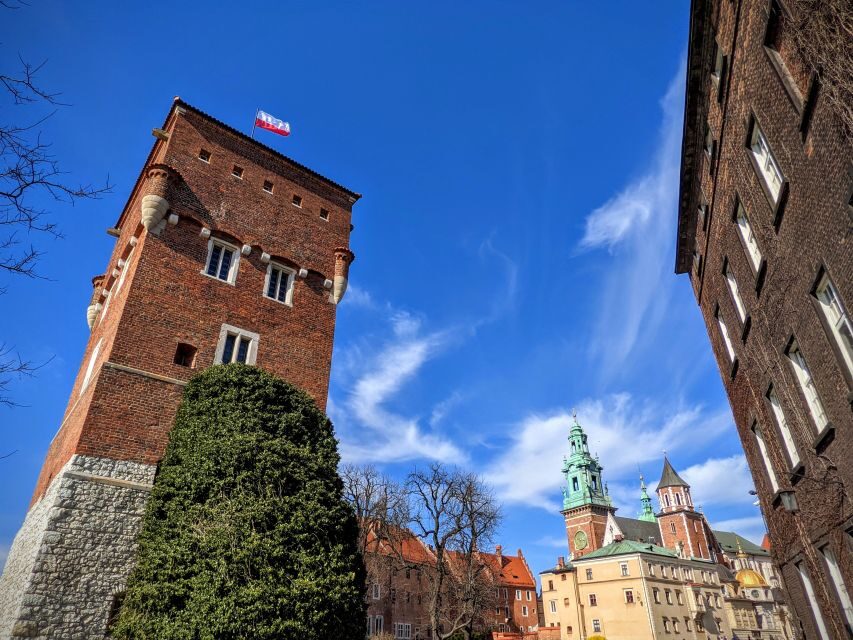
Then the tour climbs to Wawel Hill, focusing on the Cathedral area and the castle courtyard. This is the heart of the “why” behind the Royal Route. If the Old Town streets are the city’s public face, Wawel is where the city’s political gravity gathered.
Here’s a key practical detail: the tour includes visiting the courtyards of the Wawel Royal Palace. That’s different from a full inside-the-palace experience. If what you want most is long time in indoor rooms, you might feel you’re seeing the outside and the in-between spaces rather than every interior.
Still, the courtyard access is a smart compromise for a walking tour. It keeps you oriented and gives you memorable views without eating up the entire schedule. And because you’re already moving through the city, it flows well rather than feeling like a separate trip.
The Wawel Dragon: legend with a location, not a generic myth
You’ll also reach the Wawel Dragon. This is one of the stops that helps Kraków feel alive. Legends are easy to treat as trivia—until you see them attached to an actual place in the city’s physical geography.
The tour uses the dragon story to add texture to the Wawel area and to show how Kraków’s identity isn’t only monuments and dates. It’s also what people told each other, how they explained danger, and how they turned fear into something memorable.
Walking pace, comfort breaks, and how to enjoy the 2h 30m rhythm
This is a 2 hours 30 minutes walk. That sounds manageable until you realize how much of “Old Town” is stone, slopes, and tight streets. The good news: guides keep the pace moving, and there’s typically a break roughly halfway through, often described as a short coffee/bathroom pause (about 15 minutes).
One detail I’d plan for: you’ll want shoes that handle uneven pavement and a little hop-and-step motion. If you’re traveling with anyone who tires quickly, go in with realistic expectations. A few people noted that the tour can get information-heavy at times before everyone catches up, so building in your own slower moments (like pausing a beat after a stop) can help you absorb more.
Price and value: why $26 can be a fair deal (and how to think about it)
At $26 per person, this tour sits in the “pay for structure” category. You’re not just buying access to a few monuments—you’re paying for an expert local guide plus a constructed narrative that ties sites together along the Royal Route.
There’s also an important twist in the setup: booking joins a pay-what-you-wish format where what you pay covers a reservation fee and the guide’s payment. In plain terms, your base price isn’t the same as a donation for the day—it’s part of the guide compensation model. If you like what you hear and your guide handles your questions well, you’ll likely want to reward that with an additional tip.
As for what you actually get: the tour includes the guide, the storytelling framework, and the courtyard visits at Collegium Maius and Wawel Royal Palace. That courtyard time is the kind of value that’s hard to fake on your own unless you’re already planning a focused history day.
Who should book this Kraków Old Town + Wawel tour
This is a great fit if you:
- Want a first visit to Kraków that makes the city legible fast
- Like stories that connect buildings to politics, kings, and legends
- Prefer a guide who keeps the group engaged with humor and questions
- Have limited time but still want Old Town + Wawel in one coherent route
It’s less ideal if you:
- Want a lot of long indoor ticketed time inside Wawel buildings (courtyard access is included, not a full interior marathon)
- Need a very slow, frequently rest-station rhythm
- Are the type who hates walking between multiple historic stops in one afternoon
Should you book it? My practical take
If your goal is to understand Kraków instead of just collecting photos, I’d book this. The combination of UNESCO-listed Old Town core, the Royal Route landmarks, and the courtyard visits gives you more than a standard exterior-only loop.
Also, the quality signals are strong. Across many guide names—Big Tom, Mitchell (Magic), Tom, Chris, Maciek, Mati, Pavol, Damian, Max, Lucy, and Victoria—the pattern is consistent: clear explanations, jokes that don’t bulldoze the facts, and a pace that works for most people over a 150-minute window.
My final decision rule:
- Book if you want context and momentum in one go.
- Skip if you only care about long interior time at Wawel or you need an ultra-slow pace.
FAQ
How long is the Kraków Old Town & Wawel Castle walking tour?
It lasts 150 minutes.
Where do I meet the tour guide?
Meet in a small space between the Barbican and St. Florian’s Gate.
Is the tour in English and is it wheelchair accessible?
Yes. It’s a live English tour and it’s listed as wheelchair accessible.
What’s included in the price?
You get an expert local guide, a thoroughly constructed narrative, and visits to the courtyards of Collegium Maius and the Wawel Royal Palace.
What’s not included?
There’s no hotel pickup or drop-off, and snacks are not included.
How does pay-what-you-wish work with the listed price?
Booking joins a pay-what-you-wish style tour where the amount you pay covers the reservation fee and the guide’s payment.