REVIEW · KRAKOW
Krakow: The Old Town Walking Tour
Book on GetYourGuide →Operated by Kraków Explorers · Bookable on GetYourGuide
Krakow clicks when you hear it hourly. I love the super-easy meeting spot with the orange umbrella at St. Mary’s Basilica, and I love that the tour lines up the city’s living symbol, the trumpeter who plays every hour. My only real caution: entrance fees are not included, so if you want to go inside at Wawel, budget extra.
This is a 150-minute guided walk through Krakow’s medieval core, built to give you context fast—history, architecture, and practical ideas for where to spend more time later. With an English-speaking guide (and many sessions praised for clear, lively storytelling), it’s a good first-day move when you want the “who, what, why” without getting lost.
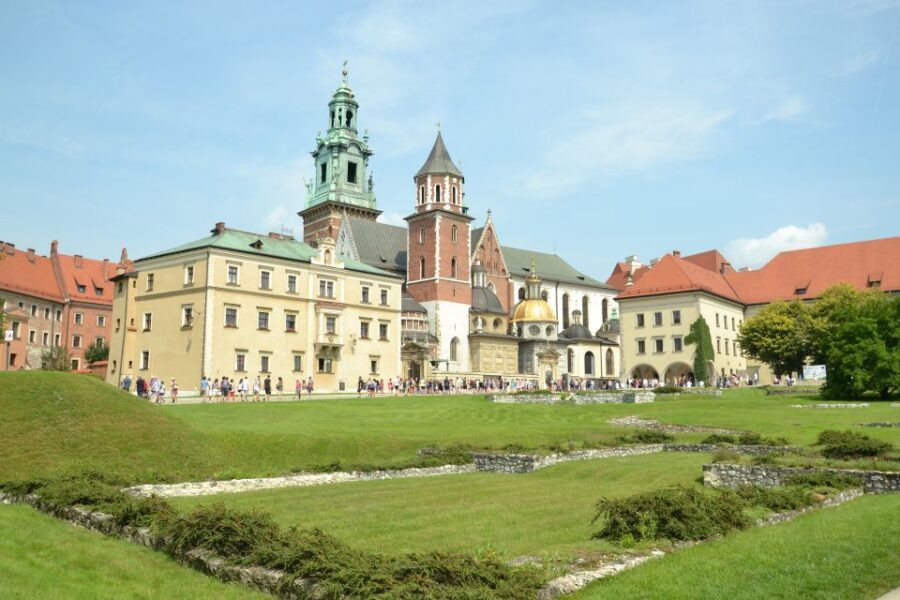
The tour ends at Wawel Castle, Poland’s royal residence, so you’re left with a clear finale and solid landmarks for the rest of your trip. It’s also listed as wheelchair accessible, but it’s still a walking tour, so expect uneven old-street surfaces at times. If you’re booking for flexibility, you’ll also see options like free cancellation up to 24 hours and reserve-and-pay-later.
In This Review
- Key Highlights You’ll Notice Right Away
- Entering Krakow’s Old Town: Why 150 Minutes Feels Just Right
- St. Mary’s Basilica Start: The Orange Umbrella and the Hourly Trumpeter
- Main Market Square: The Medieval Layout That Still Shapes Your Walk
- Panoramic City Views: More Than Just Looking, It’s Context
- Wawel Castle Finale: Ending at Poland’s Royal Residence
- What the Guides Do Well: Clear English, Humor, and Real Pride
- Pace, Comfort, and Timing: How to Prepare
- Price and Value Check: Is $19 a Good Deal?
- Who Should Book This Tour (and Who Might Skip It)?
- Should You Book This Krakow Old Town Walking Tour?
- FAQ
- Where is the meeting point?
- How long is the tour?
- What does the tour include?
- Are entrance fees included?
- Is the tour offered in English?
- Is it refundable if my plans change?
Key Highlights You’ll Notice Right Away
- Orange-umbrella meet-up right by St. Mary’s Basilica, so you start confident, not frantic
- The hourly trumpeter moment—Krakow’s living sound—timed into the tour experience
- Main Market Square views and meaning, including why this medieval layout matters
- Panoramic city views built into the route so you see more than just buildings
- Wawel Castle as a finish point, giving you a strong end-of-tour anchor
- English guide storytelling, often praised for clarity and humor that keeps the pace moving
Entering Krakow’s Old Town: Why 150 Minutes Feels Just Right
A good walking tour is like a map you can hear. This one is set up for orientation from the first block, using Krakow’s most recognizable historic stage: the Old Town area around St. Mary’s Basilica and the Main Market Square. At 150 minutes, it’s long enough to make the city start to make sense, yet short enough that you still have time to wander on your own afterward.
Price-wise, at $19 per person, you’re paying mainly for interpretation—the guide’s job is to connect the stones to the story. You’re also saving money by not paying entrances during the tour itself (entrance fees aren’t included). That’s a smart trade if you’re the type who wants to choose what to pay for once you see what grabs you.
Who this suits best:
- First-time visitors who want a fast overview of Old Town and Poland’s big historical themes
- Travelers who enjoy a mix of facts and human stories (often with humor)
- People who like a clear route with an end goal—this tour ends at Wawel, so you don’t have to figure out your own “final stop”
You can also read our reviews of more walking tours in Krakow


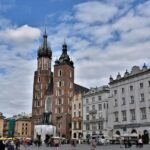
St. Mary’s Basilica Start: The Orange Umbrella and the Hourly Trumpeter
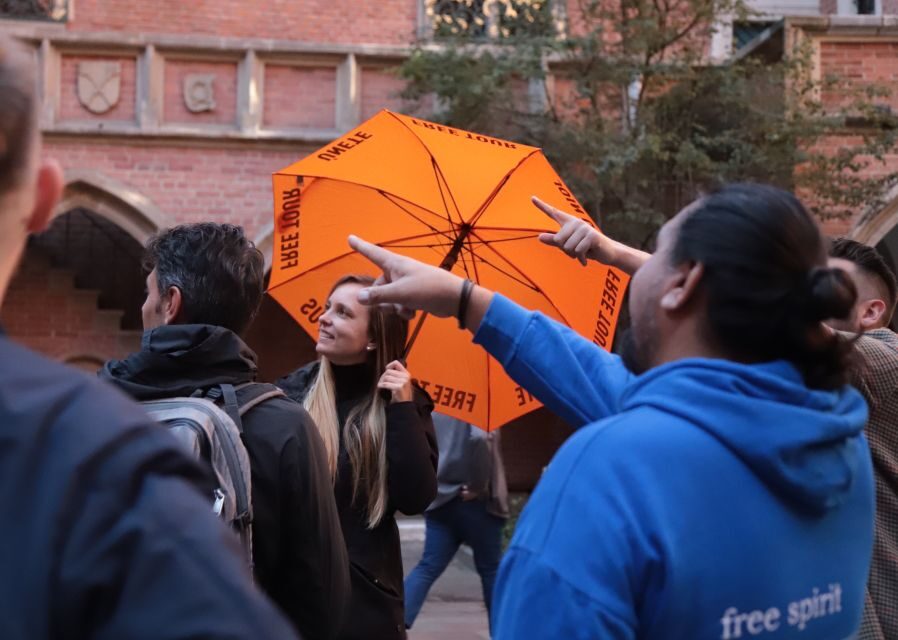
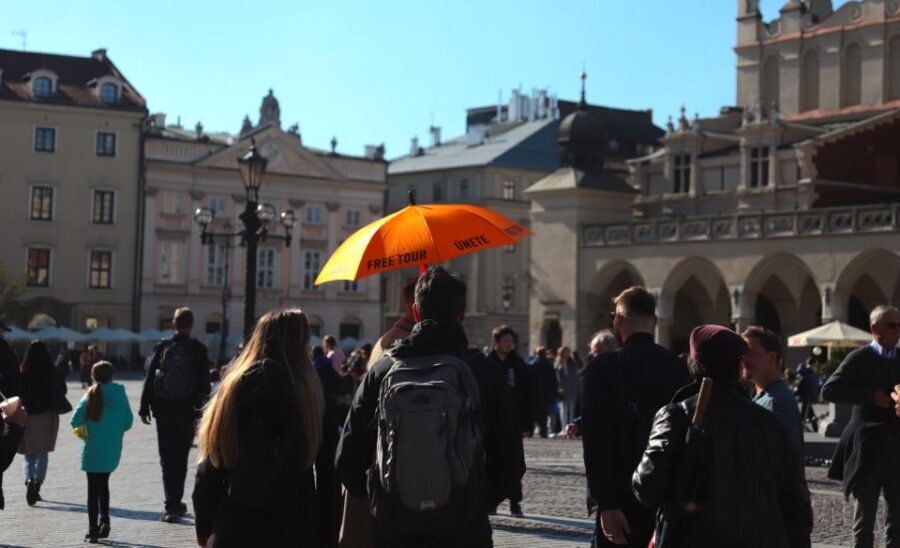
The tour meeting point is straightforward: stand in front of St. Mary’s Basilica and look for the guide with an orange umbrella. That tiny detail matters more than it sounds. On a tight travel schedule, easy find-me clarity reduces the stress that often kills momentum on day one.
From there, you’re pointed toward Krakow’s visual center and one of its most distinctive audio moments: the trumpeter. Your guide will show you the living symbol of Krakow—the trumpeter who plays his melody every hour from the basilica. The best part is that it’s not just a neat trivia fact. It’s a moving moment that helps you remember where you are in the city and why this place is special enough to be heard repeatedly.
If you’re worried about timing, here’s the practical takeaway: don’t plan your tour like it’s a museum appointment. Plan it like it’s an experience built around the hour. If you arrive a little early, you give yourself a buffer to settle in and watch for the sound.
Main Market Square: The Medieval Layout That Still Shapes Your Walk
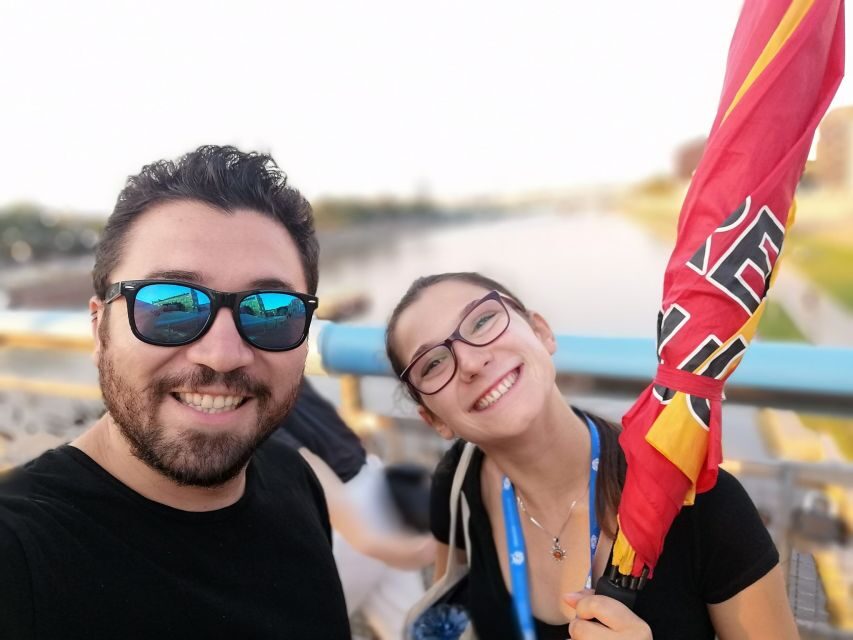
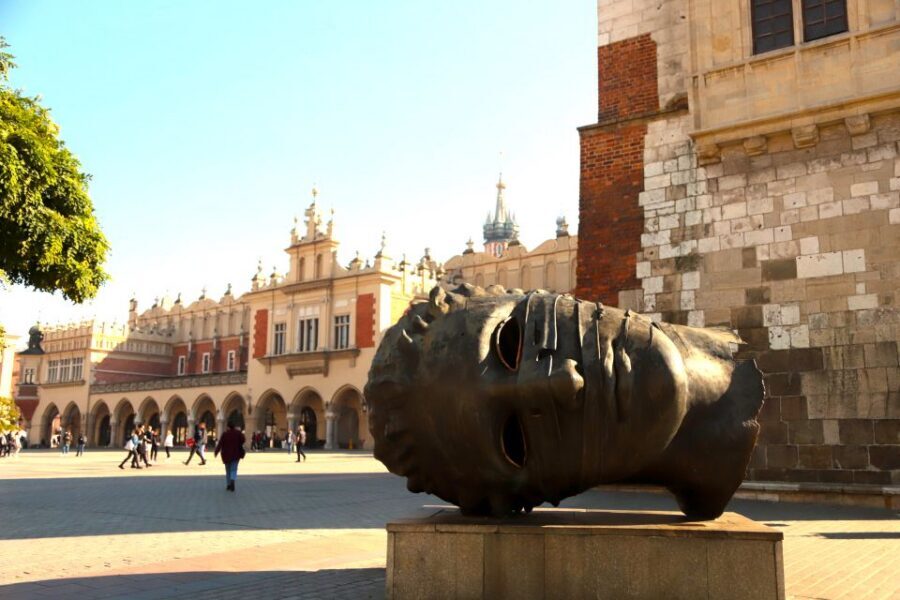
The Main Market Square is the big stage of Krakow’s Old Town, and this tour treats it like more than a photo backdrop. You’ll stroll among the medieval architecture that makes the square feel like a time capsule—while your guide explains what you’re looking at and how the city functioned.
What I like about this part is that the tour doesn’t just say buildings are old. It helps you understand how the square worked in real life: commerce, civic power, and the daily rhythm of a major European city. Even if you only remember a handful of facts, you’ll still walk away with a mental map of why the area is arranged the way it is.
A practical benefit: once you “get” the square, everything else gets easier. Later, when you’re wandering on your own, you’ll recognize landmark relationships faster—where the basilica sits, how the streets fan out, and which directions matter most when you’re trying to reach Wawel.
Panoramic City Views: More Than Just Looking, It’s Context
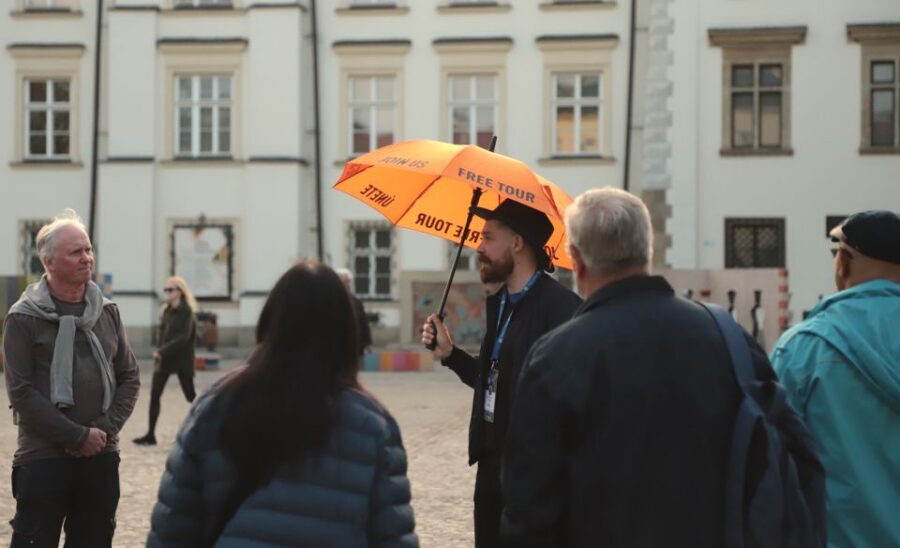
Krakow has views, but this tour uses them for a reason. You’ll admire panoramic views of the city as part of the route, and that changes how you read the Old Town. From an overlook, the buildings stop being random and start feeling like a system—layers of history connected by street patterns and the river-and-hill geography.
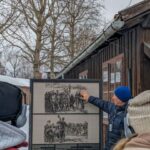
This is also where a guide’s delivery really shows. In the best-run sessions, the storytelling turns the view into a timeline: what rose when, what changed, and why modern Krakow still carries the marks of earlier eras. You’ll hear about Poland’s dramatic history, too—so you’re not just staring at skyline angles. You’re seeing the city as something shaped by events.
One more practical point: views can mean extra walking and potentially cold weather, especially in winter months. So dress for the outdoors. Even if you’re moving quickly, the air can still bite when you stop for photos and explanations.
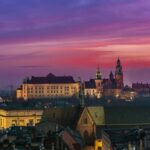
Wawel Castle Finale: Ending at Poland’s Royal Residence
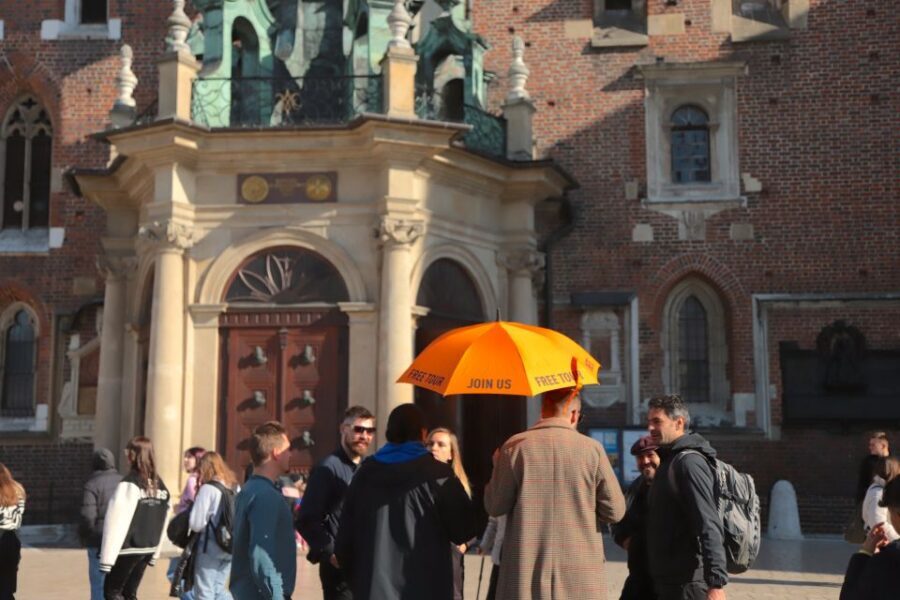
Ending at Wawel Castle is smart tour design. It gives the whole walk a destination feel, and it anchors the history you heard earlier to a place you’ll recognize as bigger than just one neighborhood.
Wawel is presented as the impressive royal residence of Polish kings. That framing matters because it helps you understand why the site pulls so many visitors. By the time you reach the castle area, you’re not approaching it as a generic stop. You’re approaching it as a historic center of power—one that connects to the broader stories your guide shared about Poland.
Budget note: entrance fees aren’t included in the tour. That means you can use the final stop to orient yourself, take in the atmosphere, and decide whether you want paid access to specific areas. If you want to go inside, plan for that cost separately so there are no surprises at the gates.

What the Guides Do Well: Clear English, Humor, and Real Pride
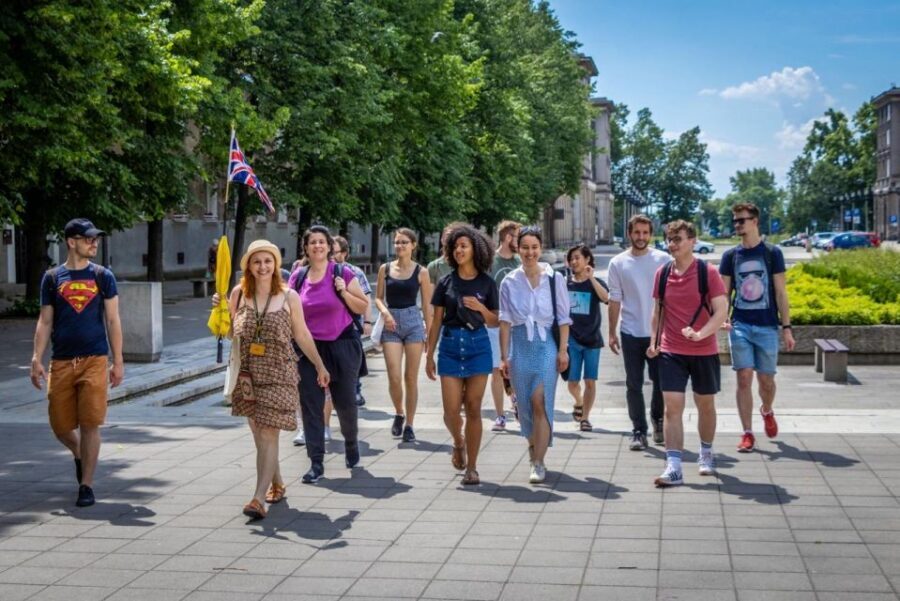
The standout theme across guide feedback is communication quality. English is the tour’s language, and guides are repeatedly praised for clear speech and an engaging style. Many sessions also mention humor, and that matters because it makes heavy history easier to digest without turning it into a lecture.
You’ll see names come up often—like Bart, Aga, Emily, Magda, Slavek, Agnieszka, and others. What’s consistent across these good experiences isn’t a single personality trait. It’s the balance: they keep the group moving, make stories understandable, and keep questions in play.
One detail I’d highlight for your planning: some tours are described as well paced but covering a lot in limited time. That’s not a dealbreaker, but it does mean you should wear comfortable shoes and expect a steady rhythm. If you want a slow sightseeing stroll, this may feel a bit efficient—but if you want a strong overview, that pace helps.
Pace, Comfort, and Timing: How to Prepare
This tour is 150 minutes, and it covers key highlights without feeling like a long slog. Still, “covering highlights” usually means fewer long stops for wandering. If you’re the type who likes to linger in doorways and take 20 photos per corner, you may want to set yourself up for faster viewing during the tour, then slow down afterward.
For comfort:
- Wear supportive footwear for old streets and standing around for the trumpeter moment
- Bring a warm layer if you’re going in colder months, since you’ll pause for sights
- If your group needs breaks, it’s worth knowing that some guides have helped with mid-tour restroom needs
Group size can vary, and at least one experience notes that splitting into two groups may happen. That’s usually practical rather than stressful—just arrive at the meeting point on time so you get sorted quickly.
Price and Value Check: Is $19 a Good Deal?
At $19 for 150 minutes, you’re paying for a guided orientation through Krakow’s Old Town with a major landmark finish at Wawel. That’s strong value if:
- you want your first Krakow day to feel structured
- you’re keen on the trumpeter moment and learning what you’re seeing around the basilica and square
- you’d rather invest in interpretation than entrances
The main “value catch” is straightforward: entrance fees aren’t included. So the tour is a great deal for the guided walk itself, but it’s not a bundled ticket to everything inside Wawel. If you’re planning to go into specific rooms or paid exhibits, treat the tour as the story-led introduction and plan the extras separately.
Who Should Book This Tour (and Who Might Skip It)?
Book it if you:
- want a high-impact start in Krakow’s Old Town
- enjoy history told with humor and clear explanations
- want the structure of a guided route ending at Wawel so your afternoon isn’t a scramble
Consider a different option if you:
- prefer self-paced wandering with minimal walking
- hate brisk pacing and want lots of free time at each stop
- know you only care about one or two sights and would rather skip the broader overview
Should You Book This Krakow Old Town Walking Tour?
If you’re trying to choose between “wander first” and “learn first,” I’d lean toward booking this on day one. It gives you a clear framework: where to stand for key sights, what the Main Market Square means, why Wawel matters, and how Krakow’s history echoes through the city streets.
Also, at $19 with an English-speaking guide and a well-known ending point, it’s an easy commitment to make early in your trip. Just plan for entrance costs if you want to go inside, and dress for the walking and possible cold stops.
FAQ
Where is the meeting point?
The meeting point is in front of St. Mary’s Basilica. Look for the guide holding an orange umbrella.
How long is the tour?
The tour duration is 150 minutes (about 2.5 hours).
What does the tour include?
It includes an English-speaking guide and a walking tour.
Are entrance fees included?
No. Entrance fees are not included.
Is the tour offered in English?
Yes, the tour is available in English.
Is it refundable if my plans change?
The tour offers free cancellation up to 24 hours in advance for a full refund, and you can also reserve and pay later.